

Ships within 24 hours Free delivery for orders over 350 EURO Wide selection of high-quality laboratory products Ships within 24 hours Free delivery for orders over 350 EURO Wide selection of high-quality laboratory products Ships within 24 hours Free delivery for orders over 350 EURO Wide selection of high-quality laboratory products Ships within 24 hours Free delivery for orders over 350 EURO Wide selection of high-quality laboratory products Ships within 24 hours Free delivery for orders over 350 EURO Wide selection of high-quality laboratory products Ships within 24 hours Free delivery for orders over 350 EURO Wide selection of high-quality laboratory products Ships within 24 hours Free delivery for orders over 350 EURO

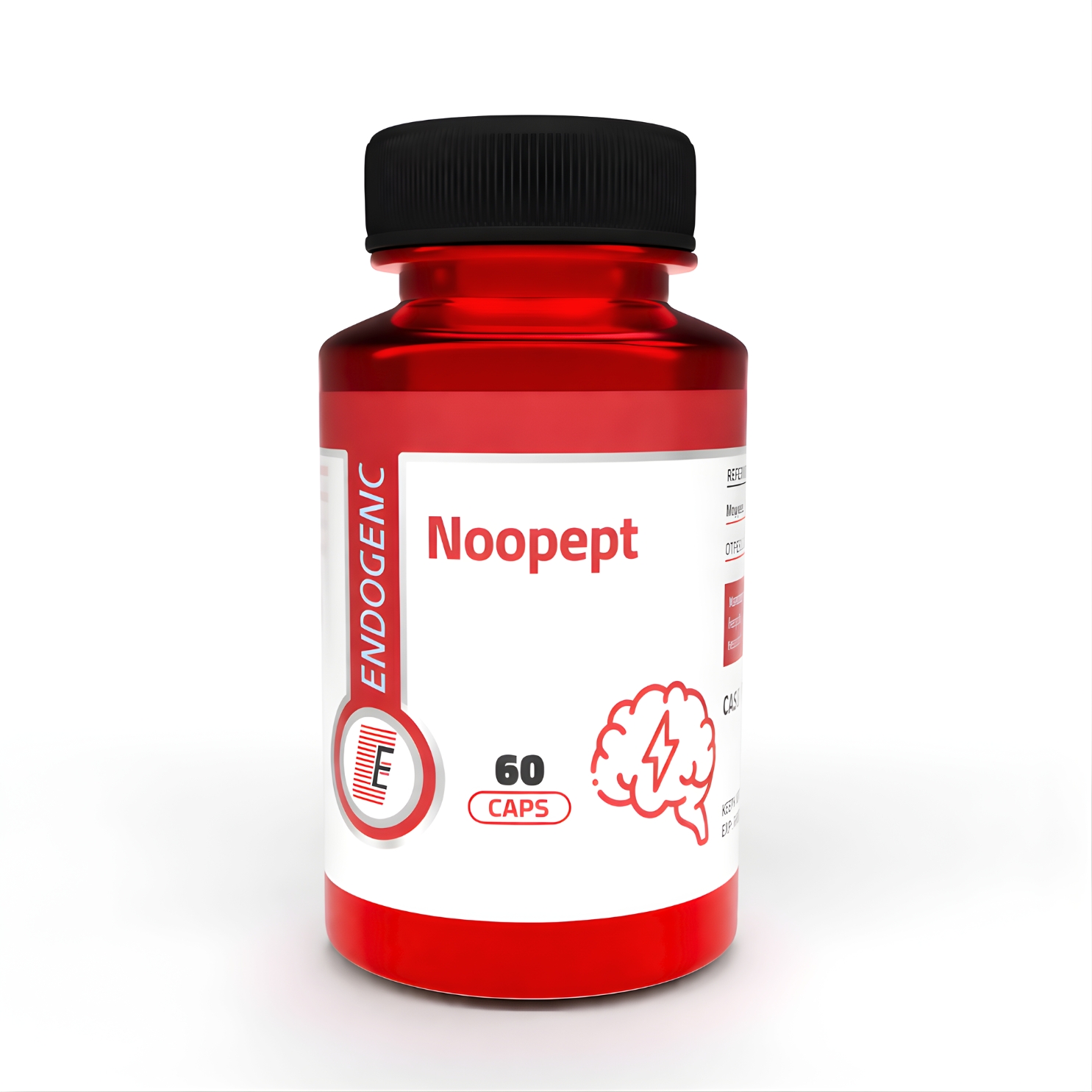
Noopept 20mg 60 caps

Sale!


 41.00

Noopept (GVS-111) of laboratory grade purity. A reagent used in research on synaptic plasticity, neurotrophin expression, and cognitive processes. A substance known in the hacker community as a nootropic.

Noopept 20 mg 60 caps

Noopept (GVS-111) is a synthetic dipeptide developed in the 1990s at the V.V. Zakusov Institute of Pharmacology at the Russian Academy of Medical Sciences. This substance is a chemical reagent intended exclusively for laboratory research (Research Use Only).

Endogenic Noopept 20 mg contains 60 units of the substance in solid form with laboratory-grade purity. The product is addressed to research laboratories conducting experiments in the fields of neurobiology, experimental pharmacology, and the biochemistry of glutamatergic receptors — and is part of the Endogenic research peptides line.

Since the synthesis of GVS-111, it has become the subject of intensive preclinical research worldwide. The interest of the scientific community stems from the observed biological activity of this molecule in in vitro and in vivo models — particularly in the context of modulating signaling pathways related to synaptic plasticity, neurotrophin expression, and the protection of nerve cells against oxidative stress.

Noopept belongs to the group of dipeptide derivatives of piracetam. In scientific literature, it is sometimes classified as a compound with nootropic potential, meaning that in preclinical studies, it has demonstrated the ability to modulate biochemical processes related to cognitive functions at the cellular and tissue levels.

Unlike piracetam — a derivative of gamma-aminobutyric acid (GABA) — Noopept represents a different molecular architecture. It is a dipeptide of N-phenylacetylprolylglycine, and this structural distinction translates into a different interaction profile with glutamatergic receptors. This property makes it an interesting research tool in experimental neurobiology, comparative pharmacology, and studies on next-generation nootropic substances.

Scientific communities have turned their attention to this molecule due to observations indicating its influence on the expression of nerve growth factor (NGF) and brain-derived neurotrophic factor (BDNF) in cell cultures and animal models. Increased expression of neurotrophins represents one of the most promising areas of research into substances that modulate neuronal plasticity.

Reviews

There are no reviews yet.

Be the first to review “Noopept 20mg 60 caps”

Your email address will not be published. Required fields are marked *

INTENDED FOR RESEARCH PURPOSES!
All the properties mentioned above are observed in laboratory studies, not conducted on humans, and are for informational purposes only. None of the information contained in the descriptions has been approved by GIS, GIF, or EFSA. The substance is not a medicine, a food product, or a dietary supplement; consequently, it is not suitable for human consumption. The product qualifies as a chemical reagent / reference material authorized for marketing within the EU. It may be used exclusively for scientific research. Additional information regarding the agent is contained in the safety data sheet, which we make available for review. Products are available only to institutions or individuals associated with research or laboratory activities.

What is Noopept (GVS-111)?

Biochemical Definition

Noopept is N-phenylacetyl-L-prolylglycine ethyl ester. It is a synthetic dipeptide designed as an analog of the endogenous peptide cycloprolylglycine (cyclo-L-prolylglycine), which serves as an active metabolite of piracetam in model organisms.

Identification Data

ParameterValue
IUPAC NameEthyl 2-[[(2S)-1-(2-phenylacetyl)pyrrolidine-2-carbonyl]amino]acetate
Molecular FormulaC₁₇H₂₂N₂O₄
Molar Mass318.37 g/mol
CAS Number157115-85-0
ClassificationSynthetic dipeptide, prolylglycine derivative
Regulatory StatusChemical reagent (RUO)

Chemical Classification

GVS-111 belongs to the family of racetam-like dipeptides, although it formally does not contain the 2-pyrrolidone ring characteristic of classic racetams. The presence of the phenylacetyl moiety at the N-terminal position provides the molecule with sufficient lipophilicity to penetrate biological barriers in experimental models — which represents a significant advantage over more hydrophilic GABA derivatives.

Structure and physicochemical properties

The Noopept molecule consists of three essential structural fragments:

Phenylacetyl fragment — an aromatic moiety responsible for hydrophobic interactions with target proteins. The phenyl ring ensures conformational stability and influences ligand-receptor affinity in binding studies.

Proline core — the pyrrolidine ring (L-proline) provides the molecule with conformational rigidity. The chirality of the stereogenic center (S-configuration) is significant for stereoselective molecular recognition by target receptor proteins.

Glycine fragment with an ester group — the glycine ethyl ester increases the molecule’s lipophilicity. Under experimental conditions in tissue homogenates, it undergoes enzymatic hydrolysis, releasing the active metabolite — cycloprolylglycine.

Solubility

Noopept exhibits moderate solubility in water (~10 mg/ml at 25°C) and good solubility in organic solvents — DMSO (>50 mg/ml), ethanol, and methanol. For the preparation of working solutions in laboratory conditions, DMSO is most commonly used as the primary solvent with subsequent dilution in culture medium.

Stability

In solid form, the substance remains stable for a minimum of 24 months at 2–8°C. Aqueous solutions require storage at -20°C, protected from light and repeated freeze/thaw cycles.

Mechanism of action at the molecular level

Preclinical studies on Noopept have revealed a multidirectional profile of biological activity. The following mechanisms have been described based on in vitro experiments and animal model studies.

Modulation of Glutamatergic Receptors

In vitro studies have demonstrated the interaction of GVS-111 with two types of ionotropic receptors:

AMPA Receptors — in hippocampal neuron cultures, allosteric modulation of alpha-amino-3-hydroxy-5-methyl-4-isoxazolepropionic acid receptors was observed. This mechanism aligns Noopept with the ampakine group, with the distinction that the dipeptide exhibits a different selectivity profile toward individual receptor subunits (GluA1–GluA4). In literature, the modulation of AMPA receptors is linked to processes of fast excitatory transmission and synaptic plasticity.

NMDA Receptors — in synaptosomal preparations, modulation of N-methyl-D-aspartate receptors was observed, likely through interaction with the glycine site. Interaction with NMDA receptors indicates a potential impact on long-term potentiation (LTP) — an electrophysiological phenomenon intensively studied in the context of the molecular basis of memory.

Expression of Neurotrophins — NGF and BDNF

One of the most widely cited phenomena in the literature regarding GVS-111 is the induction of neurotrophin expression in the nerve tissue of animal models:

NGF (Nerve Growth Factor) — Ostrovskaya et al. (2008) demonstrated a statistically significant increase in NGF mRNA levels in the hippocampus of Wistar rats after 28-day exposure to the substance. The neurotrophin NGF plays a role in the survival of cholinergic neurons in the forebrain — a cell population intensively studied in the context of memory processes.

BDNF (Brain-Derived Neurotrophic Factor) — in the same experimental model, a parallel increase in BDNF expression was observed, suggesting activation of the CREB (cAMP response element-binding protein) signaling pathway. BDNF functions as a mediator of neuroplasticity — influencing the formation of new synaptic connections, long-term potentiation (LTP), and neurogenesis in the hippocampal dentate gyrus.

Notably, chronic exposure (28 days) did not lead to the development of tolerance to the neurotrophic effect — in fact, its intensification was observed compared to a single exposure.

Antioxidant Properties

In PC12 neuronal cell line cultures exposed to oxidative stress induced by beta-amyloid (Aβ25-35), Noopept demonstrated the ability to reduce reactive oxygen species (ROS) levels and lower intracellular calcium concentrations. These observations were described by Ostrovskaya et al. (2014), indicating a potential neuroprotective mechanism involving the inhibition of the mitochondria-dependent apoptotic pathway.

Impact on the Cholinergic System

In animal models with pharmacologically induced cholinergic deficit (scopolamine), exposure to GVS-111 modulated acetylcholinesterase (AChE) activity in the cerebral cortex and hippocampus. This observation indicates an indirect influence of the substance on cholinergic transmission — a biochemical pathway that is a central subject of research into the molecular basis of learning and memory. In comparative studies, this mechanism is contrasted with the action of direct acetylcholinesterase inhibitors, such as Huperzine A, which reversibly blocks AChE in the synaptic cleft.

Applications in scientific research

Noopept is utilized as a research tool in several areas of experimental neurobiology:

Research on synaptic plasticity — GVS-111 is used in electrophysiological experiments on hippocampal slices to analyze LTP and LTD (long-term depression) mechanisms. The modulation of AMPA and NMDA receptors makes this dipeptide a useful tool for mapping glutamatergic pathways involved in memory and learning processes.

Neurodegeneration models — in studies on PC12 and SH-SY5Y cell line cultures, the substance has been used to assess neuroprotective potential against beta-amyloid-induced toxicity. Ostrovskaya et al. (2014) described the ability of GVS-111 to attenuate apoptosis and reduce tau protein hyperphosphorylation in these cellular models — observations relevant to research on the pathogenesis of neurodegenerative diseases.

Behavioral studies on animal models — in the Morris water maze and passive avoidance tests on Wistar rats and C57BL/6 mice, changes in behavioral parameters were observed following exposure to the substance. These results serve as a starting point for further research into the molecular basis of cognitive processes — learning, memorizing, and retrieving memory traces.

Comparative pharmacology of nootropics — due to its structural kinship with piracetam, GVS-111 serves as a reference compound in comparative studies of the biological activity of dipeptides with nootropic potential. This allows for a better understanding of the structure-activity relationship (SAR) within this group of compounds. As part of such comparative analyses, the nootropic peptide Selank is also studied — a heptapeptide modulating GABAergic and serotonergic transmission, serving as a complementary tool in mapping neuropeptide pathways.

Conclusion

Noopept (GVS-111) is a synthetic dipeptide with documented biological activity in in vitro and in vivo models. The molecular interaction profile includes modulation of glutamatergic receptors (AMPA, NMDA), induction of NGF and BDNF neurotrophin expression, antioxidant properties against beta-amyloid-induced stress, and influence on cholinergic transmission. Its multidirectional mechanism of action makes it a valuable tool in research within the fields of experimental neurobiology, nootropic pharmacology, and the modeling of neurodegenerative processes.

Endogenic Noopept 20 mg is a chemical reagent intended exclusively for research applications (Research Use Only). It is not intended for human consumption, diagnostic, or therapeutic purposes. The safety data sheet is available upon request.

What is the solubility of Noopept in standard laboratory solvents?

GVS-111 exhibits good solubility in DMSO (>50 mg/ml) and moderate solubility in water (~10 mg/ml at 25°C). For the preparation of working solutions, initial dissolution in DMSO is recommended, followed by dilution with culture medium to the desired working concentration. The final concentration of DMSO in the medium should not exceed 0.1% (v/v) to avoid cytotoxic artifacts.

What is the stability period of the working solution?

Solutions in DMSO stored at -20°C remain stable for a minimum of 6 months. Aqueous solutions exhibit lower stability — it is recommended to use them within 7 days of preparation. Repeated freeze-thaw cycles accelerate the degradation of the ester bond, leading to the premature release of the metabolite (cycloprolylglycine).

Which reagents should not be combined with Noopept in an experimental protocol?

Exercise caution when used simultaneously with strong oxidizing agents capable of degrading the peptide bond. In cell culture experiments, combining it with proteasome inhibitors is not recommended, as they may interfere with dipeptide metabolism. In receptor binding studies, avoid simultaneous exposure to full NMDA receptor agonists (e.g., glutamic acid at excitotoxic concentrations).

What is the metabolic profile of GVS-111 in in vitro models?

In liver homogenates of animal models, rapid hydrolysis of the ester bond has been demonstrated, leading to the release of the active metabolite — cycloprolylglycine (cyclo-L-prolylglycine). The half-life of the substrate under these conditions is approximately 15–20 minutes, suggesting high tissue esterase activity toward this molecule.

Which analytical methods are used to determine Noopept concentration in biological samples?

The standard method is HPLC-MS/MS (liquid chromatography coupled with tandem mass spectrometry) with extraction by the SPE (solid-phase extraction) method. The limit of detection (LOD) in animal plasma is approximately 0.5 ng/ml. This method allows for the simultaneous determination of GVS-111 and its metabolite cycloprolylglycine in biological material.


  • In rat hippocampal neuron cultures, allosteric modulation of AMPA receptors by GVS-111 was demonstrated, indicating an effect on fast excitatory transmission
  • A statistically significant increase in NGF and BDNF mRNA expression was observed in the hippocampus of Wistar rats after 28-day exposure (p<0.05), without the development of tolerance to the neurotrophic effect
  • In the beta-amyloid-induced toxicity model (Aβ25-35) on PC12 cells, a reduction in ROS levels, a decrease in intracellular calcium concentration, and attenuation of apoptosis were noted
  • In behavioral tests on animal models (Morris water maze, passive avoidance test), changes in parameters related to memory processes and spatial learning ability were observed
  • GVS-111 exhibits modulating activity toward acetylcholinesterase in the brain tissue of animal models, indicating an indirect influence on cholinergic transmission

Referenced Citations

Chemical Data Source

Physicochemical and identification data were verified based on the PubChem record:

  1. Ostrovskaya RU, Gudasheva TA, Zaplina AP, et al. Noopept stimulates the expression of NGF and BDNF in rat hippocampus. Bull Exp Biol Med. 2008;146(3):334–337. PubMed: 19240853
  2. Ostrovskaya RU, Vakhitova YV, Kuzmina USh, et al. Neuroprotective effect of novel cognitive enhancer noopept on AD-related cellular model involves the attenuation of apoptosis and tau hyperphosphorylation. J Biomed Sci. 2014;21(1):74. PubMed: 25096780
  3. Ostrovskaya RU, Gruden MA, Bobkova NA, et al. The nootropic and neuroprotective proline-containing dipeptide noopept restores spatial memory and increases immunoreactivity to amyloid in an Alzheimer’s disease model. J Psychopharmacol. 2007;21(6):611–619. PubMed: 17092975