



Fat burners
Other categories
41 products
-
'/%3E%3C/svg%3E)
-
'/%3E%3C/svg%3E)
-
-
'/%3E%3C/svg%3E)
-
-
-
'/%3E%3C/svg%3E)
-
-
-
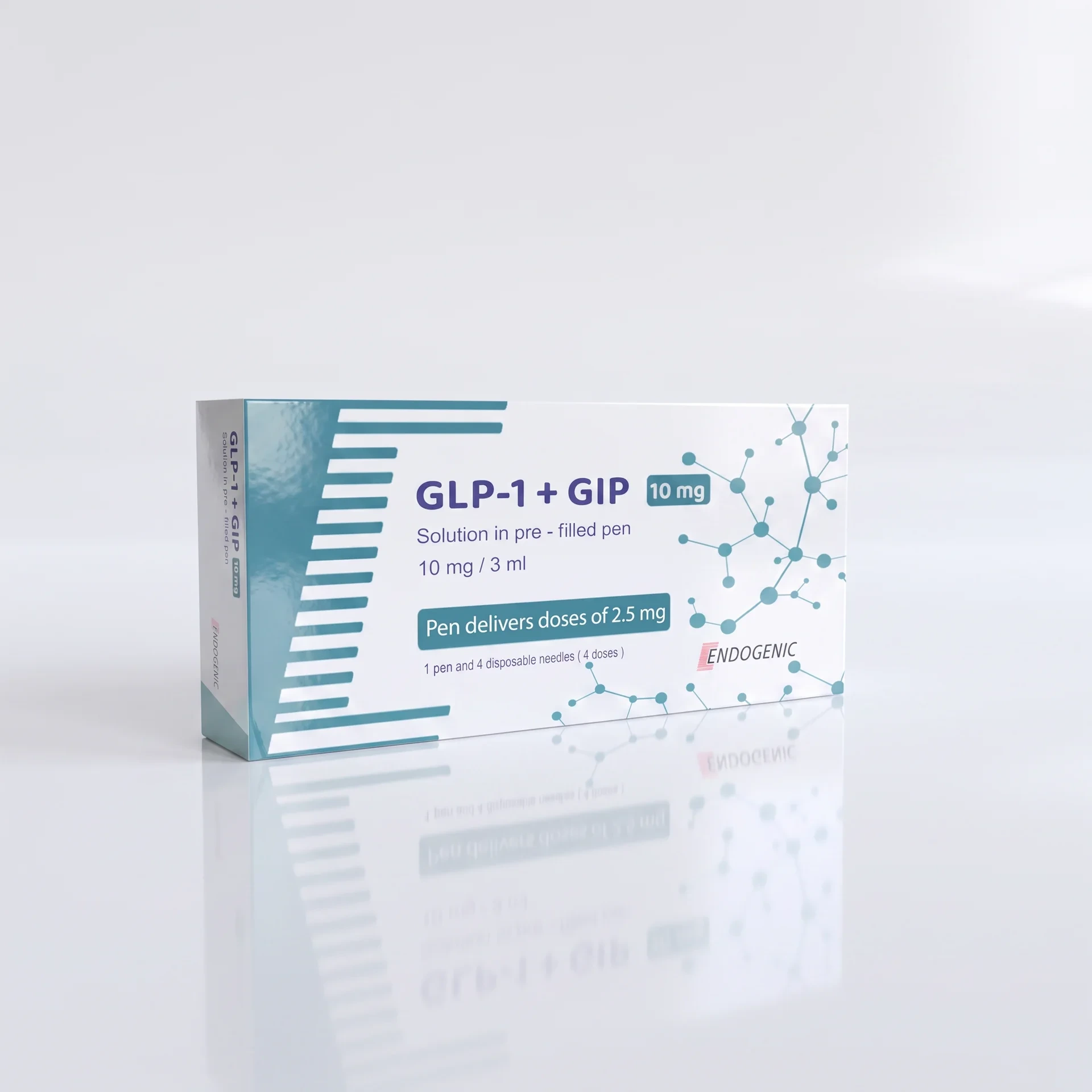
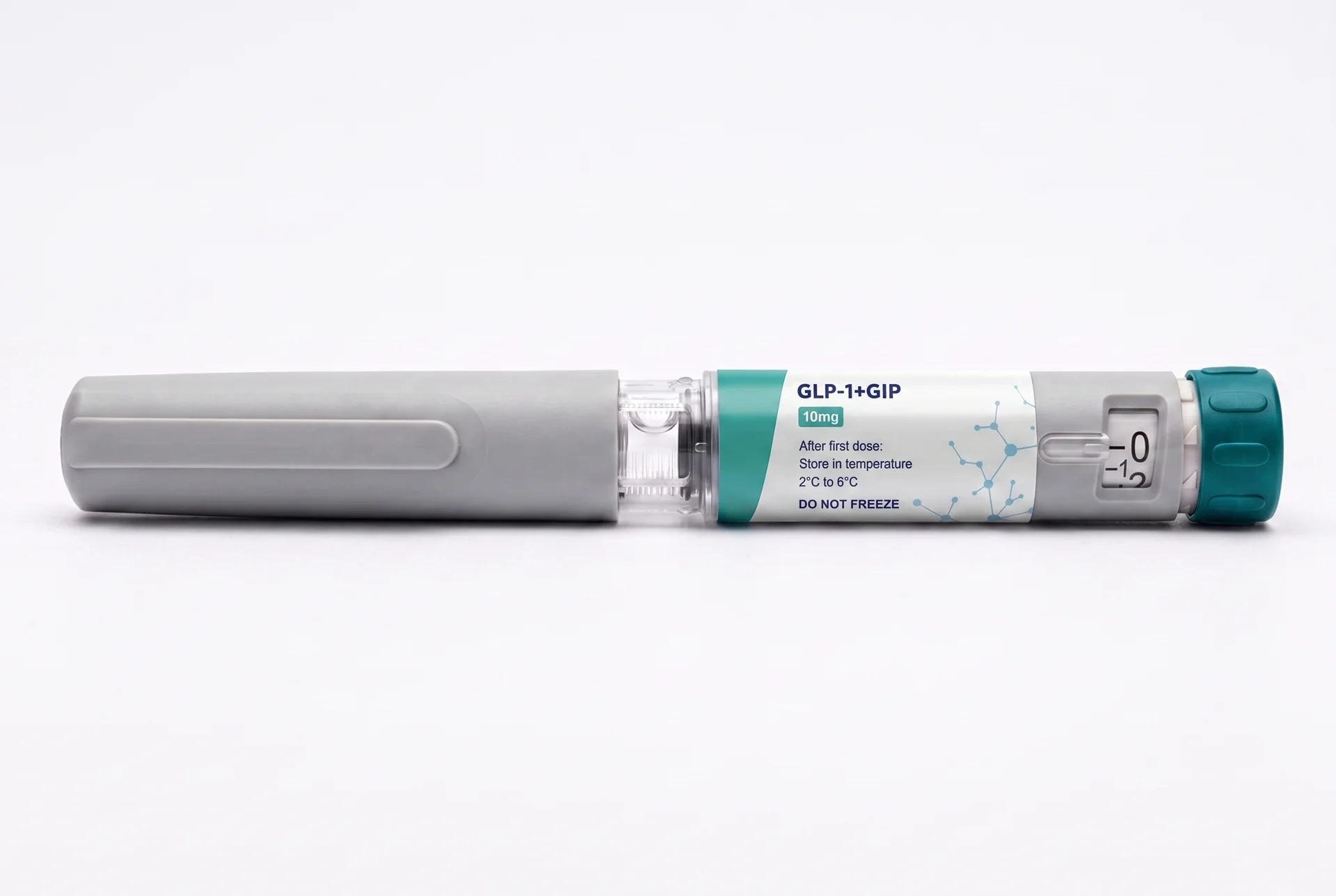
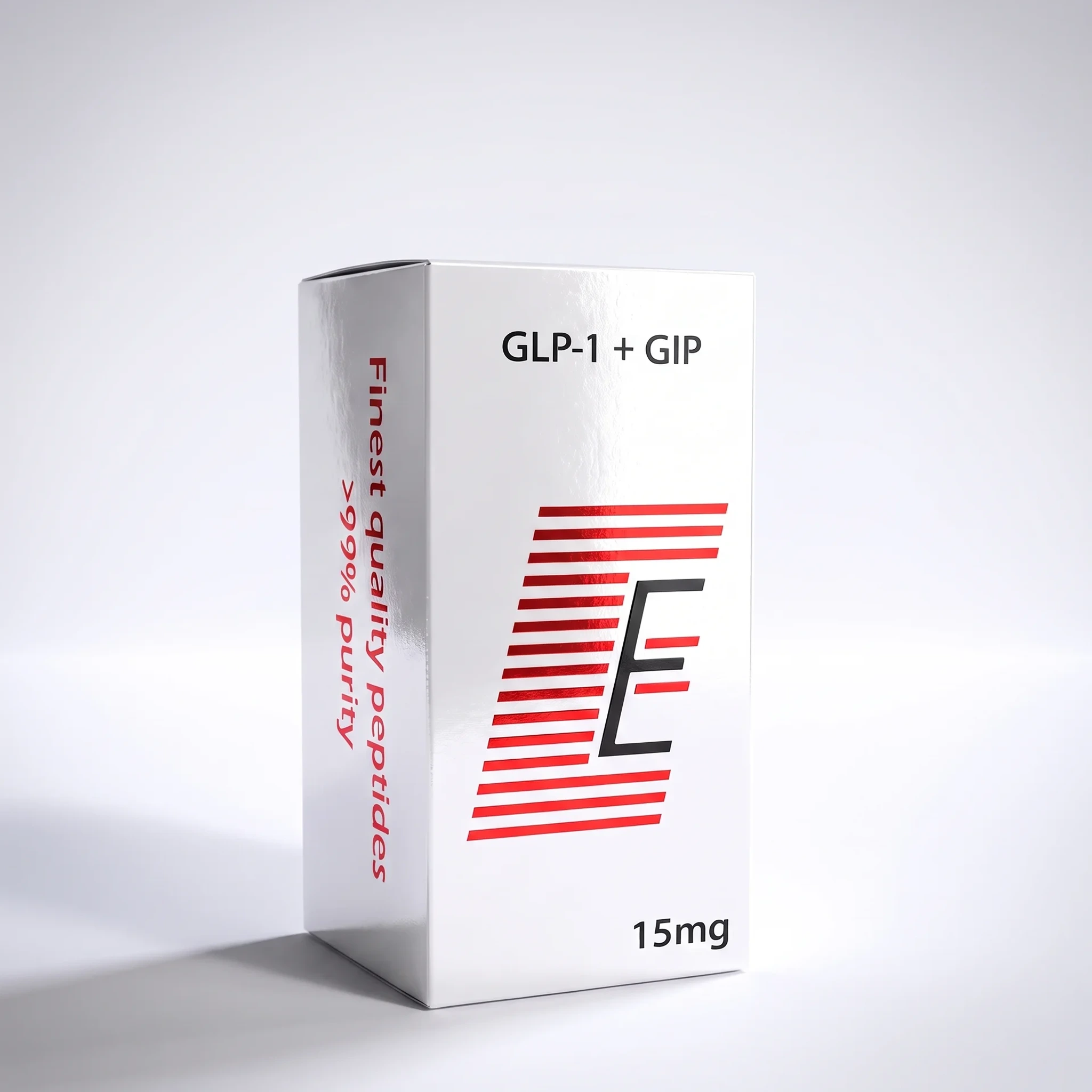
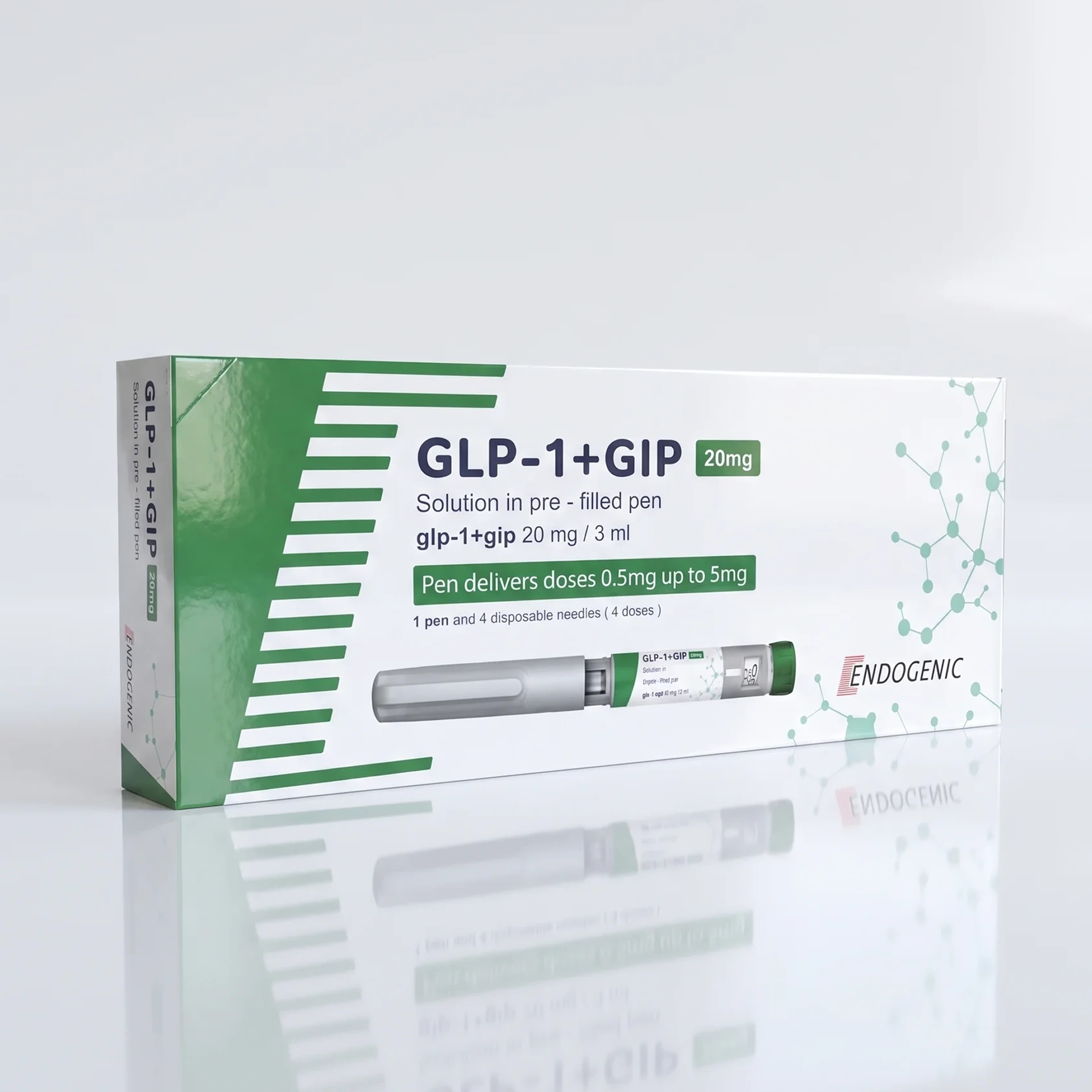
GLP1+GIP 15mg GLP1+GIP 15mg147,99 €
-
-




-
-
-
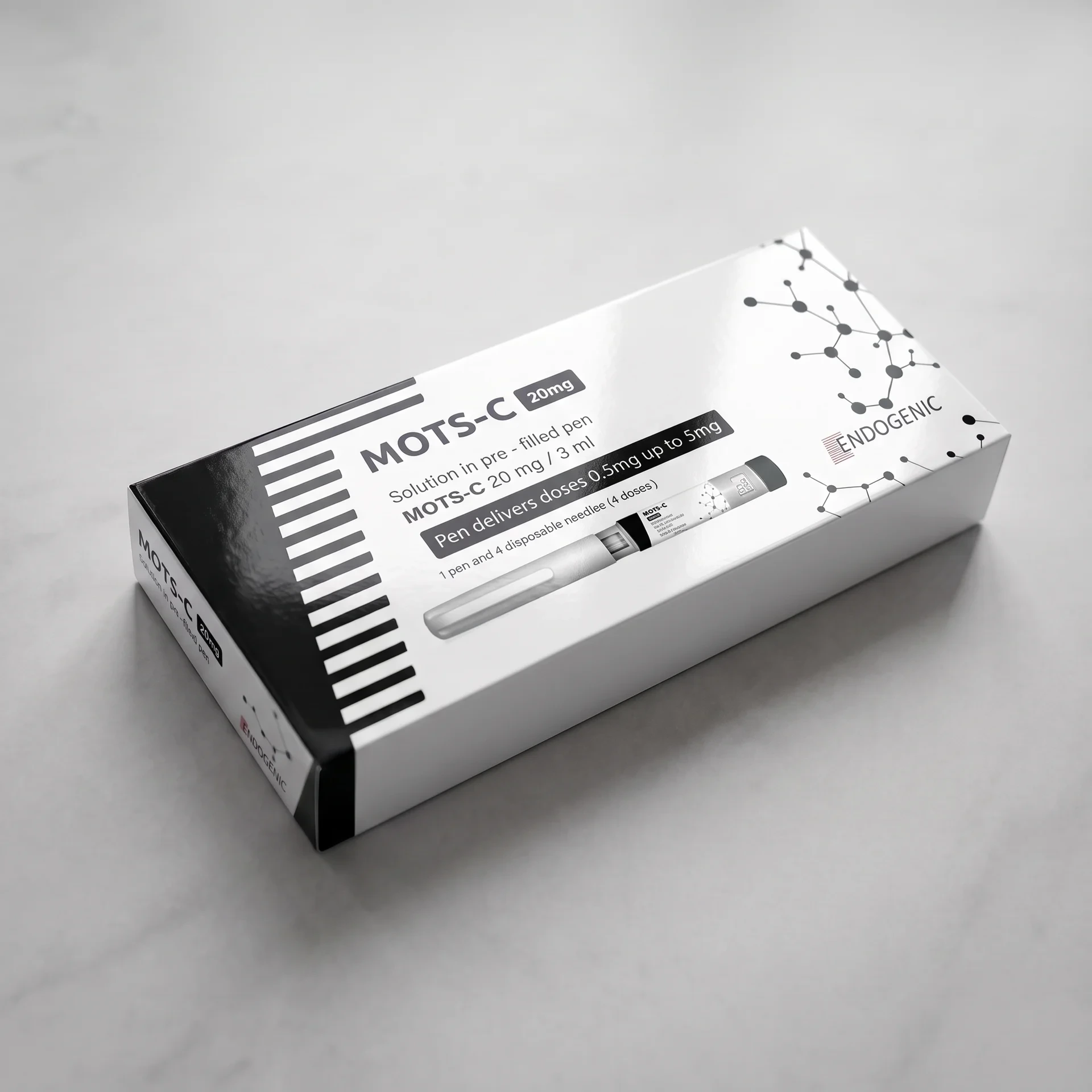
MOTS-C MOTS-C35,99 €
-
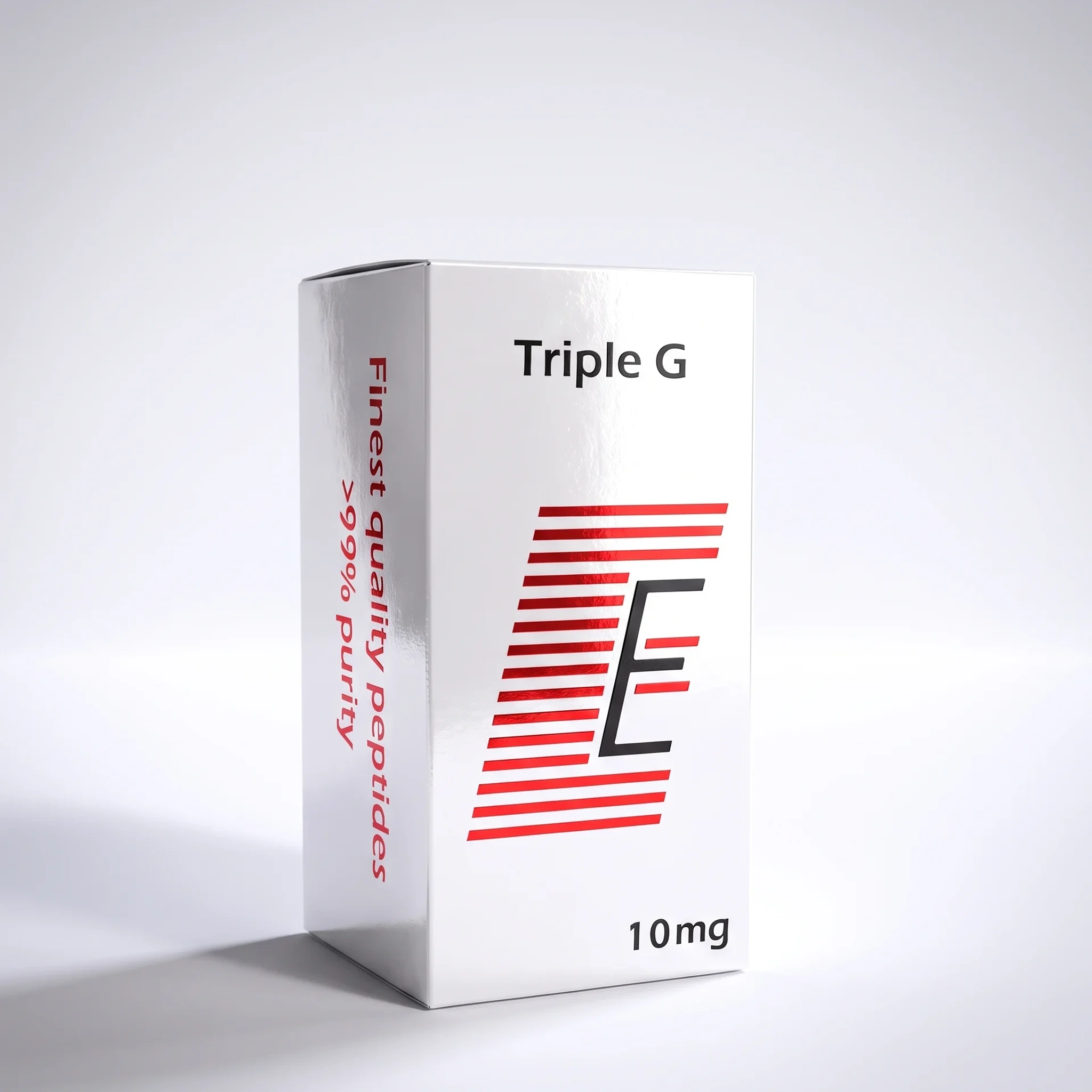
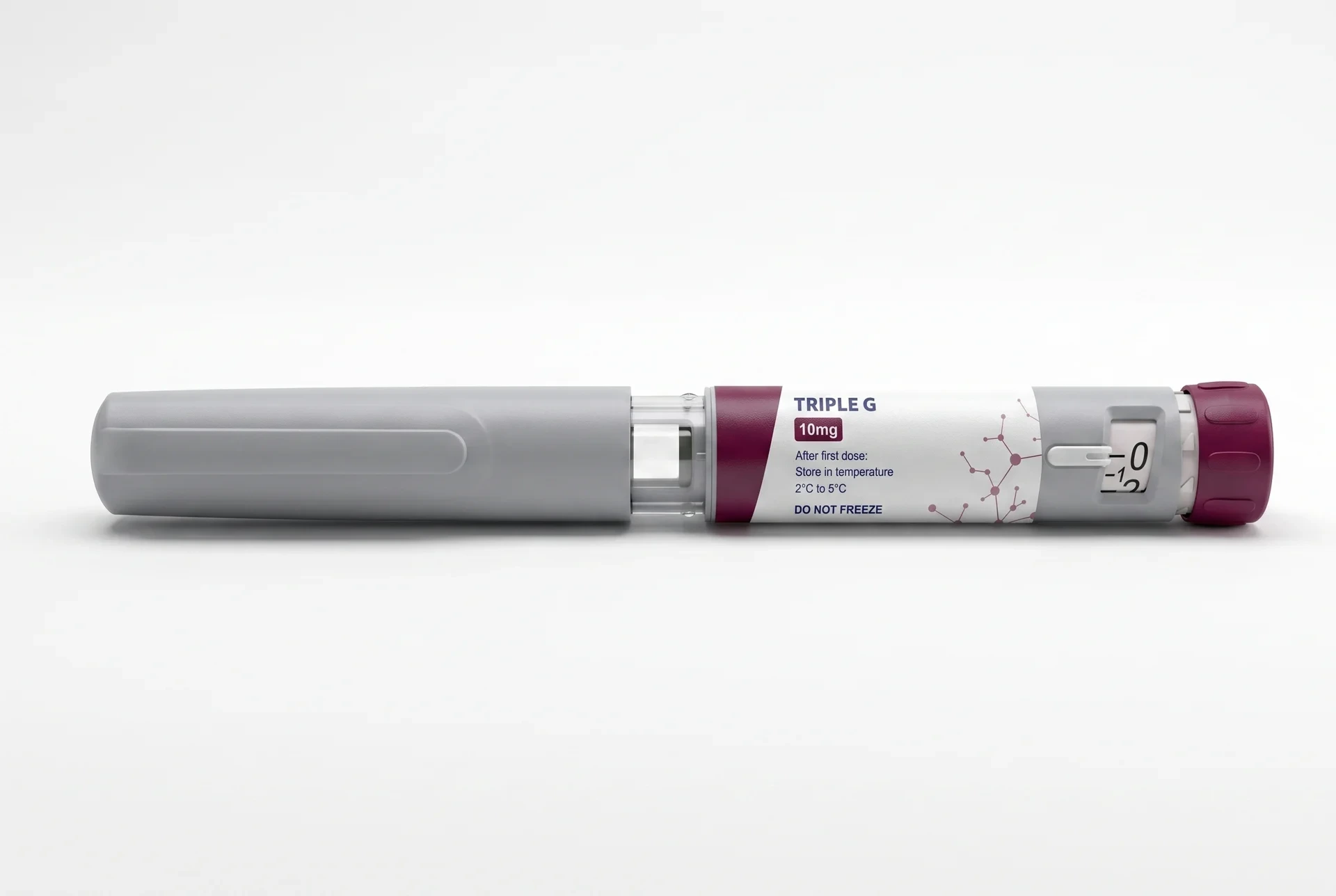
TRIPLE G 10mg TRIPLE G 10mg118,99 €
-
-
-
-
'/%3E%3C/svg%3E)
-
-
-
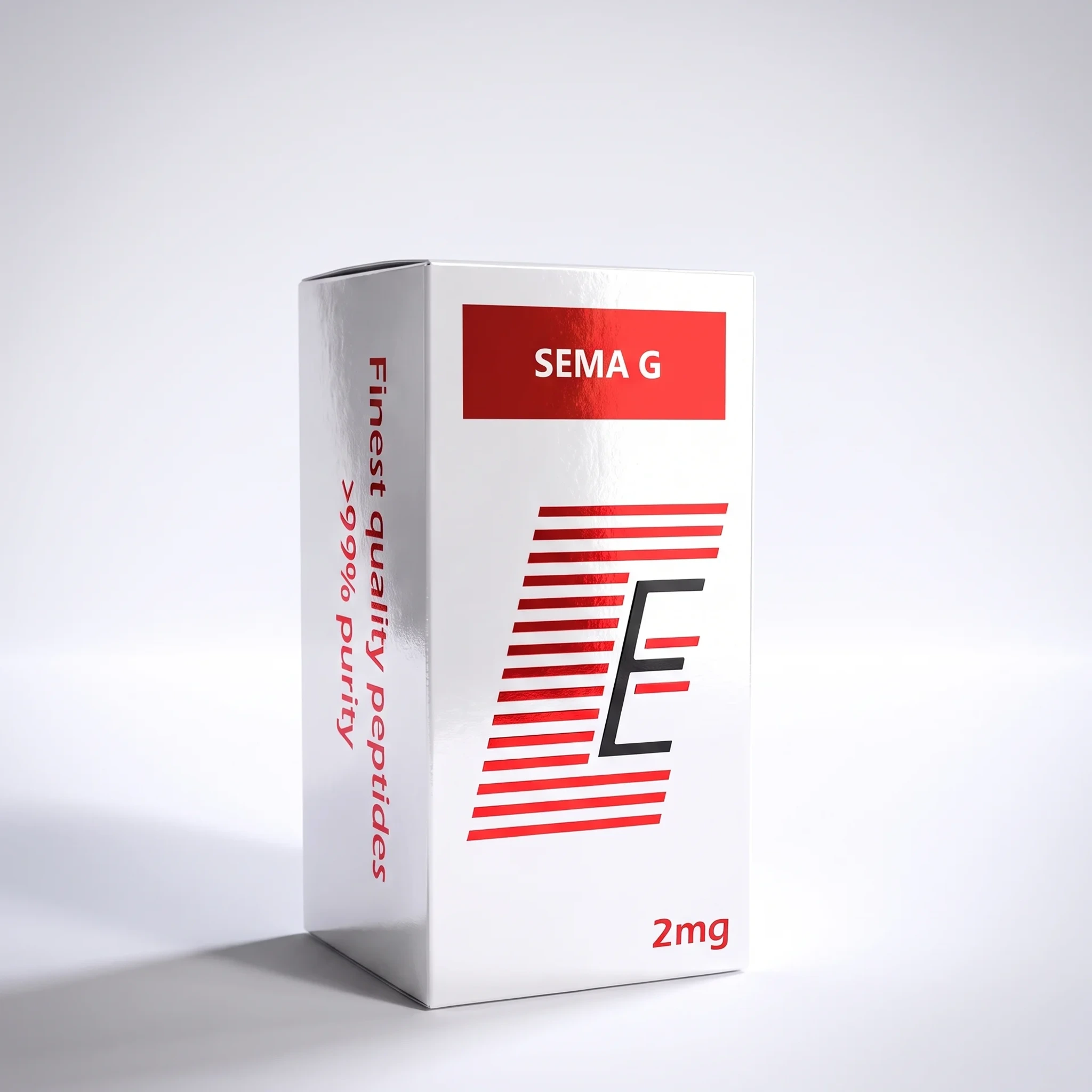
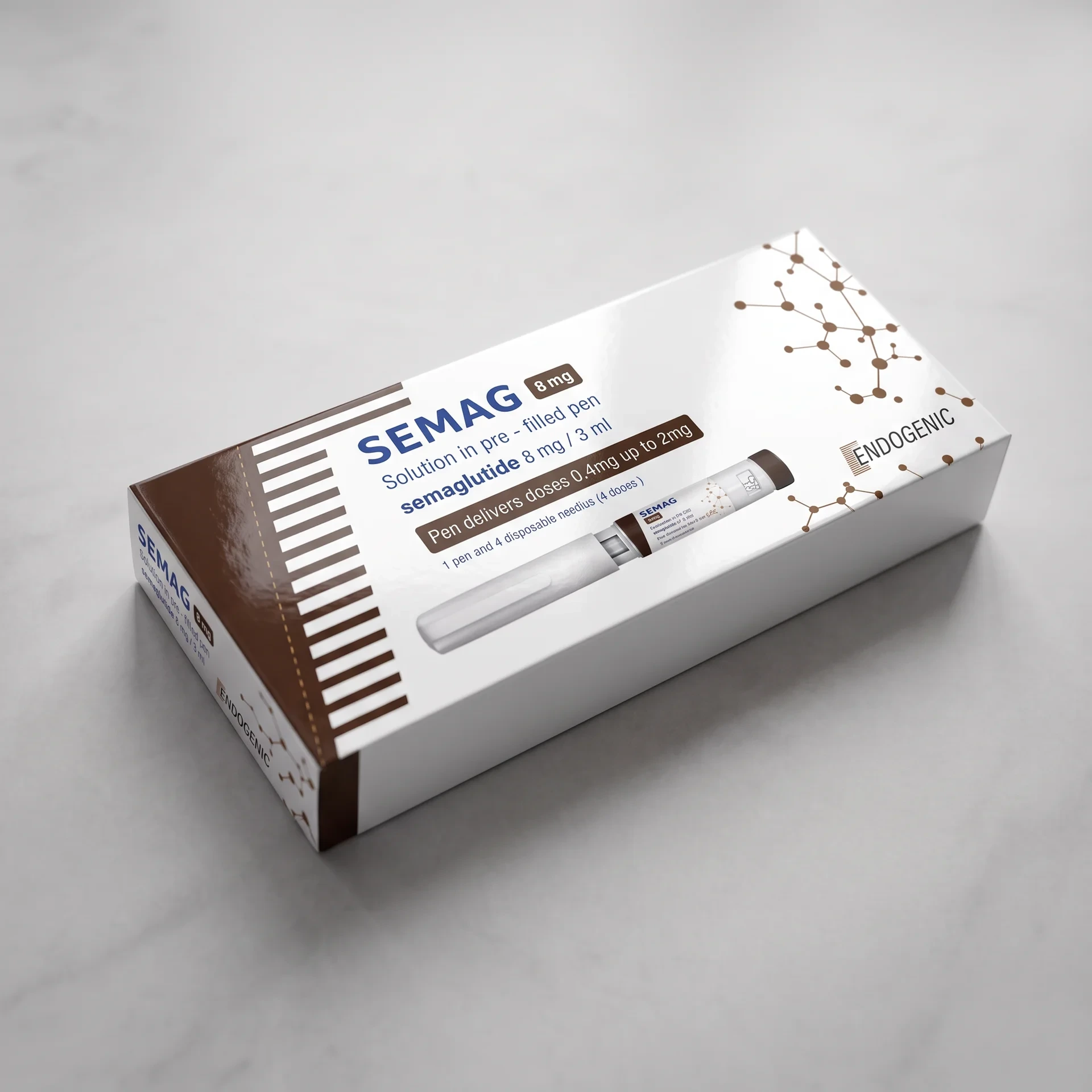
SEMA G 8mg PEN SEMA G 8mg PEN166,99 €
-
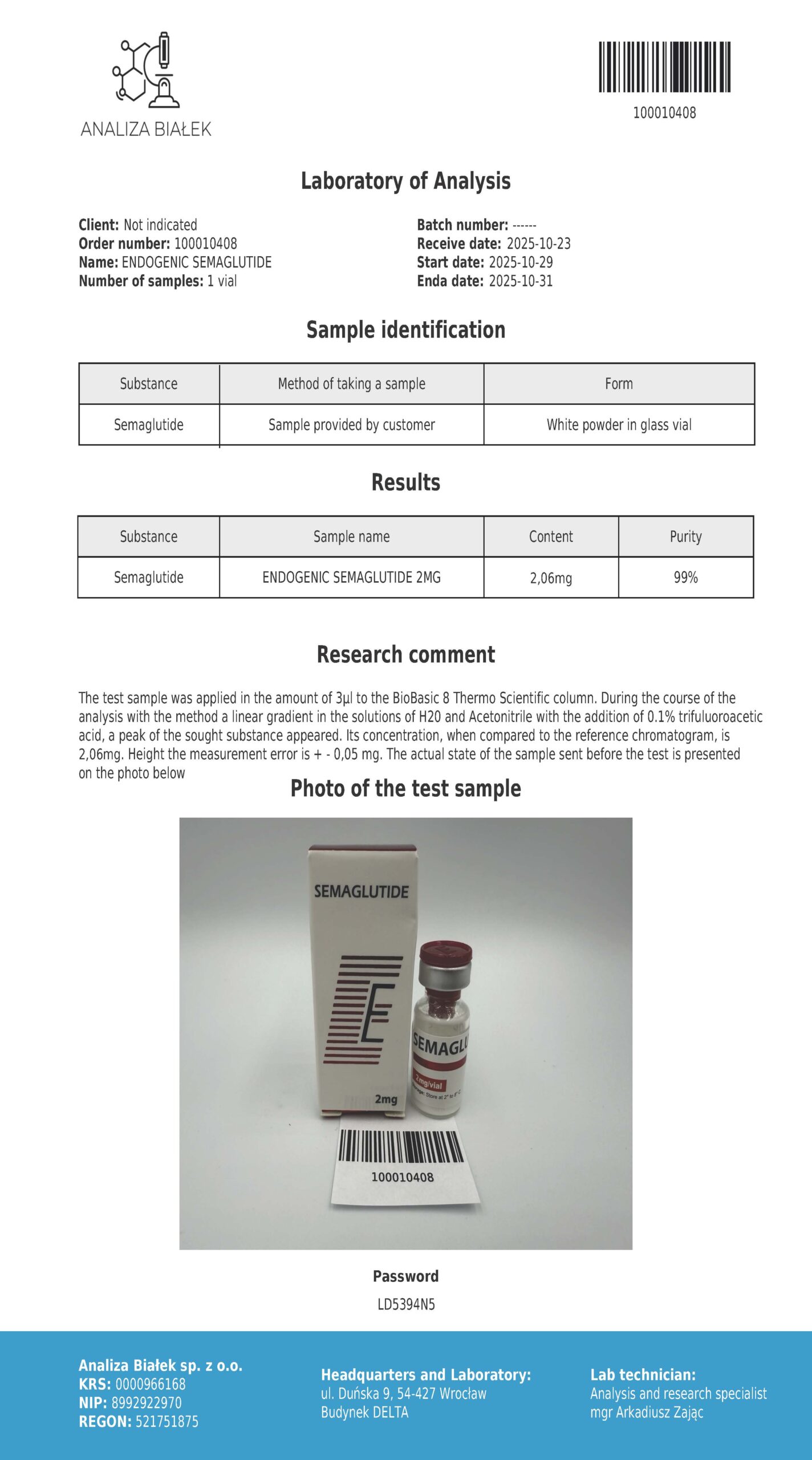
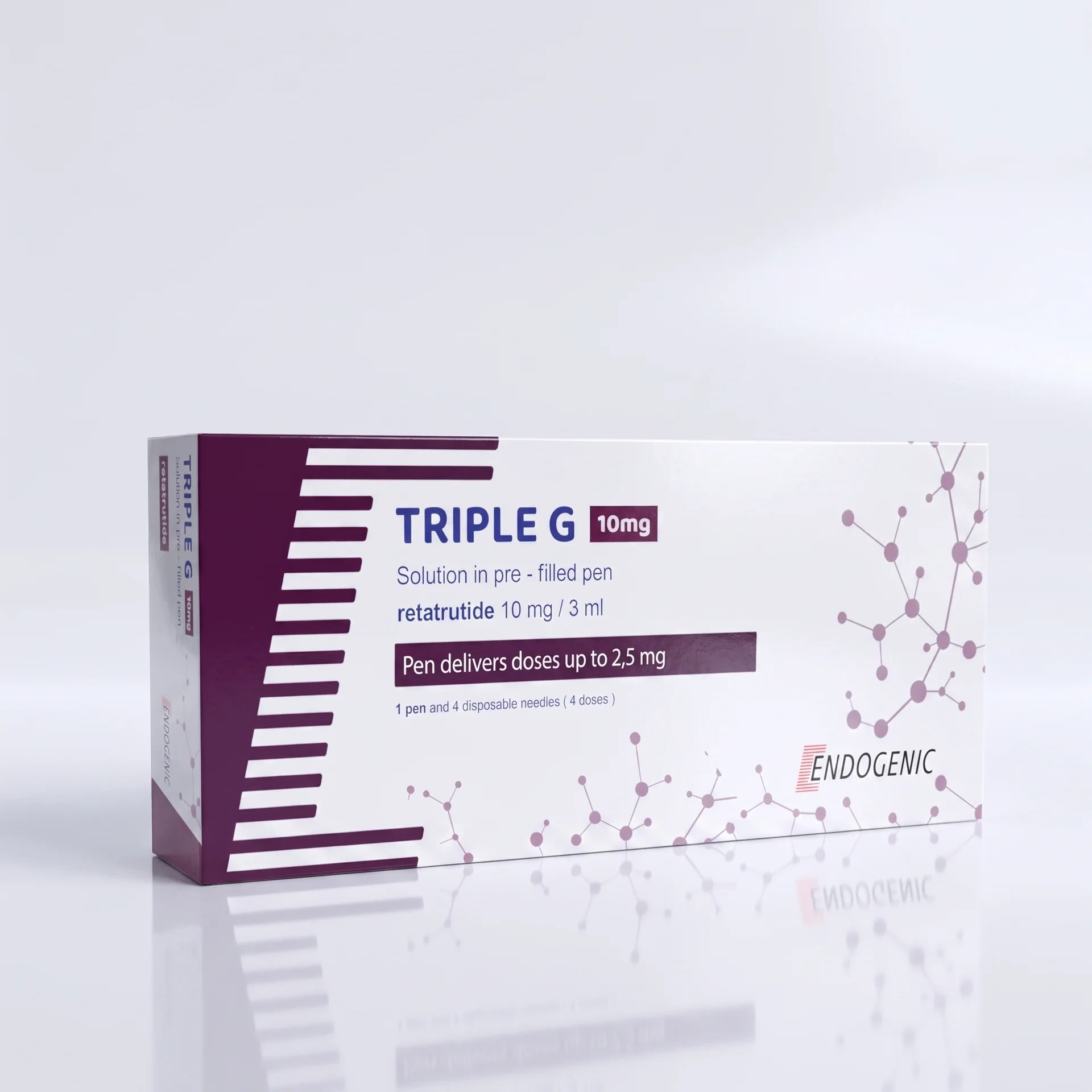
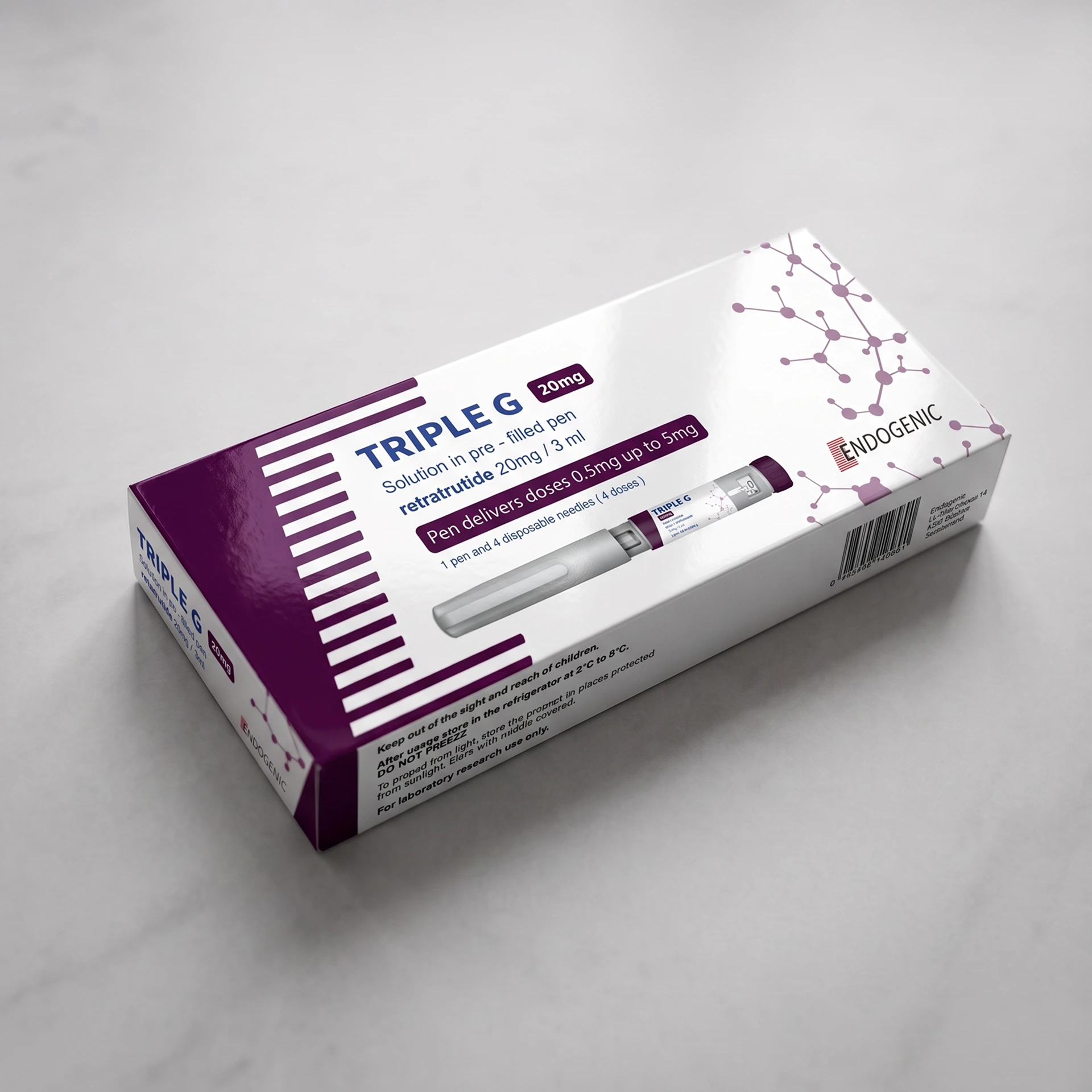
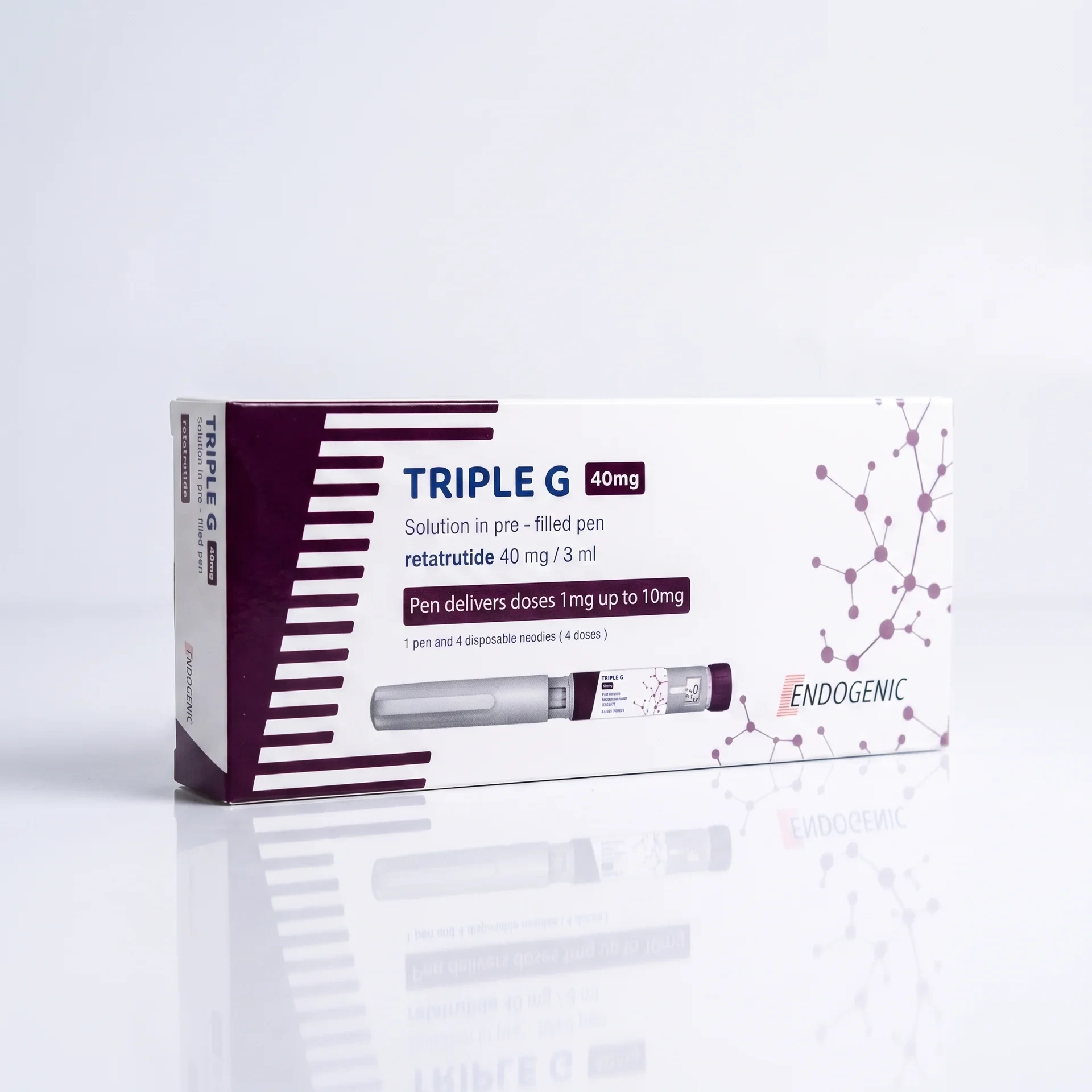
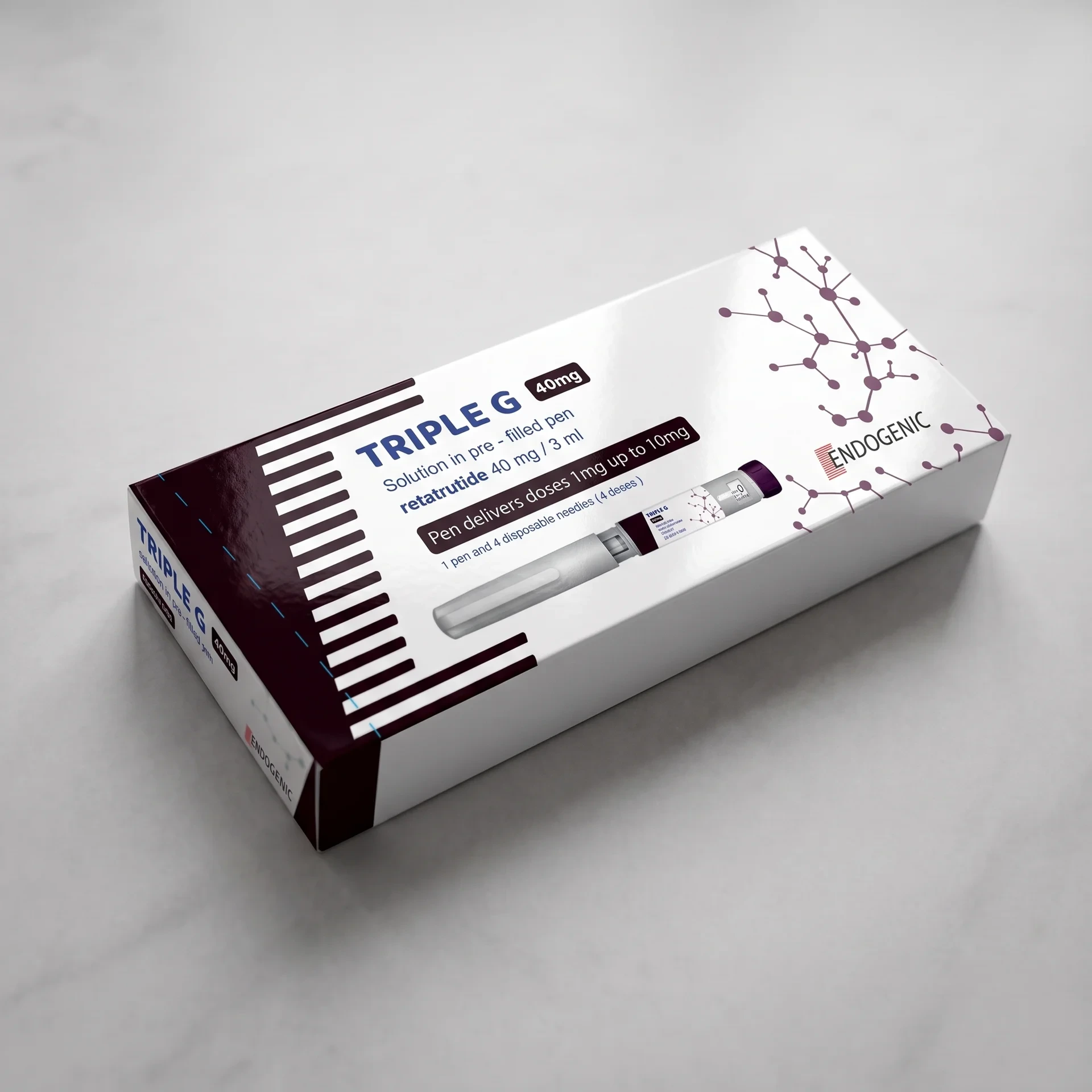
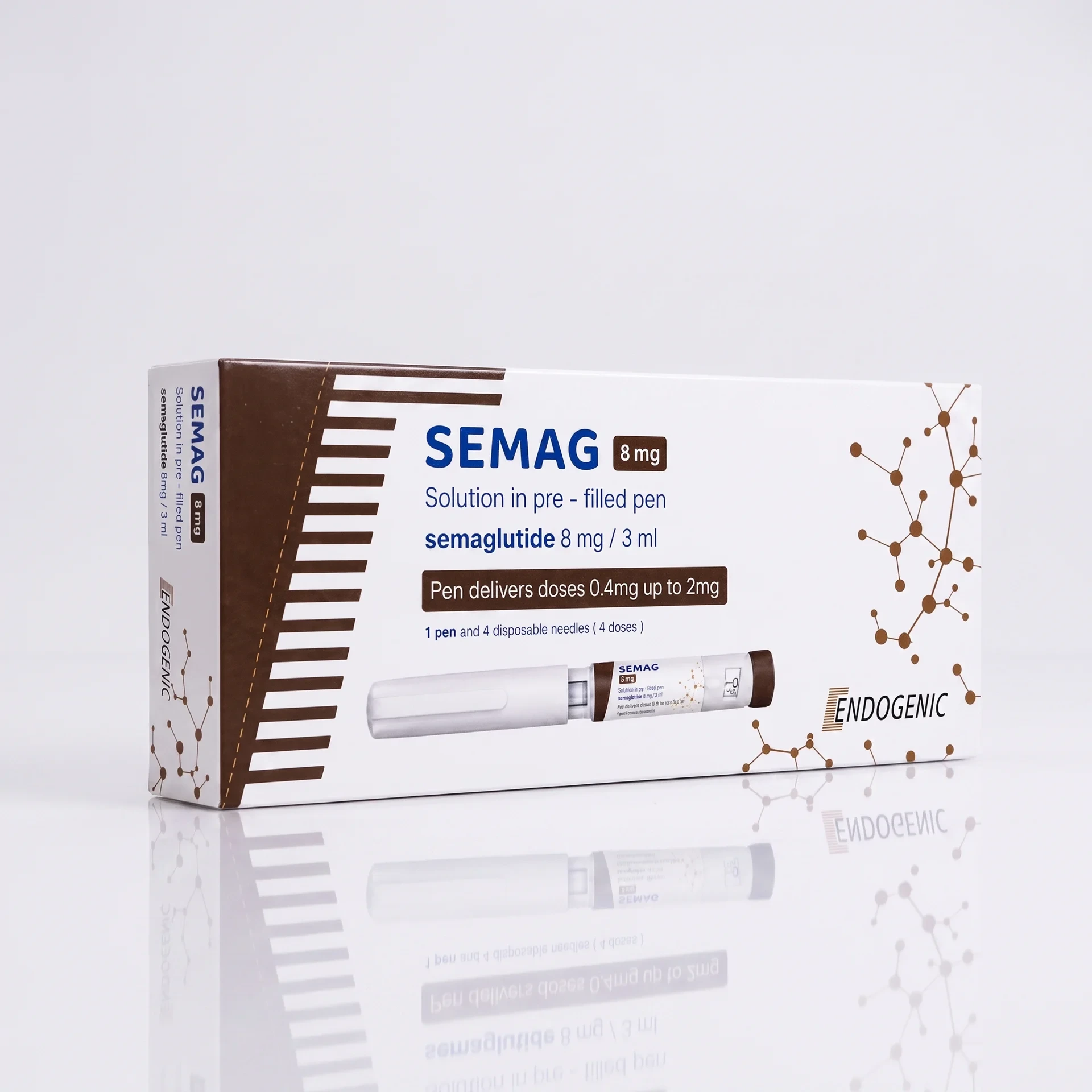
Fat burners – small molecules studied in models of thermogenesis, lipolysis and substrate metabolism (RUO)
The Endogenic line small molecules and alkaloids collected in this category have been studied in the preclinical literature in models of thermogenesis, lipolysis and energy substrate metabolism. The name “Fat burners” points to this research direction: metabolic processes studied in a model. None of these reagents is a slimming product, and the name does not promise weight loss in humans.
Unlike the fat-burning peptides category, this one collects small-molecule compounds: enzyme inhibitors, nuclear receptor agonists and adrenergic alkaloids. They act through distinct molecular mechanisms and have different regulatory statuses. They include molecules with no medicinal counterpart, compounds on the WADA Prohibited List and stimulant alkaloids with a marked effect on the cardiovascular system.
The category also includes metabolic peptides: incretin peptides (Sema G, GLP-1+GIP, Triple G, Sema+Cagri) and lipolytic growth hormone fragments (AOD-9604, HGH Fragment 176-191), as well as two further small molecules: the mitochondrial uncoupler BAM-15 and the ERR agonist SLU-PP-332. Some of them have medicinal counterparts, since semaglutide and tirzepatide are the active substances of authorised medicines, while others have no marketing authorisation in any country.
Compounds in this category
Each of the groups described is studied at a different point in energy metabolism.
NNMT inhibitors and the NAD+ axis: 5-Amino-1MQ
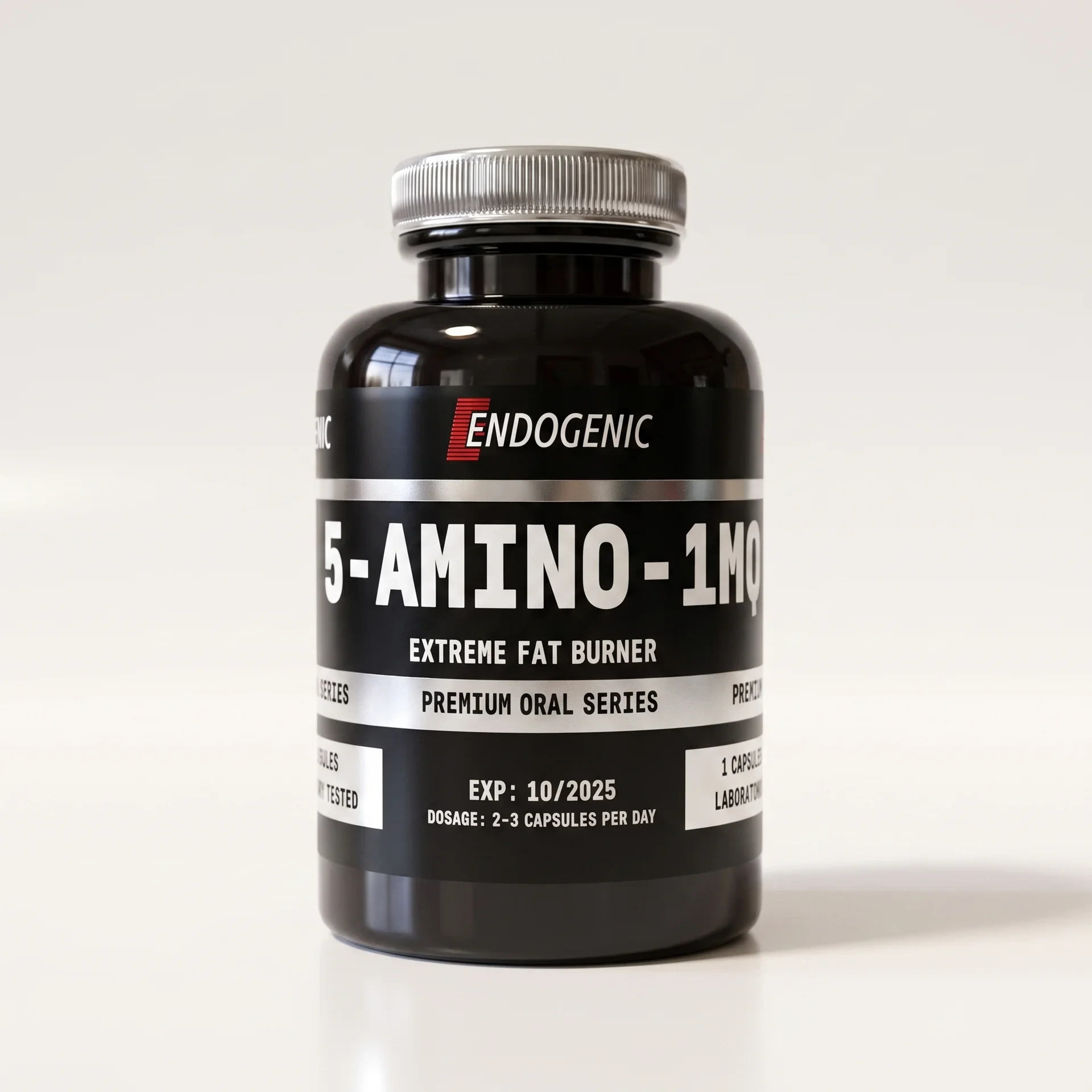
5-Amino-1MQ is a small molecule studied as an NNMT inhibitor (nicotinamide N-methyltransferase), an enzyme that affects the NAD+ pool and adipocyte metabolism. In animal models it appears in research on the NAD+ axis and energy expenditure. It has no counterpart authorised as a medicine.
REV-ERB agonists: SR-9009 (Stenabolic)
SR-9009 (Stenabolic) is a synthetic agonist of the REV-ERB nuclear receptors, studied as a modulator of the circadian rhythm and mitochondrial metabolism. The literature refers to it as an “exercise mimetic”.
Adrenergic compounds: yohimbine
Yohimbine is an indole alkaloid that acts as an α2-adrenergic receptor antagonist. This mechanism is studied in lipolysis and thermogenesis models, in which α2 blockade increases noradrenaline release. The compound has a pronounced stimulant profile, and other adrenergic compounds, such as synephrine, are studied along related lines. Yohimbine has a history of pharmaceutical use (e.g. Yocon®), but an RUO reagent is not a substitute for a medicine.
Safety: stimulant compounds
Yohimbine and related adrenergic compounds are stimulants with a documented effect on the circulatory system. Research data associate them with raised blood pressure and an increased heart rate, as well as with agitation, anxiety and insomnia. This information must be taken into account when planning work with the reagent, but it is not a statement about humans. The material remains within the RUO framework and is not intended for use in humans or animals.
Mitochondrial uncouplers: BAM-15
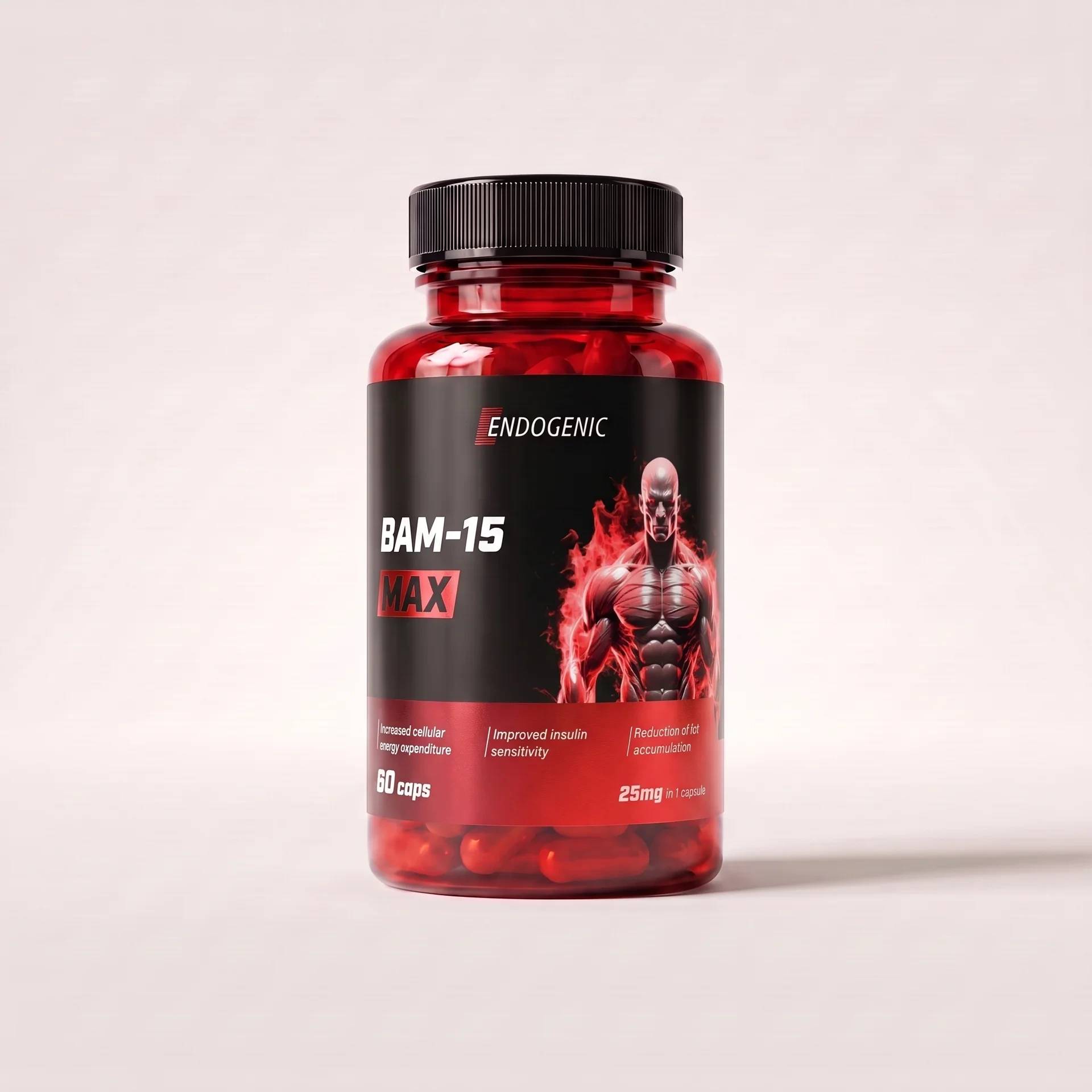
BAM-15 MAX contains BAM15, a small molecule that acts as a mitochondrial uncoupler. It carries protons across the inner mitochondrial membrane, bypassing ATP synthase, so part of the energy from substrate oxidation is released as heat. In a mouse model of diet-induced obesity it was studied for its effect on fat mass and insulin sensitivity (Alexopoulos et al., 2020). The published data come from animal models.
ERR agonists: SLU-PP-332
SLU-PP-332 is a synthetic agonist of the oestrogen-related nuclear receptors (ERRα, ERRβ and ERRγ), described in the literature as an “exercise mimetic”. In mouse models it has been studied in relation to aerobic capacity and muscle metabolism (Billon et al., 2023) and in a model of metabolic syndrome (Billon et al., 2024). No human studies have been conducted. The category offers SLU-PP-332 100mcg, SLU-PP-332-PLUS and SLU-PP-332-MAX PLUS.
GLP-1 receptor agonists: Sema G
The Sema G line belongs to the GLP-1 receptor agonist class, whose reference molecule is semaglutide, the active substance of authorised prescription medicines. The GLP-1 receptor is studied in models of incretin signalling: glucose-dependent insulin secretion, gastric emptying and satiety signals. In this category you will find SEMA G PEN, the SEMA G PEN 2mg and SEMA G PEN 8mg variants, and Semaglutide lyophilisate. The mechanism and the pivotal trials are discussed in the article semaglutide mechanism.
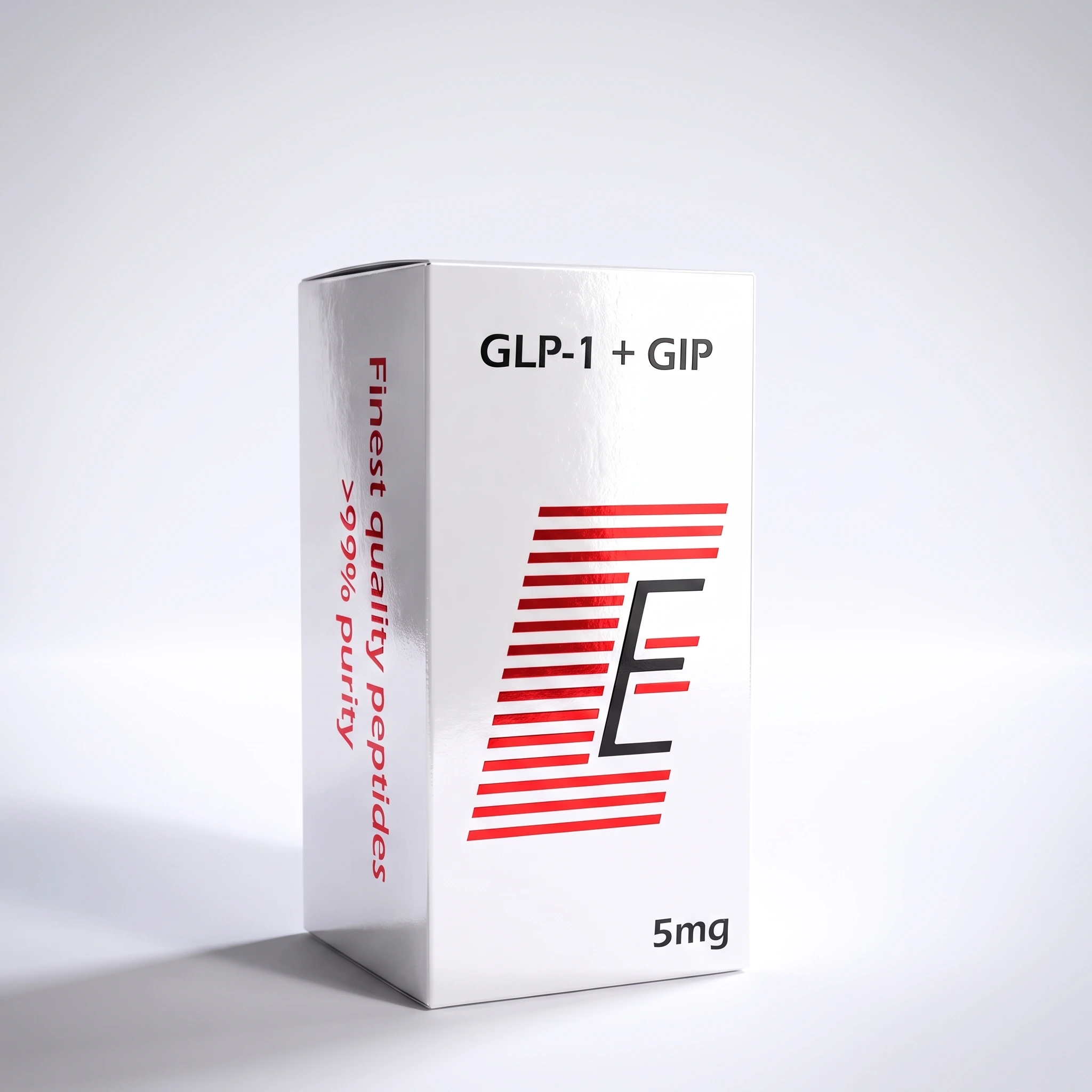
Dual GLP-1R and GIPR agonists: GLP-1+GIP
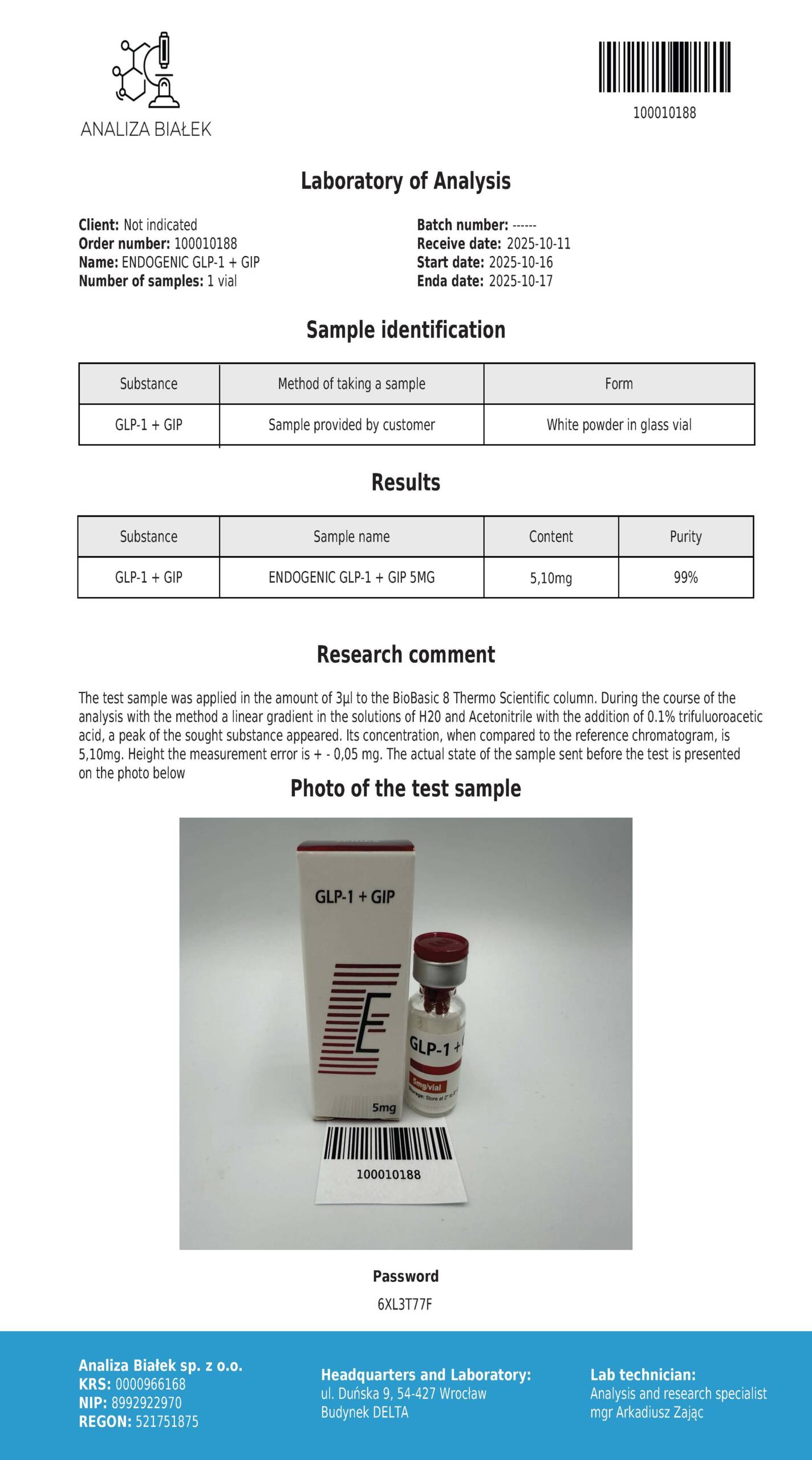
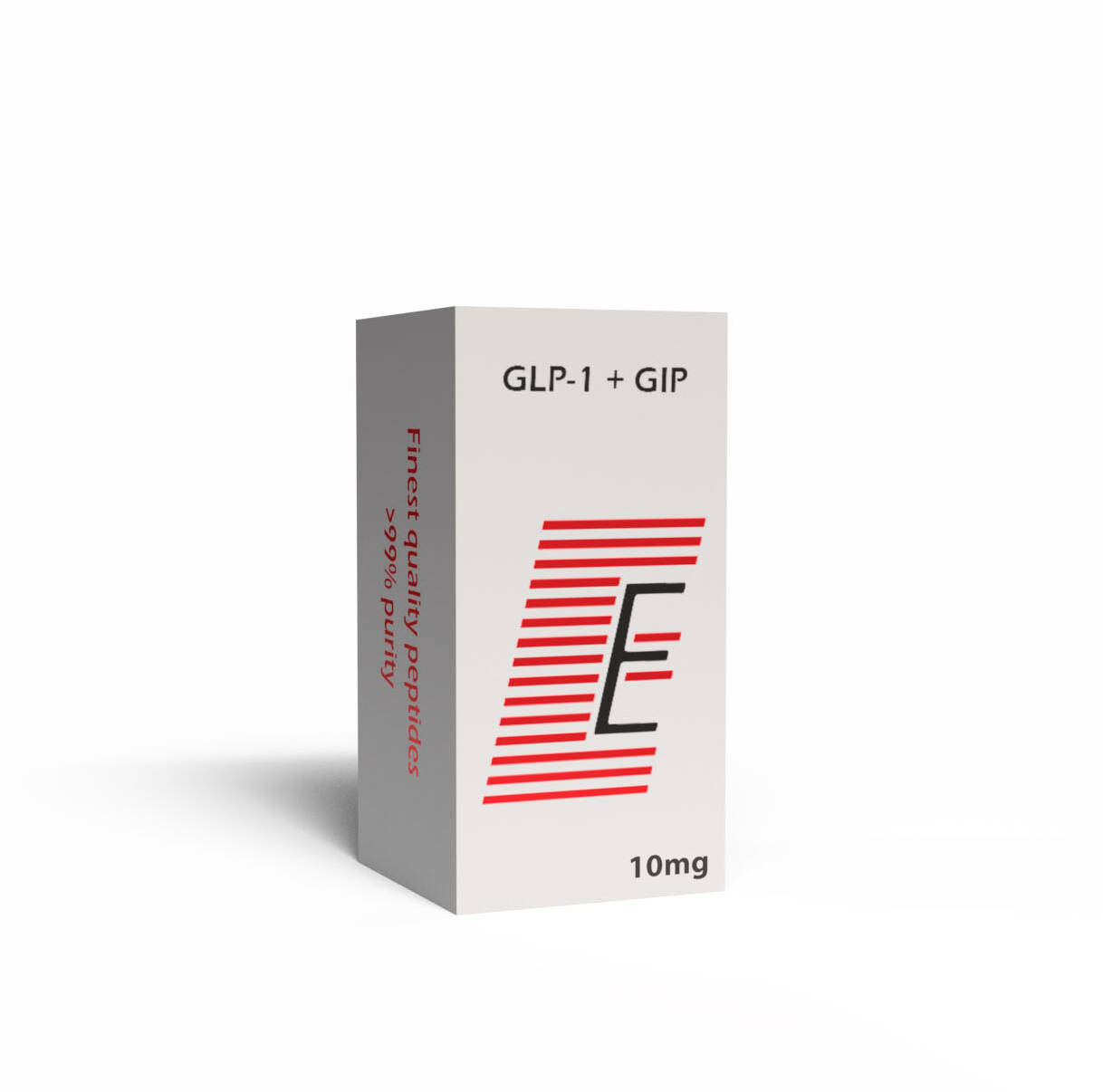
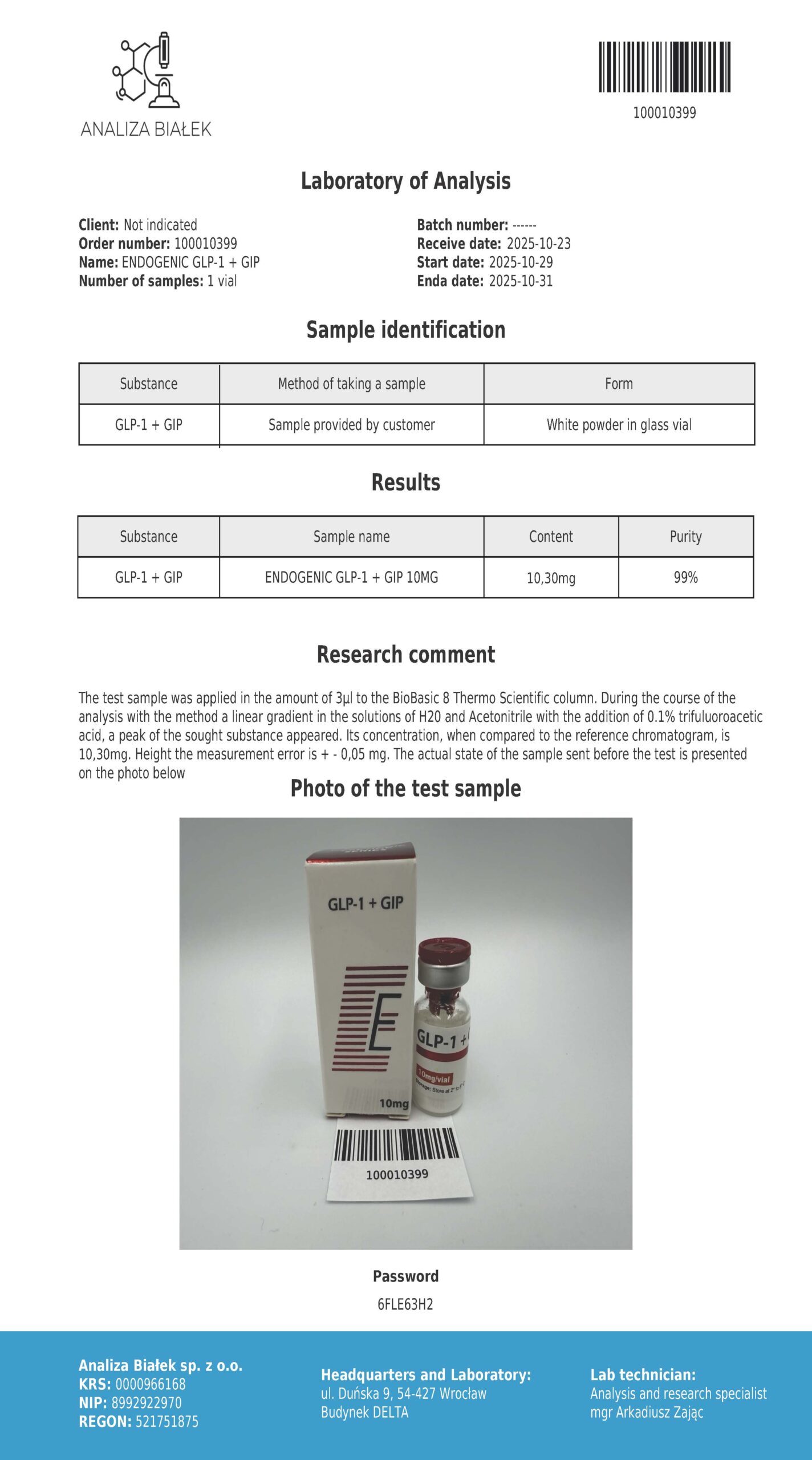
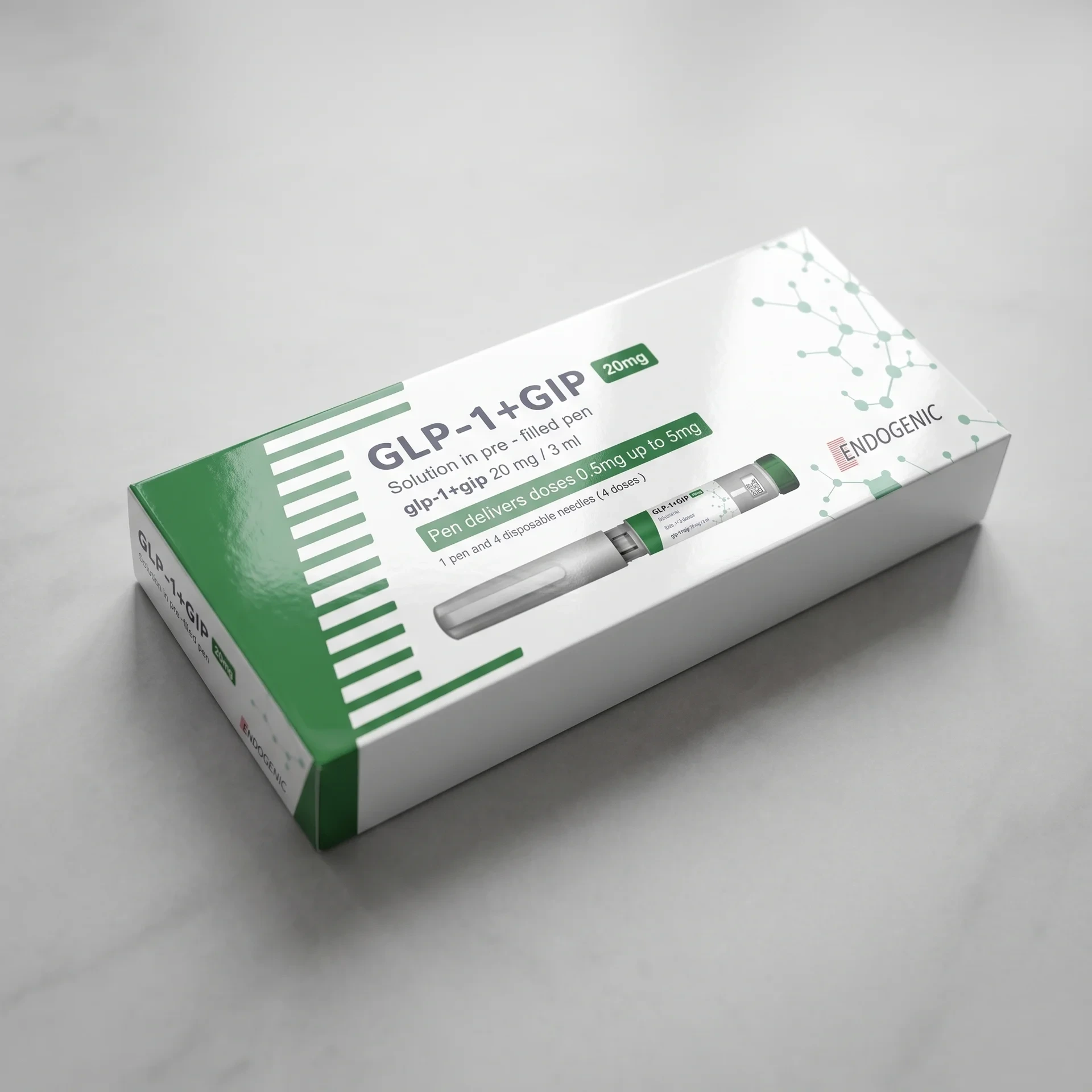
GLP-1+GIP are reagents from the class of dual agonists of the GLP-1 and GIP incretin receptors. The reference molecule for this class is tirzepatide, the active substance of authorised prescription medicines. In research, the class is used to compare signalling through one receptor (GLP-1R) with signalling through two receptors at once. In this category you will find GLP-1+GIP PEN 10mg, GLP-1+GIP 20mg PEN and GLP-1+GIP 10mg, and the two classes are compared in the article Tirzepatide vs Semaglutide.
Triple GLP-1R, GIPR and GCGR agonists: Triple G
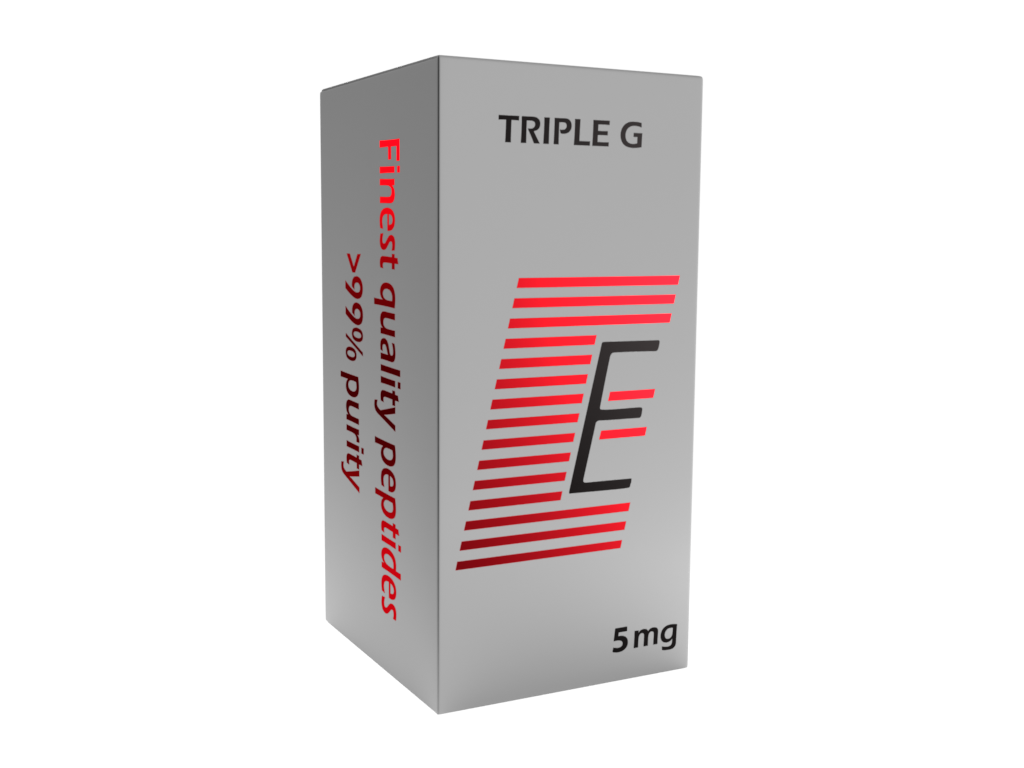
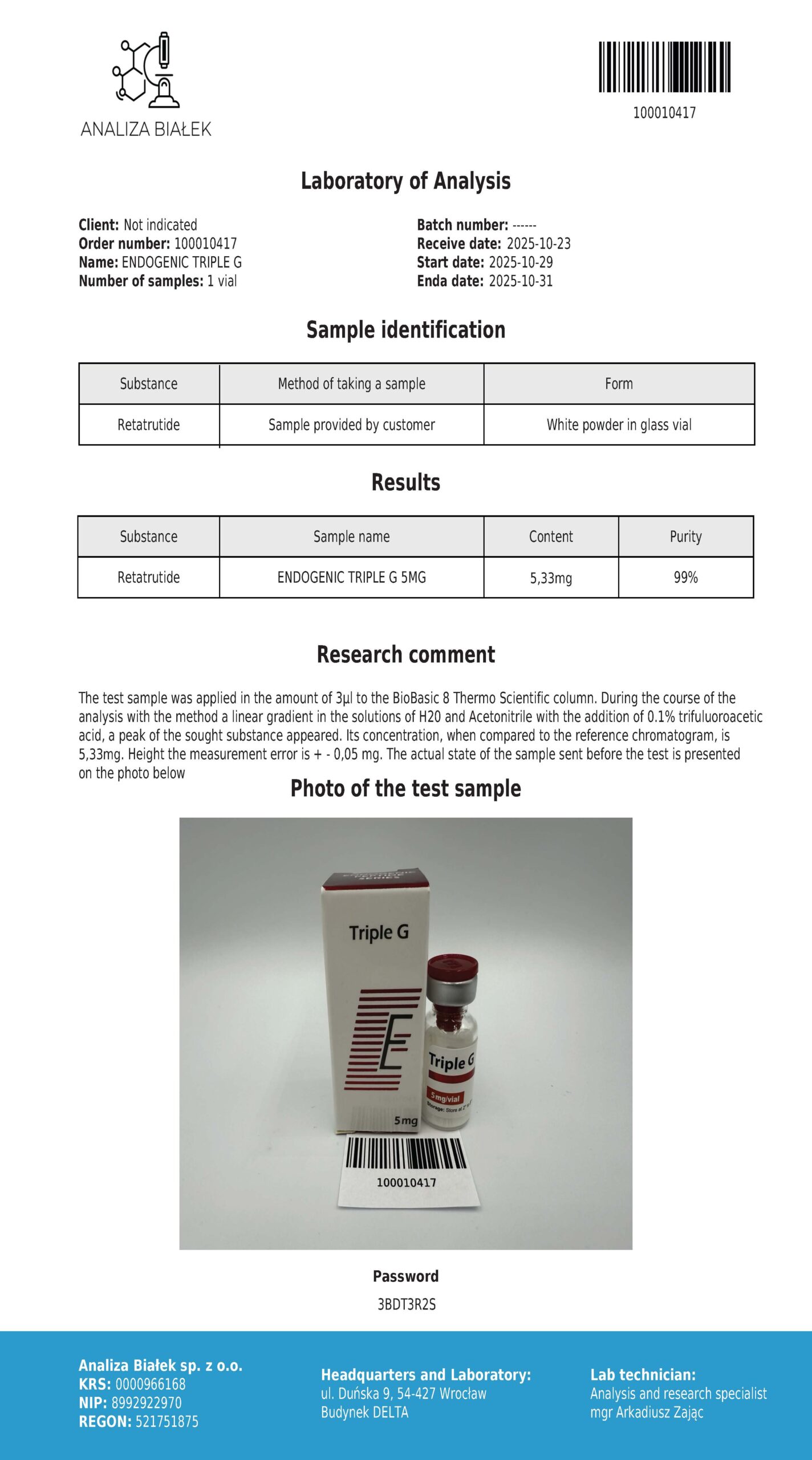
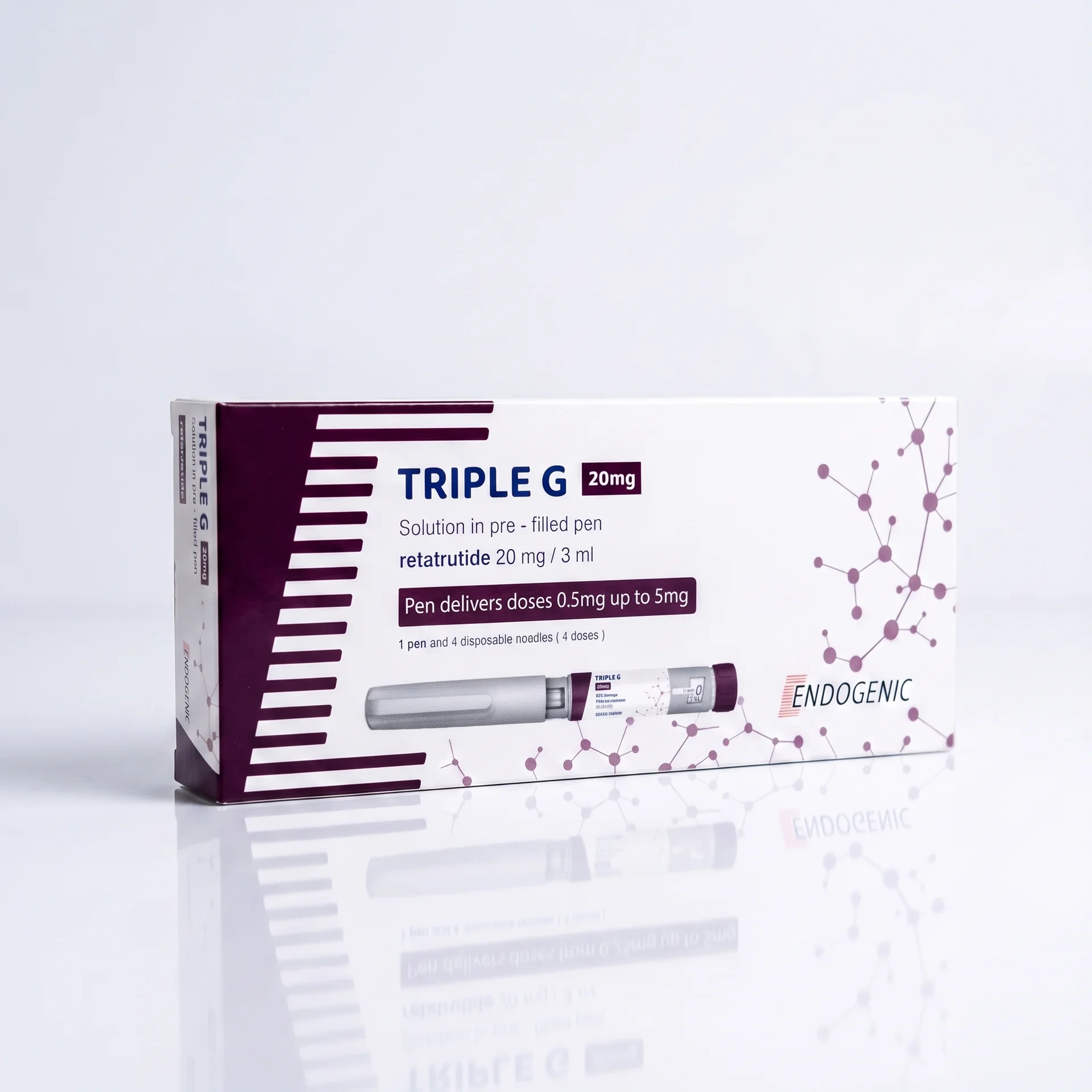
Triple G are reagents from the class of triple agonists of the GLP-1, GIP and glucagon receptors. The reference molecule is retatrutide (LY3437943), which has no marketing authorisation in any country and remains in clinical trials. The third receptor works in a different direction: GLP-1R and GIPR are studied in the context of reducing energy intake, and the glucagon receptor in the context of energy expenditure. In this category you will find, among others, TRIPLE G PEN 5mg, TRIPLE G PEN 20mg and Retatrutide lyophilisate 5mg, and the state of the research is discussed in the article Retatrutide for obesity.
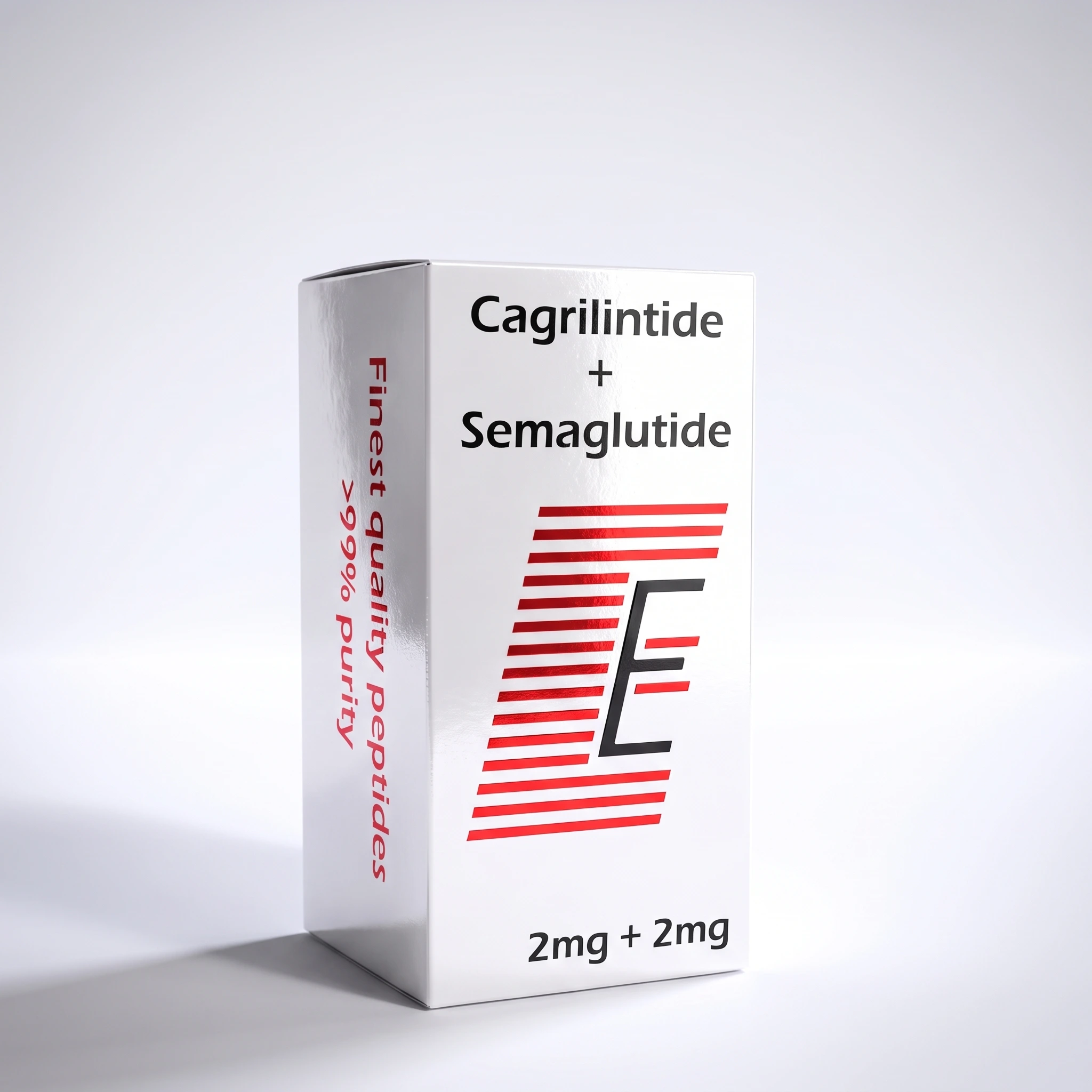
An amylin analogue in a co-formulation: Sema+Cagri
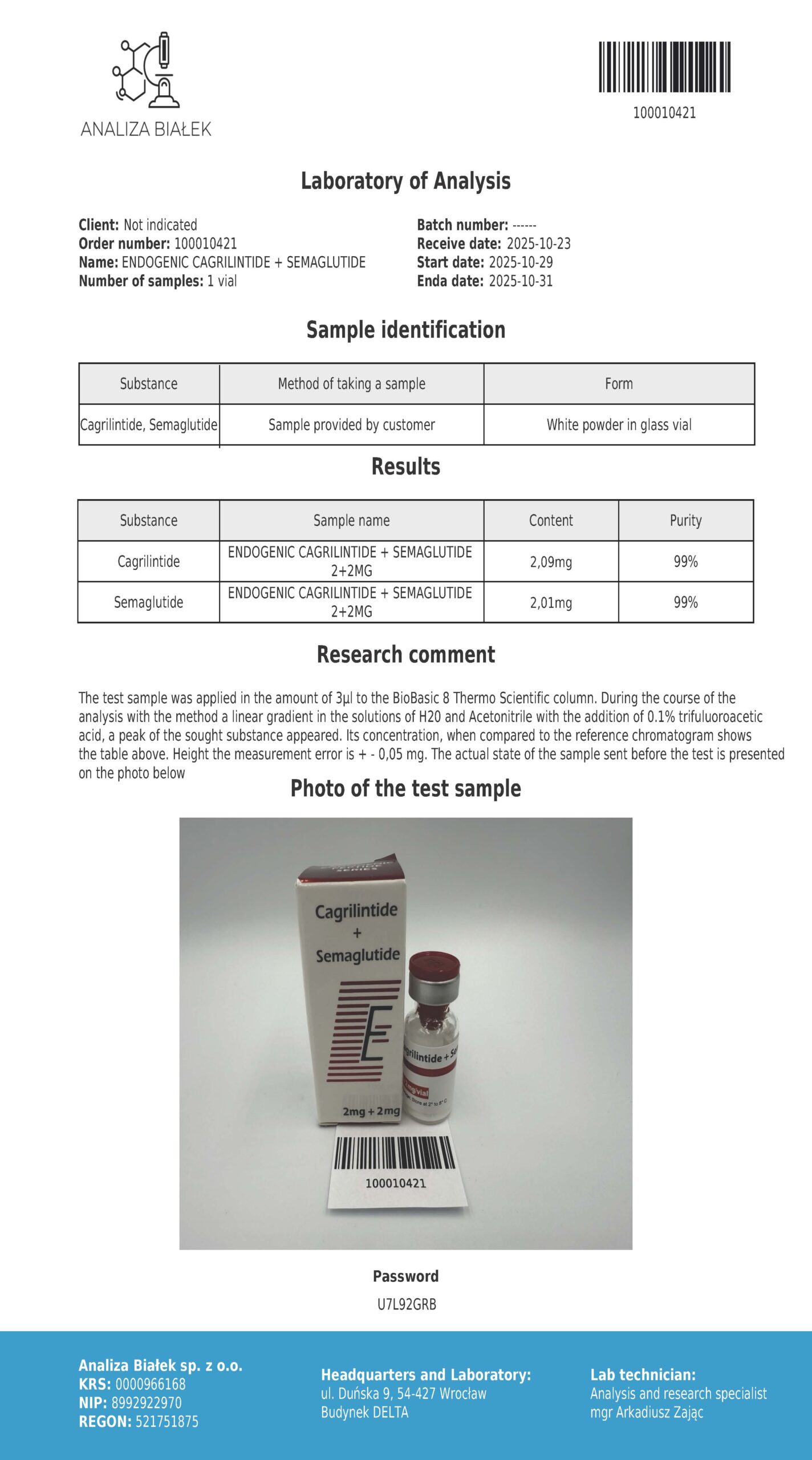
Sema+Cagri is a co-formulation of two separate peptides: a GLP-1 analogue (semaglutide) and cagrilintide, a long-acting amylin analogue. The second component acts on amylin receptors, which are formed when the calcitonin receptor combines with RAMP proteins – so it works outside the incretin system. Identity and purity must be confirmed in the COA separately for each of the two peptides. In this category you will find SEMA+CAGRI PEN, SEMA+CAGRI 4mg+4mg PEN and Semaglutide + Cagrilintide 2+2 mg.
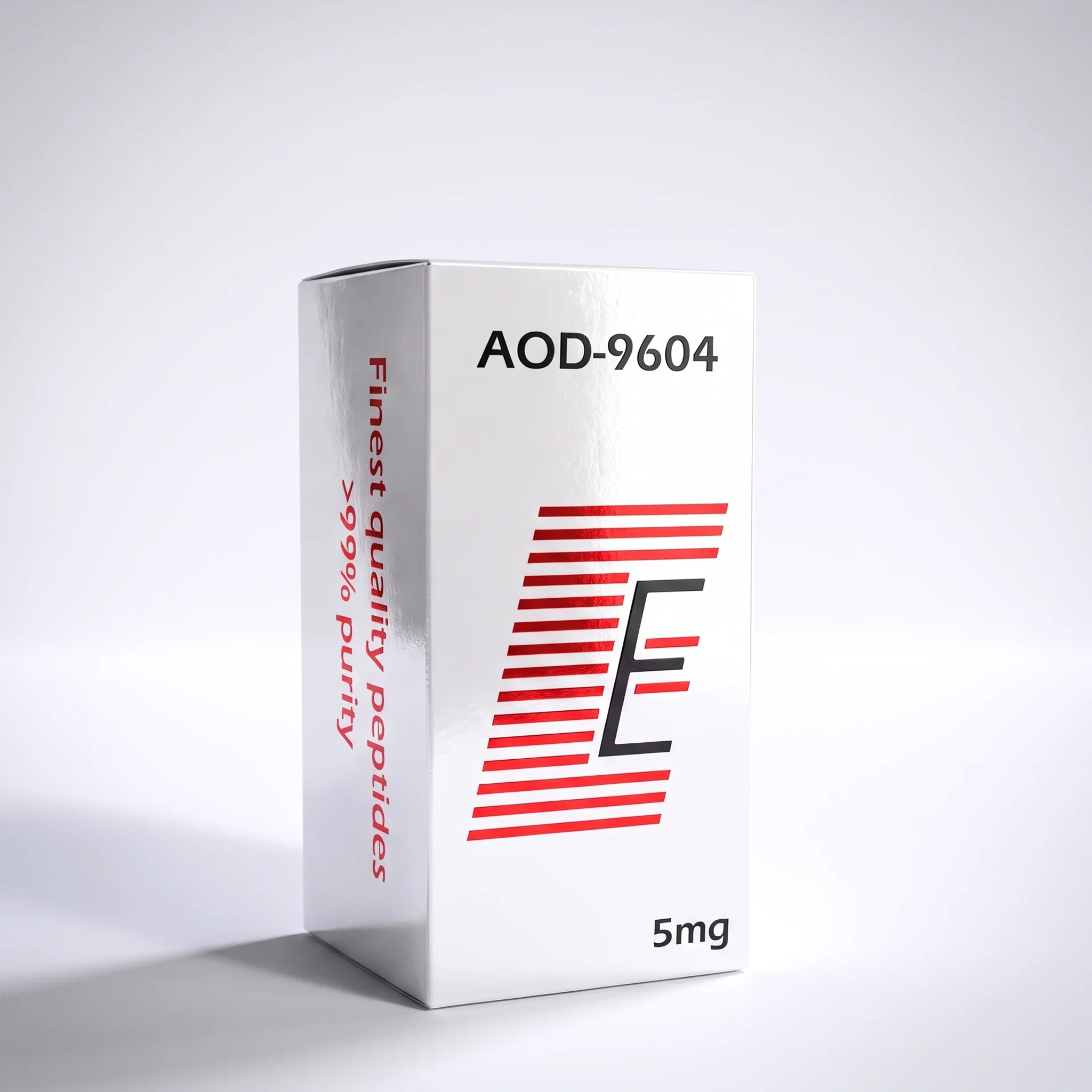
Growth hormone fragments: HGH Fragment 176-191 and AOD-9604
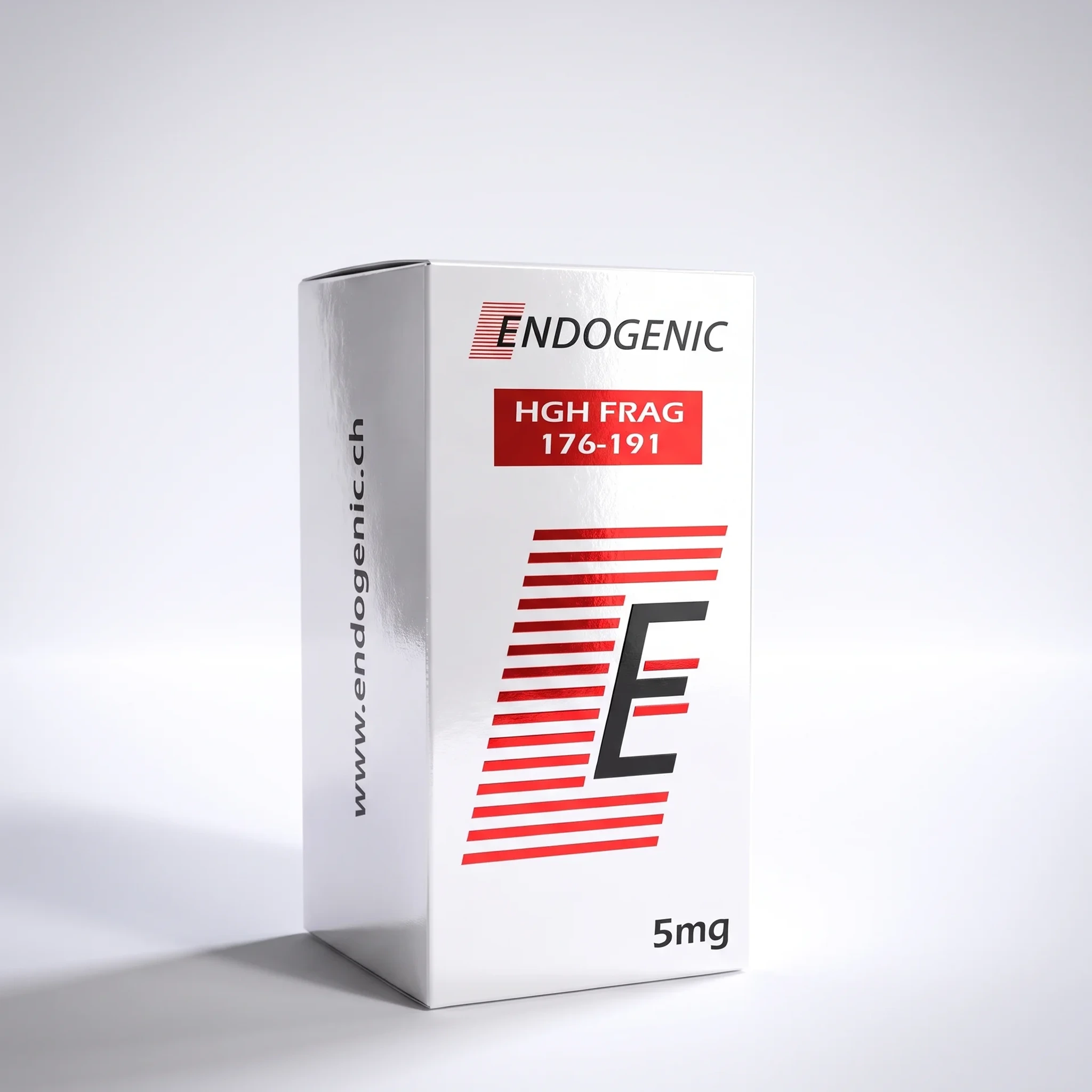
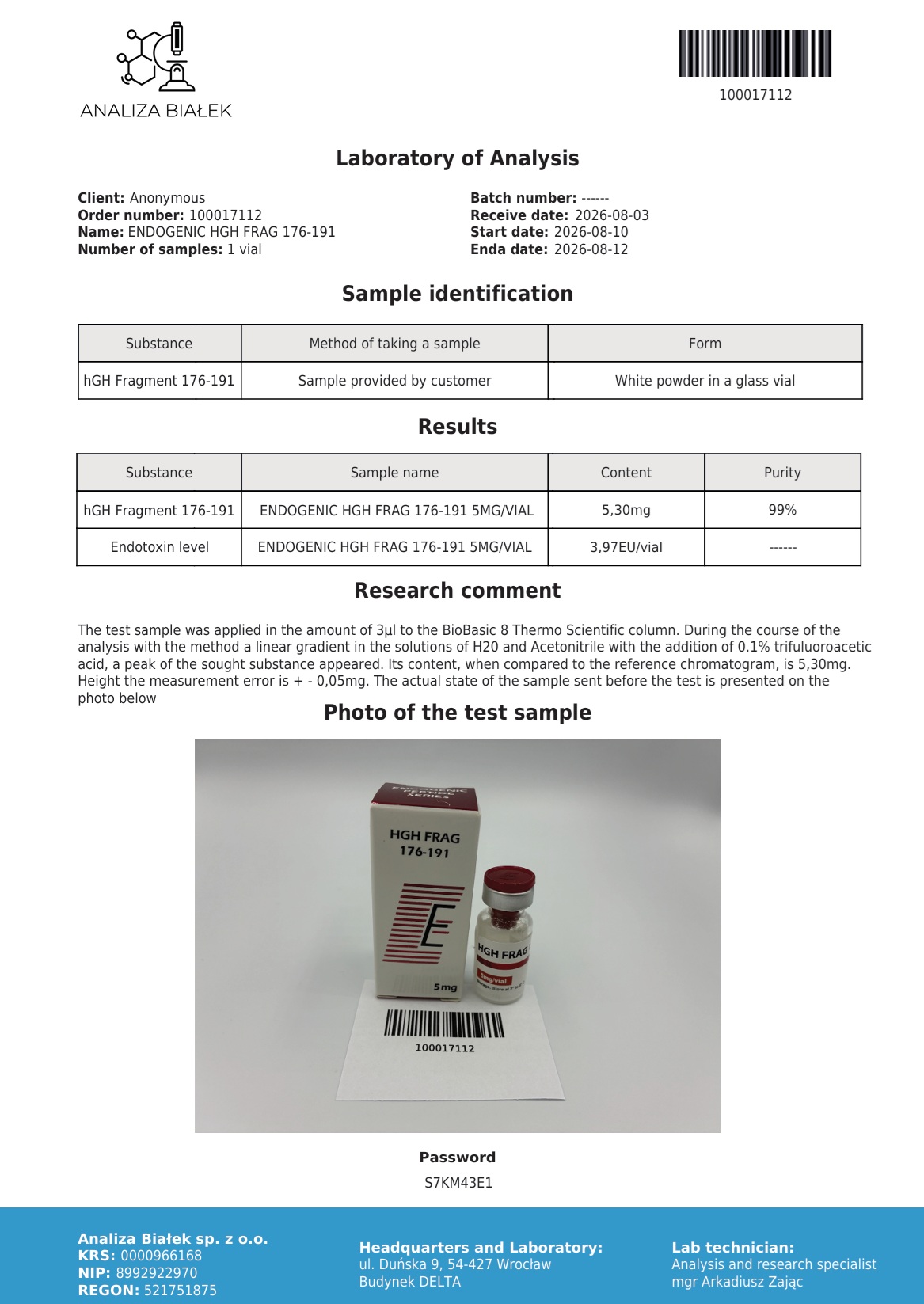
HGH Fragment 176-191 is the C-terminal segment of the growth hormone molecule. It was isolated on the assumption that the lipolytic activity of hGH can be separated from its effects on growth and the IGF-1 axis, and its effect on fatty acid mobilisation was studied in animal models. Its analogue, AOD-9604, was developed as a candidate metabolic drug (Wilding, 2004), but the programme did not end in marketing authorisation.
Regulatory status
The compounds in this category differ in status, so it is checked separately on each product’s page. SR-9009 is on the WADA Prohibited List (section S4.4, metabolic modulators). Yohimbine, as a stimulant, belongs to the class covered by section S6 (stimulants, prohibited in competition). The alkaloid itself is not named on the current List, and synephrine is on the WADA Monitoring Program, so status has to be verified for the specific substance. 5-Amino-1MQ has neither a medicinal counterpart nor a named entry on the List. Before any decision, athletes in the ADAMS system must check the current WADA list.
Regulatory status: metabolic peptides, BAM-15 and SLU-PP-332
Semaglutide and tirzepatide, the reference molecules of the Sema G and GLP-1+GIP lines, are the active substances of authorised medicines. They are not on the WADA Prohibited List but are included in the Monitoring Program. Retatrutide (Triple G) and cagrilintide (a component of Sema+Cagri; status as of October 2026) have no marketing authorisation in any country, so they fall under class S0 (non-approved substances) and are prohibited at all times. Growth hormone fragments, including AOD-9604 and hGH 176-191, are named on the Prohibited List in section S2, and BAM15 in section S4.4 among AMPK activators; both entries mean a ban at all times. SLU-PP-332 has no marketing authorisation, so it falls under class S0, and anti-doping laboratories have already described its metabolism and analytical characteristics for testing purposes (Möller et al., 2026).
Medicines and reagents are separate products
Semaglutide is the active substance of the medicines Ozempic®, Wegovy® and Rybelsus®, and tirzepatide of Mounjaro® and Zepbound®. Clinical trial results for these medicines relate to products of confirmed pharmaceutical quality, used for specific indications under medical supervision. An RUO reagent with a similar name is not a substitute for them, is not for treating obesity or diabetes, and its identity is confirmed only by the batch COA.
Applications in scientific research
In work on energy metabolism, these compounds are research tools. Working concentrations and the route of administration are set by the researcher according to the protocol, and the category gives no doses or schedules. The main research directions:
- Lipolysis models: fatty acid release from adipocytes, including the role of α2 receptor blockade (yohimbine)
- Thermogenesis and energy expenditure: adrenergic and mitochondrial signalling in cellular and animal models
- The NAD+ axis and adipocyte metabolism: NNMT inhibition and its effect on the dinucleotide pool (5-Amino-1MQ)
- Nuclear receptors and metabolic rhythm: REV-ERB agonism, mitochondrial metabolism, the so-called exercise mimetics (SR-9009)
- Incretin signalling: profiling of the GLP-1, GIP and glucagon receptors and comparison of mono-, dual- and triple agonism (Sema G, GLP-1+GIP, Triple G)
- Amylin receptors: calcitonin receptor/RAMP protein assay systems (Sema+Cagri)
- Mitochondrial uncoupling: oxygen consumption and energy expenditure in cellular and animal models (BAM-15)
- ERR receptors: oxidative muscle metabolism and aerobic capacity in mouse models (SLU-PP-332)
- Lipolytic hGH fragments: fatty acid mobilisation on the assumption that there is no classic somatotropic effect (HGH Fragment 176-191, AOD-9604)
- Identity and purity characterisation: confirming the structure of small molecules by HPLC and MS in the batch COA
Scientific perspective
The observations attributed to these compounds come from cellular and animal models. “Lipolytic activity” or “an effect on thermogenesis” means a result in a research model here, not an effect in a person using the reagent. For some molecules (SR-9009, 5-Amino-1MQ), the data come mainly from preclinical work, and clinical trials have not been completed. Extrapolation calls for caution.
Important distinction
No reagent in this category is a fat burner for use or a weight-loss preparation for humans. Slogans such as “fat burner without a prescription”, “a powerful fat burner for weight loss” or “diet pills” are contrary to RUO principles.
Forms available in this category
The small molecules in this category come in two basic forms:
- Capsules: an oral form for small molecules and alkaloids, typical of 5-Amino-1MQ, SR-9009 and yohimbine
- Solution: the compound dissolved in a carrier, for molecules available in liquid form. The researcher sets the working concentration according to the protocol
BAM-15 and SLU-PP-332 are also available in capsules. The metabolic peptides come in two forms:
- Lyophilisate in a vial: the dry form of the peptide for reconstitution by the researcher (e.g. Semaglutide, Retatrutide 5mg, AOD-9604, HGH Fragment 176-191)
- PEN applicator: a factory-prepared solution (the Sema G, GLP-1+GIP, Triple G and Sema+Cagri lines); the concentration and composition of the solution are given in the batch COA
Molecules acting through the androgen receptor and related pathways, studied in work on body recomposition, are collected in the complementary SARMs for cutting category.
Frequently asked questions (FAQ)
Do the compounds in this category burn fat in humans?
The results this category rests on come from preclinical models of thermogenesis, lipolysis and substrate metabolism. They say nothing about effects in humans. RUO material is not a slimming product.
How does this category differ from fat-burning peptides?
In scope: this category includes both small molecules and alkaloids (5-Amino-1MQ, SR-9009, yohimbine) and the metabolic peptides described above, including Sema G, GLP-1+GIP and Triple G. These groups differ in structure, mechanisms studied and regulatory status. The small molecules are described, among other roles, as enzyme inhibitors, nuclear receptor agonists and adrenergic receptor antagonists; the metabolic peptides are discussed in the relevant sections above.
Is yohimbine safe?
Yohimbine is a stimulant alkaloid with a documented effect on the circulatory system. Research data associate it with raised blood pressure and an increased heart rate, as well as with agitation and anxiety. As an RUO reagent it is not intended for use in humans, and we describe its safety profile on the basis of models, not recommendations for humans.
How can the identity of a small molecule be confirmed?
Through the analysis in the batch certificate (COA). Small molecules have no peptide sequence, so their structure and purity are confirmed by HPLC and MS. A certificate is available for every Pro-Body batch.
Are Sema G and GLP-1+GIP the same as Ozempic® and Mounjaro®?
No. They are RUO reagents from the agonist classes whose reference molecules are semaglutide and tirzepatide. The medicines containing these substances have pharmaceutical quality documentation and are dispensed on prescription. A reagent is not a substitute for them, and its identity is confirmed by the batch COA.
How do Sema G, GLP-1+GIP and Triple G differ?
In the number of receptors the reference molecule acts on. Semaglutide acts on one receptor (GLP-1R), tirzepatide on two (GLP-1R and GIPR) and retatrutide on three, adding the glucagon receptor. This is a difference in the mechanism studied in models, not an efficacy ranking.
Which compounds in this category are prohibited in sport?
Most of them. The growth hormone fragments (AOD-9604, hGH 176-191) and BAM15 are named on the Prohibited List, while retatrutide, cagrilintide and SLU-PP-332, as substances without marketing authorisation, fall under class S0. Semaglutide and tirzepatide are not prohibited but are included in the Monitoring Program. The status of the other compounds is described in the status boxes and on the product pages.