

Ships within 24 hours Free delivery for orders over 350 EURO Wide selection of high-quality laboratory products Ships within 24 hours Free delivery for orders over 350 EURO Wide selection of high-quality laboratory products Ships within 24 hours Free delivery for orders over 350 EURO Wide selection of high-quality laboratory products Ships within 24 hours Free delivery for orders over 350 EURO Wide selection of high-quality laboratory products Ships within 24 hours Free delivery for orders over 350 EURO Wide selection of high-quality laboratory products Ships within 24 hours Free delivery for orders over 350 EURO Wide selection of high-quality laboratory products Ships within 24 hours Free delivery for orders over 350 EURO

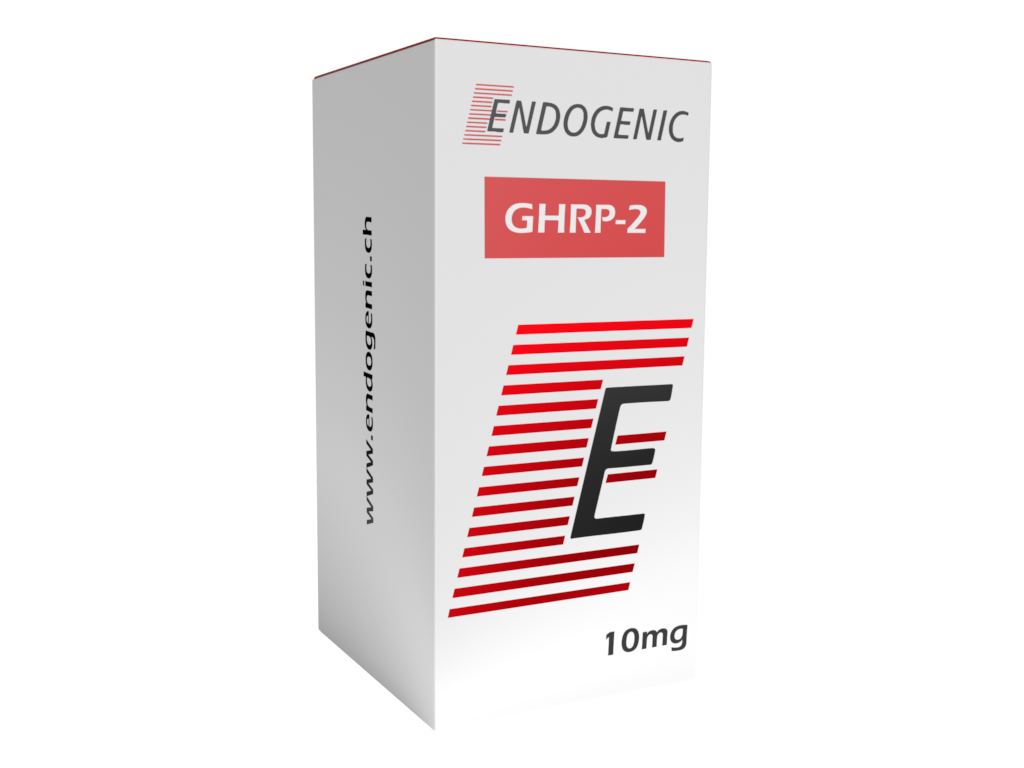
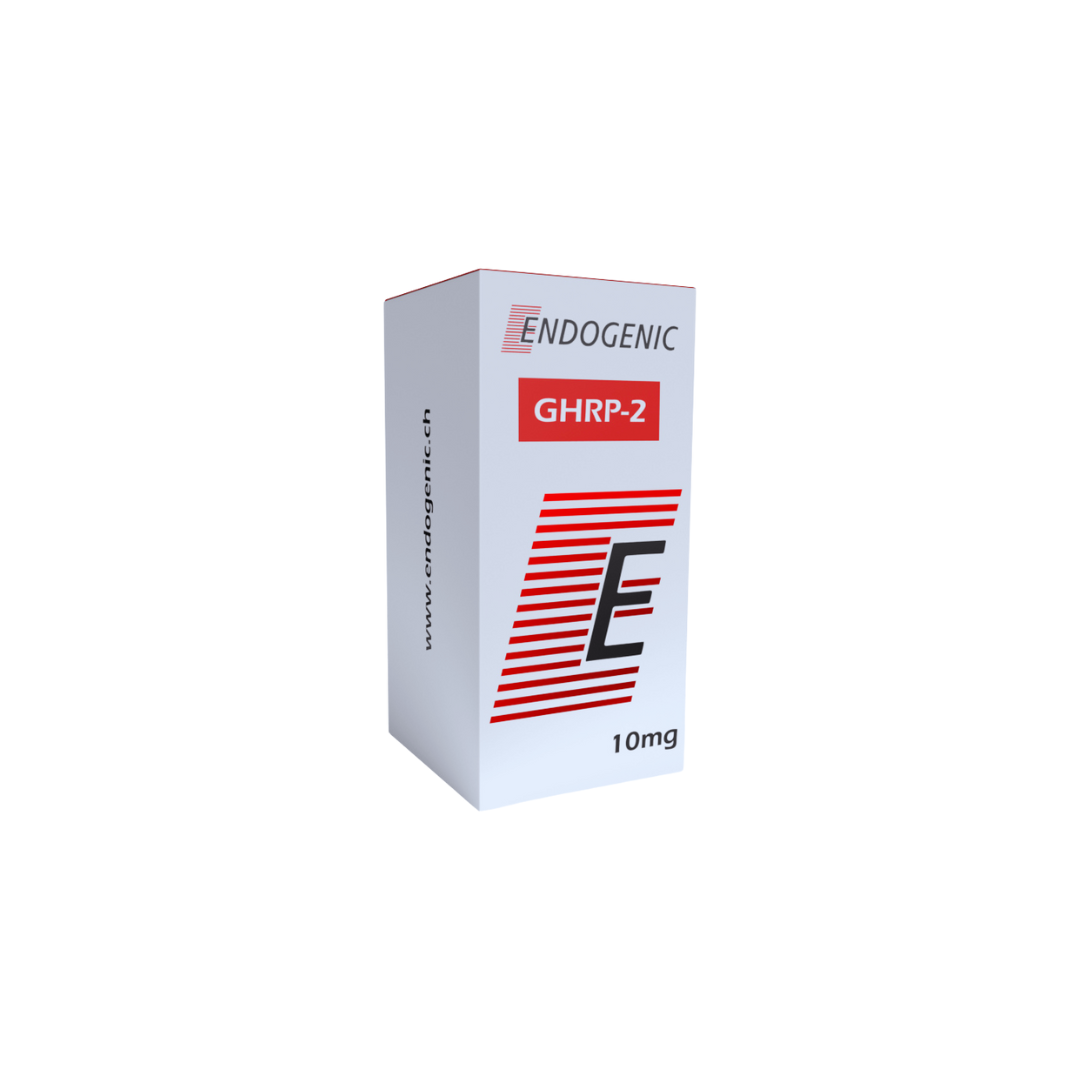
GHRP-2 10mg

Sale!


 26.00

GHRP-2 Peptide 10 mg – Growth Hormone Secretagogue

GHRP-2, or Growth Hormone Releasing Peptide 2, is a synthetic chemical compound composed of a sequence of six amino acids: D-Ala-D-2-Nal-Ala-Trp-D-Phe-Lys-NH₂. It belongs to a class of substances known as growth hormone secretagogues (GHS). Scientifically, it is classified as a GHS-R1a (ghrelin receptor) agonist. This means that in vitro, it is able to bind to and activate this receptor, allowing scientists to study further steps in intracellular signaling pathways. Due to its precise and reproducible molecular activity, GHRP-2 is used as a standard in many laboratory experiments aimed at understanding the role and function of GHS-R1a receptors in various cell types.
Reviews

There are no reviews yet.

Be the first to review “GHRP-2 10mg”

Your email address will not be published. Required fields are marked *

INTENDED FOR RESEARCH PURPOSES!

All of the above-mentioned properties are observed in laboratory tests, not performed on humans, and are for informational purposes only. All information contained in the descriptions has not been approved by the Chief Sanitary Inspectorate (GIS), the Chief Sanitary Inspectorate (GIF), or the European Food Safety Authority (EFSA). This substance is not a medicine, food product, or dietary supplement, and is therefore not suitable for human consumption. The product qualifies as a chemical reagent/reference material approved for marketing in the EU. It may only be used for scientific research. Further information about the product can be found in the Material Safety Data Sheet (MSDS), which is available for review. The products are available only to institutions or individuals associated with research or laboratory activities.

What is GHRP2 peptide?

GHRP-2 (Growth Hormone Releasing Peptide 2), also known by its systematic name as Pralmorelina. As a synthetic hexapeptide, GHRP-2 has become a valuable reagent in in vitro research on the mechanisms of hormonal regulation, particularly ghrelin receptors. Its specific properties allow for in-depth analysis of biochemical cascades at the cellular level, contributing to the expansion of knowledge in the field of molecular endocrinology.

GHRP-2 Properties

Structure and Chemical Properties

GHRP-2 (Pralmorelin) is a hexapeptide with a molar mass of 818.0 g/mol. Its chemical structure was designed to ensure stability and high affinity for its target receptor. The amino acid sequence includes non-standard amino acids (D-Alanine, D-2-Naphthylalanine, D-Phenylalanine), which protects the molecule from rapid degradation by enzymes (peptidases) in the experimental environment.

Basic Chemical Data:

  • Molecular formula: C₄₅H₅₅N₉O₆
  • Sequence: D-Ala-D-2-Nal-Ala-Trp-D-Phe-Lys-NH₂
  • Molar mass: 818.0 g/mol
  • Form: Lyophilized, white powder
  • aria-level=”1″>Solubility: Soluble in sterile water and buffer solutions.


Purity and Analysis

The reliability of scientific results is directly dependent on the quality of the reagents used. In the case of peptides, the key parameter is purity, confirmed using advanced analytical techniques. Impurities, such as incorrect peptide sequences or residues from the synthetic process, can lead to misinterpretation of experimental results.

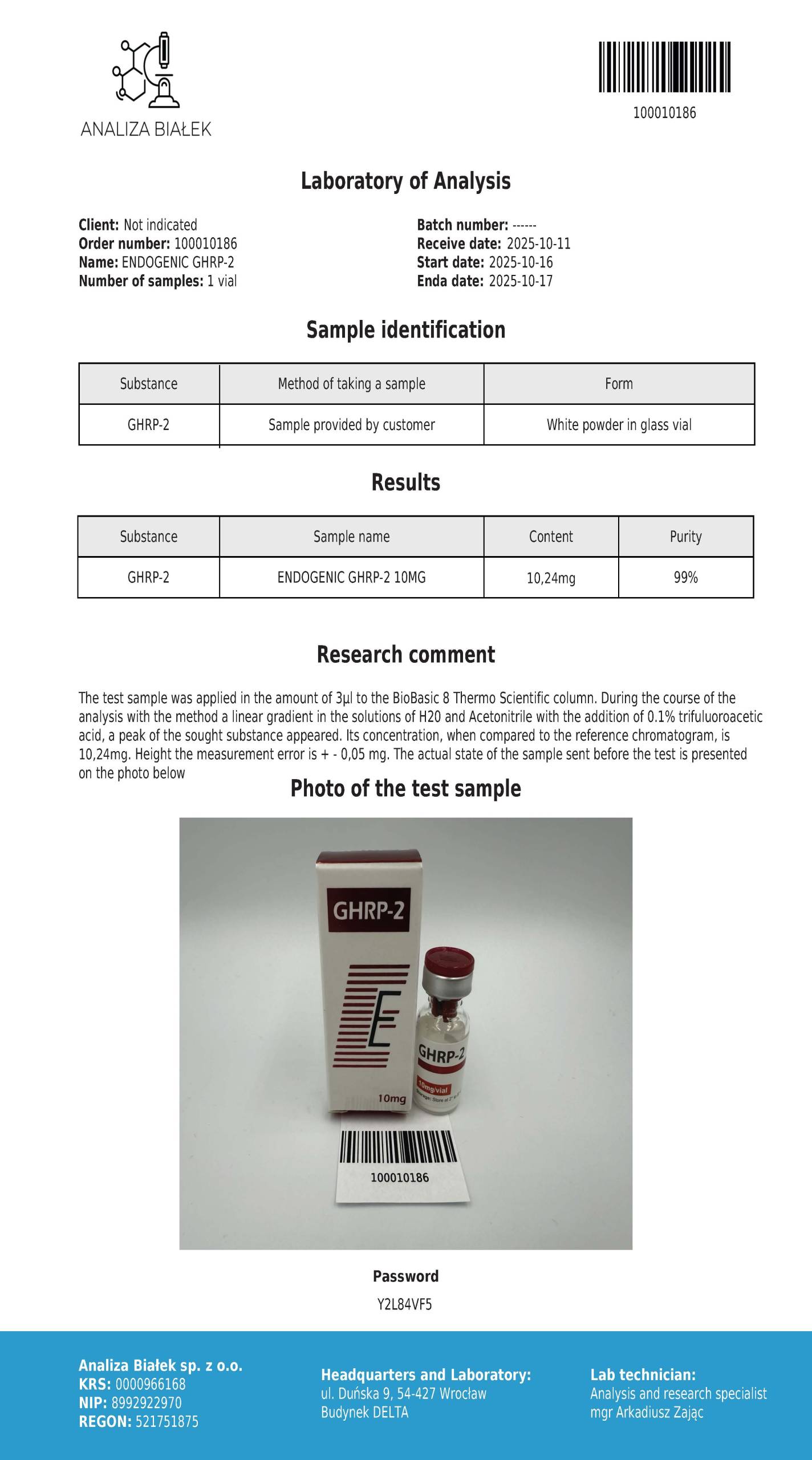
The standard and most reliable method for assessing GHRP-2 purity is high-performance liquid chromatography (HPLC). This technique allows for precise separation and quantification of the peptide and any potential impurities. The purchase of GHRP-2 should always be conditional on access to a Certificate of Analysis (CoA), which reflects the HPLC test results. This guarantees that the reagent meets the declared purity standards (usually >98%), which is essential for ensuring the repeatability and reliability of tests.

Storage and Handling

Correct handling of the GHRP-2 peptide is crucial for preserving its chemical structure and biological activity in laboratory conditions.

  • Storage of the lyophilized powder: The vial with lyophilized GHRP-2 powder should be stored at a low temperature, preferably in a freezer (approx. -20°C) or refrigerator (2-8°C). Protect it from exposure to light and moisture.
  • Reconstitution: Before using it in an experiment, the powder should be reconstituted in a suitable, sterile solvent, e.g., deionized water or an appropriate laboratory buffer. The liquid should be added slowly, down the side of the vial, to avoid foaming.
  • Mixing: After adding the solvent, gently swirl the vial (do not shake vigorously) until the lyophilized material is completely dissolved.
  • Storage of the solution:The prepared peptide solution should be stored in a refrigerator at 2-8°C. Under these conditions, it remains stable for a specified period of time, depending on the solvent used.The solution should not be frozen.

GHRP-2 action

In vitro studies have shown that GHRP-2 acts as a potent and selective agonist of the growth hormone secretagogue receptor type 1a (GHS-R1a). This receptor is the natural target for the endogenous peptide ghrelin.

In cell models (e.g., pituitary cell lines), the addition of GHRP-2 to the culture medium initiates a signaling cascade. Binding of the peptide to the GHS-R1a receptor leads to conformational changes in the receptor, which activates intracellular G proteins. This, in turn, stimulates downstream pathways such as phospholipase C (PLC) activation, leading to an increase in intracellular calcium (Ca²⁺) concentration. This mechanism is the subject of intensive research to understand the basic intracellular signaling processes regulated by G-protein-coupled receptors. In vitro studies have shown that GHRP-2 acts as a potent and selective growth hormone secretagogue receptor type 1a (GHS-R1a) agonist. This receptor is a natural target for the endogenous peptide ghrelin.

In cell models (e.g., pituitary cell lines), the addition of GHRP-2 to the culture medium initiates a signaling cascade. Binding of the peptide to the GHS-R1a receptor leads to conformational changes in the receptor, which activates intracellular G proteins. This, in turn, stimulates downstream pathways, such as the activation of phospholipase C (PLC), leading to an increase in intracellular calcium (Ca²⁺) concentration. This mechanism is the subject of intensive research aimed at understanding the fundamental intracellular signaling processes regulated by G protein-coupled receptors.

Peptide Application

  1. GHRP-2 is a valuable tool used in a wide range of basic scientific research. Its specific action on the GHS-R1a receptor allows for precise study of this receptor’s role in various biological processes at the cellular and tissue levels.

    Examples of in vitro research using GHRP-2:

    • Receptor Studies:GHRP-2 is used as a ligand to study the pharmacological properties of the GHS-R1a receptor, such as binding affinity, activation kinetics, and desensitization.
    • Signaling Pathway Analysis: Scientists use GHRP-2 to stimulate cells in culture to identify and analyze intracellular messengers and effector proteins involved in ghrelin receptor signaling.
    • Gene expression studies: It is used to study the effect of GHS-R1a activation on the gene expression profile of specific cell types, allowing us to understand which genes are regulated by this signaling pathway.

    Laboratory diagnostics: In some research protocols, GHRP-2 can be used as a stimulating agent in functional tests of pituitary cells ex vivo to assess their ability to secrete specific hormones into the culture medium.

GHRP-2 what is worth remembering?