


Typical onset is 30–60 minutes after oral administration; the plasma concentration peak (Tmax) is around 0.5–1.5 h after administration on an empty stomach, 1.5–2.5 h with a meal. The short half-life (~1.8 h) means that in an anti-alcohol protocol DHM is administered directly before or during alcohol exposure — not several hours in advance. Practical observation: 1–2 capsules 15–30 minutes before the first drink gives an action peak coinciding with the peak ethanol concentration.
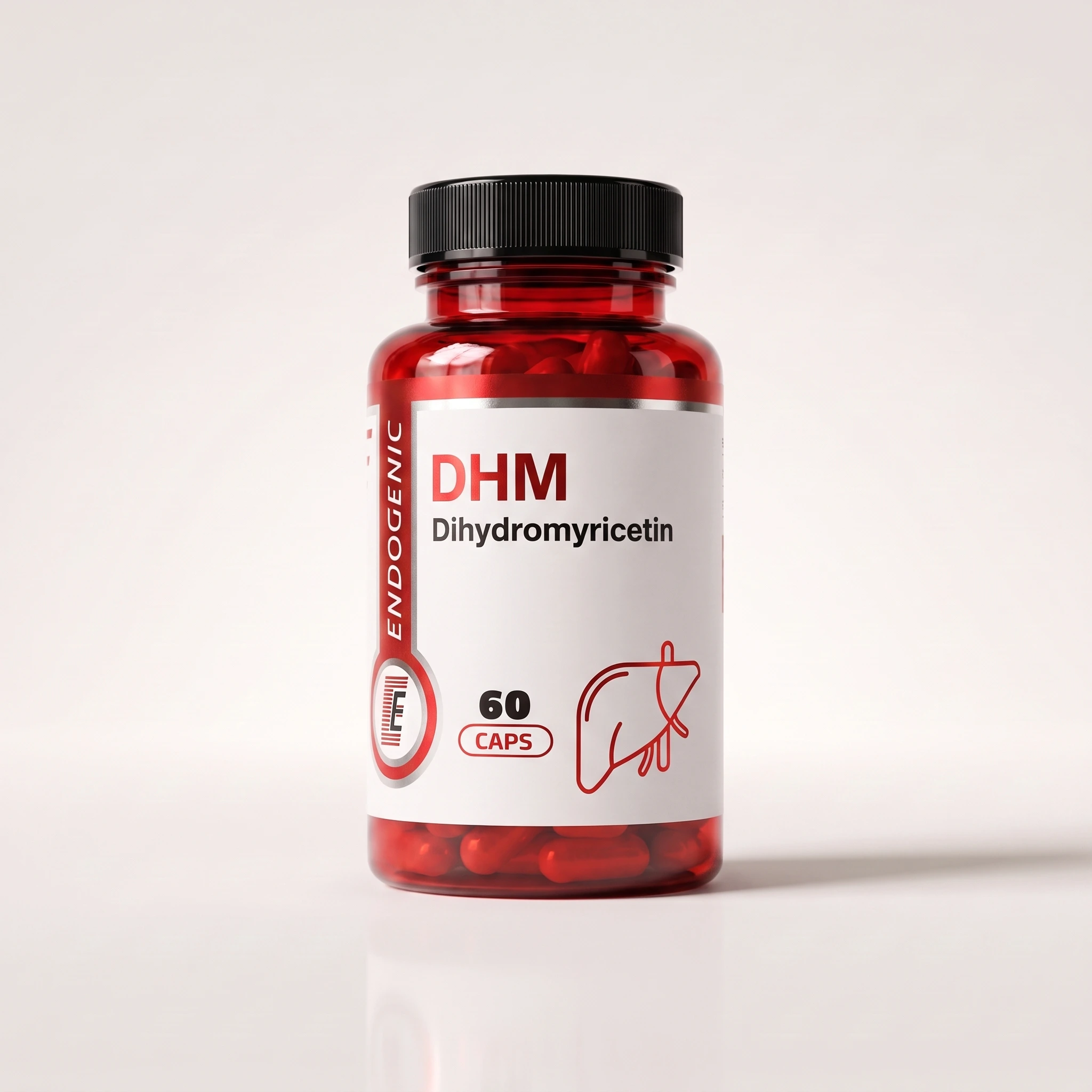
DHM (Dihydromyricetin) 300mg 60 caps
DHM 300 mg 60 caps is a nootropic-detox preparation for advanced adults (21+) containing dihydromyricetin (ampelopsin) — a flavanonol from Hovenia dulcis and Ampelopsis grossedentata, an allosteric modulator of GABA-A with ethanol antagonism and an inducer of the hepatic enzymes ADH/ALDH2. HPLC purity ≥98%, COA for every batch, vegetable HPMC capsule. It is not a dietary supplement.
23,99 €
Fast shipping
Delivery options
Free delivery from 350 €
Returns policy
DHM (Dihydromyricetin) 300 mg 60 caps — nootropic-detox preparation
- DHM: dihydromyricetin (ampelopsin).
- 300 mg, 60 capsules.
- Specialist preparation for adults (21+).
A specialist nootropic-detox preparation intended solely for adults (21+) who have pharmacological knowledge of the substance and accept its risk profile. It is not a dietary supplement in the Polish or EU legal sense — isolated dihydromyricetin (DHM) at a dose of 300 mg per capsule holds no EFSA authorisation as a dietary-supplement ingredient in the European Union. Natural extract of Hovenia dulcis (Japanese raisin tree) is sometimes used in food products, but 300 mg of pure DHM standardised at ≥98% goes beyond the ordinary doses found in plant-extract-based preparations. A product for your own risk assessment.
Introduction
The evening after alcohol exposure — cortisol up, sleep fragmented, reactive hypoglycaemia the following morning, and the informed athlete faces a question: how to minimise the molecular damage of an evening social gathering when a strength session is scheduled for Wednesday at 5:00. Classical pharmacology offers four tools: N-acetylcysteine (NAC), thiamine, glutathione and milk thistle extract.
Each of these tools addresses a single piece of the puzzle — DHM is pharmacologically interesting because it targets three of those pieces at once: it competitively blocks the ethanol binding site on GABA-A (Shen et al. 2012), induces alcohol-detoxification enzymes in the liver (Silva et al. 2020), and limits the expression of oxidative-stress markers and NF-κB in hepatocytes and neurons (Hou et al. 2015).
Dihydromyricetin (DHM, ampelopsin) is a flavanonol derived naturally from two plant sources: Hovenia dulcis (Japanese raisin tree, used in traditional Chinese and Japanese medicine for over 1,000 years as an agent that “clears the head after sake”) and Ampelopsis grossedentata (rattan vine, used in Yunnan province as “vine tea”). The first modern pharmacological characterisation of DHM as a positive allosteric modulator of GABA-A comes from the work of the team led by Yi Shen and Jing Liang (UCLA, 2012) — published in the Journal of Neuroscience and addressed to the community of researchers in the pharmacology of alcohol addiction.
The work of Shen et al. showed, in a Sprague-Dawley rat model, that DHM counteracts the acute effects of ethanol (sedation, motor impairment, gain of righting reflex) and inhibits the development of tolerance and withdrawal symptoms after chronic exposure.
In the European Union, DHM holds no EFSA authorisation as an isolated active in dietary supplements. Extracts of Hovenia dulcis are sometimes present in food products at low concentrations, but pure DHM standardised at ≥98% at a dose of 300 mg/capsule represents a concentration on the order of many times higher than in natural preparations.
The product’s status in Poland is a grey area: DHM/Hovenia is not a controlled substance, does not feature on the WADA list, yet holds no formal authorisation as a dietary supplement. Pro-Body classifies the preparation as a “specialist preparation for advanced adults (21+)”, not as a dietary supplement.
This product contains 60 capsules of 300 mg DHM standardised at ≥98% — corresponding to a range of 4–8 weeks of cyclical exposure under the “max 2–3 times a week, never daily” protocol used by advanced adults with documented tolerance. Quality specification in line with Pro-Body standards: HPLC purity ≥98%, MS confirmation, COA for every batch.
General overview — the pharmacological context of GABA-A and ALDH2
GABA-A is an ionotropic pentameric receptor — a chloride channel composed of five subunits (most commonly a 2α + 2β + 1γ composition), expressed in the central nervous system as the principal inhibitory system. Activation of GABA-A leads to opening of the chloride channel, influx of Cl⁻ ions into the cell, and hyperpolarisation of the neuronal membrane — that is, the quieting of synaptic transmission. The receptor has several allosteric binding sites: the benzodiazepine site (BZ — diazepam, alprazolam), the barbiturate site, the neurosteroid site (allopregnanolone), the ethanol site, and the binding site of GABA itself.
Ethanol acts as a positive allosteric modulator of GABA-A — it binds mainly to α4/α6 subunits containing δ (extrasynaptic receptors of tonic inhibition) and to a lesser degree to α1 subunits (sedation). DHM blocks the ethanol binding site on GABA-A in a competitive manner — primarily on the α1 and α5 subunits (the studies by Shen et al. 2012 used a radioligand bound at these sites).
This is the central distinction: DHM is not a GABA-A antagonist in the classical sense (it does not block endogenous GABA) but rather an ethanol antagonist at the latter’s binding site — which explains the preservation of the natural anxiolytic activity of GABA-A while the effects of alcohol (motor impairment, sedation, gain of righting reflex) are quieted.
This distinction sets DHM apart from molecules such as Phenibut, which modulates the GABA-B axis (a conceptual bridge between GABA-A and GABA-B within one compound family).
The second pharmacological mechanism of DHM concerns hepatic enzymes. Ethanol is metabolised in two steps: ADH (alcohol dehydrogenase, ethanol → acetaldehyde) → ALDH2 (mitochondrial aldehyde dehydrogenase, acetaldehyde → acetate). Acetaldehyde is the toxic intermediate responsible for most hangover-like symptoms (flushing, nausea, tachycardia, headache) — especially in people with the ALDH2*2 polymorphism (widespread in Asian populations, around 30–50%). In rodent models DHM induces the expression of both enzymes (Silva et al. 2020), which translates into faster elimination of ethanol and acetaldehyde.
The third pathway is the reduction of oxidative-stress markers and chronic inflammation. DHM is a flavanonol with antioxidant activity comparable to quercetin and myricetin — structurally related to myricetin (from which the name “dihydromyricetin” derives). DHM inhibits the activation of NF-κB and MAPK in hepatocytes exposed to lipopolysaccharide or ethanol (Hou et al. 2015), which reduces the expression of pro-inflammatory cytokines (TNF-α, IL-6, IL-1β). In models of alcoholic fatty liver disease DHM normalises ALT/AST activity and hepatic lipid metabolism (Silva et al. 2020).
What is DHM (Dihydromyricetin)?
Chemically, DHM is a flavanonol with a specific structure of three hydroxyl groups on the B ring:
- Common name: Dihydromyricetin (DHM), Ampelopsin
- Chemical name (IUPAC): (2R,3R)-3,5,7-Trihydroxy-2-(3,4,5-trihydroxyphenyl)-2,3-dihydrochromen-4-one
- Synonyms: Ampelopsin, DHM, dihydromyricetin
- Natural sources: Hovenia dulcis (Japanese raisin tree, fruit and seeds), Ampelopsis grossedentata (rattan vine, leaves — “vine tea”)
- CAS Number: 27200-12-0
- Molecular formula: C₁₅H₁₂O₈
- Molar mass: 320.25 g/mol
- Chemical classification: flavanonol (dihydroflavonol), plant polyphenol, structure related to quercetin and myricetin with an additional reduced double bond between C2–C3
- Supplied form: hard HPMC capsule (vegetable capsule), 300 mg DHM standardised at ≥98% per capsule, 60 capsules per pack
DHM is the trans- (2R,3R) enantiomer — this stereochemical configuration is essential for biological activity. Racemic mixtures or cis- (2S,3R) forms show significantly lower activity at GABA-A and weaker induction of ALDH2 enzymes.
Structure and physicochemical properties
DHM differs from myricetin by the presence of a single bond between C2–C3 (the dihydro form) — which alters the geometry of the molecule and affects the conformation of binding at receptor sites. The B ring with three hydroxyl groups (positions 3′, 4′, 5′) is responsible for high antioxidant activity — DHM is one of the most potent free-radical scavengers among flavonoids (an ORAC value comparable to myricetin).
Physicochemical parameters:
| Parameter | Value |
|---|---|
| HPLC purity | ≥98.0% |
| Product form | hard HPMC capsule with DHM powder |
| Active substance dose | 300 mg / capsule |
| Number of capsules per pack | 60 |
| Molecular formula | C₁₅H₁₂O₈ |
| Molar mass | 320.25 g/mol |
| Chemical class | flavanonol (2R,3R-dihydroflavonol) |
| Water solubility | low (~0.2 mg/ml) |
| Solubility in ethanol | moderate |
| logP (lipophilicity) | ~+1.4 |
| pKa | ~7.5 (C7 hydroxyl group) |
| Oral bioavailability | ~9% (in a rodent model) |
| Plasma half-life (T½) | ~1.8 h in humans |
| Tmax (time to plasma peak) | 0.5–1.5 h after oral administration |
| Metabolites | DHM glucuronides, phenolic acids derived from the gut microbiota |
| Elimination | mainly bile and urine |
The low oral bioavailability of DHM (~9% in a rodent model) is a consequence of intensive phase I metabolism (glucuronidation and sulphation in the liver) and poor water solubility. This explains why functional doses in hangover-prevention protocols start from 300 mg and can reach 900 mg in a single dose — not because of “potent action” but out of the need to compensate for the low absorption coefficient. The short half-life (~1.8 h) means that in an anti-alcohol protocol DHM is administered directly before or during exposure — not several hours in advance.
An interesting feature of DHM pharmacokinetics is the involvement of the gut microbiota in metabolism: a portion of the dose not absorbed in the small intestine passes to the colon, where gut bacteria degrade DHM into phenolic acids (3,4,5-trihydroxybenzoic acid, gallic acid, protocatechuic acid). These metabolites are absorbed and show their own antioxidant and anti-inflammatory activity. The practical implication: differences in the gut microbiota may explain inter-individual differences in the response to DHM.
Mechanism of action
DHM acts through four distinct molecular mechanisms — each of different pharmacological significance:
- Positive allosteric modulator of GABA-A with ethanol antagonism (the principal mechanism) — DHM binds to an allosteric site on GABA-A overlapping with the ethanol binding site, preferentially on the α1 and α5 subunits (Shen et al. 2012). In the presence of DHM, ethanol loses a significant part of its ability to potentiate GABA-A — which explains the effects observed in rodent models: reduction of ethanol-induced sedation, shortening of the loss-of-righting-reflex time, lowering of tolerance and withdrawal symptoms. DHM does not block endogenous GABA — selectivity towards the ethanol site means that the receptor’s natural function remains preserved.
- Inducer of the ADH and ALDH2 enzymes (the hepatic mechanism) — DHM increases the expression of alcohol dehydrogenase and mitochondrial aldehyde dehydrogenase 2 in hepatocytes (Silva et al. 2020). This accelerates the ethanol detoxification cascade: faster conversion of ethanol → acetaldehyde → acetate → CO₂ + H₂O. Practical significance: in rodent models with induced ethanolic liver damage, DHM reduces the peak acetaldehyde concentration by around 25–40% and shortens the time alcohol persists in plasma.
- Antioxidant and inhibitor of the NF-κB / MAPK inflammatory pathways (the tissue mechanism) — DHM inhibits the activation of NF-κB (a transcription factor central to the inflammatory response) and the MAPK pathways (p38, ERK, JNK) in hepatocytes and neurons exposed to oxidative stress or lipopolysaccharide (Hou et al. 2015). The net effect is a reduction in the expression of pro-inflammatory cytokines (TNF-α, IL-6, IL-1β) and preservation of mitochondrial integrity. This mechanism translates into the hepatoprotection observed in animal models and potential neuroprotection against the neurotoxicity of acetaldehyde.
- Prophylaxis of alcohol tolerance and withdrawal symptoms (the resultant mechanism) — in a Sprague-Dawley rat model with experimental ethanol dependence, DHM inhibited the development of behavioural tolerance and reduced withdrawal symptoms (increased locomotor activity, reduction of seizures after withdrawal) — an effect observed by Shen et al. 2012 and Liang et al. 2014. These observations are the source of interest in DHM as a potential research tool in the pharmacology of alcohol addiction.
In animal models DHM shows no independent sedative, anxiolytic or locomotor activity at the doses typically used (10–100 mg/kg) — which distinguishes it from baclofen, benzodiazepines and Phenibut. This profile (“no stimulants, no sedation, acts only in the presence of alcohol or oxidative stress”) makes DHM a niche molecule: it is not suitable as a daily nootropic or anxiolytic — its pharmacological usefulness reveals itself in the presence of a specific stressor.
Pharmacological profile — observations in advanced adults
In the literature (mechanistic studies in rodent models + a few pilot studies in humans + observational reports from people using DHM as “hangover prevention”) the effects described in adults include:
- Reduction in the severity of hangover-like symptoms the next day — the most frequently reported effect; particularly in the dimensions of headache, dryness, nausea, cognitive fog
- Shortening of the time alcohol persists in plasma — an observation compatible with ADH/ALDH2 induction; confirmed in rodent models, less consistent in humans
- Improvement in subjective sleep quality after evening alcohol exposure — alcohol is one of the main disruptors of sleep architecture (REM suppression, fragmentation of slow-wave sleep); DHM may mitigate these effects through antagonism of the ethanol site on GABA-A
- Support for hepatocyte regeneration — in rodent models with alcoholic liver damage DHM normalises ALT/AST and lipid metabolism; extrapolation to humans calls for caution. For broader liver support advanced users often pair such tools with a dedicated hepatoprotector Liver Guard
- Stability of morning glycaemia after exposure — some users report a smoothing of reactive hypoglycaemia; the mechanism is probably indirect, via faster ethanol elimination
Product composition and Pro-Body quality specification
Composition of one capsule:
- Dihydromyricetin (DHM, ampelopsin, extract of Ampelopsis grossedentata standardised to ≥98% DHM) — 300 mg
- Excipients: microcrystalline cellulose, colloidal silica, magnesium stearate of plant origin
- Capsule shell: hypromellose (HPMC) — vegetable (vegan) capsule, gelatine-free
Pro-Body quality standards — every batch:
- HPLC ≥98% — high-performance liquid chromatography with UV detection at 290 nm — verification of DHM purity and identification of related impurities (myricetin, DHM glucuronides, degradation product)
- MS confirmation — Q-TOF mass spectrometry — confirmation of identity at the level of molar mass (320.25 g/mol) and fragmentation
- COA per batch — a certificate of analysis for every batch available as an inline PDF on the product page; it contains the HPLC and MS results, impurity profile, bioburden control, capsule disintegration test
- Batch traceability — each batch marked with a unique number, tracked in an internal QA system with the possibility of retrospective verification
- Scientific reviewer — the product specification and the literature description are verified by a reviewer with an academic affiliation in CNS pharmacology and flavonoid biochemistry
Cyclical use protocol
Standard cyclical protocol for advanced adults:
| Parameter | Value |
|---|---|
| Starting dose (first trial) | 1 capsule (300 mg) — tolerance assessment |
| Standard dose | 1–2 capsules (300–600 mg) before planned alcohol exposure or as next-day regeneration support |
| Maximum single dose | 3 capsules (900 mg) — advanced users with documented tolerance only; do not exceed |
| Frequency | a maximum of 2–3 times a week, never daily |
| Minimum interval between exposures | 48 hours |
| Cycle length | a maximum of 4–6 weeks of cyclical exposure |
| Minimum break after the cycle | 2–4 weeks without DHM |
Outline of the “social evening” anti-alcohol protocol:
- Directly before the first drink: 1–2 capsules DHM (300–600 mg) — making use of the fast Tmax (0.5–1.5 h)
- During exposure (if >3 hours): optionally an additional 1 capsule after 3 hours — compensating for the short T½ (~1.8 h)
- Before sleep: optionally 1 capsule + a glass of water — support for reducing the night-time sleep disturbances caused by alcohol
- The next morning: optionally 1 capsule with breakfast — support for liver regeneration and reduction of hangover-like symptoms
Practical observation: advanced users on a 2x/week protocol over 4 weeks report maintaining the original efficacy at 300–600 mg. Escalating the dose above 900 mg in a single dose does not yield a proportional increase in effect — the pharmacokinetic barrier (low bioavailability, fast phase I metabolism) limits the practical plasma concentrations.
DHM does not replace moderation in alcohol consumption, hydration, sleep and a quality meal. It is a tool for minimising the consequences of conscious, sporadic exposure — not a justification for escalating consumption.
Safety profile — what is known and what is not
In rodent models DHM is well tolerated at doses up to 1,000 mg/kg of body weight per day over 28 days without significant signs of organ toxicity (Silva et al. 2020). In humans, formal phase I/II safety studies with isolated DHM have not been published — most of the data come from observations of users of hangover-prevention preparations and case-based reports. The most frequently reported side effects (rare, mild): mild gastrointestinal discomfort (nausea, heartburn) — particularly when taken on an empty stomach, mild headaches, occasional dizziness at higher doses.
Not yet published are studies of long-term toxicity in humans (>6 months of continuous use), studies of DHM interactions with the CYP system across the full range of isoenzymes, or safety studies in pregnant women, children and people >65 years. Extrapolation of data from animal models to the human population calls for caution.
Operational warnings
- DHM does not cause significant sedation at typical doses (300–600 mg), but at higher ones (>900 mg) some people report mild grogginess — if in doubt, do not drive vehicles for 4 hours after the first dose
- DHM is not an approved antidote for alcohol poisoning — in a situation of acute alcohol poisoning (loss of consciousness, respiratory depression, cyanosis) call the emergency services immediately (112); do not attempt to “treat” with DHM
- Do not use as a “pretext” for over-consumption of alcohol — DHM does not eliminate the hepatotoxicity, cardiotoxicity or neurotoxicity of ethanol
Legal status
European Union and Poland:
- DHM (Dihydromyricetin) holds no EFSA authorisation as a dietary-supplement ingredient in the European Union
- DHM does not feature on the Novel Foods list (Regulation EU 2015/2283) or as an ingredient permitted for addition to food
- Extracts of Hovenia dulcis are used in certain food preparations, but isolated DHM standardised at ≥98% at a dose of 300 mg/capsule goes beyond the bounds found in natural preparations from the Japanese raisin tree
- In Poland DHM is not a controlled substance nor listed in the Polish Act on Counteracting Drug Addiction
- GIS (the Chief Sanitary Inspectorate) has not issued a formal recommendation regarding the withdrawal of DHM products, yet the status of isolated DHM as a dietary supplement in Poland remains in a regulatory grey area
- The product’s status on the market: a product classified by Pro-Body as a specialist preparation for advanced adults (21+), not as a dietary supplement in the Polish/EU legal sens
Summary
DHM 300 mg 60 caps is a specialist nootropic-detox preparation containing dihydromyricetin (ampelopsin) — a flavanonol derived from Hovenia dulcis and Ampelopsis grossedentata, with the activity of a positive allosteric modulator of GABA-A with ethanol antagonism, an inducer of the alcohol-detoxification enzymes ADH and ALDH2, and an inhibitor of the NF-κB and MAPK pathways. The pharmacological mechanism places DHM in a narrow category of tools that address three pieces of the alcohol-metabolism puzzle simultaneously: blockade of the ethanol binding site on GABA-A, acceleration of the ADH/ALDH2 cascade, and reduction of oxidative-stress markers in hepatocytes.
HPLC purity ≥98%, COA for every batch, vegetable HPMC capsule (60 units of 300 mg). Regulatory status — a preparation for adults (21+), not a dietary supplement; the risk profile requires strict adherence to the cyclical protocol (max 2–3 times a week, never daily, max 4–6 weeks per cycle, min. 2–4 weeks’ break).
The broader context of the class of compounds modulating cognitive functions and nootropic mechanisms is discussed by the review of nootropic substances. For advanced users interested in a nootropic stack with racetams and cholinergics, the reference point in the Pro-Body catalogue is MINDHUNTER X — a comprehensive nootropic with Phenylpiracetam, Aniracetam and Alpha-GPC.
References
- Shen Y, Lindemeyer AK, Gonzalez C, Shao XM, Spigelman I, Olsen RW, Liang J (2012). Dihydromyricetin as a novel anti-alcohol intoxication medication. PubMed
- Liang J, Shen Y, Shao XM, Scott MB, Ly E, Wong S, et al. (2014). Dihydromyricetin prevents fetal alcohol exposure-induced behavioral and physiological deficits. PubMed
- Silva J, Yu X, Moradian R, Folk C, Spatz MH, Kim P, et al. (2020). Dihydromyricetin Protects the Liver via Changes in Lipid Metabolism and Enhanced Ethanol Metabolism. PubMed
- Hou XL, Tong Q, Wang WQ, Shi CY, Xiong W, Chen J, et al. (2015). Suppression of Inflammatory Responses by Dihydromyricetin, a Flavonoid from Ampelopsis grossedentata, via Inhibiting the Activation of NF-κB and MAPK Signaling Pathways. PubMed
FAQ
Not in any absolute sense. DHM reduces the severity of hangover-like symptoms (headache, dryness, nausea, cognitive fog) — particularly in people with the ALDH2*2 polymorphism causing slower acetaldehyde metabolism. It does not, however, eliminate the toxicity of ethanol to hepatocytes, neurons and the cardiac muscle. The marketing narrative “DHM = no hangover” is an oversimplification — in practice DHM mitigates the consequences of moderate, sporadic exposure but does not compensate for the effects of escalating consumption.
There are no data from formal long-term toxicity studies in humans (>6 months of continuous use). In rodent models DHM is well tolerated at doses up to 1,000 mg/kg of body weight per day over 28 days, yet extrapolation to humans calls for caution. From a pharmacodynamic standpoint: daily use of a positive GABA-A modulator may theoretically lead to receptor adaptation. Hence the cyclical protocol (max 2–3 times a week, max 4–6 weeks per cycle) — not because of acute toxicity but as a precaution against an insufficiently studied long-term profile.
Generally yes — the mechanisms are complementary. NAC increases the hepatic glutathione pool (support for phase II detoxification of acetaldehyde), while DHM modulates the GABA-A receptor and induces ADH/ALDH2 (phase I). A classic hangover-prevention stack comprises DHM 300–600 mg + NAC 600 mg + thiamine 100 mg + magnesium 200 mg. There are, however, no formal studies confirming synergy — these are practical observations, not an evidence-based protocol. Do not combine DHM with benzodiazepines, gabapentinoids or opioids without medical supervision.
Silymarin (the main active ingredient of milk thistle, Silybum marianum) is a mixture of flavonolignans — chiefly silibinin, silychristin and silydianin. It acts mainly hepatoprotectively: it stabilises hepatocyte membranes, inhibits lipid peroxidation, supports the regeneration of liver tissue. It does not significantly affect GABA-A or phase I ethanol metabolism. DHM has a broader profile: besides hepatoprotection it blocks the ethanol binding site on GABA-A and accelerates the ADH/ALDH2 cascade. Silymarin is a tool for long-term liver protection (e.g. after chronic exposure to hepatotoxins), DHM — for an acute anti-alcohol protocol.
Studies in animal models (Shen et al. 2012, Liang et al. 2014) suggest that DHM inhibits the development of ethanol tolerance and reduces withdrawal symptoms in Sprague-Dawley rats with experimental dependence. This does not mean that DHM is an approved medicine for alcohol dependence in humans — formal phase III clinical trials have not been completed. People with documented alcohol dependence should contact the physician managing their addiction therapy (an approach modelled on protocols with disulfiram, naltrexone, acamprosate) and should not attempt to “self-medicate” with DHM.
DHM is not a “pre-workout” substance — it does not stimulate, does not increase performance, does not raise heart rate. In a sporting context DHM is a regenerative tool after evening alcohol exposure — if for some reason an informed athlete has planned an evening gathering with alcohol and has a training session the next day, DHM may minimise the disruption to sleep and regeneration.
It does not, however, eliminate the negative impact of alcohol on muscle protein synthesis (alcohol lowers mTOR and protein synthesis by 24–37% for 24–48 h after consumption — Parr et al. 2014), glycogen synthesis and hormonal balance (cortisol up, testosterone down). The best strategy: do not drink in the evening before a strength session.
In the case of acute alcohol poisoning (loss of consciousness, respiratory depression, cyanosis, hypothermia, seizures) — call the emergency services immediately (112). DHM is not an antidote for ethanol poisoning and should not be used in a situation requiring medical intervention. Hospital management includes: maintenance of vital functions, intravenous glucose and thiamine, intubation if needed. A specific pharmacological antidote for ethanol poisoning does not exist.
5.0
1 review
-
Jakub
 Polski
Product review
Polecam. Super jakość i cena
Related products
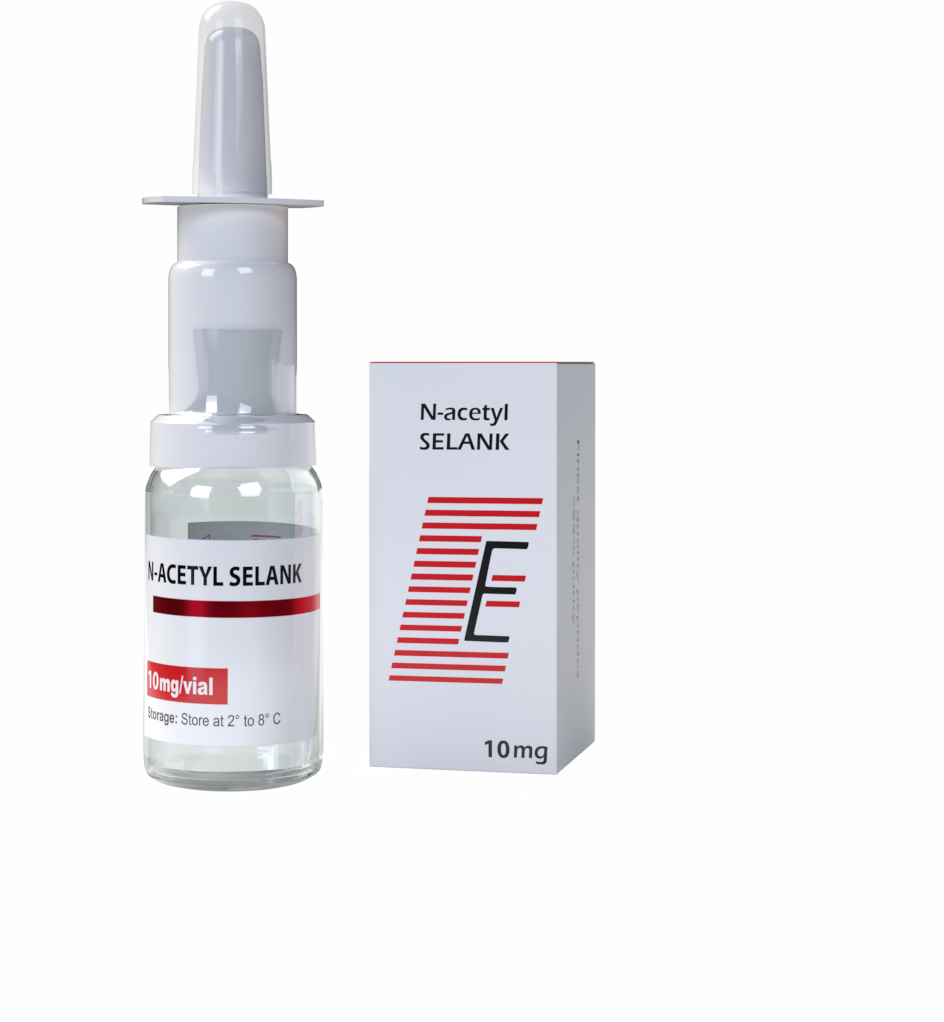
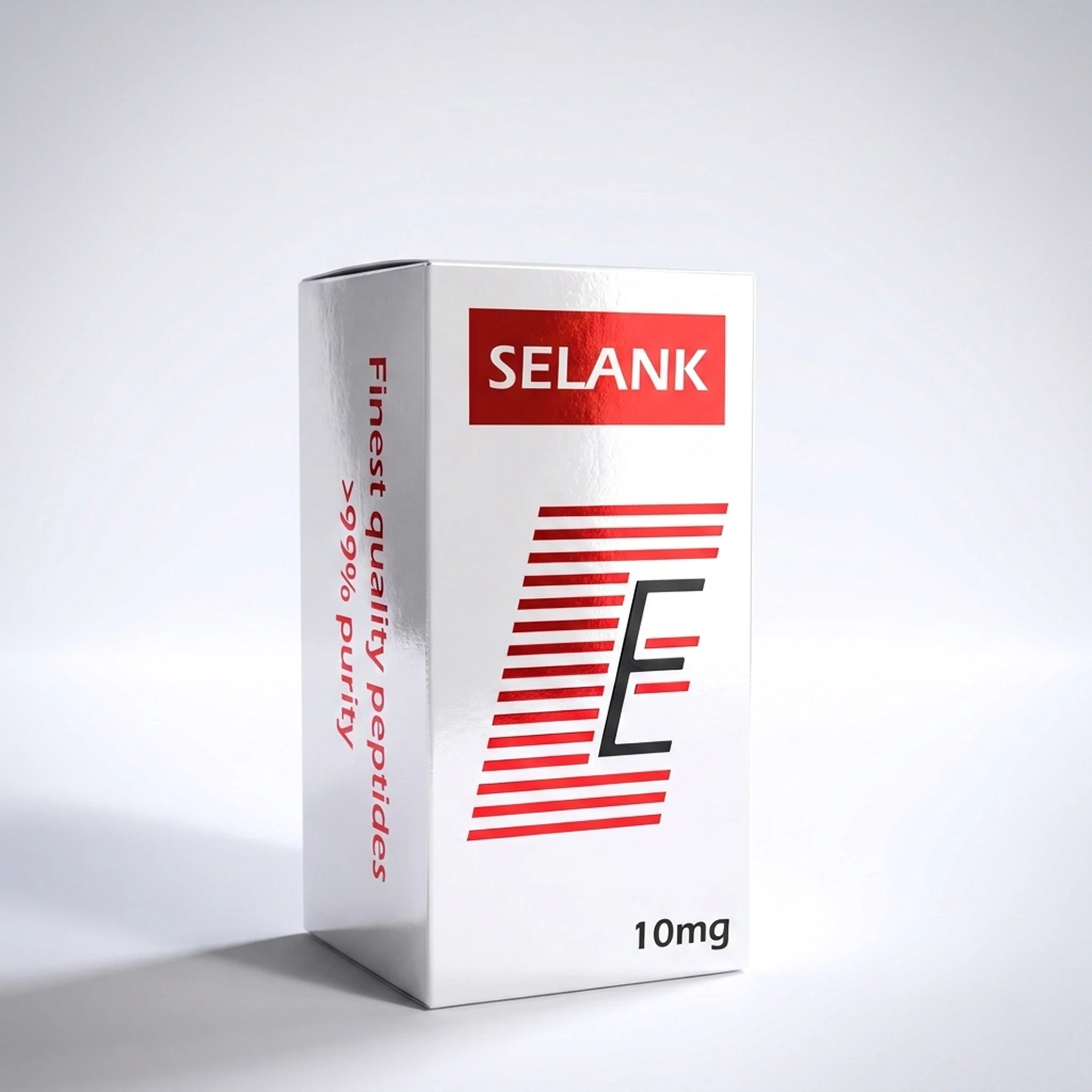
Selank 10mg
Selank 10mg
30,99 €

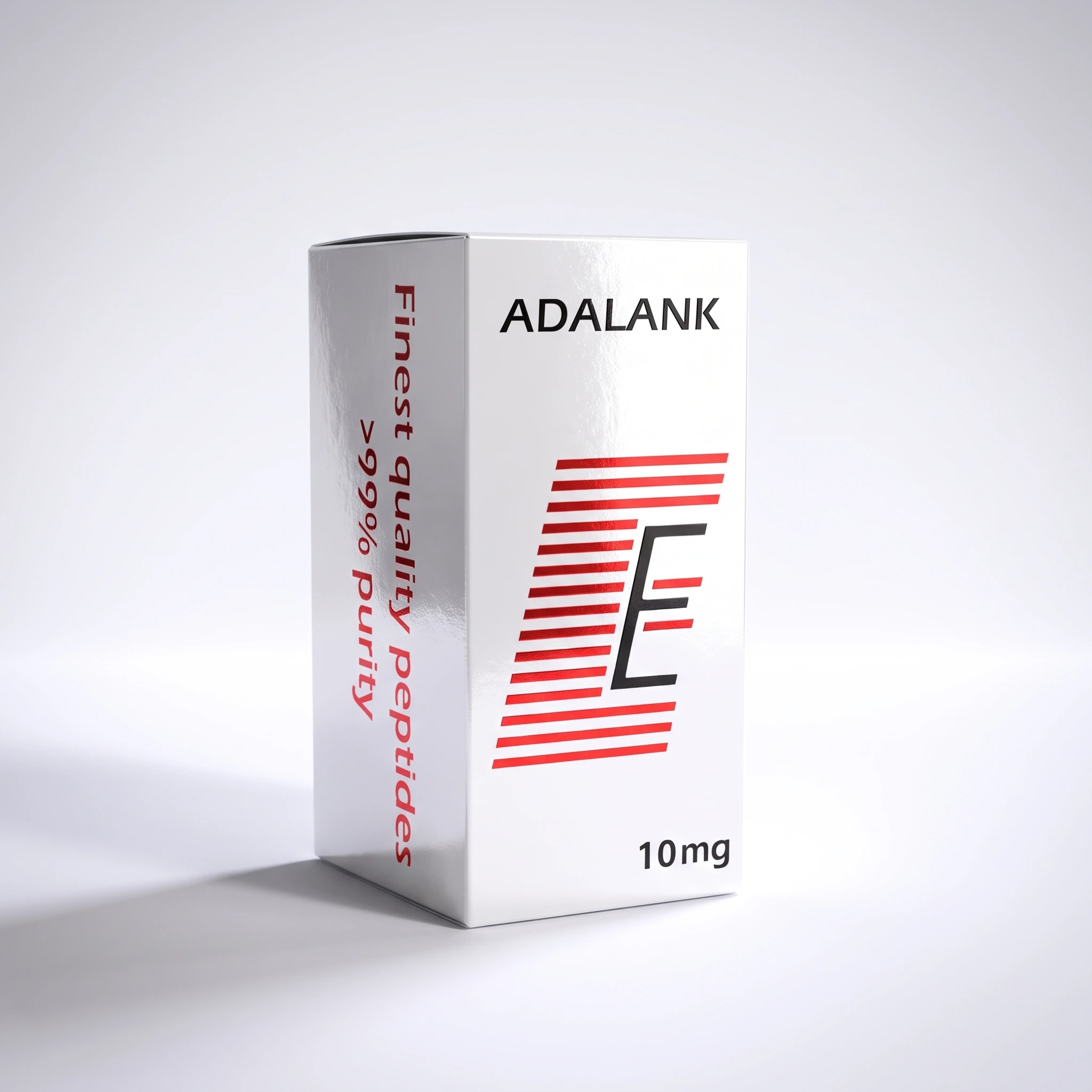
ADALANK 10mg
ADALANK 10mg
52,99 €
P21 5mg
P21 5mg
42,99 €