



Metabolism
Black Week
20% off everything with code BLACK
Click and the code is added to your cart.
Until Monday 30 Nov, 23:59 (Polish time).
Black Friday
20% off everything with code BLACK
Click and the code is added to your cart.
Until Monday 30 Nov, 23:59 (Polish time).
Last day
20% off everything with code BLACK
The code works until 23:59 today (Polish time).
Other categories
48 products






Black Week
Black Week deals before everyone else
Sign up for the newsletter and get access to the Black Week promotion before other customers.
By signing up you agree to receive the Pro-Body newsletter with news and promotions. You can unsubscribe at any time with one click in the e-mail. Privacy policy
Metabolism – compounds studied in the regulation of energy homeostasis: AMPK, nuclear receptors, incretins and the growth hormone axis
Exercise triggers a signalling cascade in the muscle cell that biochemists have spent years trying to reproduce pharmacologically. In 2008, researchers reported that a PPARδ agonist and an AMPK activator reproduced some training adaptations in mice, and that paper popularised the term “exercise mimetics” (Narkar et al., 2008). Since then, the list of compounds studied in the regulation of energy metabolism has grown quickly.
The metabolism area collects compounds acting at different points of this regulation: from the cell’s energy sensors and nuclear receptors to gut hormones and the growth hormone axis. Their status varies widely. Alongside reagents whose reference molecules are the active substances of prescription medicines, there are compounds with no marketing authorisation in any country and compounds whose clinical development was discontinued.
Pathways studied in this area
The cell’s energy sensor: AMPK activators and MOTS-c
The kinase AMPK switches on when a cell runs short of energy, for example during exercise or calorie restriction, and shifts it from storing energy to generating it. O-304 is a small molecule that activates all AMPK isoforms. In mice with diet-induced obesity it increased glucose uptake by skeletal muscle, and in a phase IIa proof-of-concept study in patients with type 2 diabetes treated with metformin it lowered fasting glucose and the HOMA-IR insulin resistance index and improved microvascular perfusion (Steneberg et al., 2018).
MOTS-C is a 16-amino-acid peptide encoded in mitochondrial DNA. In mice on a high-fat diet it counteracted obesity and insulin resistance (Lee et al., 2015); its mechanism is discussed in the post MOTS-c mechanism. The WADA List names MOTS-c among AMPK activators, alongside BAM15, an uncoupler that dissipates the proton gradient across the inner mitochondrial membrane, so substrate oxidation increases without a proportional rise in ATP production.
Nuclear receptors: PPARδ, REV-ERB and ERR
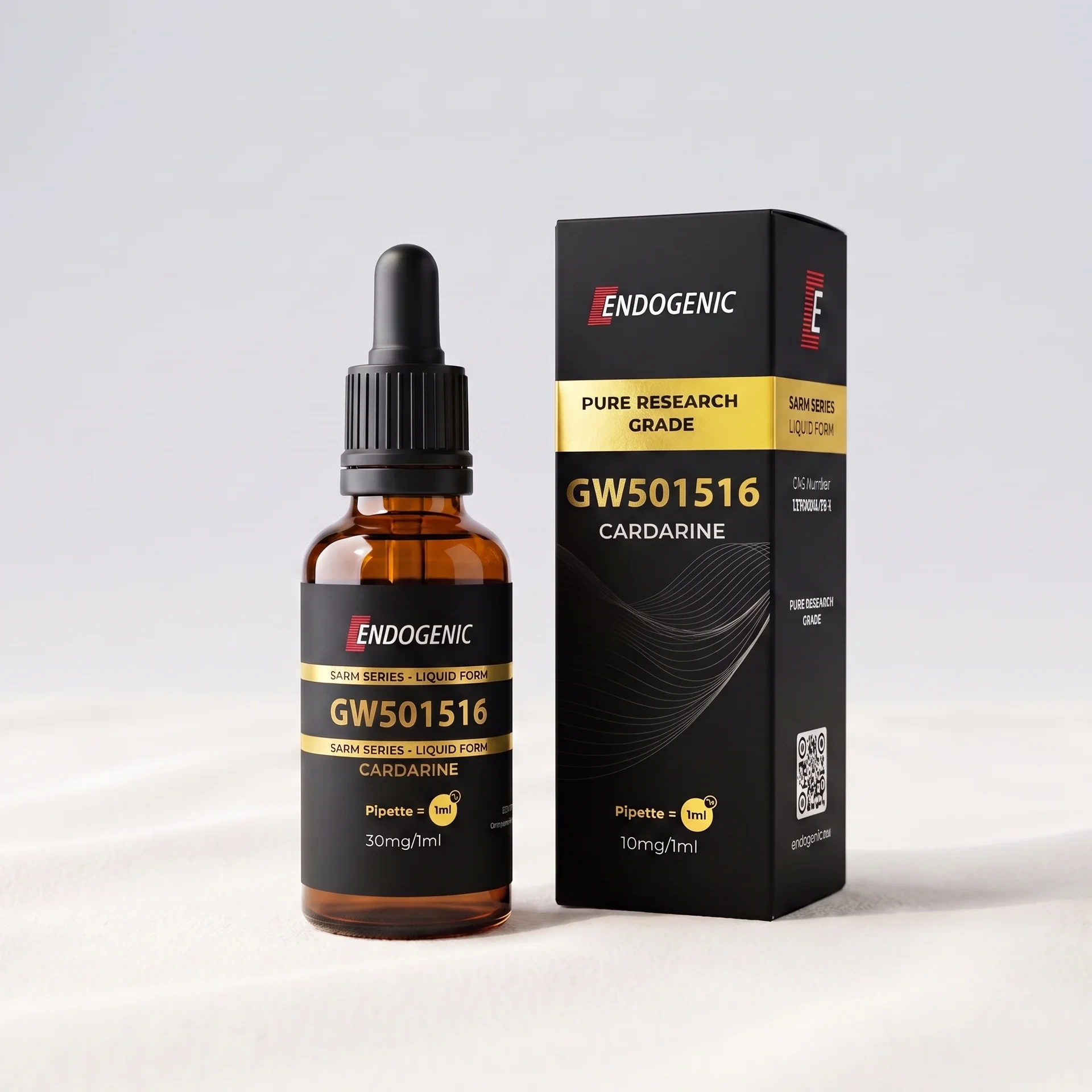
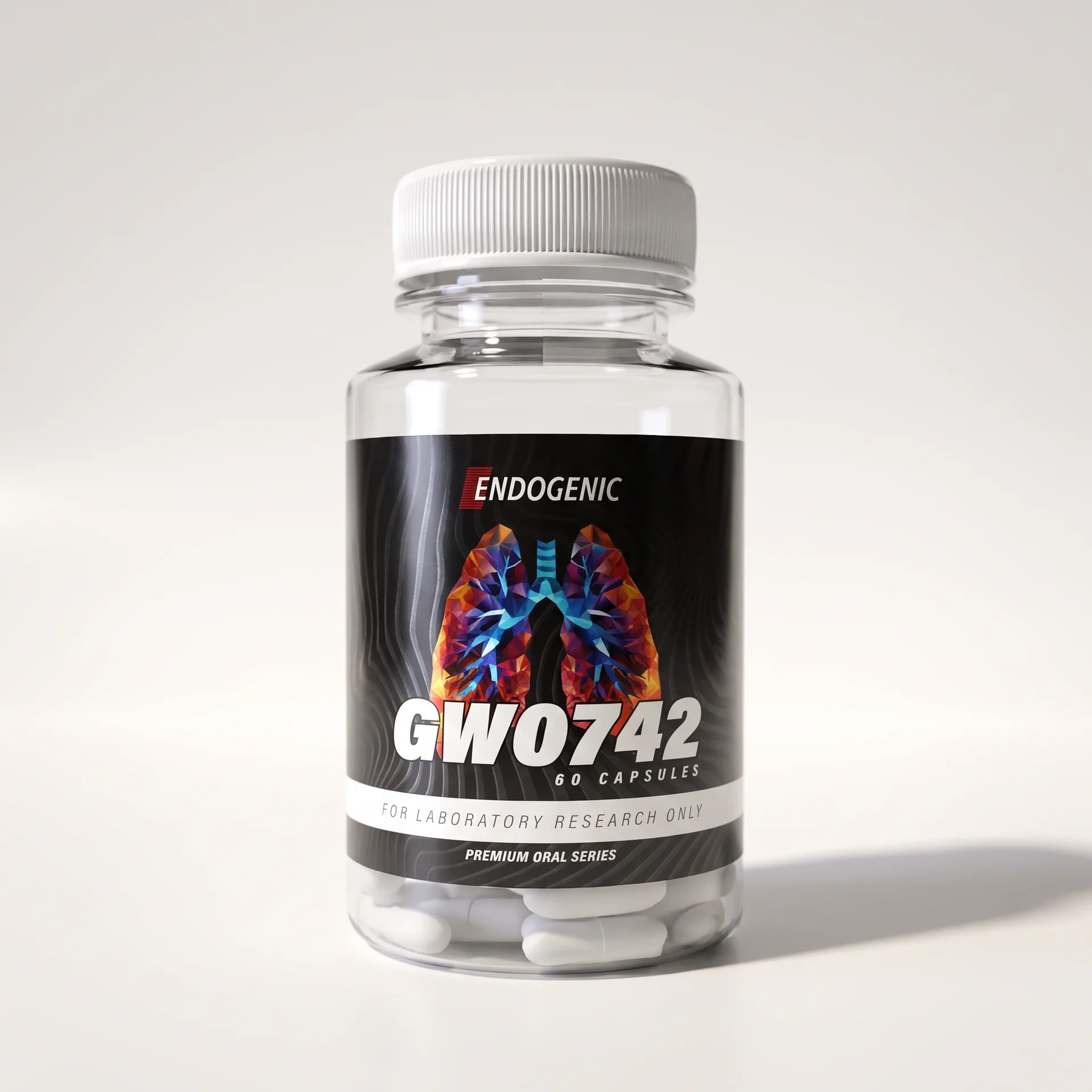
Nuclear receptors are transcription factors that, once bound to a ligand, switch entire gene programmes on or off. The PPARδ agonists GW-501516 (available in this area as, among others, GW-501516 liquid) and GW-0742 increase fatty acid oxidation in muscle in mouse models. Development of GW-501516 as a medicine was stopped after rodent carcinogenicity findings, and its clinical trials were short, including a 12-week study in people with low HDL cholesterol (Olson et al., 2012).
The REV-ERB agonists SR-9009 (available as, among others, SR-9009 liquid) and SR-9011 link the body clock with lipid and glucose metabolism, although some of their effects occur independently of these receptors (Dierickx et al., 2019). SLU-PP-332 activates the ERR receptors, which are related to the oestrogen receptor; the published data concern mouse and cell models.
Gut hormones: incretin receptor agonists
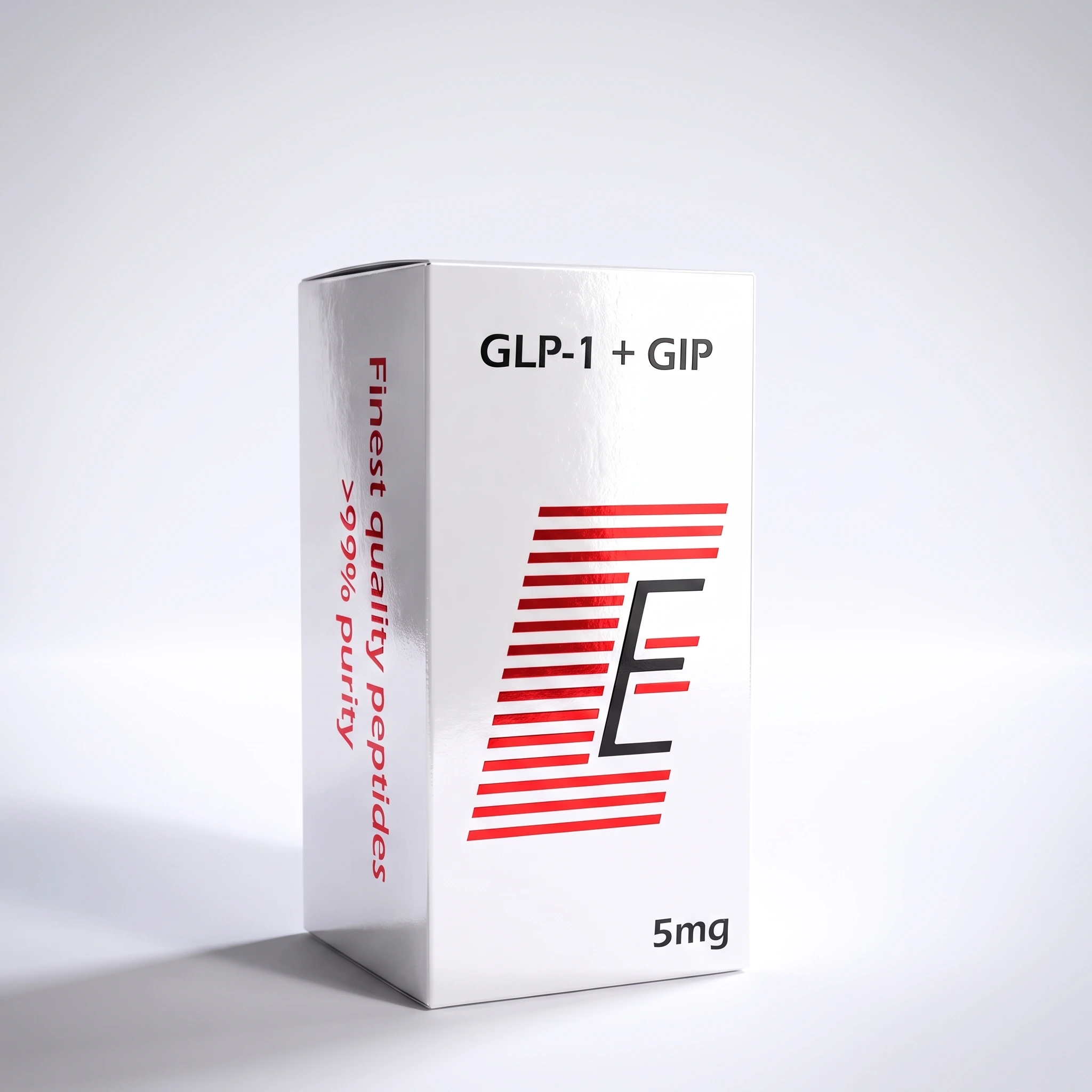
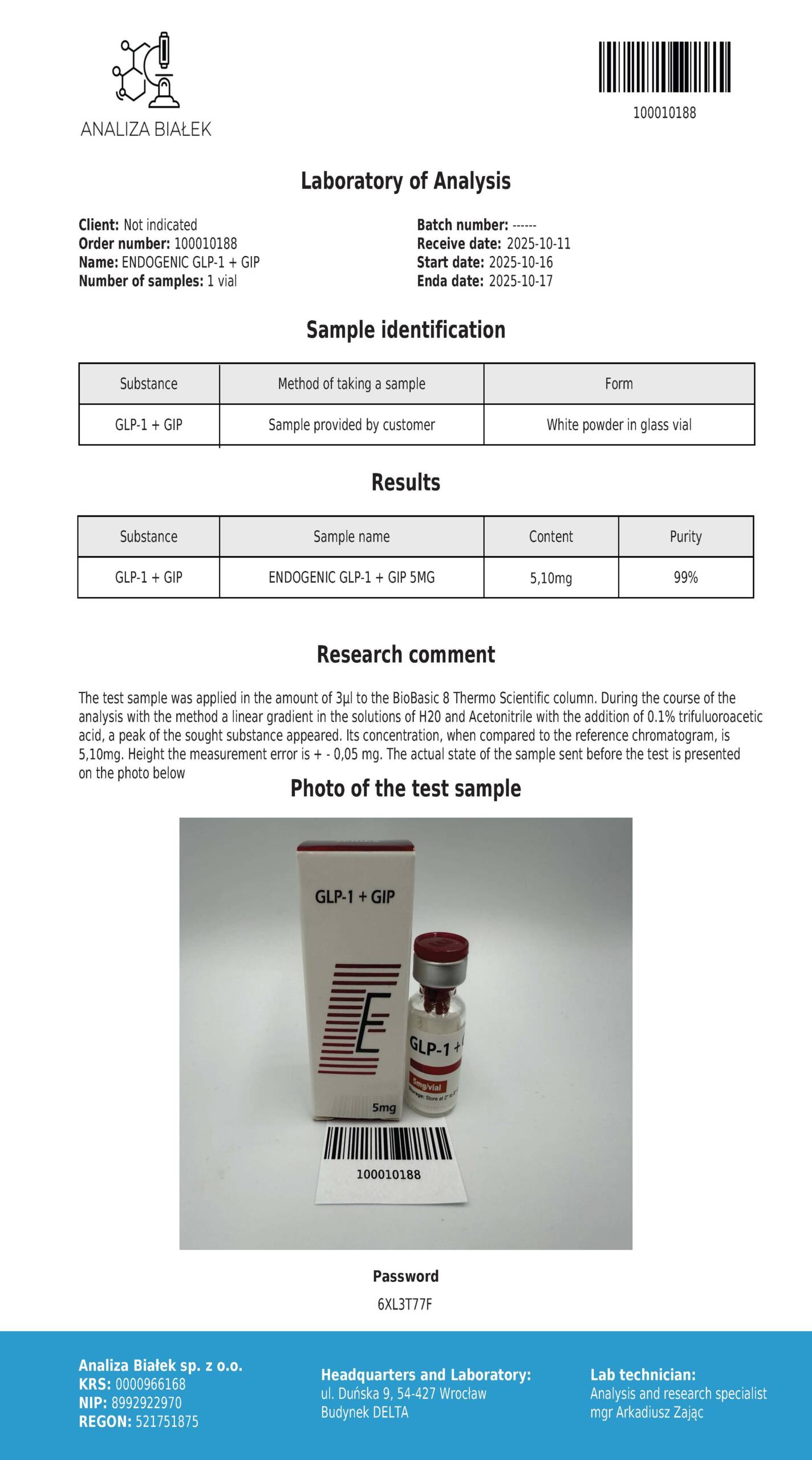
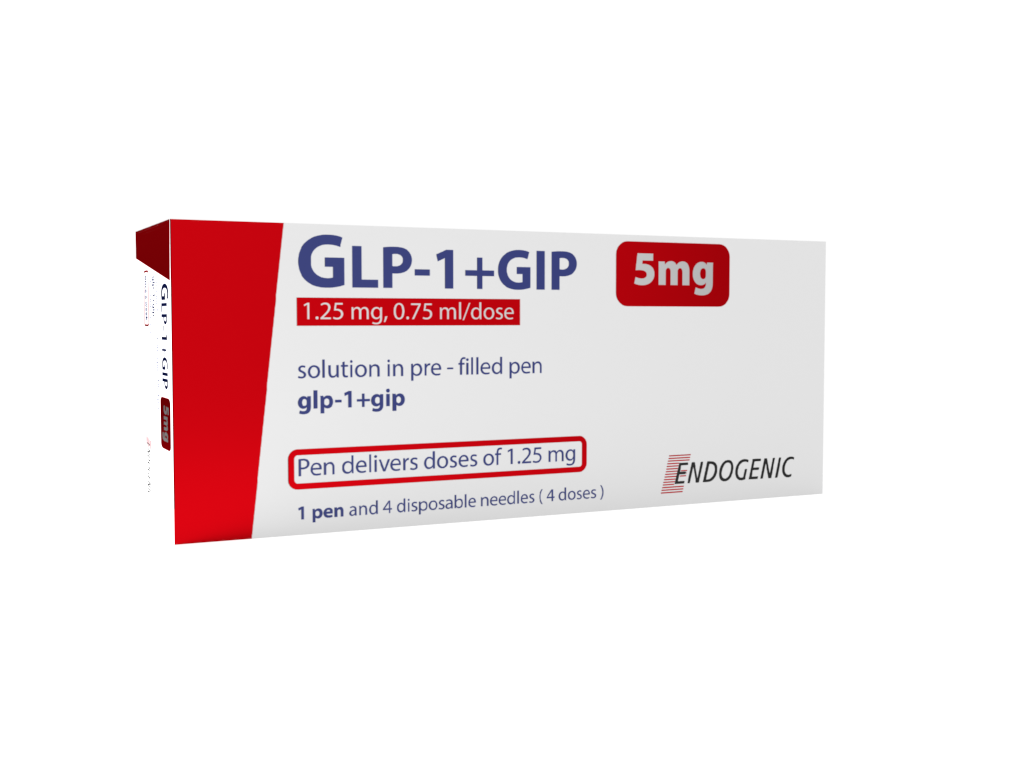
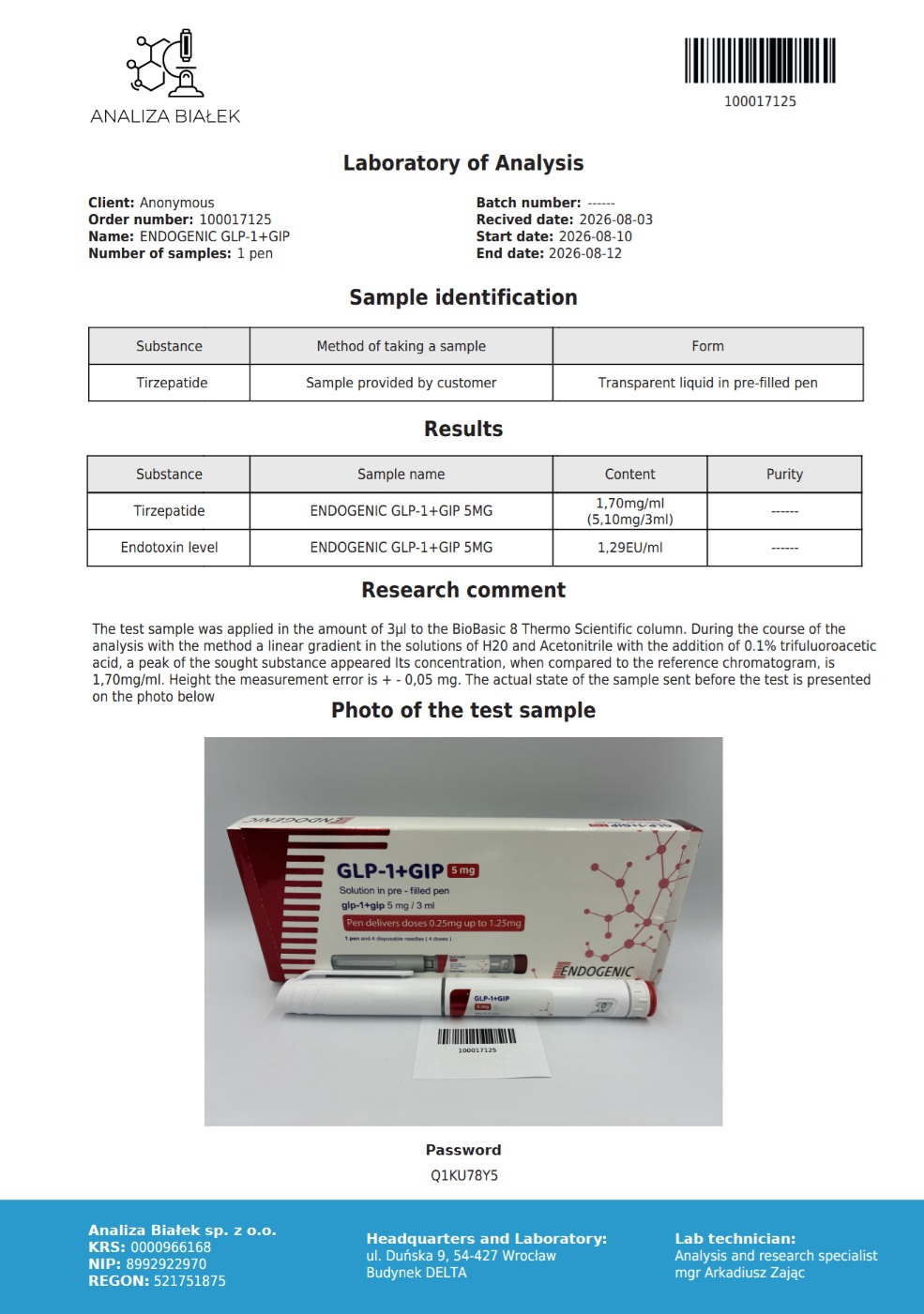
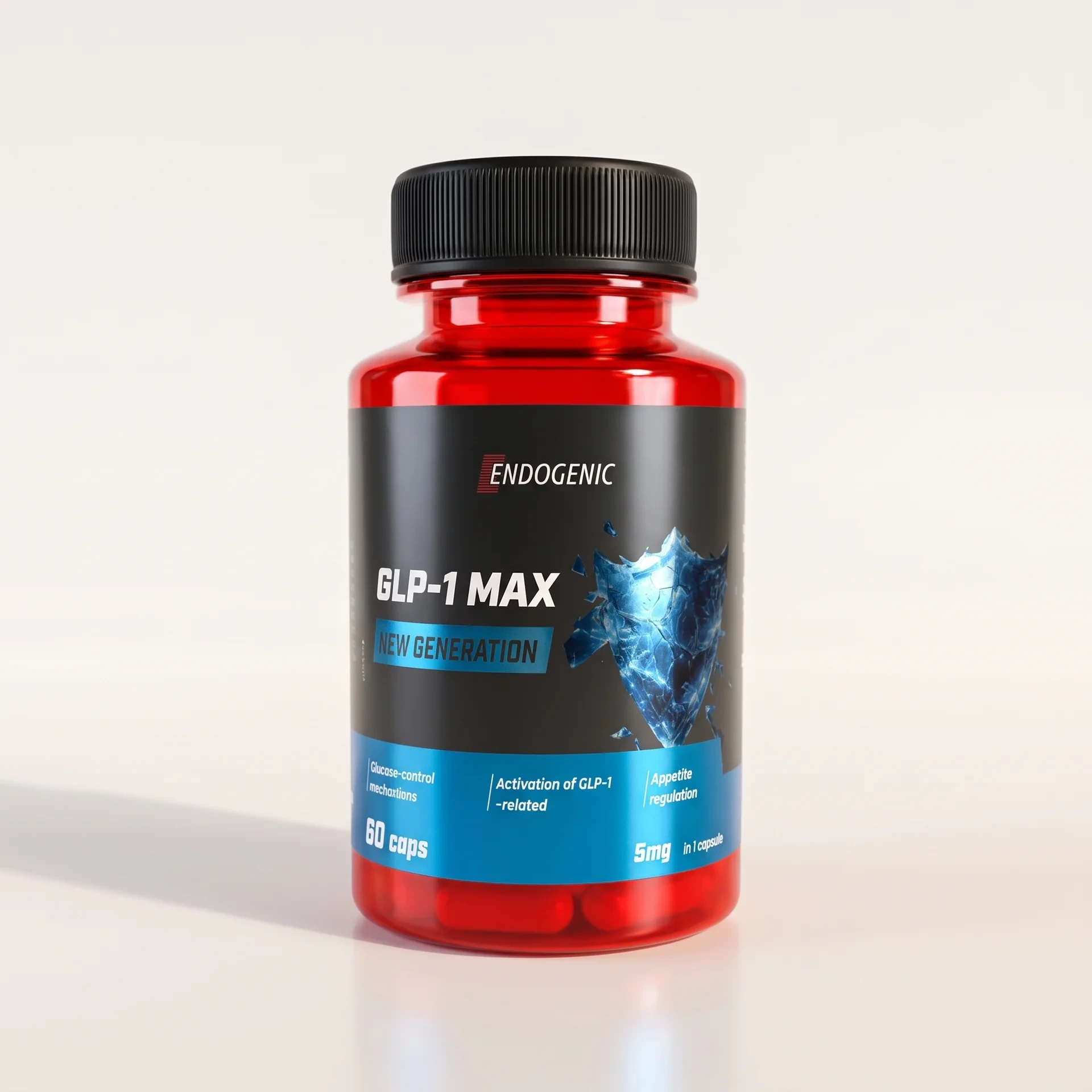
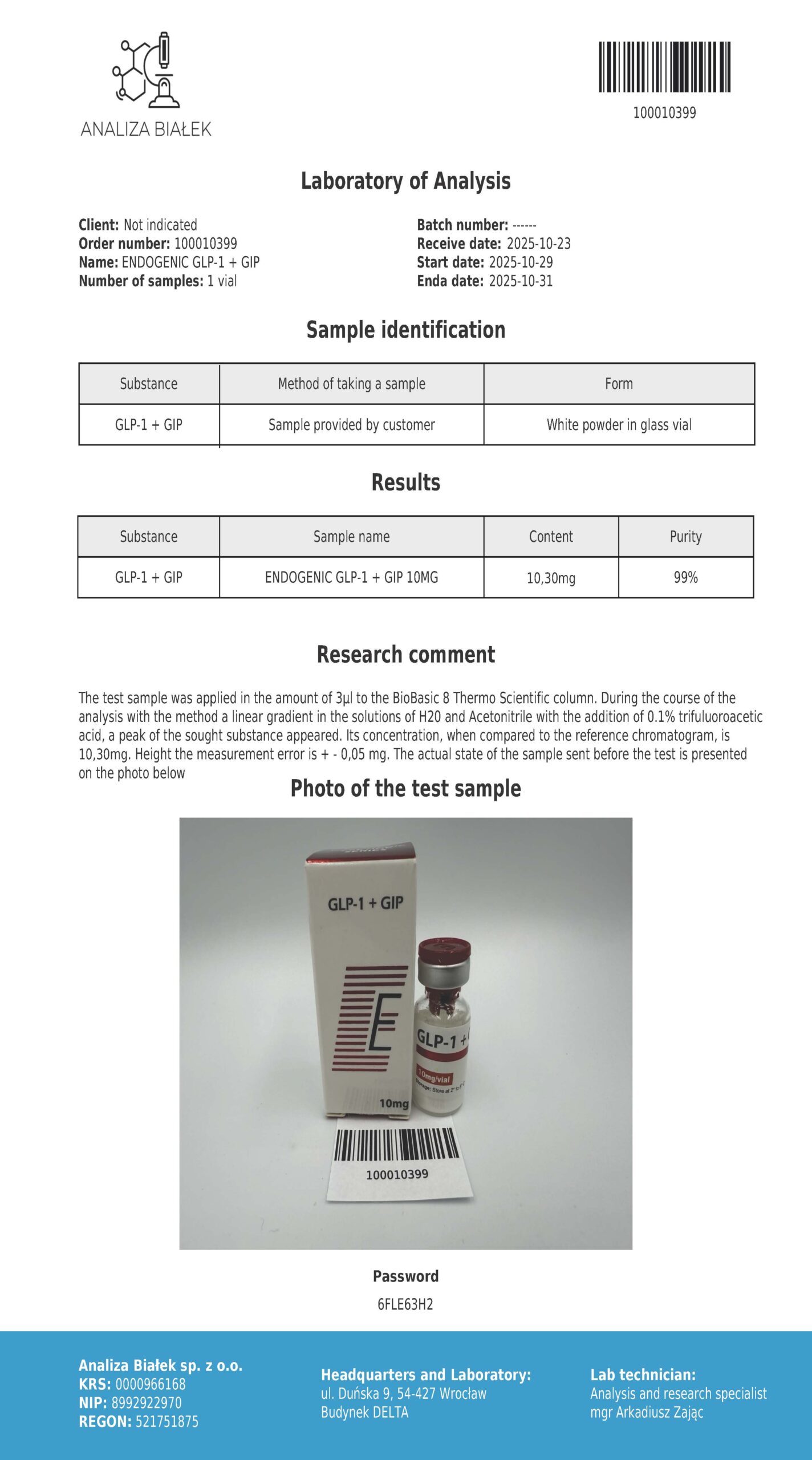
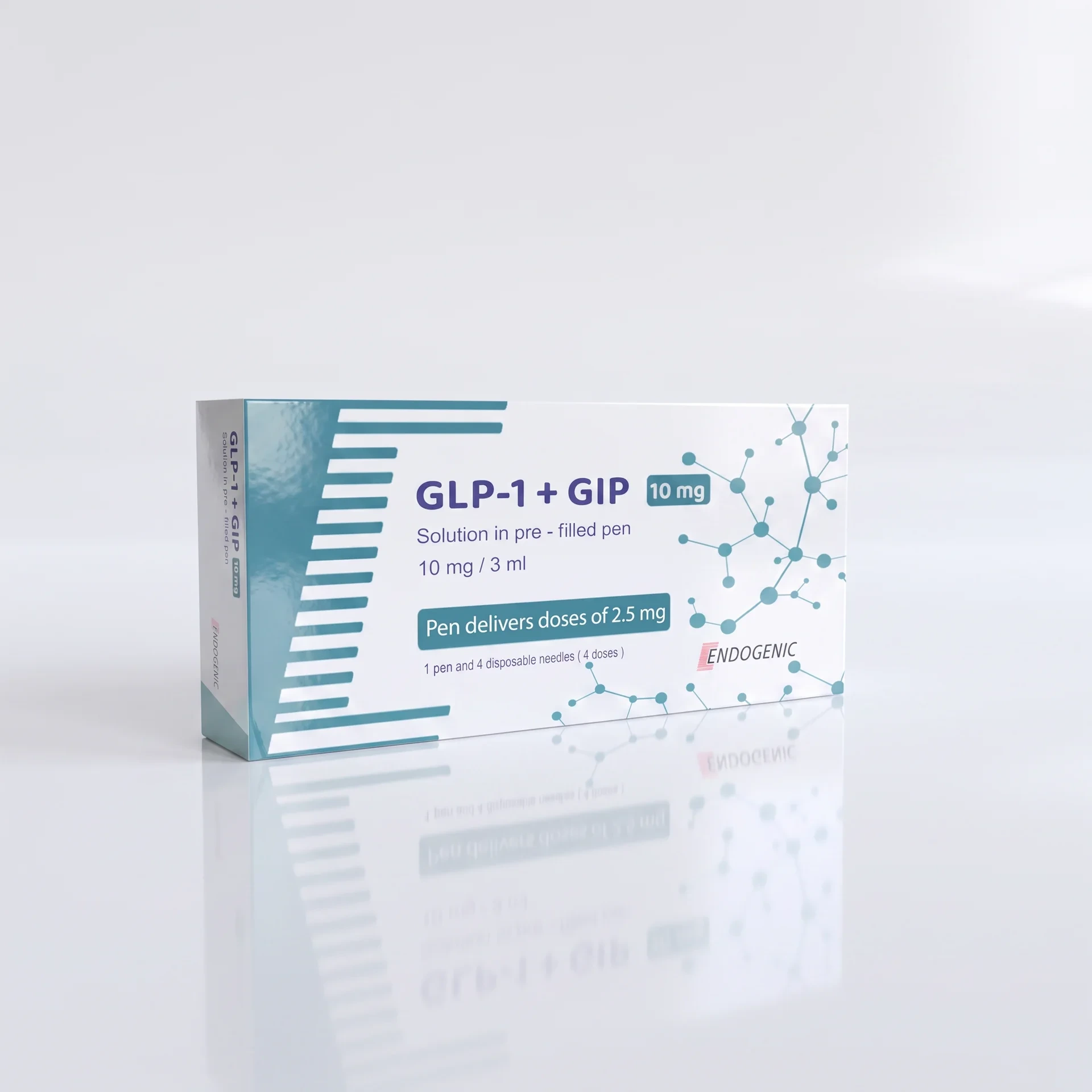
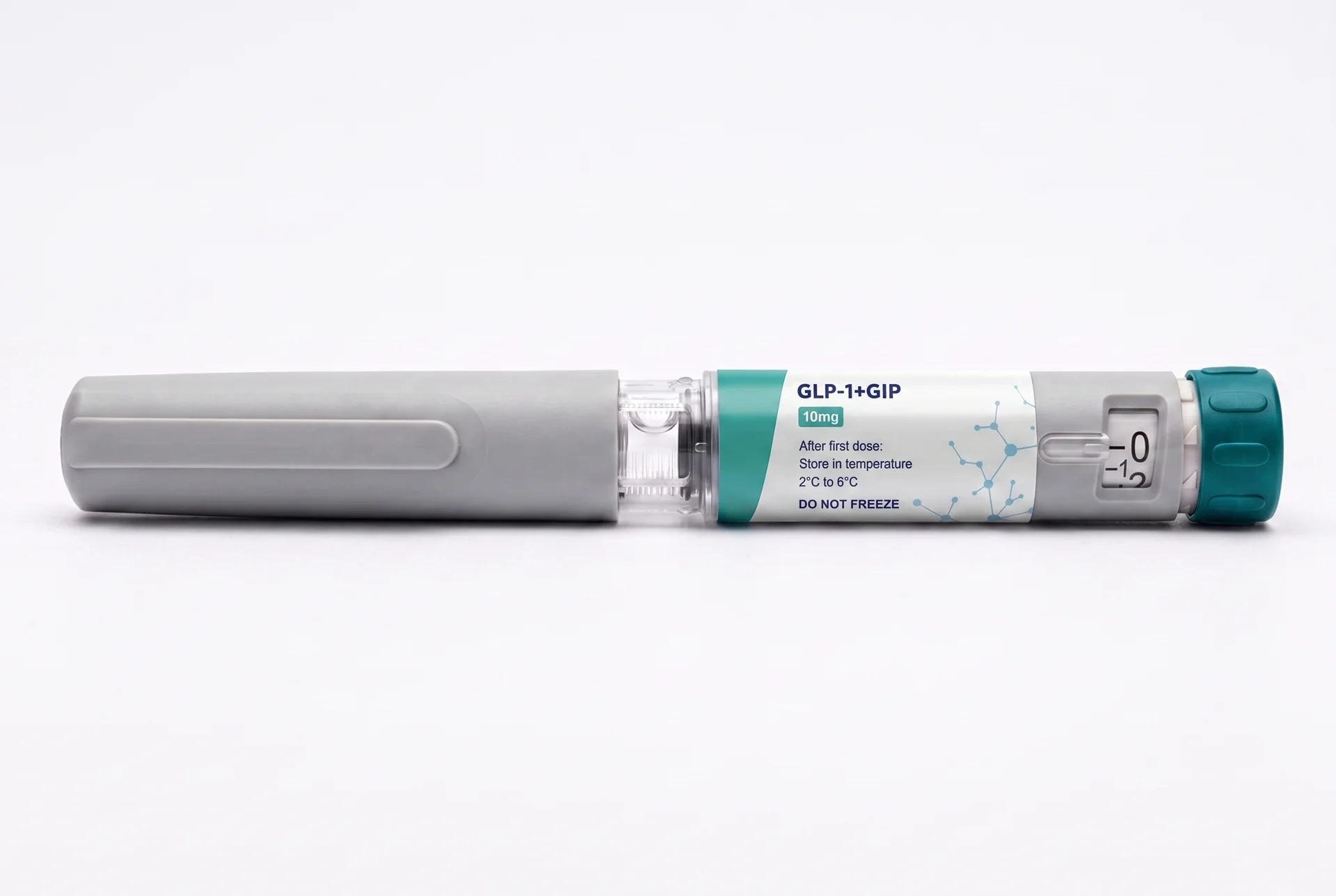
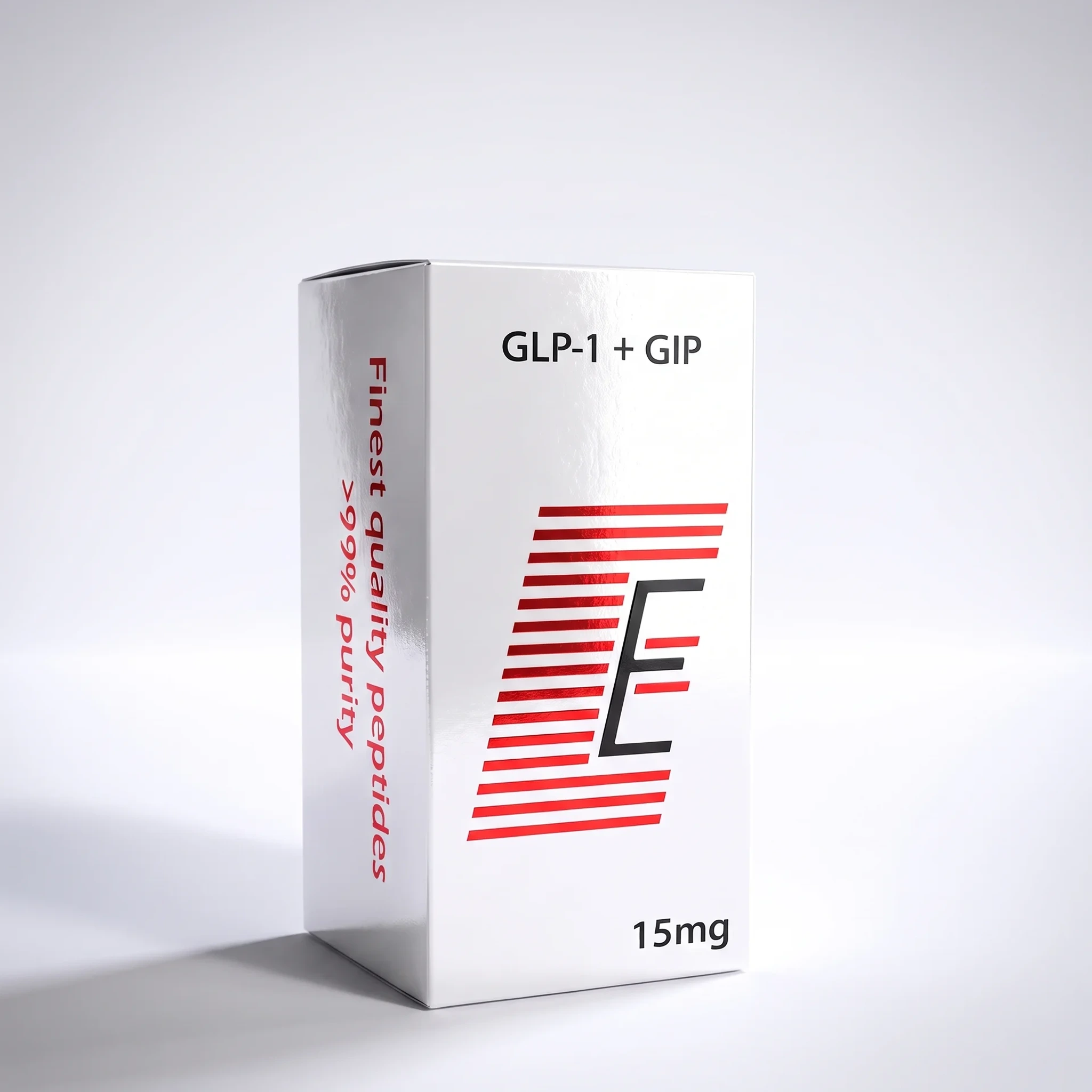
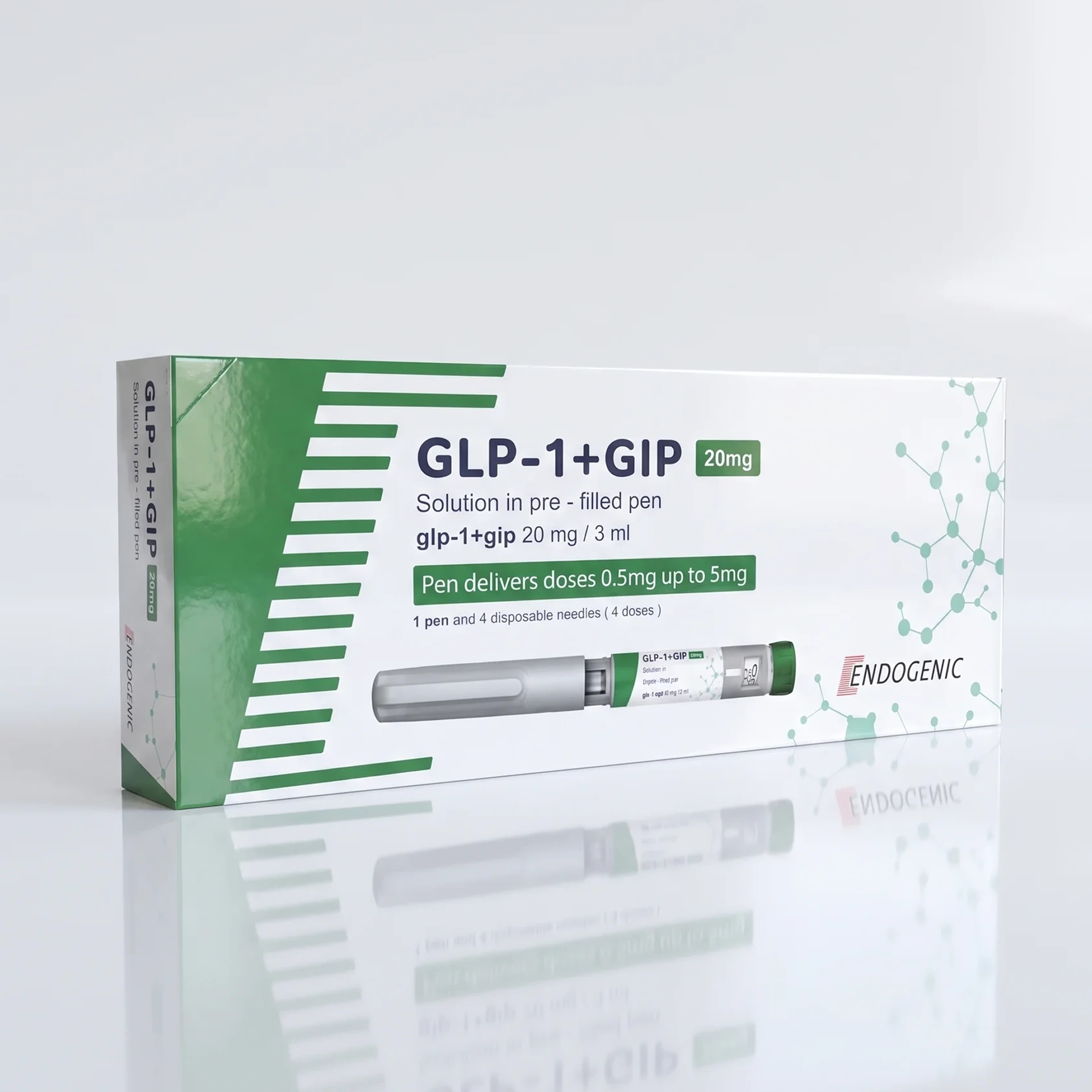
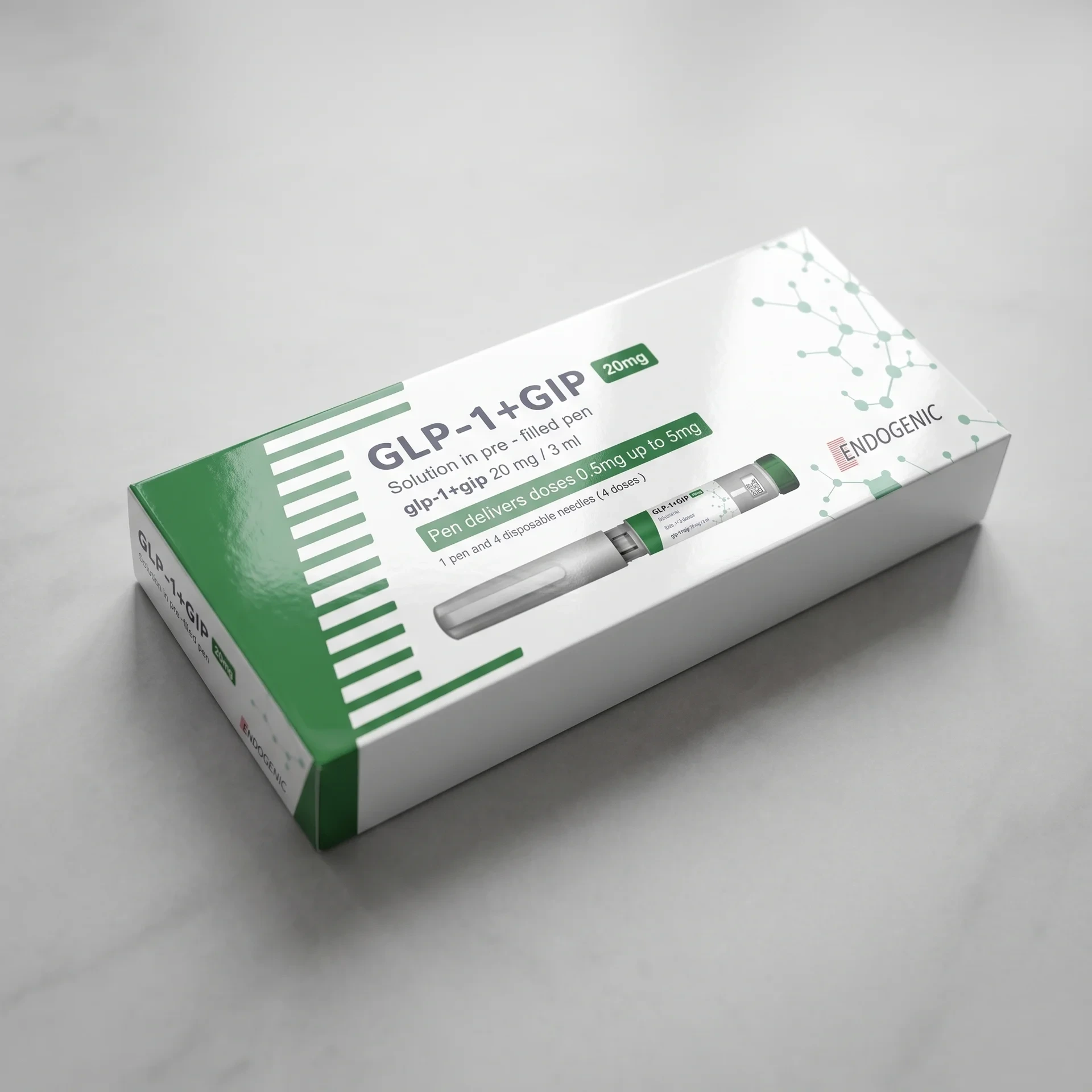
GLP-1 and GIP are hormones released by the gut after a meal. Their receptors regulate insulin secretion, gastric emptying and satiety signals, while the glucagon receptor affects energy expenditure. This area includes reagents from four classes: GLP-1 agonists (the Sema G line; reference molecule semaglutide), dual GLP-1 and GIP agonists (GLP-1+GIP; tirzepatide), triple agonists that add the glucagon receptor (Triple G; retatrutide) and co-formulations with an amylin analogue (Sema+Cagri; cagrilintide). Semaglutide and tirzepatide are the active substances of prescription medicines, while retatrutide and cagrilintide have no marketing authorisation in any country (status as of October 2026). The differences between the classes are described in the fat burners category.
The growth hormone axis: GH fragments, MK-677, somatropin and IGF-1 LR3
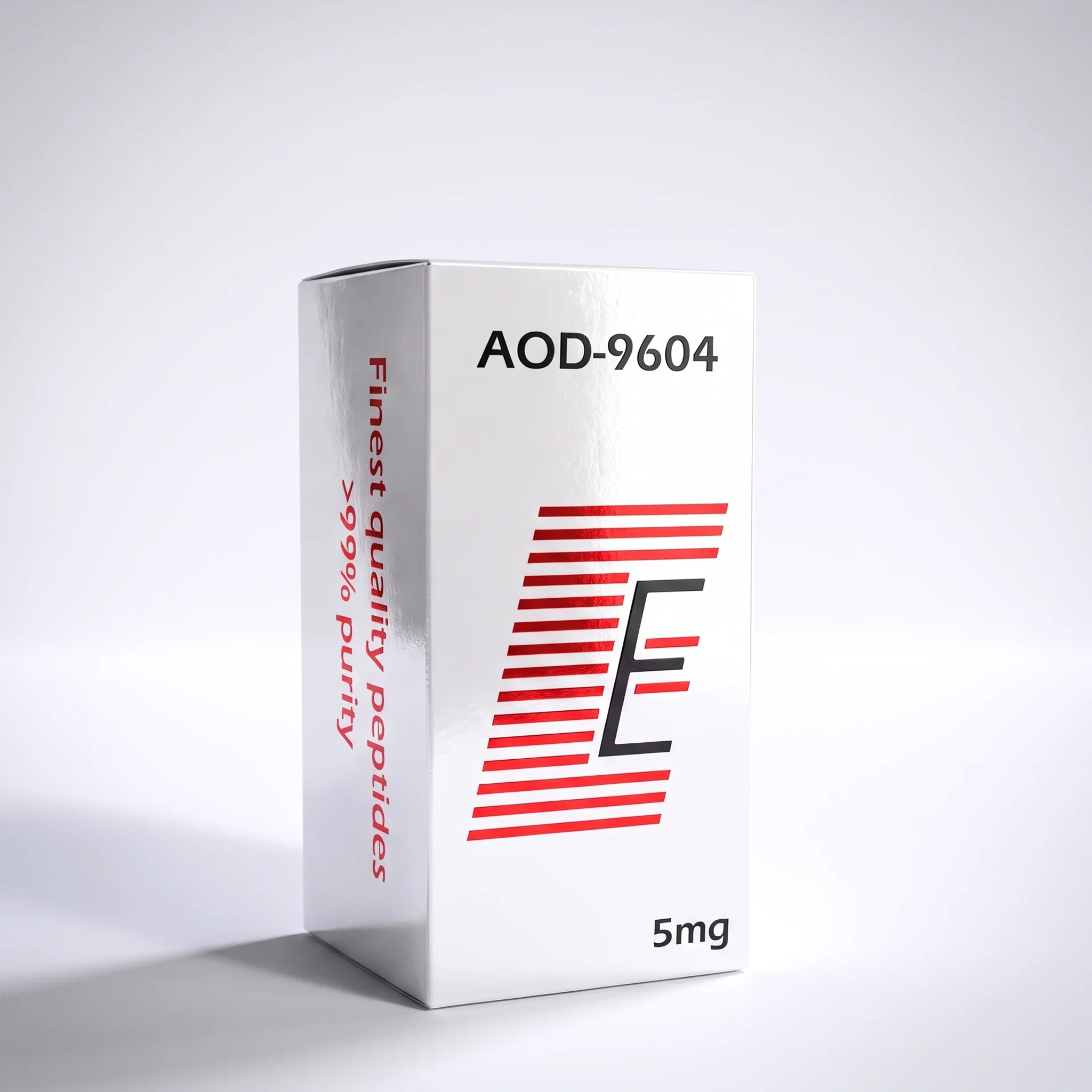
Growth hormone acts on metabolism in two directions: it stimulates fat breakdown while weakening the action of insulin. Fragments of its C-terminus, HGH Fragment 176-191 and AOD-9604, were isolated in the hope that they would keep the first effect without the second. MK-677 liquid contains ibutamoren, a non-peptide compound that mimics ghrelin and stimulates GH release. In a two-year study in 65 healthy people aged 60–81, ibutamoren raised GH and IGF-1 concentrations to levels typical of young adults, while fasting glucose rose by an average of 0.3 mmol/l and insulin sensitivity decreased (Nass et al., 2008). The area also includes somatropin (Oxytropin PEN) and IGF-1 LR3 (Oxymedin).
Other compounds in this area
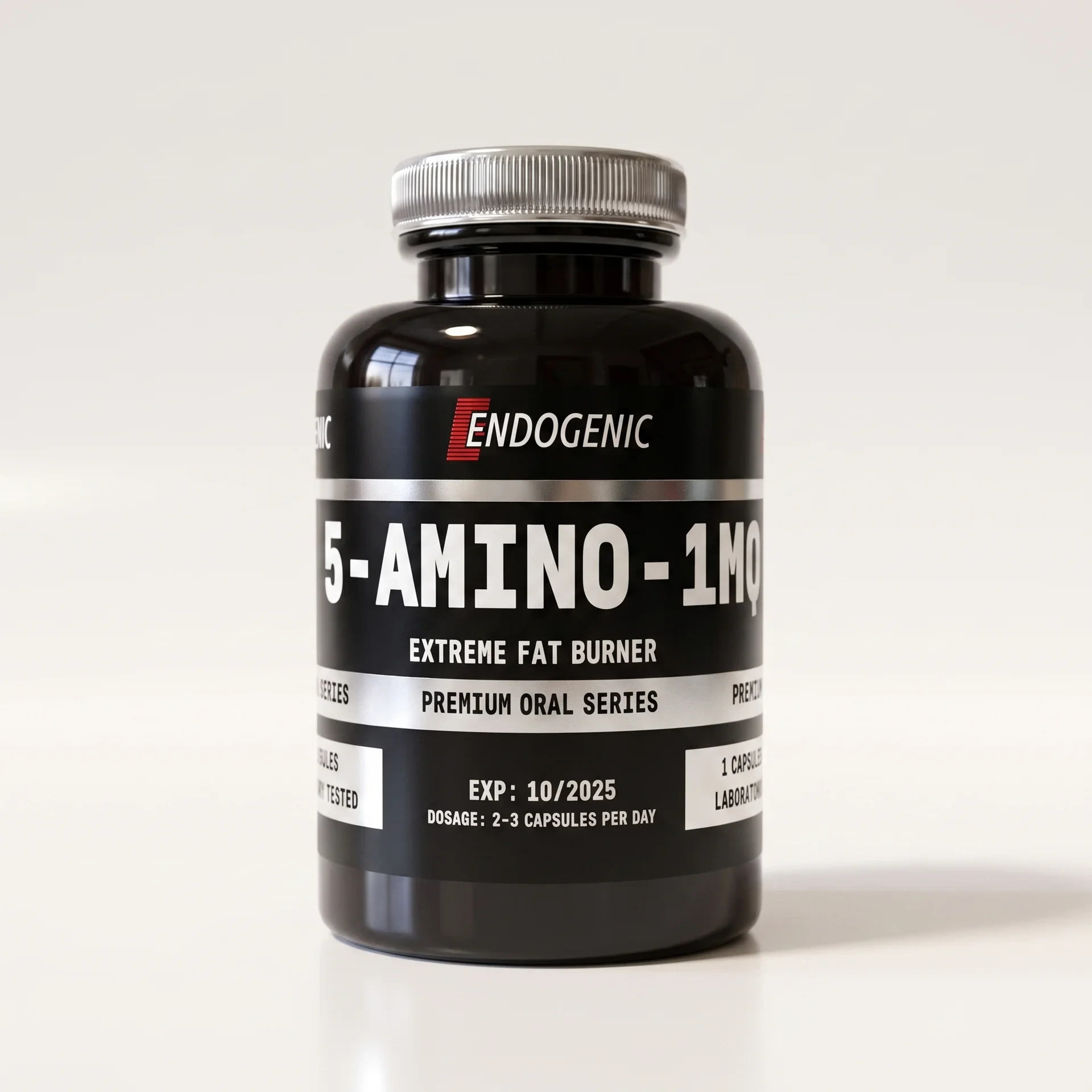
5-Amino-1MQ inhibits the enzyme NNMT, which methylates nicotinamide and thereby affects the NAD+ pool in adipose tissue; the data come from animal models. Tesofensine inhibits the reuptake of noradrenaline, dopamine and serotonin, and its clinical programme concerned obesity. The area also includes two SARMs, LGD-4033 and S4 (andarine), described in more detail in the area of action: muscles category, and the L-carnitine solution sets covered by the amino acids category.
Model versus human
Most data on AMPK activators and nuclear receptor ligands come from mouse models. The exceptions, such as the phase IIa study of O-304 or the few-week clinical trials of GW-501516, involved small groups and short follow-up periods. A result in a model does not automatically carry over to humans, and RUO reagents are not intended for use in humans.
Frequently asked questions (FAQ)
How does an AMPK activator differ from a mitochondrial uncoupler?
An AMPK activator, such as O-304, stimulates the enzyme that the cell switches on when energy is short. An uncoupler, such as BAM15, acts further upstream: it lowers the efficiency of ATP production in the mitochondria, which itself creates an energy shortfall and indirectly activates AMPK. The WADA List places both compounds in the same class, S4.4.1.
Why did GW-501516 never become a medicine?
The development programme was stopped when long-term toxicology studies in rodents showed tumours in multiple organs. The known clinical trials of the compound lasted from 2 to 12 weeks and concerned lipid disorders, so they do not answer the question of safety under long-term exposure.
Do an authorised medicine and a reagent with the same name have the same anti-doping status?
A WADA class applies to the substance, not the product, so semaglutide and tirzepatide are not prohibited in any form, and retatrutide falls under S0 unless and until it is authorised. Legally, however, the reagent and the medicine remain separate products: only the medicine has confirmed pharmaceutical quality and approved indications.
Are any compounds in the metabolism area studied in humans?
Yes, but to very different extents. Semaglutide and tirzepatide have been through full registration trial programmes; retatrutide has phase III results, some of them announced only in manufacturer press releases; O-304 has a phase IIa study; and ibutamoren has been studied in older adults. The other compounds, including SLU-PP-332, 5-Amino-1MQ and MOTS-c, have been described mainly in animal models.