Oxymedin
Oxymedin
285,99 €
Free delivery on orders over €350. Fast delivery.



Other categories
5 products
Black Week
Sign up for the newsletter and get access to the Black Week promotion before other customers.
By signing up you agree to receive the Pro-Body newsletter with news and promotions. You can unsubscribe at any time with one click in the e-mail. Privacy policy
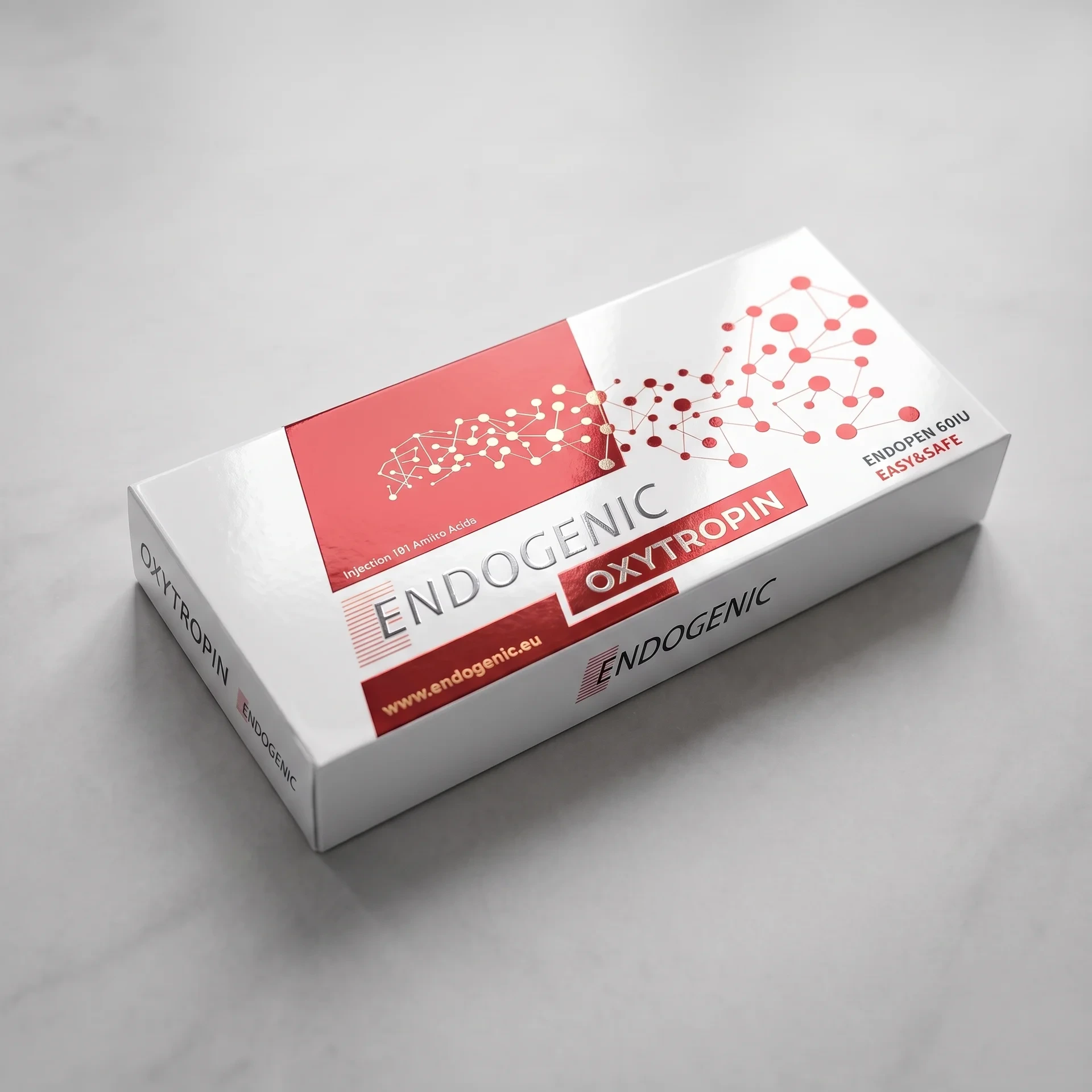
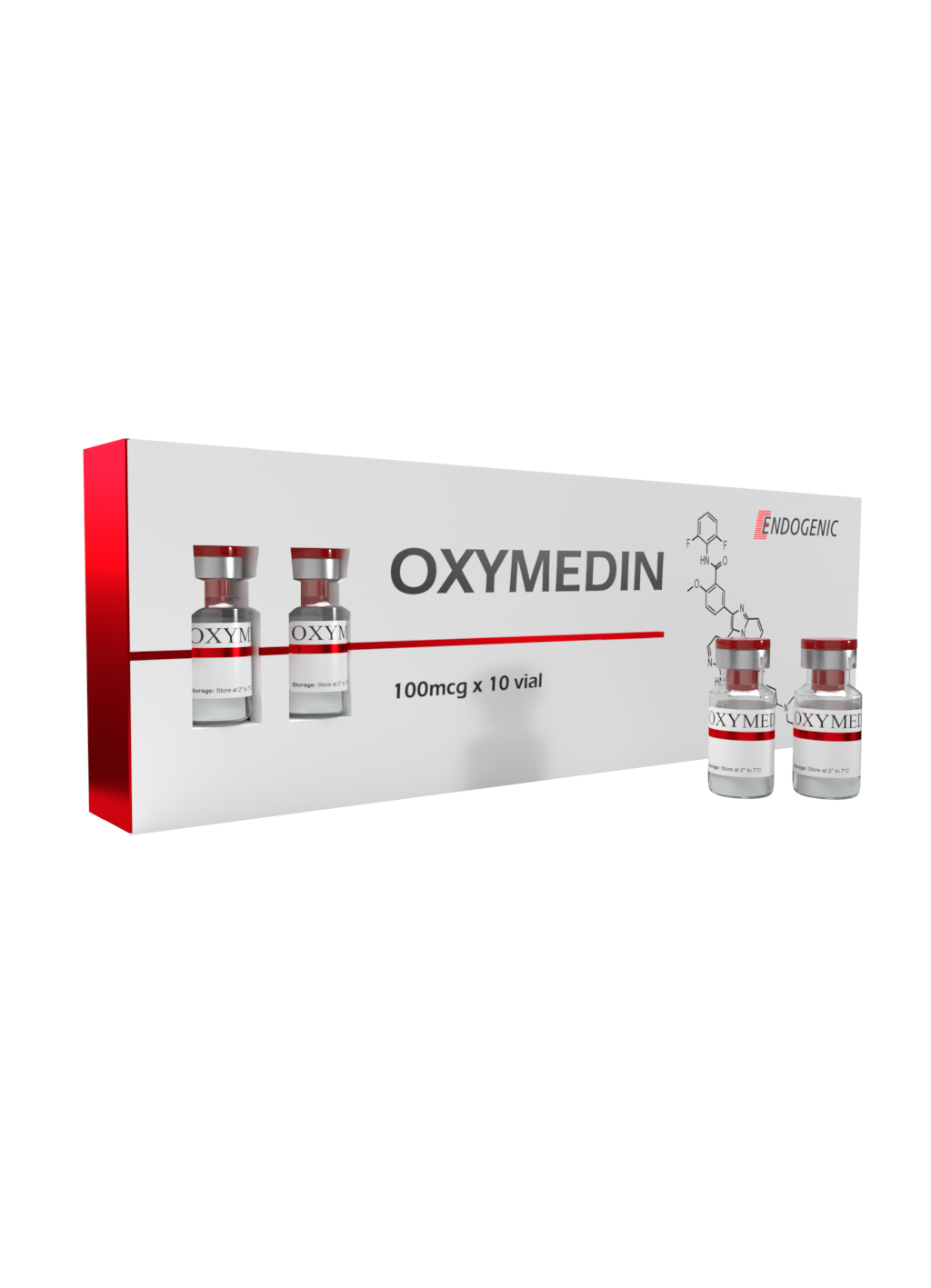
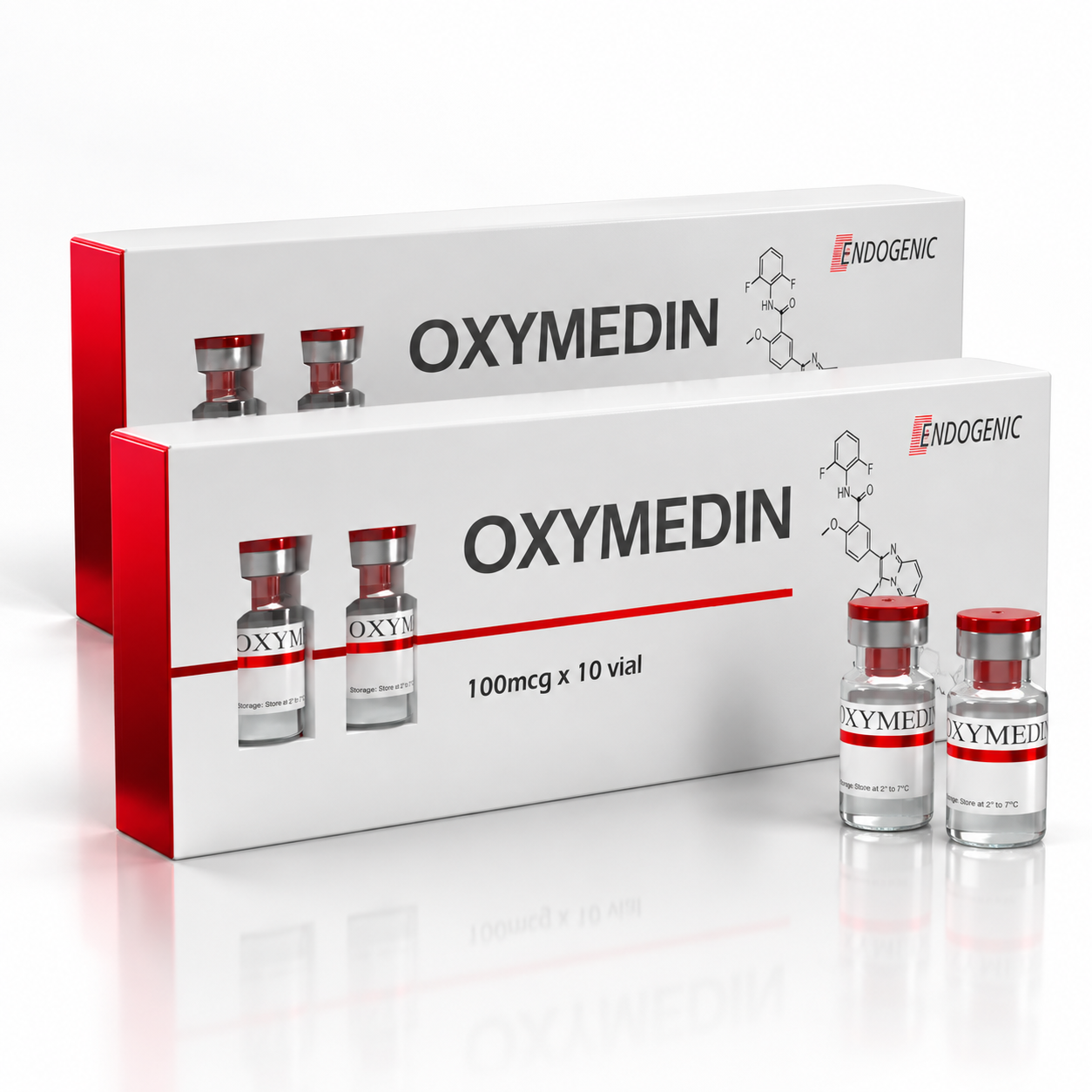
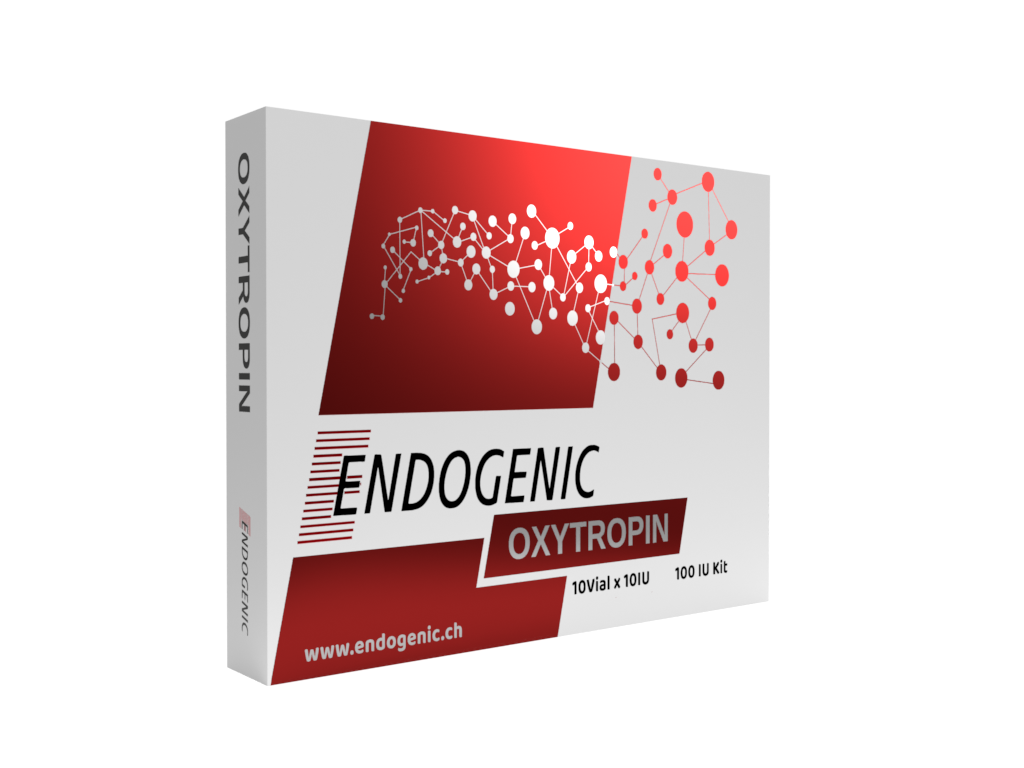
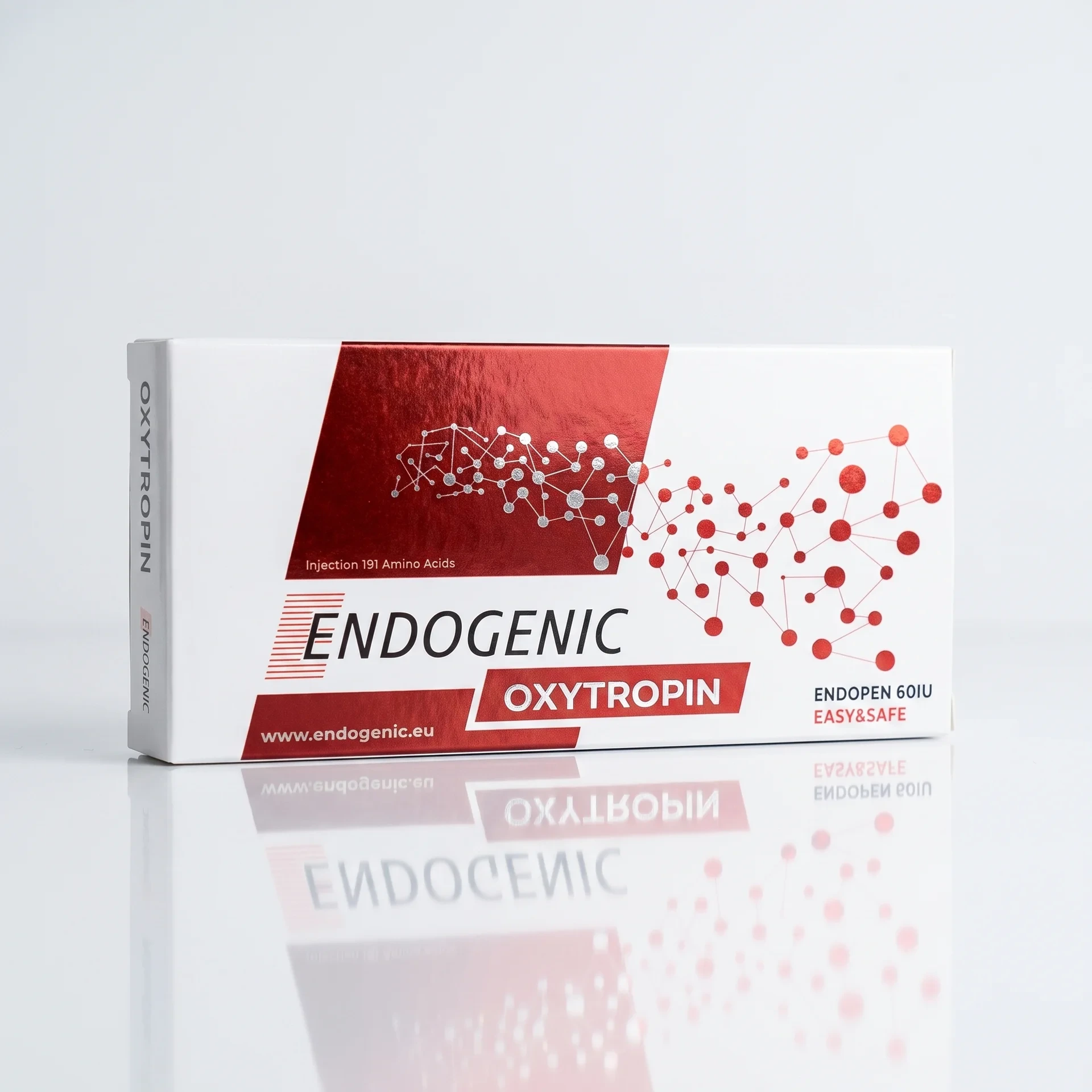
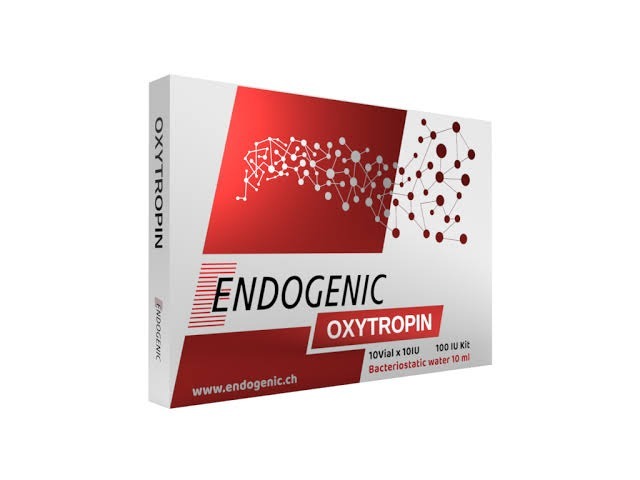
The Oxy line covers two reagents representing two links in the same hormonal axis. Oxytropin is somatropin (rhGH) — recombinant human growth hormone, a protein of 191 amino acid residues obtained by recombinant DNA technology. Oxymedin is IGF-1 LR3 (Long R3 IGF-1) — an 83-amino-acid analogue of insulin-like growth factor, with reduced affinity for the IGF-binding proteins (IGFBPs) and prolonged action, signalling through the IGF-1R receptor. In their reagent versions, both serve as research materials for work on this axis, not as therapeutic preparations.
The category name refers to the 191-amino-acid sequence of somatropin. Oxymedin is not a 191-amino-acid protein; it is grouped here because it is the main peripheral effector of the same GH/IGF-1 axis.
The GH/IGF-1 axis links the growth hormone secreted by the pituitary with the insulin-like growth factor produced mainly in the liver: GH (the upper link) stimulates the production of IGF-1 (the main peripheral effector). It is one of the central systems regulating protein, fat and carbohydrate metabolism in experimental models. Materials in this category remain reagents — they serve to observe that signalling under laboratory conditions, not to treat anything.
The category collects somatropin (Oxytropin) in two preparation variants and the IGF-1 LR3 analogue (Oxymedin) as a single vial and a two-pack.
REGULATORY STATUS (critical)
Both links have counterparts authorised as medicines. Somatropin (Oxytropin) has the counterparts Genotropin®, Omnitrope®, Norditropin®; IGF-1 (Oxymedin — the IGF-1 LR3 analogue) has the counterpart mecasermin (Increlex®) — RUO reagents are NOT substitutes for any of these medicines, do not serve to treat GH or IGF-1 deficiency and do not replace medical consultation. Growth hormone and its releasing factors, together with growth factors (including IGF-1 and its analogues), appear on the WADA Prohibited List in section S2; the researcher verifies the current status through the ADAMS system.
Working concentrations and the route of administration in an experimental model are chosen by the researcher — the category defines neither doses nor protocols. GH/IGF-1 axis reagents are often reference material in work on:
SCIENTIFIC PERSPECTIVE
Somatropin and IGF-1 LR3 are proteins and protein analogues — sensitive to temperature, shaking, pH and freeze–thaw cycles. The identity, purity and activity of each batch are settled by the certificate of analysis (COA), not by the trade name. The outcome of a study depends on maintaining the cold chain and on correct reconstitution.
IMPORTANT DISTINCTION
Oxytropin (somatropin rhGH) and Oxymedin (IGF-1 LR3) are two different molecules with different receptors (GHR vs IGF-1R) — the upper link in the axis and its peripheral effector, not variants of the same material. The RUO reagents remain separate from the authorised somatropin medicines and from mecasermin. Identity and activity are confirmed by the batch COA. Messaging about this category uses no therapeutic, anti-ageing or physique claims.
Oxytropin is somatropin (rhGH, the 191 aa growth hormone) — the upper link in the axis. Oxymedin is IGF-1 LR3 (Long R3 IGF-1), an insulin-like growth factor analogue acting through the IGF-1R receptor — the main peripheral effector of the same axis. GH stimulates IGF-1 production, but these are two different molecules with different receptors (GHR vs IGF-1R).
The category name describes somatropin, the 191-amino-acid growth hormone. Oxymedin (83 amino acids) belongs to the same GH/IGF-1 axis as its peripheral effector, which is why both reagents are grouped together. The name of the category does not describe the structure of Oxymedin.
By the substitution of arginine at position 3 and a 13-amino-acid extension of the N-terminus. Both modifications lower its affinity for the IGF-binding proteins (IGFBPs), so the analogue stays available to the receptor longer and acts for longer than the native molecule.
No. Materials in this category carry Research Use Only status and are not intended for any in vivo application. Somatropin, IGF-1 and its analogues moreover appear on the WADA Prohibited List (S2).
The certificate of analysis (COA) for the batch — a trade name does not replace analytical data on sequence, mass and purity.