



Cosmetics
Black Week
20% off everything with code BLACK
Click and the code is added to your cart.
Until Monday 30 Nov, 23:59 (Polish time).
Black Friday
20% off everything with code BLACK
Click and the code is added to your cart.
Until Monday 30 Nov, 23:59 (Polish time).
Last day
20% off everything with code BLACK
The code works until 23:59 today (Polish time).
Other categories
13 products

Black Week
Black Week deals before everyone else
Sign up for the newsletter and get access to the Black Week promotion before other customers.
By signing up you agree to receive the Pro-Body newsletter with news and promotions. You can unsubscribe at any time with one click in the e-mail. Privacy policy
Cosmetics – skin peptides as reagents for research into skin biology (RUO)
This category contains Endogenic line signal peptides studied in skin models. The focus is on collagen and elastin synthesis, extracellular matrix remodelling, and fibroblast and keratinocyte signalling. The name “cosmetics” points to the research direction: skin biology. The descriptions stick to Research Use Only principles and discuss the mechanism studied in a model, not an effect on the complexion.
All of these compounds act on skin cell signalling and matrix remodelling, from stimulating structural protein synthesis to modulating transmission at the neuromuscular junction. Each family, however, works through a different molecular mechanism.
Alongside the skin signal peptides, the category includes three compounds with a different profile: Epithalon, a tetrapeptide studied in models of cellular ageing; Melanotan 2, an α-MSH analogue that also acts beyond the skin; and Minoxidil – not a peptide, but a small molecule that opens potassium channels.
Compound families in this category
Copper peptides: GHK-Cu
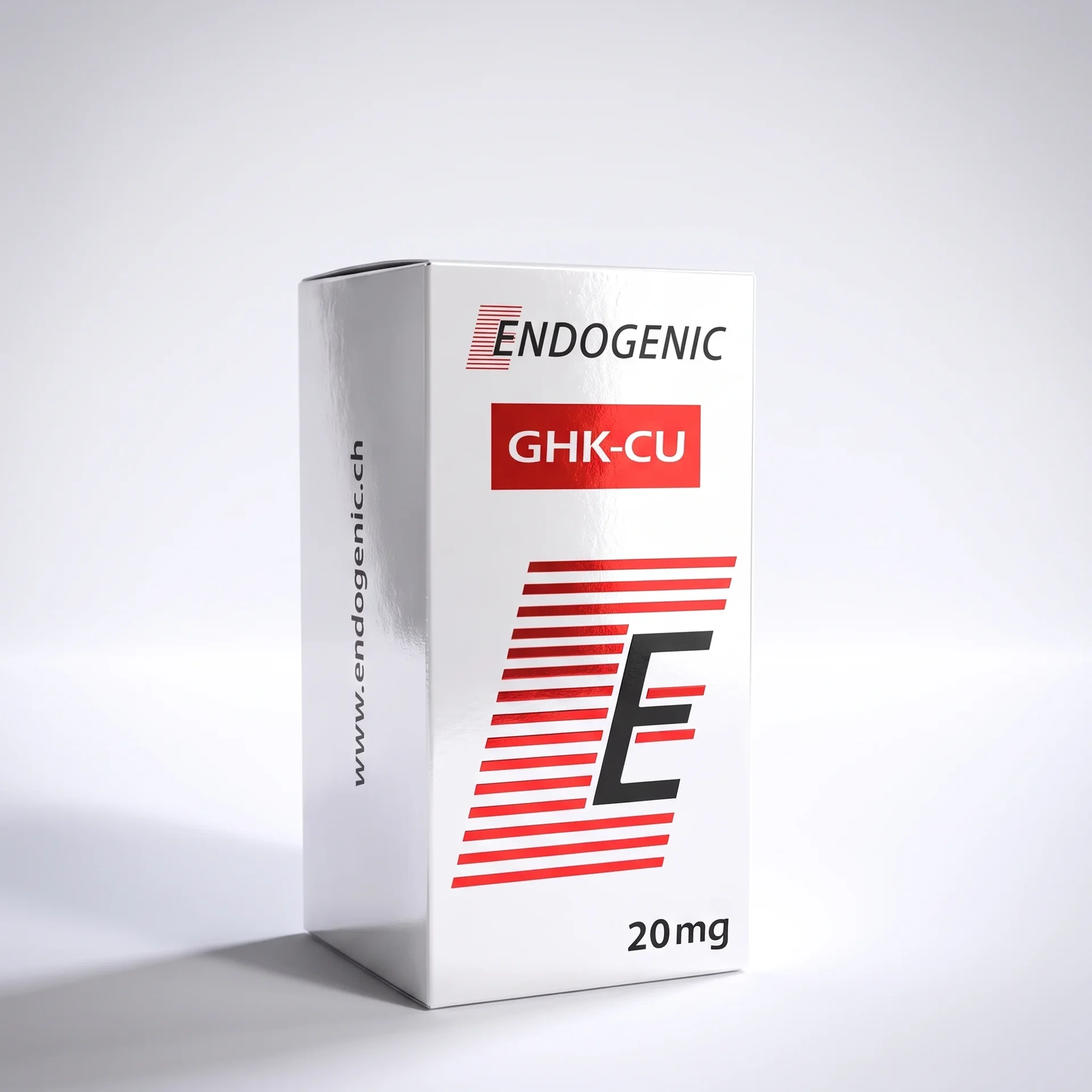
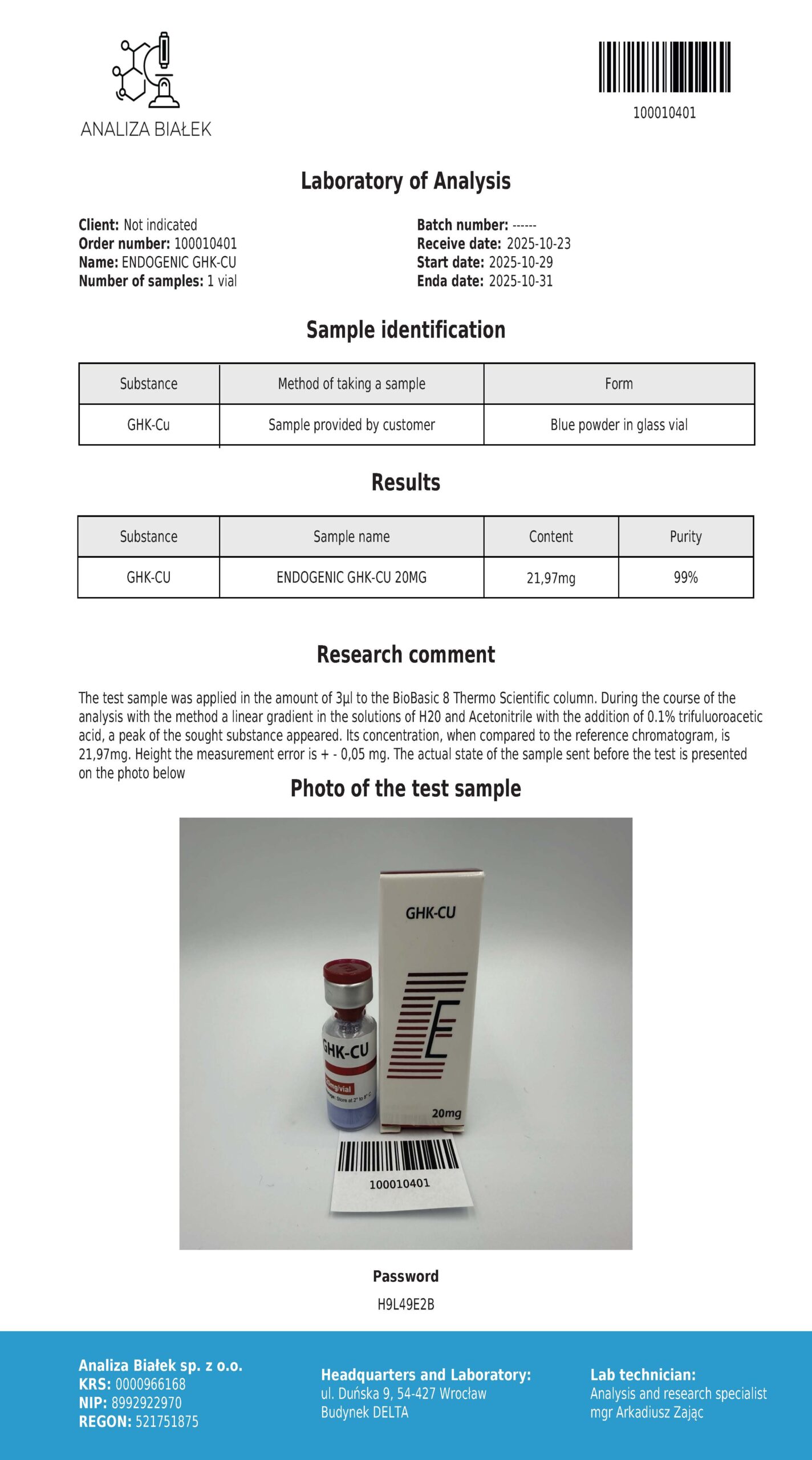
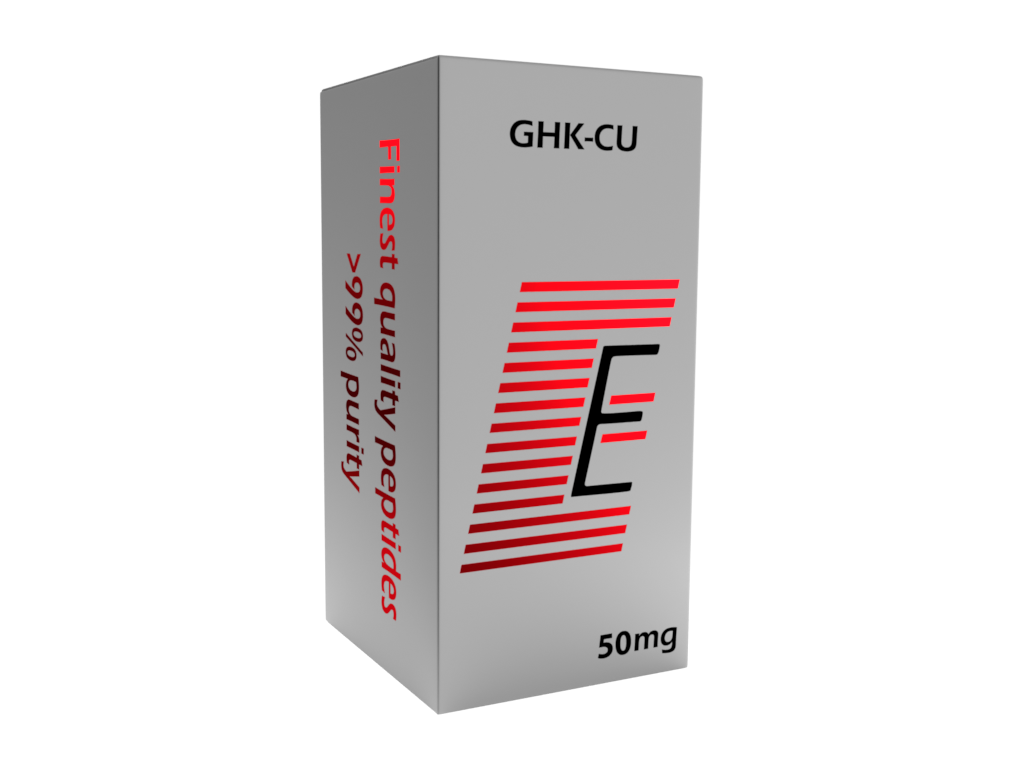
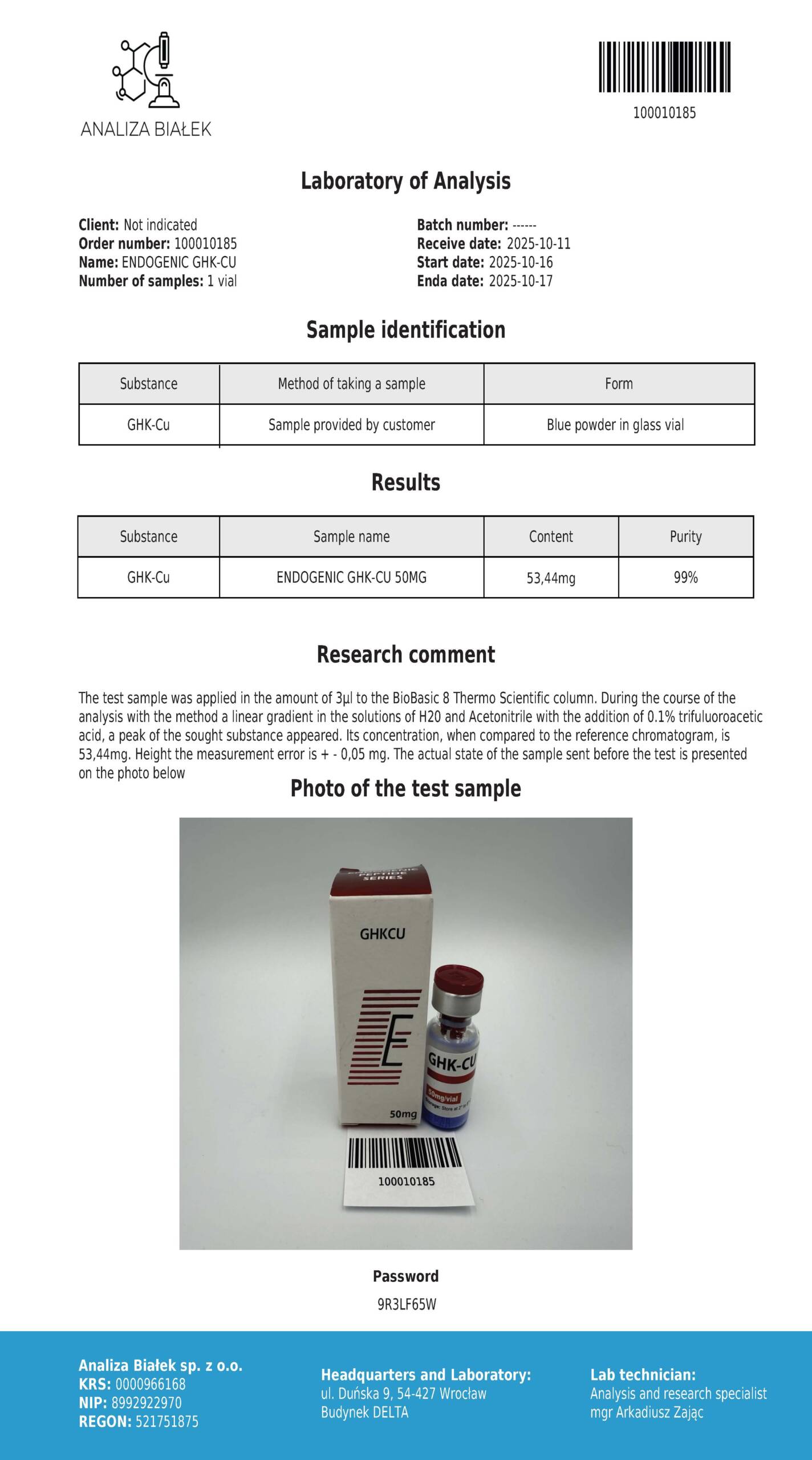
GHK-Cu, the tripeptide glycyl-histidyl-lysine bound to a copper ion, is one of the best-described skin signal peptides. In fibroblast models it is studied in extracellular matrix remodelling, collagen synthesis and metalloproteinase modulation. A smaller pack of GHK-Cu is also available.
Palmitoyl matrikines: Matrixyl-type complexes
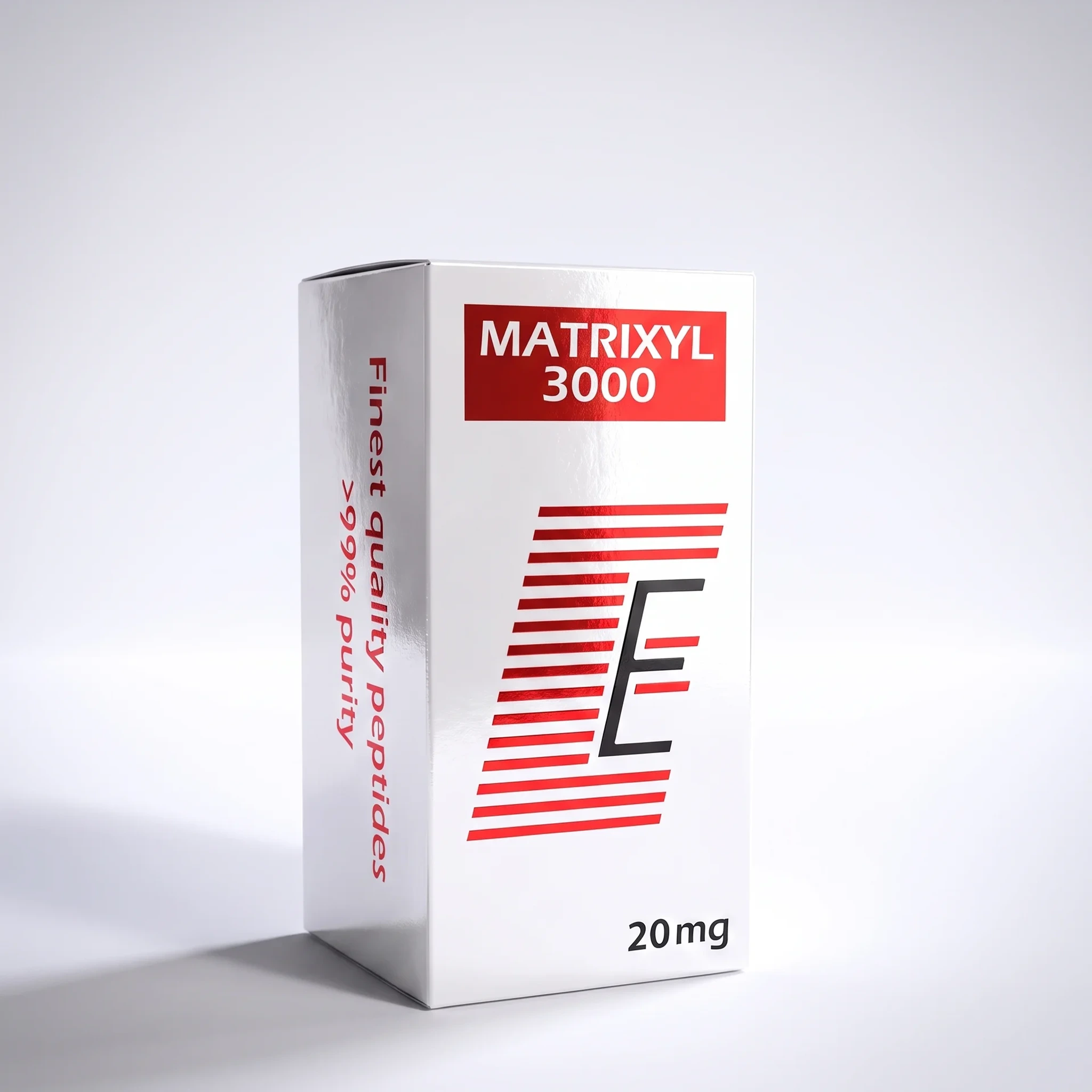
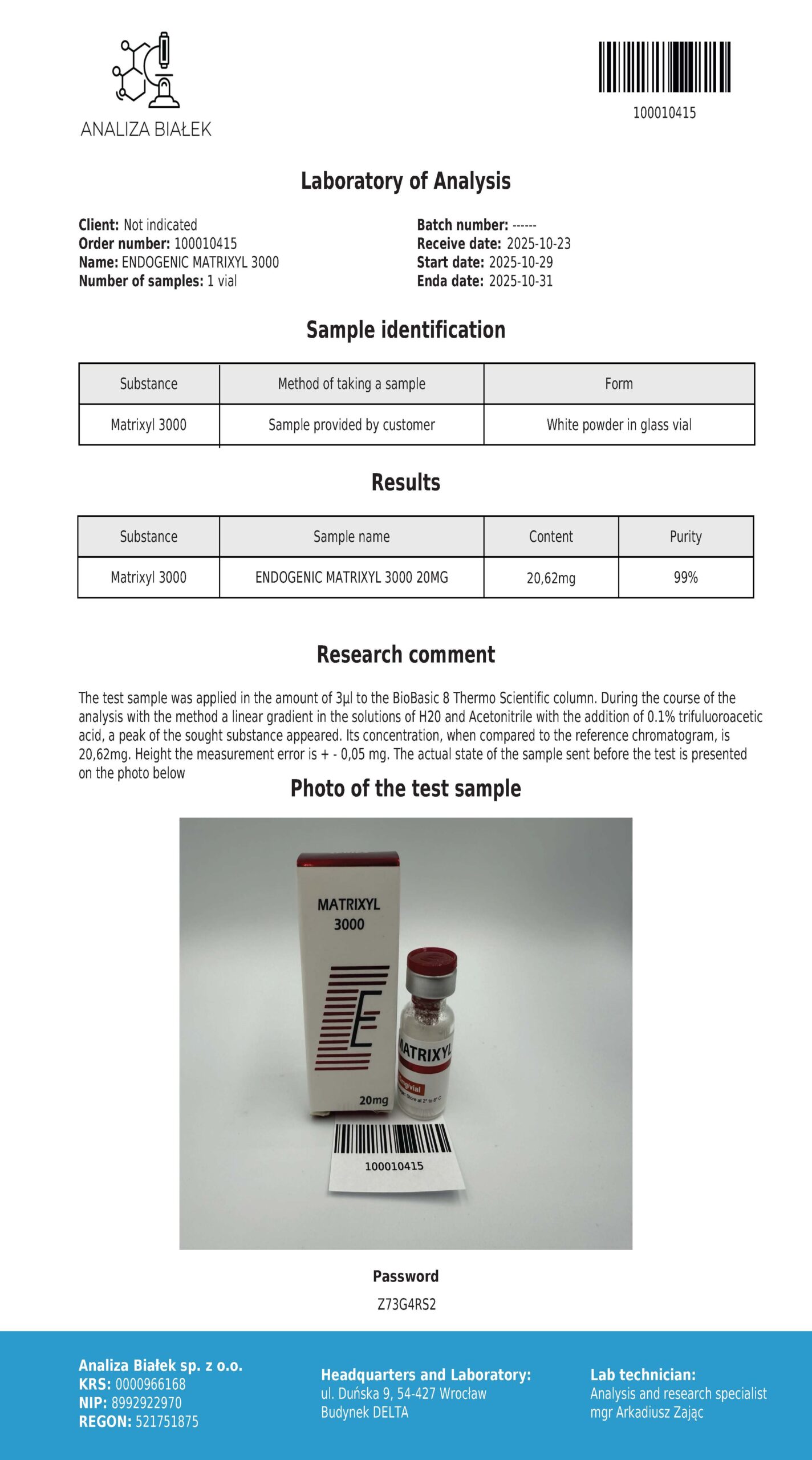
These are matrix signal peptides conjugated to a palmitic acid residue, intended to increase their affinity for the skin in research models. Matrixyl 3000 combines a palmitoyl tripeptide and a palmitoyl tetrapeptide. They are studied in fibroblast cultures, in work on stimulating the synthesis of extracellular matrix components: collagen, fibronectin and hyaluronic acid.
Acetyl peptides: SNAP-8
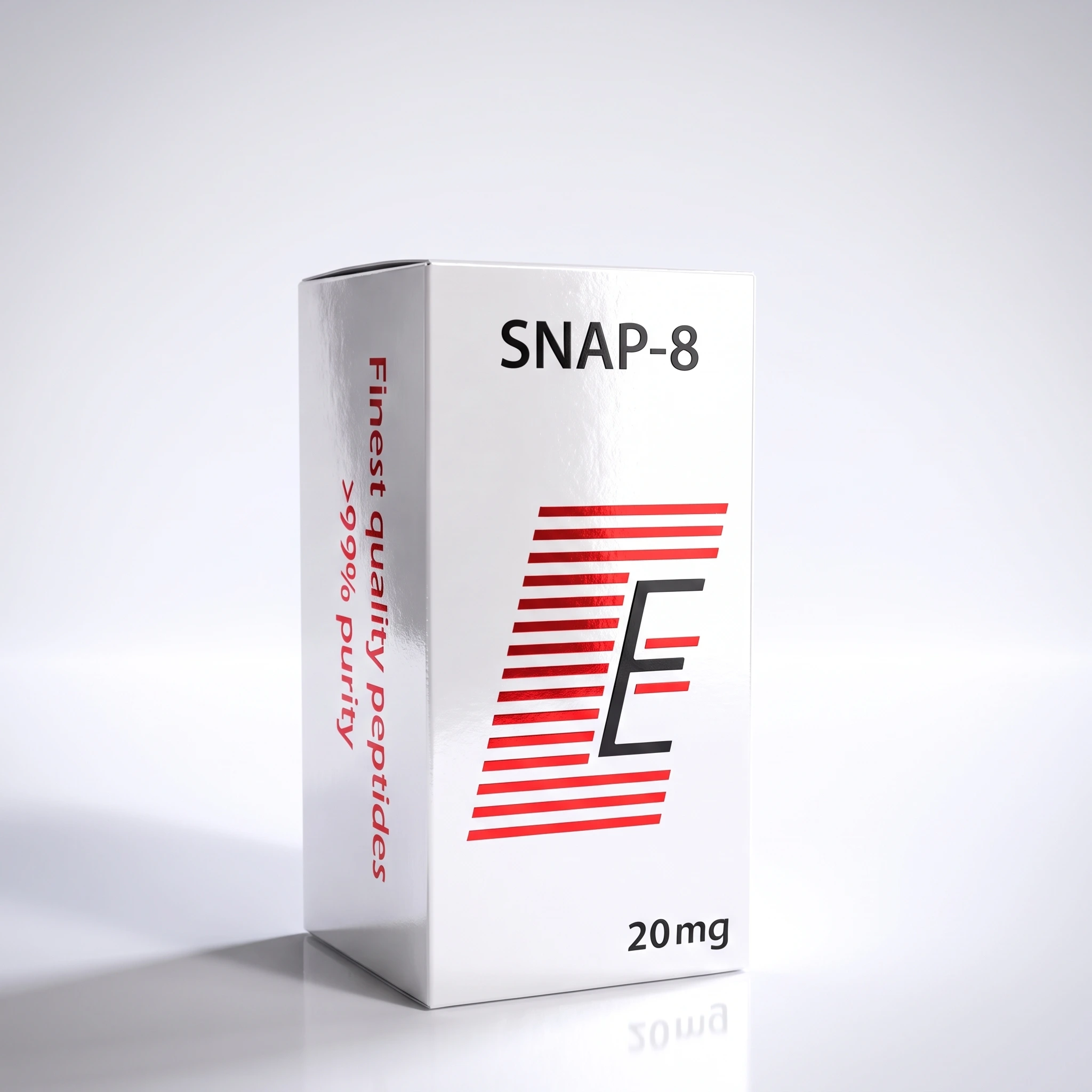
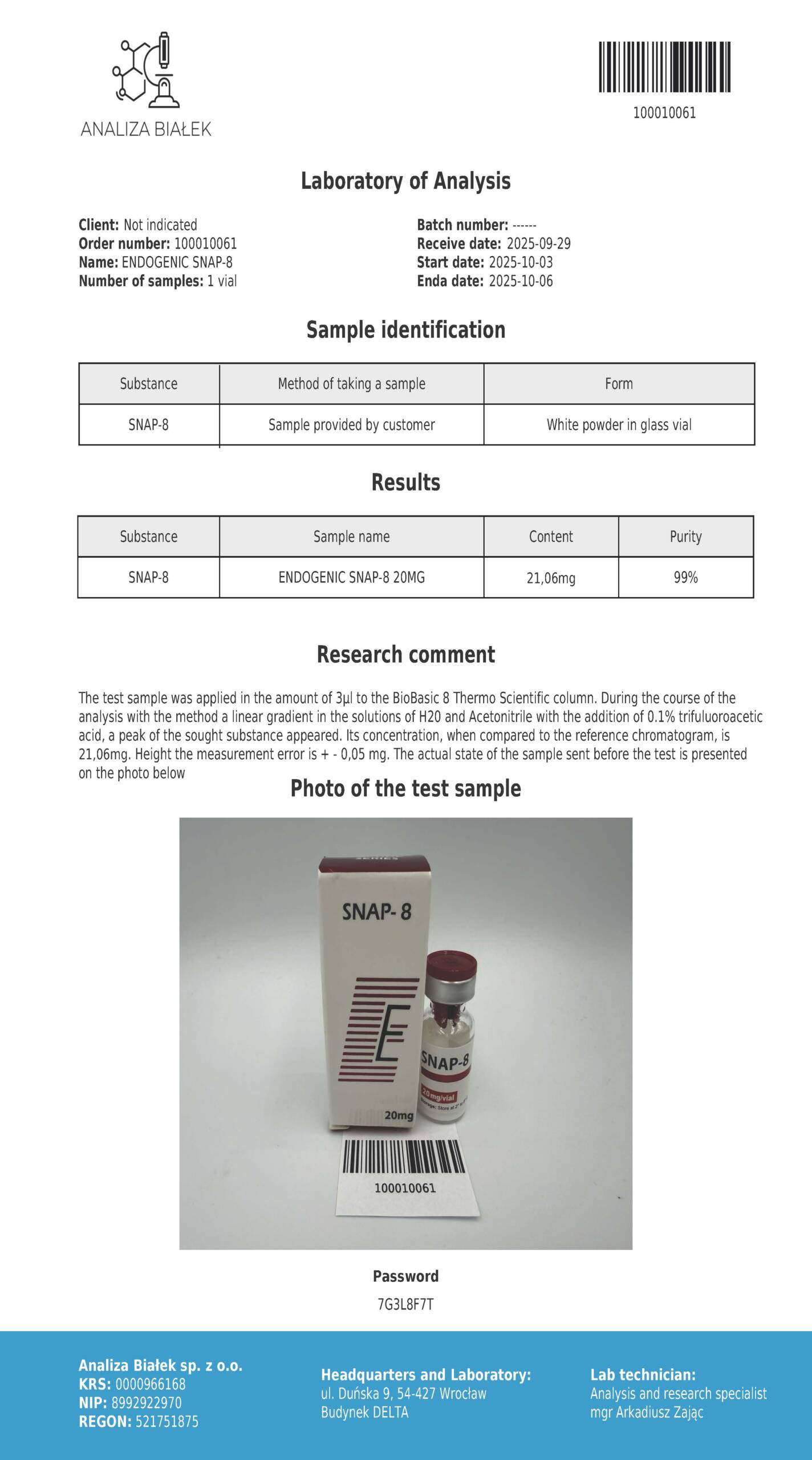
SNAP-8 is an octapeptide (acetyl octapeptide-3), a fragment of the SNAP-25 protein. It is studied in models of the SNARE complex and of neurotransmitter release modulation at the neuromuscular junction. This is a mechanistic line of research, at the level of cell signalling.
Pineal peptides: Epithalon
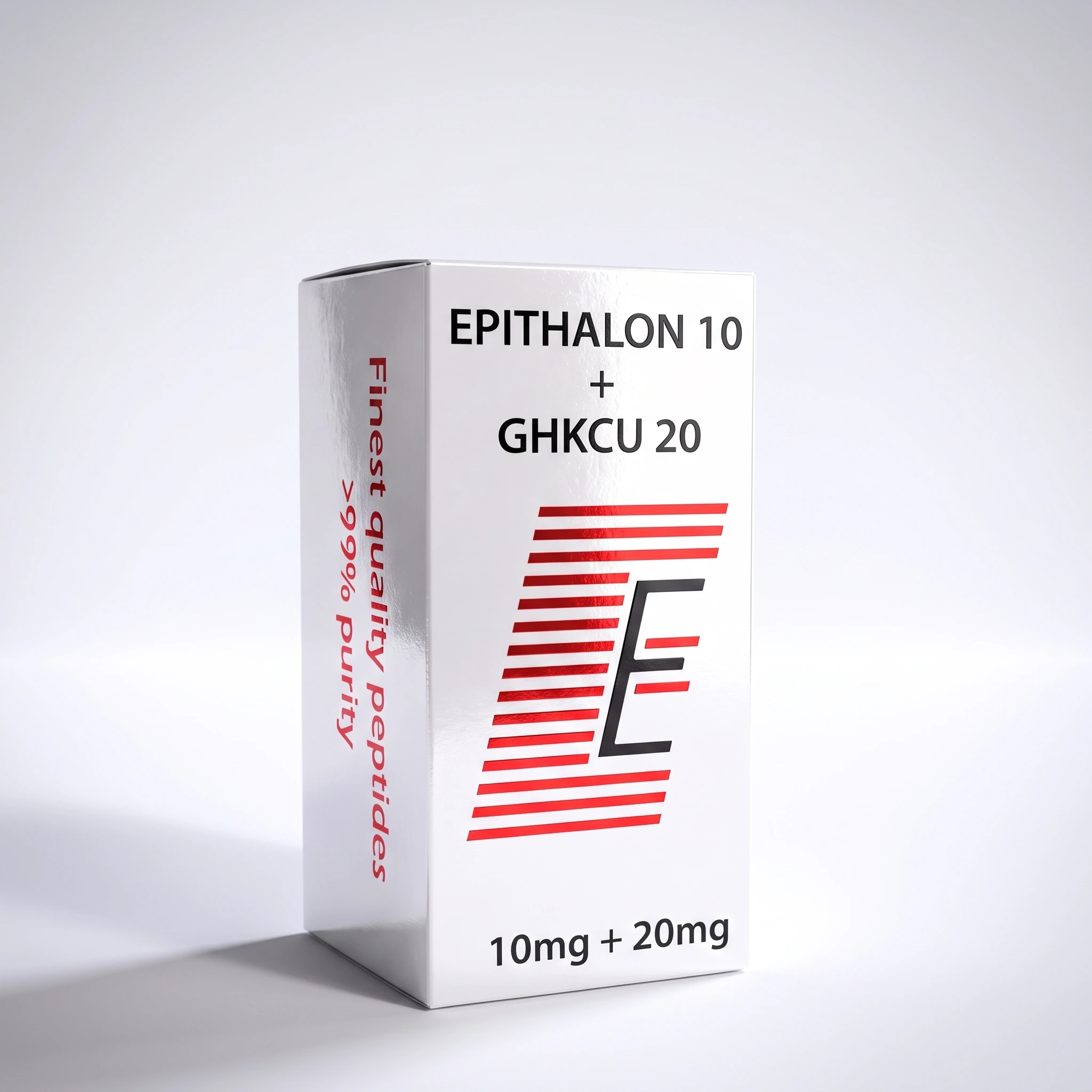
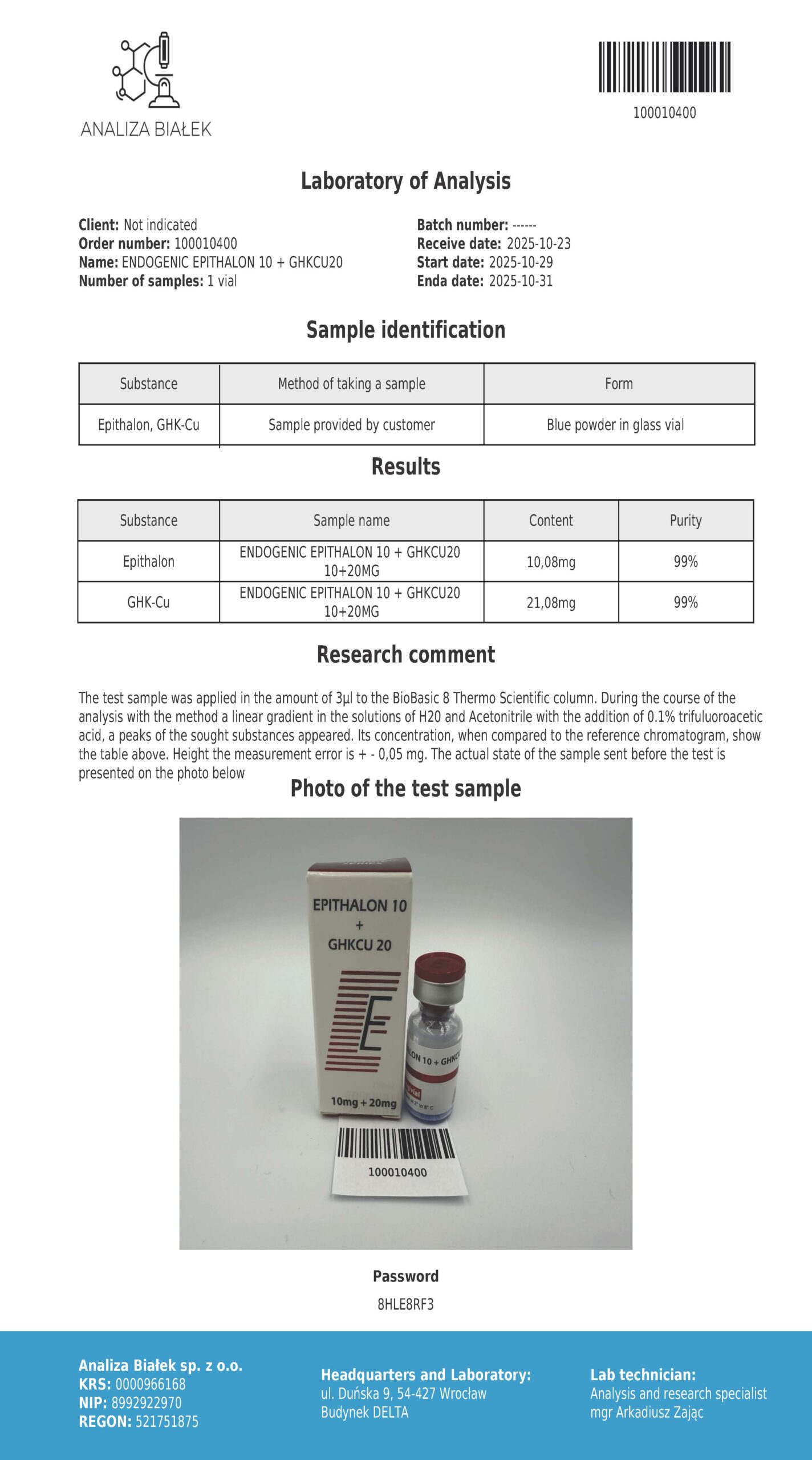
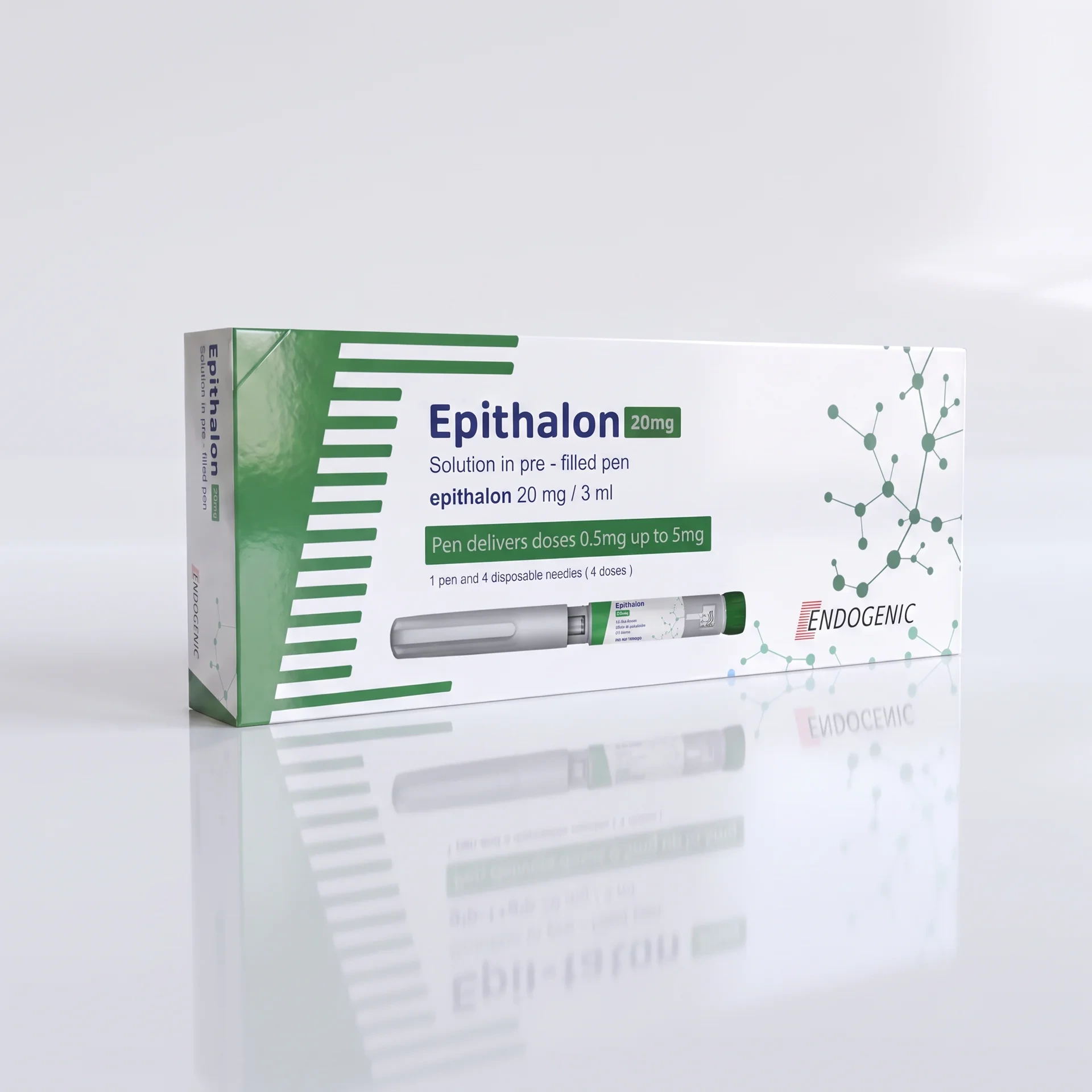
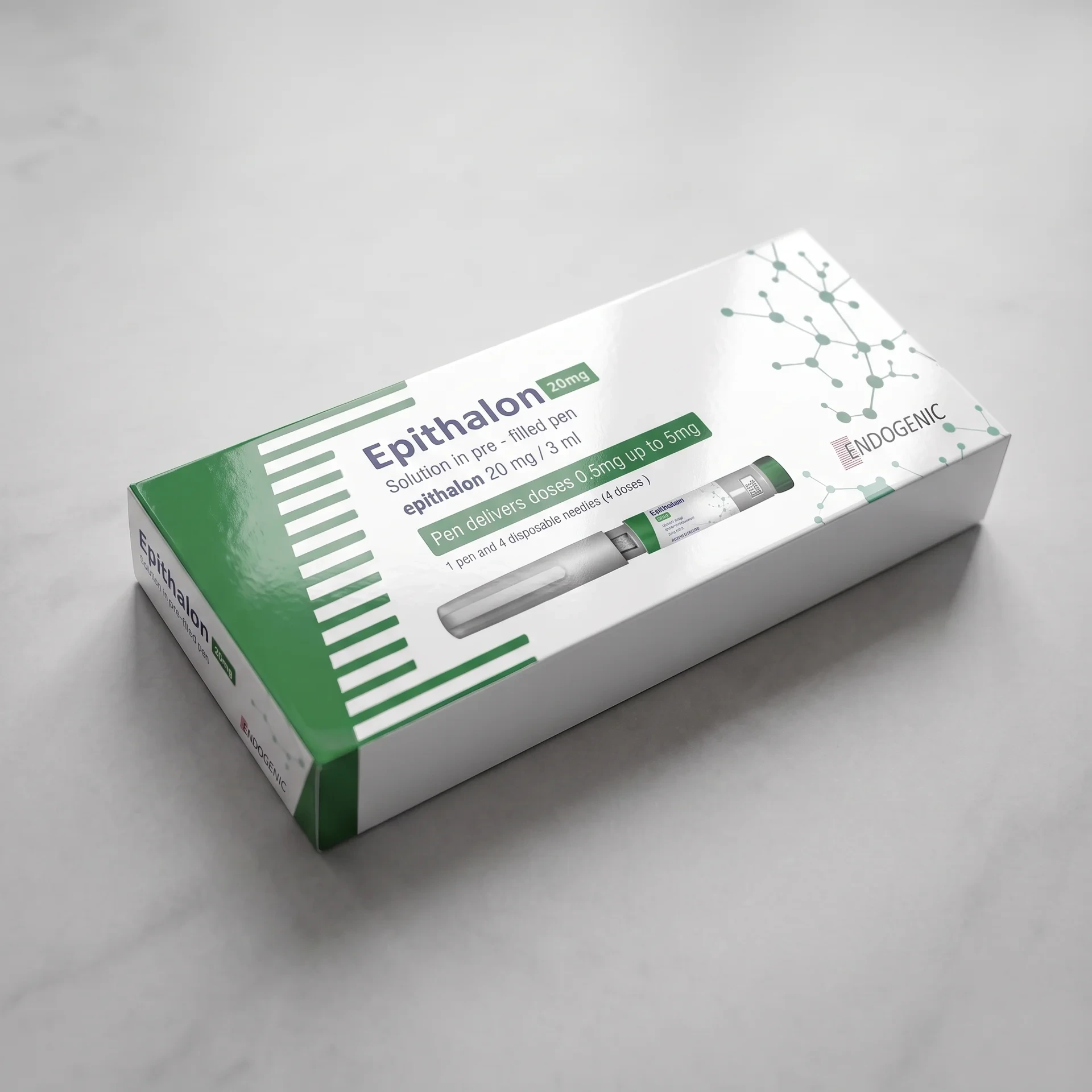
Epithalon (epitalon, AEDG) is a synthetic tetrapeptide with the sequence Ala-Glu-Asp-Gly, developed as a simplified analogue of epithalamin, a pineal gland extract studied in Russian gerontology. It is studied in models of cellular ageing: telomerase activity, telomere length and gene expression in cell cultures. A large share of the publications on it come from a single research group, which needs to be taken into account when assessing the data. In this category you will find Epithalon in a pen and the Epithalon + GHK-Cu kit. The state of the research and its limitations are discussed in the article Epitalon and telomeres.
Melanocortins: Melanotan 2
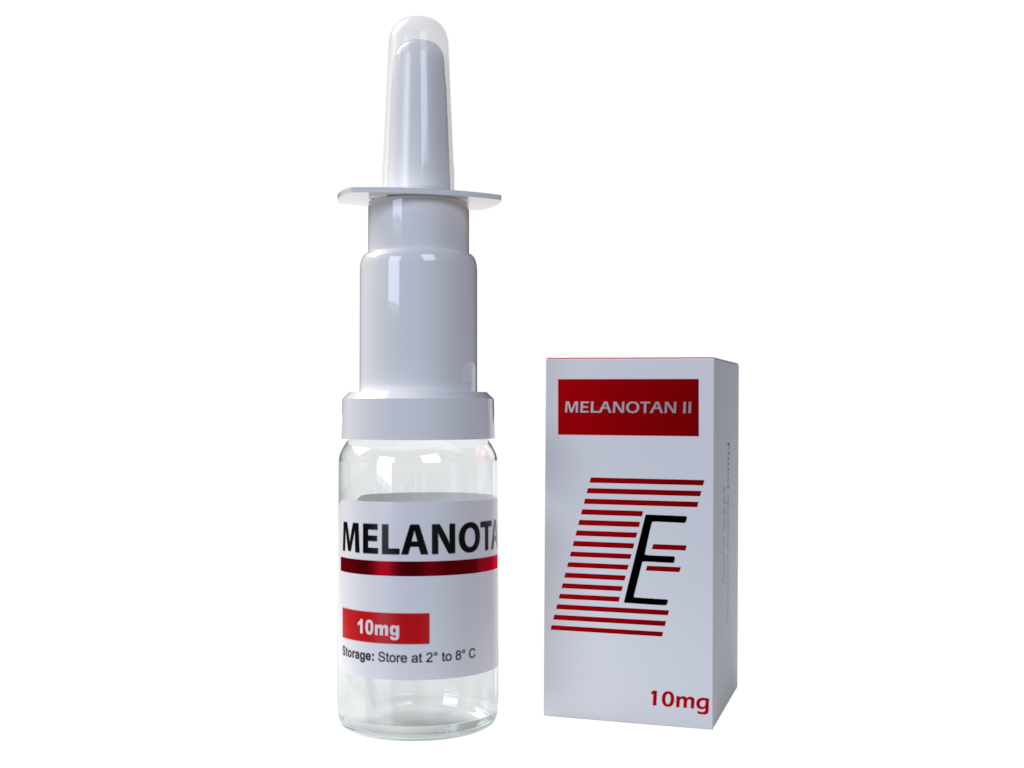
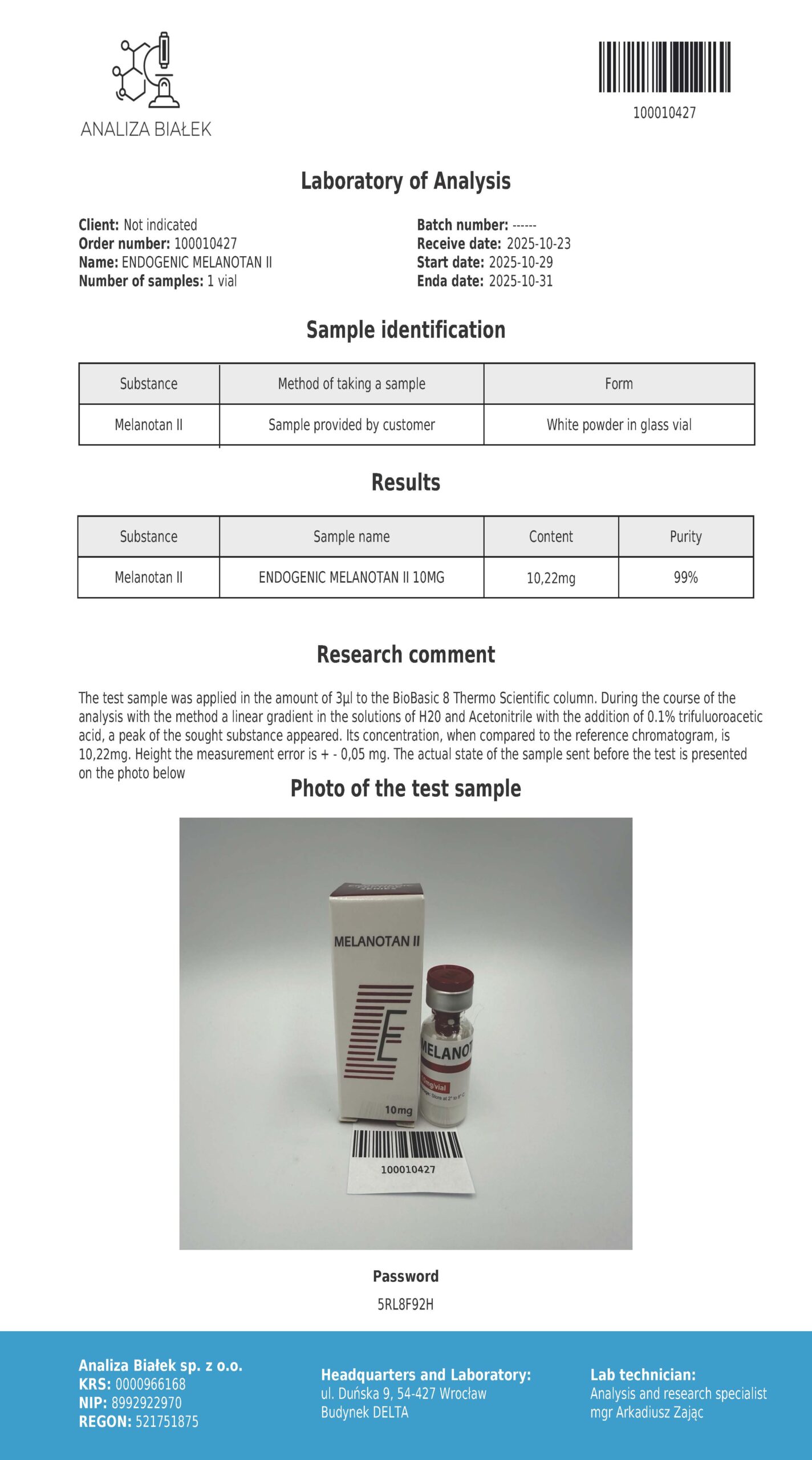
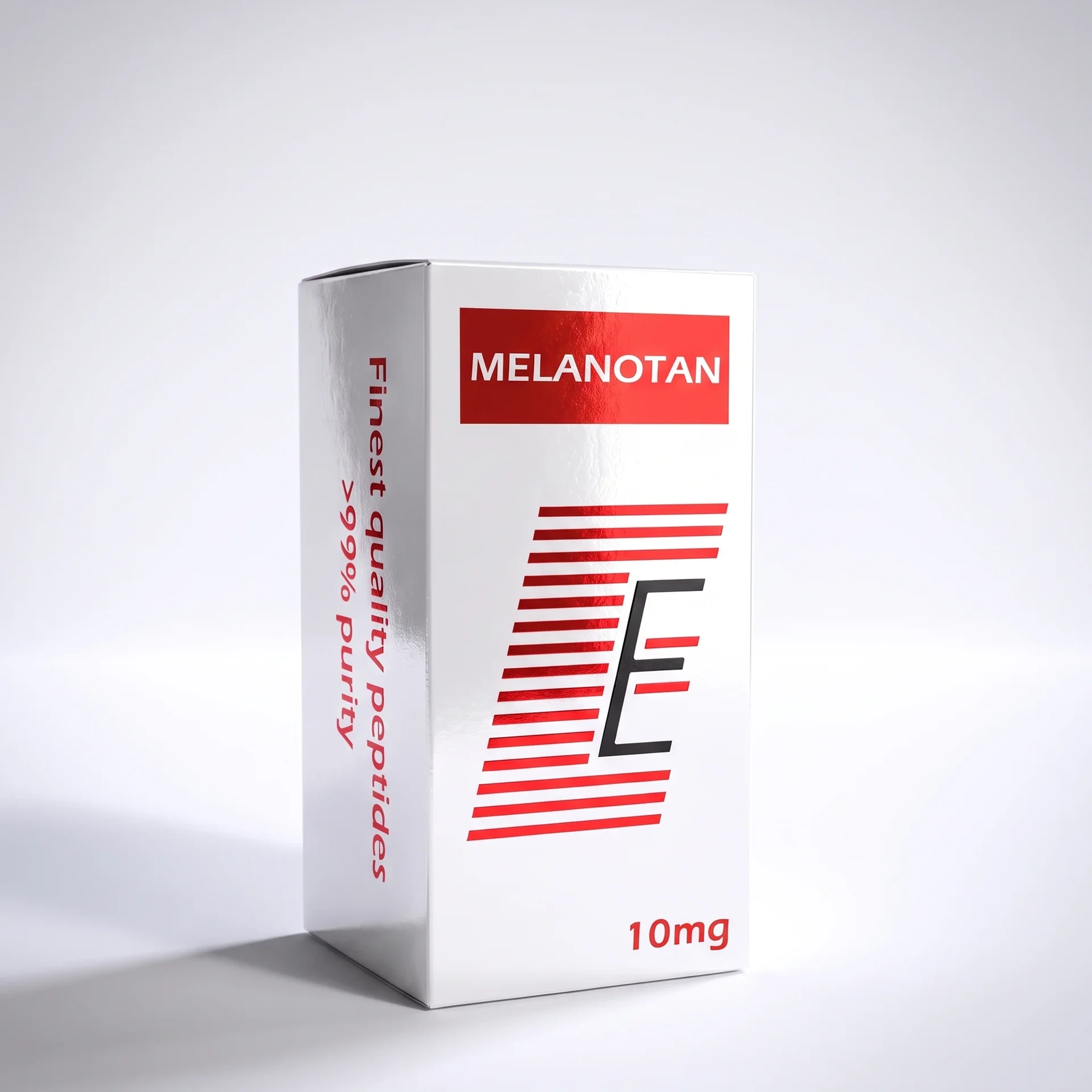
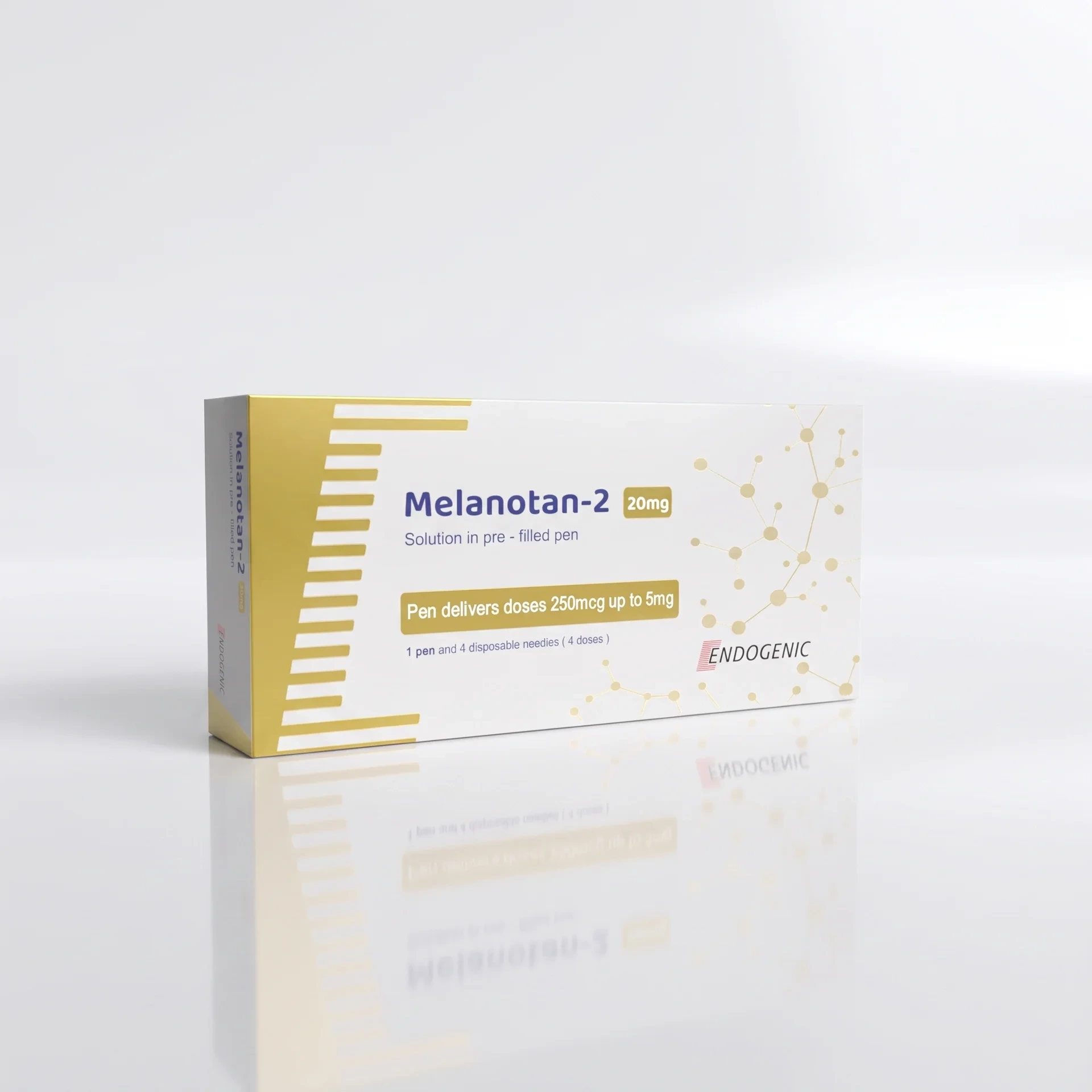
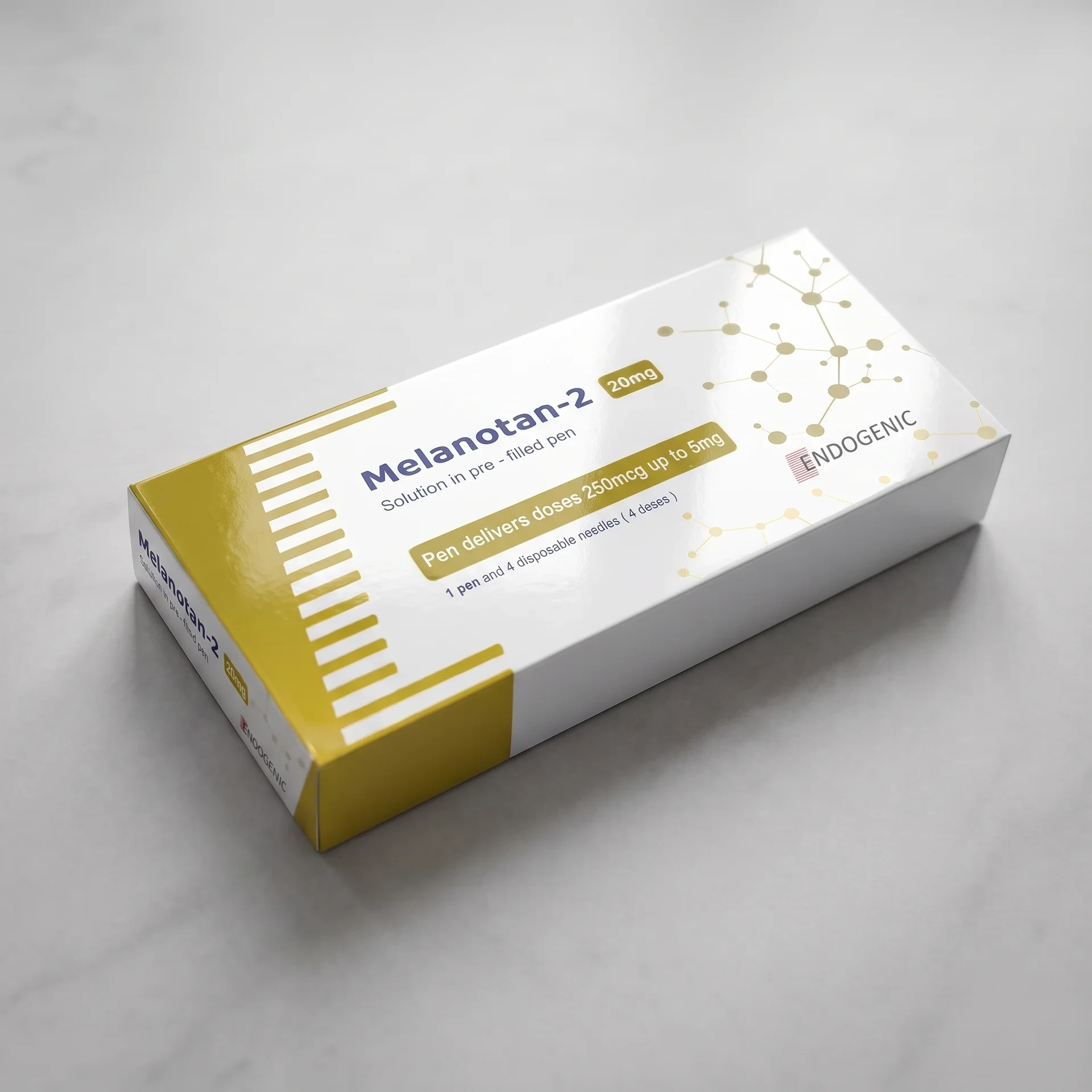
Melanotan 2 (melanotan II, MT-2) is a synthetic cyclic analogue of α-melanotropin (α-MSH) that acts as a non-selective melanocortin receptor agonist. Stimulating the MC1R receptor on melanocytes shifts pigment synthesis towards eumelanin, and this pathway – melanogenesis in melanocyte cultures – is studied in skin biology models. MC3R and MC4R receptors in the central nervous system account for some of its systemic effects, so the compound cannot be described purely as a skin peptide. In this category you will find Melanotan 2 PEN, Melanotan 2 lyophilisate 10mg and MT-2 spray. The mechanism and risk profile are described in the article Melanotan II – the melanocortin mechanism and risk profile.
A small molecule outside the peptide group: Minoxidil
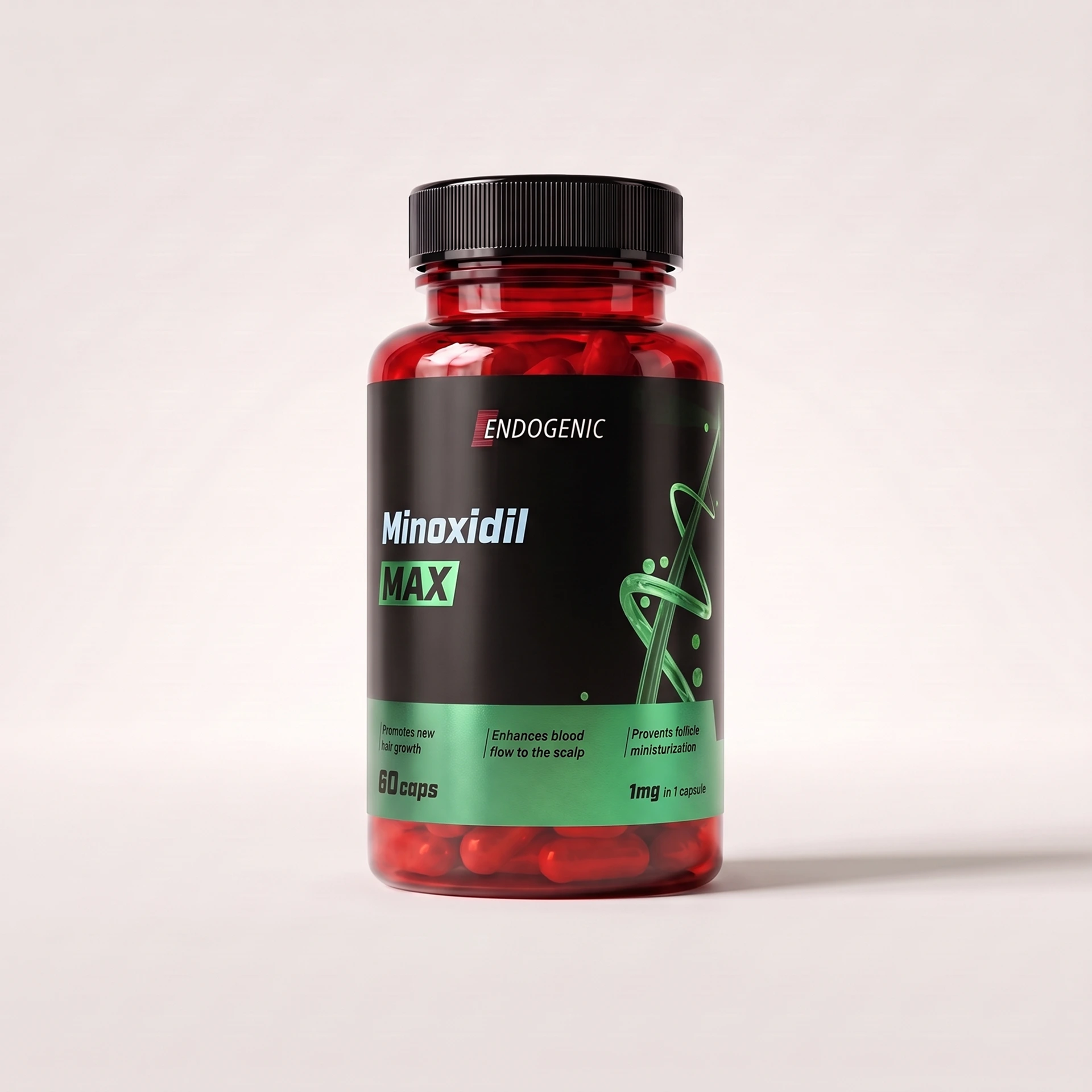
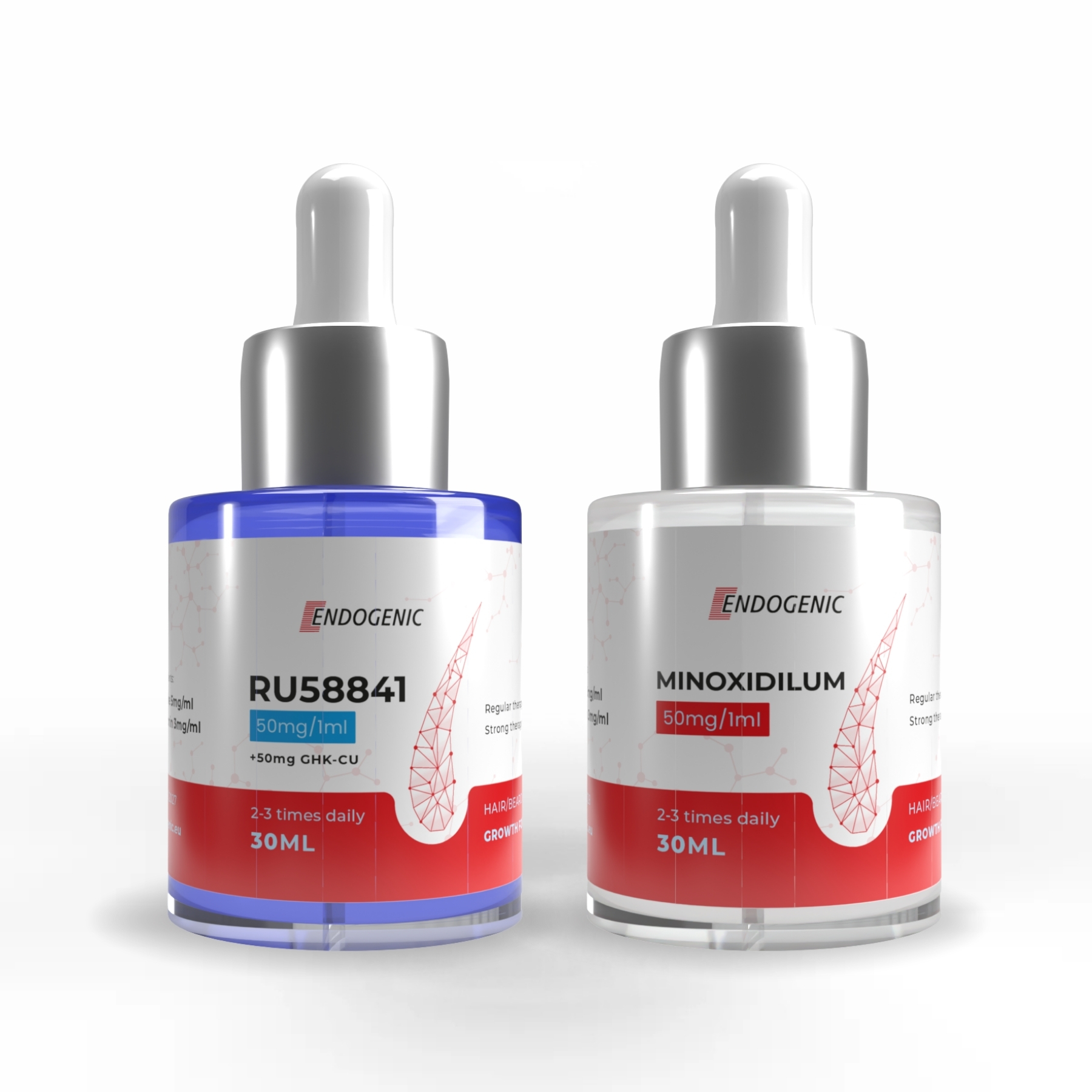
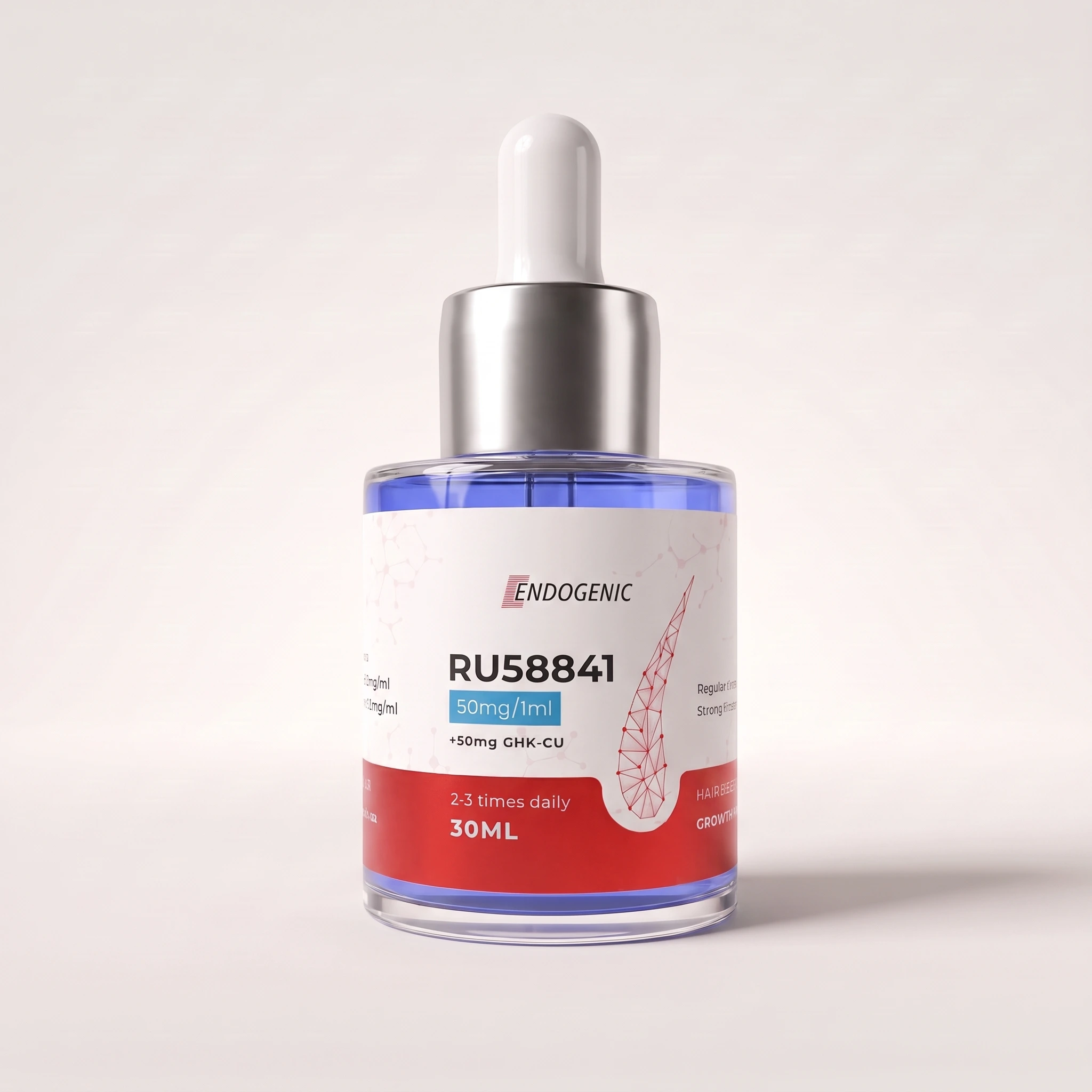
Minoxidil is not a peptide. It is a pyrimidine derivative that opens ATP-sensitive potassium channels, and the active substance of authorised medicines: a topical one for androgenetic alopecia and an oral one for hypertension. In hair follicle research, its action is linked to potassium channel opening and vascular effects, not to the androgen axis; the full mechanism has not been explained. In this category you will find the Minoxidil 50mg Endogenic solution and Minoxidil MAX capsules. The differences between minoxidil, medicines that inhibit DHT formation and RU58841 are discussed in the article on androgenetic alopecia, DHT and RU58841.
Bases and carriers for research formulations
Topical application models and penetration studies use cream bases and carrier solutions in which the peptides are dispersed. You will find a wider selection of peptides in the Peptides category.
Regulatory status
The peptides in this category have no marketing authorisation as medicines, and in this range they are not offered as ingredients of consumer products. GHK-Cu, Matrixyl-type complexes and SNAP-8 remain Research Use Only materials for skin biology research. They are not on the WADA Prohibited List (local, non-systemic action), but that does not change their status as reagents.
Regulatory status: Epithalon, Melanotan 2 and Minoxidil
Epithalon and Melanotan 2 have no marketing authorisation as medicines in any country. The WADA Prohibited List does not name them, but as non-approved substances they fall under class S0 and are prohibited in sport at all times. The only α-MSH analogue authorised for marketing is afamelanotide, approved for a narrow medical indication – a different molecule from Melanotan 2. The dermatological literature describes cases of melanoma in people using melanotan (Paurobally et al., 2011), as well as changes in existing moles. Minoxidil is the active substance of authorised medicines and is not on the WADA Prohibited List. In the EU it may not be used as a cosmetic ingredient: Regulation (EC) No 1223/2009 lists it in Annex II among prohibited substances. In this category, all three compounds are Research Use Only reagents.
Applications in scientific research
These peptides are used in work on skin biology and matrix remodelling. Working concentrations and the method of application in the model are chosen by the researcher. The category gives no formulations or schedules. The most common research directions:
- Extracellular matrix synthesis: the effect of signal peptides on collagen, elastin and fibronectin production in fibroblast cultures
- Metalloproteinase modulation and tissue remodelling: GHK-Cu studies in models of matrix remodelling and healing
- SNARE signalling and neuromuscular transmission: SNAP-8 as a tool for studying the SNARE complex and neurotransmitter release
- Penetration and topical application models: assessing peptide permeation through epidermal barrier models and ex vivo skin
- Cellular ageing and telomerase: Epithalon in models of telomerase activity, telomere length and gene expression in cell cultures
- Melanogenesis and melanocortin receptors: Melanotan 2 as a tool for studying MC1R signalling and eumelanin synthesis in melanocyte cultures
- Hair follicle biology: Minoxidil in dermal papilla cell models and studies of ATP-sensitive potassium channels
- Identity and purity control: sequence and mass confirmed by MS, purity determined by HPLC, results in the batch COA
Scientific perspective
The observations attributed to these peptides come from in vitro models: fibroblast and keratinocyte cultures and ex vivo skin. “Stimulation of collagen synthesis” or “modulation of transmission” means a result in a research model here, not a skincare effect in a human. Extrapolating from a cell model to human skin calls for caution.
Important distinction
A research reagent is not a finished cosmetic placed on the market and is not for human skincare. Advertising promises such as “removes wrinkles”, “rejuvenates the skin” or “a Botox-like effect” have no place here, because they contradict RUO principles.
Forms available in this category
- Lyophilisate in a vial: the dry form of the peptide for reconstitution by the researcher, with the longest storage stability
- Solution: the peptide in solution at the concentration stated in the COA, for topical application models
- Formulation base / carrier: a vehicle for dispersing the peptide in penetration and stability studies
- PEN applicator: a factory-prepared solution in an applicator (Epithalon, Melanotan 2); the concentration is given in the batch COA
- Spray: a peptide solution in an atomiser (Melanotan 2)
- Capsules: a solid form with a declared content per capsule (Minoxidil MAX)
Frequently asked questions (FAQ)
Are these finished skincare cosmetics?
No. They are research reagents (Research Use Only): peptides for skin biology research in laboratory models. They are not finished cosmetics placed on the market and are not intended for application to human skin. The category name describes the research direction.
How does GHK-Cu differ from Matrixyl-type complexes?
In structure and in the mechanism studied. GHK-Cu is a tripeptide bound to a copper ion, studied in models of matrix remodelling and metalloproteinase modulation. Matrixyl is a complex of matrikines (signal peptides conjugated to a palmitic acid residue), which are studied for stimulating the synthesis of extracellular matrix components.
What is the SNAP-8 mechanism studied in models?
SNAP-8 (acetyl octapeptide-3) is a fragment of the SNAP-25 protein, part of the SNARE complex that mediates neurotransmitter release. In models it serves as a tool for analysing SNARE signalling and the modulation of transmission at the neuromuscular junction. The description concerns a cellular mechanism, not a cosmetic effect.
How can a peptide’s identity be confirmed?
Through the sequence and mass in the batch certificate of analysis (COA), together with the HPLC purity result. The trade name does not settle the structure, because identity is decided by mass spectrometry confirmation. Every Pro-Body batch has its own COA.
Why is Epithalon in the Cosmetics category?
The category groups compounds studied in the context of skin biology and ageing, and Epithalon is studied in models of cellular ageing: telomerase, telomeres and gene expression. It remains a tetrapeptide studied in cell cultures, with no skincare claims. Results from cell models do not describe effects on human skin.
How does Melanotan 2 differ from afamelanotide?
They are two different molecules with different statuses. Afamelanotide is an authorised medicine used for a narrow indication under specialist supervision. Melanotan 2 is a non-selective melanocortin receptor agonist with no marketing authorisation in any country. Data on afamelanotide cannot be transferred to Melanotan 2.