



SARMs
Black Week
20% off everything with code BLACK
Click and the code is added to your cart.
Until Monday 30 Nov, 23:59 (Polish time).
Black Friday
20% off everything with code BLACK
Click and the code is added to your cart.
Until Monday 30 Nov, 23:59 (Polish time).
Last day
20% off everything with code BLACK
The code works until 23:59 today (Polish time).
Other categories
22 products
Black Week
Black Week deals before everyone else
Sign up for the newsletter and get access to the Black Week promotion before other customers.
By signing up you agree to receive the Pro-Body newsletter with news and promotions. You can unsubscribe at any time with one click in the e-mail. Privacy policy
SARMs and modulators - research reagents
SARMs (selective androgen receptor modulators) are a group of compounds that, in preclinical models, bind the androgen receptor (AR) in a tissue-selective way. In muscle and bone they show a different activity profile than in the prostate or skin. Classical agonists, which act the same way in every tissue, lack this selectivity, and that is exactly why SARMs have become a subject of research into androgen receptor biology.
A catalogue name such as “for strength” or “for mass” describes only the research direction: the biological model in which the compound is characterised. It promises no effect and does not suggest use in humans. For a researcher designing an experiment, it points to an area of the literature.
Compounds in this category
Alongside true SARMs, the category includes compounds with a different mechanism that are often discussed together with them in the literature. This distinction is fundamental to the category.
True SARMs (androgen receptor modulators)
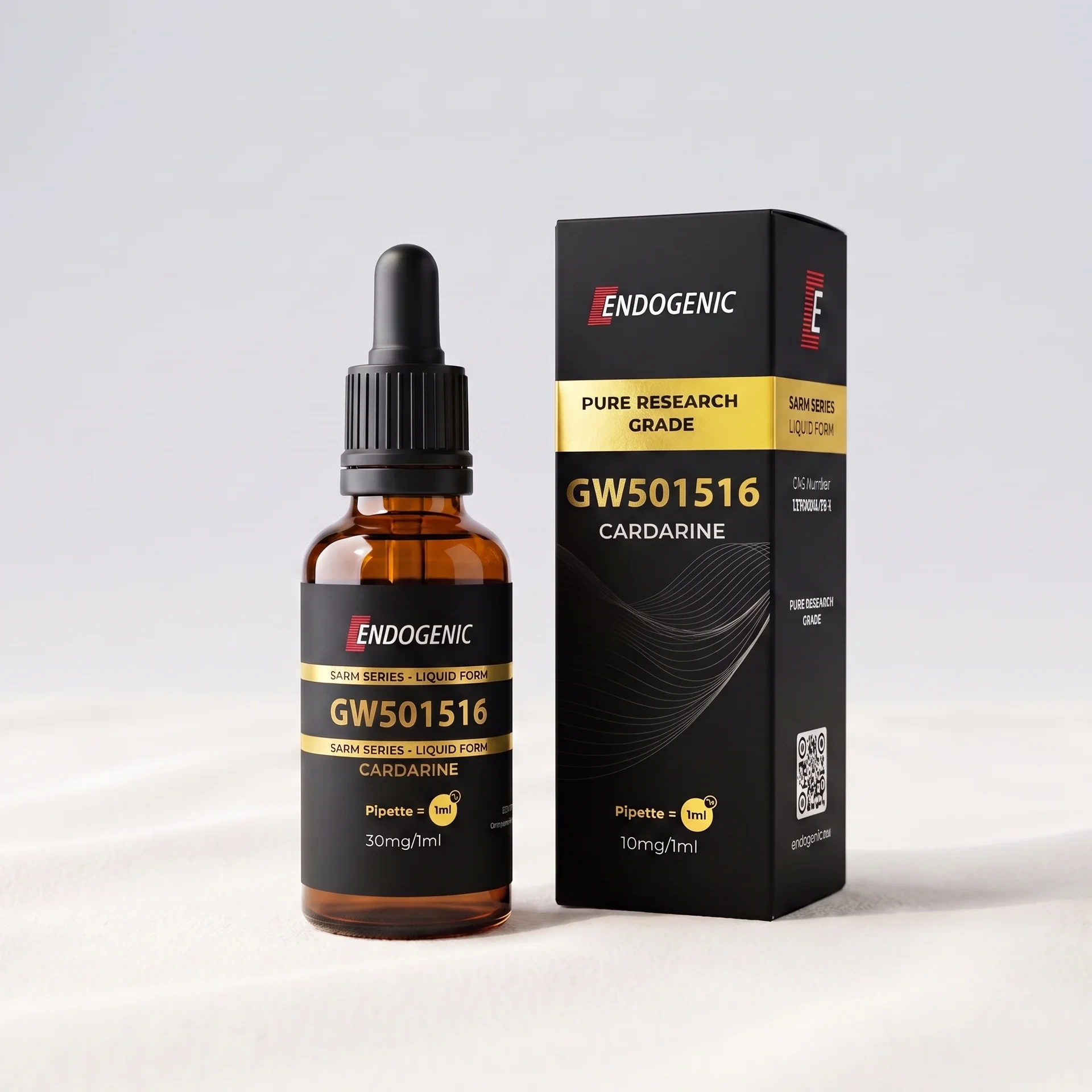
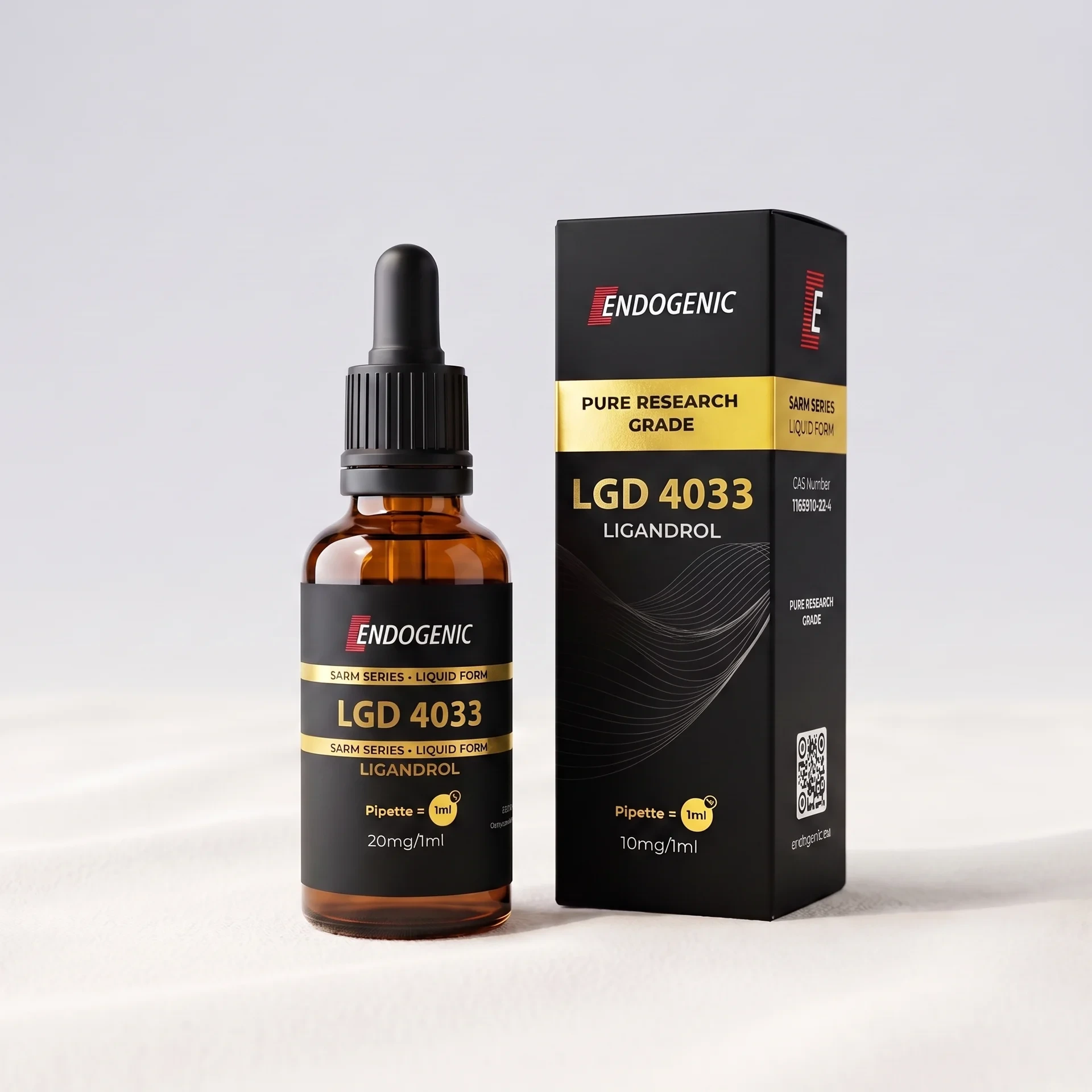
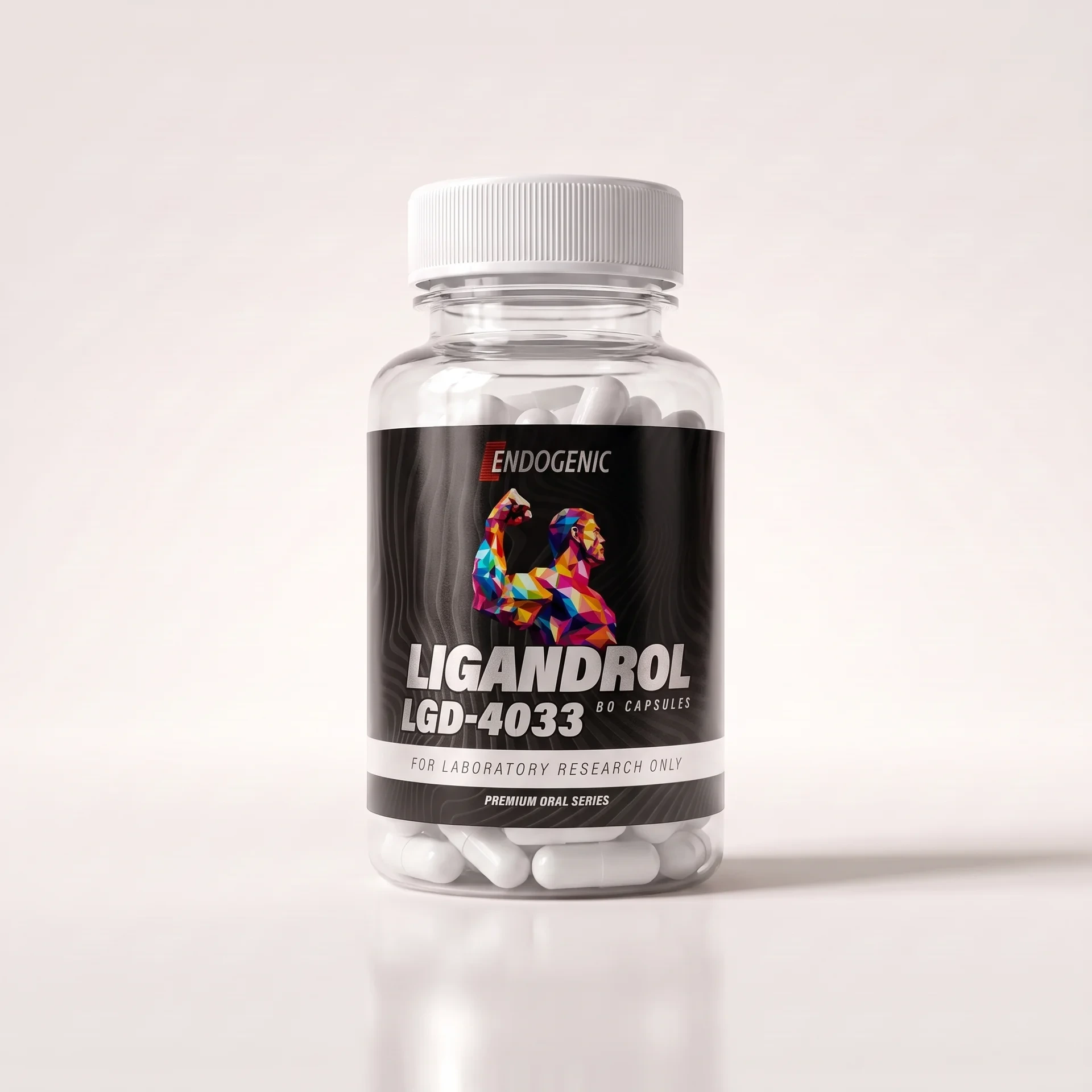
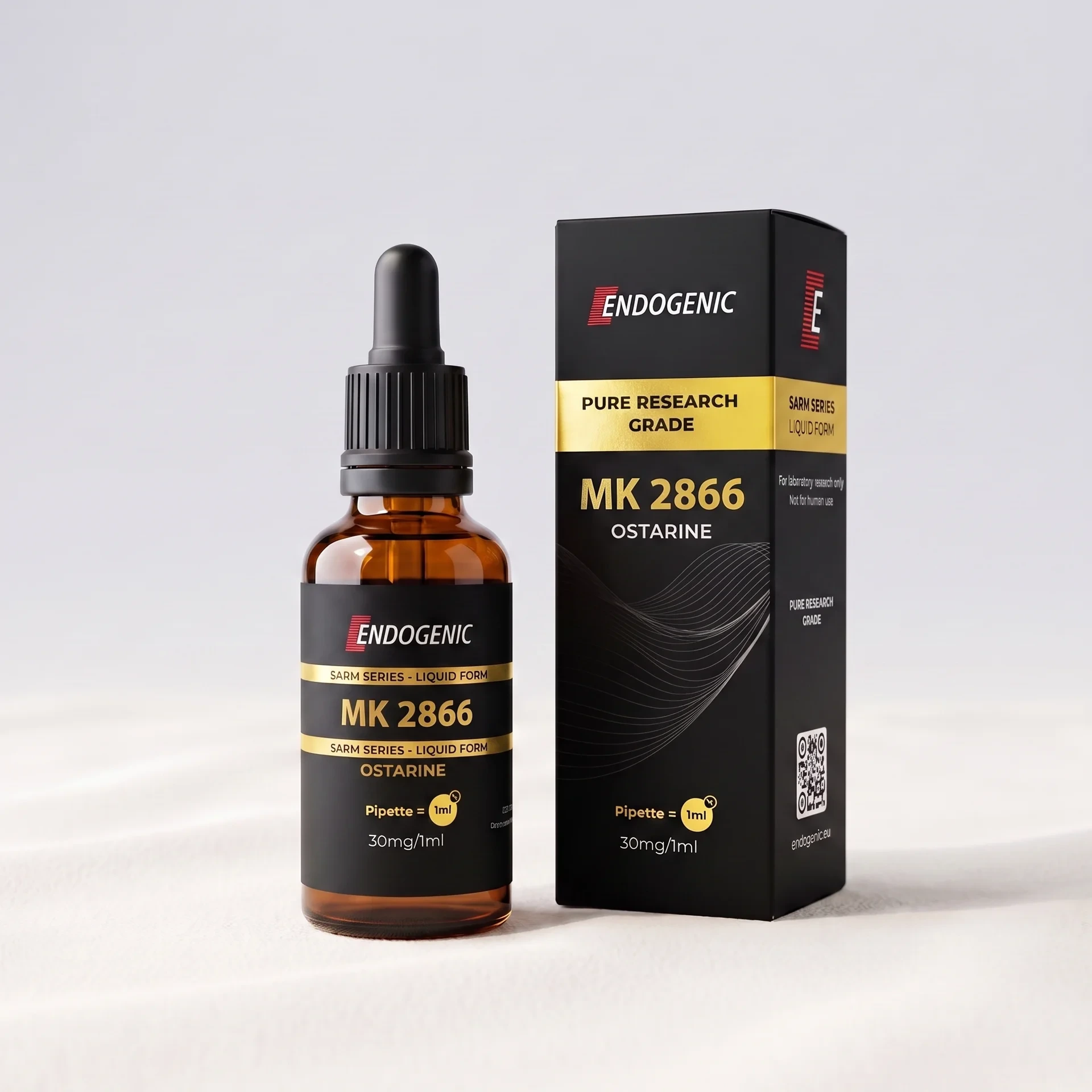
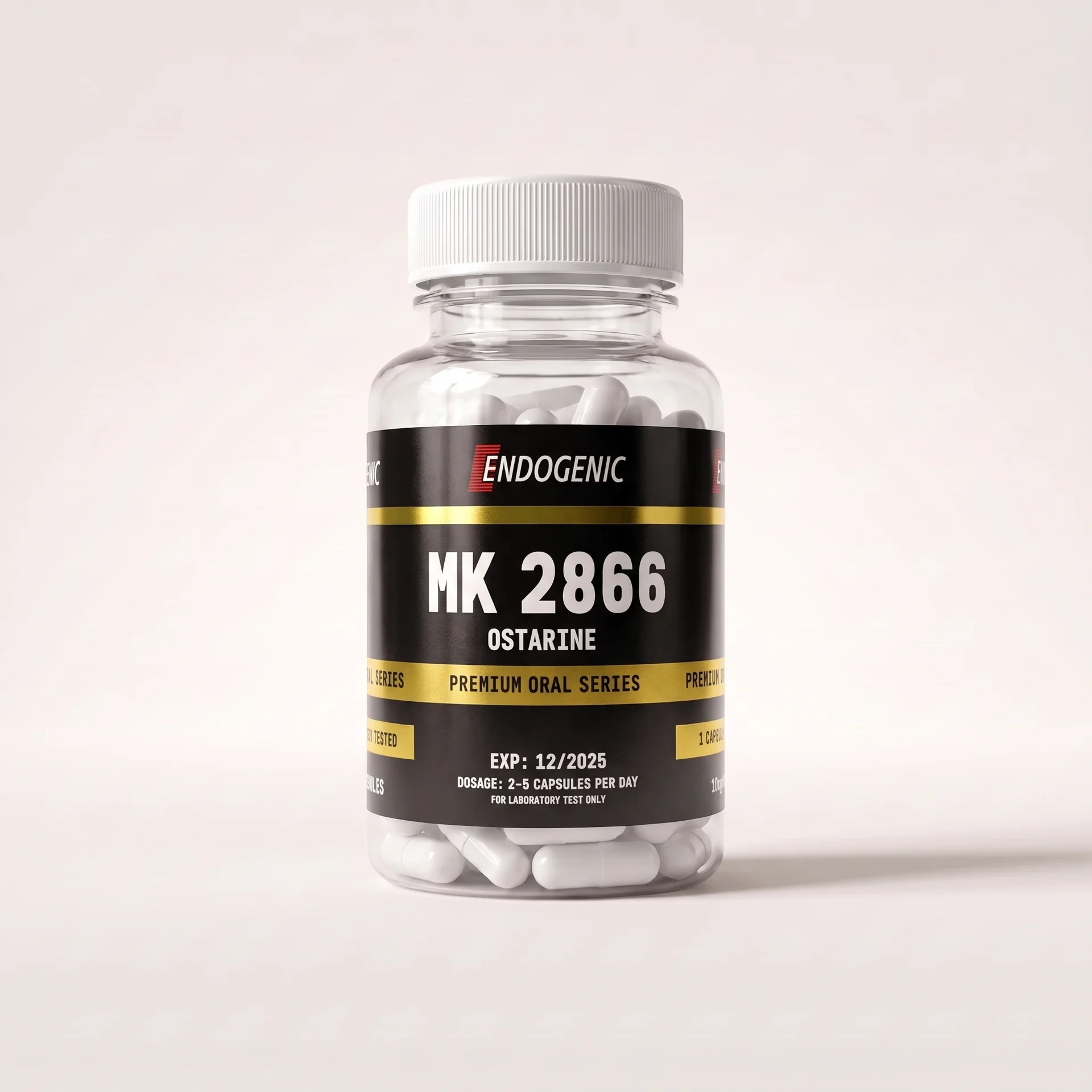
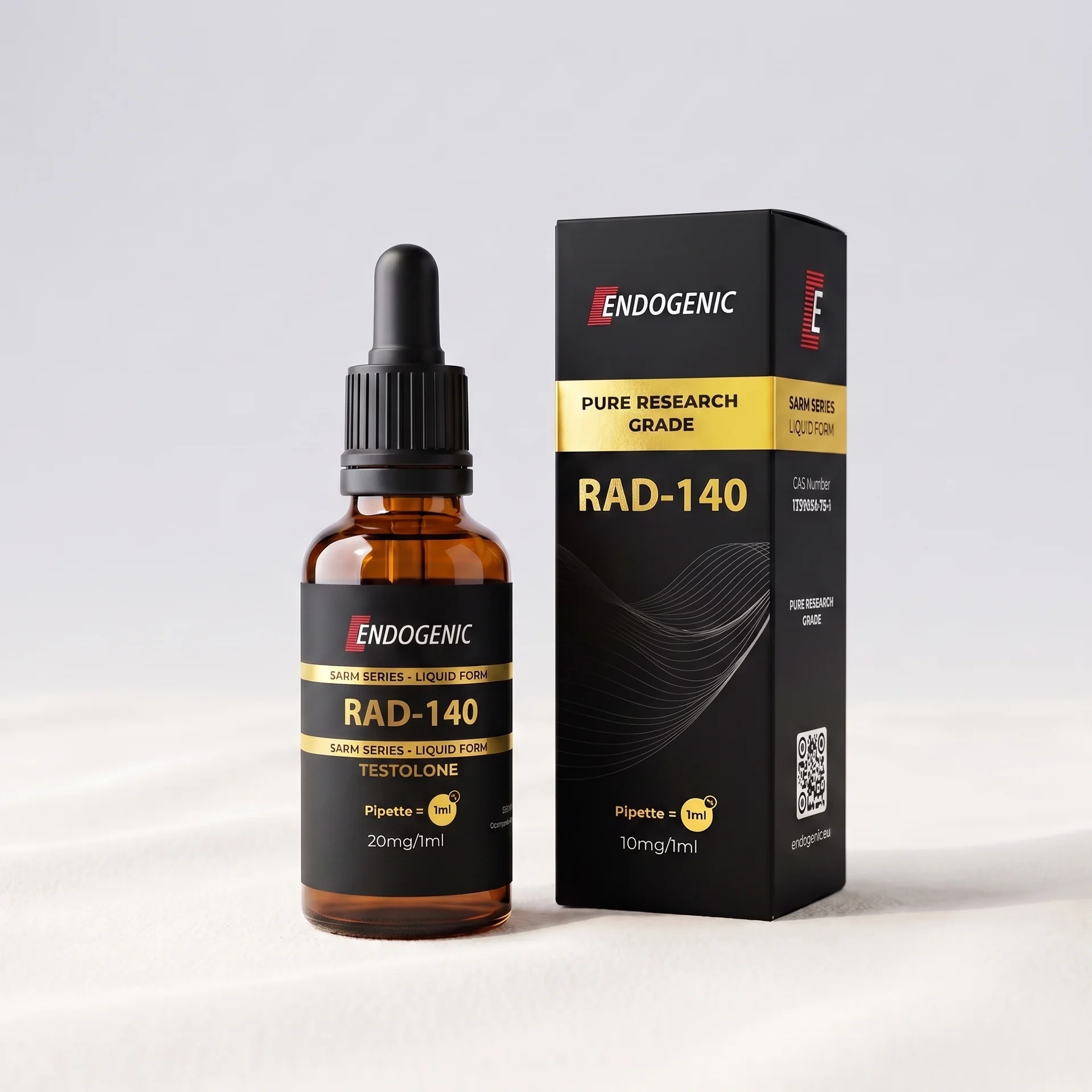
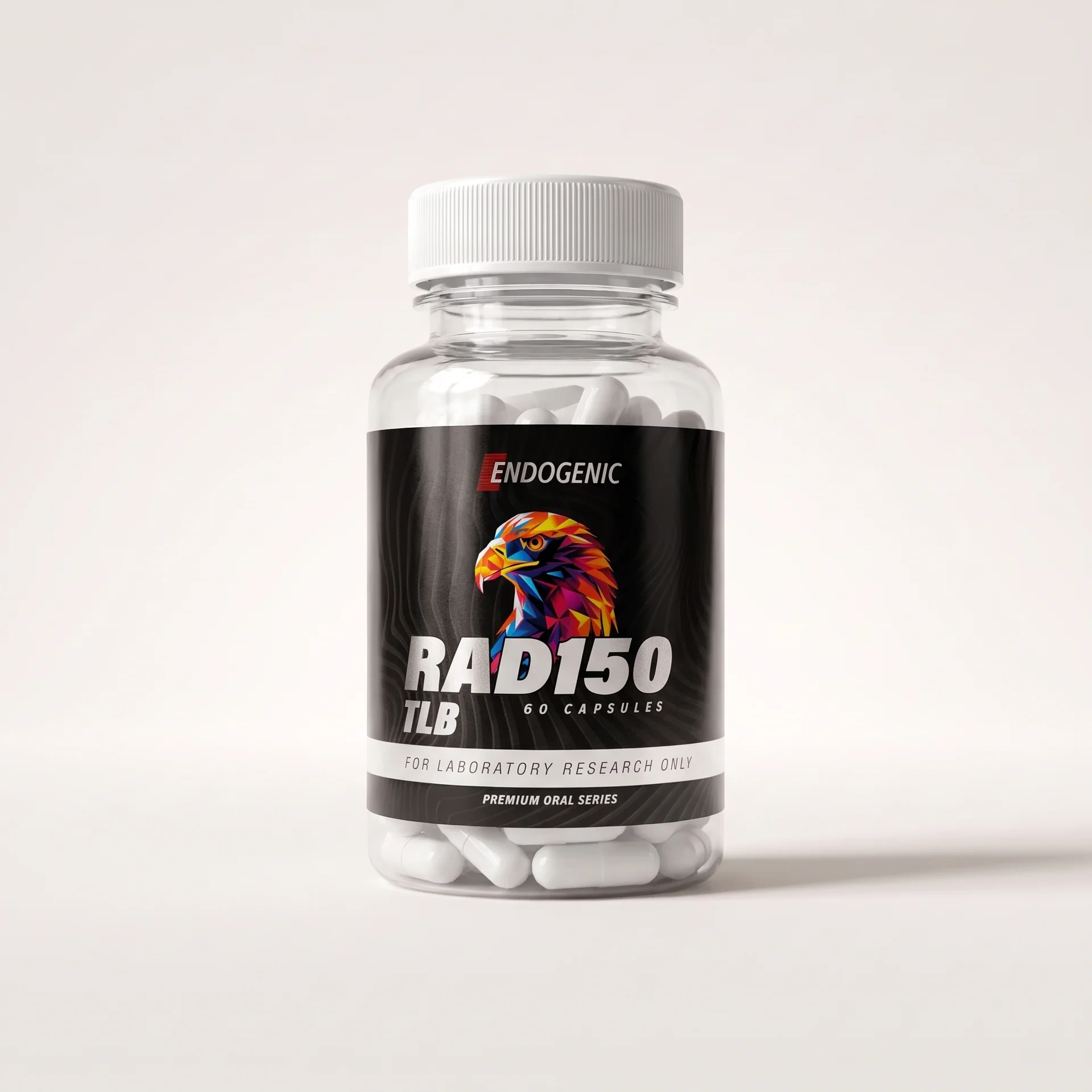
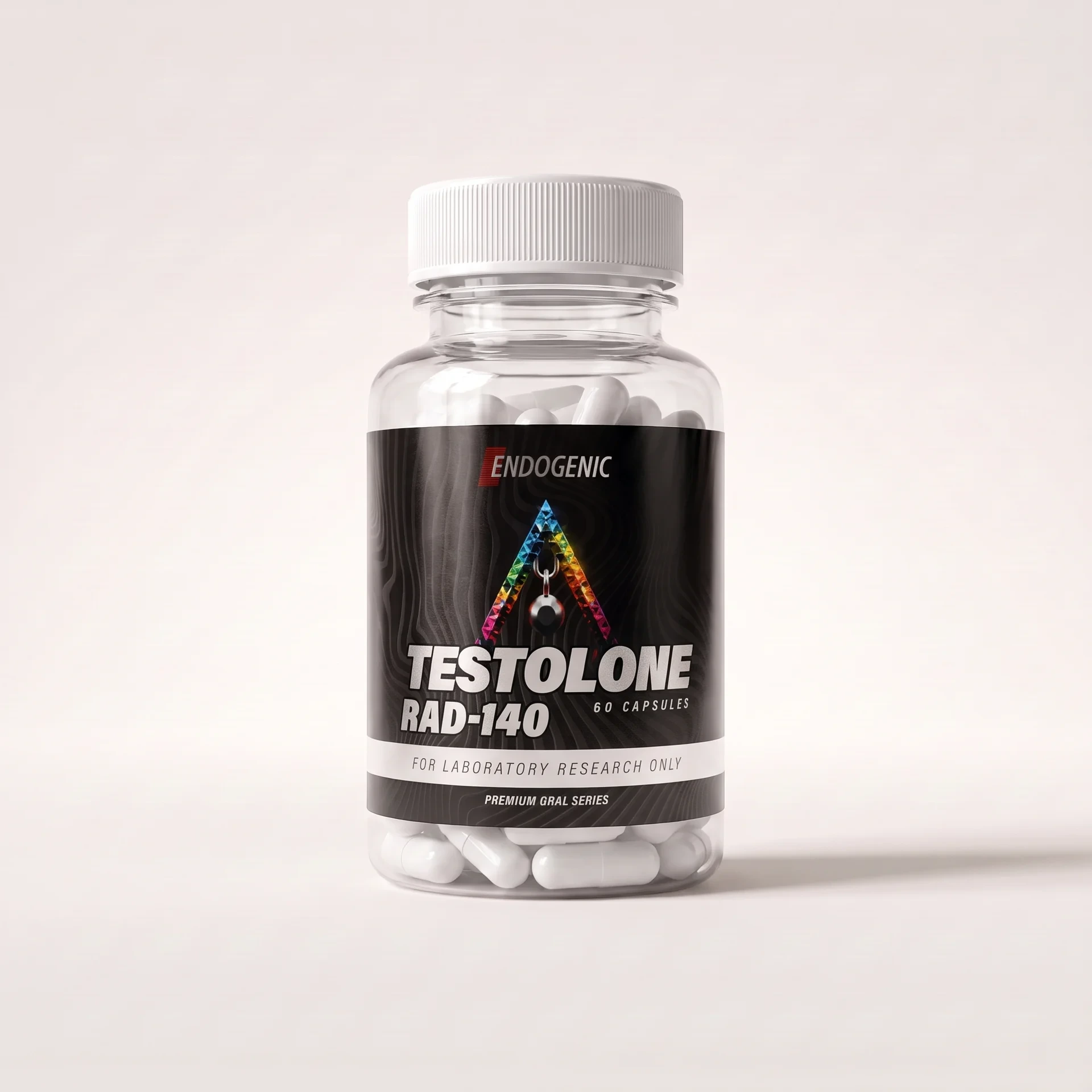
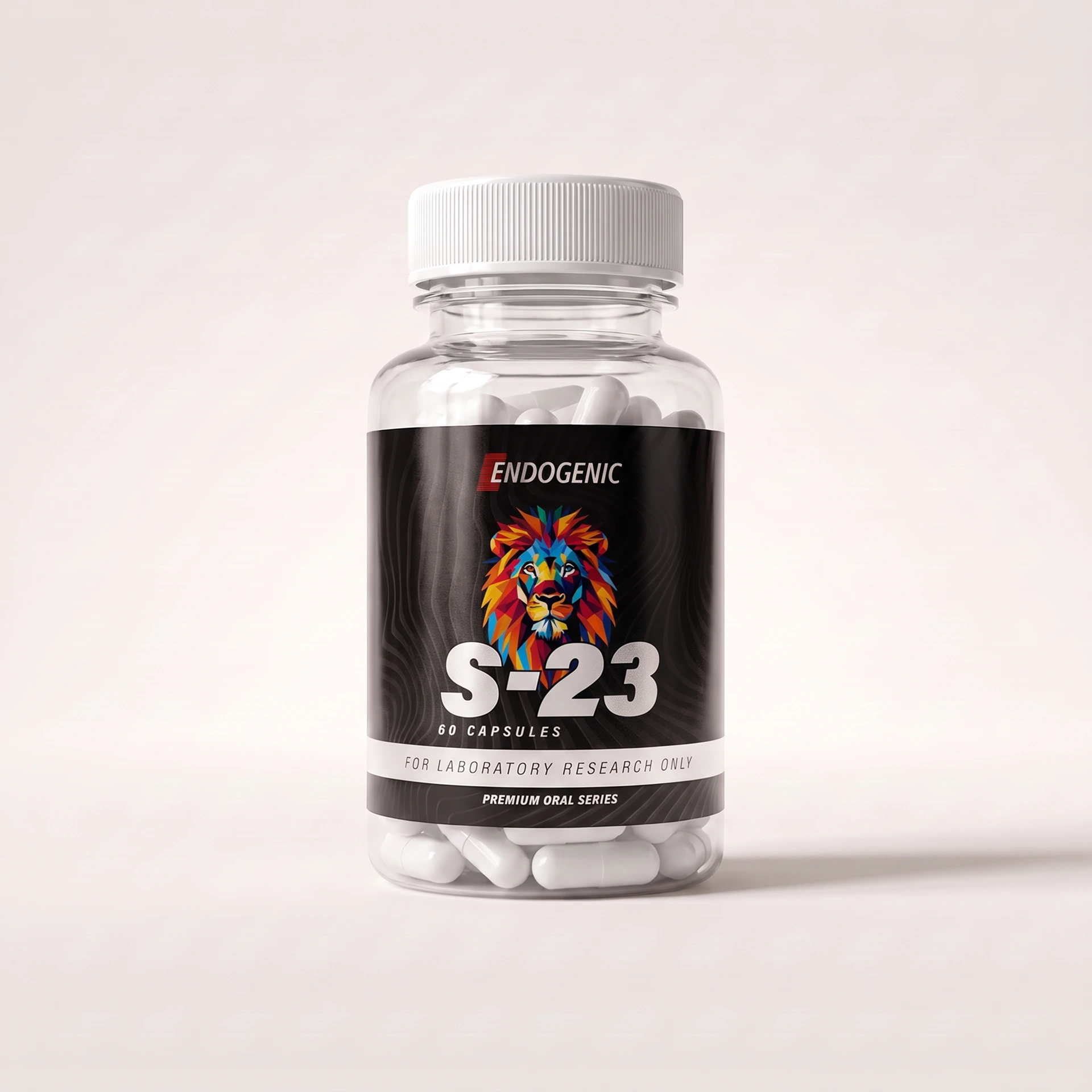
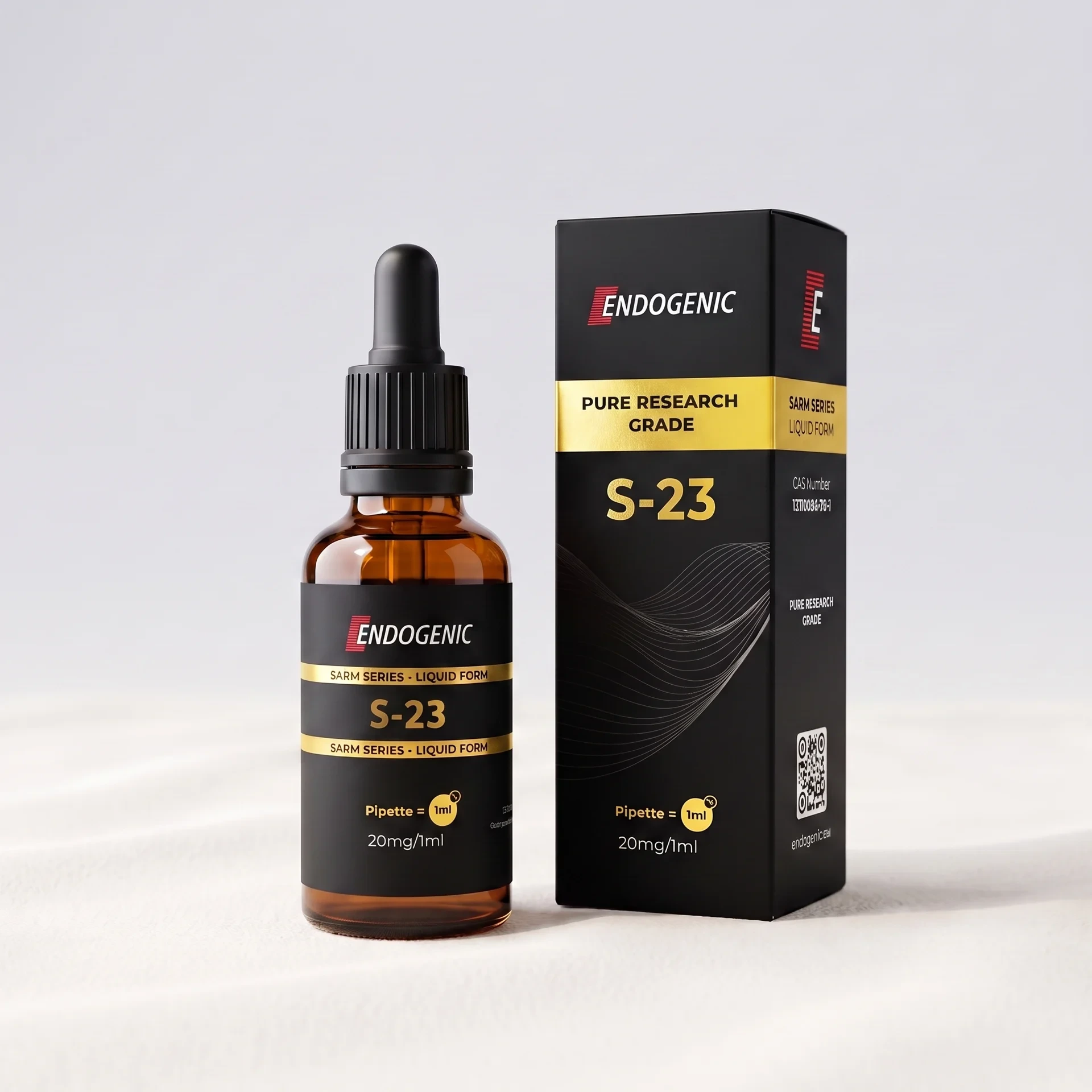
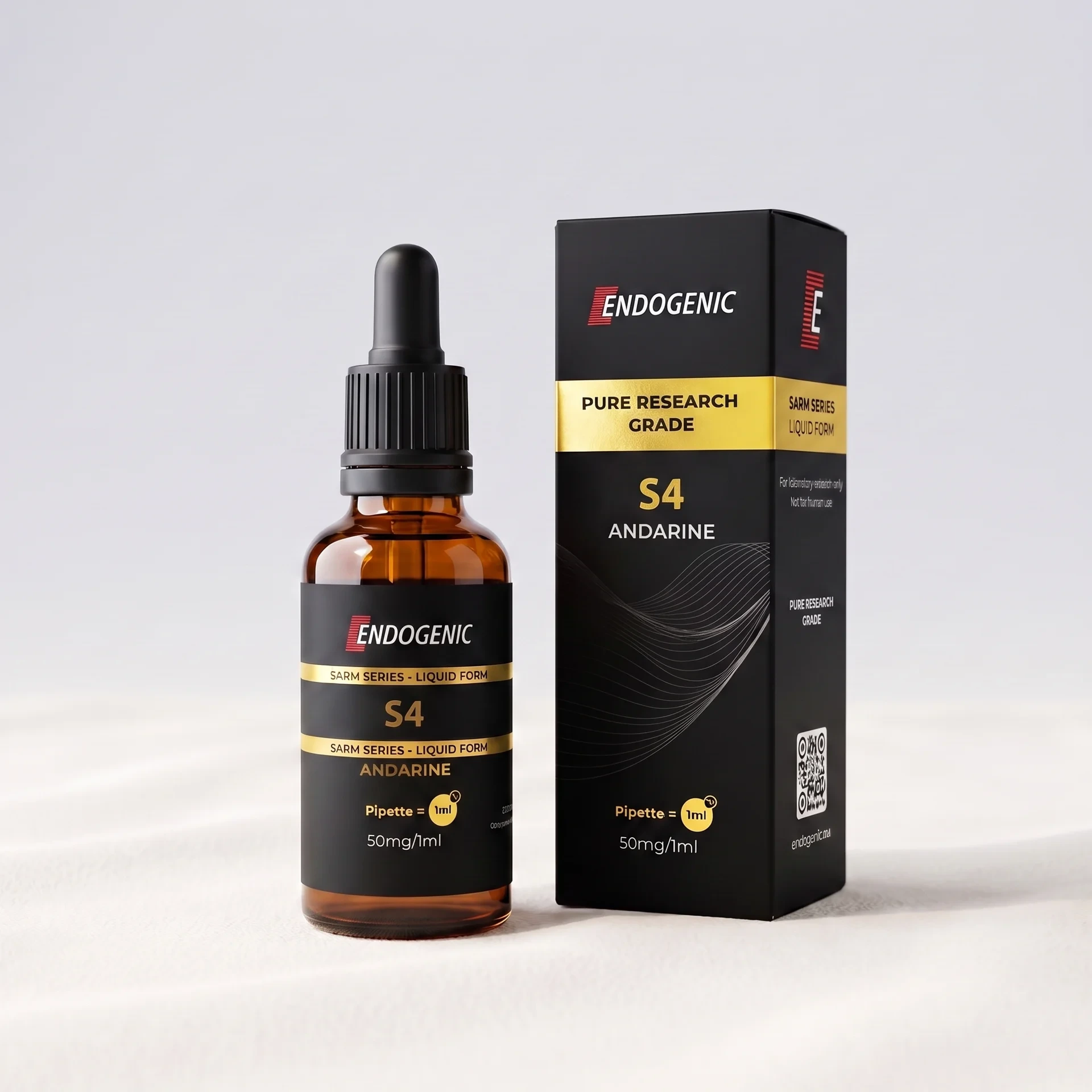
Ostarine (MK-2866), Ligandrol (LGD-4033), Testolone (RAD-140), Andarine (S4), S-23 and YK-11 are compounds studied as tissue-selective androgen receptor modulators. Example items: MK-2866 (Ostarine) 10 mg – capsules, LGD-4033 (Ligandrol) – 30 ml solution, RAD-140 (Testolone) – 30 ml solution.
Related compounds that are not SARMs
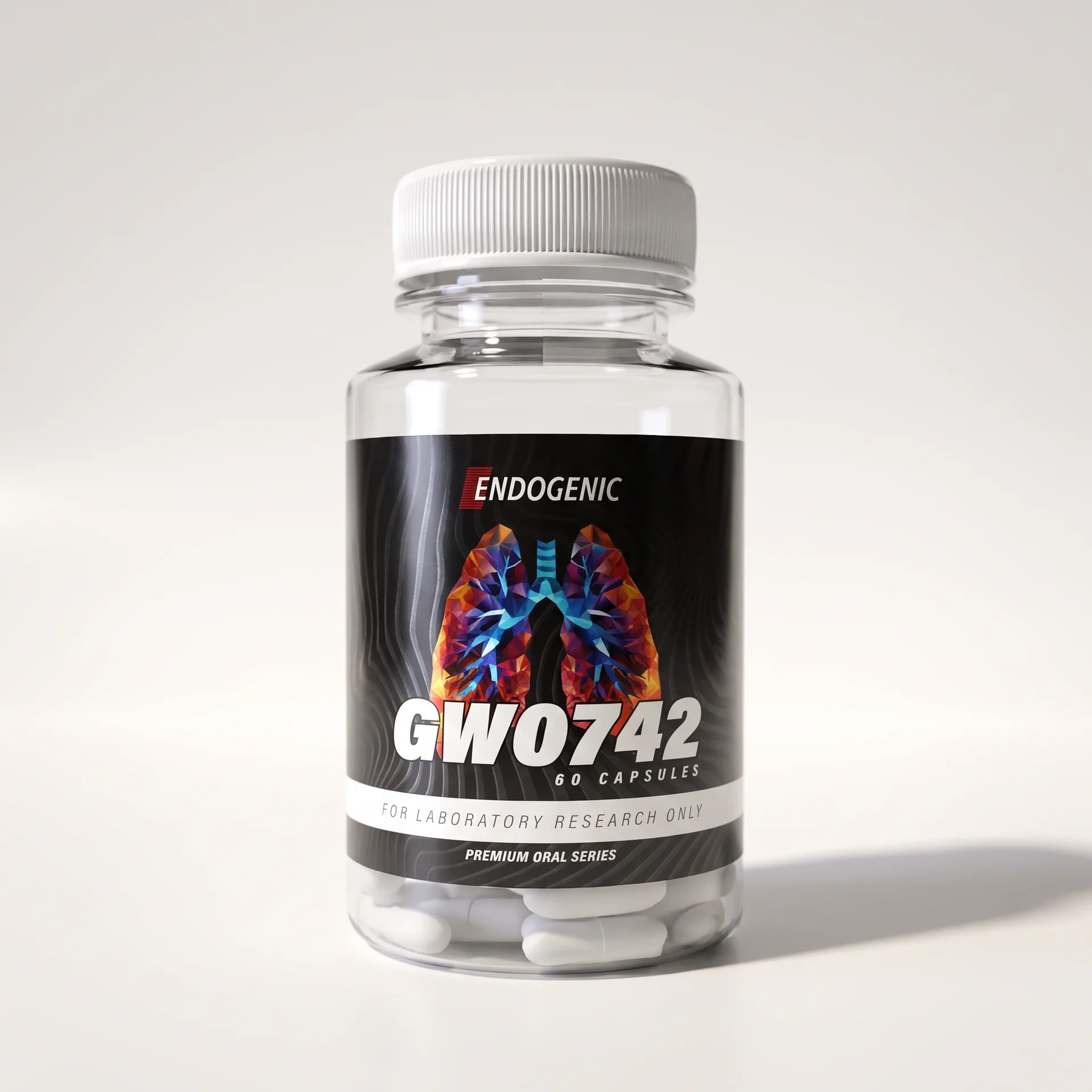
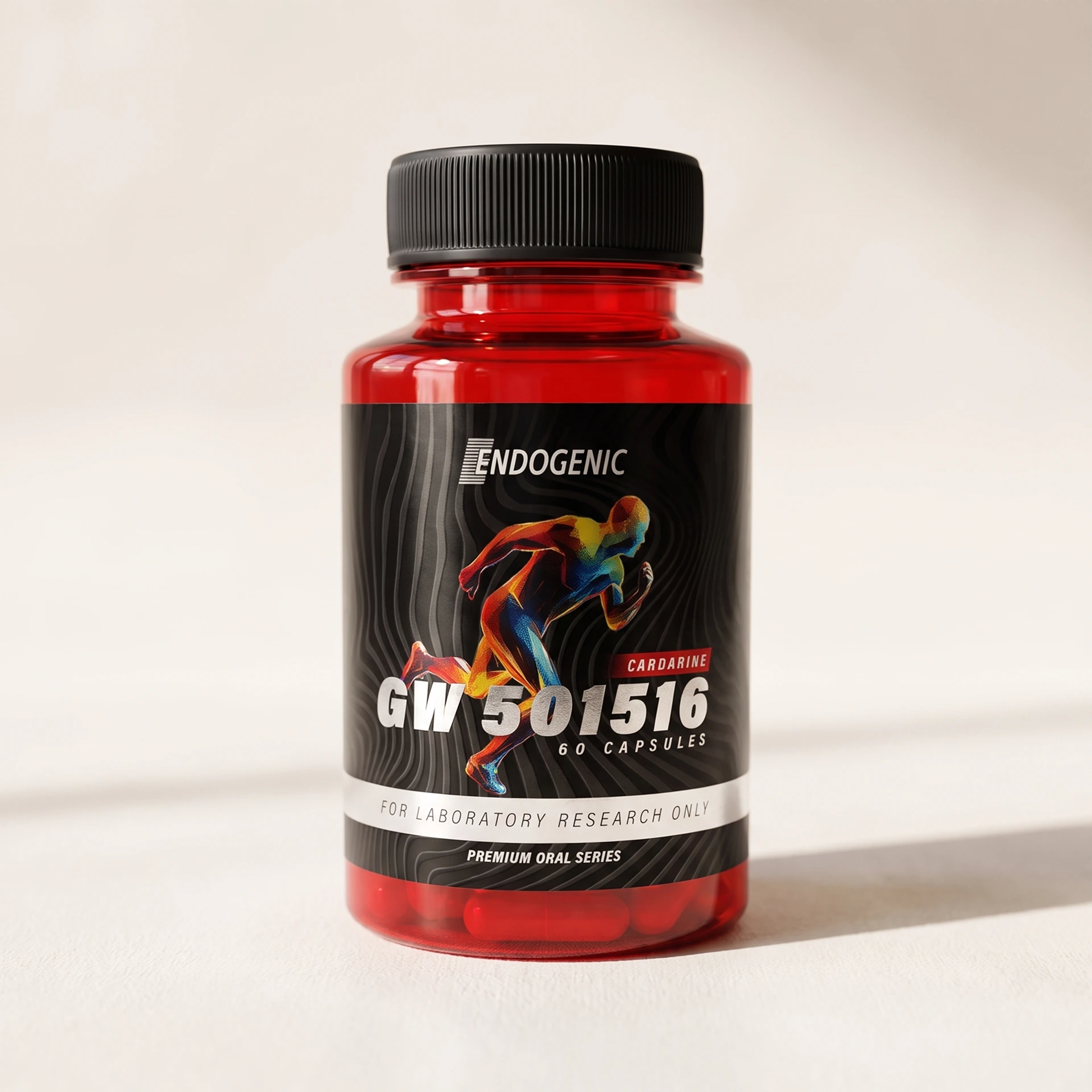
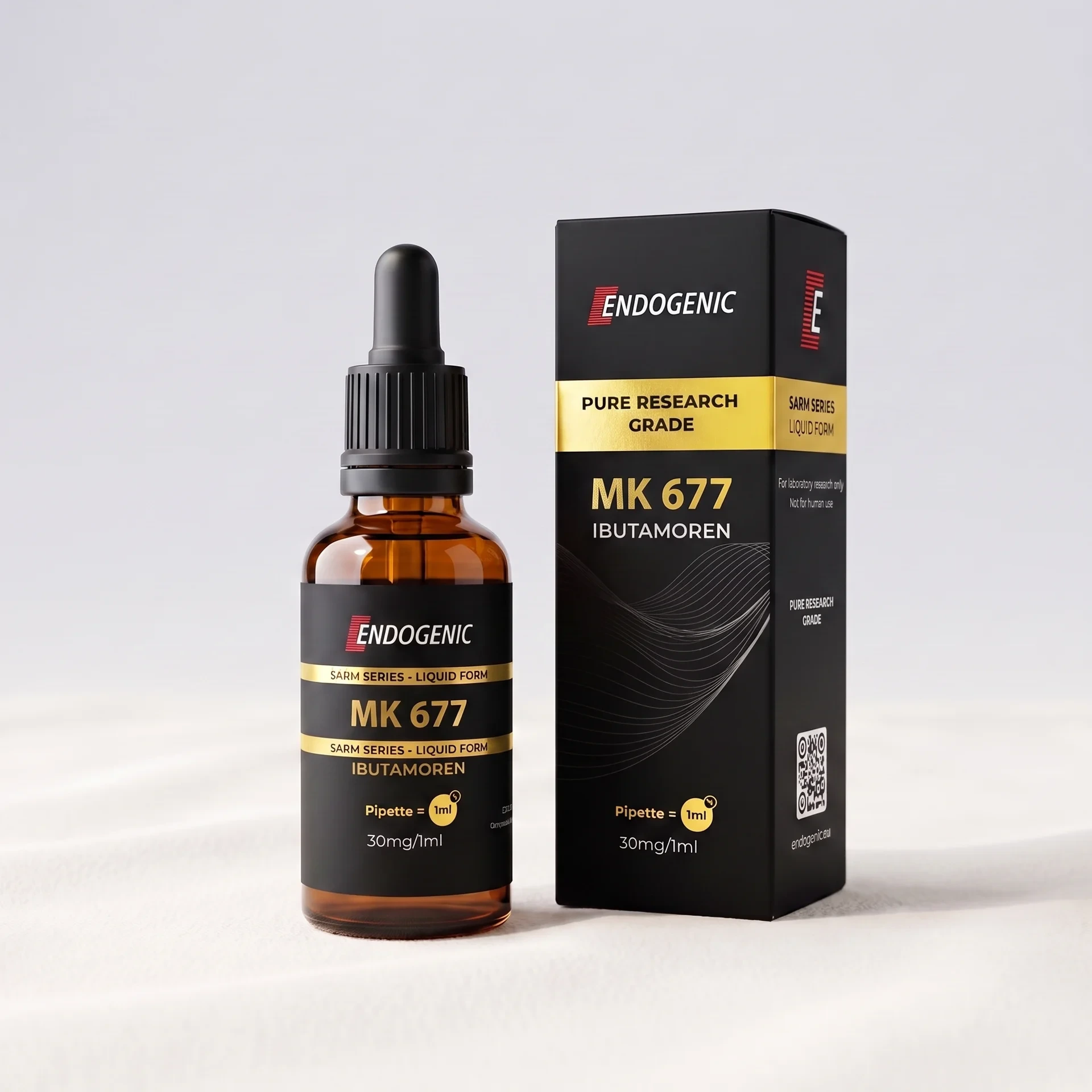
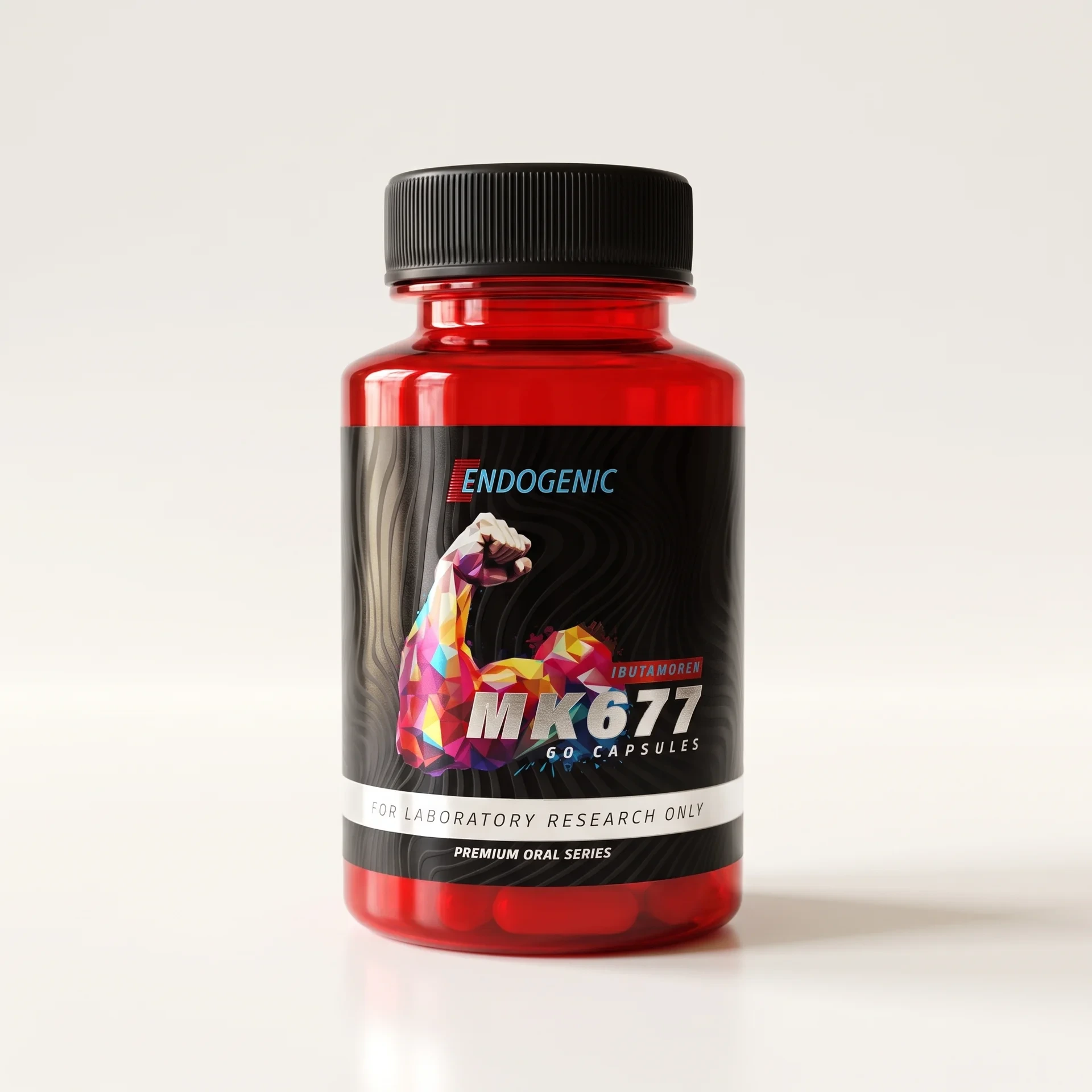
These compounds are not androgen receptor modulators, although the literature often groups them with SARMs. Cardarine (GW-501516) is a PPARδ receptor agonist, MK-677 (Ibutamoren) is a growth hormone secretagogue, and SR-9009 (Stenabolic) is a REV-ERB receptor agonist. Their mechanism has nothing to do with the androgen receptor.
You will find the available reagent forms in the subcategories: capsules and liquids.
Regulatory status
All true SARMs appear on the WADA List of Prohibited Substances and Methods in class S1.2 (other anabolic agents). The related compounds in this category are classified separately: Cardarine (GW-501516) S4.4, MK-677 (Ibutamoren) S2, SR-9009 (Stenabolic) S4.4. The binding sources are the ADAMS system and the annual update of the WADA List, so the researcher checks a compound’s status before starting work. These materials are research reagents and are not for preparing for sports competitions.
Applications in scientific research
Working concentrations are chosen by the researcher depending on the experimental model, and the category gives no doses or cycles. In the preclinical literature, compounds in this group appear in the following areas:
- models of muscle tissue anabolism and muscle protein synthesis in vitro,
- tissue selectivity studies: comparing the response of muscle and bone with that of the prostate and glandular tissues,
- characterisation of androgen receptor binding and activation at the molecular level,
- research into non-androgenic metabolic pathways (PPARδ, the GH/IGF-1 axis, REV-ERB and the circadian rhythm) for the related compounds,
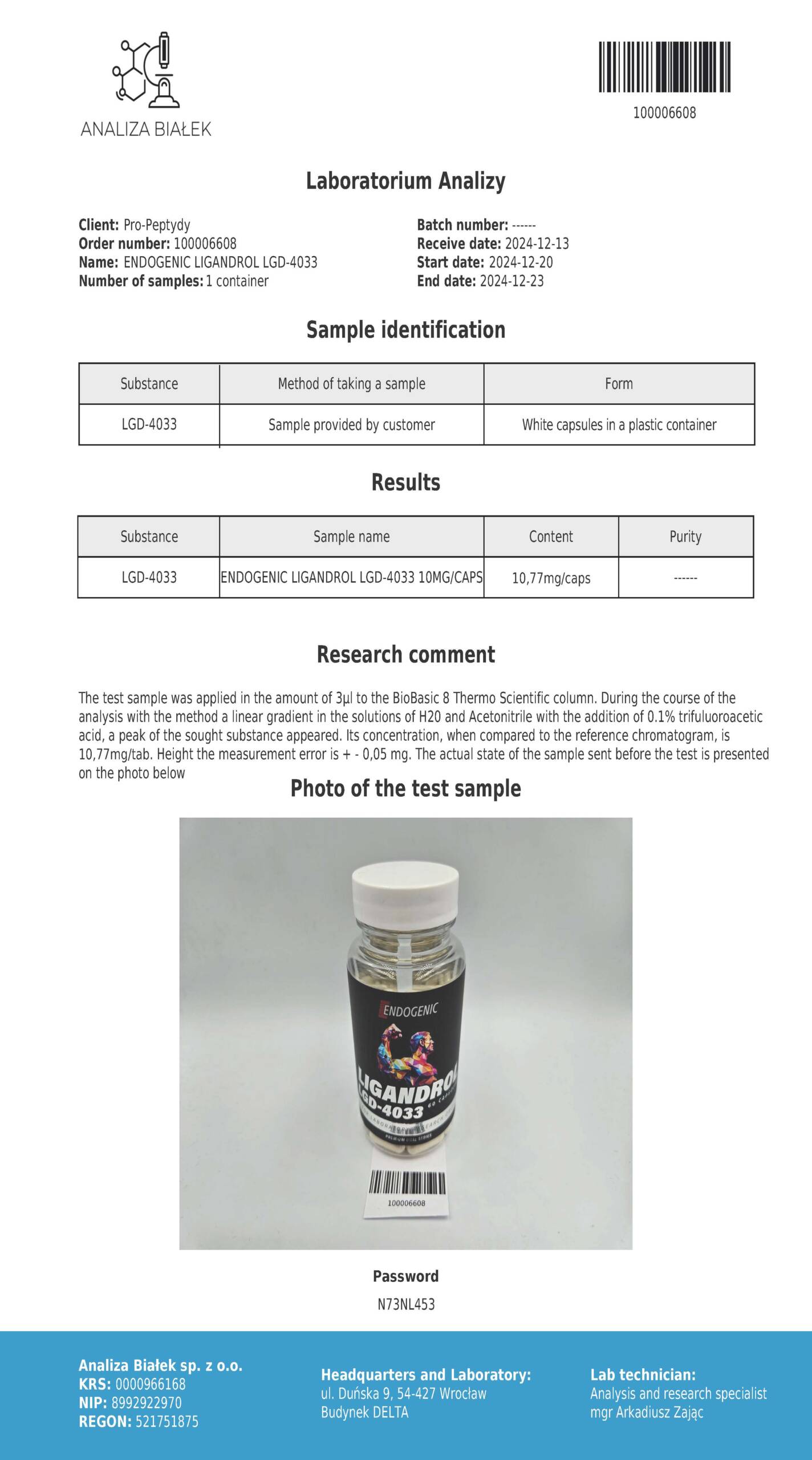
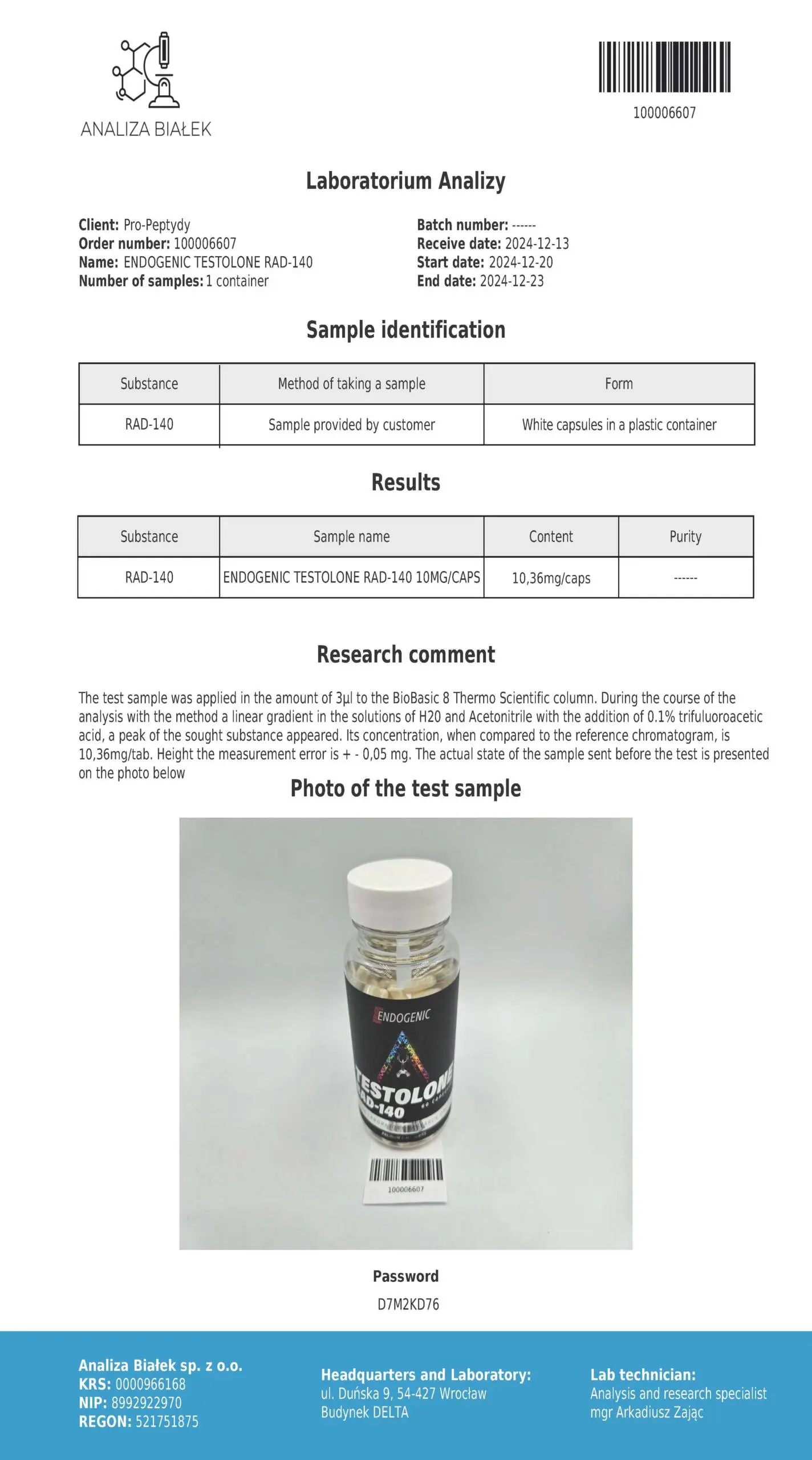
- characterisation of compound identity and purity by analytical methods (HPLC, mass spectrometry).
Scientific perspective
Data for this group come mainly from preclinical studies and early-phase clinical trials. No SARM holds a marketing authorisation as a medicinal product: none has completed the full approval pathway, and none has an established human safety profile. Results are interpreted with caution, with reference to the peer-reviewed literature rather than marketing materials.
Important distinction
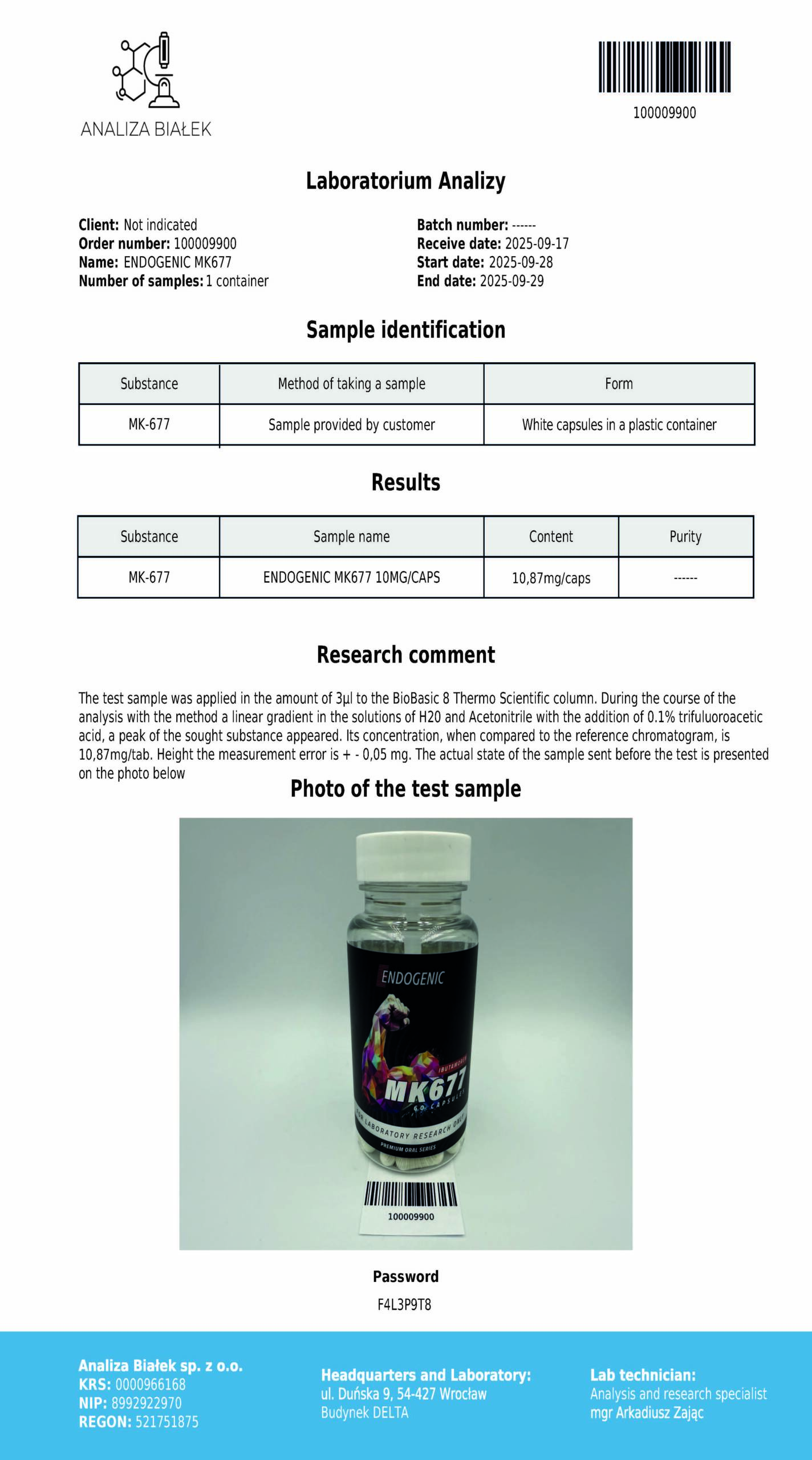
Physique promises (gains in mass or strength, or fat loss in humans) are unacceptable and contrary to the RUO purpose. The identity of each compound is confirmed by a certificate of analysis (COA).
Forms available in this category
- capsules: a weighed amount of the compound in solid form, which makes sample standardisation easier,
- solution (liquid): the compound dissolved in a carrier, ready for analytical work without a reconstitution step.
Frequently asked questions (FAQ)
How does a SARM differ from a related compound in this category?
A true SARM modulates androgen receptor activity in a tissue-selective way. The related compounds (Cardarine, MK-677, SR-9009) have other molecular targets and are included here solely because they sit close to SARMs in the literature.
May these reagents be used in humans?
No. They are materials for laboratory research only (RUO). They are not medicinal products or dietary supplements and are not intended for use in humans or animals.
How can the identity of a received compound be confirmed?
Identity and purity are documented by the certificate of analysis (COA) supplied with each batch. The researcher can additionally verify the compound by analytical methods, for example HPLC or mass spectrometry.
Why does the category give no dosing?
Because these are research reagents, not products for use. Working concentrations are chosen by the researcher depending on the model.