

DSIP was isolated on the basis of sleep observations: Schoenenberger and Monnier (1977) showed that rabbit blood dialysate in slow-wave sleep, administered to the recipient’s brain, induced an analogous EEG pattern dominated by delta waves (0.5–4 Hz). The active factor was isolated and named delta sleep-inducing peptide. In animal models, DSIP administration was associated with an increase in the proportion of delta waves and a modification of NREM sleep architecture. However, it should be emphasized that the effect was described at the level of EEG phenomenology and its replication between centers was inconsistent.
DSIP 5mg
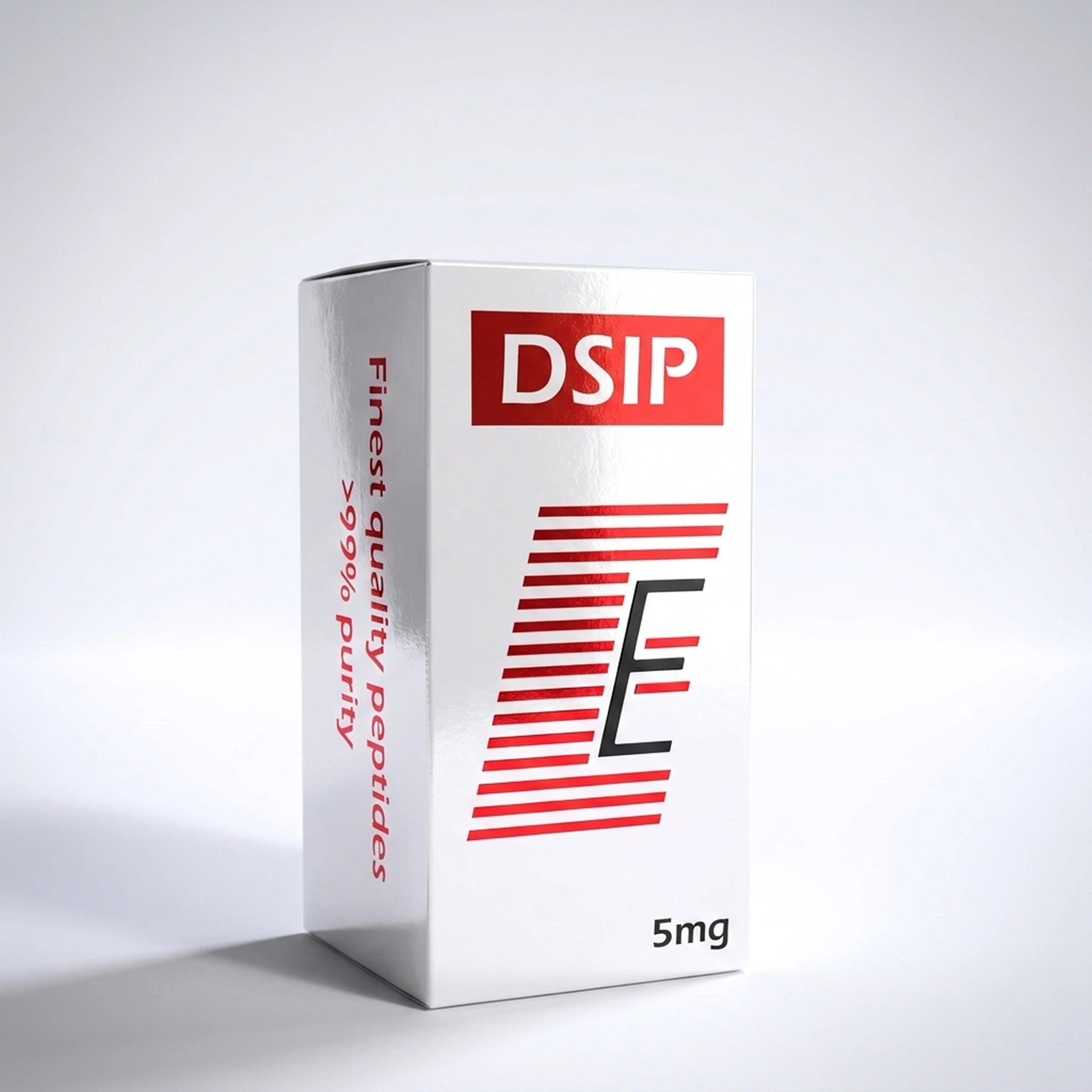
DSIP (Delta Sleep Inducing Peptide) 5 mg is a nine-amino acid linear peptide isolated by Schoenenberger and Monnier (1977). Tested in preclinical models in the context of delta sleep architecture, HPA axis and anti-stress effects. Chemical reagent intended only for laboratory tests.
25,99 €
Fast shipping
Delivery options
Free delivery from 350 €
Returns policy
DSIP 5 mg - Delta Sleep Inducing Peptide, research reagent
- DSIP: Delta Sleep Inducing Peptide, regulatory nonapeptide.
- 5 mg lyophilisate in a vial.
- Research Use Only reagent, not a medicinal product.
Product status information
Chemical reagent intended exclusively for laboratory tests (Research Use Only). It is not a medicinal product, dietary supplement or food. It is not intended for use on humans or animals. Sales only to registered research units and laboratories.
DSIP (Delta Sleep Inducing Peptide) is a nine-amino acid peptide with an unusual history – it was isolated in the 1970s not by gene sequencing or screening a library of extracts, but by observing its behavior. The team of Guido A. Schoenenberger and Marcel Monnier in Basel (Switzerland) showed that blood taken from a rabbit in a state of slow-wave sleep (delta), transfused into the brain of the recipient rabbit, induced an analogous electroencephalographic pattern in it.
The factor responsible for this transfer of the “sleep signal” was isolated and named Delta Sleep Inducing Peptide (Schoenenberger and Monnier, 1977). DSIP belongs to a group endogenous regulatory peptides with a neuromodulatory profile, studied in the context of sleep architecture, the hypothalamic-pituitary-adrenal (HPA) axis, circadian rhythm and response to stress. In the Endogenic Pro-Body line it is classified among peptides for sleep examined in terms of slow-wave sleep architecture.
Unlike many peptides with a clearly defined molecular target, DSIP remains after half a century of research compound with an unclear receptor mechanism — which makes it both a difficult research object and an interesting tool for studying the neurophysiology of sleep and adaptation to stress. The Endogenic Pro-Body line groups precisely such molecules: endogenous mammalian peptides with a signaling role, provided as reagents for further laboratory characterization.
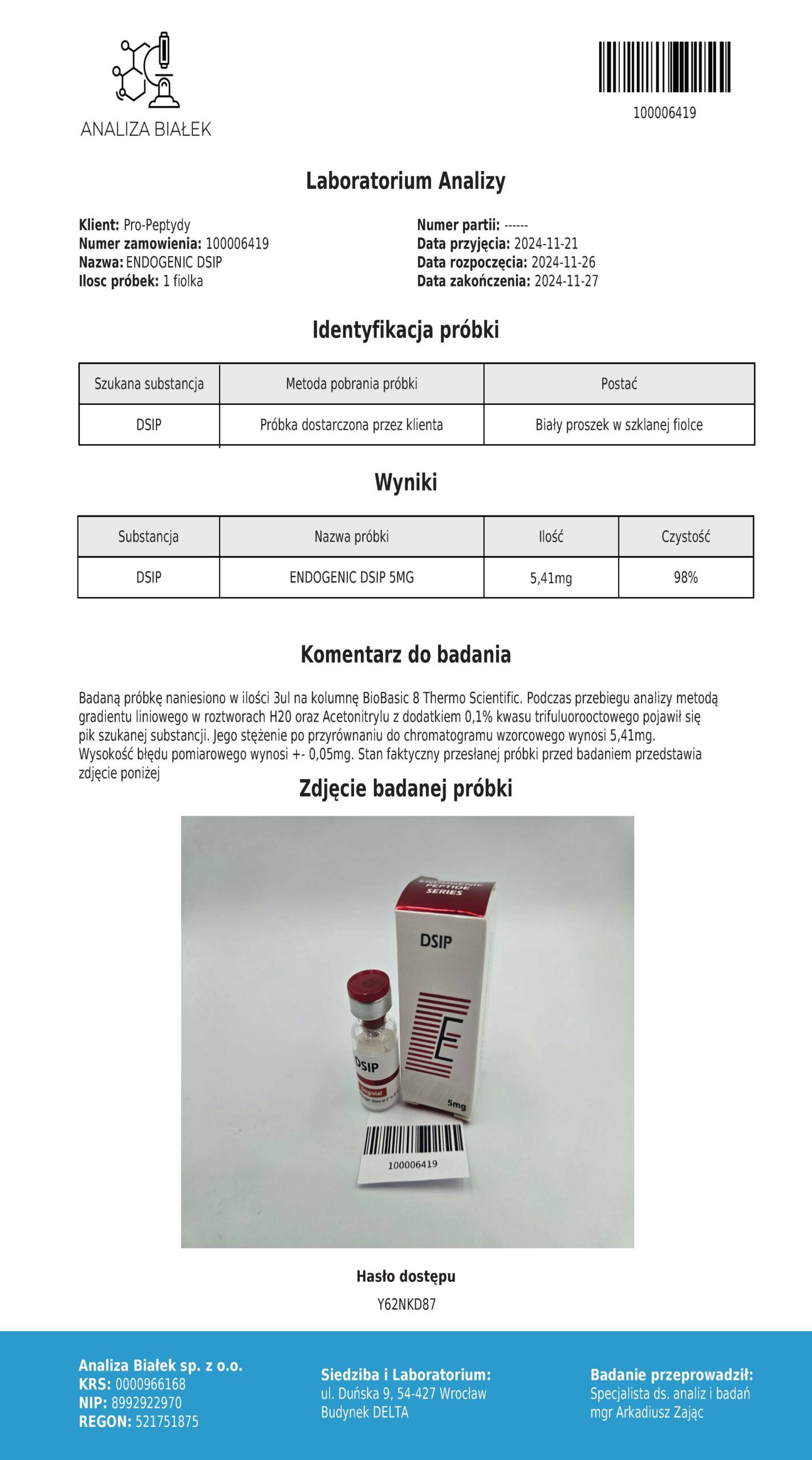
This reagent is supplied as lyophilisate in a 5 mg vial, reconstituted with bacteriostatic water. Purity verified by HPLC ≥98%, identity confirmed by mass spectrometry, COA available for each batch.
Regulatory status
DSIP is not registered as a medicine in the EU or USA. Despite decades of research on sleep, the HPA axis and anti-stress effects, the compound has never been approved as a medicinal product in any jurisdiction. Not authorized by EFSA as an ingredient of a dietary supplement. Marketing a product as a “sleep peptide”, “natural sleep aid” or human drug is inconsistent with the Research Use Only framework.
Slow wave sleep and the discovery of the delta factor
Mammalian sleep is divided into phases with different electroencephalographic signatures. Slow-wave sleep (SWS), also called delta sleep, is the deepest phase of NREM sleep – it is dominated by high-amplitude slow waves (delta band, 0.5–4 Hz). This is a phase associated with regeneration, memory consolidation and lowering the activity of the stress axis. The question of whether there is an endogenous humoral factor that could induce this condition became one of the classic problems of sleep neurophysiology in the second half of the 20th century.
The answer – at least partial – was DSIP. Schoenenberger and Monnier relied on the classic “humoral sleep transfer” paradigm: if transfusion of blood (and later dialysate fraction) from a sleeping animal induces sleep in the recipient, then an active factor must exist in the blood. After years of fractionating rabbit blood dialysate in delta sleep, the team isolated a peptide that, when administered intraventricularly, induced an EEG pattern characteristic of slow-wave sleep in the recipient.
The sequence of nine amino acids (Trp-Ala-Gly-Gly-Asp-Ala-Ser-Gly-Glu) was determined and confirmed by chemical synthesis. This discovery fits into a broader tradition of exploration “dream substance” (hypnotoxins, sleep factors) — endogenous molecules that regulate sleep, which also include prostaglandin D2, adenosine, pro-inflammatory cytokines (IL-1, TNF) and muramyl peptides. DSIP was one of the first chemically defined peptide candidates in this group, and also one of the most controversial – replication of the sleep induction effect turned out to be inconsistent between laboratories, which from the beginning surrounded this compound with an aura of an unsolved mystery.
The biological profile of DSIP observed in preclinical models extends beyond sleep itself and encompasses a broad spectrum of neuromodulatory activity:
- Modulation of slow-wave sleep architecture (delta) — influence on the proportion and organization of NREM sleep phases in animal models
- Modulation of the hypothalamic-pituitary-adrenal (HPA) axis — influence on the levels of cortisol, ACTH and corticotropin in stress models
- Anti-stress and adaptogenic effect — modification of response to stress stimuli and improvement of adaptation parameters in rodent models
- Circadian regulation and thermoregulation — influence on circadian rhythms and temperature parameters
- Antinociceptive and antioxidant profile — analgesic and protective observations against oxidative stress in models
DSIP occupies the position of a model peptide to be studied in this group endogenous sleep regulation and adaptation to stress — tools for studying the interface between sleep architecture and the neuroendocrine axis, despite the unresolved issue of its receptor.
What is DSIP?
Chemically, DSIP is a linear nonapeptide (nine amino acid residues) without C-terminal modification.
- Common name: DSIP, delta sleep-inducing peptide, slow-wave sleep peptide
- Sequence (9 aa): Trp-Ala-Gly-Gly-Asp-Ala-Ser-Gly-Glu (WAGGDASGE)
- CAS number: 62568-57-4 (in case of uncertainty – “to be verified in the batch COA”)
- Molecular formula: C₃₅H₄₈N₁₀O₁₅
- Molar mass: 848.81 g/mol
- Chemical class: linear nonapeptide, a mammalian endogenous regulatory peptide; no disulfide bridges stabilizing the structure
- Supplied form: lyophilisate in a vial, 5 mg of active substance, for reconstitution with bacteriostatic water; research grade ≥98% HPLC
Origin: DSIP was isolated and characterized in the 1970s in Basel (Switzerland) – the seminal work was published by Schoenenberger and Monnier (1977), isolating the agent from a slow-wave sleep rabbit blood dialysate and demonstrating its ability to induce a delta sleep EEG pattern after intraventricular administration. The sequence of nine amino acids was confirmed by chemical synthesis.
Over the next two decades, the compound was intensively studied in the context of sleep, the HPA axis, anti-stress effects, thermoregulation and nociception – mainly in rodent models and brain preparations. Despite this intensity of research, DSIP has never been characterized at the level of a clear receptor, and the replication of its main effect (delta sleep induction) has remained inconsistent between sites—hence the compound’s designation as an “unsolved mystery” (Kovalzon and Strekalova, 2006).
Mechanism of action at the molecular level
DSIP defies simple mechanistic description – unlike peptides with a defined receptor (like VIP for VPAC1/VPAC2), its main molecular target has not been clearly identified. The available picture is a collection of observations in preclinical models describing a multiaxial neuromodulatory profile without an established orthosteric receptor. Pharmacological profile observed in preclinical models:
- Slow wave sleep modulation (delta) — in classic experiments, the administration of DSIP (usually intraventricularly or intravenously) was associated with an increase in the share of delta waves in the EEG and a modification of the architecture of NREM sleep in animal models (Schoenenberger and Monnier, 1977). However, the receptor mechanism has not been fully characterized – the effect was described at the level of EEG phenomenology, not a specific receptor. Replication between laboratories has been inconsistent, representing one of the major outstanding strands of the literature (Graf and Kastin, 1984)
- Modulation of the hypothalamic-pituitary-adrenal (HPA) axis — in preclinical models, DSIP influenced the levels of stress axis hormones (corticotropin-releasing hormone CRH, ACTH, corticosterone/cortisol), with a profile described as suppressing the excessive response of the HPA axis to stressful stimuli. This direction has been associated with the observed anti-stress effect
- Anti-stress and adaptogenic effect — in stress models (immobilization stress, emotional stress), DSIP modified behavioral and biochemical parameters of the stress response, improving adaptation rates; area of research on “peptide modulators of stress resistance”
- Circadian regulation and thermoregulation — the effect of DSIP on circadian rhythms and thermoregulatory parameters was observed, consistent with the role of the peptide in the regulation of vegetative states related to sleep
- Antinociceptive and antioxidant profile — in some models, DSIP showed analgesic (antinociceptive) activity and properties limiting oxidative stress markers; research directions on the protective profile of the peptide against metabolic loads
Pharmacokinetic profile (based on preclinical models and historical data):
- Plasma half-life: very short, on the order of minutes – linear peptide without stabilizing disulfide bridges, sensitive to rapid plasma and tissue proteolysis
- Penetration of the blood-brain barrier: debated; some of the central effects in the protocols were obtained after intraventricular administration (i.c.v.) to ensure central exposure
- Metabolism: rapid hydrolysis of peptide bonds by plasma and tissue peptidases
- PK profile in humans: insufficiently characterized; fragmentary and historical data available
DSIP and other sleep factors – research item: In the landscape of endogenous sleep regulators, DSIP occupies a position different from better characterized molecules:
- Adenosine — works through defined A1/A2A receptors, with a clear mechanism for increasing sleep pressure
- Prostaglandin D2 — acts through the DP receptor, with a documented somnogenic pathway
- Somnogenic cytokines (IL-1, TNF) — act through their own cytokine receptors, linking sleep with the immune response
- DSIP — there is no established receptor; its profile was described phenomenologically (EEG, HPA axis, stress parameters), which makes it both an “unsolved mystery” and a specific tool for studying humoral regulation of sleep beyond classical receptor pathways
The broader context of the classification of compounds with a neuromodulatory profile – which also includes DSIP as a peptide sleep factor – organizes the review nootropic substances – what they are and when to use them.
Applications in scientific research
DSIP is used as a research reagent in several areas of neurophysiology and neuroendocrinology. In vivo models (rat, mouse, rabbit, EEG-recorded sleep models, stress models) examine its impact on slow-wave sleep architecture, HPA axis parameters and stress responses. Research is being conducted on its tissue distribution, stability and possible binding sites in in vitro models and brain preparations. Specific research directions include:
- Neurophysiology of sleep — DSIP as a model peptide sleep factor; study of humoral regulation of slow-wave sleep and organization of NREM phases with EEG recording
- Hypothalamic-pituitary-adrenal (HPA) axis — study of the effect on CRH, ACTH and corticosterone/cortisol; models of suppressing excessive stress response
- Models of stress and adaptation — immobilization and emotional stress; assessment of the anti-stress and adaptogenic profile of regulatory peptides
- Chronobiology and thermoregulation — the role of DSIP in the regulation of circadian rhythms and temperature parameters related to sleep
- Nociception and oxidative stress — research on the antinociceptive profile and properties limiting oxidative stress markers in stress models
Within the Endogenic line, DSIP is found alongside other endogenous regulatory peptides studied for adaptation to stress and mood – a related tool with an anxiolytic profile studied in models of anxiety and memory is Selank 5mg. The area common to both – modulation of well-being and response to stress – is gathered in a category peptides to improve well-being. Another endogenous regulatory peptide with affinity for chronobiology (pineal axis, circadian rhythm) being studied in this line is Epithalon 10mg.
Regulatory status
DSIP not listed on the WADA prohibited substances list (as of 2024). As an endogenous regulatory peptide with a very short half-life, it is not classified in the anti-doping program. Registered Athletes (ADAMS) should still check the current list before making any decision, as the classification of substances in future WADA updates may change. DSIP is not registered as a medicine in any jurisdiction; despite decades of research on sleep and the HPA axis, the compound has never entered clinical practice.
Summary
DSIP (Delta Sleep Inducing Peptide) is a nine-amino acid linear peptide with the sequence Trp-Ala-Gly-Gly-Asp-Ala-Ser-Gly-Glu, isolated in the 1970s by Schoenenberger and Monnier in Basel from rabbit blood dialysate in a state of slow-wave sleep. In preclinical models, it has been associated with modulation of delta sleep architecture, influence on the hypothalamic-pituitary-adrenal axis (CRH, ACTH, cortisol), anti-stress and adaptogenic effects, circadian regulation and thermoregulation, and antinociceptive and antioxidant profiles.
The most important substantive reservation: despite decades of research the mechanism of DSIP remains poorly characterized — no clear receptor, and replication of the main effect (delta sleep induction) was inconsistent between laboratories, making the compound an “unsolved mystery” of sleep neurophysiology (Kovalzon and Strekalova, 2006). Regulatory Status – Research Use Only; lack of registration as a medicine; WADA status: not listed.
Bibliography
- Schoenenberger GA, Monnier M (1977). Characterization of a delta-electroencephalogram (-sleep)-inducing peptide. PubMed
- Graf, M. V., Kastin, A. J. (1984). Delta-sleep-inducing peptide (DSIP): a review. PubMed
- Kovalzon VM, Strekalova TV (2006). Delta sleep-inducing peptide (DSIP): a still unresolved riddle. PubMed
- Umriukhin PE, Koplik EV, Sudakov KV (2012). Dizocilpine and cycloheximide prevent inhibition of c-Fos gene expression by delta sleep-inducing peptide in the paraventricular nucleus of the hypothalamus in rats with different resistance to emotional stress. PubMed
- Bes F, Hofman W, Schuur J, Van Boxtel C (1992). Effects of delta sleep-inducing peptide on sleep of chronic insomniac patients. A double-blind study. PubMed
FAQ
Unlike peptides with a defined molecular target, DSIP has not had a clearly identified receptor or signaling pathway after half a century of research. Its profile was described phenomenologically – EEG changes, HPA axis hormone levels, stress response parameters – and not by a specific binding site. Additionally, replication of the main effect (delta sleep induction) was inconsistent between laboratories. This combination of a multiaxial profile and the lack of an established receptor has led to DSIP being referred to as an “unsolved mystery” in the literature (Kovalzon and Strekalova, 2006).
In preclinical models, DSIP affected hypothalamic-pituitary-adrenal axis hormones—corticotropin-releasing hormone (CRH), ACTH, and corticosterone/cortisol—with a profile described as dampening the excessive stress axis response to stimuli. This direction has been associated with the anti-stress and adaptogenic effects observed in stress models (immobilization stress, emotional stress). These observations apply only to animal models and do not constitute a basis for claims about the effect in humans.
NO. DSIP is not currently on the WADA Prohibited Substances List. It is an endogenous regulatory peptide with a very short half-life, which further complicates its possible analytical detection. Registered Athletes (ADAMS) should still check the current list before making any decision, as the classification of substances in future WADA updates may change. DSIP is a linear peptide without disulfide bridges stabilizing the structure – which makes it more susceptible to thermal degradation, hydrolysis and deamidation of Asn/Gln residues than cyclic peptides. The stability of the solution is limited.
NO. Despite decades of intensive research on sleep, the HPA axis and anti-stress effects, DSIP has never been registered as a medicinal product in any jurisdiction. Several factors contributed to this: an unclear receptor mechanism, inconsistent replication of the main effect between laboratories, and a very short half-life making maintenance of exposure difficult. All currently available data should be treated as research material, and the RUO Pro-Body reagent itself is intended only for further laboratory tests.
0.0
0 reviews
This product has no reviews yet.
Customers also bought
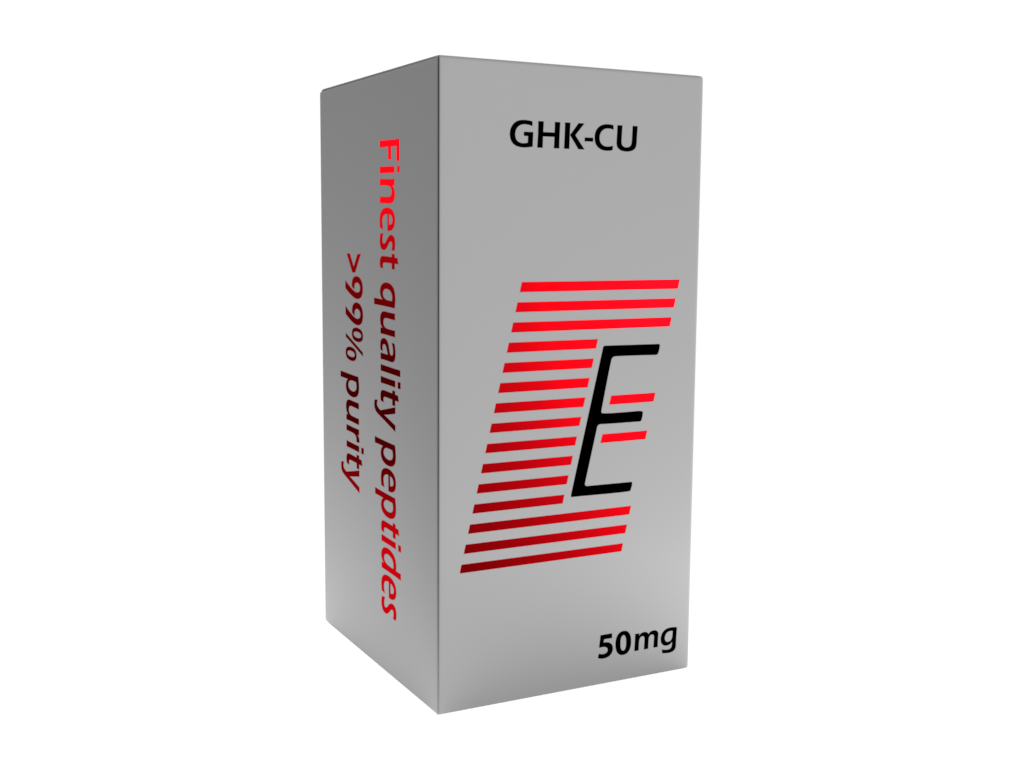
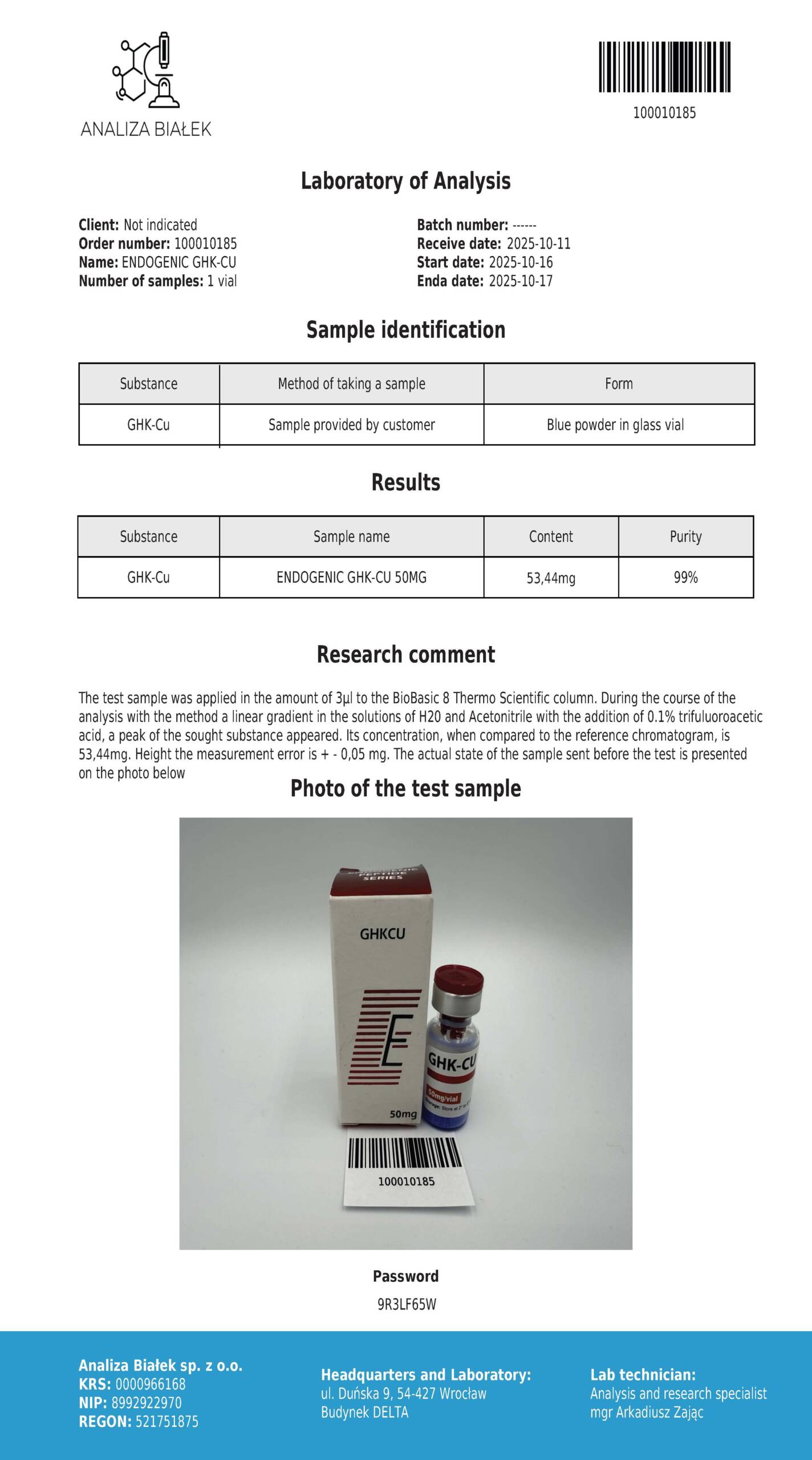
GHK-Cu 50mg
GHK-Cu 50mg
52,99 €