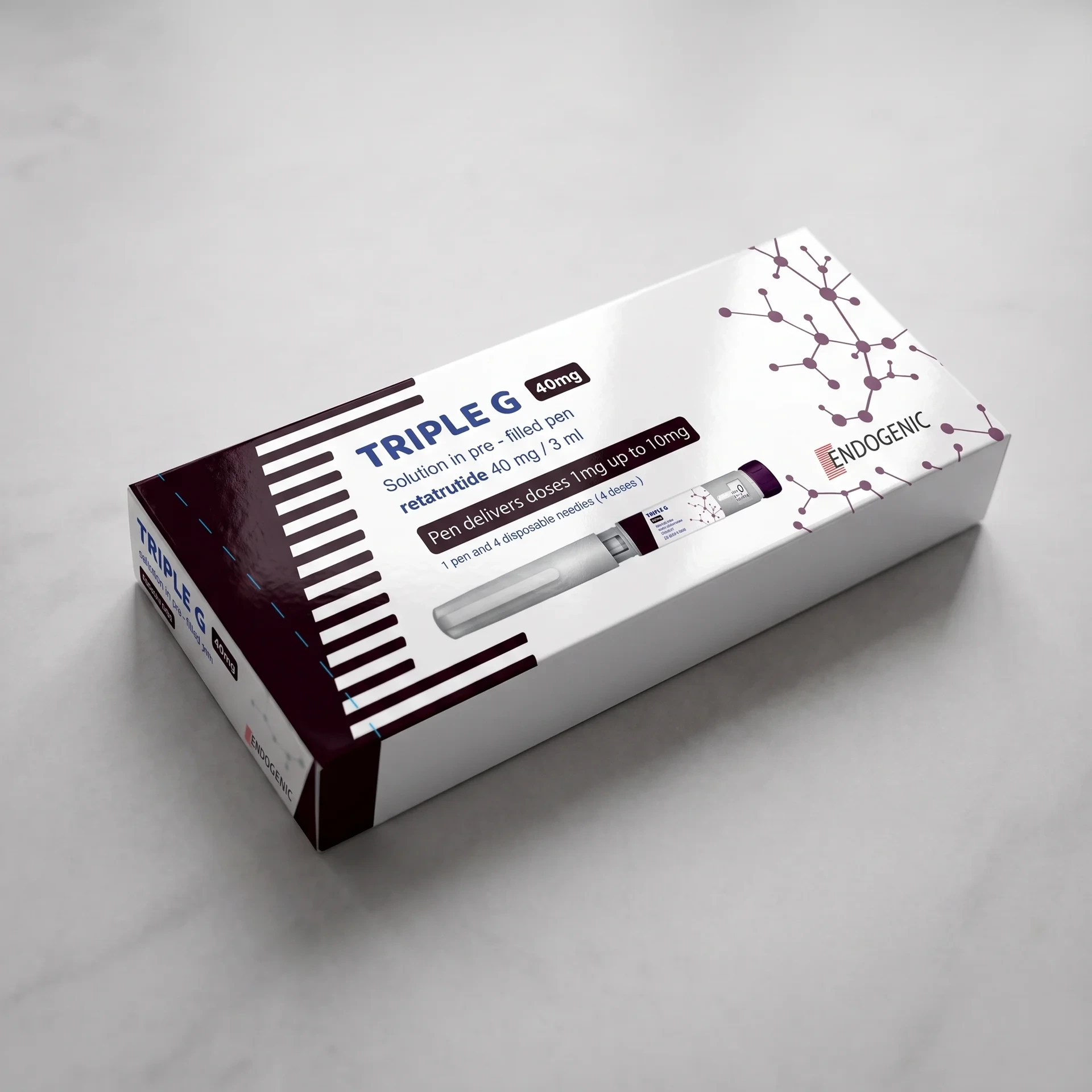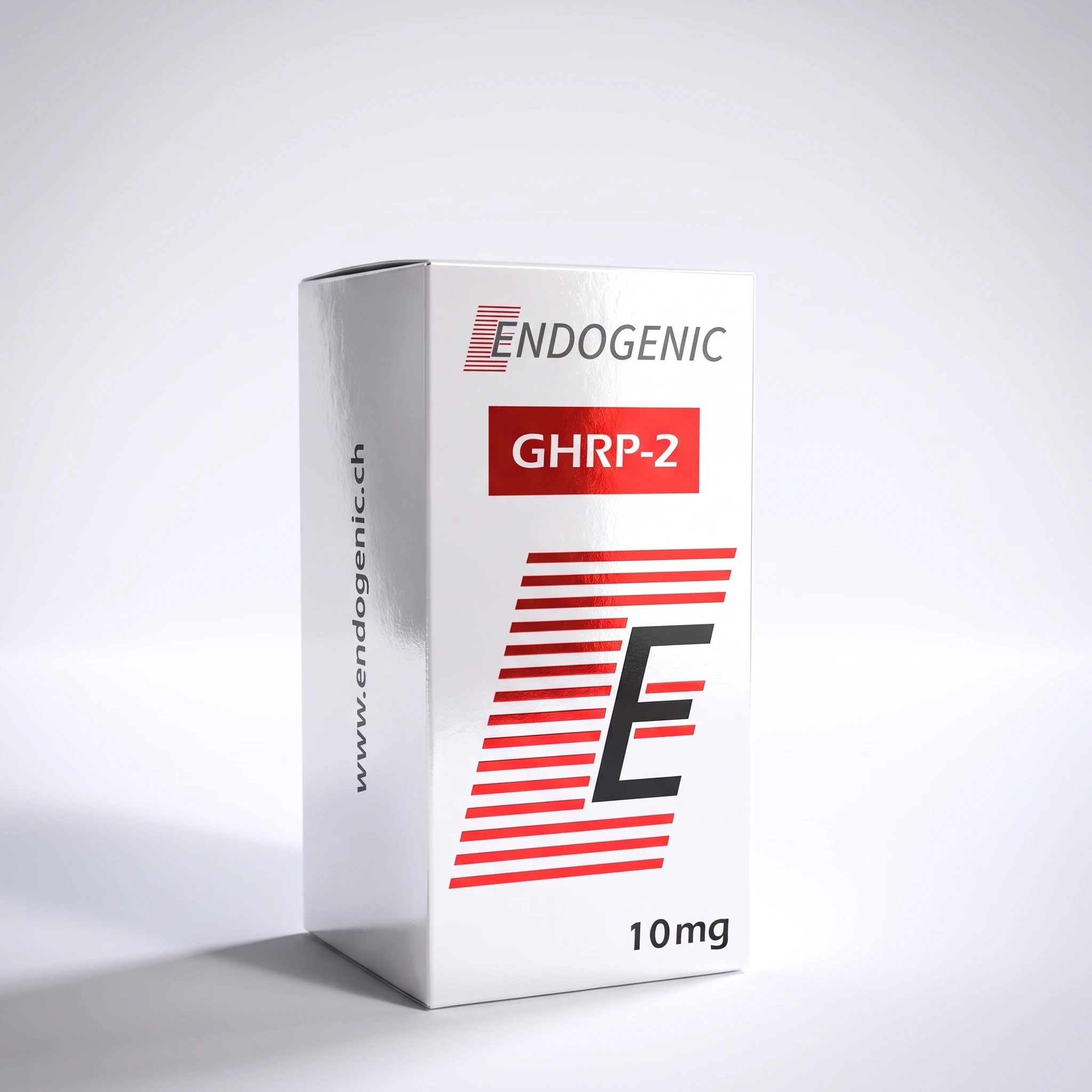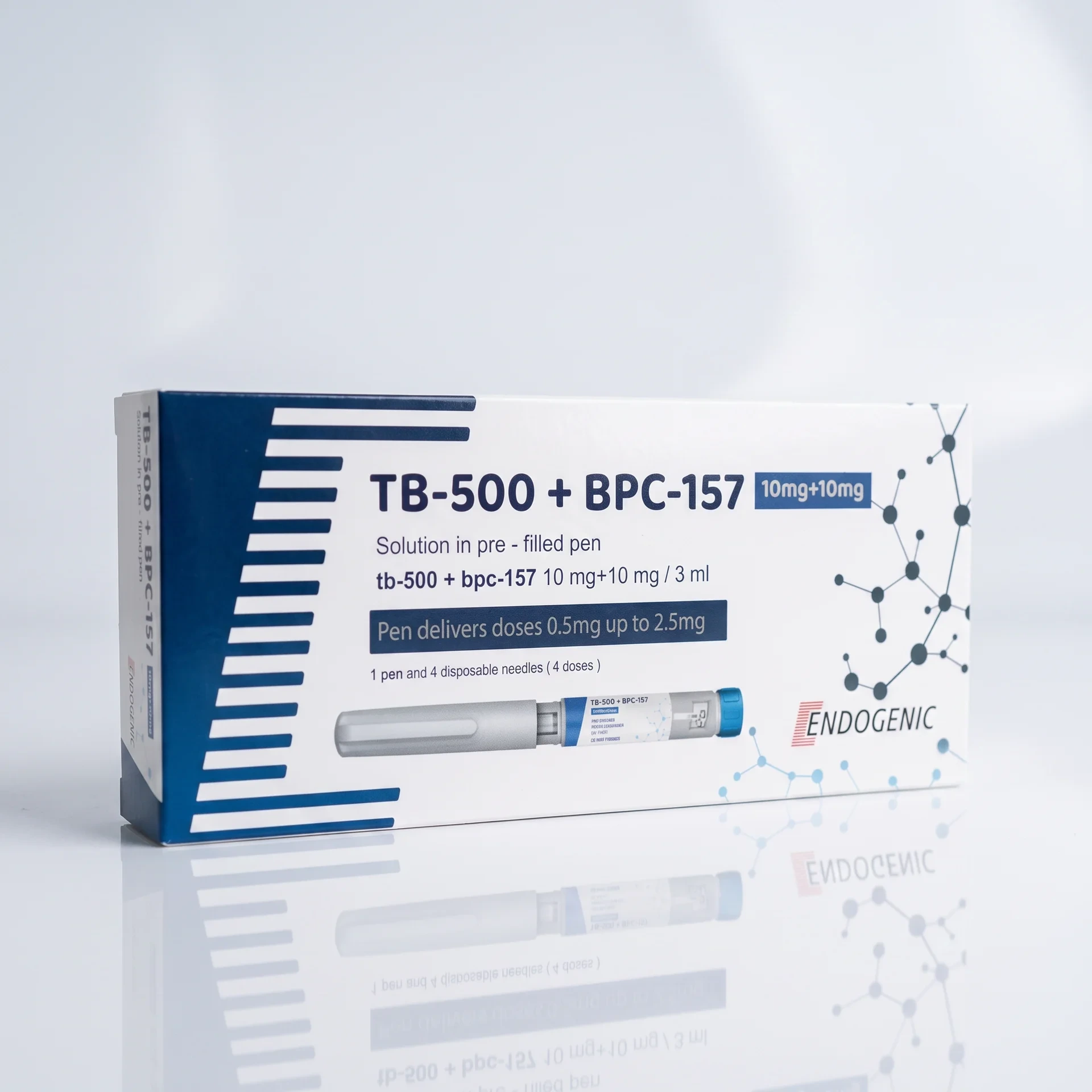


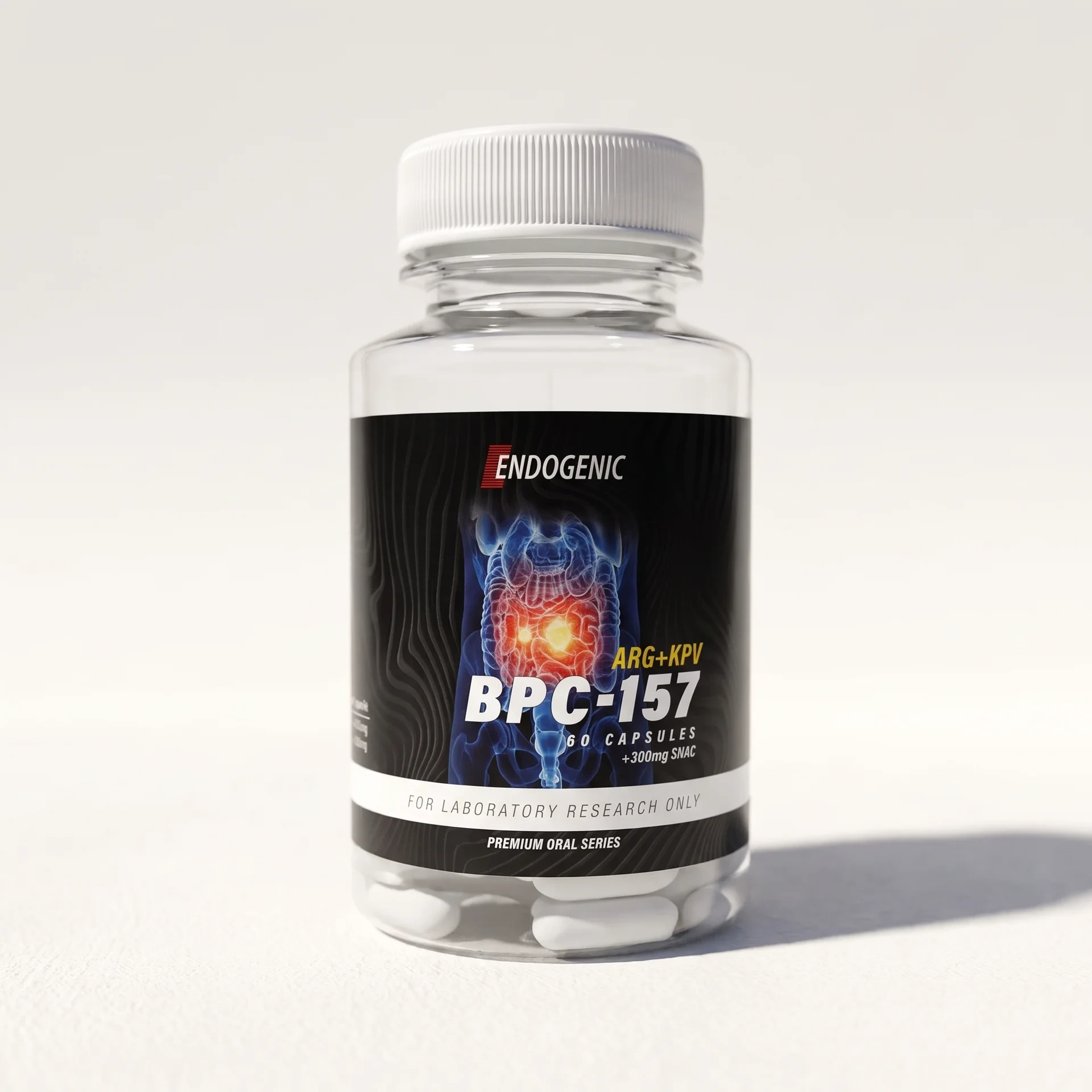
Two distinct gut peptides combined in one oral capsule. The first one is ARG BPC-157 — arginine salt of gastric pentadecapeptide (Body Protection Compound, sequence GEPPPGKPADDAGLV), described in the literature as a cytoprotective and pro-angiogenic compound. The second one is KPV — Lys-Pro-Val tripeptide, C-terminal fragment of α-MSH, described as an anti-inflammatory component (NF-κB inhibition, PepT1 transport). The exact ratios of both peptides per capsule remain to be verified in the COA and on the batch label – the binding identity document is the certificate of analysis.
ARG-BPC-157 +KPV 60 caps
Blend ARG BPC-157 + KPV in capsules — two intestinal peptides in oral form, for laboratory tests. ARG BPC-157 (arginine salt of gastric pentadecapeptide), KPV (Lys-Pro-Val tripeptide, α-MSH fragment) complementary anti-inflammatory effect. RUO reagent
71,99 €
Fast shipping
Delivery options
Returns policy
ARG BPC-157 + KPV in capsules - a blend of intestinal peptides
- ARG-BPC-157 + KPV: a blend of two intestinal peptides.
- Pack of 60 capsules; verify component proportions in the batch COA.
- Research Use Only reagent, not a medicinal product.
Blend combines two peptides with different anti-doping status. BPC-157 has been on the WADA Prohibited List since 2022 – Category S0 (unapproved substances), involving pharmacological compounds without approval from any regulatory agency for human use. KPV is not currently on the WADA Prohibited List as a substance mentioned by name – however, the lists are updated annually and collective categories (e.g. S0) may include compounds without mentioning them by name.
In the Pro-Body catalog, the ARG blend BPC-157 + KPV appears only as RUO research reagent, not as an adjunct. Registered athletes (ADAMS) must check the current list of prohibited substances before making any decision.
ARG BPC-157 + KPV in capsules from the Endogenic line is a blend of two intestinal peptides combined in one oral capsule. The first of them, ARG BPC-157, is the same gastric pentadecapeptide that Predrag Sikiric’s team isolated in Zagreb in 1991 as a fragment of the protective protein of the gastric mucosa (Body Protection Compound) – here in the form of an arginine salt.
The second one, KPV, is the shortest active fragment of the hormone α-melanotropin (α-MSH), a Lys-Pro-Val tripeptide described in the literature as an anti-inflammatory component. Blend juxtaposes these two molecules around one research axis: integrity and inflammation of the intestinal mucosa. The logic of this combination is molecular, not marketing. Both peptides act in the gastrointestinal tract, but by different mechanisms.
BPC-157 is described in the literature primarily as a cytoprotective and pro-angiogenic compound – supporting epithelial repair and microcirculation of the gastrointestinal wall. This makes it one of the most frequently studied peptides for regeneration tissues. KPV, on the other hand, silences the inflammatory signal at the source by inhibiting the NF-κB pathway, and is transported into epithelial cells by the PepT1 transporter.
These are two different but complementary intestinal axes – one organizes reparation and vascularization, the other limits the inflammatory response. This is why blends combining both peptides in protocols for intestinal integrity and inflammation appear on the market. Neither BPC-157 nor KPV is registered as a drug in any jurisdiction, and their clinical development has not been completed in phase III studies in humans.
This is a typical picture for the entire class of intestinal peptides: strong signal from preclinical models (rodents, cell cultures), lack of full clinical confirmation. Therefore, the ARG BPC-157 + KPV blend is marketed as Research Use Only reagent — a molecular tool for laboratory work, not a medicinal form. This format is provided as 60 capsules; the exact amounts of each peptide per capsule remain for verification in the COA and on the batch label.
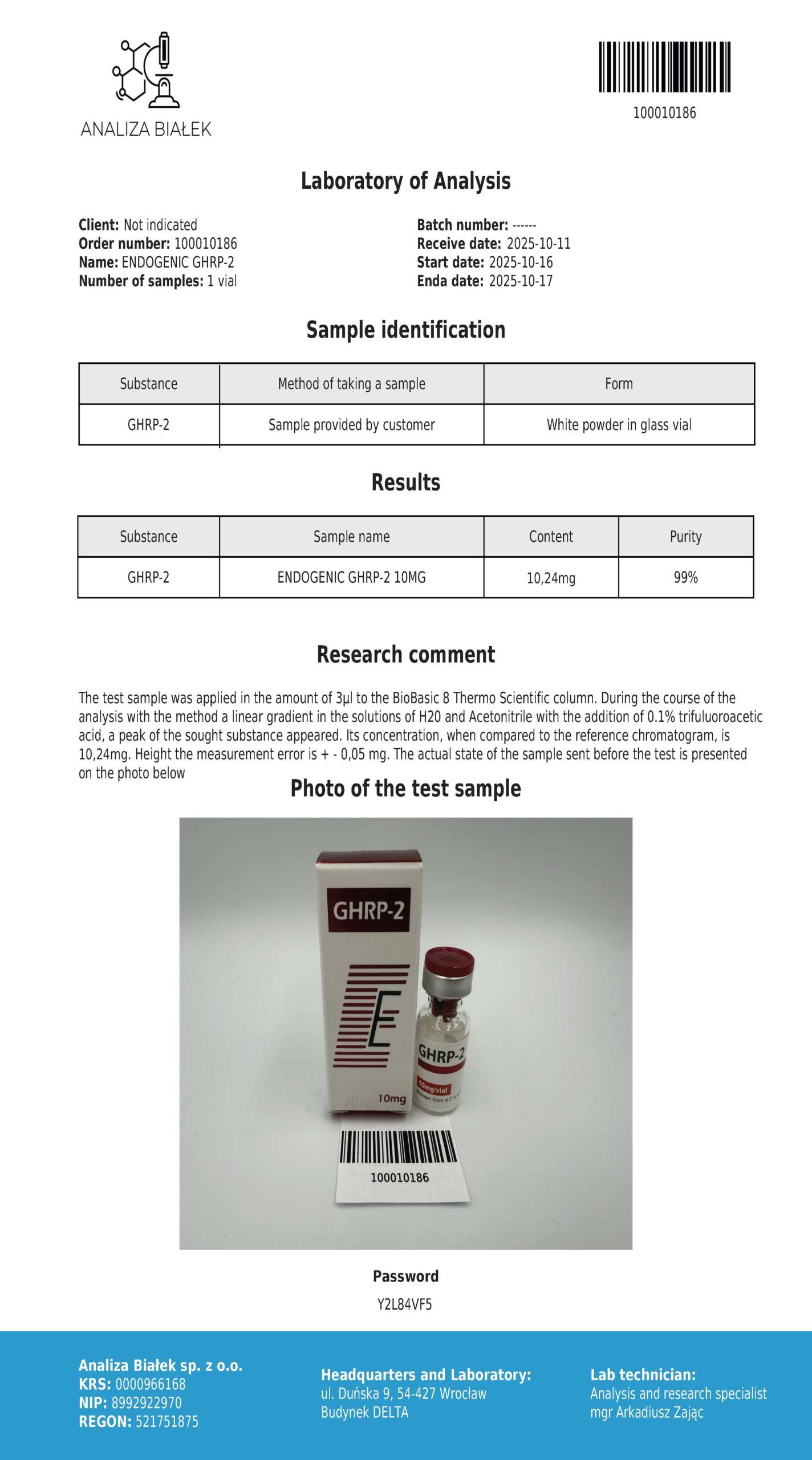
Purity of each peptide verified by HPLC ≥98%, identity of both molecules confirmed by Q-TOF mass spectrometry, COA available for each batch.
ARG BPC-157 + KPV — two peptides, one intestinal axis
Blend ARG BPC-157 + KPV is designed around one research area: mucosal integrity and inflammatory response in the intestine. This is an axis in which each of the two peptides makes a different molecular contribution, well described in the literature.
BPC-157 (arginine salt) – cytoprotective component. Gastric pentadecapeptide with a sequence of fifteen amino acids, a fragment of the natural protective protein of gastric juice. In the preclinical literature, it is described primarily in the context of protection of the gastrointestinal tract (models of gastric ulcers, colitis) and tissue reparation – with mechanisms of angiogenesis (VEGF/VEGFR2 pathway) and improvement of microcirculation of the gastrointestinal wall. Historically, this is the first and closest area of research to the origin of the molecule – consistent with its gastric origin.
KPV (Lys-Pro-Val) – anti-inflammatory component. A tripeptide that is the C-terminal fragment of α-MSH (positions 11–13). It is described in the literature as an intracellular inhibitor of the NF-κB pathway – the central switch of inflammatory gene expression – with an accompanying reduction of pro-inflammatory cytokines. In models of intestinal inflammation, its transport through PepT1, a di- and tripeptide transporter present in the intestinal epithelium, which can transport KPV precisely where the inflammatory process takes place.
The anti-inflammatory component itself is also available separately in the catalog KPV peptide. In the Pro-Body catalog blend belongs to research tools on the intestinal axis, combining Pillar I (regenerative peptides – BPC-157) with immunomodulation tools (KPV). The oral capsule format is technical in nature: a unified weight of both peptides in each unit simplifies standardization in oral exposure protocols in rodent models and streamlines the work with large numbers of samples.
This is how the blend capsule differs from individual vials of lyophilisate, in which each peptide is dosed and reconstituted separately.
What is ARG BPC-157 + KPV blend - capsule composition
Blend ARG BPC-157 + KPV is two separate peptides combined in one oral capsule, each with its own sequence, mass and mechanistic profile. ARG BPC-157 is the arginine salt of a pentadecapeptide with the sequence Gly-Glu-Pro-Pro-Pro-Gly-Lys-Pro-Ala-Asp-Asp-Ala-Gly-Leu-Val (single letter notation: GEPPPGKPADDAGLV), core molecular formula C₆₂H₉₈N₁₆O₂₂, molar mass of free peptide 1419.53 g/mol, number CAS 137525-51-0. The arginine form, according to the manufacturer, is intended to improve the solubility and characteristics of the peptide solution.
Three proline residues in positions 3–5 (PPP motif) stiffen the chain and impede access by proteolytic enzymes – a molecular explanation for the stability of the peptide in the gastrointestinal environment described in the literature. KPV it’s a tripeptide Lys-Pro-Val (lysine-proline-valine; single-letter notation KPV), C-terminal fragment of α-MSH, CAS 67727-97-3, molecular formula C₁₆H₃₀N₄O₄ and molar mass ~342.4 g/mol (values to be confirmed in COA).
The proline residue in the central position gives the molecule the characteristic conformational rigidity typical of short peptides with a proline motif. The logic of combining both peptides (RUO framing): complementary intestinal axes. BPC-157 brings cytoprotection and mucosal regeneration and angiogenesis; KPV – anti-inflammatory component (NF-κB inhibition) and transport by PepT1. In research on intestinal integrity and inflammation, both peptides act by different mechanisms, which makes their combination a rational research system. It is not the sum of identical effects, but two different molecular targets within the same tissue.
Chemical characteristics – blend composition
| Parameter | ARG BPC-157 (arginine salt) | KPV (Lys-Pro-Val) |
|---|---|---|
| Class | Gastric pentadecapeptide | Anti-inflammatory tripeptide (α-MSH fragment) |
| Sequence (1 letter) | GEPPPGKPADDAGLV | KPV |
| Sequence (3-letter) | Gly-Glu-Pro-Pro-Pro-Gly-Lys-Pro-Ala-Asp-Asp-Ala-Gly-Leu-Val | Lys-Pro-Val |
| Number of amino acids | 15 | 3 |
| Molecular formula | C₆₂H₉₈N₁₆O₂₂ | C₁₆H₃₀N₄O₄ [to be verified by COA] |
| Molar mass (free peptide) | 1419.53 g/mol | ~342.4 g/mol [to be verified in COA] |
| CAS number | 137525-51-0 | 67727-97-3 |
| Salt form | arginine salt (ARG) | for verification at COA |
| Main research axis | cytoprotection / angiogenesis / mucosal repair | anti-inflammatory (NF-κB) / PepT1 transport |
| General blend parameter | Value |
|---|---|
| Name | ARG BPC-157 + KPV in capsules (intestinal peptide blend) |
| Line | Endogenic |
| Peptide content/capsule | ARG BPC-157 and KPV proportions for verification in COA/label |
| Number of capsules | 60 |
| Physical form | Hard capsule (powder blend of both peptides with filler) |
| HPLC purity (each peptide) | ≥98% |
| Confirmation of the identity of both peptides | Q-TOF mass spectrometry |
Mechanisms of both peptides - two intestinal axes
Blend is based on two distinct molecular profiles. Below they are written out separately – first the cytoprotective BPC-157 axis, then the anti-inflammatory KPV axis – with the name of the pathway and the practical translation observed in the research models.
BPC-157 component – cytoprotection and microcirculation of the mucous membrane
VEGF/VEGFR2 modulation – angiogenesis. The best documented BPC-157 axis. VEGF (vascular endothelial growth factor) and its receptor VEGFR2 are the central pathway for the formation of new blood vessels. In the literature, BPC-157 has been associated with increased VEGFR2 expression and increased neovascularization in the injured area (Sikiric et al. 2018). Better vascularization of the regenerating tissue translated into faster reparation in the models.
Protection of the gastrointestinal mucosa – gastrointestinal axis. This is historically the first area of research on the molecule, consistent with its gastric origin and particularly important in the oral form. In models of gastric ulcer and colitis, BPC-157 was associated with protection of mucosal integrity and accelerated repair of the gastrointestinal epithelium – a combined effect, among others. with improvement of microcirculation in the digestive tract wall.
The brain-gut axis and the NO pathway. Sikiric et al. (2023) described BPC-157 in the context of the gut-brain axis – a bidirectional connection between the digestive tract and the central nervous system, in which the nitric oxide (NO) pathway plays an important role. Nitric oxide regulates the flow in existing vessels, complementing VEGF building new ones.
KPV component – PepT1 anti-inflammatory switch and transport
Inhibiting the NF-κB pathway – silencing the inflammatory signal. Central axis of the KPV. NF-κB is a transcription factor that triggers inflammatory genes; the inflammatory signal causes its translocation to the cell nucleus and the activation of the cascade. In studies on cell lines, KPV was described as a compound that penetrates the cell and inhibits this translocation and related MAPK signaling (Luger and Brzoska 2007) – with an accompanying reduction of pro-inflammatory cytokines (IL-1, TNF-α, IL-6). It is an intracellular attachment point, independent of melanocortin receptors responsible for pigmentation.
Transport via PepT1 – intestinal axis. PepT1 is a di- and tripeptide transporter present in the enterocyte membrane. During intestinal inflammation, PepT1 expression changes, and the transporter can actively transport KPV inside epithelial cells – precisely where the inflammatory process takes place. Dalmasso et al. (2008, Gastroenterology) described KPV as a PepT1 substrate, the transport of which into enterocytes was associated with local anti-inflammatory effects in the intestinal mucosa.
Reduction of inflammation in models of intestinal inflammation. In mouse models of inflammatory bowel disease, downregulation of NF-κB signaling and reduction of proinflammatory cytokines have been associated with reduced local mucosal inflammation (Kannengiesser et al. 2008). This is the tissue translation of the molecular mechanisms of KPV.
Complementarity of two axes. This is where the logic of the blend ends: BPC-157 supports the repair and vascularization of the mucous membrane, KPV silences the inflammatory signal at the source. The mechanisms are different and do not replace each other – intestinal integrity and inflammation models are considered as complementary research tools.
Applications in scientific research
Blend ARG BPC-157 + KPV as an RUO reagent is used in research areas focused on the integrity and inflammation of the intestinal mucosa. The capsule format works especially well when the researcher needs a unified dose of both peptides oral exposure models and standardization of large numbers of samples.
Models of gut integrity and inflammation. Models of DSS, TNBS or acetic acid-induced colitis in rodents, cultures of intestinal epithelial cell lines (Caco-2, HT-29). Endpoints: mucosal inflammatory index, epithelial integrity, level of proinflammatory cytokines (IL-1, TNF-α, IL-6), NF-κB activation, PepT1 expression and activity, angiogenesis markers. Blend allows you to study two axes in parallel – cytoprotective (BPC-157) and anti-inflammatory (KPV) – in one experimental system.
Comparative studies of two mechanisms in the intestinal axis. Combination of the cytoprotective-angiogenic component (BPC-157, VEGF/VEGFR2 pathway) with the anti-inflammatory component (KPV, NF-κB / PepT1 pathway) as a tool for the separation and comparison of mechanisms in models of mucosa repair and inflammation. This direction is related to research on peptides for injuries soft tissues, where BPC-157 functions as a reference reparative compound.
Studies on the oral bioavailability of intestinal peptides. The dual-peptide capsule format is a tool for research on the oral route alone – comparison of the gastric stability of BPC-157 and KPV transport by PepT1 in the gastrointestinal environment and exposure characteristics in in vivo models.
The brain-gut axis and gut signaling. Rodent behavioral models combined with analysis of the gastrointestinal axis and NO pathway (Sikiric et al. 2023) along with inflammatory cytokine profile. The oral form is a particularly coherent system here – the route of administration coincides with the first link of the brain-gut axis.
Summary
Blend ARG BPC-157 + KPV in capsules is a combination of two intestinal peptides in one oral form (60 capsules, Endogenic line), built around one research axis: integrity and inflammation of the intestinal mucosa. ARG BPC-157 (arginine salt of gastric pentadecapeptide, GEPPPGKPADDAGLV, 1419.53 g/mol) contributes a cytoprotective-angiogenic component – the VEGF/VEGFR2 pathway, protection of the mucosa and the brain-gut axis.
KPV (Lys-Pro-Val tripeptide, α-MSH fragment, ~342.4 g/mol) adds an independent anti-inflammatory axis – intracellular inhibition of NF-κB with reduction of pro-inflammatory cytokines and transport by PepT1 in the intestinal epithelium. These are two different mechanisms within the same tissue, which makes their combination a rational research system. The capsule format organizes a unified dose of both peptides for oral exposure models; The oral bioavailability of peptides remains an open scientific area – the reported gastric stability of BPC-157 and KPV transport by PepT1 are the context of the molecular profile, with no proven claim of absorption in humans.
The regulatory profile is clear: none of the peptides is registered as a drug, and BPC-157 has been on the WADA list in the S0 category since 2022. The blend appears in the Pro-Body catalog as a Research Use Only reagent – with HPLC purity ≥98% for each peptide, MS Q-TOF and COA confirmation for each batch.
The exact ratios of both peptides per capsule remain to be verified in the COA. The broader context of peptide regeneration is discussed in the review BPC-157 and TB-500 for regeneration; the oral form of BPC-157 itself is described in the entry about BPC-157 capsules.
Bibliography
- Sikiric P, Rucman R, Turkovic B, Sever M, Klicek R, et al. (2018). Novel cytoprotective mediator, stable gastric pentadecapeptide BPC 157. Vascular recruitment and gastrointestinal tract healing. PubMed
- Sikiric P, Boban Blagaic A, Strbe S, Beketic Oreskovic L, Oreskovic I, et al. (2023). Stable gastric pentadecapeptide BPC 157 may recover brain-gut axis and gut-brain axis function. PubMed
- Dalmasso G, Charrier-Hisamuddin L, Nguyen HTT, Yan Y, Sitaraman S, Merlin D (2008). PepT1-mediated tripeptide KPV uptake reduces intestinal inflammation. PubMed
- Luger TA, Brzoska T (2007). alpha-MSH related peptides: a new class of anti-inflammatory and immunomodulating drugs. PubMed
- Kannengiesser K, Maaser C, Heidemann J, Luegering A, Ross M, et al. (2008). Melanocortin-derived tripeptide KPV has anti-inflammatory potential in murine models of inflammatory bowel disease. PubMed
FAQ
Because they work with different but complementary mechanisms within the same tissue – the intestinal mucosa. BPC-157 is described in the literature as a cytoprotective and pro-angiogenic compound (VEGF/VEGFR2 pathway, improvement of microcirculation, epithelial repair). KPV works differently: its target is the NF-κB pathway and silencing pro-inflammatory cytokines, and in the intestine its transport via PepT1 is important.
One component supports reparation and vascularization, the other limits the inflammatory signal at the source. This is a rational research combination – the mechanisms do not replace each other, but complement each other. These are observations from preclinical models, not an effect confirmed in humans.
The first is the cytoprotective-angiogenic axis of BPC-157: protection of the integrity of the gastrointestinal mucosa, the VEGF/VEGFR2 pathway (vessel formation), improvement of the microcirculation of the gastrointestinal wall and the brain-gut axis with the NO pathway (Sikiric et al. 2023). The second is the anti-inflammatory axis of KPV: intracellular inhibition of the NF-κB pathway with reduction of pro-inflammatory cytokines (IL-1, TNF-α, IL-6) and transport by the PepT1 transporter in the intestinal epithelium, described in models of intestinal inflammation (Dalmasso et al. 2008). Both axes involve the same tissue but different mechanisms – and all observations come from preclinical models.
The presence of the second peptide. ARG BPC-157 alone without KPV represents only the cytoprotective-angiogenic axis of BPC-157 (in the ARG + HCl salt blend). This product adds an independent anti-inflammatory axis provided by KPV (NF-κB / PepT1). The difference is mechanistic: blend juxtaposes two different molecular targets within the intestinal mucosa, while ARG BPC-157 itself focuses on one. The choice between them depends on the experimental setup being designed – whether the researcher needs one axis or both at the same time.
As of 2022, BPC-157 is on the WADA prohibited list in the category S0 – unapproved substances, involving pharmacological compounds without approval from any regulatory agency for human use. BPC-157 meets this criterion: clinical development stalled in Phase II and never achieved approval. KPV, however, is not currently on the WADA list as a substance mentioned by name – however, this does not exempt the researcher from verification, because the lists are updated annually, and collective categories (such as S0) may include compounds without mentioning them by name.
The capsule form does not change the status of any of the peptides. Registered Athletes (ADAMS) must check the current list before making any decision.
5.0
1 review
-
Anna
 Polski
Product review
Super produkt. Polecam!
Related products