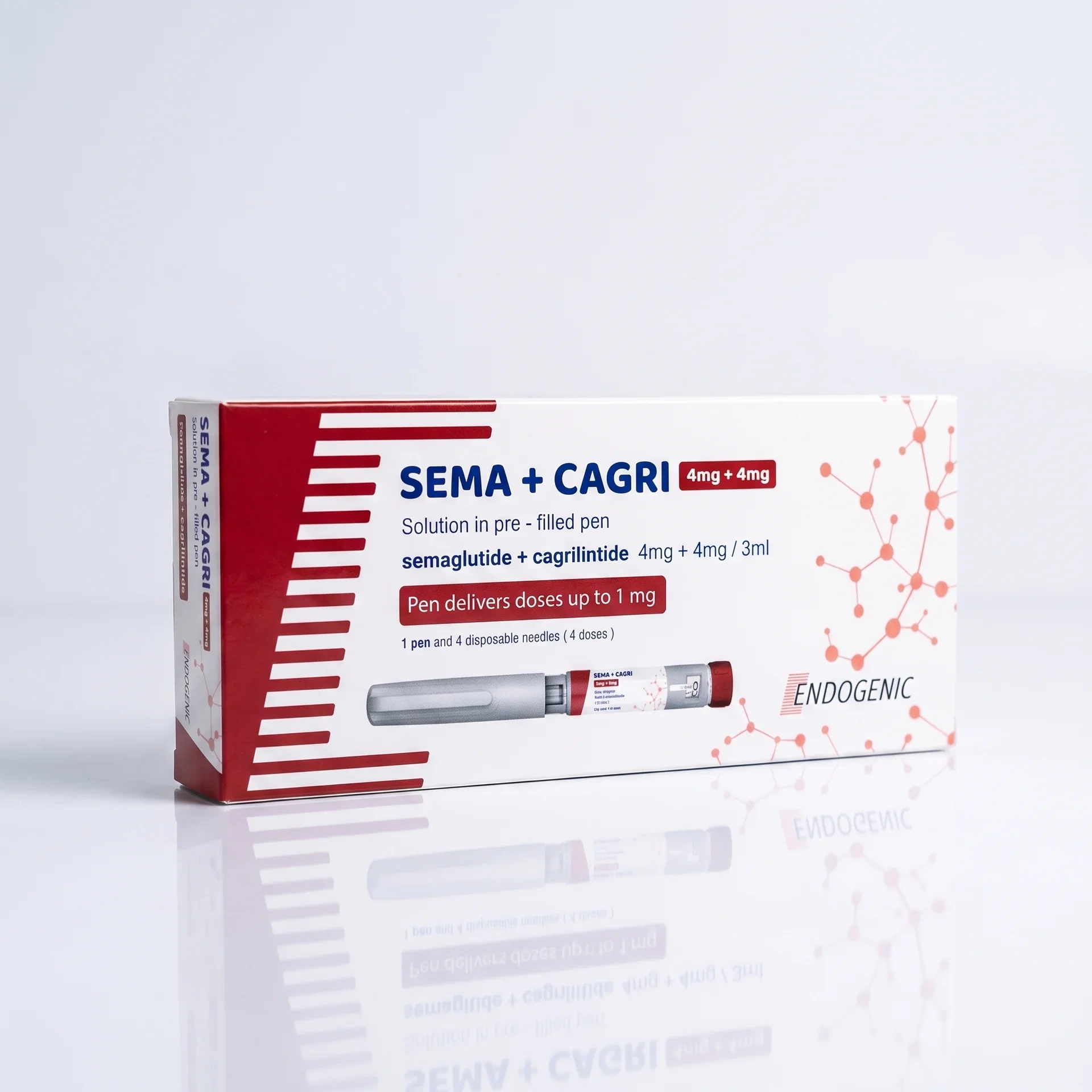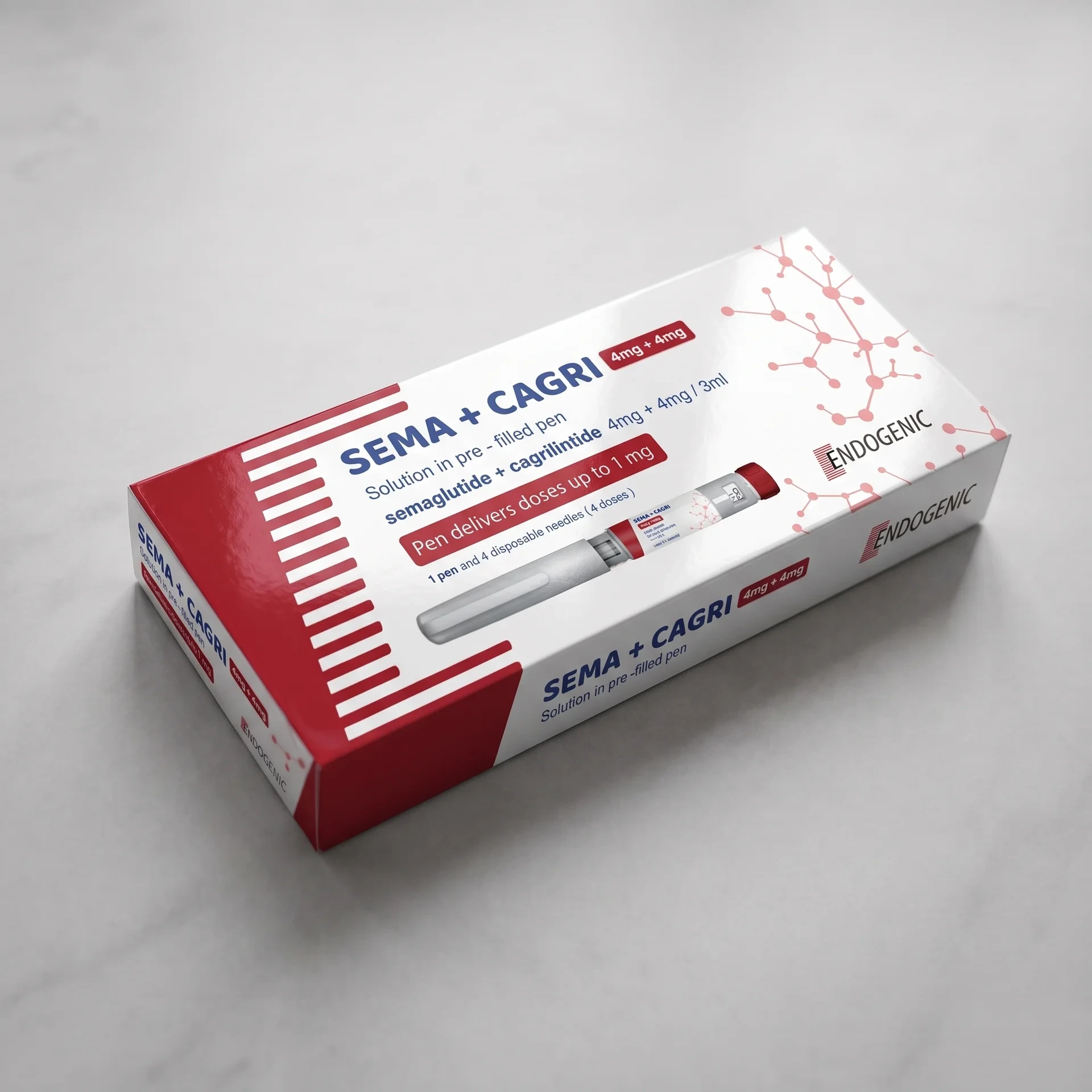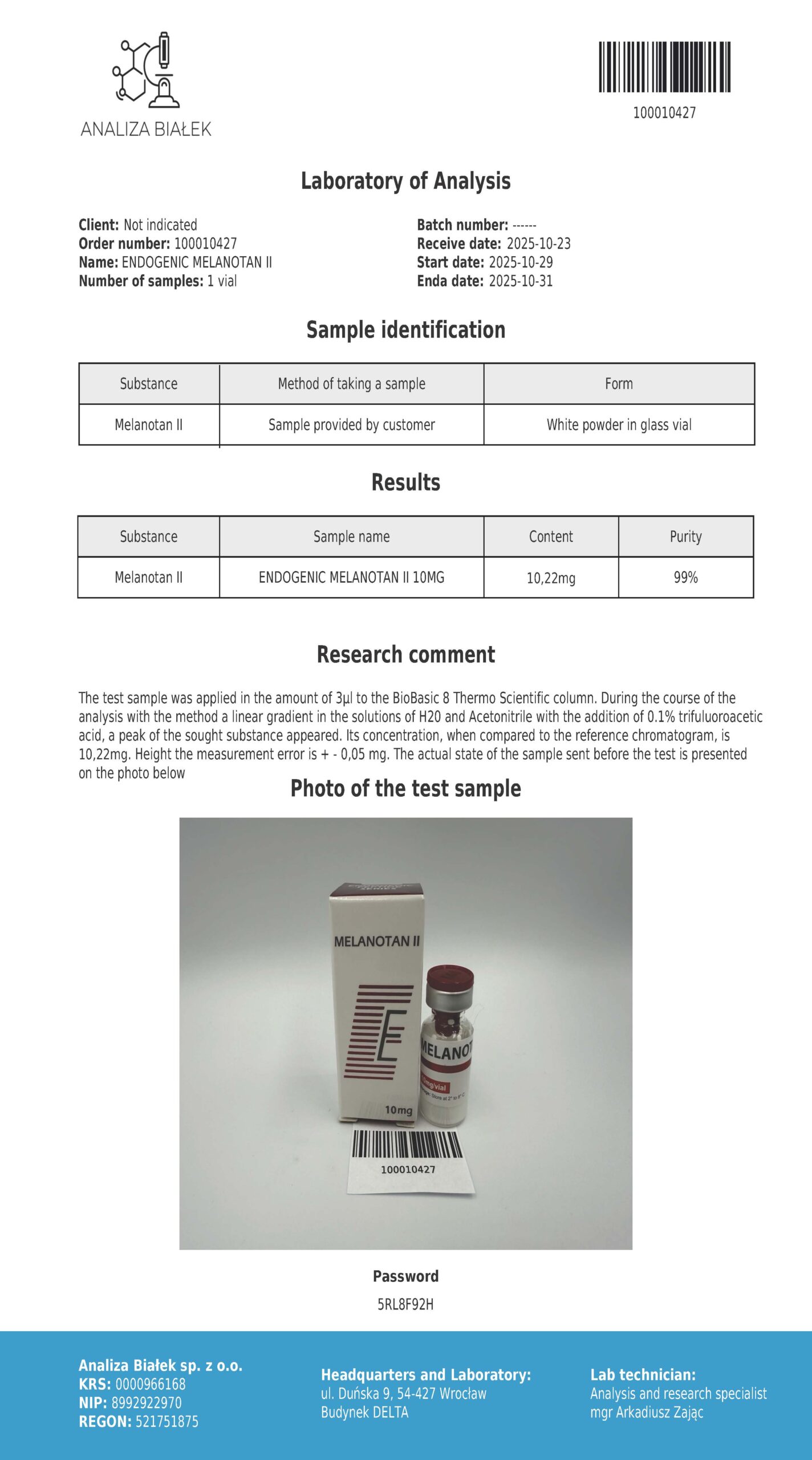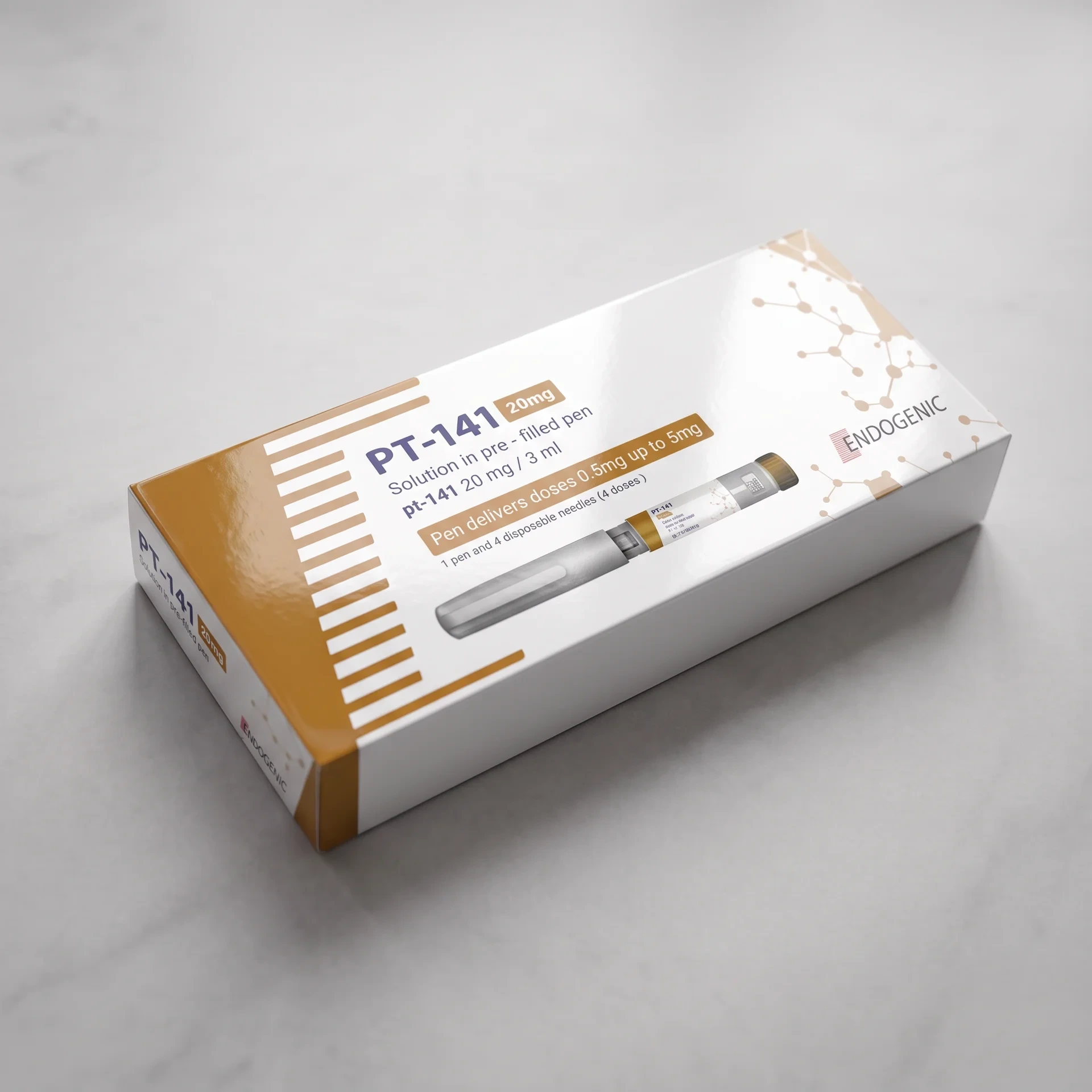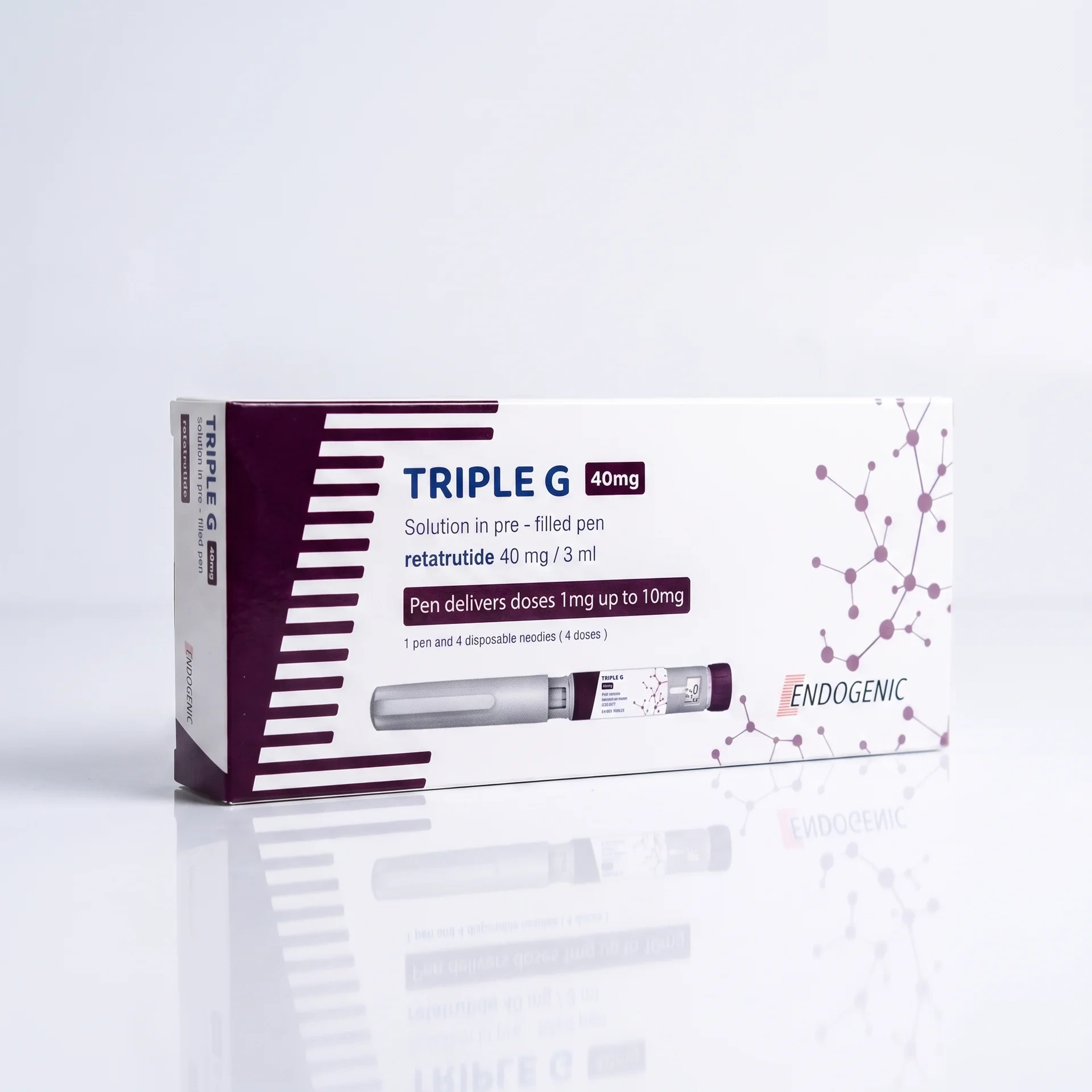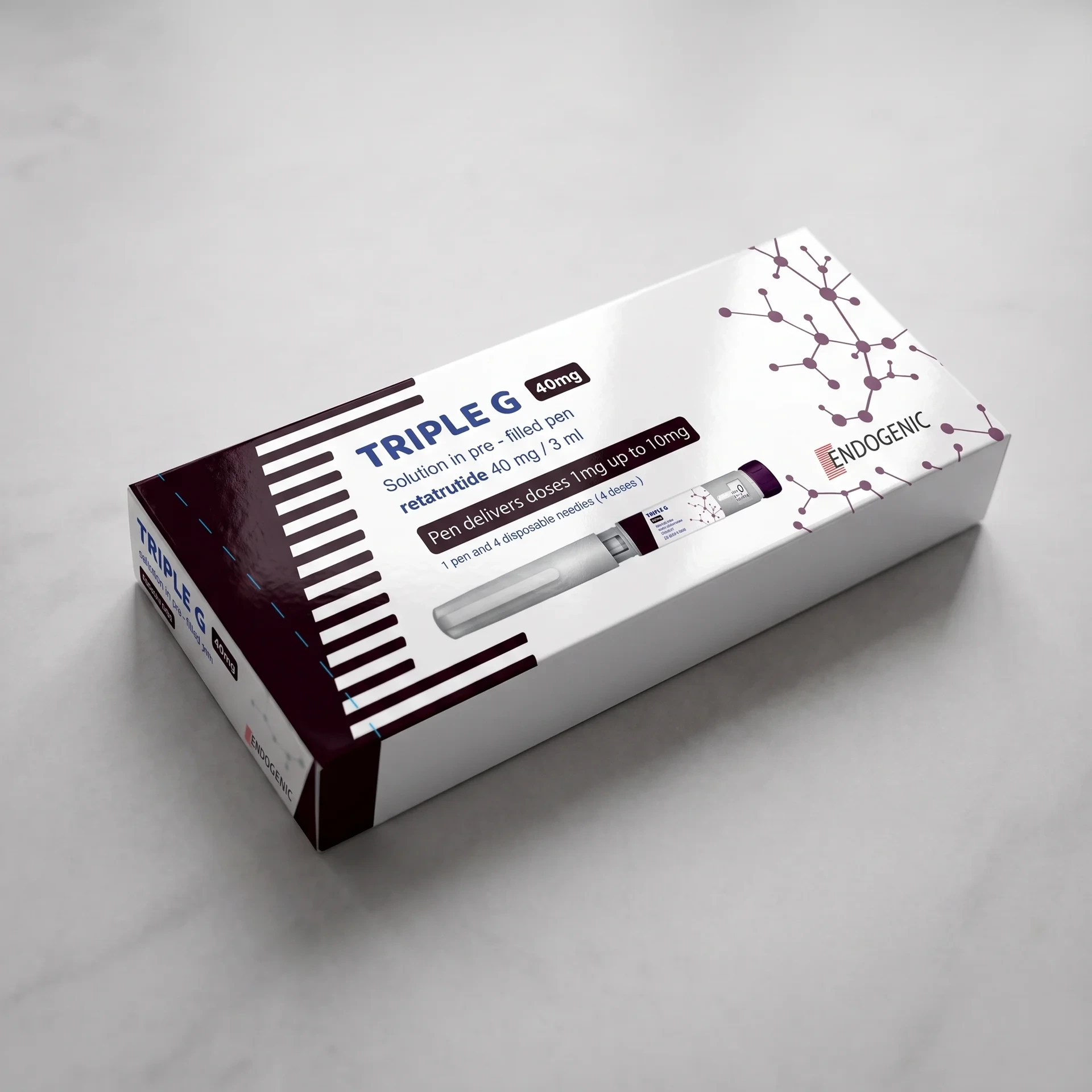


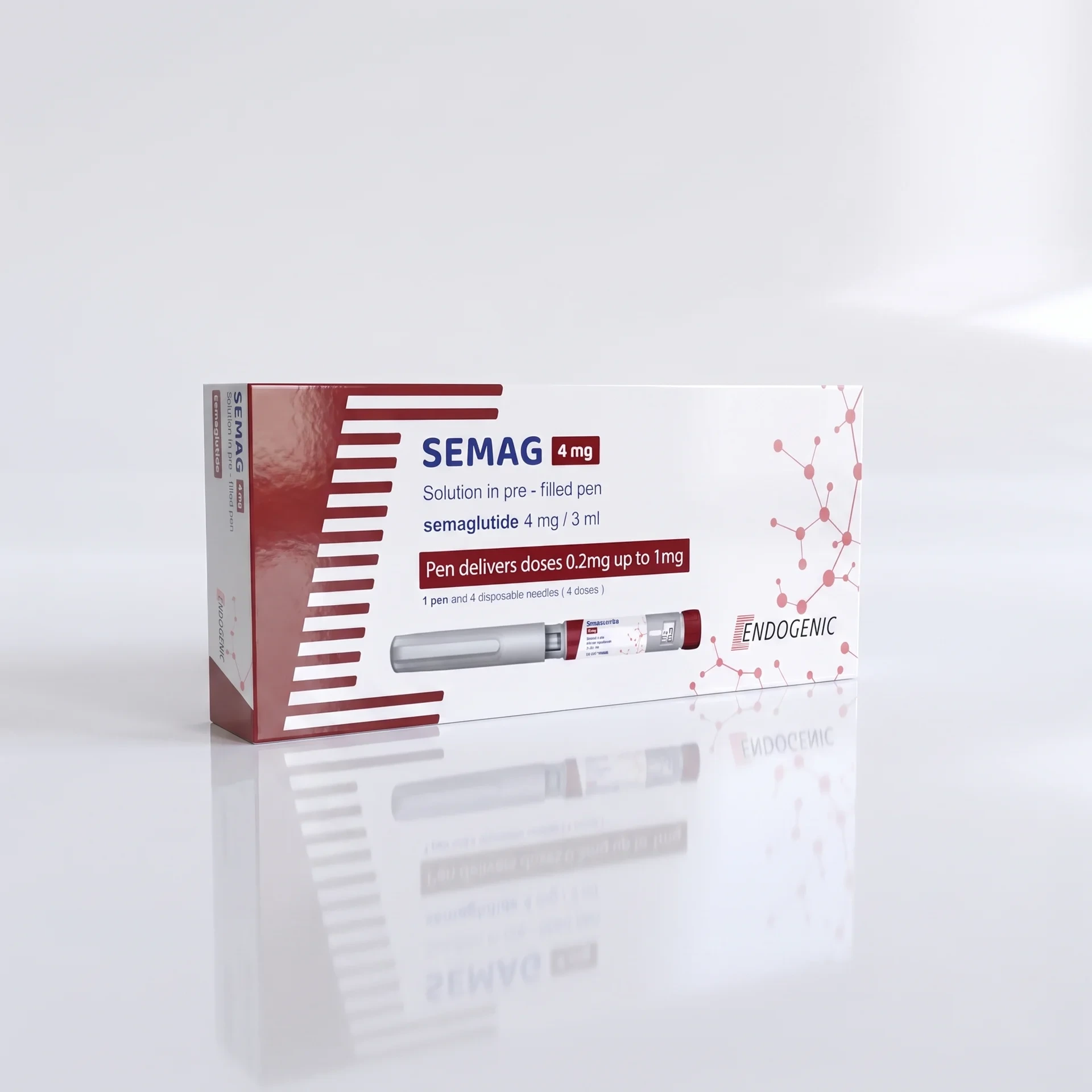
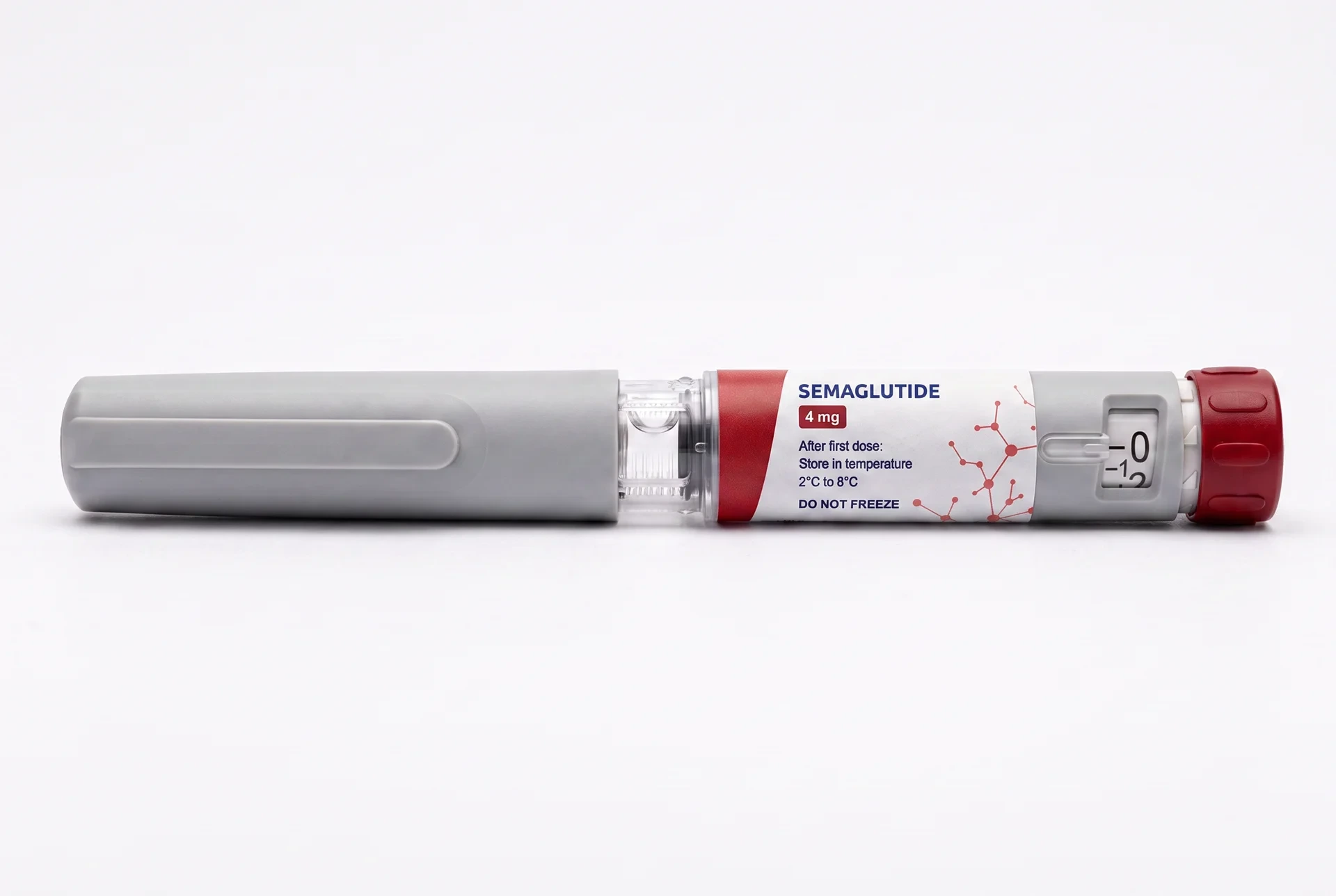
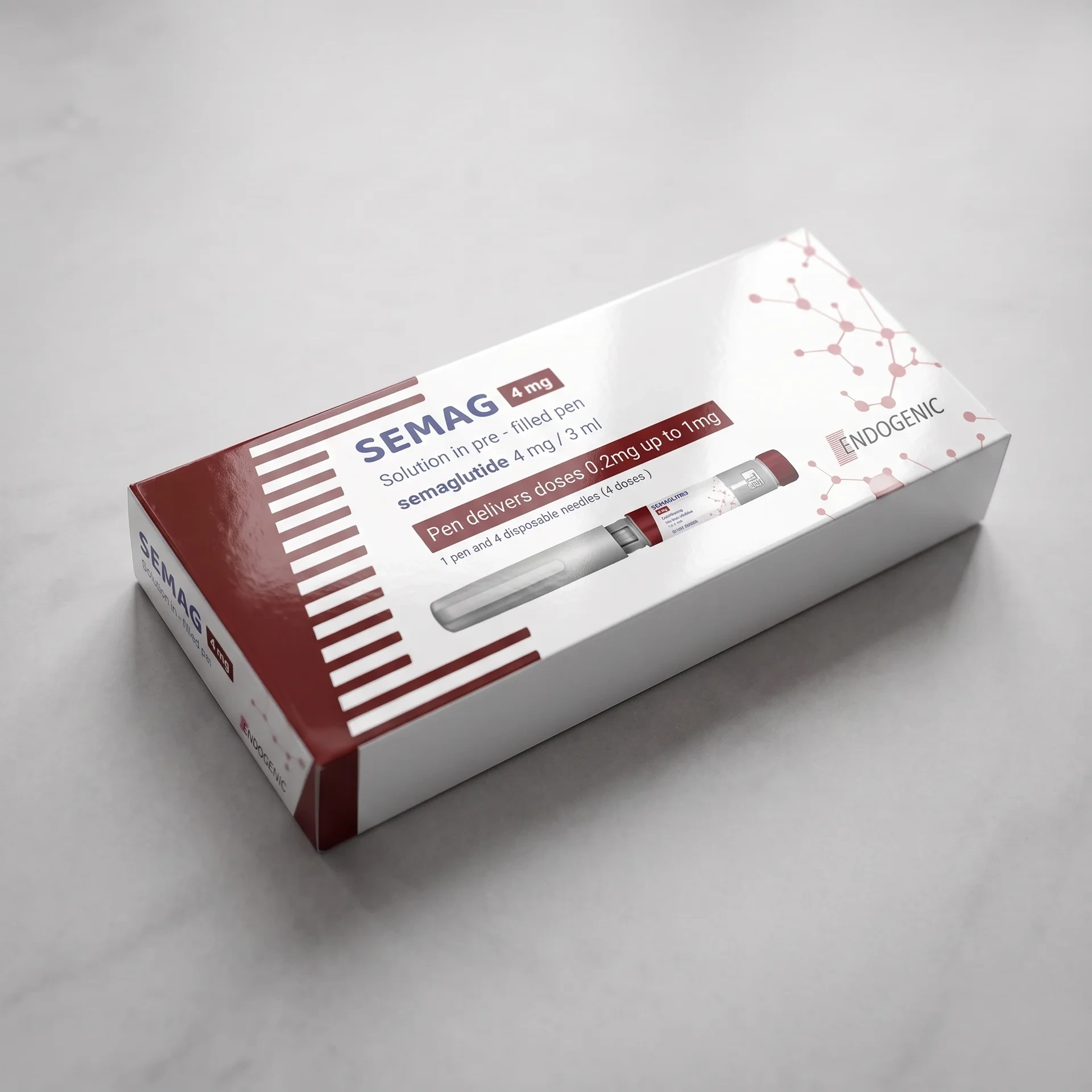
The manufacturer guarantees stability for up to 6 weeks when stored at 2–8°C or up to 4 weeks at room temperature (<30°C). In research protocols requiring chronic exposure beyond 6 weeks, additional verification of purity by HPLC before subsequent injection series is recommended.


SEMA G 4mg PEN
SEMA G 4 mg PEN is semaglutide (a GLP-1 analogue, CAS 910463-68-2) in a pre-filled multi-dose pen with a factory-reconstituted solution — HPLC purity ≥98%, MS confirmation, COA for every batch. A chemical reagent intended solely for laboratory research into GLP-1R pathways in metabolic pharmacology, hypothalamic neurobiology and cardio-/neuroprotection. Research Use Only.
118,99 €
Fast shipping
Delivery options
Returns policy
SEMA G 4 mg PEN — GLP-1 receptor agonist, research reagent in a pen
- Semaglutide: a GLP-1 analogue and GLP-1R agonist.
- Format: pre-filled PEN applicator, 4 mg.
- Intended purpose: Research Use Only laboratory research.
Product status information
A chemical reagent intended solely for laboratory research (Research Use Only). It is not a medicinal product, a dietary supplement or a foodstuff. It is not intended for use in humans or animals. Sold only to registered research units and laboratories.
Sema G is a synthetic analogue of the human glucagon-like peptide-1 (GLP-1), designed as a long-acting GLP-1 receptor (GLP-1R) agonist. The molecule was developed by Novo Nordisk on the basis of the earlier liraglutide — with structural modifications enabling once-weekly rather than once-daily administration. This SEMA G 4 mg PEN reagent is supplied in the format of a pre-filled multi-dose pen with a factory-reconstituted solution — unlike typical peptide reagents supplied as a lyophilisate. A nominal concentration of 4 mg per pen allows standardisation of micro-volumes in in vivo research protocols (rodent models, laboratory primates) without introducing the “reconstitution variability” variable into the experimental design. Purity verified by HPLC ≥98%, identity confirmed by mass spectrometry, COA available for every batch.
General overview — incretin context
GLP-1 (Glucagon-Like Peptide-1) is an incretin peptide synthesised in the L-cells of the small intestine and in brainstem neurons (nucleus tractus solitarii). In humans, native GLP-1(7-37) has a plasma half-life on the order of 1–2 minutes — it is rapidly degraded by dipeptidyl peptidase IV (DPP-4) and neutral endopeptidase 24.11 (NEP). This minimal proteolytic stability was the main obstacle to turning the native peptide into a research or pharmacological tool. Semaglutide solves this problem through three structural modifications that extend the half-life to ~165 hours in humans — which translates into once-weekly administration in clinical use and once every 5–7 days in in vivo research protocols.
The scientific community is interested in semaglutide for four reasons. First, as a tool for studying central and peripheral pathways regulating glucose homeostasis. Second, as a model molecule for studying GLP-1R pathways in the brain — particularly in the hypothalamic arcuate nuclei (POMC neurons) and in the mesolimbic circuit (reward-system modulation). Third, as a tool for studying cardioprotection independent of body-weight reduction (the SELECT trial, 2023, n=17,604, ~20% MACE reduction in people with obesity without diabetes). Fourth, as a prototype for a new generation of GLP-1 analogues and GLP-1/GIP/glucagon co-agonists — currently a broad range of weight-loss peptides used in metabolic obesity research.
What is semaglutide?
Chemically, semaglutide is a 31-amino-acid peptide derived from modification of native human GLP-1(7-37): Sequence: H-Aib²-EGTFTSDVSSYLEGQAAK²⁶(γGlu-2xOEG-C18 diacid)EFIADIIQAGVSLSSGR-OH
- Common name: Semaglutide
- Synonyms: NN9535, semaglutide
- CAS Number: 910463-68-2
- Molecular formula: C₁₈₇H₂₉₁N₄₅O₅₉
- Molar mass: 4113.58 g/mol
- Chemical classification: acylated incretin peptide, GLP-1R agonist (class B GPCR)
- Supplied form: factory-reconstituted solution in a pre-filled multi-dose pen; nominal concentration 4 mg per pen
Three structural modifications distinguish semaglutide from native GLP-1:
- Aib² (α-aminoisobutyric acid) replacing alanine at position 8 (proglucagon numbering) — increases the molecule’s resistance to degradation by DPP-4
- Acylation of Lys²⁶ via a γGlu-2xOEG linker with octadecanedioic acid (C18 diacid) — mediates reversible binding to serum albumin, extending the half-life by an order of magnitude
- Substitution Lys³⁴ → Arg³⁴ — eliminates a competing acylation site and additionally introduces resistance to NEP
Structure and physicochemical properties
Acylation of Lys²⁶ is the central modification from a pharmacokinetic perspective. The C18 diacid chain binds reversibly to domain IIA of human serum albumin with an affinity on the order of 10⁻⁷ M. This binding sequesters semaglutide in the circulating pool, protects it against glomerular filtration and enzymatic degradation, and creates an effective depot that gradually releases the peptide to target tissues. This mechanism accounts for the ~165 h half-life in humans and the comparable ~46–63 h in pigs and ~12 h in mice.
Physicochemical parameters:
| Parameter | Value |
|---|---|
| HPLC purity | ≥98.0% |
| Identity confirmation | MS (Q-TOF) |
| Product form | solution in a pen (factory reconstitution) |
| Solution pH | 7.2–7.6 (phosphate buffer) |
| Solvent / stabilisers | water for injection + phenol (preservative) + propylene glycol (isotonicity) + disodium phosphate dihydrate |
| Pen stability (before first opening) | min. 24 months at 2–8°C |
| Pen stability after first opening | up to 6 weeks at 2–8°C or up to 4 weeks at room temperature (<30°C) |
| Light stability | sensitive — store in the dark |
| Freeze resistance | none — a freeze/thaw cycle causes aggregation |
The pen format with a factory-made solution eliminates the variability of laboratory reconstitution from the research protocol. This is a meaningful advantage in experiments requiring high reproducibility of micro-volumes (e.g. DIO models, pharmacokinetic studies, chronic-exposure studies in cell cultures with GLP-1R+ media). SCIENTIFIC PERSPECTIVE Most pharmacokinetic data for semaglutide come from phase I–III clinical trials conducted in the context of the development of Ozempic, Wegovy and Rybelsus, and from preclinical models (DIO mouse, ZDF rat, laboratory pig). The pharmacokinetic profile in rodents differs from that in humans mainly in the half-life — this results from inter-species differences in sequence and albumin affinity.
Mechanism of action at the molecular level
Semaglutide acts as a GLP-1R agonist with an affinity close to that of native GLP-1(7-37) (Ki in the nanomolar range). GLP-1R is a seven-transmembrane class B G-protein-coupled receptor, expressed on pancreatic β-cells, in hypothalamic neurons (arcuate nuclei, NTS), in intestinal cells and — to a lesser extent — in the heart muscle, kidneys and blood vessels.
Signalling cascade after agonist binding to GLP-1R (in vitro / in vivo animal model):
- Activation of the Gαs protein leads to stimulation of adenylate cyclase, an increase in cAMP concentration, and activation of PKA and Epac2
- In pancreatic β-cells: the rise in cAMP leads to glucose-dependent insulin secretion — an important distinction from sulfonylureas, which stimulate secretion independently of glucose concentration
- In POMC neurons of the hypothalamic arcuate nucleus: GLP-1R activation induces the release of α-MSH onto MC4R receptors in the paraventricular nucleus → satiety signalling and inhibition of food intake
- In NTS neurons of the brainstem: GLP-1R activation modulates afferent signalling from the vagus nerve → slowing of gastric emptying
- In the mesolimbic circuit (ventral tegmental area, nucleus accumbens): modulation of dopaminergic signalling in response to caloric stimuli — this is the mechanism underlying the observed reduction in preference for high-calorie foods in behavioural models
In DIO mouse models (diet-induced obesity, C57BL/6J) chronic exposure to semaglutide (usually 10–60 nmol/kg s.c., once every 2–3 days) led to a 10–15% reduction in body weight relative to the control group over 4–6 weeks. In the ZDF rat model (Zucker Diabetic Fatty, a T2DM model) a reduction in postprandial glycaemia and HbA1c and an improvement in β-cell function were observed.
AN IMPORTANT DISTINCTION The phrases “body-weight reduction” and “glycaemic control” in the context of this description refer solely to observations in research models (laboratory animals, cell cultures) and to results from clinical trials in pharmaceutical drug development. They do not imply a guarantee of an effect in a human using an RUO reagent, nor any suggestion of using SEMA G 4 mg PEN for body-weight reduction. Any such interpretation is contrary to the Research Use Only framework.
The second pathway — β-arrestin signalling via GLP-1R — has over the past decade become the subject of intensive research into the mechanism of “biased agonism” (preference of one intracellular pathway over another by the same ligand). Semaglutide preferentially activates the Gαs/cAMP pathway over the β-arrestin pathway, which probably explains its lower tendency to receptor desensitisation compared with native GLP-1 or other analogues.
Applications in scientific research
Semaglutide is used in research work in several areas. In in vivo models (DIO mouse, ZDF rat, GLP-1R-/- transgenic mouse) its effect on glucose homeostasis, body weight, lipid profiles, β-cell function and markers of neurodegeneration and cardioprotection is studied. In in vitro models (INS-1, MIN6, βTC-6 lines, SH-SY5Y neural cells, HEK293 transfected with GLP-1R) studies of receptor affinity, activation kinetics and the effect on the expression of metabolic-response genes (PDX-1, GLUT2, glucokinase) are carried out. Specific research directions include:
- Glucose homeostasis and β-cell function — type 2 diabetes models, studies of glucose-dependent insulin secretion, protection of β-cells against lipotoxicity and glucotoxicity
- Central appetite regulation — DIO models, mapping of activation areas by c-fos imaging, studies of POMC-MC4R pathways
- Modulation of the reward system and food preferences — behavioural studies in rodents, food-preference models, studies in the mesolimbic circuit
- Cardioprotection independent of body-weight reduction — models of myocardial infarction, atherosclerosis (apoE-/-), heart failure with preserved ejection fraction (HFpEF)
- Neuroprotection in Parkinson’s and Alzheimer’s models — studies of GLP-1R activation in dopaminergic neurons of the substantia nigra and in the hippocampus
- Modulation of eating disorders and addictions — alcohol use disorder and binge-eating models, behavioural studies in the mesolimbic circuit
Quality specification — Pro-Body
Each batch of SEMA G 4 mg PEN undergoes a full cycle of analytical control:
- HPLC ≥98% — reversed-phase high-performance liquid chromatography with UV detection at 214 nm and 280 nm — verification of peptide purity and identification of related impurities
- MS confirmation — Q-TOF mass spectrometry — identity confirmation at the level of monoisotopic mass and fragmentation characteristic of the acylated molecule
- COA per batch — a certificate of analysis for every batch available as an inline PDF on the product page; it contains the HPLC and MS results, a stability test and a bioburden control
- Batch traceability — each batch is marked with a unique number, tracked in an internal QA system with the ability to retrospectively verify synthesis and control conditions
- Scientific reviewer — the product specification and literature description are verified by a reviewer with an academic affiliation in the field of peptide pharmacology or biochemistry
The pen remains fully sealed until first use. The internal solution chamber is protected by a rubber membrane against microbiological contamination — a system compatible with the sterility standards of multi-dose injectors. For protocols with lower potency requirements or shorter experiments, a SEMA G 2 mg PEN version is also available, meeting the same analytical-control standards.
Pen format specification
The multi-dose pen in the SEMA G 4 mg PEN format is supplied as a ready device with a factory-reconstituted solution — unlike peptides supplied as a lyophilisate requiring reconstitution under laboratory conditions. This format has three specific advantages in research protocols:
- Elimination of the reconstitution variable — the variability of concentration after dissolving a lyophilisate is one of the main confounding variables in pharmacokinetic studies. A factory solution ensures batch uniformity and reproducibility of molar concentration between pens from the same series.
- Micro-volumes without repeated breaching of the vial seal — a multi-dose pen with volumetric calibration allows successive micro-volumes to be drawn without exposing the entire batch to air and potential microbiological contamination.
- Standardisation of the experimental protocol — the ability to report micro-volumes drawn under identical conditions at all time points of the experiment (chronic exposure, time-course, dose-response).
If it is necessary to dilute the solution to a lower working concentration (typically for cell cultures or i.c.v. micro-injections in rodents), the use of sterile PBS at pH 7.4 or a phosphate buffer of the same osmolarity as the supplied solution is recommended. The specific molar concentration per ml is provided in the COA supplied with the batch.
Research
- Lau J, Bloch P, Schäffer L, Pettersson I, Spetzler J, Kofoed J, et al. (2015). Discovery of the Once-Weekly Glucagon-Like Peptide-1 (GLP-1) Analogue Semaglutide. PubMed
- Knudsen LB, Lau J (2019). The Discovery and Development of Liraglutide and Semaglutide. PubMed
- Wilding JPH, Batterham RL, Calanna S, Davies M, Van Gaal LF, Lingvay I, et al. (2021). Once-Weekly Semaglutide in Adults with Overweight or Obesity. PubMed
- Lincoff AM, Brown-Frandsen K, Colhoun HM, Deanfield J, Emerson SS, Esbjerg S, et al. (2023). Semaglutide and Cardiovascular Outcomes in Obesity without Diabetes. PubMed
- Müller TD, Finan B, Bloom SR, D’Alessio D, Drucker DJ, Flatt PR, et al. (2019). Glucagon-like peptide 1 (GLP-1). PubMed
- Marso SP, Bain SC, Consoli A, Eliaschewitz FG, Jódar E, Leiter LA, et al. (2016). Semaglutide and Cardiovascular Outcomes in Patients with Type 2 Diabetes. PubMed
- Kapitza C, Nosek L, Jensen L, Hartvig H, Jensen CB, Flint A (2015). Semaglutide, a once-weekly human GLP-1 analog, does not reduce the bioavailability of the combined oral contraceptive, ethinylestradiol/levonorgestrel. PubMed
FAQ
In the mouse model (C57BL/6J) the plasma half-life is about 12 hours, in the rat ~20–24 h, in the pig ~46–63 h, and in humans ~165 h. The species differences result from differences in sequence and albumin affinity and in the rate of renal elimination. This is an important variable when designing pharmacokinetic protocols — direct extrapolation of rodent data to humans leads to an error of almost an order of magnitude.
Avoid high concentrations of DMSO (>10%) and organic solvents that destabilise the acylated C18 chain. Do not freeze the reconstituted solution — a freeze/thaw cycle causes aggregation. Use caution when mixing with strong reducing agents (DTT, β-mercaptoethanol at mM concentrations) — there is a risk of reducing the acyl bonds. In co-experiments with other GLP-1R agonists (liraglutide, exenatide), be mindful of receptor competition in the analysis of results.
Yes — semaglutide shows high selectivity for GLP-1R (Ki in the nanomolar range) with minimal affinity for other incretin receptors (GIPR, GCGR). This distinguishes it from co-agonists such as tirzepatide (a dual GLP-1/GIP agonist) or retatrutide (a triple GLP-1/GIP/GCG agonist). In research protocols on selective GLP-1R activation it is the preferred tool.
Ozempic® is a registered pharmaceutical medicine (FDA 2017, EMA 2018) containing semaglutide at a concentration of 1.34 mg/ml or 2.68 mg/ml in a multi-dose pen, manufactured in accordance with GMP standards for medicinal products, approved for type 2 diabetes. The Pro-Body SEMA G 4 mg PEN reagent is intended solely for laboratory research, is not subject to GMP standards for medicines, is not a substitute for a medicinal product and does not replace medical consultation.
In in vivo models (mouse, rat) the range of concentrations used in the literature is 10–60 nmol/kg body weight by subcutaneous injection, administered once every 2–3 days. In in vitro models on β-cell lines (INS-1, MIN6), typical working concentrations are 1–100 nM. You will determine the specific concentration individually on the basis of your research protocol — the actual molarity of the solution in the pen is given in the batch COA.
5.0
1 review
-
Jolka
 Polski
Product review
Bardzo się cieszę, że powstała większa wersja tego produktu. Ekspresowa wysyłka- jak zawsze. Polecam