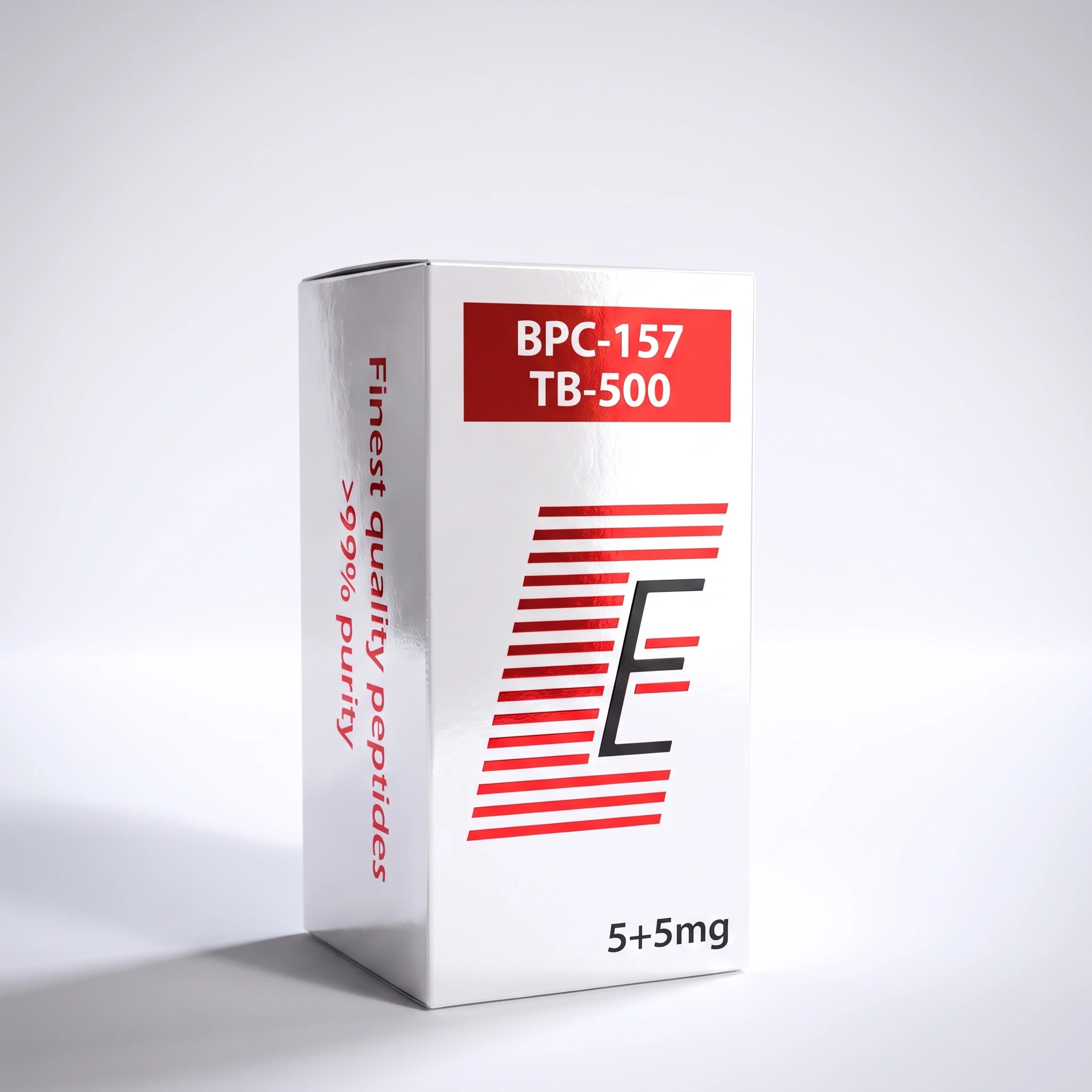
Two distinct regenerative peptides combined in one lyophilized vial (5 mg + 5 mg, 10 mg total). The first one is BPC-157 — gastric pentadecapeptide (Body Protection Compound, sequence GEPPPGKPADDAGLV), described in the literature as a cytoprotective and pro-angiogenic compound. The second one is TB-500 — a peptide based on thymosin β4, described in the context of G-actin regulation (LKKTETQ motif), cell migration and soft tissue regeneration. The TB-500 form (full Tβ4 vs LKKTETQ fragment) and molecular weight remain to be confirmed in the batch COA – the binding proof of identity is the certificate of analysis.
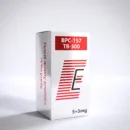
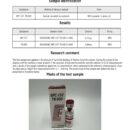
BPC-157 + TB-500 5+5mg
BPC-157 + TB-500 5 mg + 5 mg — the most popular regenerative stack in the reagent market, two peptides for laboratory tests. BPC-157 (gastric pentadecapeptide) provides a cytoprotective and locally pro-angiogenic component (VEGFR2/eNOS/NO, tendon); TB-500 (thymosin β4-based, LKKTETQ motif) enhances cellular mobility by regulating actin and regeneration on a larger scale. RUO reagent
47,99 €
Fast shipping
Delivery options
Free delivery from 350 €
Returns policy
BPC-157 + TB-500 5 mg + 5 mg - blend of regenerative peptides, research reagent
- BPC-157 + TB-500 5 mg + 5 mg — the most popular regenerative stack in the reagent market, two peptides for laboratory tests.
- BPC-157 (gastric pentadecapeptide) provides a cytoprotective and locally pro-angiogenic component (VEGFR2/eNOS/NO, tendon); TB-500 (thymosin β4-based, LKKTETQ motif) enhances cellular mobility by regulating actin and regeneration on a larger scale.
Product status information
Chemical reagent intended exclusively for laboratory tests (Research Use Only). It is not a medicinal product, dietary supplement or food. It is not intended for use on humans or animals. Sales only to registered research units and laboratories.
Regulatory Frame – WADA Status (Two Categories)
Blend combines two peptides with different anti-doping categories, but both are on the WADA prohibited list. BPC-157 has been listed in category S0 (unapproved substances) since 2022 — pharmacological compounds without approval by any regulatory agency for human use. TB-500 / thymosin β4 is included in the S2 category (peptide hormones, growth factors, related substances and mimetics) – section including, among others, growth factors influencing tissue regeneration and angiogenesis.
Both peptides are therefore prohibited, in two different categories. In the Pro-Body catalog, blend BPC-157 + TB-500 appears only as RUO research reagent, not as an adjunct. Registered athletes (ADAMS) must check the current list of prohibited substances before making any decision.
BPC-157 + TB-500 5 mg + 5 mg from the Endogenic to line blend of two regenerative peptides combined in one vial of lyophilisate (total 10 mg of dry weight of peptides for reconstitution). This is the most popular regenerative stack in the reagent market – a combination that appears in the literature on tissue healing as a classic system of two complementary repair pathways and one of the most frequently described peptides for regeneration soft tissues.
The first peptide, BPC-157, is a gastric pentadecapeptide with the sequence GEPPPGKPADDAGLV – a fragment of the natural protective protein of the gastric mucosa (Body Protection Compound), isolated by Predrag Sikiric’s team in Zagreb. In the preclinical literature, it is described primarily as a cytoprotective and pro-angiogenic compound, acting locally within the damaged tissue. The second one, TB-500, is a peptide based on thymosin β4 (Tβ4), a protein that regulates the pool of free G-actin in the cell.
In the literature, it is associated with the reorganization of the cytoskeleton, cell migration and regeneration of soft tissues on a larger scale. The logic of this combination is molecular, not marketing. Both peptides support tissue repair, but through different, complementary mechanisms. BPC-157 organizes cytoprotection, local angiogenesis (VEGFR2/eNOS/NO pathway) and the gastrointestinal axis – it works precisely where the damage has occurred.
TB-500 has a broader effect: by regulating G-actin, it increases cell motility, supports the migration of keratinocytes and fibroblasts, and angiogenesis on a larger scale. In healing research, both peptides operate at different levels of the same process – one protects and rebuilds locally, the other mobilizes repair cells broadly. This is why in the reagent trade BPC-157 + TB-500 functions as a classic “stack” research model.
Neither BPC-157 nor TB-500 is registered as a drug in any jurisdiction, and their clinical development has not been completed in phase III studies in humans. This is a typical picture for the entire class of regenerative peptides: strong signal from preclinical models (rodents, cell cultures), lack of full clinical confirmation. Therefore, the BPC-157 + TB-500 blend is marketed as Research Use Only reagent — a molecular tool for laboratory work, not a medicinal form.
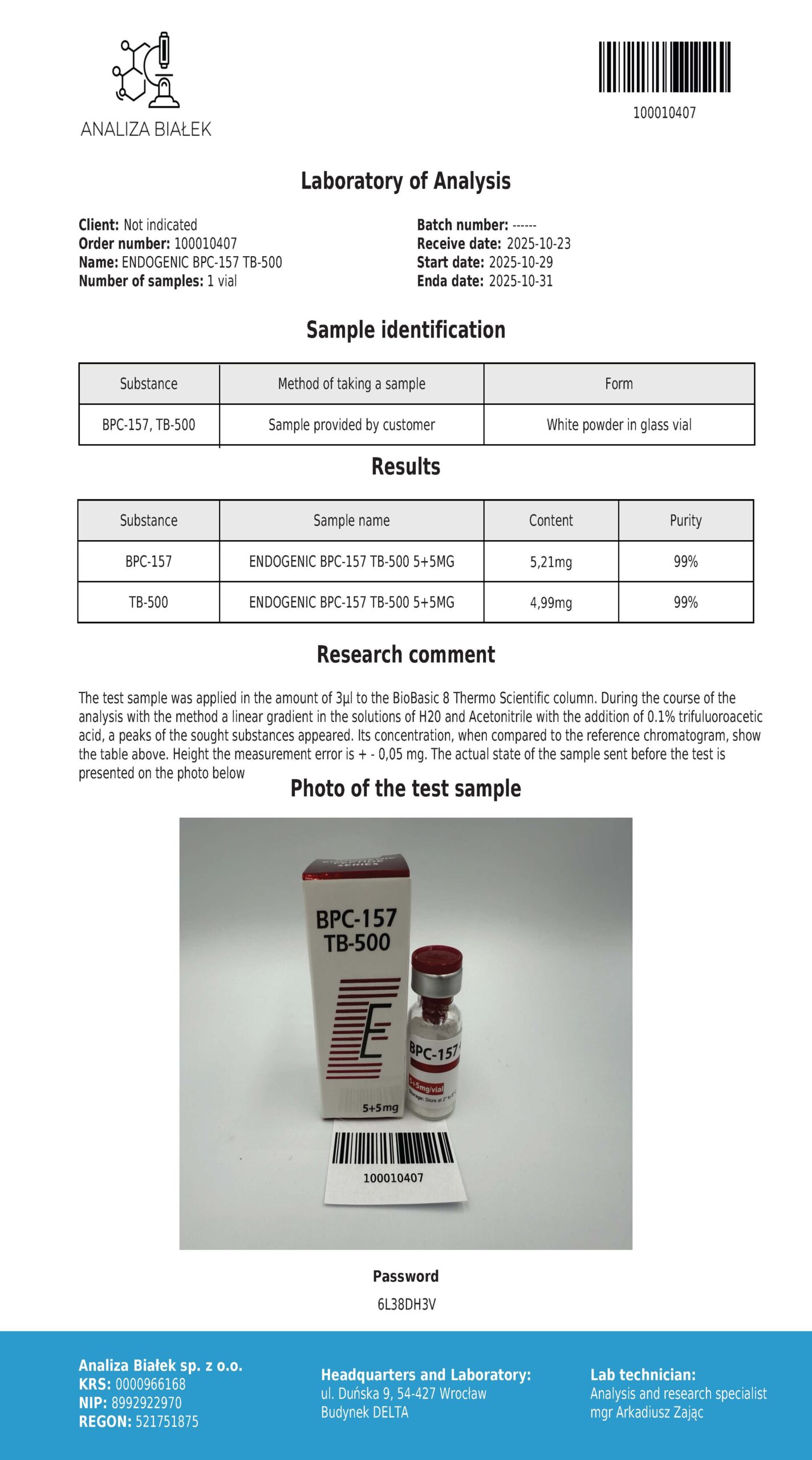
The format is delivered as vial of lyophilisate for reconstitution (5 mg + 5 mg, total 10 mg) — dry powder that the researcher independently dissolves to the working concentration for a specific experimental system. The purity of each peptide verified by HPLC ≥98%, the identity of both molecules (and the identification of the TB-500 form) confirmed by Q-TOF mass spectrometry, COA available for each batch.
Two peptides, two regeneration pathways
Blend BPC-157 + TB-500 is designed around one research area: soft tissue repair and regeneration. This is an axis in which each of the two peptides makes a different molecular contribution that is well described in the literature – and it is this difference that explains why they are put together.
BPC-157 – cytoprotective and locally pro-angiogenic component. Gastric pentadecapeptide with a sequence of fifteen amino acids, a fragment of the natural protective protein of gastric juice. In the preclinical literature, it is described primarily in the context of cytoprotection, local angiogenesis (VEGFR2/eNOS/NO pathway) and tissue reparation – including tendons, where it has been associated with the proliferation and migration of tendon fibroblasts. It works precisely and locally, close to the site of damage, in accordance with its cytoprotective profile.
TB-500 – Cellular mobility and regeneration component on a larger scale. A peptide based on thymosin β4, a protein that binds and regulates the pool of free G-actin. By controlling the availability of actin monomers, TB-500 affects the reorganization of the cytoskeleton and thus cell motility. In the literature, it is associated with the migration of keratinocytes and fibroblasts, angiogenesis and the regeneration of soft tissues and heart muscle.
This is a component that has a broader effect – mobilizing repair cells and supporting their migration to the regeneration area. In the Pro-Body catalog blend belongs to Pillar I – regenerative peptides and is a common reference point in research on peptides for injuries soft tissues. The lyophilisate vial format is natural here: the blend supplied as a dry powder (5 mg + 5 mg) gives the researcher the freedom to select a common working concentration during reconstitution, which distinguishes it from ready-made forms with a uniform weight.
Combining both peptides in one vial simplifies working with a research model in which both pathways are expected to be present simultaneously – without the need to reconstitute two vials separately.
What is BPC-157 + TB-500 blend - vial composition
Blend BPC-157 + TB-500 is two separate peptides combined in one lyophilized vial (5 mg + 5 mg, 10 mg total), each with its own sequence, mass and mechanistic profile. BPC-157 is a pentadecapeptide with the sequence Gly-Glu-Pro-Pro-Pro-Gly-Lys-Pro-Ala-Asp-Asp-Ala-Gly-Leu-Val (single letter notation: GEPPPGKPADDAGLV), molar mass of free peptide 1419.53 g/mol, number CAS 137525-51-0. Three proline residues in positions 3–5 (PPP motif) stiffen the chain and impede access by proteolytic enzymes – a molecular explanation for the stability of the peptide in the gastrointestinal environment described in the literature.
TB-500 is a peptide based on thymosin β4 (Tβ4). A distinction is necessary here, which is determined by the batch COA: there are two distinct variants of the molecule marketed under the name “TB-500”. The first one is full Tβ4 — 43-amino acid protein (CAS 77591-33-4, molar mass ~4963 g/mol). The second one is a short active fragment containing the LKKTETQ motif — a sequence responsible for binding G-actin, with a much smaller mass.
Both are marketed as “TB-500”, but they are different particles with different masses. The identity and form of TB-500 in a given batch must be confirmed by sequence and molecular weight in mass spectrometry recorded in the COA — the trade name does not resolve this difference. The logic of combining both peptides (RUO framing): complementary regeneration mechanisms.
BPC-157 brings cytoprotection, local angiogenesis (VEGFR2/eNOS/NO) and the gastrointestinal axis; TB-500 – cellular mobility by regulating actin, migration of keratinocytes and fibroblasts, and regeneration on a larger scale. In research on tissue healing, both peptides act through different, complementary pathways, which makes their combination a rational research system. It is not the sum of identical effects, but two different points of capture within the same repair process.
Chemical characteristics – blend composition
| Parameter | BPC-157 | TB-500 (Thymosin β4-based) |
|---|---|---|
| Class | Gastric pentadecapeptide (fragment of Body Protection Compound) | Regenerative peptide based on thymosin β4 |
| Sequence (1 letter) | GEPPPGKPADDAGLV | full Tβ4 (43 aa) or active fragment with motif LKKTETQ – form in COA |
| Number of amino acids | 15 | 43 (full Tβ4) or short fragment (LKKTETQ) – to be confirmed in COA |
| Molar mass (free peptide) | 1419.53 g/mol | ~4963 g/mol (full Tβ4) – fragment mass depends on form, to be verified in COA |
| CAS number | 137525-51-0 | 77591-33-4 (thymosin β4) |
| Functional theme | PPP motif (three prolines) – stability | LKKTETQ – G-actin binding |
| Main research axis | cytoprotection / local angiogenesis (VEGFR2/NO) / intestinal axis / tendon | G-actin regulation / cytoskeleton / cell migration / angiogenesis / regeneration |
| General blend parameter | Value |
|---|---|
| Name | BPC-157 + TB-500 5 mg + 5 mg (regenerative peptide blend) |
| Line | Endogenous |
| Peptide content | BPC-157 5 mg + TB-500 5 mg (10 mg total) in one vial |
| Physical form | Lyophilisate (dry powder for reconstitution) |
| HPLC purity (each peptide) | ≥98% |
| Confirmation of the identity of both peptides | Q-TOF mass spectrometry (including TB-500 form identification) |
Mechanisms of both peptides - two regeneration pathways
Blend is based on two distinct molecular profiles. Below they are described separately – first the cytoprotective-angiogenic axis of BPC-157, then the actin-migratory axis of TB-500 – with the name of the pathway and the practical translation observed in the research models.
BPC-157 component – cytoprotection, angiogenesis and tendon maturation
Angiogenesis by VEGFR2 and the NO pathway. The best documented BPC-157 axis. VEGFR2 (vascular endothelial growth factor receptor) is a central element in the formation of new blood vessels; it is accompanied by endothelial nitric oxide synthase (eNOS) and an increase in the availability of nitric oxide (NO), which dilates vessels and improves microcirculation. In the literature, BPC-157 has been associated with increased neovascularization in the area of injury (Brcic et al. 2009). Better vascularization of the regenerating tissue translated into more efficient repair in the models.
FAK-paxillin signaling and tendon maturation. In tendon injury models, BPC-157 has been associated with proliferation and migration of tendon fibroblasts and activation of the FAK-paxillin pathway (focal adhesion kinase and adhesion protein mediating cell adhesion and movement). Chang et al. (2011) described the effect of the peptide on these processes in tendon fibroblast cultures – a molecular background for the binding of BPC-157 to the repair of the tendon-ligament apparatus.
Cytoprotection of the mucosa and the gastrointestinal axis. This is historically the first area of research on the molecule consistent with its gastric origin. In gastric ulcer and enteritis models, BPC-157 has been associated with protection of mucosal integrity. Sikiric (2016) also described the peptide in the context of the gut-brain axis with the NO pathway – a regulation of flow in existing vessels that is complementary to angiogenesis.
TB-500 component – actin regulation, cell migration and regeneration
Sequestration and regulation of G-actin. Central TB-500/thymosin β4 axis. Tβ4 is the main intracellular protein that binds actin (G-actin) monomers – it maintains a pool of free actin ready for polymerization. Theme LKKTETQ bonding is responsible for this. By controlling the availability of monomers, Tβ4 regulates the dynamics of the actin cytoskeleton (Goldstein et al. 2012). This is the molecular source of all further functions of the peptide – because cell motility depends on actin remodeling.
Reorganization of the cytoskeleton and cell migration. Dynamic reconstruction of the actin cytoskeleton is a condition for cell movement. By regulating the G-actin pool, Tβ4 supports the migration of repair cells – this has been reported in the literature for keratinocytes (closing a skin wound) i fibroblasts (reconstruction of the connective tissue matrix). This is a mechanism that explains TB-500’s binding to healing on a larger scale than its local cytoprotective effect.
Angiogenesis and regeneration of soft tissues and the heart. Tβ4 has been described as a pro-angiogenic and regenerative factor in soft tissue and cardiac muscle models. Crockford et al (2010) described thymosin β4 in the context of cardiac repair and healing – with cell mobilization to the area of injury and support for revascularization. This is the broad, systemic regenerative profile that distinguishes TB-500 from local BPC-157.
Complementarity of two routes. The logic of the blend completes here: BPC-157 protects and rebuilds locally (cytoprotection, VEGFR2/NO angiogenesis, tendon), TB-500 mobilizes repair cells broadly (regulation of actin, migration of keratinocytes and fibroblasts). The mechanisms are different and do not replace each other – in models of tissue reparation, they are considered as complementary research tools.
Differentiation of the TB-500 form - full Tβ4 or LKKTETQ fragment
The designation “TB-500” is ambiguous in trade and requires separate distinction, because it refers to two different molecules with different masses.
Full Tβ4 (43 aa). Natural thymosin β4 is a 43-amino acid protein (CAS 77591-33-4, molar mass ~4963 g/mol). It contains the complete sequence, including the LKKTETQ motif responsible for G-actin binding, along with the remaining protein residues. This is a form that reproduces the entire native molecule.
Active fragment LKKTETQ. Some manufacturers offer a short fragment containing only a motif under the name “TB-500”. LKKTETQ (or the actin-binding section close to it) – a much smaller molecule with a lower molecular weight. This fragment reproduces the actin-binding domain but not the full Tβ4 sequence. These two forms have different molecular weights and different profiles – and both are marketed under the same trade name “TB-500”.
This is why the binding signal of batch identity is the sequence and molecular weight confirmed by mass spectrometry in COA, not the name on the label. When interpreting research results, the distinction in form is important because the full Tβ4 fragment and the short LKKTETQ fragment are not quantitatively or structurally the same. The batch COA determines which form is in which vial.
IMPORTANT DISTINCTION
“Promotes tissue regeneration” or “promotes healing” in the context of this description means: “in vivo studies in animal models and cell cultures observed the effect of BPC-157 on the VEGFR2/eNOS/NO and FAK-paxillin pathways, and TB-500 / thymosin β4 – on the regulation of G-actin (LKKTETQ motif), cytoskeleton reorganization and repair cell migration.” This does not mean a guarantee of effect in humans or a suggestion that the BPC-157 + TB-500 blend may act as a remedy for injuries, tendons, wounds or post-exercise regeneration.
Blend vs single peptides. This product is a blend of two molecules with two different mechanisms. This is a different formula than a single one BPC-157 10mg in a separate vial (cytoprotective-angiogenic component only) or single TB-500 5mg in a separate vial (actin-migration component only). Blend combines both routes in one vial; single vials isolate one mechanism. The choice depends on the designed experimental system.
Form TB-500. Under the name “TB-500”, the full Tβ4 (43 aa, ~4963 g/mol) or the short active fragment LKKTETQ – different molecules with different masses – are marketed. Identity and form are determined by the sequence and molecular weight in mass spectrometry recorded in the batch COA, not the trade name.
Applications in scientific research
Blend BPC-157 + TB-500 as an RUO reagent is used in research areas focused on tissue repair and regeneration. The lyophilized vial format works well when the researcher needs the freedom to select a common working concentration of both peptides for a specific model – without the limitation of a standardized dose of the finished form.
Models of wound and soft tissue healing. Models of skin wounds, muscle and connective tissue regeneration in rodents, fibroblast and keratinocyte cultures. Endpoints: wound closure rate, vascular density (angiogenesis), repair cell migration and proliferation, NO/eNOS markers. Blend allows you to study two axes in parallel – cytoprotective-angiogenic (BPC-157) and actin-migratory (TB-500) – in one experimental system.
Models of tendon and ligament repair. Models of tendon damage, assessment of proliferation and migration of tendon fibroblasts, activation of the FAK-paxillin pathway (Chang et al. 2011) and actin cytoskeleton dynamics (Goldstein et al. 2012). Endpoints: mechanical strength of tendon adhesion, tissue histology, fibroblast maturation markers.
Comparative studies of two regeneration mechanisms. Combination of a locally cytoprotective-angiogenic component (BPC-157, VEGFR2/NO pathway) with a cellular mobility component (TB-500, G-actin regulation) as a tool for the separation and comparison of complementary pathways in tissue reparation models.
Models of angiogenesis and cardiac regeneration. Thymosin β4-mediated myocardial ischemia, revascularization and repair models (Crockford et al. 2010), complemented by the angiogenic profile of BPC-157. Endpoints: capillary density, repair cell mobilization, revascularization markers.
Summary
Blend BPC-157 + TB-500 5 mg + 5 mg in a lyophilized vial (Endogenic line) is the most popular regenerative stack in the reagent market – a combination of two peptides around one research axis: soft tissue repair and regeneration. BPC-157 (gastric pentadecapeptide, GEPPPGKPADDAGLV, 1419.53 g/mol) contributes a cytoprotective-angiogenic component – the VEGFR2/eNOS/NO pathway, FAK-paxillin signaling in the tendon and the gastrointestinal axis.
TB-500 (thymosin β4-based peptide, LKKTETQ motif) adds an independent mechanism – regulation of G-actin, reorganization of the cytoskeleton, migration of keratinocytes and fibroblasts, and regeneration of soft tissues and the heart. These are two different, complementary pathways within the same repair process, which makes their combination a rational research system. The broader context of the comparison of both peptides and comparison protocols is discussed in the review BPC-157 and TB-500 for regeneration; the form of the arginine salt BPC-157 in a separate vial is described on the card ARG-BPC-157 5mg.
Bibliography
- Brcic L, Brcic I, Staresinic M, Novinscak T, Sikiric P, Seiwerth S (2009). Modulatory effect of gastric pentadecapeptide BPC 157 on angiogenesis in muscle and tendon healing. PubMed
- Chang CH, Tsai WC, Lin MS, Hsu YH, Pang JH (2011). The promoting effect of pentadecapeptide BPC 157 on tendon healing involves tendon outgrowth, cell survival, and cell migration. PubMed
- Goldstein AL, Hannappel E, Sosne G, Kleinman HK (2012). Thymosin β4: a multi-functional regenerative peptide. Basic properties and clinical applications. PubMed
- Crockford D, Turjman N, Allan C, Angel J (2010). Thymosin beta4: structure, function, and biological properties supporting current and future clinical applications. PubMed
- Sikiric P (2016). Brain-gut Axis and Pentadecapeptide BPC 157: Theoretical and Practical Implications. PubMed
Chemical reagent Research Use Only. Blend BPC-157 + TB-500 5 mg + 5 mg (lyophilized vial, Endogenic line) in the Pro-Body catalog is not a medicinal product, dietary supplement or food. It is not intended for administration to humans or animals outside a controlled experimental environment; the lyophilized form for reconstitution does not suggest injection into humans.
BPC-157 it is not registered as a medicine in the EU or the USA (clinical development of PL 14736 stopped at phase II in 2014) and since 2022, it has been on the WADA prohibited list in category S0 (unapproved substances); TB-500 / thymosin β4 is classified as category S2 (peptide hormones, growth factors, related substances and mimetics).
Both peptides are prohibited. Registered Athletes (ADAMS) must check the current list before making any decision. The information in the description is educational and scientific in nature and refers to results reported in preclinical literature – it does not constitute medical advice or administration instructions.
FAQ
Because they work with different but complementary mechanisms within the same process – tissue reparation. BPC-157 is described in the literature as a cytoprotective and pro-angiogenic compound acting locally (VEGFR2/eNOS/NO pathway, FAK-paxillin signaling, gastrointestinal axis). TB-500 has a broader effect: by regulating G-actin, it supports cell motility, migration of keratinocytes and fibroblasts, and regeneration on a larger scale.
One component protects and rebuilds locally, the other mobilizes repair cells. In healing research, both peptides act in different, complementary pathways – a classic “stack” research model. These are observations from preclinical models, not an effect confirmed in humans.
The first is the cytoprotective-angiogenic axis of BPC-157: angiogenesis via VEGFR2 and the eNOS/NO pathway (vasculature and improvement of microcirculation), FAK-paxillin signaling in tendon fibroblasts (Chang et al. 2011), and mucosal cytoprotection and the brain-gut axis (Sikiric 2016). The second is the TB-500 actin-migration axis: sequestration and regulation of G-actin by the LKKTETQ motif (Goldstein et al. 2012), cytoskeleton reorganization, migration of keratinocytes and fibroblasts, and angiogenesis and regeneration of soft tissues and the heart. Both axes involve tissue reparation, but different mechanisms – and all observations come from preclinical models.
The presence of both mechanisms in one vial. A single BPC-157 10 mg represents exclusively the cytoprotective-angiogenic axis; single TB-500 5 mg – actin-migratory axis only. This blend combines both repair pathways in one vial (5 mg + 5 mg), which are reconstituted together. The difference is mechanistic: blend juxtaposes two different points of attachment within the reparation process, while a single vial isolates one. The choice between them depends on the experimental setup being designed – whether the researcher needs one pathway or both at the same time.
Both peptides are prohibited, but in different categories. As of 2022, BPC-157 is included in the category S0 (unapproved substances) — involving pharmacological compounds without approval by any regulatory agency for human use; BPC-157 meets this criterion because its clinical development was stuck in Phase II and was never approved. TB-500 / thymosin β4 is included in the category S2 (peptide hormones, growth factors, related substances and mimetics) — a section covering growth factors influencing, among others, for tissue regeneration and angiogenesis.
The form of the lyophilisate does not change the status of any of the peptides. Registered Athletes (ADAMS) must check the current list before making any decision.
Both peptides (5 mg + 5 mg, total 10 mg) are dissolved together in one volume of bacteriostatic water to the working concentration defined by the investigator: equilibrate the vial to room temperature, direct the solvent at the wall (not at the precipitate), dissolve without shaking, check the clarity of the solution, label and store at 2–8°C away from light.
The complete 6-step protocol can be found in the “Reconstitution Protocol” section. Adjust the volume of solvent to a total mass of 10 mg of peptides. This is a procedure for preparing a reagent for laboratory work, not instructions for administration to humans.
5.0
0 reviews
-
Piotrek
 Polski
Product review
To już moje kolejne opakowanie. Zawsze mam w domu chociaż jedną sztukę. Polecam.