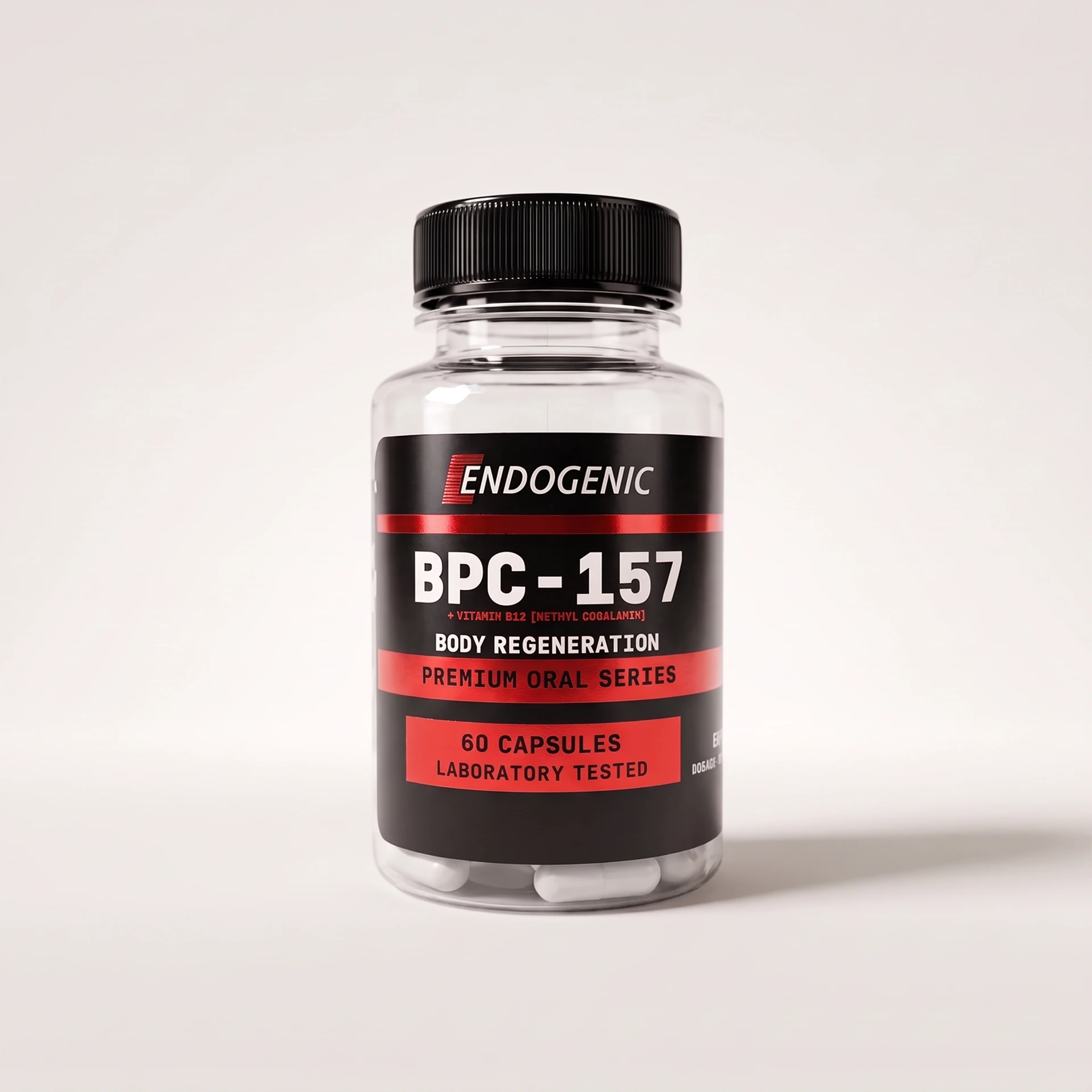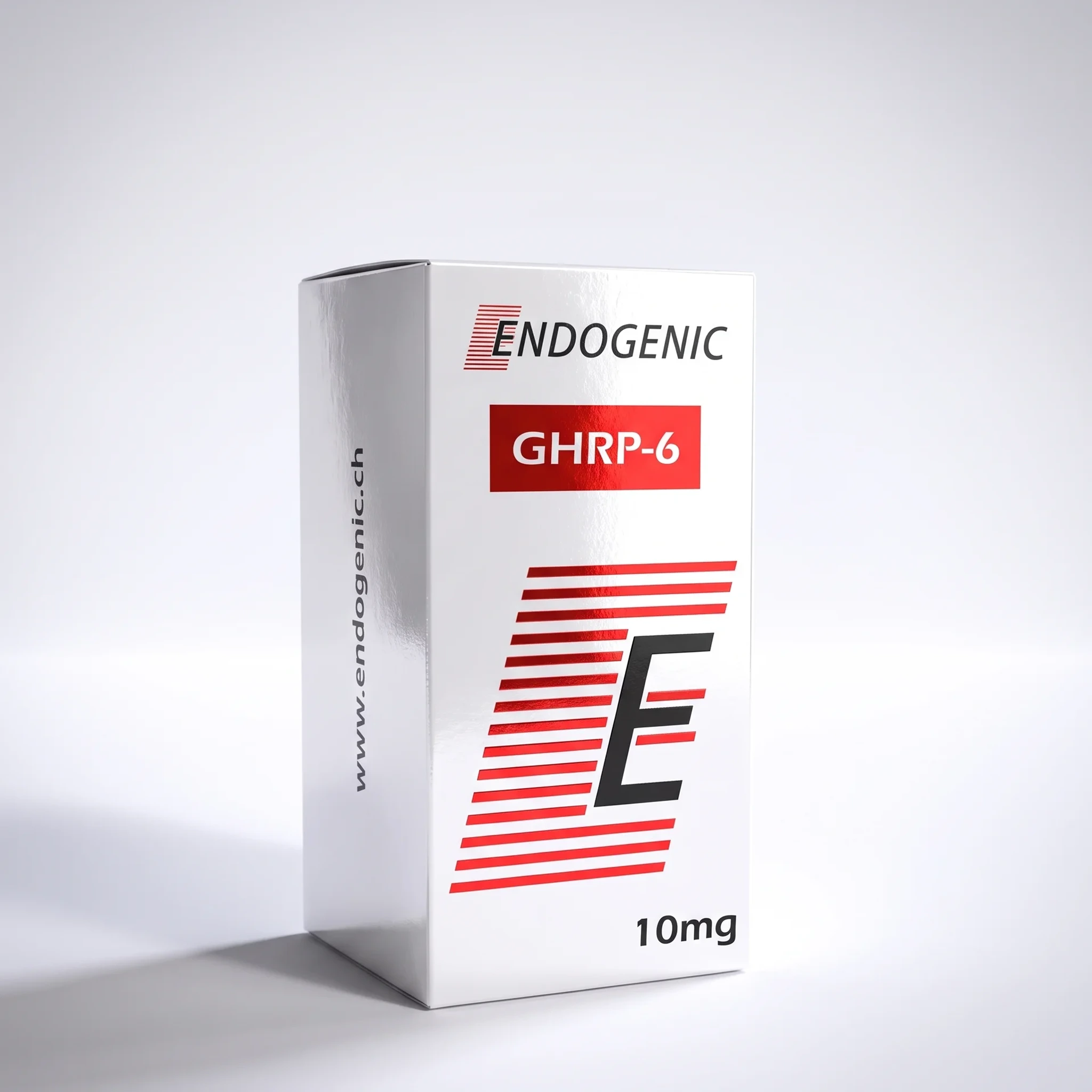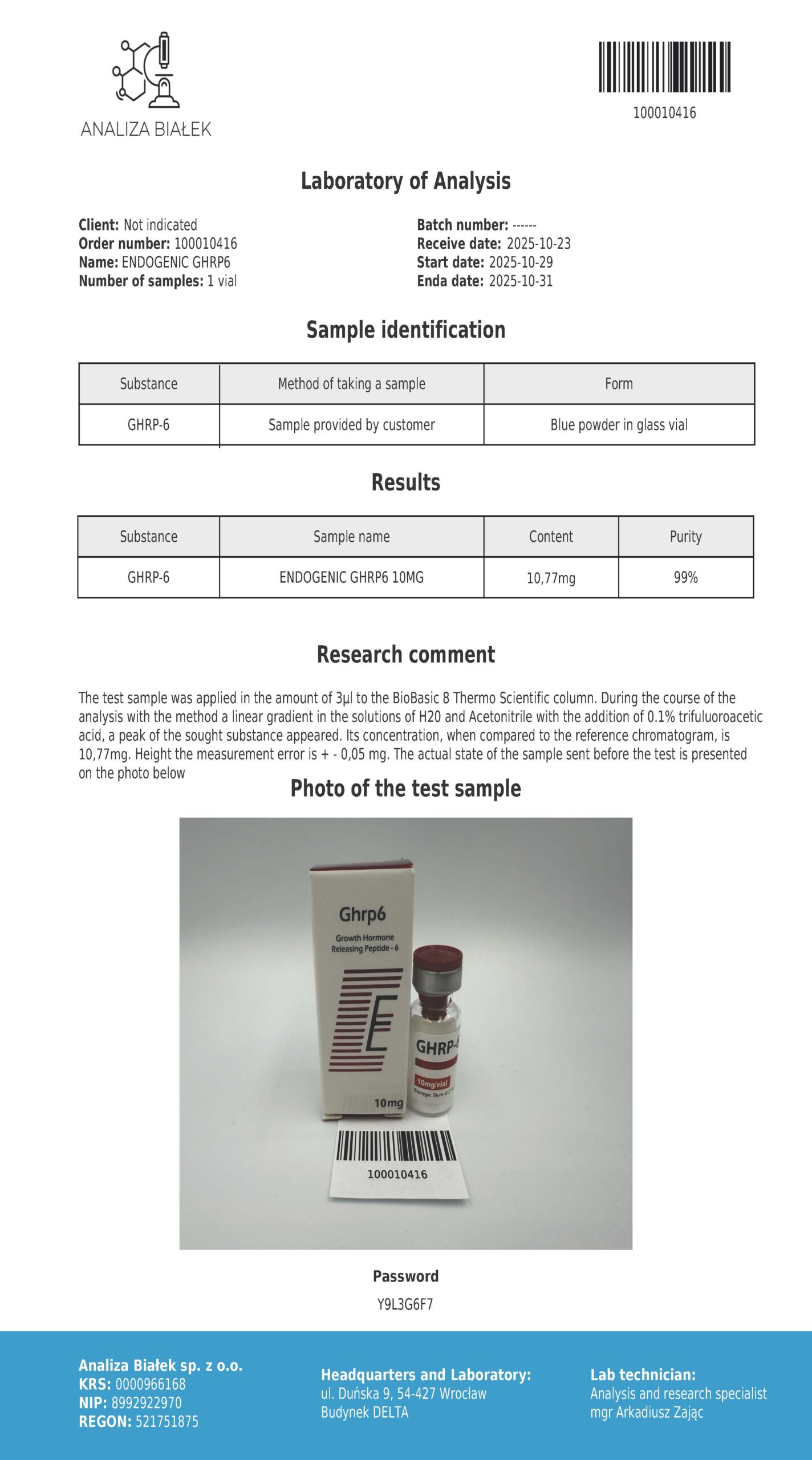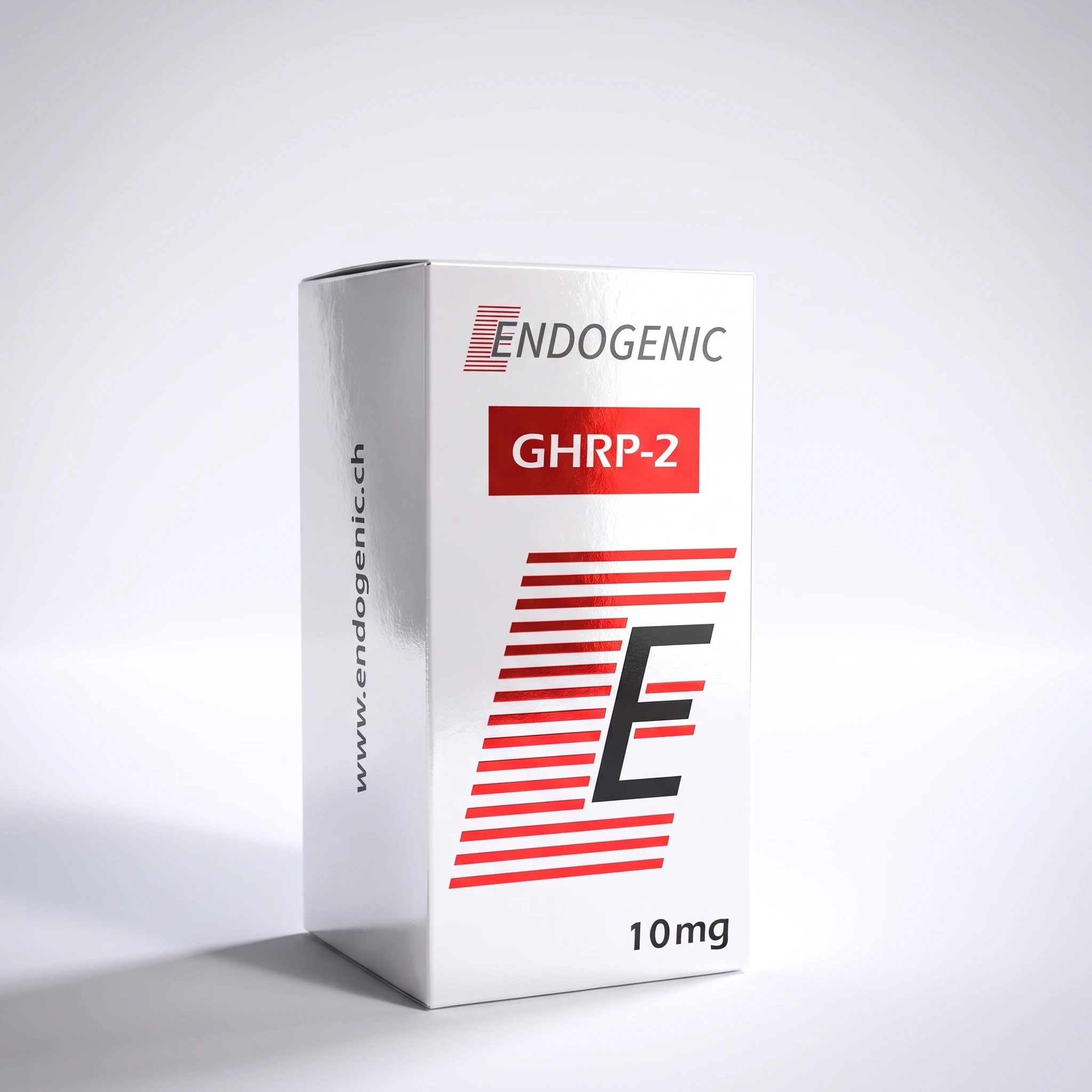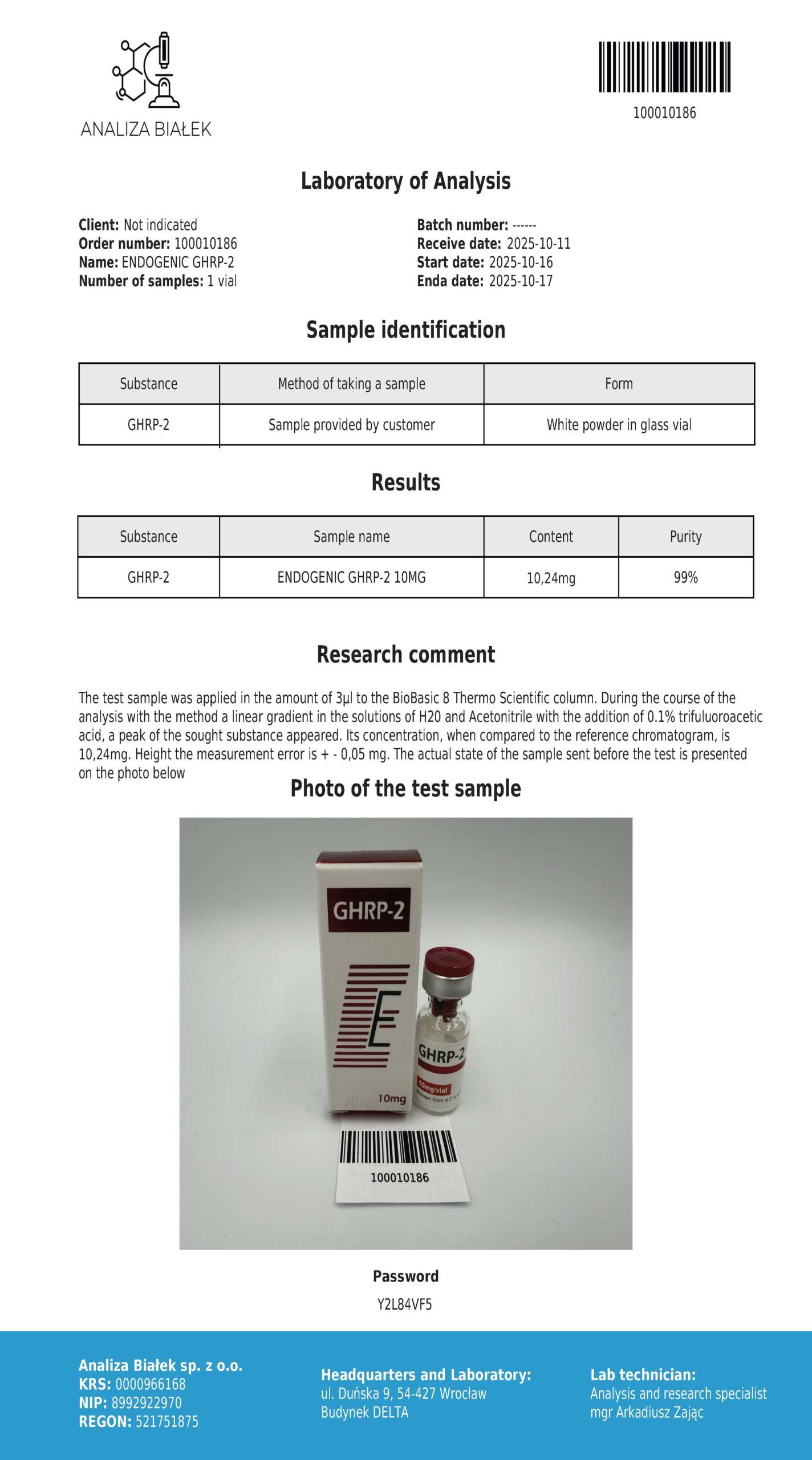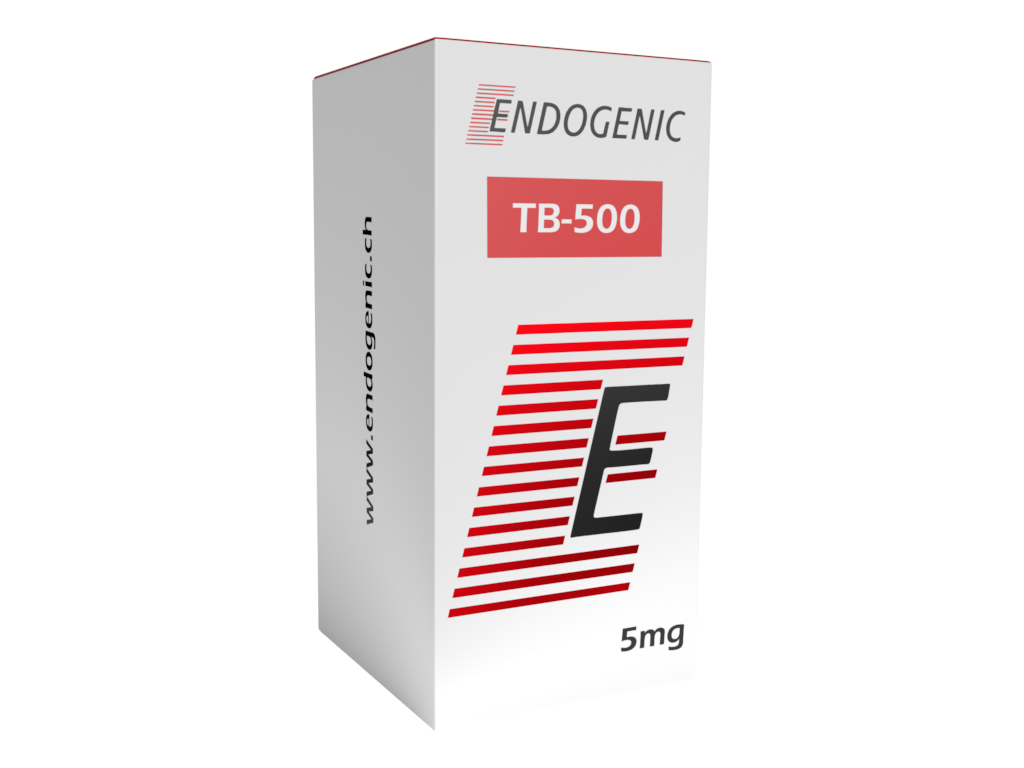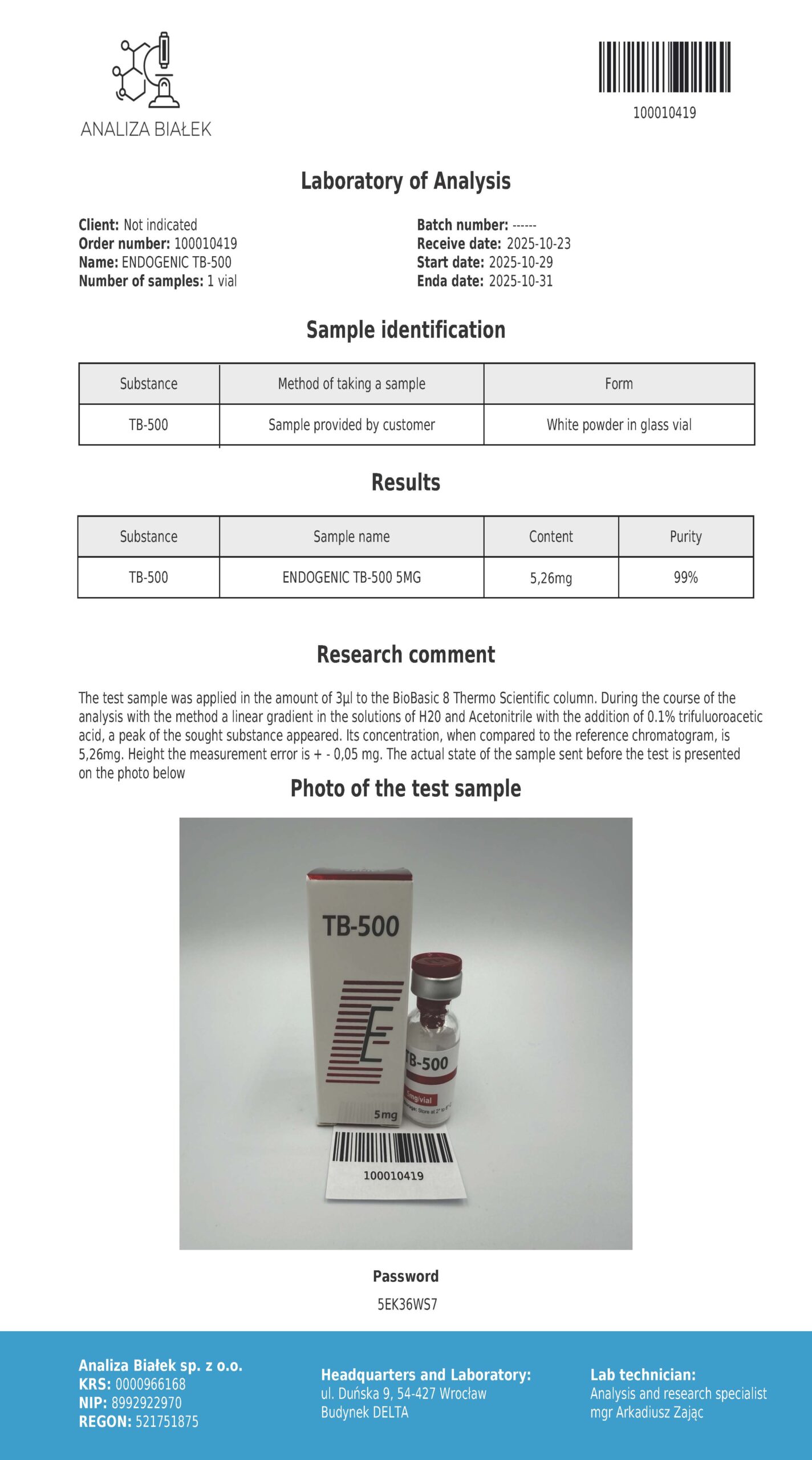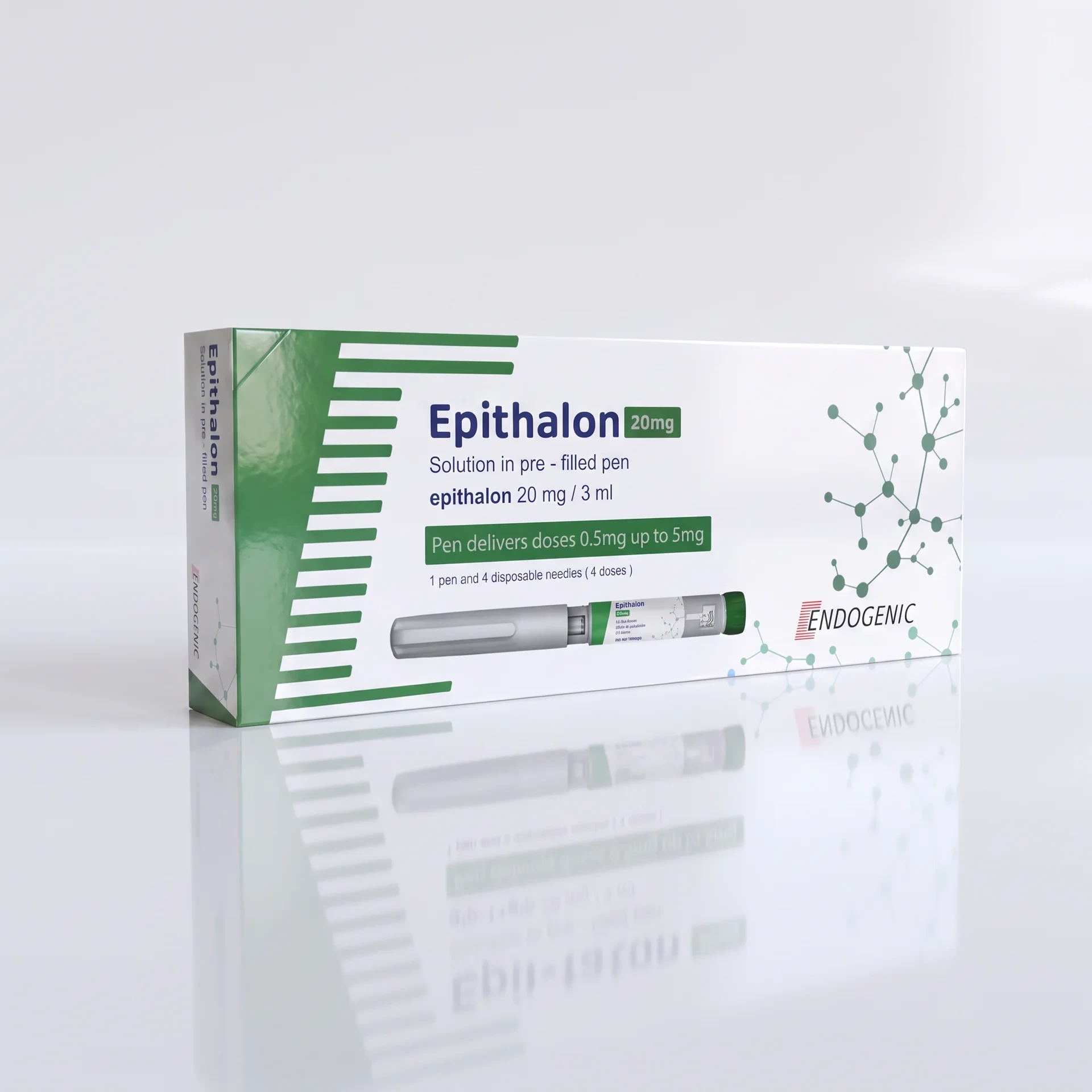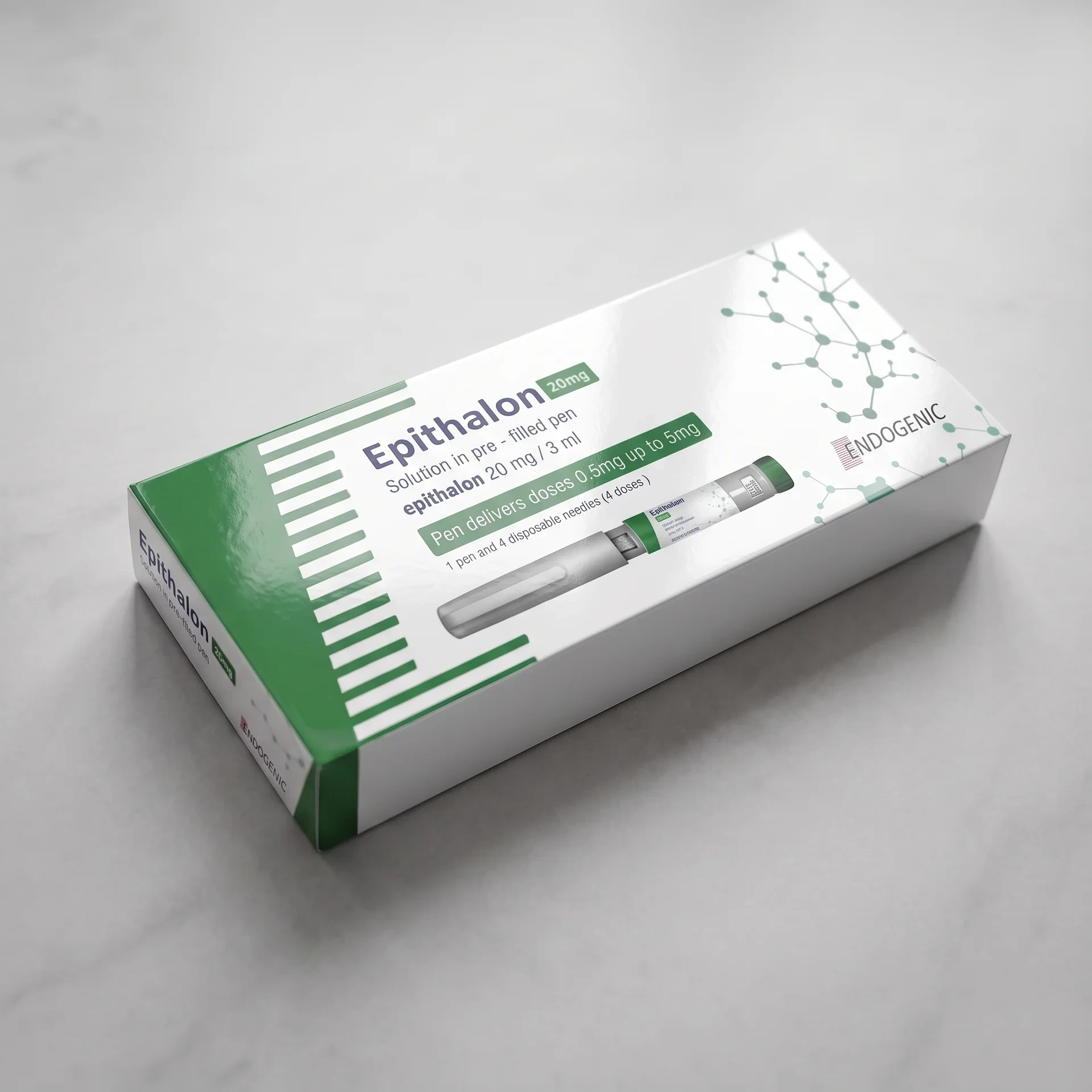


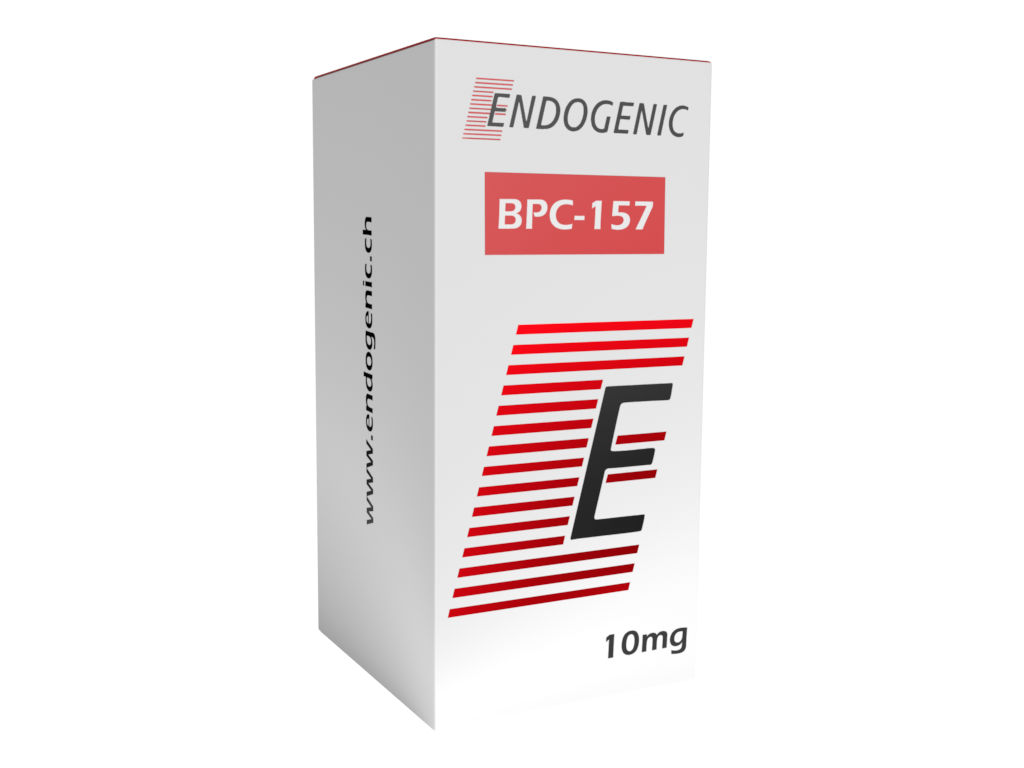
In the form of a peptide. BPC-157 10 mg per vial contains freeze-dried — dry, sublimated powder that requires reconstitution (usually with bacteriostatic water) before work. The PEN variant contains the peptide already dissolved in the factory solution, ready for collection without preparation. Two specific advantages of the vial: the lyophilisate is much more stable in storage (the dry powder does not hydrolyze or aggregate in solution), and the researcher independently selects the concentration of the working mother solution at the dissolution stage – the same lyophilisate can be dissolved to any volume and molarity for a specific experimental system. The applicator, on the other hand, is immediately ready for download. Compare forms: BPC-157 PEN in the applicator variant.
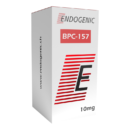
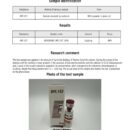
BPC-157 10mg
BPC-157 10 mg — regenerative pentadecapeptide in a lyophilisate vial for laboratory tests. Described in the literature in tendon repair models. The freeze-dried form ensures the highest shelf life and freedom to select the working concentration during reconstitution. RUO reagent
BPC-157 10 mg - regenerative peptide, research reagent
- BPC-157: pentadecapeptide from the Endogenic line.
- 10 mg lyophilisate in a vial.
- Research Use Only reagent, not a medicinal product.
Product status information
Chemical reagent intended exclusively for laboratory tests (Research Use Only). It is not a medicinal product, dietary supplement or food. It is not intended for use on humans or animals. Sales only to registered research units and laboratories.
Regulatory framework – WADA S0 status
BPC-157 is located from 2022 on the WADA prohibited list – category S0 (unapproved substances). The S0 category includes pharmacological compounds that have not been approved by any regulatory agency for use in humans (no registration as a drug) and yet are used in the context of supportive care. BPC-157 never went through the full registration path – phase II of clinical development (PL 14736, Diagen) was abandoned in 2014.
In the Pro-Body catalog, BPC-157 appears only as RUO research reagent, not as an adjunct. Registered athletes (ADAMS) must check the current list of prohibited substances before making any decision.
BPC-157 from the Endogenic line comes from gastric juice – not from a combinatorial chemistry laboratory. Predrag Sikiric’s team isolated this pentadecapeptide in Zagreb in 1991, as a fragment of a larger protective protein of the gastric mucosa (Body Protection Compound). It’s a paradox embedded in the molecule itself: a peptide isolated from the body’s most chemically aggressive environment – the highly acidic gastric juice – turned out to be exceptionally resistant to digestion, which breaks down most peptides within minutes.
Thirty years later, BPC-157 is still not approved as a drug in any jurisdiction, and its clinical development is stuck in Phase II. Nevertheless, it remains one of the most studied peptides in the preclinical literature on connective tissue repair – with dozens of publications by Sikiric’s team and independent groups. This paradox is typical for the entire class of regenerative peptides: strong signal from animal models, lack of closure in phase III clinical trials in humans.
This is why BPC-157 is marketed as Research Use Only reagent — a molecular tool for laboratory work, not a medicinal form. Preclinical literature describes its impact on the VEGF/VEGFR2 pathway (angiogenesis), the FAK-paxillin cascade (fibroblast migration) and a number of tendon, ligament and gastrointestinal repair models. This reagent is supplied in a vials with lyophilisate, nominal content 10 mg of peptide.
The lyophilized form – a dry, sublimated powder – is the classic format of the peptide reagent with the highest stability in stock: the peptide without water remains stable for many months, and the researcher independently determines the working concentration at the reconstitution stage. This freedom in choosing the concentration is the basic advantage of the vial over the ready solution – the same lyophilisate can be dissolved to any volume and molarity for a specific experimental setup.
General description
BPC-157 (Body Protection Compound 157, PL 14736) is stable gastric pentadecapeptide with a sequence of fifteen amino acids. Unlike many research peptides, it does not come from de novo design – it is a fragment of a naturally occurring protective protein of human gastric juice. This feature explains one of its most frequently reported properties: exceptional proteolytic stability, i.e. resistance to digestion in the gastrointestinal environment, where most peptides are rapidly degraded.
In the preclinical literature, BPC-157 is described primarily in context connective tissue reparation — models of Achilles tendon rupture and cutting, ligament and muscle damage — and protection of the digestive tract (models of stomach ulcers, colitis). Secondary research directions include the central nervous system axis (models of anxiety and depression) and angiogenesis, i.e. the creation of new blood vessels.
In the Pro-Body catalog, the BPC-157 belongs to Pillar I — groups peptides for regeneration. The format of the lyophilized vial with a nominal content of 10 mg is both technical and strategic in nature. Dry powder is the most stable form of peptide storage – without water, there are no hydrolysis or aggregation reactions in the solution, so the material endures long periods of storage much better than a ready-made solution.
The investigator reconstitutes the entire vial to a volume adjusted to the planned molarity of the working concentration, without a pre-defined starting concentration. This is how the vial differs from the applicator with a factory solution – the applicator wins in terms of its readiness for immediate collection, while the vial wins in terms of the durability of the lyophilisate and the freedom to set the working concentration.
The 10 mg lyophilisate performs well in comparison protocols with TB-500, a second line regenerative peptide acting through a distinct molecular pathway.
What is BPC-157 - Sequence and Class
BPC-157 is synthetic pentadecapeptide corresponding to a 15 amino acid fragment of the human gastric protective protein. The sequence is Gly-Glu-Pro-Pro-Pro-Gly-Lys-Pro-Ala-Asp-Asp-Ala-Gly-Leu-Val (single letter notation: GEPPPGKPADDAGLV). Molecular formula C₆₂H₉₈N₁₆O₂₂, molar mass 1419.53 g/mol, number CAS 137525-51-0. The three proline residues in positions 3–5 (PPP motif) have a structural function – they stiffen the chain and impede access by proteolytic enzymes.
This is a molecular explanation for the peptide stability observed in the literature in the gastrointestinal environment, where free peptides degrade within minutes. Unlike acylated peptides (like semaglutide), BPC-157 does not have an attached fatty acid chain – its stability results from the sequence itself, not from post-translational modification. The same proteolytic resistance is the premise for oral forms of the peptide, discussed in more detail in the guide BPC-157 capsules.
He isolated the molecule Predrag Sikiric’s team in Zagreb in 1991. Clinical development was conducted by Diagen under the designation PL 14736; Phase II was abandoned in 2014 and the peptide was never registered as a drug. Since then, BPC-157 has functioned solely as a research reagent.
Chemical characteristics
| Parameter | Value |
|---|---|
| Name | BPC-157 (Body Protection Compound 157), PL 14736 |
| Line | Endogenous |
| Class | Gastric pentadecapeptide (protective protein fragment) |
| Sequence (1 letter) | GEPPPGKPADDAGLV |
| Sequence (3-letter) | Gly-Glu-Pro-Pro-Pro-Gly-Lys-Pro-Ala-Asp-Asp-Ala-Gly-Leu-Val |
| Number of amino acids | 15 |
| Molecular formula | C₆₂H₉₈N₁₆O₂₂ |
| Molar mass | 1419.53 g/mol |
| CAS number | 137525-51-0 |
| Origin | Fragment of the protective protein of gastric juice (isolation: Zagreb, 1991) |
| Physical form | Lyophilisate (sublimated powder) in a vial |
| Nominal content | 10 mg BPC-157/vial |
| HPLC purity | ≥98% |
| Identity confirmation | Q-TOF mass spectrometry |
SCIENTIFIC PERSPECTIVE
The described BPC-157 studies were mostly conducted on animal models (rats, mice) and in cell cultures. Full phase III clinical trials on humans have not been completed – clinical development stopped at phase II (PL 14736), abandoned in 2014. Extrapolation of preclinical results to humans requires caution. The mechanisms and observations described are indicative of the molecule’s profile in the scientific literature – they are not expected to occur in anyone outside a controlled experimental environment.
Mechanism of action at the molecular level
In the preclinical literature, BPC-157 is described as a multidirectional compound – the literature indicates six complementary axes of molecular activity. Below, each of them with the name of the route and the practical ratio observed in the research models.
VEGF/VEGFR2 modulation – angiogenesis
The best documented axis. VEGF (vascular endothelial growth factor) and its receptor VEGFR2 are the central pathway of angiogenesis – the formation of new blood vessels. In rat Achilles tendon rupture models (Chang et al. 2011), BPC-157 increased VEGFR2 expression in tendon cells and increased neovascularization in the area of injury. In experimental practice, better vascularization of the regenerating connective tissue resulted in faster repair in an animal model. Angiogenesis is a bottleneck here – the tendon is a poorly vascularized tissue, and without a blood supply, repair progresses slowly.
FAK-paxillin pathway – fibroblast migration
FAK (focal adhesion kinase) and paxillin regulate cell adhesion and migration. Chang et al. (2011) showed that BPC-157 activates the FAK-paxillin cascade in tendon fibroblasts, increasing their migration towards the wound. Fibroblasts are “repair” cells of connective tissue – they produce collagen and rebuild the matrix. Faster migration means faster settlement of the damaged area.
NO/eNOS axis – microcirculation
BPC-157 has been associated in the literature with modulation of the nitric oxide (NO) pathway via endothelial NO synthase (eNOS). Nitric oxide dilates blood vessels and improves microcirculation in the area of damaged tissue. This is a complementary axis to VEGF: VEGF builds new vessels, NO regulates the flow in existing ones.
Serotonergic and dopaminergic modulation
In behavioral models, BPC-157 showed activity on the central nervous system axis – effects on the serotonergic and dopaminergic systems as well as anti-anxiety and anti-depressant effects were reported in rodent models. This is a secondary, but recurring, direction of research on the molecule in the literature. The mechanism remains the subject of further work.
Anti-inflammatory effect – NF-κB, TNF-α, IL-6
In rat models of colitis, Tkalcević et al. (2007) reported a reduction in the severity of inflammatory lesions and a decrease in pro-inflammatory markers. The literature associates this effect with the modulation of the NF-κB pathway and the reduction of pro-inflammatory cytokines TNF-α and IL-6. In practice: limiting the inflammatory reaction in the area of damage, which promotes tissue remodeling.
Proteolytic stability
The sixth axis concerns the molecule itself: BPC-157 shows resistance to digestion in the gastrointestinal environment. The three-proline motif stiffens the chain and limits the access of proteases. From a researcher’s perspective, this feature simplifies the work – the peptide maintains its integrity under conditions where most peptides are degraded. This is the same feature that explains the gastric origin of the molecule in the introduction.
Reference data mainly comes from the work of Sikiric’s team (e.g. Sikiric et al. 1993, 2011) and groups working on tendon repair (Chang et al. 2011; Krivic et al. 2006) and gastrointestinal tract (Tkalcević et al. 2007).
Applications in scientific research
BPC-157 as an RUO reagent is used in several research areas. The lyophilized vial format is particularly useful where the researcher needs to independently define the starting concentration of the mother solution – reconstitution to a selected volume allows you to adjust the molarity to a specific test without the compromises imposed by the ready solution. Within the Endogenous line, a peptide is assigned to a group peptides for injuries — reagents tested in models of soft tissue damage.
Tendon, ligament and muscle repair. Models of rupture and cutting of the Achilles tendon, patellar ligament injuries, and skeletal muscle injuries. Endpoints: mechanical breaking strength, histology (collagen density, fiber organization), angiogenesis markers (VEGF, VEGFR2, CD31), migration markers (FAK, paxillin). BPC-157 functions as a reference pro-angiogenic compound in comparative work on connective tissue reparation. The lyophilisate allows you to prepare a mother solution with a concentration selected for planned serial dilutions.
Gastrointestinal tract – models of ulcers and colitis. Gastric ulcer models induced by ethanol or NSAIDs, models of colitis (acetic acid, TNBS). Endpoints: ulcer surface, inflammatory index, pro-inflammatory markers (TNF-α, IL-6, NF-κB), mucosal integrity. This is historically the first area of research on the molecule consistent with its gastric origin.
Central nervous system – models of anxiety and depression. Rodent behavioral models (forced swimming test, elevated plus maze), analyzes of the serotonergic and dopaminergic systems, stress markers on the hypothalamic-pituitary-adrenal axis. A secondary but repeatable direction of research on peptide neuroactivity.
Angiogenesis and wound healing. Skin wound healing models, endothelial cell cultures, tube formation assays. Semiquantitative assessment of the VEGF/VEGFR2 and NO/eNOS pathway. BPC-157 as a tool for studying the mechanisms of neovascularization.
Summary
BPC-157 is a stable gastric pentadecapeptide (GEPPPGKPADDAGLV, 1419.53 g/mol) isolated in Zagreb in 1991 as a fragment of the protective protein of gastric juice. Six axes of its molecular activity have been described in the preclinical literature – with the best documented modulation of the VEGF/VEGFR2 pathway (angiogenesis) and the FAK-paxillin cascade (fibroblast migration) in tendon repair models.
The format of the lyophilized vial with a nominal content of 10 mg from the Endogenic line gives researchers two specific advantages: the highest stability of the peptide in stock (the dry powder does not hydrolyze or aggregate in solution) and full freedom in selecting the working concentration at the reconstitution stage. Where the applicator with the factory solution wins in terms of immediate readiness for collection, the lyophilized vial wins in terms of durability and flexibility in determining molarity.
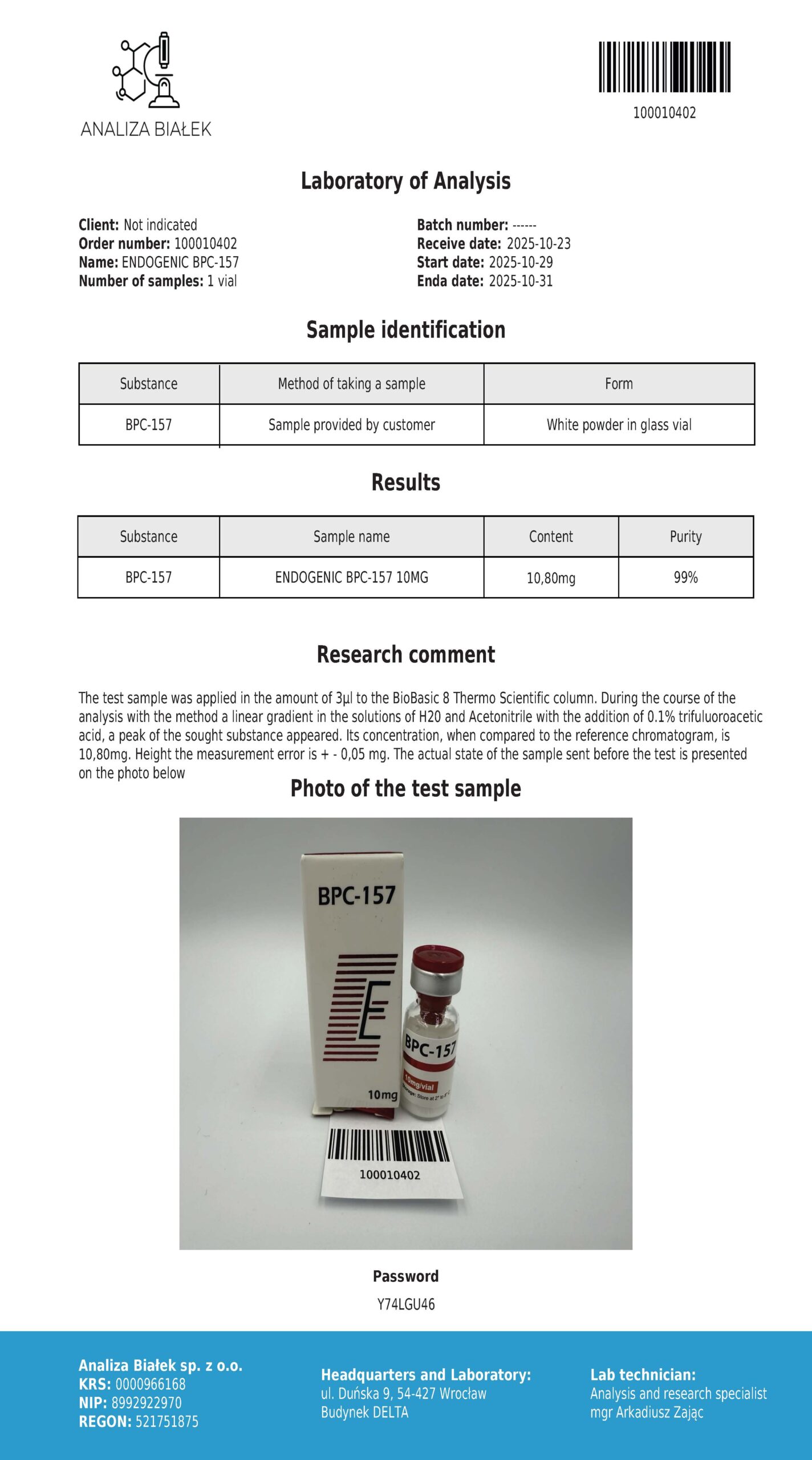
The regulatory profile remains clear: BPC-157 is not registered as a drug (phase II abandoned in 2014), and as of 2022 it is on the WADA list in category S0. In the Pro-Body catalog it appears exclusively as a Research Use Only reagent – a molecular tool for laboratory research, with HPLC purity ≥98%, MS Q-TOF confirmation and COA for each batch.
Bibliography
- Sikirić P, Petek M, Rucman R, Seiwerth S, Grabarević Z, et al. (1993). A new gastric juice peptide, BPC. An overview of the stomach-stress-organoprotection hypothesis and beneficial effects of BPC. PubMed
- Chang C. H., Tsai W. C., Lin M. S., Hsu Y. H., Pang J. H. S. (2011). The promoting effect of pentadecapeptide BPC 157 on tendon healing involves tendon outgrowth, cell survival, and cell migration. PubMed
- Sikiric P, Seiwerth S, Rucman R, Turkovic B, Rokotov DS, et al. (2011). Stable gastric pentadecapeptide BPC 157: novel therapy in gastrointestinal tract. PubMed
- Krivic A, Anic T, Seiwerth S, Huljev D, Sikiric P (2006). Achilles detachment in rat and stable gastric pentadecapeptide BPC 157: promoted tendon-to-bone healing and opposed corticosteroid aggravation. PubMed
- Tkalcević VI, Cuzic S, Brajsa K, Mildner B, Bokulic A, et al. (2007). Enhancement by PL 14736 of granulation and collagen organization in healing wounds and the potential role of egr-1 expression. PubMed
FAQ
ARG BPC-157 is arginine salt pentadecapeptide – a variant in which arginine was added to the molecule to improve the solubility and stability of the solution. The core peptide sequence remains the same (GEPPPGKPADDAGLV), the salt form and some physicochemical parameters change. The binding signal of batch identity remains the sequence and mass confirmed by mass spectrometry at COA. This reagent is BPC-157 in its basic form, not the arginine salt. Variant details: ARG-BPC-157 5mg.
In the preclinical literature, both peptides have been studied in the context of tissue reparation, but by distinct molecular pathways: BPC-157 acts mainly through VEGF/VEGFR2 and FAK-paxillin (angiogenesis, fibroblast migration), TB-500 (thymosin β4 fragment) through G-actin sequestration and cytoskeletal dynamics. This complementarity makes them the subject of comparative and combination protocols in animal models – parallel arms of an experiment examining two different reparation mechanisms.
This is an in vivo research stack, not a suggestion for use in humans. See the second peptide of the regenerative axis: TB-500 10mg. The mechanism of complementarity of both molecules is also discussed in the material o BPC-157 and TB-500 for regeneration.
VEGF (vascular endothelial growth factor) and its receptor VEGFR2 are the central pathway of angiogenesis – the formation of new blood vessels. In rat Achilles tendon rupture models (Chang et al. 2011), BPC-157 increased VEGFR2 expression and increased neovascularization in the area of injury. Since the tendon is a poorly vascularized tissue, better vascularization was observed in the model as a factor in faster repair. This is a preclinical result – not an effect confirmed in humans.
As of 2022, BPC-157 is on the WADA prohibited list in the category S0 – unapproved substances. S0 includes pharmacological compounds that have not been approved by any regulatory agency for use in humans (no drug registration) and yet are used in the context of adjuncts. BPC-157 meets this criterion: clinical development stalled in Phase II and never achieved approval. The ban applies permanently (in- and out-of-competition). Registered Athletes (ADAMS) must check the current list before making any decision.
In short: bring the vial to room temperature, adjust the volume of bacteriostatic water to the target concentration of the mother solution (e.g. 2 ml per 10 mg gives 5 mg/ml), direct the solvent stream at the wall of the vial (not at the precipitate), dissolve with gentle swirling without shaking, check the clarity of the solution, and then prepare working concentrations by serial dilutions.
After reconstitution, store the solution at 2–8°C or aliquot and freeze at −20°C. For a complete six-step description, please refer to the “Lyophilisate Reconstitution Protocol” section. This is a laboratory procedure, not instructions for administration to humans.
-
xyz
 Polski
Product review
Fajny produkt.
-
Ola
Polski
Product review
ok
Related products