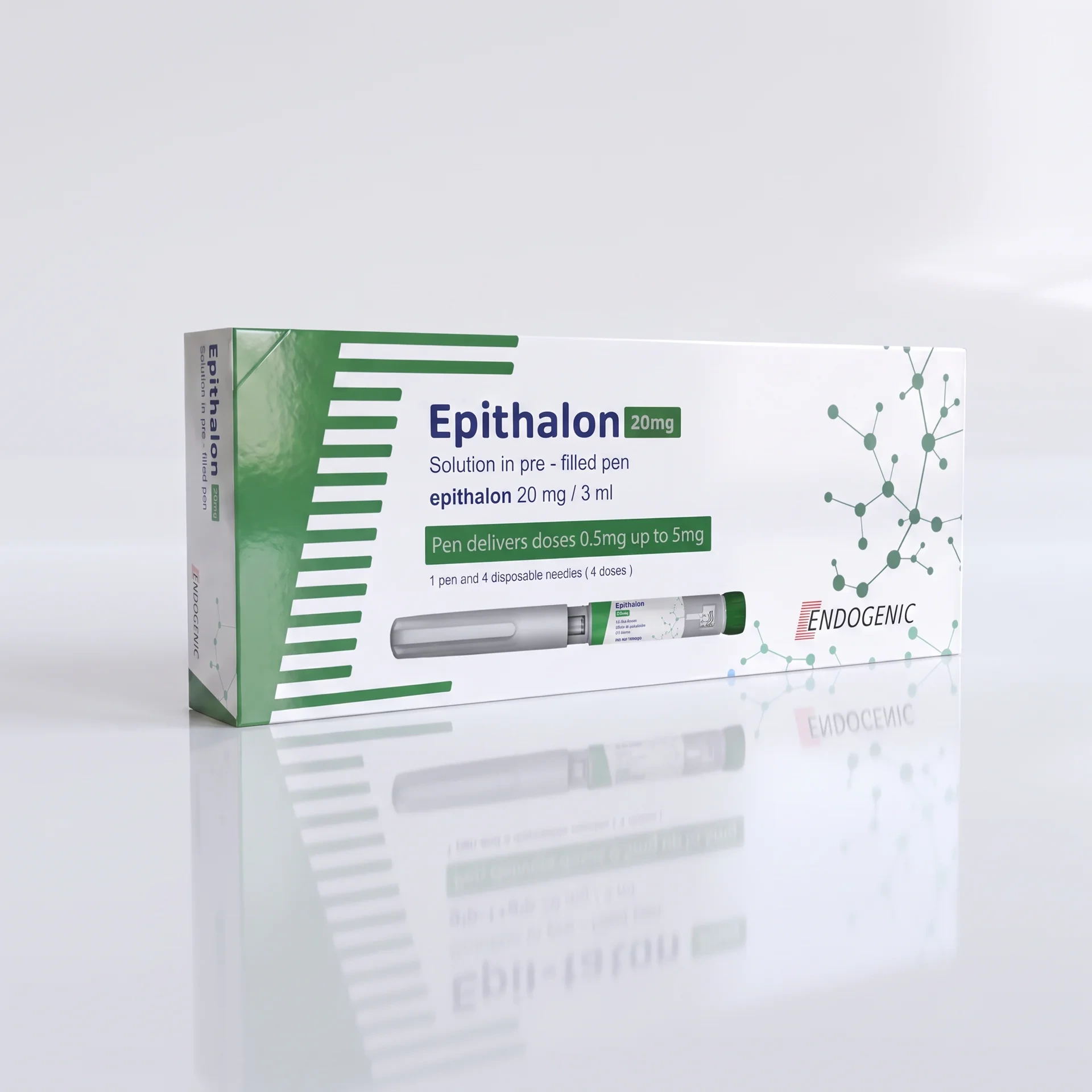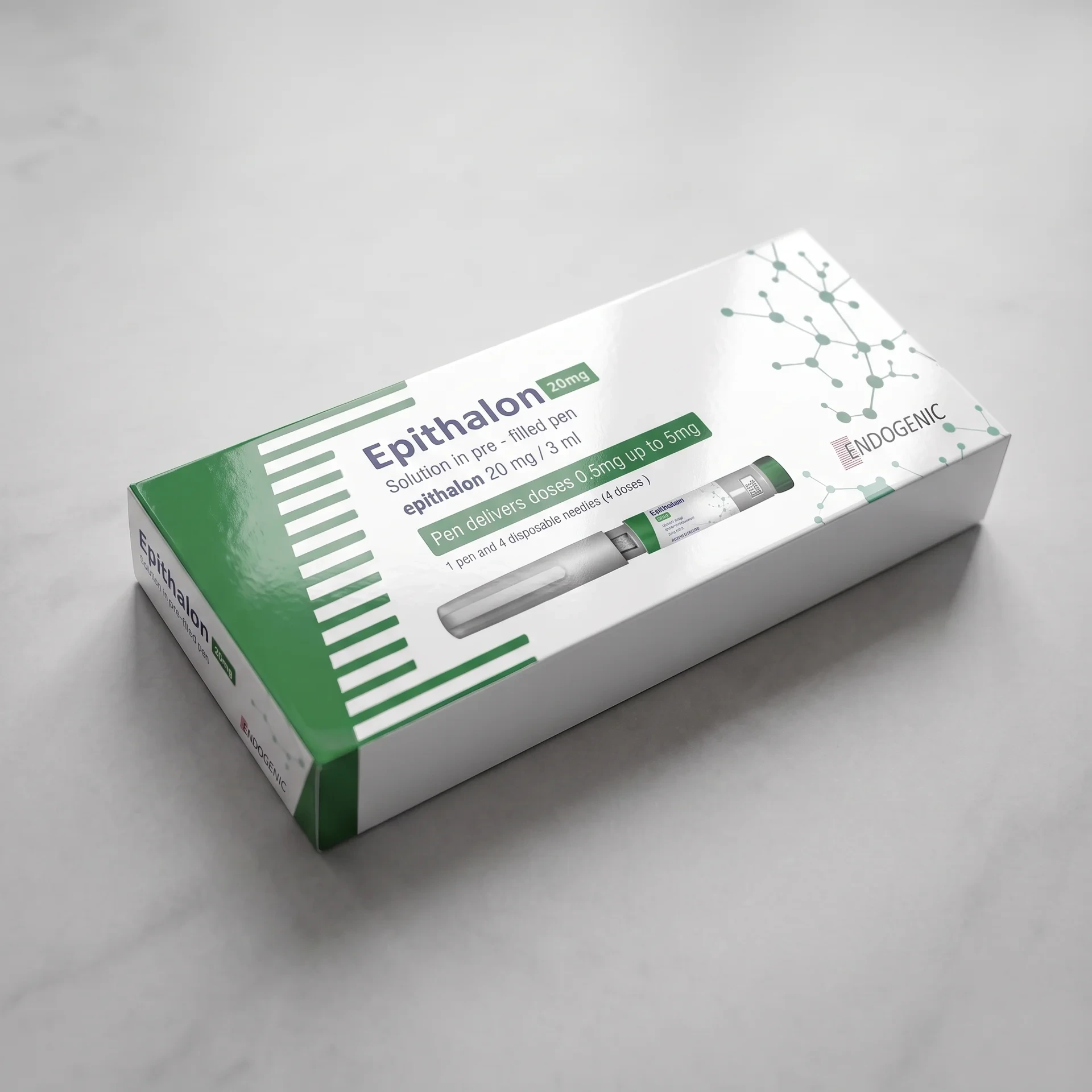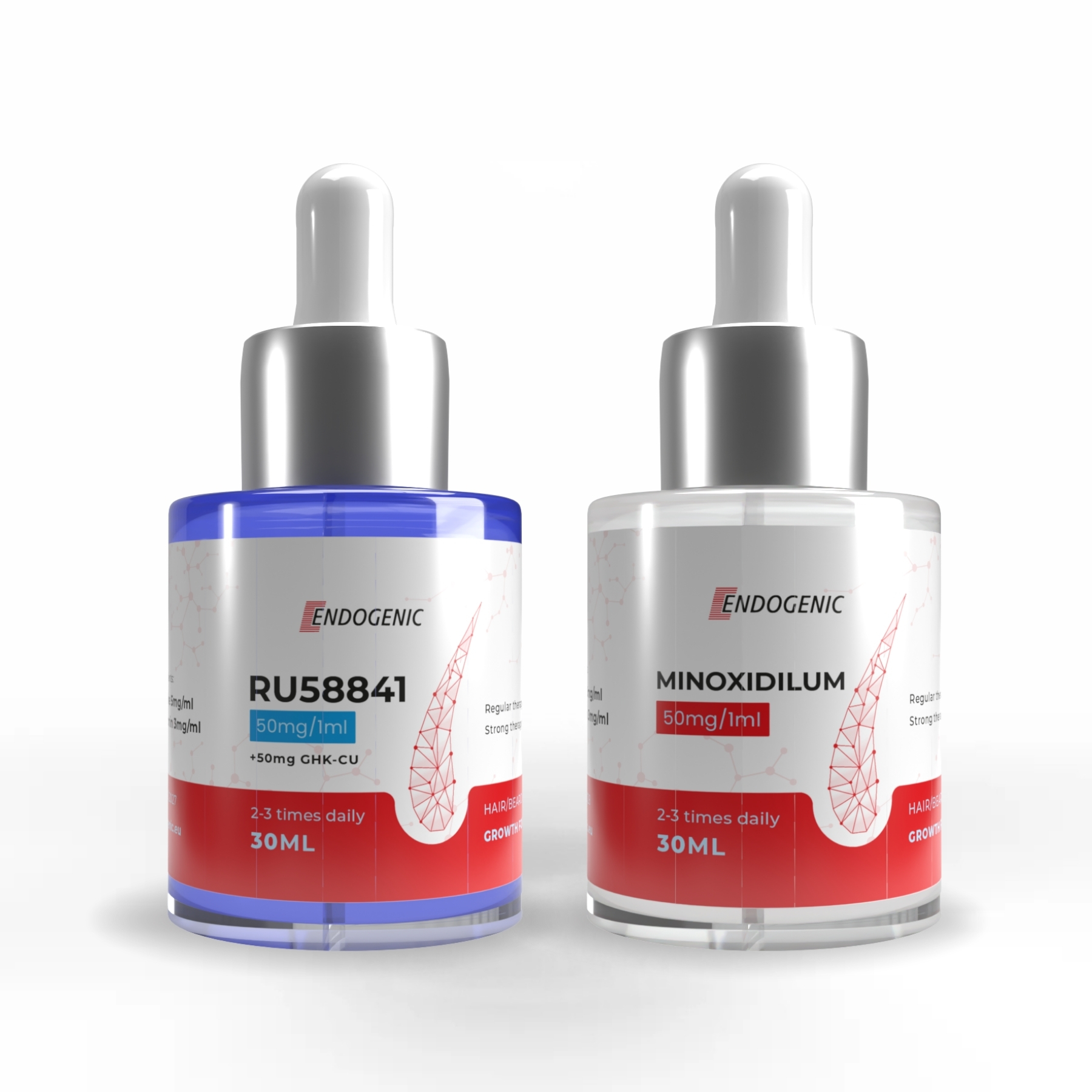
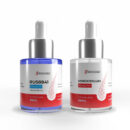
RU58841 + Minoxidilum
RU58841 and minoxidil are chemical compounds that have been the subject of intensive scientific research for years, especially in the context of the biology of hair follicles and the mechanisms of androgens’ impact on tissues. Both chemical reagents are widely used in research laboratories around the world to conduct in vitro and in vivo experiments on animal models. This description aims to present the chemical properties, molecular structure and potential research applications of these substances, with full respect for the principles of pharmaceutical law.
90,99 €
Fast shipping
Delivery options
Free delivery from 350 €
Returns policy
Endogenic RU58841 + Minoxidilum
- RU58841 and minoxidil are chemical compounds that have been the subject of intensive scientific research for years, especially in the context of the biology of hair follicles and the mechanisms of androgens' impact on tissues.
- Both chemical reagents are widely used in research laboratories around the world to conduct in vitro and in vivo experiments on animal models.
- This description aims to present the chemical properties, molecular structure and potential research applications of these substances, with full respect for the principles of pharmaceutical law.
RU58841 and minoxidil are compounds with different chemical structures and mechanisms of action at the molecular level. RU58841 is a non-peptide androgen receptor antagonist that, in laboratory conditions, has the ability to competitively bind to androgen receptors. Minoxidil however, it is an organic chemical compound from the group of piperidine derivatives, whose vasodilatory properties have been the subject of numerous scientific publications.
Both reagents are used in academia and pharmaceutical laboratories to study molecular mechanisms related to tissue physiology and receptor-ligand interactions.
INTENDED FOR RESEARCH PURPOSES! All the above-mentioned properties are observed in laboratory tests, not performed on humans, they are for information purposes only. All information contained in the descriptions has not been approved by GIS, GIF or EFSA. The substance is not a medicine, food product or dietary supplement and is therefore not suitable for human consumption.
The product qualifies as a chemical reagent/reference material authorized for marketing in the EU. It can only be used for scientific research. Other information about the agent is included in the safety data sheet for the chemical substance, which we make available for viewing. Products are available only to institutions or private individuals associated with research or laboratory activities.
What is RU5884?
RU58841, also known by the chemical name PSK-3841 or HMR-3841, is a synthetic a compound belonging to the class of nonsteroidal androgen receptor (AR) antagonists. It was developed in the 1990s by Roussel Uclaf as a potential candidate for research on the modulation of androgenic activity in tissues.
In the context of scientific research, RU58841 is used as a molecular tool to analyze the mechanisms of binding of ligands to the androgen receptor, the expression of androgen-dependent genes, and the effect of AR receptor blockade on various cell types. This compound has high scientific value due to its selectivity and specificity towards the androgen receptor.
What is minoxidil?
Minoxidil is an organic chemical compound with the general formula C₉H₁₅N₅O, belonging to the group of piperidinopyrimidine derivatives. It was first synthesized in the 1960s by the Upjohn Company (now Pfizer) as a vasodilator drug candidate.
In a laboratory environment minoxidil is used as a chemical reagent in research on the mechanics of blood vessels, regulation of oxygen pressure in tissues and as a model of a compound influencing the activity of potassium channels. Due to its unique chemical and pharmacological properties, minoxidil is a valuable research tool in studies of cellular physiology.
Structure and chemical properties
RU58841
- Summary formula: C₁₇H₁₈F₃N₃O₃
- Molecular weight: 369.34 g/mol
- IUPAC name: 4-[3-[4-(trifluoromethyl)phenyl]-1H-pyrrol-1-yl]butanenitrile
- CAS number: 154992-24-2
RU58841 is characterized by the presence of a pyrrole ring connected to a trifluoromethyl group, which gives it high lipophilicity and the ability to penetrate cell membranes. This compound is stable at room temperature and soluble in organic solvents such as ethanol, DMSO and PEG-400.
Minoxidil
- Summary formula: C₉H₁₅N₅O
- Molecular weight: 209.25 g/mol
- IUPAC name: 6-(1-piperidyl)pyrimidine-2,4-diamine 3-oxide
- CAS number: 38304-91-5
Minoxidil has a pyrimidine structure with a substituted piperidine group and N-oxide, which affects its chemical properties and reactivity. This compound occurs in the form of white or almost white crystalline powder, slightly soluble in water, highly soluble in alcohols.
Mechanism of action
RU58841
In vitro, RU58841 has high affinity for the androgen receptor (AR). The mechanism of its action at the molecular level is:
- Competitive binding to the androgen receptor – RU58841 competes with endogenous androgens (testosterone, dihydrotestosterone – DHT) for the binding site on the AR receptor, blocking its activation.
- Inhibiting the translocation of the receptor to the cell nucleus – after binding RU58841 to the AR receptor, the ligand-receptor complex is not translocated to the cell nucleus, which prevents the activation of androgen-dependent gene expression.
- No agonist activity – RU58841 does not activate the androgen receptor, which makes it a pure antagonist.
In vitro studies on cell lines showed that RU58841 effectively inhibits the proliferation of androgen-dependent cells, reduces the expression of AR-regulated genes and affects the cell cycle. This compound is used in research on the mechanics of nuclear receptors and as a tool for the analysis of androgen-dependent signaling pathways.
Minoxidil
Minoxidil exhibits a number of molecular properties in vitro:
- Activation of potassium channels (K_ATP) – minoxidil works by opening potassium channels in cell membranes, which leads to hyperpolarization of smooth muscle cells of blood vessels.
- Effect on cell proliferation – in vitro studies have shown that minoxidil can stimulate the proliferation of various cell types, including fibroblasts and follicular matrix cells.
- Modulation of the expression of growth factors – minoxidil affects the expression of VEGF (vascular endothelial growth factor) and other angiogenic factors.
Minoxidil is used in research on vascular physiology, angiogenesis and regulation of cell growth in various experimental models.
Applications in scientific research
RU58841
RU58841 is used in the following research areas:
- Biology of androgen receptors – research on the mechanics of ligand binding, AR receptor conformation and interactions with coactivators and corepressors.
- Experimental oncology – analysis of the effect of AR receptor blockade on the growth of prostate cancer cells and other hormone-dependent cancers.
- Experimental dermatology – research on the mechanics of the impact of androgens on skin tissues, sebaceous glands and hair follicles in cellular models.
- Molecular pharmacology – development of new AR receptor antagonists and structure-activity studies (SAR).
Minoxidil
Minoxidil is used in studies relating to:
- Physiology of the circulatory system – analysis of vasodilation mechanisms, blood pressure regulation and vascular endothelium functions.
- Cell biology – research on cell proliferation, cell cycle and apoptosis.
- Angiogenesis – the effect of minoxidil on the formation of new blood vessels and the expression of growth factors.
- Research on hair follicles – modeling the processes of follicle growth and regression in vitro and in vivo on animal models.
Summary
RU58841 and minoxidil are chemical reagents of high scientific value used in laboratory research around the world. Both compounds have a well-characterized chemical structure, mechanisms of action at the molecular level, and wide applications in various fields of biology and pharmacology.
Minoxidil (Minoxidilum)
1) RCT in men with AGA – 5% vs 2% vs placebo (48 weeks)
- Minoxidil 5% was clearly more effective than 2% and placebo in hair regrowth; the effect built up over time.
2) 5% minoxidil foam – randomized, placebo-controlled study (16 weeks + safety)
- Confirms the effectiveness and safety profile of 5% minoxidil (foam form) in men.
RU58841
3) RU58841: androgen receptor antagonist + alopecia model in macaques
- The work includes the cellular part (AR) and the “hair in macaques” part: after topical application, it was reported increase in hair density/thickness/length in the AGA model in monkeys; the authors reported no systemic effects detected in this model, but at the same time discuss the potential for systemic effects due to the mechanism.
4) “Human” hair model (balding scalp transplants) on nude mice + testosterone
- Controlled study: scalp grafts from balding men on mice under androgenic conditions; topical RU58841 1% vs control. It was observed more frequently in the RU group re-entry of the follicles into the next cycle and higher rate of linear hair growth.
5.0
0 reviews
-
Greg
 Polski
Product review
Polecam ten stack