The concentration determines the active content in the solution: 5% (50 mg/ml) sits at the upper end of typical topical research concentrations of 2-5%. In the context of research, this means a different point on the concentration-response curve and a different profile of penetration and potential systemic absorption – a higher concentration does not automatically translate into a “stronger effect”, but a different range of exposure to characterize. This 5% reagent is a research material, unlike the registered OTC 2-5% forms.
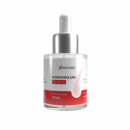
Minoxidil 50mg/1ml – 30ml
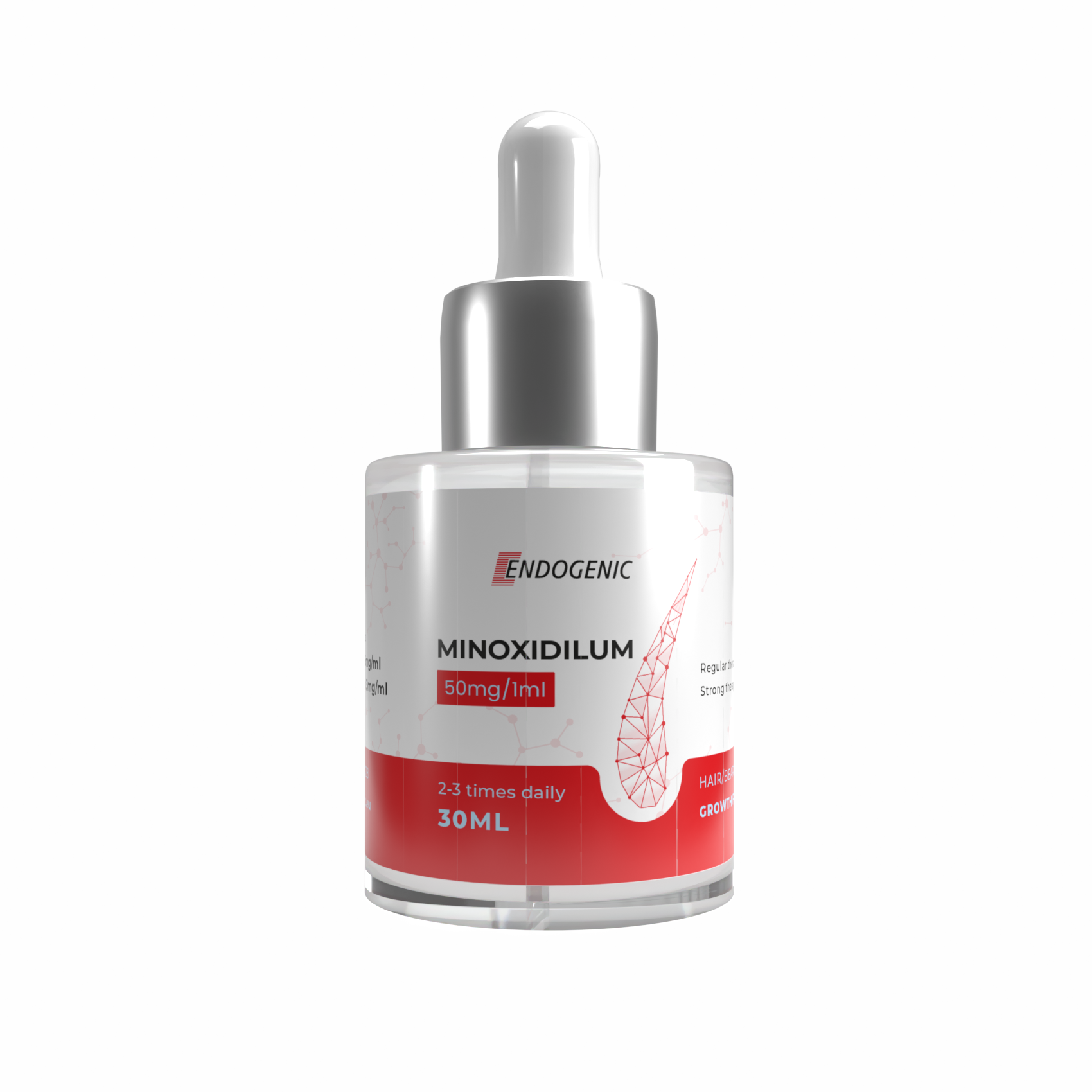
Minoxidil 5% (50 mg/ml) × 30 ml (Endogenic line) is a topical solution of the K-ATP potassium channel activator in a blend with caffeine and melatonin, in a bottle with a pipette (1 ml = 1 full pipette). Minoxidil is a small molecule activated in the skin to minoxidil sulfate – in studies on follicle microcirculation and the anagen phase. Research Use Only.
40,99 €
Fast shipping
Delivery options
Free delivery from 350 €
Returns policy
Minoxidil 5% (50 mg/ml) 30 ml - topical solution - reagent
- Minoxidil 5% (50 mg/ml) × 30 ml (Endogenic line) is a topical solution of the K-ATP potassium channel activator in a blend with caffeine and melatonin, in a bottle with a pipette (1 ml = 1 full pipette).
- Minoxidil is a small molecule activated in the skin to minoxidil sulfate - in studies on follicle microcirculation and the anagen phase.
Product status information
Chemical reagent intended exclusively for laboratory tests (Research Use Only). It is not a medicinal product, dietary supplement or food. It is not intended for use on humans or animals. Sales only to registered research units and laboratories.
Minoxidil is a piperidinopyrimidine derivative, in the literature on androgenetic alopecia (AGA) one of the best characterized compounds acting outside the androgenic axis. Where androgen receptor antagonists or 5α-reductase inhibitors target the DHT signal, minoxidil targets a distinct node in hair follicle biology—potassium channels, perifollicular microcirculation, and hair cycle dynamics. Belongs to the line Endogenic Pro-Body, in this case as a high concentration topical solution combining the main active with two auxiliary ingredients with a profile observed in follicle and scalp studies.
This reagent is supplied as 5% (50 mg/ml) minoxidil topical solution in a 30 ml bottle with a pipette — in a format intended for application to skin models and in research on the biology of the hair follicle and the anagen phase. One full pipette corresponds to 1 ml of solution. A concentration of 5% places this reagent at the upper end of typical research concentrations of 2–5%, which makes it a material for work on the concentration-response relationship and on the penetration profile with increased active content.
The solution has character blend: in addition to minoxidil, it contains caffeine and melatonin. Minoxidil purity verified by HPLC ≥98%, COA with ingredient concentrations available for each batch.
Regulatory status
Minoxidil topical in concentrations of 2–5% is a registered ingredient of over-the-counter products (Rogaine®, Regaine®). This reagent at a concentration of 5% in the form of a blend with caffeine and melatonin it is not a registered medicinal product or an OTC product — this is research material. Communicating the solution as a “baldness treatment”, “enhanced Rogaine” or “hair regrowth solution” is inconsistent with the Research Use Only framework.
Hair cycle, anagen phase and potassium channels
Each hair follicle goes through a cycle of three phases: anagen (height), catagen (transitions) i telogen (rest). The length and thickness of the hair depend primarily on the duration of anagen – the longer the growth phase, the longer and stronger the hair. In androgenic alopecia, the anagen of subsequent cycles is shortened, the follicle miniaturizes, and the hair produced becomes thinner and shorter.
This is the node at which many bellows research strategies are aimed – for a broader context of comprehensive bellows protocols, see material about androgenetic alopecia therapy. Minoxidil fits into this picture as a compound that affects… cycle dynamics and blood supply lives, and not on a hormonal signal. What is key mechanistically is the fact that minoxidil is prodrug — a compound that gains full activity only after enzymatic transformation in the skin (sulfotransferase to minoxidil sulfate).
The active metabolite, minoxidil sulfate, acts as ATP-dependent potassium channel opener (K-ATP). The opening of these channels in vascular smooth muscle cells leads to vasodilation and increased blood supply to the tissue – and in the context of the follicle, also to influence the cells of the dermal papilla and the dynamics of the growth phase.
This distinction is important in understanding why minoxidil is being studied alongside antiandrogens, but as a separate tool. AR antagonists and 5α-reductase inhibitors address androgen axis (DHT signal). Minoxidil addresses vascular-cyclic axis (potassium channels, microcirculation, anagen duration). Two different nodes of the same biology – which makes both types of compounds the subject of comparative analyzes in the androgenetic alopecia paradigm.
What is Minoxidil 5% (blend)?
Chemically, minoxidil is a small molecule – a piperidinopyrimidine derivative, a prodrug activated locally in the skin.
- Common name: minoxidil
- CAS number: 38304-91-5
- Summary formula: C₉H₁₅N₅O
- Molecular weight: ~209.25 g/mol
- Pharmacological class: opener of ATP-dependent potassium channels (K-ATP); prodrug activated to minoxidil sulfate
- Mechanism at the goal level: vasodilation and influence on the dynamics of the follicular cycle by the active metabolite (minoxidil sulfate)
- Delivered form: 5% (50 mg/ml) minoxidil topical solution in a 30 ml bottle with a pipette (1 ml = 1 full pipette); asset blend (minoxidil + caffeine + melatonin)
Origin and context: Minoxidil was originally characterized as a vasodilator with a strong vascular effect. Observation of the effect on hair growth led to further work on its topical application, which led to the registration of 2-5% topical forms as OTC products. This reagent supplies minoxidil in a concentration of 5% in a research blend – in a format that allows testing of the penetration and response profile with an active content at the upper end of the standard research concentration range of 2–5%.
Composition of the blend – Minoxidil 5% solution with auxiliary assets
The solution doesn’t just contain minoxidil – it blend main active with two ingredients with a profile observed in studies on the hair follicle and scalp.
| Component | Class/role in the blend | Observed direction in the literature (research models) |
|---|---|---|
| Minoxidil 50 mg/ml (main asset) | K-ATP potassium channel opener; prodrug (active minoxidil sulfate) | Vasodilation, effect on follicle microcirculation, prolongation of the anagen phase, modulation of growth factors (VEGF, prostaglandins by PGHS-1) |
| Caffeine | Methylxanthine, phosphodiesterase inhibitor | Stimulation of follicular matrix cell proliferation, antagonism to the inhibitory effect of androgens in in vitro models |
| Melatonin | Indoleamine, antioxidant | Protection of the follicles against oxidative stress; melatonin described in the context of hair follicle biology |
Mechanism of action at the molecular level
The central axis of the blend is activation of K-ATP potassium channels implemented by minoxidil (through its active metabolite), supported by two auxiliary ingredients targeting other aspects of follicle biology.
- K-ATP potassium channel opener (minoxidil as a prodrug) — minoxidil itself is relatively inactive; only transformation by skin sulfotransferases into minoxidil sulfate gives an active form. The active metabolite opens ATP-dependent potassium channels in vascular smooth muscle cells, which leads to vasodilation and increased blood supply to the follicles. Perifollicular microcirculation is a node separate from the androgenic axis – this is one of the reasons why minoxidil is being tested as a reference to antiandrogens.
- Anagen lengthening and telogen shortening — in models of the hair cycle, minoxidil is described as a factor shifting the dynamics of the cycle towards a longer growth phase (anagen) and a shorter resting phase (telogen). This means that the follicle tends to stay in the active hair production phase for longer.
- Effect on follicle growth factors — minoxidil has been associated in studies with the modulation of growth factors important for the follicle, including vascular endothelial growth factor (VEGF) and the prostaglandin pathway through prostaglandin-endoperoxidase synthase (PGHS-1). These are the directions of signaling related to angiogenesis and maintaining the growth phase in dermal papilla cells.
- Caffeine – Stimulation of the follicle matrix — methylxanthine acting as a phosphodiesterase antagonist; in in vitro models above the follicle, its effect on the proliferation of follicle matrix cells and antagonism towards the inhibitory effect of androgens (DHT) in cell culture have been described. This is a separate node from the vascular mechanism of minoxidil.
- Melatonin – antioxidant protection — indoleamine described in the literature on the follicle as a protective factor against oxidative stress; melatonin and its receptors are present within the follicle, making it the subject of research into the hair cycle and the antioxidant protection of the scalp.
Blend therefore connects one main axis (K-ATP activation and effect on the follicle cycle by minoxidil) with two ingredients targeting adjacent aspects of follicle biology – matrix stimulation (caffeine) and antioxidant protection (melatonin). This is a multi-component architecture in which minoxidil remains the dominant asset and the remaining components address separate research nodes. A related but mechanistically different tool is RU58841 — a topical antiandrogen targeting the androgenic axis (AR receptor blockade), which makes both compounds the subject of comparative analyses.
Security in a research context
Several observations relevant to study planning have been described in the literature on minoxidil topical:
- Transient telogen effluvium at the beginning — in the initial period, a temporary increase in hair loss (shedding) was described, interpreted as the effect of cycle synchronization when telogen follicles move to new anagen. In a research context, this is an expected observation, not an indicator of an “adverse effect” in the consumer sense.
- Scalp irritation — local irritation, itching or contact skin reactions have been reported; vehicle and concentration influence the tolerance profile.
- High concentrations and systemic absorption — at higher concentrations (such as 5%), the risk of greater systemic absorption of the active increases, and with it the potential vascular effects characteristic of minoxidil as a vasodilator. This is an important parameter when designing top exposure models.
The above applies only to work with the reagent in authorized research units and does not constitute instructions for use in humans.
Applications in scientific research
Minoxidil is used in work on the biology of the hair follicle, the dynamics of the hair cycle and the pharmacology of potassium channels in the skin. Specific research directions include:
- Research on the hair follicle cycle — assessment of the impact of K-ATP activation on anagen-telogen transitions in cellular and animal models
- Studies on perifollicular microcirculation — characterization of the impact of vasodilation and VEGF signaling on the condition of the follicle
- Concentration-response relationship analyses — comparison of penetration and response profiles at different concentrations of minoxidil (2%, 5%, 8%) in skin models; in models of percutaneous penetration, the impact of microneedling is also examined using tools such as Derma Roller
- Studies on prodrug-active metabolism — characterization of the activation of minoxidil to minoxidil sulfate by skin sulfotransferases
- Analyzes of multi-component blends — study of the interaction of minoxidil with matrix stimulating (caffeine) and antioxidant protective (melatonin) factors in follicle models
- Comparative studies with other anti-AGA strategies — minoxidil (K-ATP activator, vascular-cyclic axis) as a reference to AR antagonists (set RU58841 + Minoxidil + roller) and 5α-reductase inhibitors
REGULATORY STATUS
Minoxidil topical in concentrations of 2–5% is a registered ingredient of OTC products (Rogaine®, Regaine®). This reagent 5% in a blend with caffeine and melatonin is not registered medicinal product or OTC – this is Research Use Only research material. Minoxidil is not currently on the WADA Prohibited List as a listed substance. Material intended for laboratory testing only.
Summary
Minoxidil 5% (50 mg/ml) × 30 ml (Endogenic line) is a topical solution of the K-ATP potassium channel activator, supplied as a blend of minoxidil with caffeine and melatonin, in a 30 ml bottle with a pipette (1 ml = 1 full pipette). The main active ingredient is minoxidil (CAS 38304-91-5, C₉H₁₅N₅O, ~209.25 g/mol) – a small molecule, a prodrug activated in the skin to minoxidil sulfate.
In preclinical models, minoxidil was characterized as an opener of ATP-dependent potassium channels, dilating vessels and influencing the dynamics of the follicle cycle (anagen lengthening, telogen shortening) and growth factors (VEGF, prostaglandins via PGHS-1). The auxiliary ingredients address the stimulation of the follicle matrix (caffeine) and antioxidant protection (melatonin). The 5% concentration places the reagent at the upper end of standard topical research concentrations of 2-5% – it is a material for work on the concentration-response relationship and the penetration profile. Minoxidil HPLC purity ≥98%, COA with ingredient concentrations for each batch. Regulatory status – Research Use Only.
Related materials and hair cosmetics
Minoxidil belongs to the hair follicle research line, which is complemented by others in the Pro-Body catalog peptide cosmetics and preparations for the scalp. In research on transdermal penetration of assets, microneedling with a microneedling roller is used, and a comprehensive context of combining an antiandrogen and a K-ATP activator discusses material on the fight against androgenic alopecia. All of these materials relate to research models and the Research Use Only framework.
Bibliography
- Messenger AG, Rundegren J (2004). Minoxidil: mechanisms of action on hair growth. PubMed
- Suchonwanit P, Thammarucha S, Leerunyakul K (2019). Minoxidil and its use in hair disorders: a review. PubMed
- Otberg N, Teichmann A, Rasuljev U, Sinkgraven R, Sterry W, Lademann J (2007). Follicular penetration of topically applied caffeine via a shampoo formulation. PubMed
- Fischer TW, Slominski A, Tobin DJ, Paus R (2008). Melatonin and the hair follicle. PubMed
DISCLAIMER – Research reagent (Research Use Only)
Product Minoxidil 5% (50 mg/ml) – 30 ml (topical solution, blend) is sold exclusively as chemical reagent for laboratory tests in vitro and on animal/skin models. It is not a medicine, it is not a dietary supplement, it is not a cosmetic and it is not a product intended for human use. It is not intended to diagnose, treat, alleviate or prevent any disease, including alopecia.
Minoxidil topical 2–5% is a registered OTC ingredient, however this 5% reagent in a blend with caffeine and melatonin is not a registered medicinal product or OTC. Sales addressed to qualified research personnel, research units and laboratories. The buyer assumes full responsibility for the legal and safe use of the reagent under laboratory conditions consistent with applicable regulations and institutional guidelines.
FAQ
The topical solution is applied to the scalp and targets the follicle locally, with prodrug-sulfate activation within the skin. Oral minoxidil (capsule form) works systemically — through the bloodstream, with a different whole-body exposure profile and a different range of vascular effects. These are two separate routes of administration with different pharmacokinetic profiles.
The solution combines three assets targeting distinct nodes of follicle biology. Minoxidil is the main asset (potassium channels, microcirculation, hair cycle). Caffeine — methylxanthine, a phosphodiesterase inhibitor, in in vitro models associated with stimulation of follicle matrix cell proliferation and antagonism towards DHT. Melatonin — an antioxidant described in follicle biology, protection against oxidative stress. Each ingredient addresses a different research aspect, and minoxidil remains the dominant asset.
In the literature on minoxidil topical, a temporary increase in hair loss in the initial period (so-called shedding) has been described. This is interpreted as an effect of cycle synchronization – follicles in the resting phase (telogen) move to new anagen, which in the transition period is manifested by the loss of old hair. In the research context, this is an expected observation regarding the dynamics of the cycle, and not a harmfulness indicator.
In the androgenetic alopecia paradigm, minoxidil (vascular-cyclic axis) is a comparative reference to an antiandrogen for hair loss (androgenic axis) – these are two different nodes, examined together or separately. Microneedling is studied in the context of its effect on percutaneous penetration of assets. A ready-made set of RU58841 + Minoxidil with a dermaroller is also available. All combinations refer only to research protocols in scientific units, not for use in humans.
Minoxidil is not currently on the WADA Prohibited List as a listed substance. However, the status of each substance must be verified against current guidelines and registered athletes (ADAMS) must check the current Prohibited List before any decision.
5.0
1 review
-
Jakub
 Polski
Product review
Zdecydowanie mogę polecić Minoxidil. Produkt dostarczono naprawdę szybko – już na drugi dzień był u mnie. Aplikacja jest prosta i wygodna. Obsługa klienta bardzo pomocna, odpowiadająca na wszelkie pytania. To już mój kolejny zakup w tym sklepie, jestem zadowolony z jakości i obsługi. Polecam :)