Cardarine and GW-0742 are selective PPARδ agonists — a nuclear receptor of the PPAR family. SLU-PP-332 activates pan-ERR (ERRα, ERRβ, ERRγ) — a different family of nuclear receptors. Both pathways (PPARδ and ERR) regulate β-oxidation and mitochondrial-biogenesis genes, but they act independently. PPARδ also activates anti-inflammatory pathways; ERR has a greater impact on muscle-fibre conversion. In research protocols these compounds are often compared as competing “exercise mimetic” tools — a full discussion of the PPARδ mechanism and metabolic effects can be found in the article Cardarine for weight loss — action and dosage.
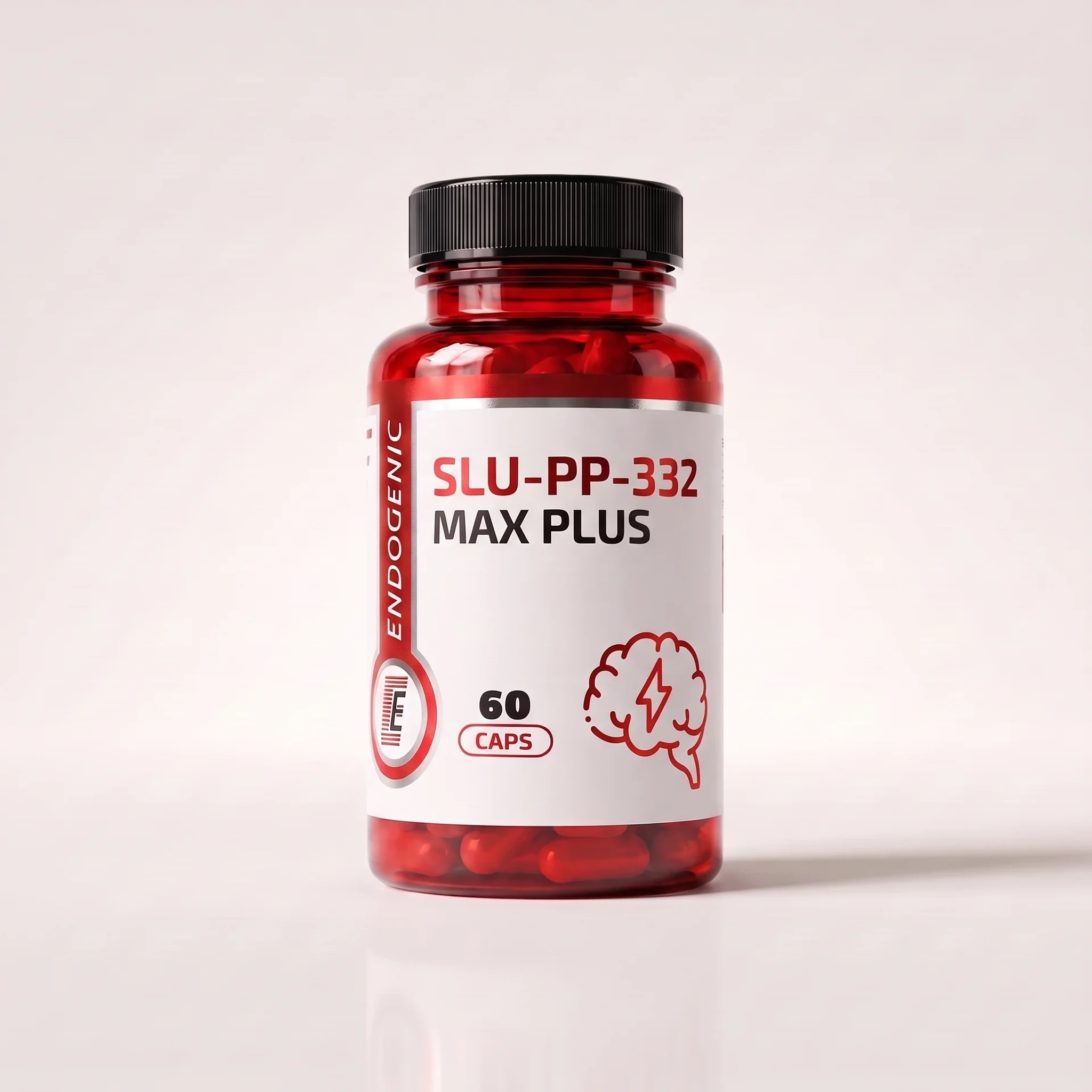
SLU-PP-332-MAX PLUS 1000mcg 60caps
SLU-PP-332-MAX PLUS 1000 mcg 60 caps is a synthetic pan-ERR agonist (Estrogen-Related Receptor α/β/γ) — an exercise mimetic from preclinical research (Burris lab, Saint Louis University). A chemical reagent intended solely for laboratory research into mitochondrial biogenesis, β-oxidation of fatty acids and exercise-mimetic mechanisms in rodent and in vitro models. Research Use Only.
214,99 €
Fast shipping
Delivery options
Free delivery from 350 €
Returns policy
SLU-PP-332-MAX PLUS 1000 mcg 60 caps — pan-ERR agonist research reagent
- SLU-PP-332: ERR receptor pan-agonist.
- 1000 mcg, 60 capsules.
- Research Use Only reagent, not a medicinal product.
SLU-PP-332 A chemical reagent intended solely for laboratory research (Research Use Only). It is not a medicinal product, a dietary supplement or a foodstuff. It is not intended for use in humans or animals. Sold only to registered research units and laboratories.
SLU-PP-332 is a synthetic pan-ERR agonist (Estrogen-Related Receptor) — a small-molecule compound that activates all three isoforms of the estrogen-related receptors (ERRα, ERRβ, ERRγ). Developed in the laboratory of Thomas P. Burris (Saint Louis University, later the University of Florida Scripps Institute) as a research tool for modulating mitochondrial metabolism and energy biogenesis. In the preclinical literature it is characterised as an “exercise mimetic” — a compound that, in rodent models, induces a phenotypic profile resembling endurance training: increased mitochondrial biogenesis, β-oxidation of fatty acids, and conversion of fast-twitch muscle fibres into slow-twitch (oxidative) fibres.
This reagent is supplied in the format of 60 oral capsules of 1000 mcg (1 mg) SLU-PP-332 each — a form adapted to oral-bioavailability studies and chronic-exposure protocols in rodent in vivo models. A concentration of 1000 mcg per capsule allows the standardisation of micro-doses in long-term research protocols without the need to reconstitute a solution. Purity verified by HPLC ≥98%, identity confirmed by mass spectrometry, COA available for every batch.
General overview — the context of ERR receptors
Estrogen-Related Receptors (ERR) are a family of orphan nuclear receptors with three isoforms (ERRα, ERRβ, ERRγ), structurally close to the estrogen receptors (ERα/β) but functionally distinct — they do not bind estrogen or other steroid ligands. They act as constitutively active regulators of the transcription of metabolic genes, particularly those associated with mitochondrial biogenesis and β-oxidation of fatty acids.
ERRα and ERRγ are expressed in tissues with high energy demand — skeletal muscle, the heart muscle, brown adipose tissue, the kidneys. ERRβ shows more limited expression, including in embryonic stem cells and some areas of the CNS. All three isoforms cooperate with the PGC-1α coactivator (Peroxisome Proliferator-activated Receptor Gamma Coactivator 1-alpha) — the “master switch” of mitochondrial biogenesis, whose expression increases after endurance exercise.
The world of metabolic pharmacology observes pan-ERR agonists for three reasons. First, as a tool for studying exercise-mimetic mechanisms at the transcriptional level — independently of PPARδ (the classic target of Cardarine/GW-0742). Second, as a model orphan pan-ERR ligand — most earlier compounds activated only single isoforms. Third, as a tool for modelling metabolic mitochondrial diseases in rodent models (type 2 diabetes, sarcopenia, heart failure).
INTENDED FOR RESEARCH PURPOSES! All of the properties listed above are observed in laboratory research, not performed on humans, and are for informational purposes only. None of the information contained in the descriptions has been approved by GIS, GIF or EFSA. The substance is not a medicine, a foodstuff or a dietary supplement, and consequently it is not fit for human consumption.
The product qualifies as a chemical reagent / reference material authorised for sale within the EU. It may be used exclusively for scientific research. Further information about the agent is provided in the chemical safety data sheet, which we make available on request. The products are available only to institutions or private individuals associated with research or laboratory activity.
What is SLU-PP-332?
Chemically, SLU-PP-332 is a small-molecule organic compound rationally designed as an agonist of all three ERRs.
- Common name: SLU-PP-332
- Chemical class: small-molecule pan-ERR agonist (Estrogen-Related Receptor α/β/γ); pharmacological category: exercise mimetic, metabolic modulator
- Origin: developed by the team of Thomas P. Burris (Saint Louis University Department of Pharmacology and Physiology, later University of Florida Scripps); the landmark publication Billon et al. 2024 on pan-ERR activation in metabolic models
- CAS Number: being indexed — to be verified in the batch COA
- Molecular formula: structural specifics given in the batch COA (proprietary compound, patent details of Saint Louis University)
- Molar mass: approximately 350–450 g/mol (typical for small-molecule nuclear-receptor modulators)
- Supplied form: hard HPMC capsule (vegan), 1000 mcg (1 mg) of active substance per capsule, 60 capsules; pharmaceutical grade ≥98% HPLC
SCIENTIFIC PERSPECTIVE SLU-PP-332 belongs to a very narrow category of orphan-receptor pan-agonists — capable of activating all ERR isoforms simultaneously. This significantly distinguishes the compound from earlier selective agonists (XCT790 — an ERRα antagonist; GSK4716 — an ERRγ agonist). Most pharmacological data come from mouse models (C57BL/6J, including DIO and sarcopenia models) and from in vitro studies on muscle-cell lines (C2C12, L6). Extrapolation of PK/PD profiles to humans requires further research — no clinical trials have been published to date.
Mechanism of action of SLU-PP-332
SLU-PP-332 binds to the ligand-binding domain (LBD) of all three ERR receptors and induces conformational stabilisation of the active state, in which the PGC-1α coactivator is recruited to the transcriptional complex. Activation of ERR triggers a transcriptional cascade involving hundreds of metabolic genes.
Signalling cascade after pan-ERR activation (in vitro / in vivo animal model):
- Agonist binding to the ERR LBD — SLU-PP-332 stabilises the active conformation of the receptor, enabling heterodimerisation with RXR and binding to the ERRE (ERR Response Element) in the promoters of target genes
- Recruitment of the PGC-1α coactivator — PGC-1α is the “master switch” of mitochondrial biogenesis; its recruitment to the ERR/RXR complex induces massive activation of the transcription of mitochondrial genes
- Induction of mitochondrial biogenesis — activation of the transcription of NRF1, NRF2, TFAM and other regulators of mitochondrial DNA replication → an increase in the number and mass of mitochondria in myoblasts
- Activation of β-oxidation of fatty acids — expression of CPT1 (carnitine palmitoyltransferase 1), MCAD, ACOX1 — β-oxidation enzymes in the mitochondrial matrix; the mechanism underlying the observed “fat-tissue reduction” effect in DIO models
- Conversion of type II → type I muscle fibres — chronic activation of ERR/PGC-1α in skeletal muscle models the endurance phenotype: an increase in the proportion of slow-twitch fibres (type I, oxidative) at the expense of fast-twitch fibres (type IIb, glycolytic)
- Modulation of glucose metabolism — activation of the GLUT4 transporter and a shift of muscle metabolism towards substrate oxidation (mixed fat-glucose metabolism instead of purely glycolytic)
In mouse models (C57BL/6J) chronic exposure to SLU-PP-332 (usually 10–50 mg/kg s.c. or orally, once daily, 4–8 weeks) led to a 30–50% increase in treadmill endurance relative to the control group, a reduction in visceral fat mass and an improvement in insulin-sensitivity parameters. The effects were observed independently of physical training — hence the term “exercise mimetic”.
A related but different mechanism from PPARδ. Cardarine (GW-501516) and GW-0742 are selective PPARδ agonists — another family of nuclear receptors regulating metabolism. PPAR and ERR act in parallel in some pathways (both activate β-oxidation genes), but they are different receptor families with different ligands and different biological profiles. The interplay of ERR/PPARδ in skeletal muscle — still the subject of research — suggests potential synergy in metabolic protocols in rodent models.
Applications of SLU-PP-332
SLU-PP-332 is used in research work in several areas. In in vivo models (C57BL/6J mouse, DIO mouse, ERRα-/- transgenic mouse) its effect on physical endurance, body composition, lipid and glucose metabolism, and on the mitochondrial-gene expression profile is studied. In in vitro models (C2C12, L6 myoblast lines, H9c2 cardiac cells, HepG2 hepatocytes) studies of receptor affinity, transcriptional-activation kinetics and the effect on mitochondrial biogenesis are carried out.
Specific research directions include:
- Exercise mimetic — mitochondrial biogenesis and endurance — physical-activity models, mapping of PGC-1α, NRF1, TFAM expression, treadmill studies
- Lipid metabolism and β-oxidation — DIO (diet-induced obesity) models, studies of β-oxidation enzyme expression, reduction of visceral fat tissue
- Heart failure and cardioprotection — HFpEF (heart failure with preserved ejection fraction) models, studies of mitochondrial biogenesis in cardiomyocytes (ERRα/γ are strongly expressed in the heart)
- Age-related sarcopenia — models of muscle-mass loss, studies of fibre conversion and oxidative metabolism
- Mitochondrial diseases — models of genetic mitochondrial dysfunction, studies of transcriptional compensation through ERR activation
- Comparative studies of the “exercise mimetic” class — SLU-PP-332 vs GW-501516 (PPARδ) vs AICAR (AMPK) — comparison of transcriptional and metabolic profiles
Pro-Body quality specification
Each batch of SLU-PP-332-MAX PLUS undergoes a cycle of analytical control:
- HPLC ≥98% — high-performance liquid chromatography with UV detection — verification of compound purity and identification of related impurities (mainly isomers and synthesis intermediates)
- MS confirmation — Q-TOF mass spectrometry — confirmation of compound identity at the level of monoisotopic mass
- COA per batch — a certificate of analysis for every batch available as an inline PDF on the product page; it contains the HPLC and MS results, a stability test, a bioburden control, and content uniformity across capsules
- Batch traceability — each batch is marked with a unique number, tracked in an internal QA system with the ability to retrospectively verify synthesis and control conditions
- Scientific reviewer — the product specification and literature description are verified by a reviewer with an academic affiliation in the field of nuclear-receptor pharmacology
For protocols requiring a lower daily dose or shorter introductory experiments, a SLU-PP-332-PLUS 500 mcg version is also available, meeting the same analytical-control standards.
Summary
SLU-PP-332-MAX PLUS is a synthetic pan-ERR agonist (Estrogen-Related Receptor α/β/γ) in the form of oral capsules 1000 mcg × 60, intended for advanced research protocols in nuclear-receptor pharmacology, mitochondrial biogenesis and exercise-mimetic mechanisms in animal models and cell cultures. HPLC purity ≥98%, MS confirmation, COA for every batch. Regulatory status — Research Use Only only; no human clinical phase; WADA status requiring monitoring due to mechanistic kinship with the metabolic-modulators class.
Main research conclusions
- In mouse models (C57BL/6J) chronic exposure to SLU-PP-332 induces a 30–50% increase in physical endurance relative to controls, independently of training (Xu, Billon et al. 2024)
- Central mechanism: activation of all three ERR isoforms and recruitment of PGC-1α → mitochondrial biogenesis and β-oxidation of fatty acids
- In DIO models, reduction of visceral fat mass and improvement of insulin sensitivity observed without caloric restriction
- Conversion of type II → type I (oxidative) muscle fibres — an endurance phenotype in chronic-exposure models
- A profile related to, but pharmacologically distinct from, PPARδ agonists (GW-501516, GW-0742) — different receptor families, potential synergy
- Human clinical status: no data — all observations come from preclinical models
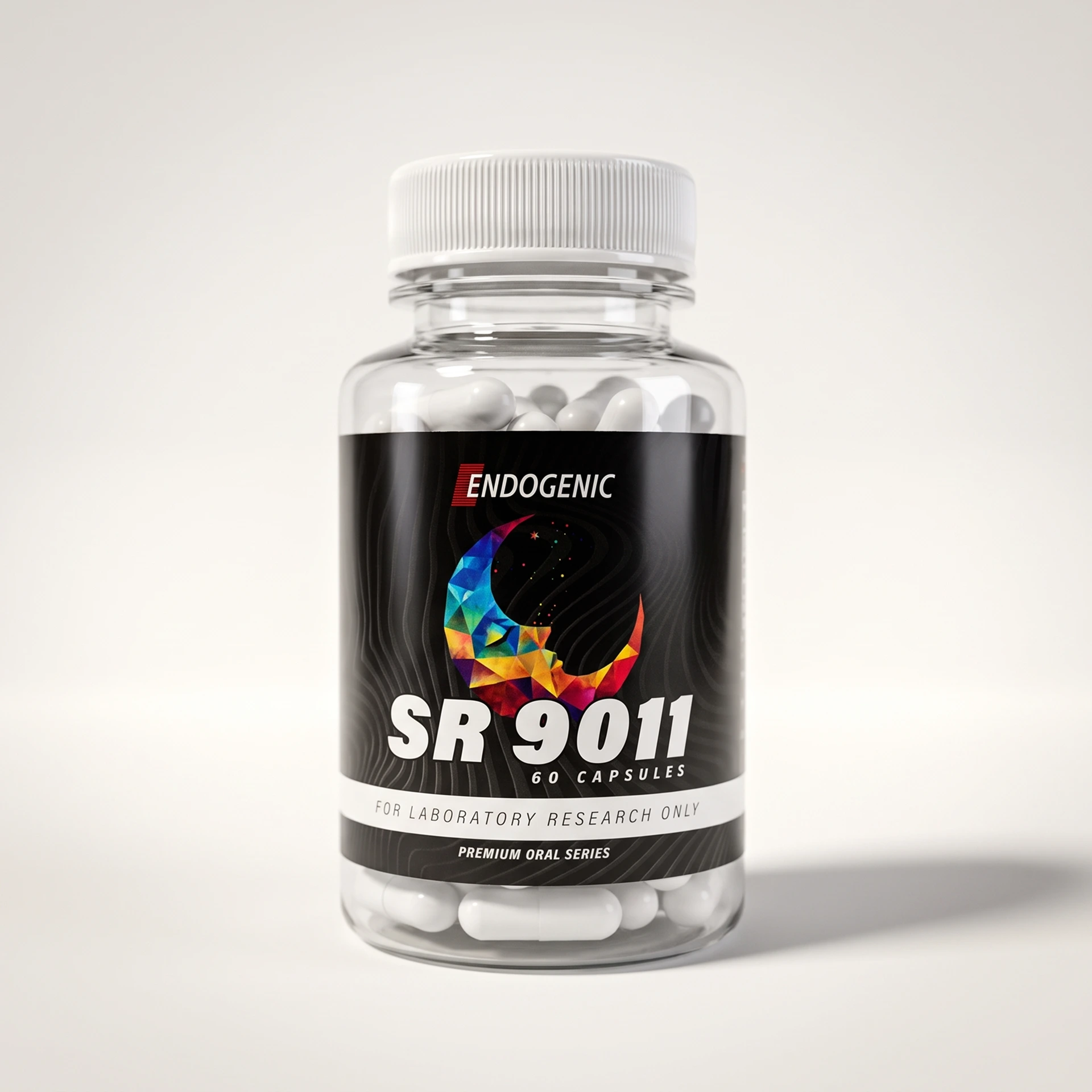
A related class of metabolic modulators (Rev-Erb agonists, a classic “exercise mimetic” with a different target) is discussed in the article SR-9011 — a fat burner unlike any other.
References
- Giguère V (2008). Transcriptional control of energy homeostasis by the estrogen-related receptors. PubMed
- Audet-Walsh É, Giguère V (2015). The multiple universes of estrogen-related receptor α and γ in metabolic control and related diseases. PubMed
- Misra J, Kim DK, Choi HS (2017). ERRγ: a Junior Orphan with a Senior Role in Metabolism. PubMed
- Narkar VA, Downes M, Yu RT, Embler E, Wang YX, Banayo E, et al. (2008). AMPK and PPARδ agonists are exercise mimetics. PubMed
- Ranhotra HS (2010). The estrogen-related receptor alpha: the oldest, yet an energetic orphan with robust biological functions. PubMed
- Xu W, Billon C, Li H, Wilderman A, Qi L, Graves A, et al. (2024). Novel Pan-ERR Agonists Ameliorate Heart Failure Through Enhancing Cardiac Fatty Acid Metabolism and Mitochondrial Function. PubMed
FAQ
In mouse models the plasma half-life is estimated at 4–8 hours (the compound is in active PK characterisation; exact values in mice are given in the Burris lab bibliography). PK data in humans have not been published. Oral bioavailability in rodents is estimated at 40–60% (partial data).
Avoid high concentrations of DMSO (>5%) due to potential destabilisation in culture media. In in vivo models: use caution when combining with other metabolic modulators (AICAR — an AMPK agonist; GW-501516 — a PPARδ agonist; metformin) due to potential accumulation of the effect on mitochondrial metabolism — this complicates data interpretation. In co-experiments with ERR antagonists (XCT790), receptor competition affecting the results is possible.
No — despite the name “Estrogen-Related Receptors”, the ERRs are structurally close to ER but do not bind estrogen or other steroid ligands. They are orphan nuclear receptors with a different ligand profile. SLU-PP-332 shows pan-ERR selectivity with minimal activity at the classic estrogen receptors — this distinguishes it from other ER modulators (e.g. tamoxifen, raloxifene).
The compound is not currently on the WADA Prohibited List (as of 2024 — it is a very new compound, only just entering the market as a research chemical). However, the pan-ERR agonist mechanism is related to that of PPARδ agonists (class S4.4 Metabolic Modulators) — registered athletes should verify the current WADA list and be aware of the interpretive risk (“Metabolic Modulator” by mechanistic similarity).
The compound has no medicinal form — SLU-PP-332 has not undergone any phase of clinical trials in humans and is not registered as a medicine in any jurisdiction. All available data come from preclinical models (rodents, cell cultures). The Pro-Body RUO reagent is intended solely for further laboratory research — in the identical category in which it has functioned in scientific trade since its first publication.
0.0
0 reviews
This product has no reviews yet.
Customers also bought