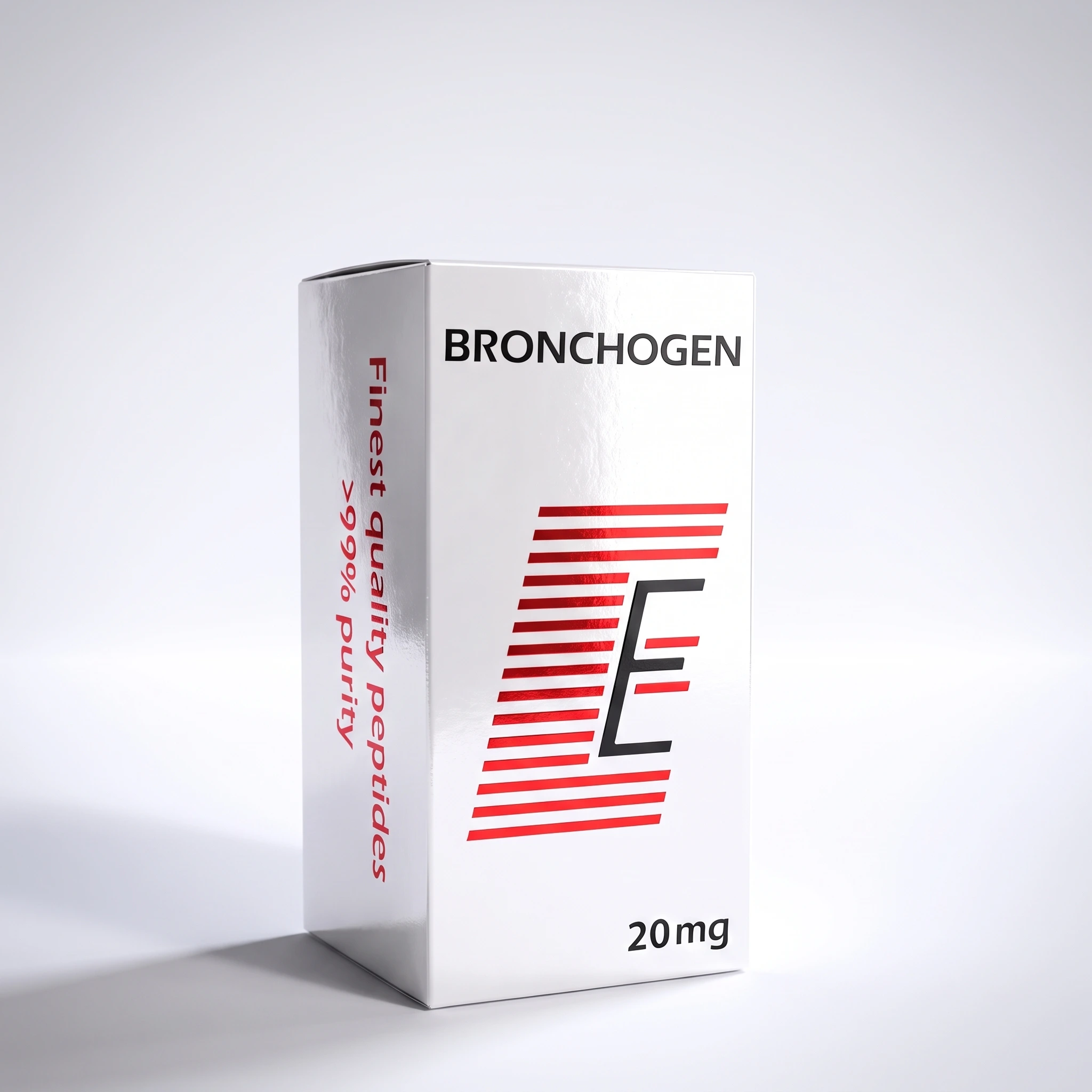


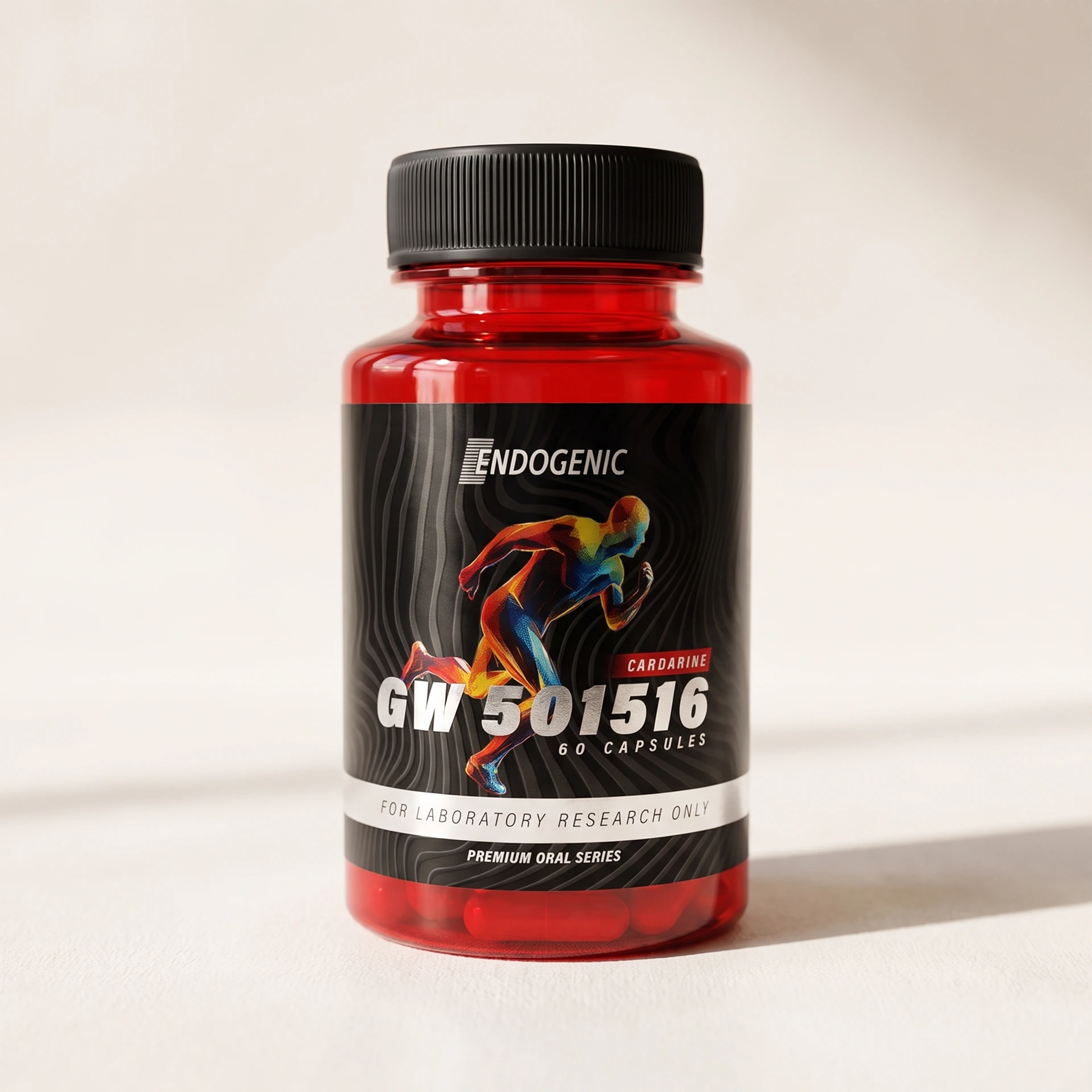
NO. GW-501516 (Cardarine) is selective PPARδ nuclear receptor agonist — binds and activates PPARδ, a transcription factor regulating fatty acid metabolism. It does not bind the androgen receptor and does not belong to the SARM class, even though it is sometimes incorrectly classified as such. The classification error results from the commercial co-occurrence of both groups of compounds, and not from their pharmacology – the axis of action of GW-501516 is lipid metabolism, not androgen signaling. The identity of the reagent is determined by the batch COA: mass confirmed by MS (~453.5 g/mol) and HPLC purity.
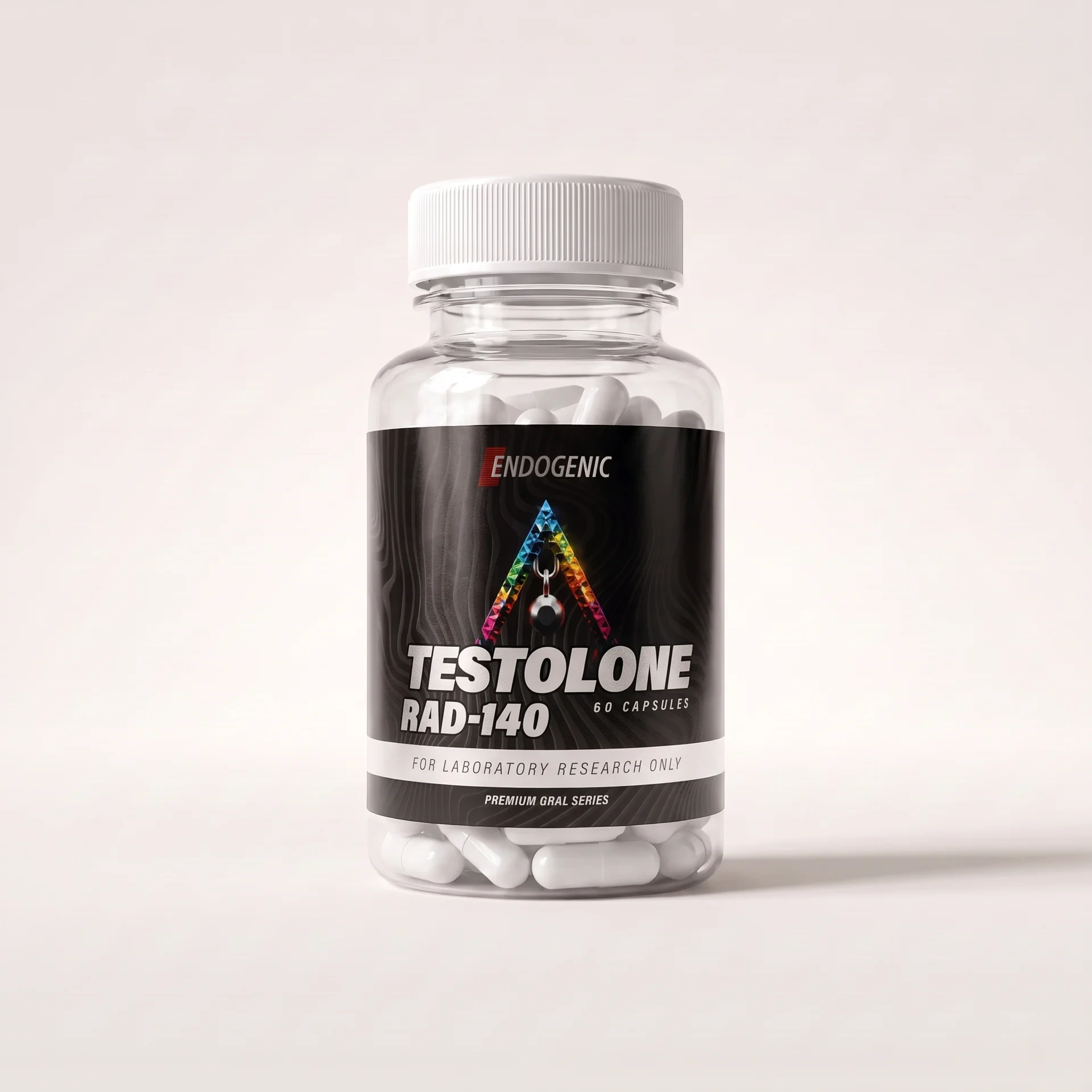
GW501516 60 caps
GW-501516 (Cardarine, Endurobol) 10 mg × 60 capsules – selective PPARδ nuclear receptor agonist (NOT A SARM – does not bind the androgen receptor). In preclinical models, PPARδ activation enhances fatty acid beta-oxidation, shifts muscle metabolism to lipid oxidation, and promotes mitochondrial biogenesis. Research Use Only reagent
35,99 €
Fast shipping
Delivery options
Returns policy
GW-501516 (Cardarine) 10 mg 60 caps - PPARδ receptor agonist - research reagent
- GW-501516 (Cardarine): a PPARδ receptor agonist, not a SARM.
- 10 mg per capsule; pack of 60 capsules.
- Research Use Only; the description includes toxicological warnings.
Product status information
Chemical reagent intended exclusively for laboratory tests (Research Use Only). It is not a medicinal product, dietary supplement or food. It is not intended for use on humans or animals. Sales only to registered research units and laboratories.
Introduction
Skeletal muscle energy metabolism – the choice between fatty acid oxidation and glucose utilization, mitochondrial biogenesis and fiber adaptation to endurance exercise – is one of the most intensively studied areas of molecular physiology. The central regulator of these processes at the transcriptional level is the peroxisome proliferator-activated nuclear receptor (PPAR) family. One of its members, the PPARδ isoform (also known as PPARβ/δ), controls the expression of genes responsible for lipid beta-oxidation and oxidative metabolism in muscle tissue.
It is for this receptor that GW-501516 was designed. GW-501516 (also known as Cardarine, Endurobol and under the code GW1516) is one of the most widely described synthetic PPARδ agonists. Pro-Body supplies it in line Endogenic as a research reagent in format 10 mg × 60 capsules. Chemically, it is a small molecule – a thiazole derivative with high selectivity for the PPARδ receptor.
In terms of mechanism, it works as selective agonist of the nuclear PPARδ receptor: binds the receptor and modulates the transcription of genes regulating fatty acid metabolism. GW-501516 is not a SARM — does not bind the androgen receptor, although it is sometimes incorrectly included in this group, also within the catalog category SARMs, in which it is sometimes combined with real androgen modulators.
The compound was developed by GlaxoSmithKline (in cooperation with Ligand Pharmaceuticals) in the 1990s as a drug candidate that modulates the lipid profile. However, the clinical program was suspended in 2007 after long-term toxicology studies in rodents revealed the induction of cancer in multiple organs. In research terms, GW-501516 remains a model tool for studying the role of PPARδ in oxidative metabolism, muscle fuel shifting, and mitochondrial biogenesis. Purity verified by HPLC ≥98%, identity confirmed by mass spectrometry, COA available for each batch. REGULATORY STATUS
GW-501516 has never been approved as a drug in any jurisdiction – clinical development was halted in 2007 after an oncological signal was detected in rodent studies. Not authorized by EMA, FDA and EFSA. GW-501516 is on the WADA Prohibited List in category S4.4 (metabolic modulators, PPARδ agonists), continuously prohibited and actively detected. Marketing the product as an “endurance builder,” “fat burner” or “over the counter exercise mimetic” is inconsistent with the Research Use Only framework — and ignores the compound’s documented carcinogenicity in animal models.
PPAR receptors and muscle oxidative metabolism
Peroxisome proliferator-activated receptors (PPARs) are a family of transcription factors in the nuclear receptor superfamily. After binding the ligand, they form a heterodimer with the retinoid X receptor (RXR), bind to specific DNA sequences (PPAR response elements) and regulate the expression of metabolic genes. The family includes three isoforms: PPARα (mainly liver, lipid metabolism), PPARγ (adipose tissue, insulin sensitivity) and PPARδ/β — an isoform with particularly high expression in skeletal muscles and the heart, controlling oxidative metabolism and fatty acid oxidation.
PPARδ functions as a transcriptional fuel switch. Its activation in animal models increases the expression of lipid beta-oxidation genes, promotes mitochondrial biogenesis and shifts muscle fuel preferences towards the oxidation of fatty acids instead of glucose. In experiments on mice overexpressing active PPARδ, an increased share of oxidative fibers (type I) was observed – the same fibers that dominate in endurance athletes.
This made PPARδ an attractive target for metabolic pharmacology and GW-501516 its best-characterized synthetic agonist. GW-501516 was designed as a highly selective PPARδ ligand with affinity for this receptor significantly exceeding that for α and γ isoforms (Sznaidman et al. 2003). The original assumption of the GSK program was that the compound was supposed to modulate the lipid profile – in preclinical and early studies, an increase in the HDL fraction and a decrease in triglycerides was observed (Oliver et al. 2001).
The metabolic and muscular directions were studied in parallel: the work of Narkar et al. (2008) described GW-501516 in a mouse model as the so-called exercise mimetic — a compound that reproduces part of the transcriptional adaptations of endurance training, especially in combination with physical activity. The world of pharmacology is watching GW-501516 for three reasons.
First, as a model PPARδ agonist – a tool to study the role of this receptor in oxidative metabolism and muscle fuel shifting. Secondly, as a compound modifying the lipid profile in preclinical models. Third – and this is an equally important perspective – as a toxicological case: a molecule whose long-term carcinogenicity in rodent models halted clinical development and became a textbook example of the oncological risk of PPARδ agonism.
What is GW-501516?
Chemically, GW-501516 is a small molecule – a thiazole derivative designed as a selective agonist of the PPARδ nuclear receptor.
- Common name: GW-501516, Cardarine, Endurobol
- Research code / synonyms: GW1516, GSK-516, GW501,516
- Pharmacological class: selective PPARδ nuclear receptor agonist (PPARβ/δ); small metabolic molecule; fatty acid metabolism modulator (NOT A SARM – does not bind the androgen receptor)
- CAS number: 317318-70-0 (in case of uncertainty – “to be verified in the batch COA”)
- Molecular formula: C₂₁H₁₈F₃NO₃S₂ (to be verified in the batch COA)
- Molar mass: ~453.5 g/mol (to be verified in the batch COA)
- Laboratory of Origin: GlaxoSmithKline (in collaboration with Ligand Pharmaceuticals); clinical development halted in 2007 following oncological signals in rodent studies
- Delivered form: hard capsule, 10 mg of active substance per capsule, 60 capsules; pharmaceutical grade ≥98% HPLC
Table of physicochemical characteristics
| Parameter | Value | Note |
|---|---|---|
| Name | GW-501516 (Cardarine, Endurobol) | GW1516, GSK-516 |
| Chemical class | thiazole derivative (small molecule) | not a peptide, not a steroid |
| Pharmacological class | selective PPARδ agonist | NOT SARM (does not bind AR) |
| Molecular target | PPARδ nuclear receptor (PPARβ/δ) | heterodimer with RXR |
| CAS | 317318-70-0 | for verification in the batch COA |
| Molecular formula | C₂₁H₁₈F₃NO₃S₂ | for verification in the batch COA |
| Molar mass | ~453.5 g/mol | for verification in the batch COA |
| Purity | ≥98% HPLC | UV detection, per batch verification |
| Form | capsule, 10 mg/capsule, 60 capsules | — |
| Origin | GlaxoSmithKline/Ligand Pharmaceuticals | development suspended 2007 |
| Toxicological profile | multi-organ carcinogenicity in rodent models | reason for the suspension of development |
| Clinical status | no registration – development suspended 2007 | not authorized by EMA/FDA/EFSA |
| WADA status | Prohibited List, Category S4.4 (Metabolic Modulators, PPARδ) | prohibited permanently, actively detected |
Mechanism of action at the molecular level
GW-501516 works in preclinical models by activating a single, well-defined molecular target – the nuclear receptor PPARδ – which results in a cascade of related transcriptional and metabolic effects. Pharmacological profile observed in research models:
- Selective agonism of the PPARδ receptor. Central and direct mechanism GW-501516. The molecule binds the PPARδ nuclear receptor (PPARβ/δ) with high selectivity, significantly exceeding the affinity for PPARα and PPARγ isoforms. Activated PPARδ forms a heterodimer with the RXR receptor, binds PPAR response elements in the promoters of target genes and rebuilds their transcription – so it serves as a regulator of the expression of fatty acid metabolism genes, and not as a direct enzyme or neurotransmitter releaser.
- Increased beta-oxidation and muscle fuel shift. In skeletal muscle models, activation of PPARδ by GW-501516 increases the expression of fatty acid beta-oxidation genes and shifts the muscle cell fuel preference toward lipid oxidation rather than glucose. Under research conditions, the accompanying biogenesis of mitochondria was also observed – an increase in the density and activity of these organelles responsible for oxidative metabolism.
- Effect on the lipid profile. Modulation of the lipid profile – increasing the HDL fraction and lowering triglycerides – has been described in preclinical and early-phase studies (Oliver et al. 2001). This is the direction that, in the original assumption of the GSK program, was to be the basis for the cardiometabolic indication, before development was suspended due to toxicology.
- No effect on the androgen receptor. The mechanism of GW-501516 is based solely on agonism of the PPARδ nuclear receptor. Relationship does not bind the androgen receptor and does not belong to the SARM class – frequent misclassification results from the commercial co-occurrence of both groups, and not from pharmacology. This distinction is mechanistic: the axis of action of GW-501516 is lipid metabolism, not androgen signaling.
- “Exercise mimetic” in mouse models. The work of Narkar and colleagues (2008) described GW-501516 in a mouse model as a compound that reproduces part of the transcriptional adaptation program to endurance training – especially when combined with exercise. The term “exercise mimetic” refers to observations at the level of gene expression and muscle phenotype in an animal model; is not a claim about the result of endurance in humans.
Applications in scientific research
GW-501516 is used in research primarily as a tool to study the biology of the PPARδ receptor and its role in oxidative metabolism. In in vivo models (mouse, rat), its effect on the expression of beta-oxidation genes, the muscle fuel profile, mitochondrial biogenesis and lipid markers is examined. In vitro and ex vivo models (isolated muscles, cell cultures, reporter systems) measure PPARδ receptor activation, selectivity towards PPAR isoforms and transcriptional response of target genes. Specific research directions include:
- PPARδ receptor biology — GW-501516 as a reference selective agonist in studies of nuclear signaling, heterodimerization with RXR and metabolic gene responses
- Muscle oxidative metabolism — a tool for examining the fuel shift from glucose to fatty acid oxidation and mitochondrial biogenesis in muscle models
- Lipid profile — analysis of the effect of PPARδ agonism on the HDL fraction and triglycerides in preclinical models (context of the primary cardiometabolic program)
- “exercise mimetic” model — study of transcriptional reproduction of endurance training adaptation in a mouse model (Narkar 2008)
- Toxicology of PPARδ agonism — GW-501516 as a model compound in studies of carcinogenicity mechanisms of chronic activation of nuclear receptors
- Anti-doping analytics — GW-501516 as an analyte in the development and validation of metabolite detection methods for WADA control
It is also derived from the PPARδ axis GW-0742, a newer Cardarine analogue used in comparative PPARδ agonist selectivity studies. A related metabolic pathway—though through a separate nuclear receptor (Rev-ErbA)—is SR-9009, a second model modulator of oxidative rhythm and metabolism.
REGULATORY STATUS
GW-501516 is located on WADA Prohibited List in category S4.4 (metabolic modulators – PPARδ agonists), permanently prohibited: in and out of competition. The compound is actively detected in anti-doping analysis, and the detection of its metabolites in the sample constitutes a violation of the regulations. GW-501516 was never registered as a drug – development was stopped in 2007 after carcinogenicity was detected in studies on rodents.
Not authorized by EMA, FDA and EFSA. Registered Athletes (ADAMS) must verify the current Prohibited List before making any decision; the presence of GW-501516 or its metabolites in a doping sample results in an anti-doping rule violation.
Summary
GW-501516 (Cardarine, Endurobol, 10 mg × 60 capsules) is a synthetic small molecule – thiazole derivative designed by GlaxoSmithKline as selective PPARδ nuclear receptor agonist. Its central mechanism is the binding and activation of PPARδ – a transcription factor regulating fatty acid metabolism – which in preclinical models increases lipid beta-oxidation, shifts muscle fuel preferences towards fat oxidation, promotes mitochondrial biogenesis and modifies the lipid profile (HDL, triglycerides).
In the mouse model it has been described as “exercise mimetic” (Narkar 2008). GW-501516 is a PPARδ agonist, NOT a SARM — does not bind the androgen receptor, despite frequent misclassification. The most important information about this compound, however, concerns toxicology: in long-term studies on rodents, GW-501516 induced cancer in many organs (liver, bladder, stomach, skin, testicles and others), which prompted GSK to clinical development was suspended in 2007 — the compound was never approved as a drug.
HPLC purity ≥98%, MS, COA for each batch. This format is a capsule variant, separate from the existing 30 ml solution variant. Regulatory Status – Research Use Only in all jurisdictions; lack of EMA/FDA/EFSA authorization; WADA Prohibited List, category S4.4 (PPARδ agonists), prohibited continuously and actively detected.
Bibliography
- Sznaidman ML, Haffner CD, Maloney PR, Fivush A, Chao E, et al. (2003). Novel selective small molecule agonists for peroxisome proliferator-activated receptor delta (PPARδ) — synthesis and biological activity. PubMed
- Oliver WR Jr, Shenk JL, Snaith MR, Russell CS, Plunket KD, et al. (2001). A selective peroxisome proliferator-activated receptor δ agonist promotes reverse cholesterol transport. PubMed
- Narkar VA, Downes M, Yu RT, Embler E, Wang YX, et al. (2008). AMPK and PPARδ agonists are exercise mimetics. PubMed
The broader metabolic context of Cardarine is discussed in the guide Cardarine for weight loss; a related metabolic rhythm modulator is described in the entry o SR-9011 as a fat burner.
FAQ
PPARδ is a nuclear receptor highly expressed in skeletal muscle that regulates the transcription of oxidative metabolism genes. Upon binding to GW-501516, the receptor forms a heterodimer with RXR and remodels the expression of fatty acid beta-oxidation genes. In preclinical models, increased lipid oxidation, a shift in muscle fuel preferences from glucose to fatty acids, and mitochondrial biogenesis were observed. These observations apply to animal and in vitro models; are not a proven safe result in humans.
In standard long-term toxicological studies on rodents, GW-501516 induced the formation of tumors in many organs simultaneously – tumors were reported, among others: liver, bladder, stomach, skin, tongue and testicles. The multi-organ nature of the oncological signal was so serious that GlaxoSmithKline halted clinical development of the compound in 2007. GW-501516 has never been approved as a drug and there are no long-term safety data in humans. This is the most important toxicological information about this reagent.
These are two formats of the same RUO reagent. The capsule variant (10 mg × 60 capsules) provides a standardized dose of powder in a single capsule, which facilitates handling of the reagent in the laboratory without an analytical balance. Variant in the form GW-501516 liquid (30 ml) provides the compound already dissolved. The format does not change the Research Use Only status, pharmacological profile (PPARδ agonism) or toxicological profile (carcinogenicity in animal models). The choice of format depends on the unit’s research work pattern.
Yes. GW-501516 is located on WADA Prohibited List in category S4.4 (metabolic modulators – PPARδ agonists), permanently prohibited: in and out of competition. The compound is actively detected in anti-doping analysis, and the presence of its metabolites in the sample constitutes a violation of anti-doping regulations. Registered Athletes (ADAMS) must absolutely verify the current Prohibited List before making any decision.
Not in a confirmed way. Pharmacological data on GW-501516 come mainly from preclinical models (mouse, rat, cell cultures) and from early-phase studies stopped before full clinical evaluation. Importantly, the same animal models that provided metabolic profile data also revealed multi-organ carcinogenicity. There are no long-term safety studies in humans because the clinical program was stopped due to the oncological signal. Extrapolating any observation to humans is baseless.
5.0
3 reviews
-
RAFAŁ
 Polski
Verified purchase
Polski
Verified purchase
Product review
Polecam.
-
Marcin B.
Polski
Verified purchase
Product review
Polecam.
-
Ala
Polski
Product review
Fajnie, że jest dostępny w wersji w tabletkach. Lubię ten produkt.
Related products