



Other
Other categories
3 products
Black Week
Black Week deals before everyone else
Sign up for the newsletter and get access to the Black Week promotion before other customers.
By signing up you agree to receive the Pro-Body newsletter with news and promotions. You can unsubscribe at any time with one click in the e-mail. Privacy policy
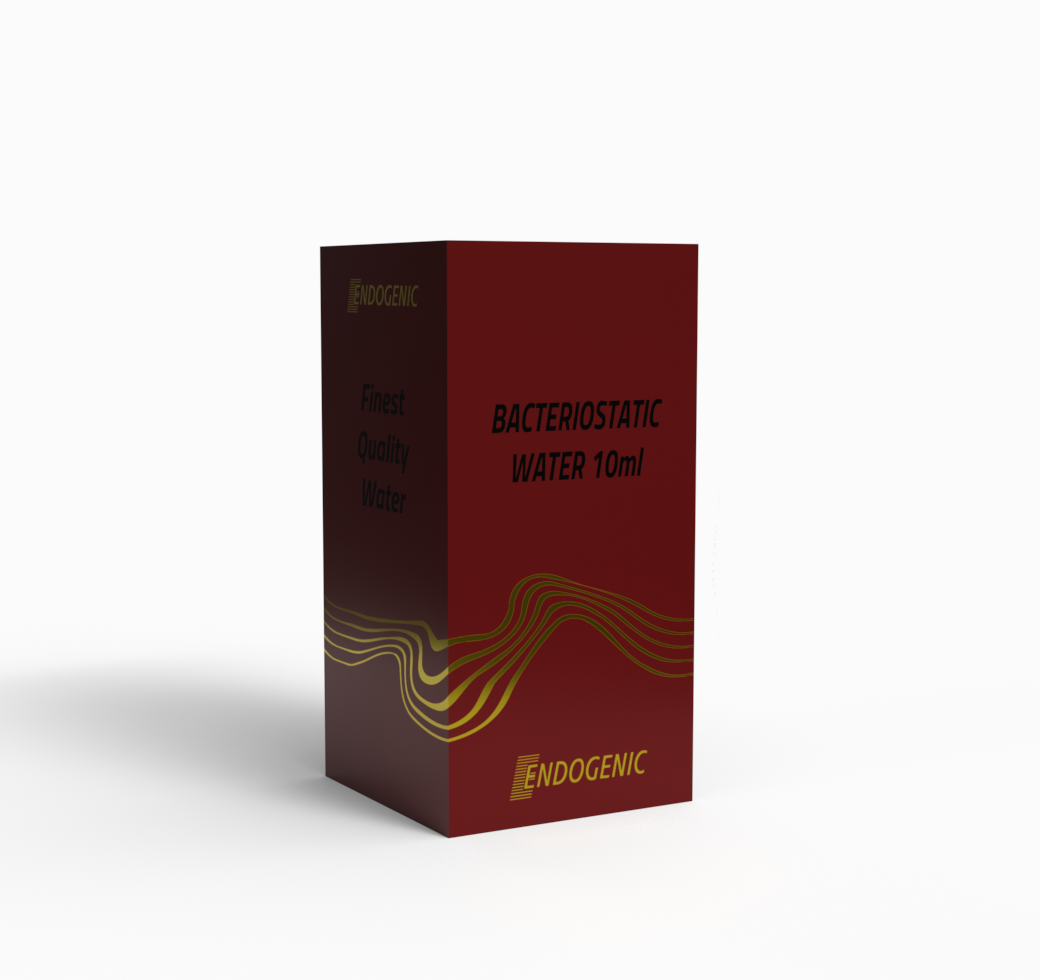
Other – water for injections, bacteriostatic water and further Endogenic products
The Other category brings together products that do not fit into the shop’s main sections, such as peptides, SARMs, amino acids or cosmetics. At present you will find two solvents for working with lyophilisates and one dietary supplement here.
The solvent is matched to the reagent and to the way you work with the vial, so most of this description covers the differences between water for injections and bacteriostatic water. Both come in a 10 ml volume and both are sterile, but they suit different scenarios.
Water for injections or bacteriostatic water – which solvent to choose
A lyophilisate is a dry powder. Before it can be used in research, it has to be dissolved in a measured volume to give a solution of known concentration. Two questions decide the choice of solvent: whether the reagent tolerates a preservative and how many times you will draw solution from the same vial.
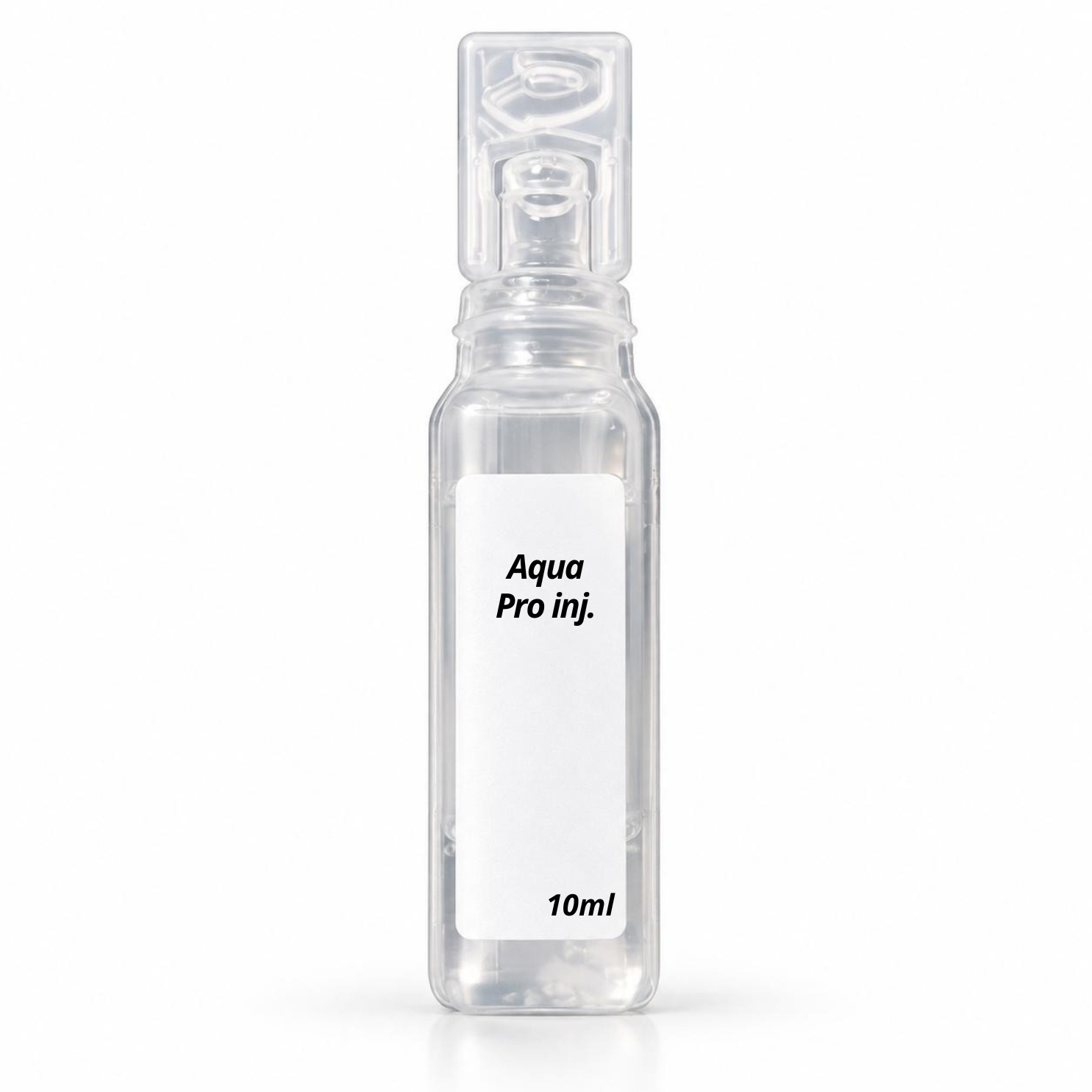
Water for injections 10 ml – no additives, for a single work session
Water for injections 10ml is sterile, pyrogen-free water without a preservative. The European Pharmacopoeia requires sterilised water for injections to contain no added substances and less than 0.25 IU/ml of endotoxins (Ph. Eur., monograph 0169). The lack of a preservative comes at a price, however: a punctured vial is not set aside for the following days. The USP <797> standard allows a single-dose vial to be used for no more than 12 hours after puncture, and only if it was punctured in an ISO Class 5 environment. Outside such an environment, the standard provides no window at all. In practice, this means one vial per work session.
Bacteriostatic water 10 ml – a preservative and multiple withdrawals
Bacteriostatic water 10ml is water for injections with 0.9% benzyl alcohol added. The preservative inhibits the multiplication of bacteria that may get into the vial with successive punctures, but it does not kill them – hence the name “bacteriostatic”. As a result, you can draw solution from one vial many times. According to CDC guidelines, a punctured multi-dose vial is labelled with the date and used within 28 days, unless the manufacturer specifies a different period (CDC, 2024).
When benzyl alcohol gets in the way
A preservative is not neutral for every molecule. In studies on the reconstitution of lyophilised therapeutic proteins, a solution containing 0.9% benzyl alcohol increased their aggregation, the clumping of molecules into larger clusters (Roy et al., 2005; Thirumangalathu et al., 2006). The results concern large proteins, not short peptides, but they show that the solvent can affect the stability of the solution. If the reagent’s product page or its documentation recommends a preservative-free solvent, choose water for injections. Compare the two solvents in the table.
- Water for injections 10ml
- composition: sterile, pyrogen-free water with no additives
- withdrawals from one vial: one work session
- when to choose: a preservative-sensitive reagent or a solution used straight away
- Bacteriostatic water 10ml
- composition: sterile water with 0.9% benzyl alcohol
- withdrawals from one vial: multiple, usually up to 28 days after the first puncture
- when to choose: a reagent that tolerates benzyl alcohol and a solution drawn repeatedly
The solvent does not change the reagent’s status
A reagent dissolved in water for injections or in bacteriostatic water remains a research reagent (Research Use Only). A sterile solvent does not turn the solution into a medicinal product, nor does it permit its use in humans.
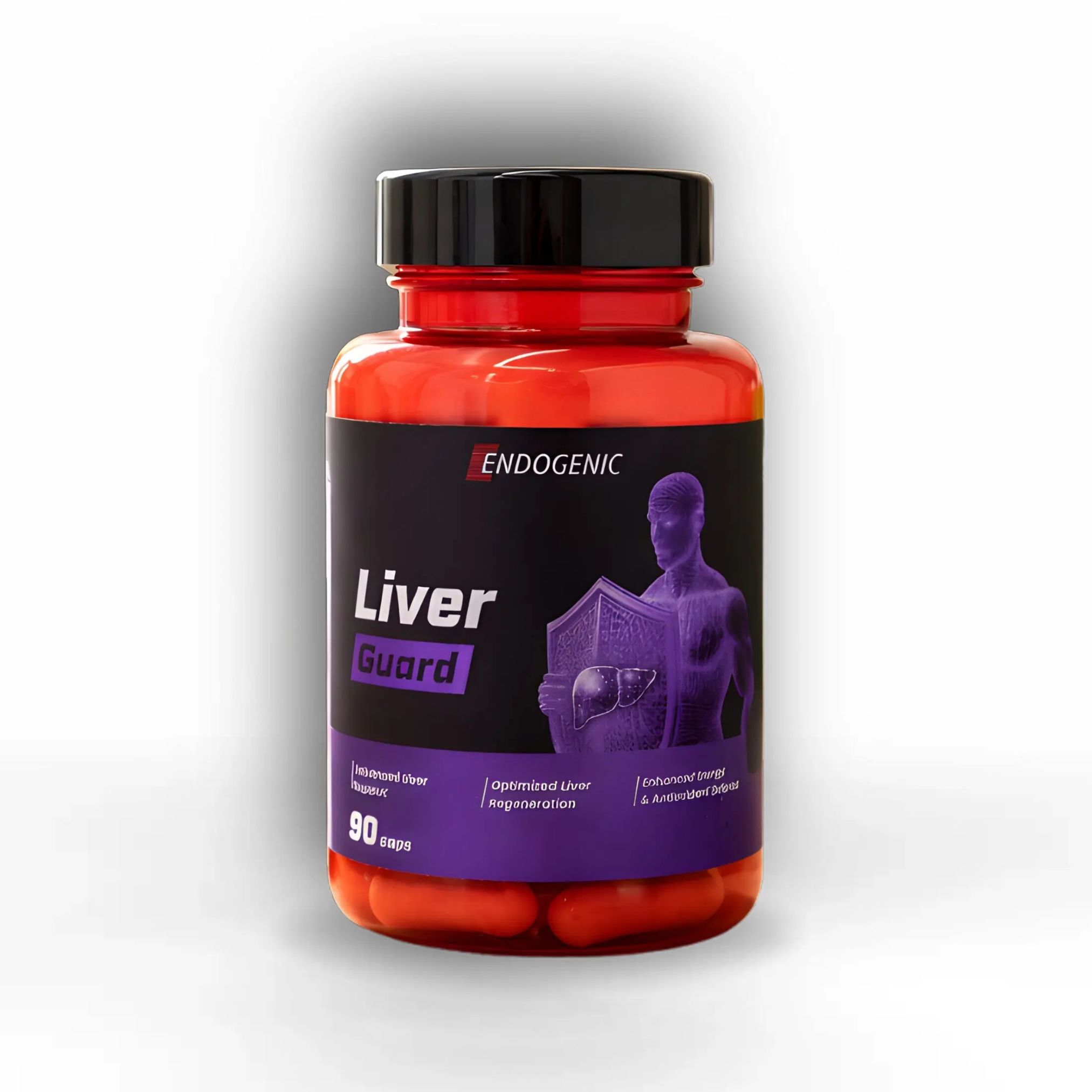
Liver Guard – a dietary supplement in the Other category
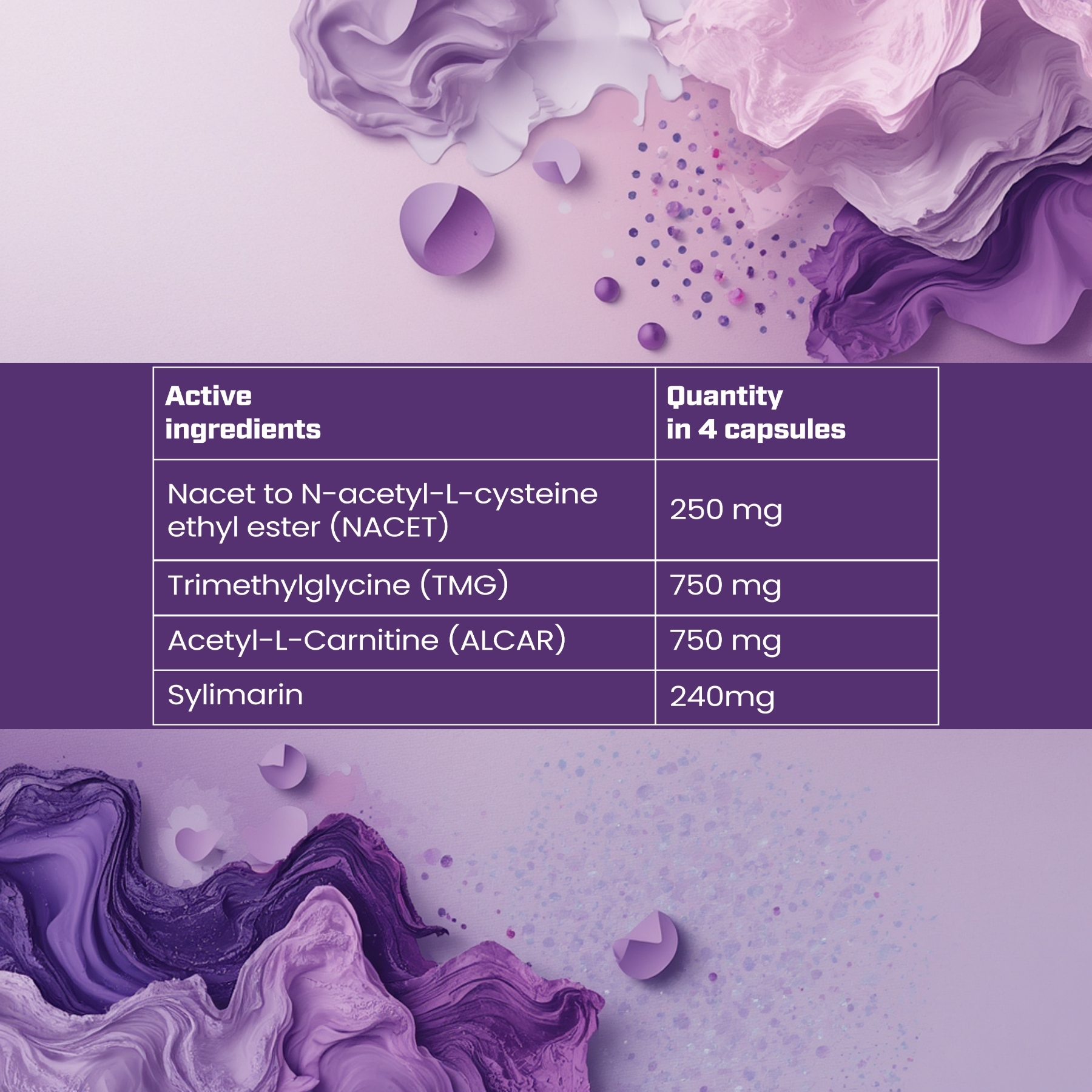
Besides the solvents, the category includes Liver Guard, a dietary supplement from the Endogenic line. Its daily serving is four capsules containing NACET (250 mg), betaine (750 mg), acetyl-L-carnitine (750 mg) and silymarin from milk thistle (240 mg). The product is unrelated to the solvents and is also listed among the supplements. Its composition, directions for use and contraindications are given on its product page, and other preparations of this type are collected in the Endogenic supplements category.
Frequently asked questions (FAQ)
How does water for injections differ from bacteriostatic water?
The only ingredient that sets them apart is the preservative. Water for injections is sterile water alone, while bacteriostatic water contains 0.9% benzyl alcohol. The first is enough for one work session; the second lets you draw solution from the same vial for several weeks.
Which water should I choose for a lyophilised peptide?
Check the reagent’s product page and its documentation first. If they recommend a preservative-free solvent, or if you will use the solution straight away, water for injections is the better choice. Choose bacteriostatic water when the reagent tolerates benzyl alcohol and you will draw solution repeatedly.
How long can a punctured vial be used?
A punctured vial of water for injections is not stored: USP <797> allows a maximum of 12 hours, and only when working in an ISO Class 5 environment. A vial of bacteriostatic water is usually used for 28 days after the first puncture, unless the manufacturer gives a different period.
Why is there a dietary supplement in the Other category?
The category brings together products from outside the shop’s main sections, so Liver Guard sits here alongside the solvents. You will find the same product among the supplements, and its composition and contraindications are described on its product page.