


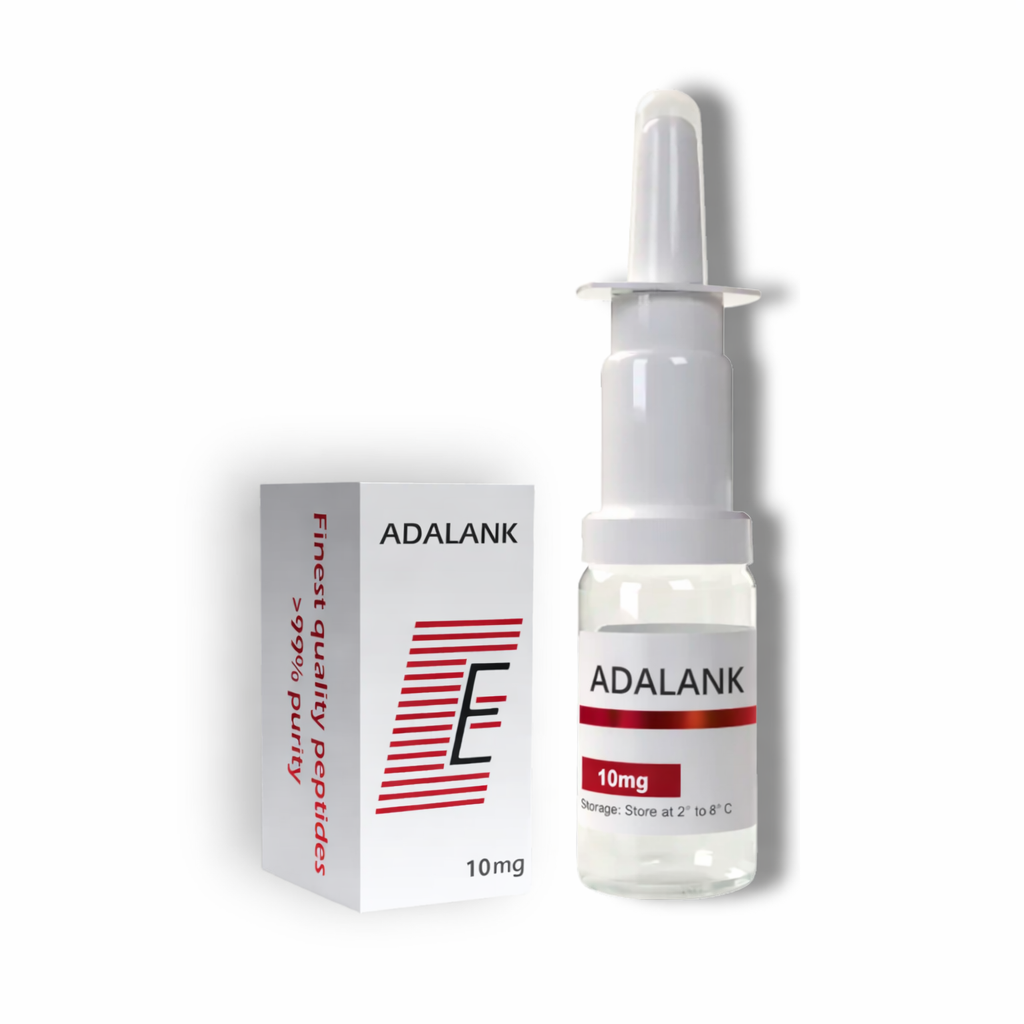

Spray
Black Week
20% off everything with code BLACK
Click and the code is added to your cart.
Until Monday 30 Nov, 23:59 (Polish time).
Black Friday
20% off everything with code BLACK
Click and the code is added to your cart.
Until Monday 30 Nov, 23:59 (Polish time).
Last day
20% off everything with code BLACK
The code works until 23:59 today (Polish time).
Other categories
13 products
Black Week
Black Week deals before everyone else
Sign up for the newsletter and get access to the Black Week promotion before other customers.
By signing up you agree to receive the Pro-Body newsletter with news and promotions. You can unsubscribe at any time with one click in the e-mail. Privacy policy
Peptide nasal sprays - research reagents
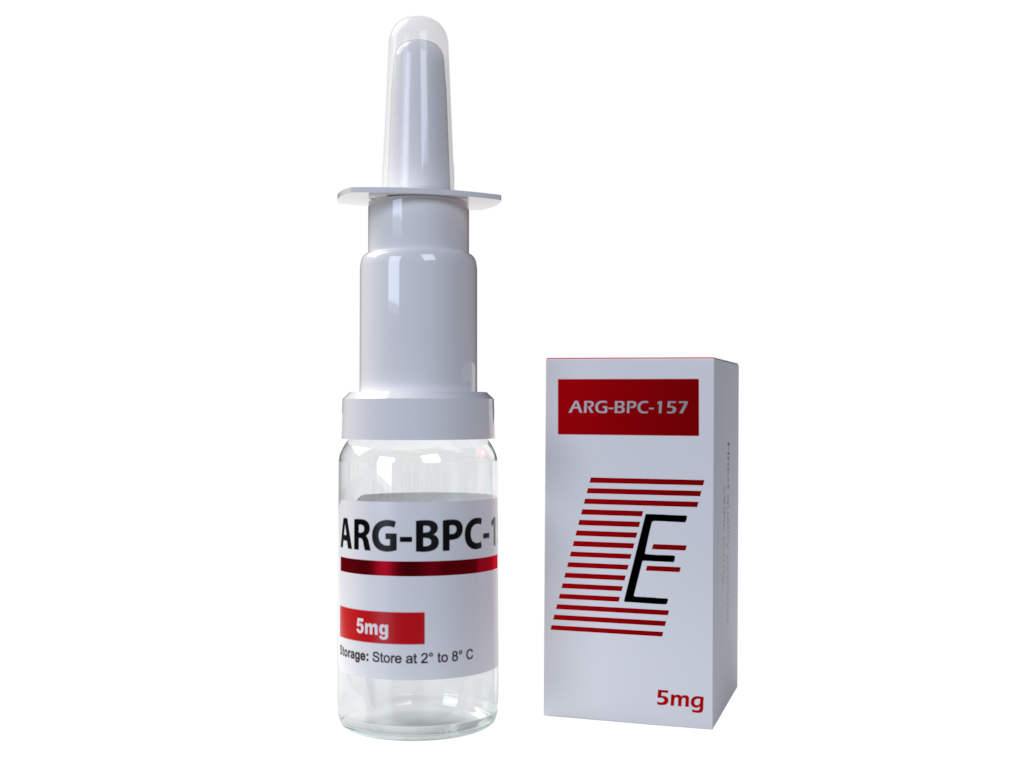
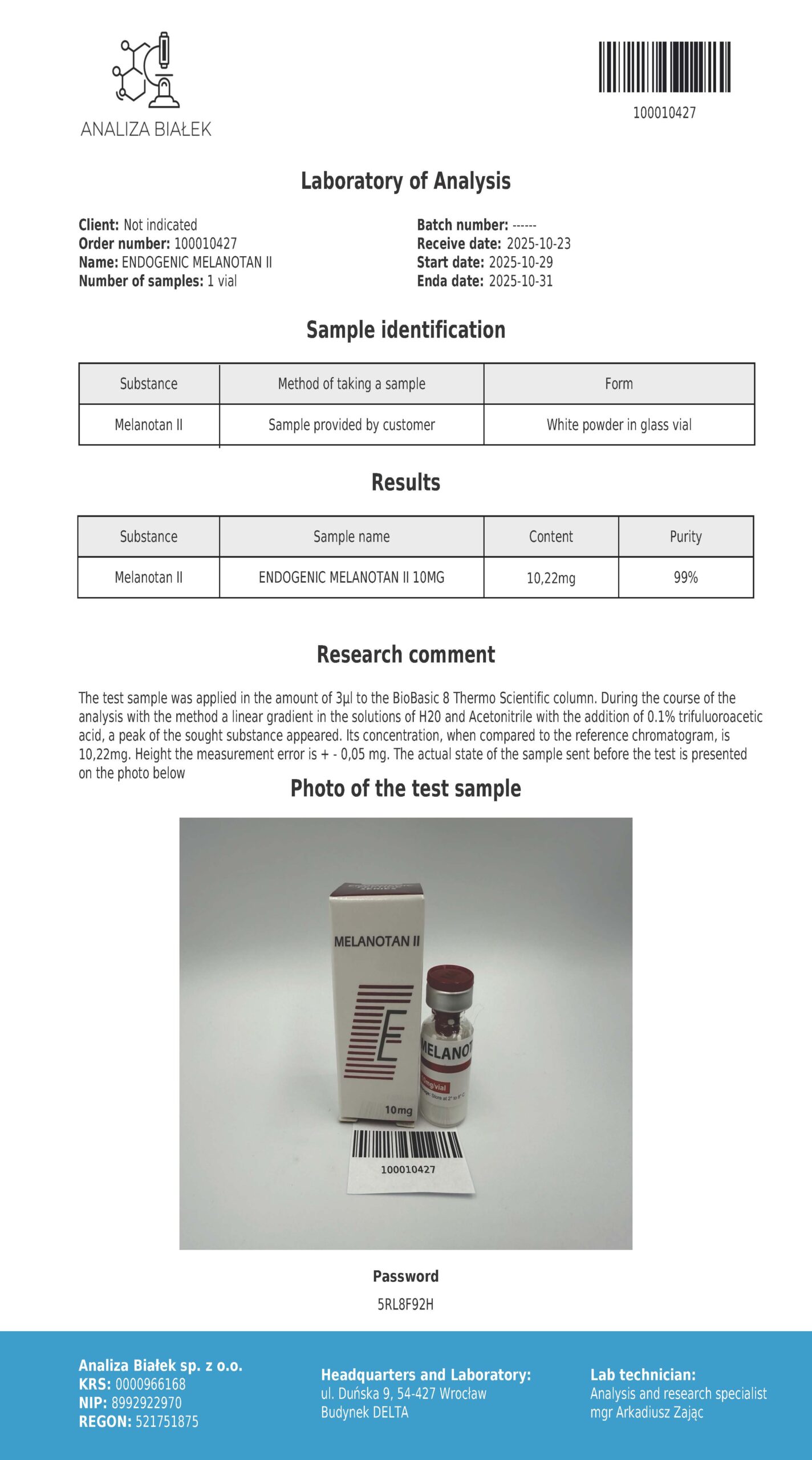
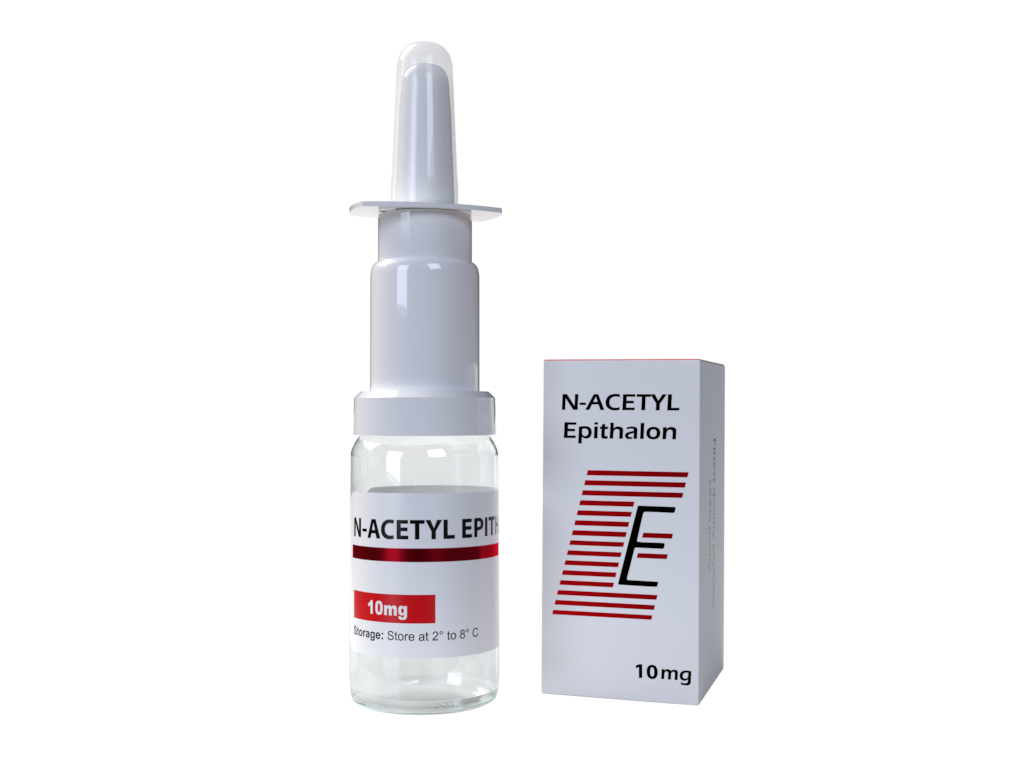
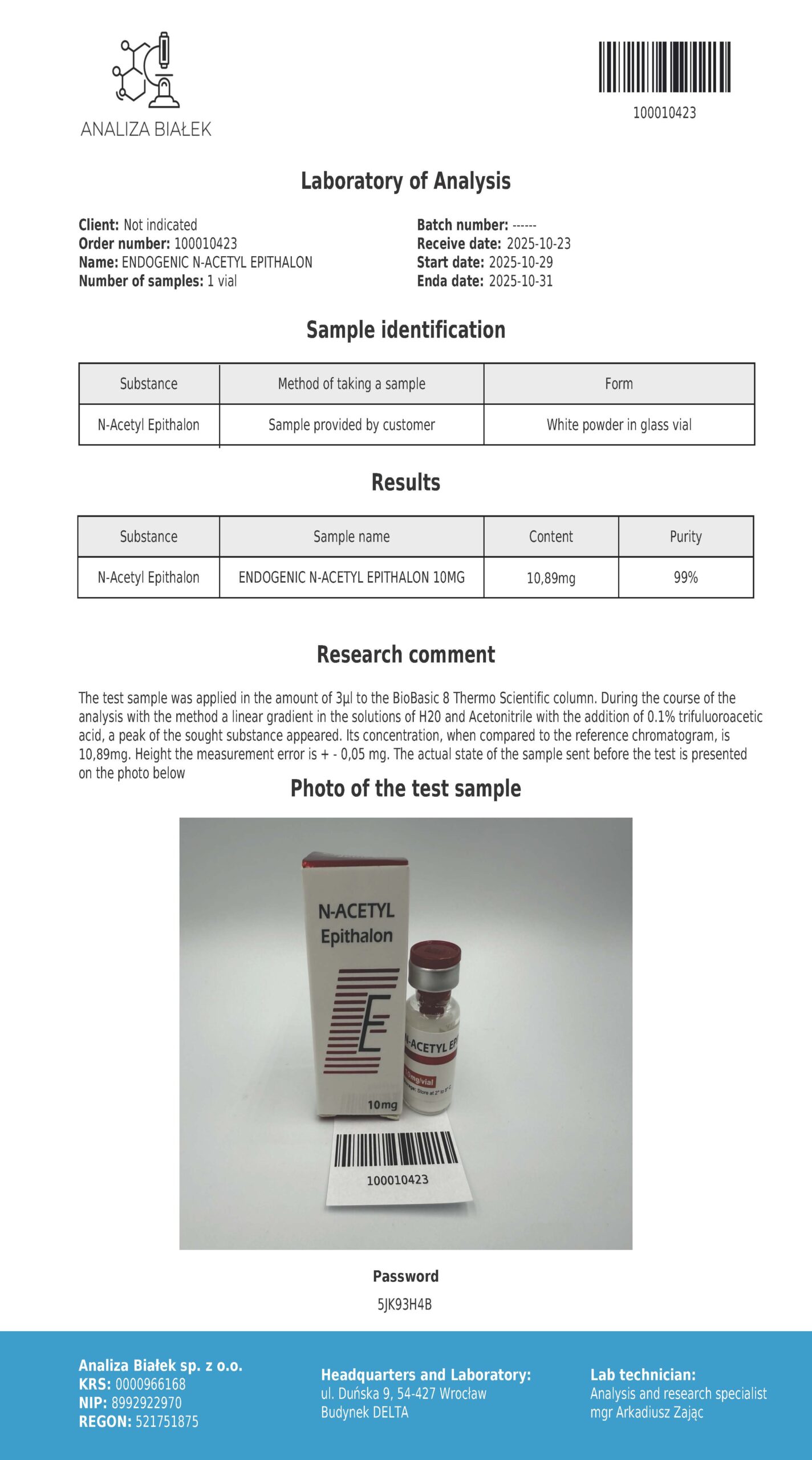
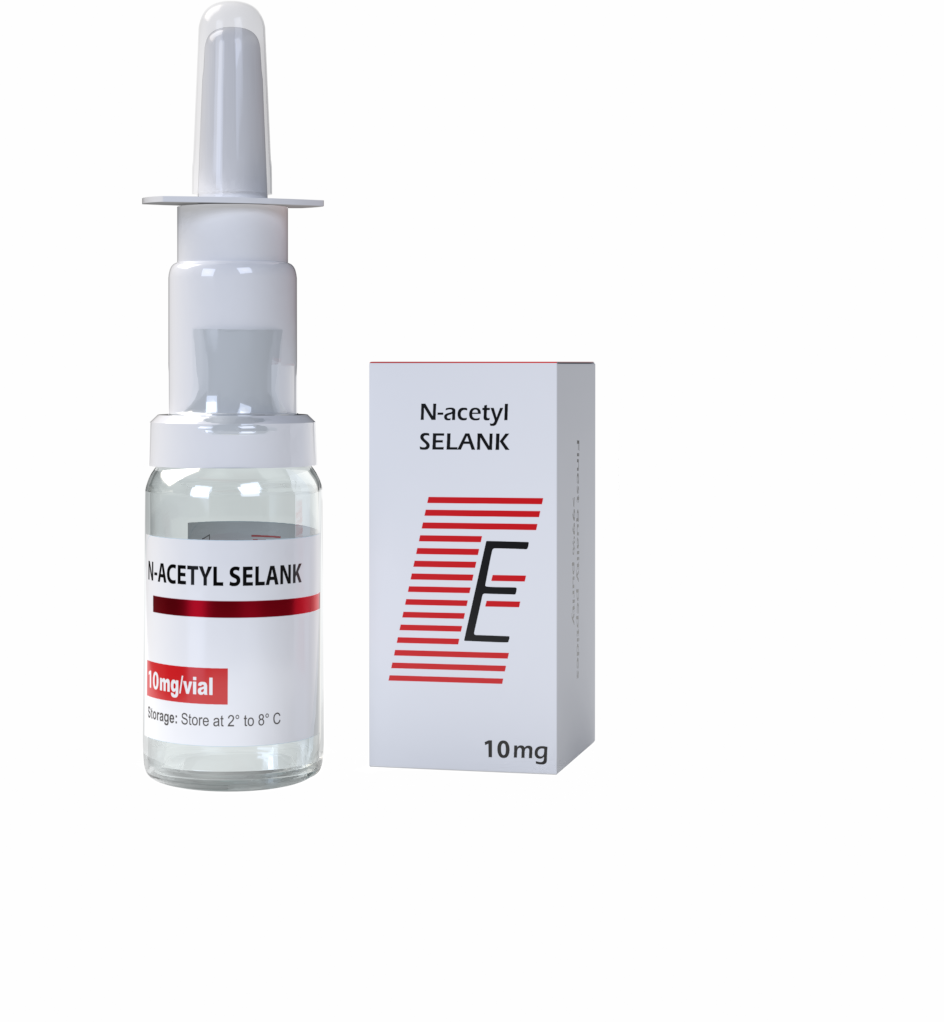
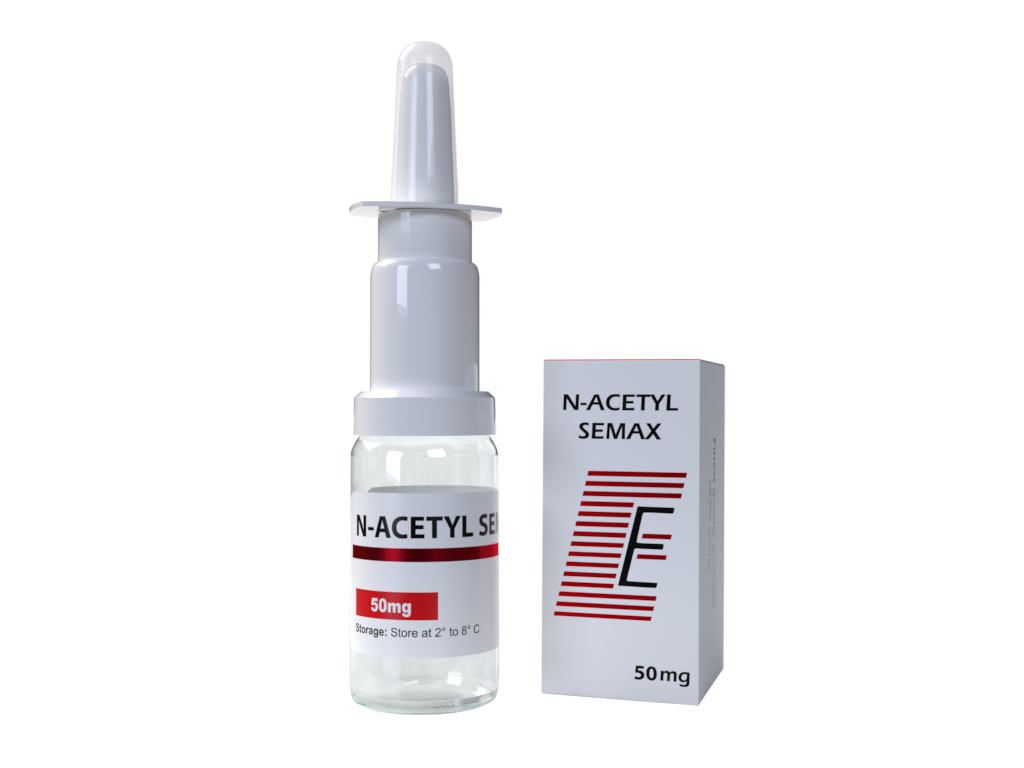
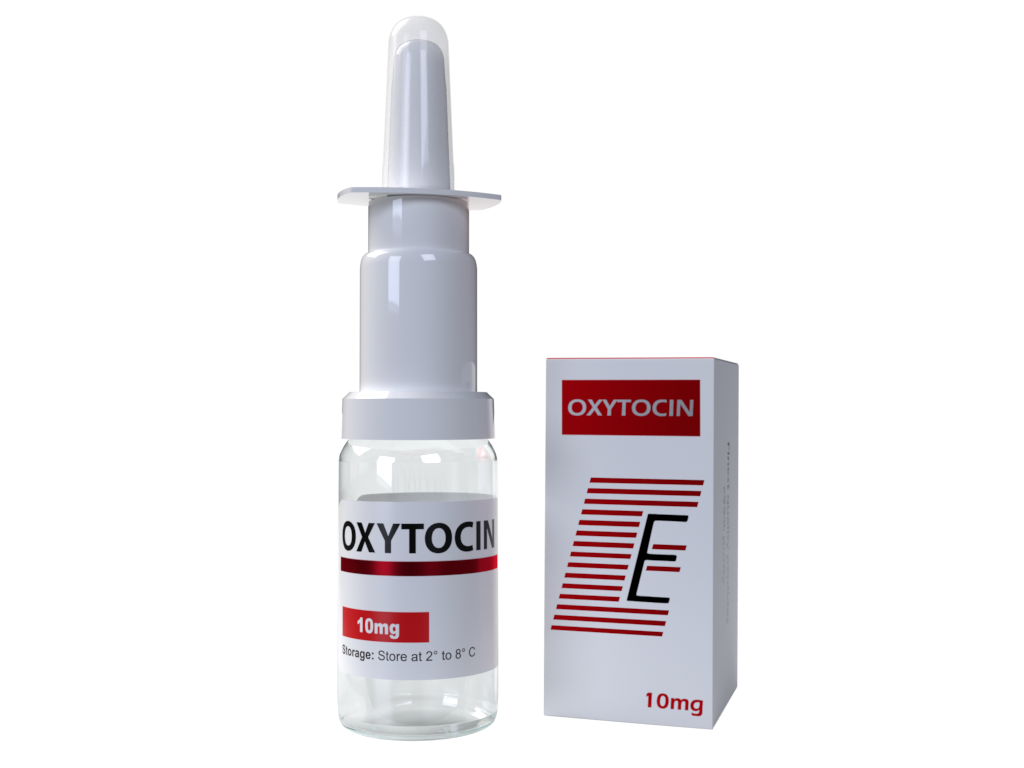
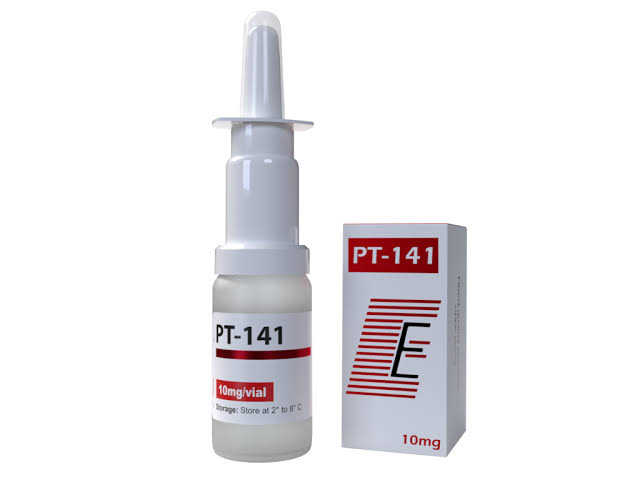
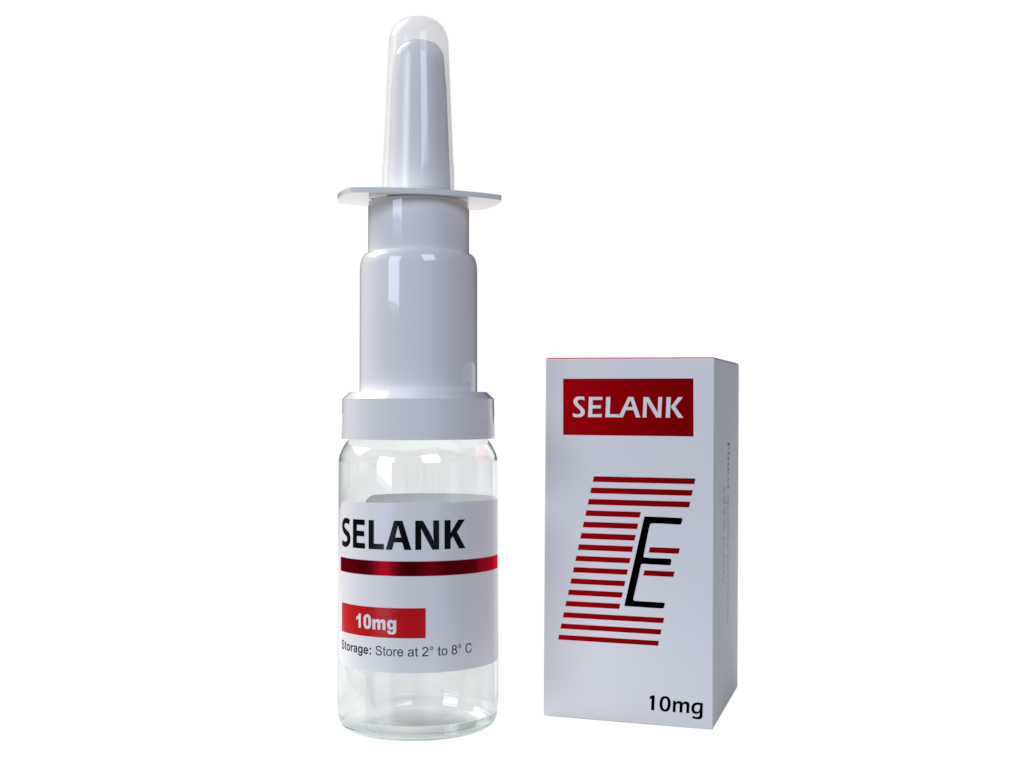
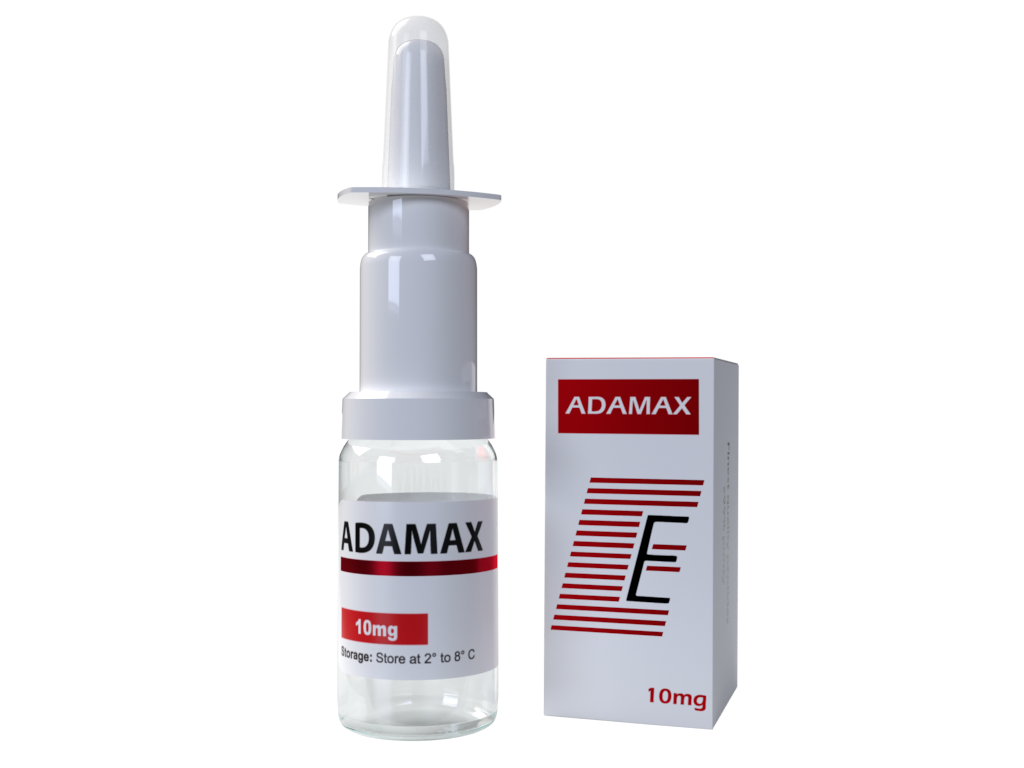
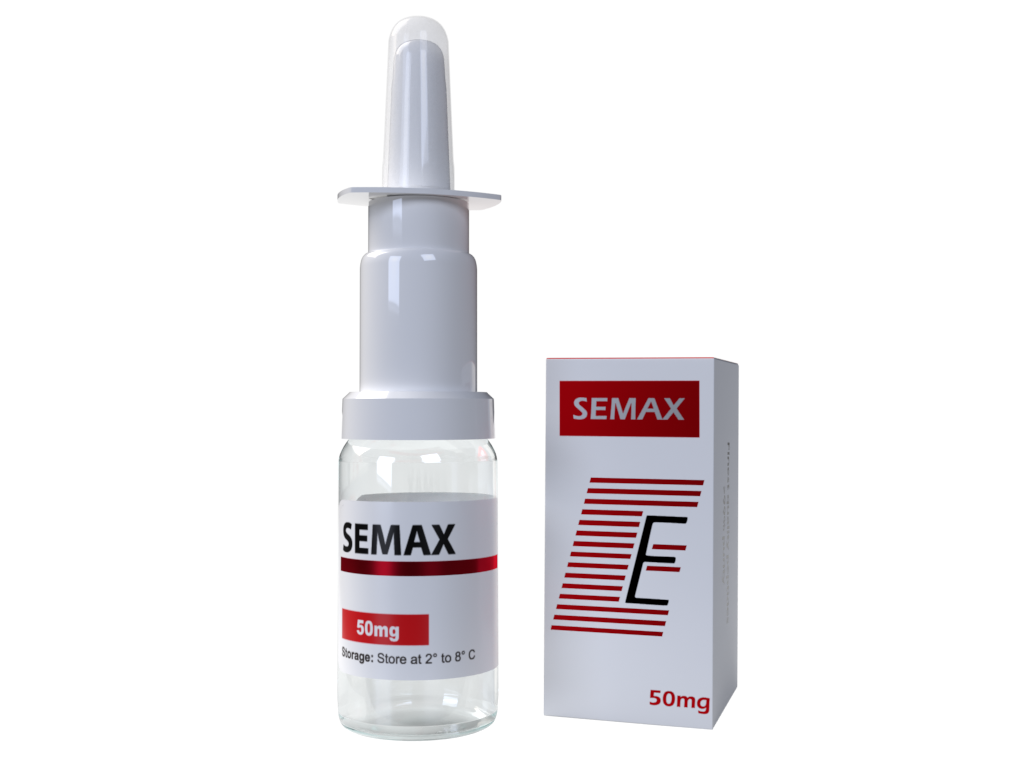
In this category, the nasal spray comes in two variants. The first is a kit for in-house preparation: a vial of lyophilisate, bacteriostatic water and a glass atomiser. The researcher reconstitutes the lyophilisate and fills the atomiser with the working solution. The second is a ready-made solution in an applicator: a nasal spray that needs no reconstitution. Both lead to the same target form: a solution delivered as an aerosol onto the nasal mucosa.
The rationale for this form rests on the nose-to-brain mechanism: transport from the nasal cavity to the brain. After peripheral administration, most regulatory peptides cross the blood–brain barrier poorly, and their oral bioavailability is practically zero. Intranasal application opens an alternative route to the central nervous system that partly bypasses this barrier. It runs along two parallel pathways: the olfactory pathway, along the olfactory nerves to the olfactory bulb, and the trigeminal nerve pathway to the brainstem. The transport itself is well described, but the strength of the human data depends on the specific molecule.
Peptides available in this form
The molecules available as a nasal spray fall into two groups with very different strength of evidence for intranasal administration.
With a strong precedent for intranasal use in humans
Here, intranasal administration is documented in humans. Semax Spray and Selank Spray are peptides authorised as medicines in the Russian Federation precisely as a nasal solution and nasal drops, with clinical trials in neurological indications. This is the strongest precedent in the group. Oxytocin and PT-141 also have a clinical precedent, because their counterparts are authorised medicines.
By logical analogy (without solid human data)
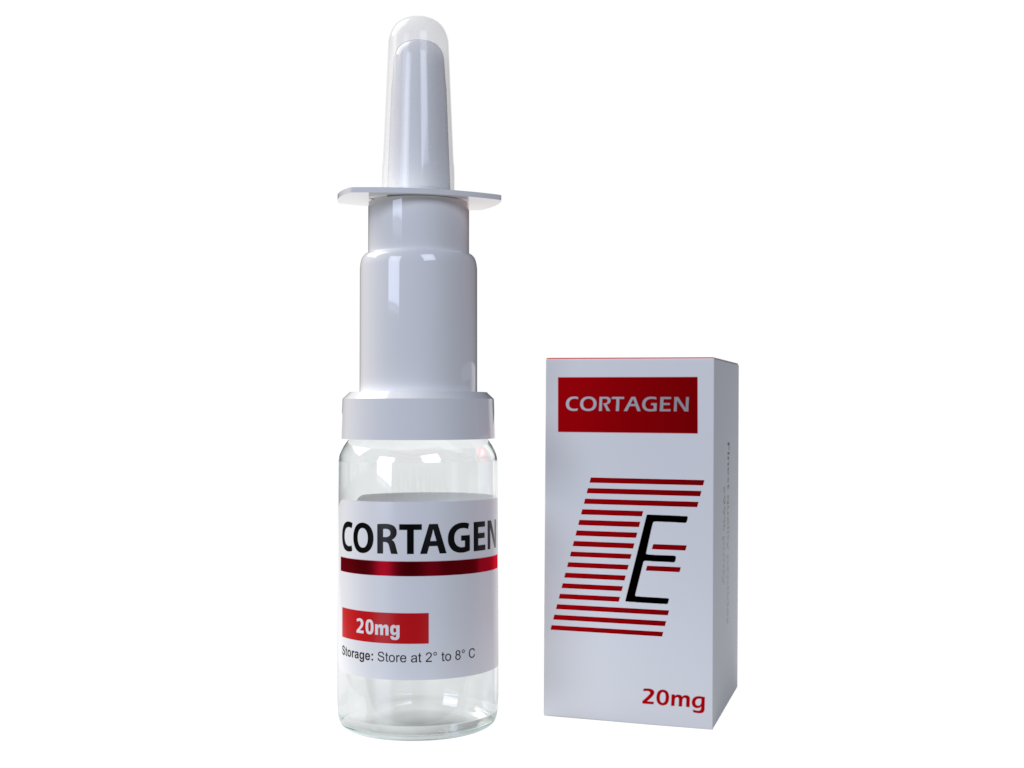
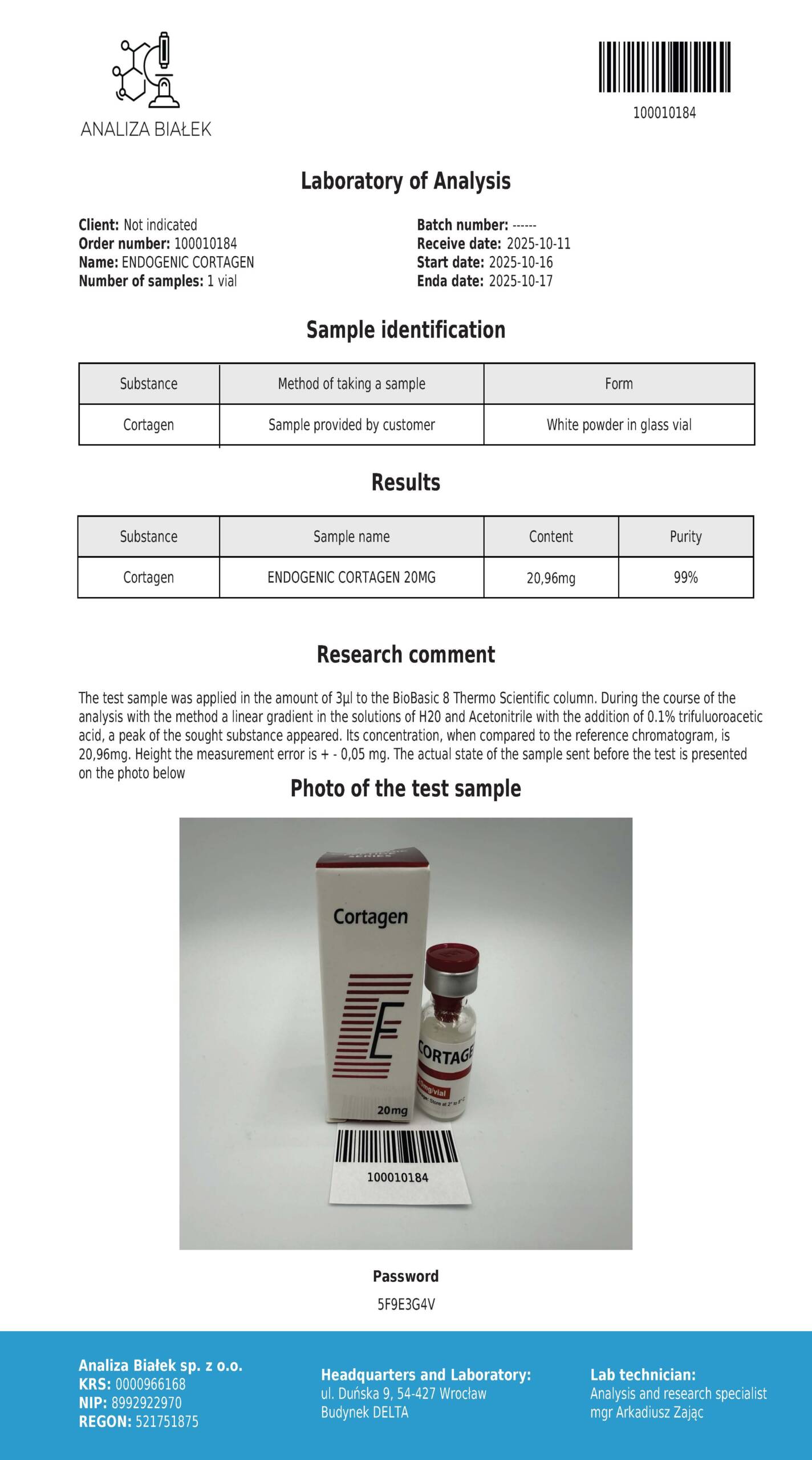
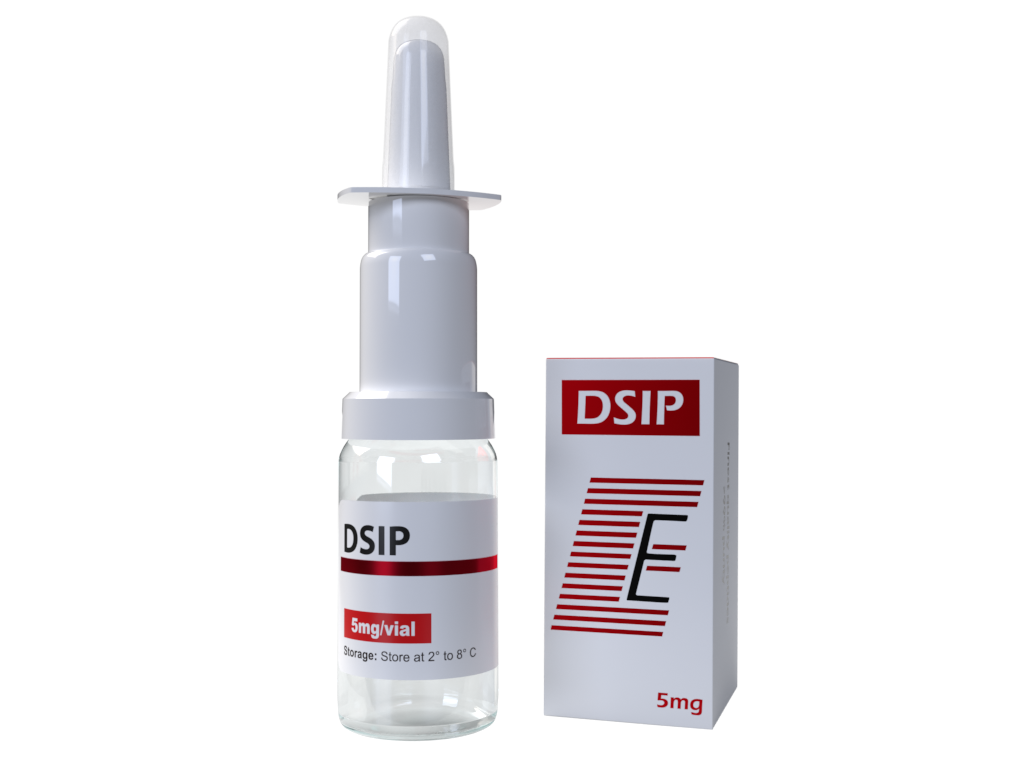
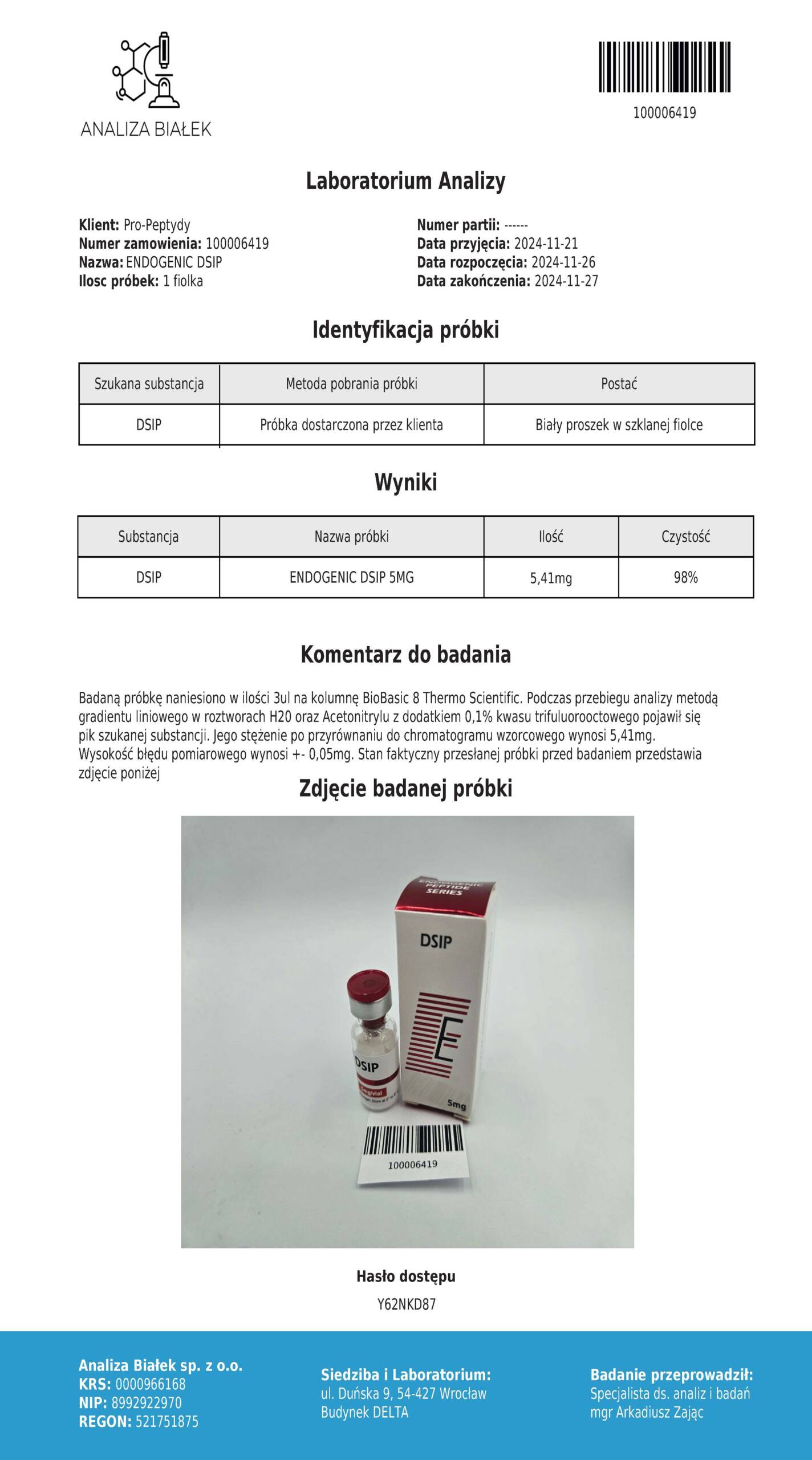
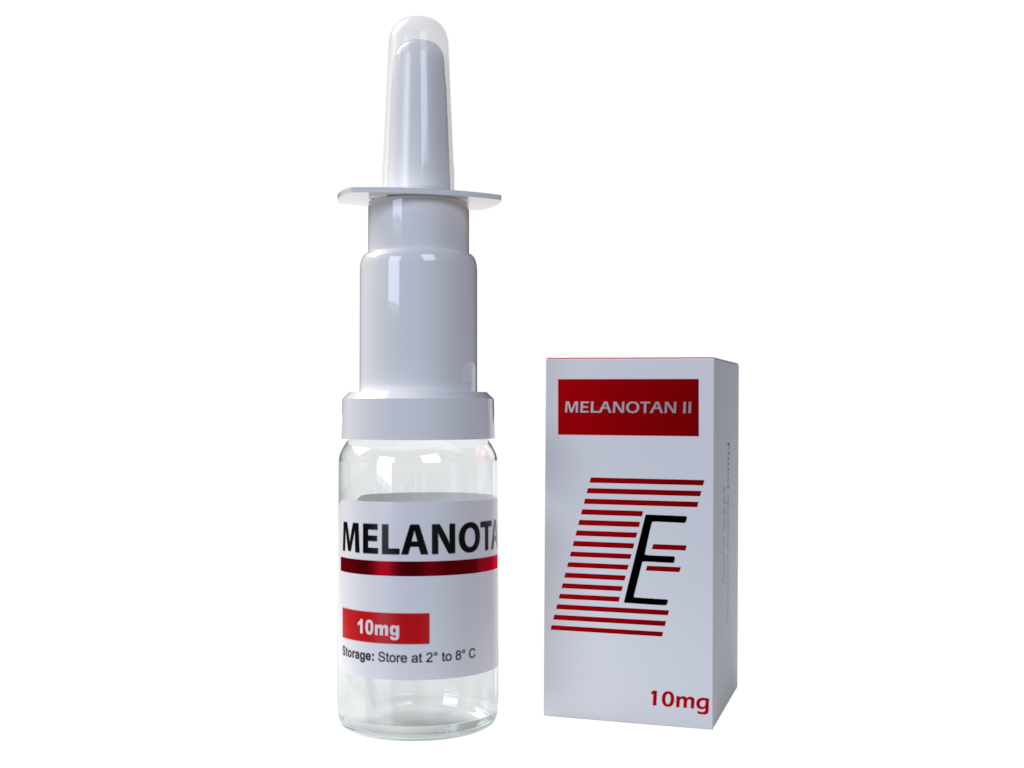
This group includes Cortagen Spray (a cortical bioregulator), DSIP, ARG-BPC-157 and Melanotan 2. For these, the spray form rests on a logical analogy with the nose-to-brain mechanism. Here the intranasal route is a research hypothesis supported by the transport mechanism, not a validated clinical pathway.
Thematic contexts
Thematically, spray peptides belong to two areas: nootropic research and mood regulation. You will find the broader background in the peptides for brain function and peptides for well-being categories.
Regulatory status
Some reagents in this form have counterparts authorised as medicines, and these are separate regulatory entities. The counterpart of oxytocin is the medicine Syntocinon, and that of PT-141 is Vyleesi. Semax and Selank are authorised as medicinal products only in the Russian Federation; outside that jurisdiction they remain research reagents. Pro-Body RUO reagents are not substitutes for these medicines and do not replace medical consultation. WADA status depends on the molecule, because melanocortins and neuromodulatory peptides may be caught by general clauses. An athlete registered in the ADAMS system must consult the current list before any decision.
Applications in scientific research
Reagents in nasal spray form are used in models of transport to the brain and in the neuropharmacology of regulatory peptides. Working concentrations and the route of administration are chosen by the researcher according to the protocol, so the category gives no doses or schedules. The main research directions:
- Nose-to-brain transport: comparative pharmacokinetics of intranasal versus peripheral administration, characterisation of the olfactory and trigeminal pathways
- Neuropharmacology of regulatory peptides: BDNF/NGF expression, anxiolytic and neuroprotective profile in rodent models (Semax, Selank)
- Models of social cognition and mood regulation: oxytocin and melanocortin signalling in central structures
- Nasal mucosal absorption kinetics: characterising the central exposure window for molecules with a short half-life
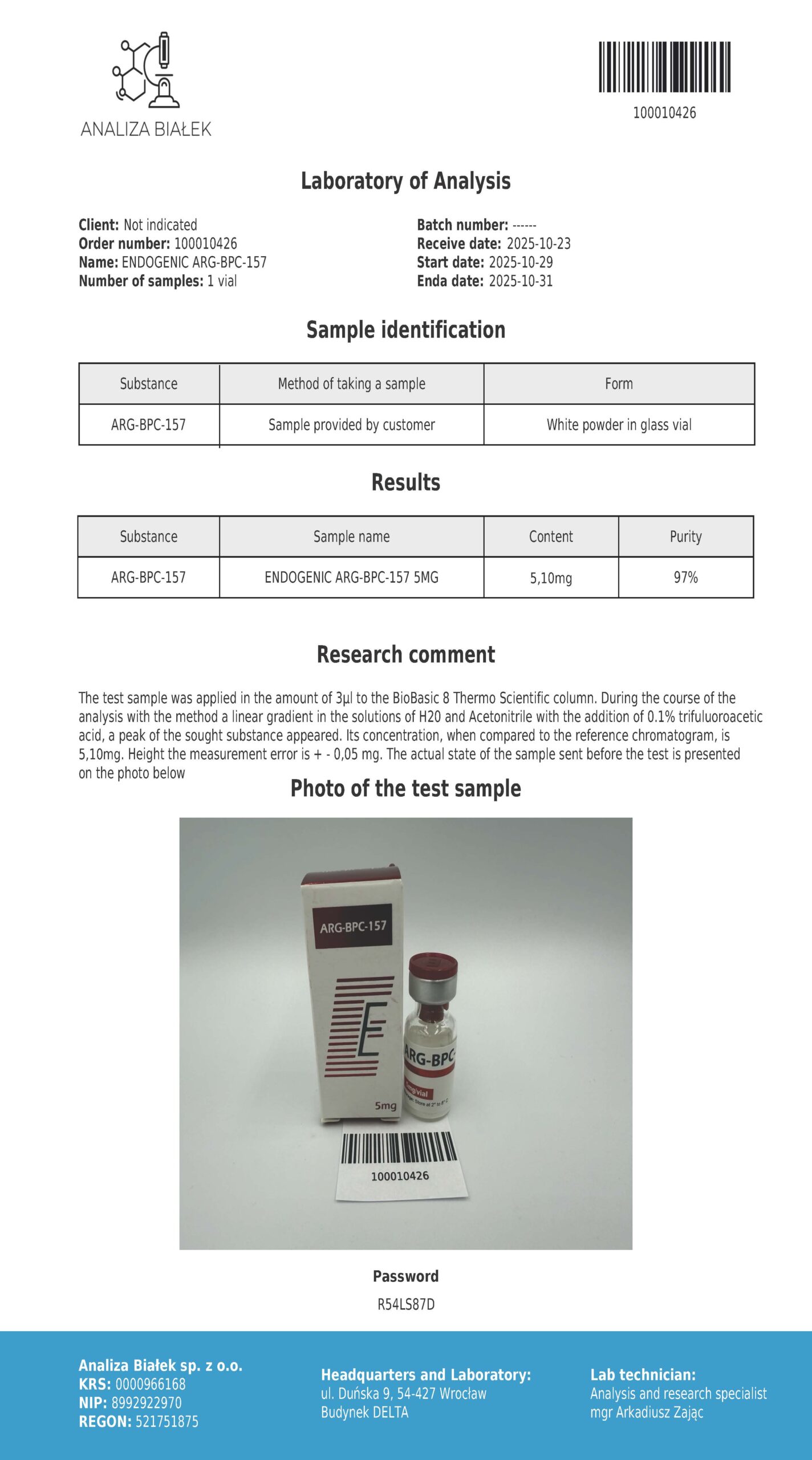
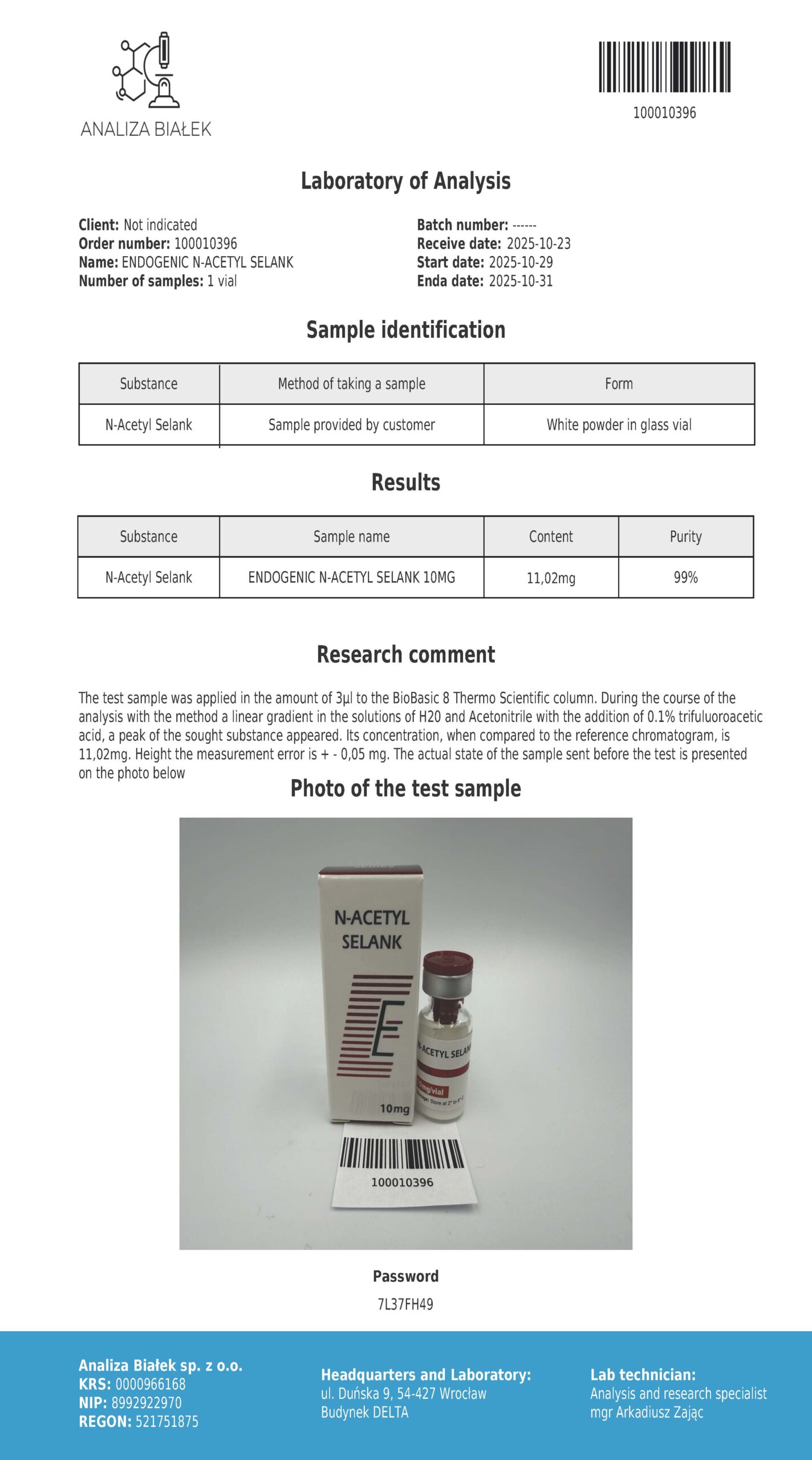
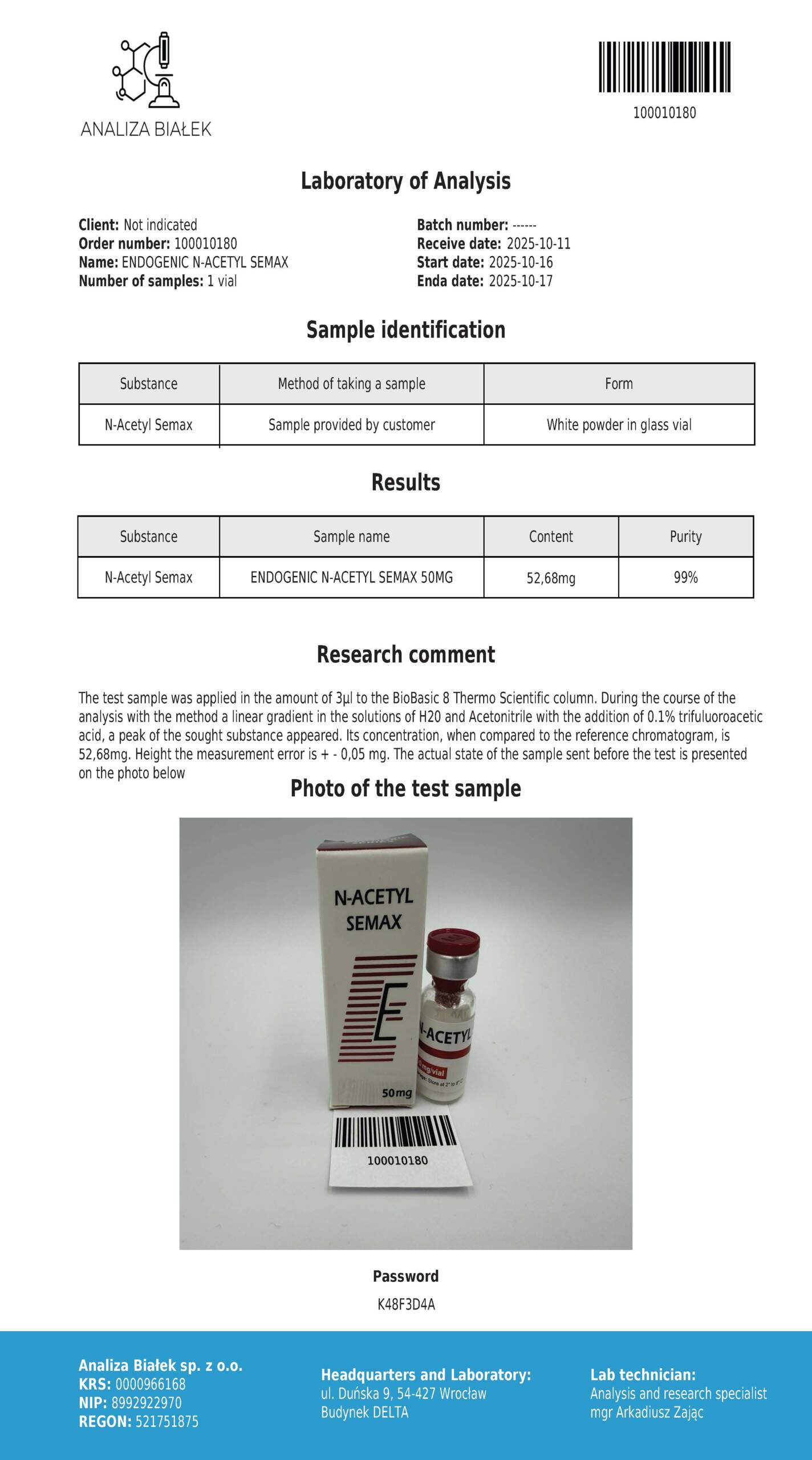
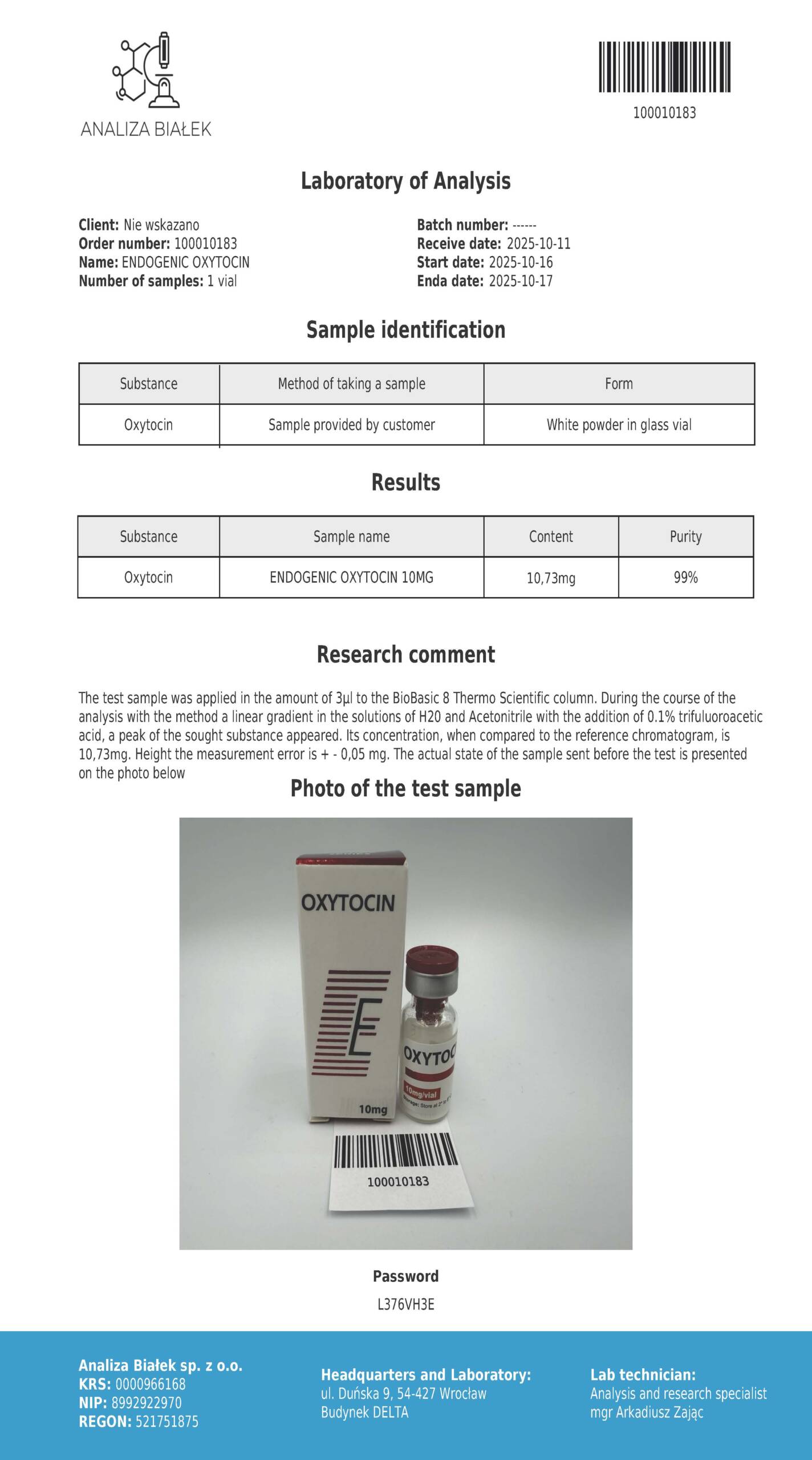
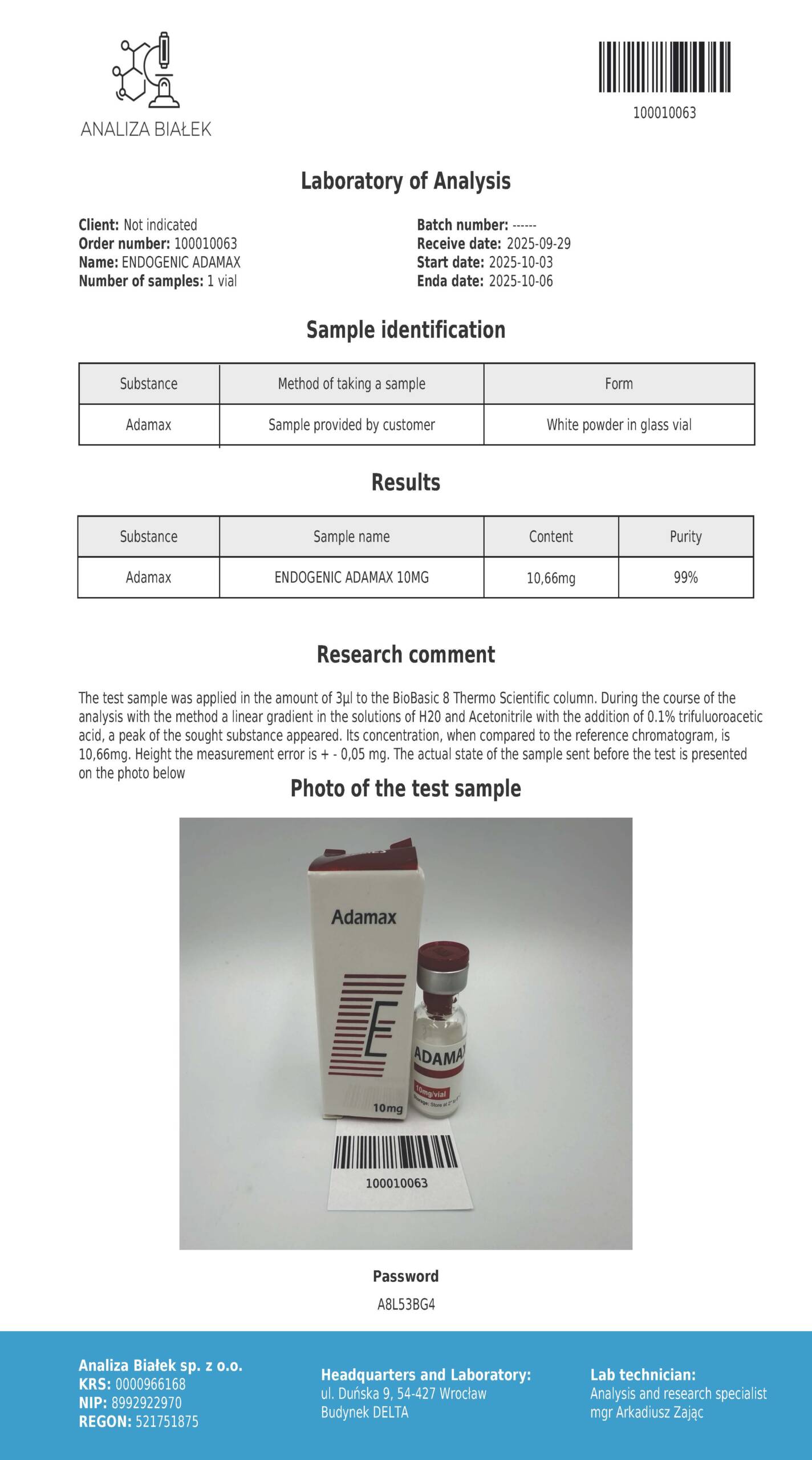
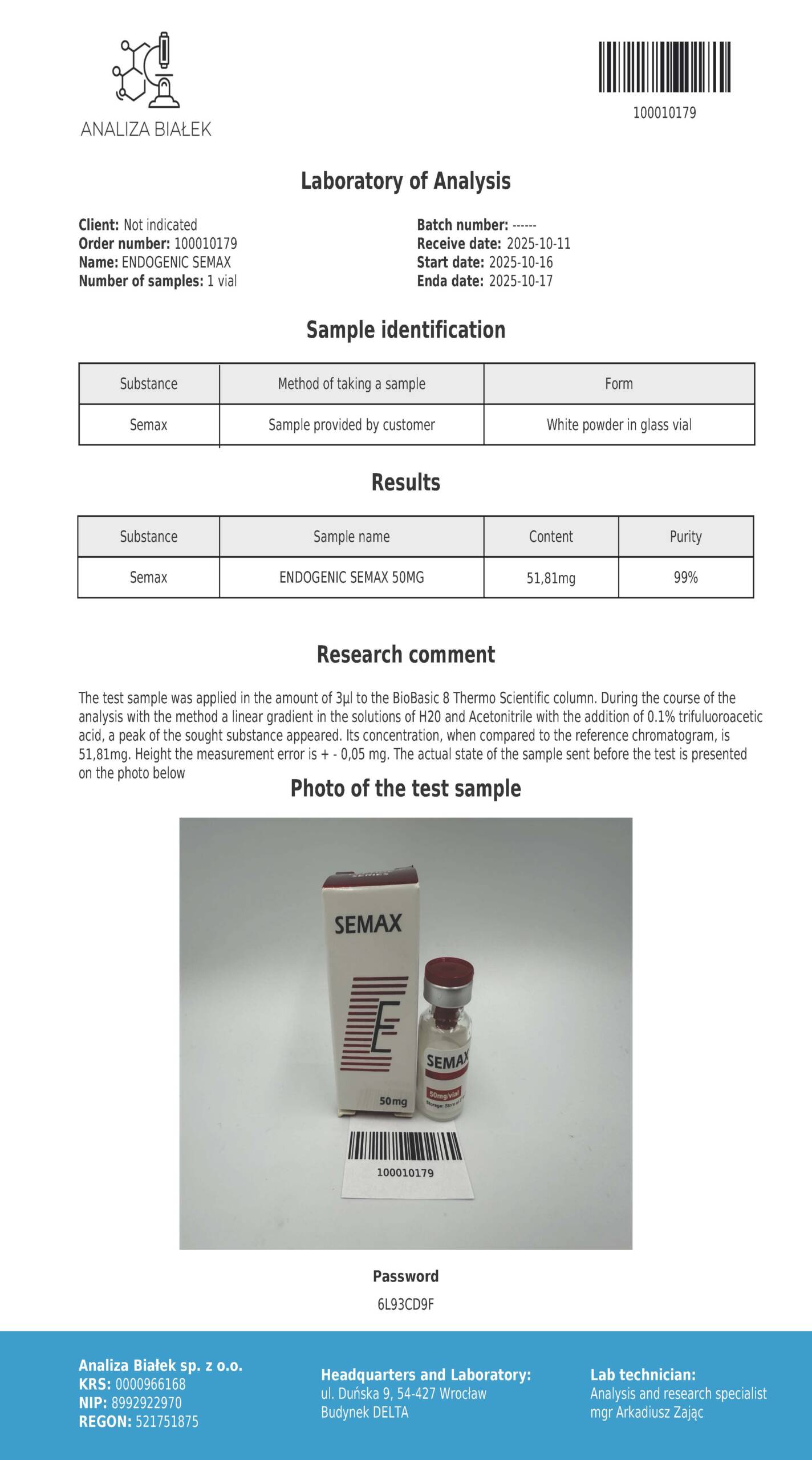
- Identity and purity characterisation: confirming sequence and mass by MS, determining HPLC purity in the batch COA and monitoring the stability of the working solution
Scientific perspective
The strength of human data varies widely across this category, so the split into two groups is the heart of it. In evidential terms, “nasal spray” does not mean the same thing for every molecule. For some it is a documented route of administration; for others, a hypothesis based on the transport mechanism.
Important distinction
The form determines neither the research direction nor the purpose. The identity of the ordered material is decided by the sequence and mass confirmed in the batch COA. RUO principles rule out promises such as “a memory spray”, “a focus spray without a prescription” or “a nasal peptide for mood”.
Working with this form
Working with the spray form depends on which of the two variants reaches the laboratory:
- Kit variant for in-house preparation: the researcher reconstitutes the lyophilisate with bacteriostatic water and fills the glass atomiser with the working solution. The solvent goes in as a stream down the vial wall, without shaking
- Ready-made solution variant: a factory-prepared solution in a nasal spray applicator, with no reconstitution step. The concentration is set at the factory and stated on the label and in the COA
- Spray calibration: the metering pump delivers a repeatable volume per actuation (calibration value in the batch COA), which supports reproducibility across a series
- Solution stability: a peptide in the aqueous phase is less stable than a lyophilisate, so a working solution stored for longer is monitored by HPLC
- Storage: refrigerator at 2–8 °C, without freezing the solution. Identity and concentration are given in the batch COA
Frequently asked questions (FAQ)
How does the nose-to-brain mechanism work?
Intranasal application opens a route to the central nervous system that partly bypasses the blood–brain barrier. It runs along two pathways: the olfactory pathway (along the olfactory nerves to the olfactory bulb) and the trigeminal pathway (to the brainstem). This peptide transport is well described in models, but it does not automatically mean a validated effect in humans for every molecule.
Which peptides have a precedent for intranasal use in humans, and which do not?
Semax and Selank have a strong precedent, being authorised as nasal medicines in the Russian Federation, and so do oxytocin and PT-141, thanks to their authorised medicinal counterparts. For Cortagen, DSIP, ARG-BPC-157 and Melanotan 2, the spray form rests on a logical nose-to-brain analogy, without solid human data.
How does the in-house preparation kit differ from the ready-made solution?
The kit contains a vial of lyophilisate, bacteriostatic water and a glass atomiser. The researcher reconstitutes the peptide and fills the atomiser themselves, which allows free choice of concentration. The ready-made solution is prepared at the factory in the applicator, so the reconstitution step disappears. It is convenience at the cost of flexibility.
Does the spray form turn a reagent into a nasal medicine?
No. Even when a molecule’s counterpart is an authorised nasal medicine in another country (Semax and Selank in the Russian Federation), Pro-Body material remains a Research Use Only reagent. It is neither that medicine nor a substitute for it, and it is not intended for use in humans or animals.