


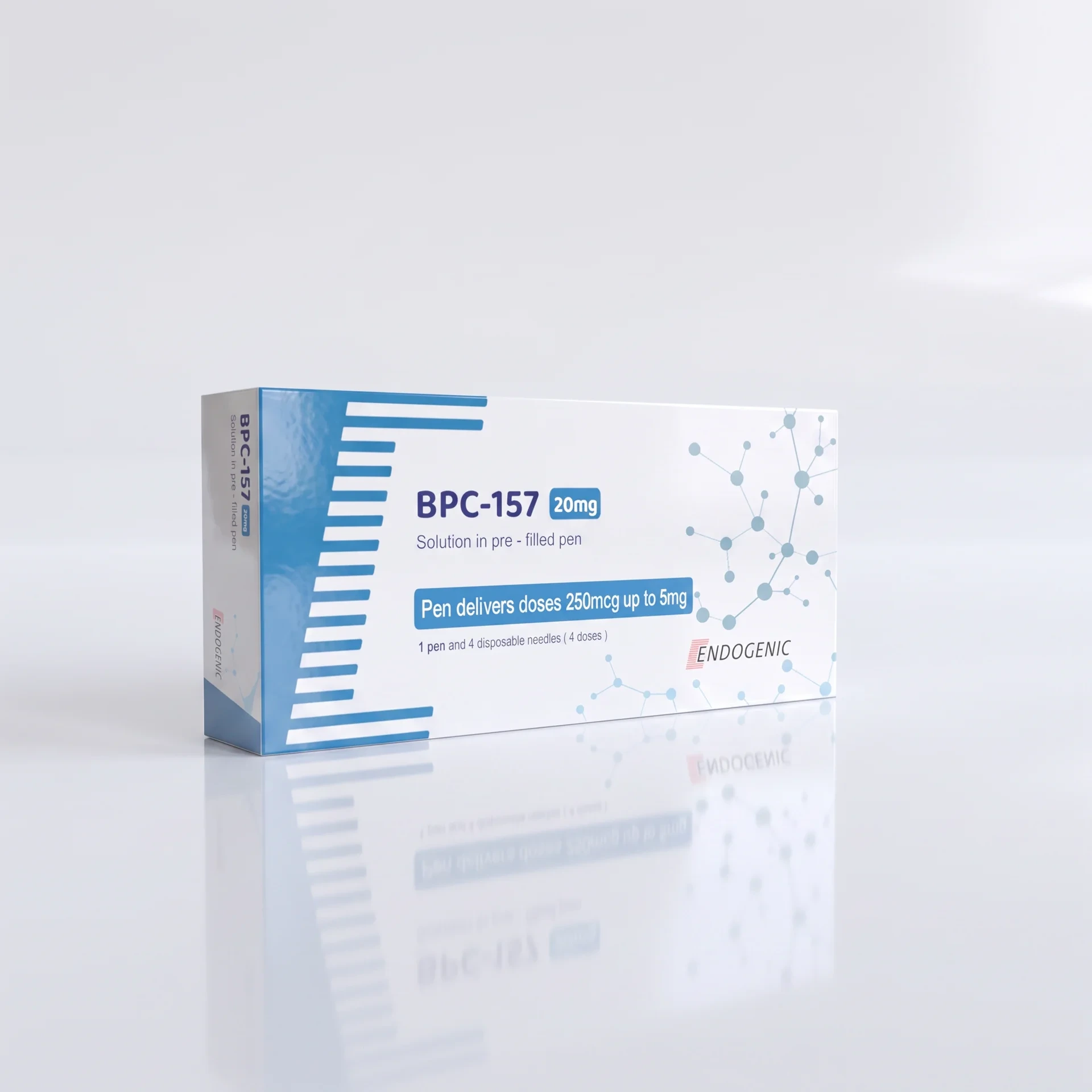

Pens
Black Week
20% off everything with code BLACK
Click and the code is added to your cart.
Until Monday 30 Nov, 23:59 (Polish time).
Black Friday
20% off everything with code BLACK
Click and the code is added to your cart.
Until Monday 30 Nov, 23:59 (Polish time).
Last day
20% off everything with code BLACK
The code works until 23:59 today (Polish time).
Other categories
22 products
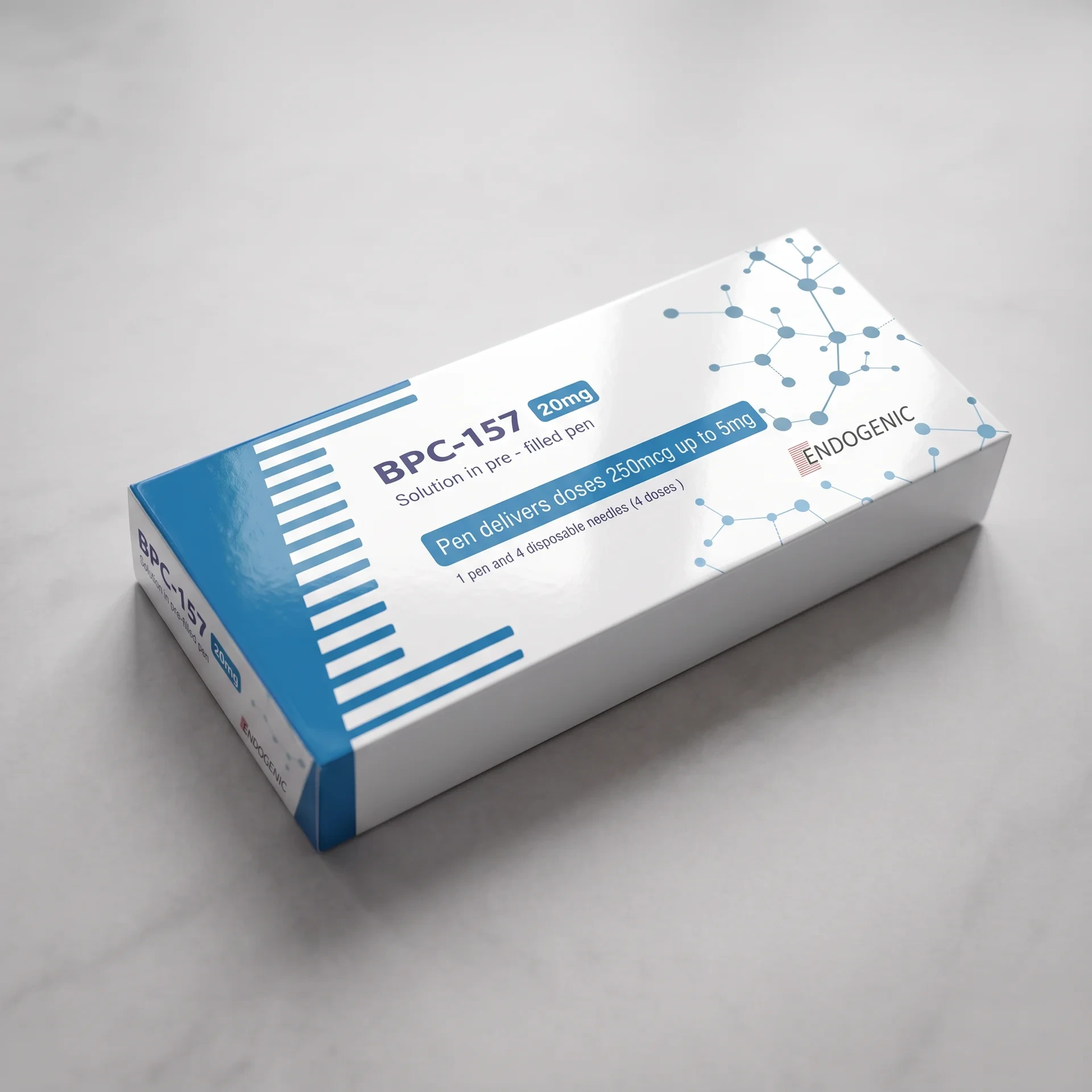
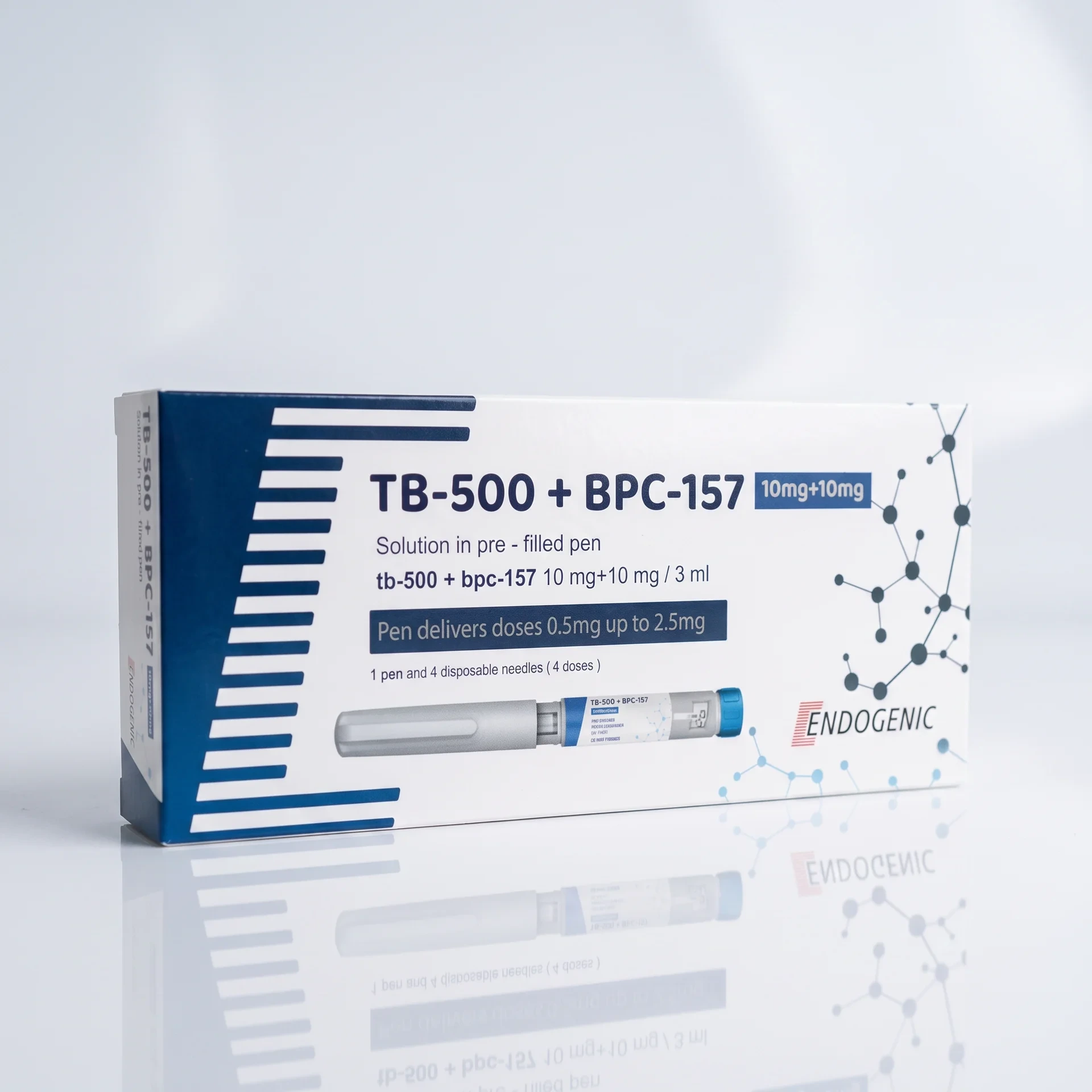
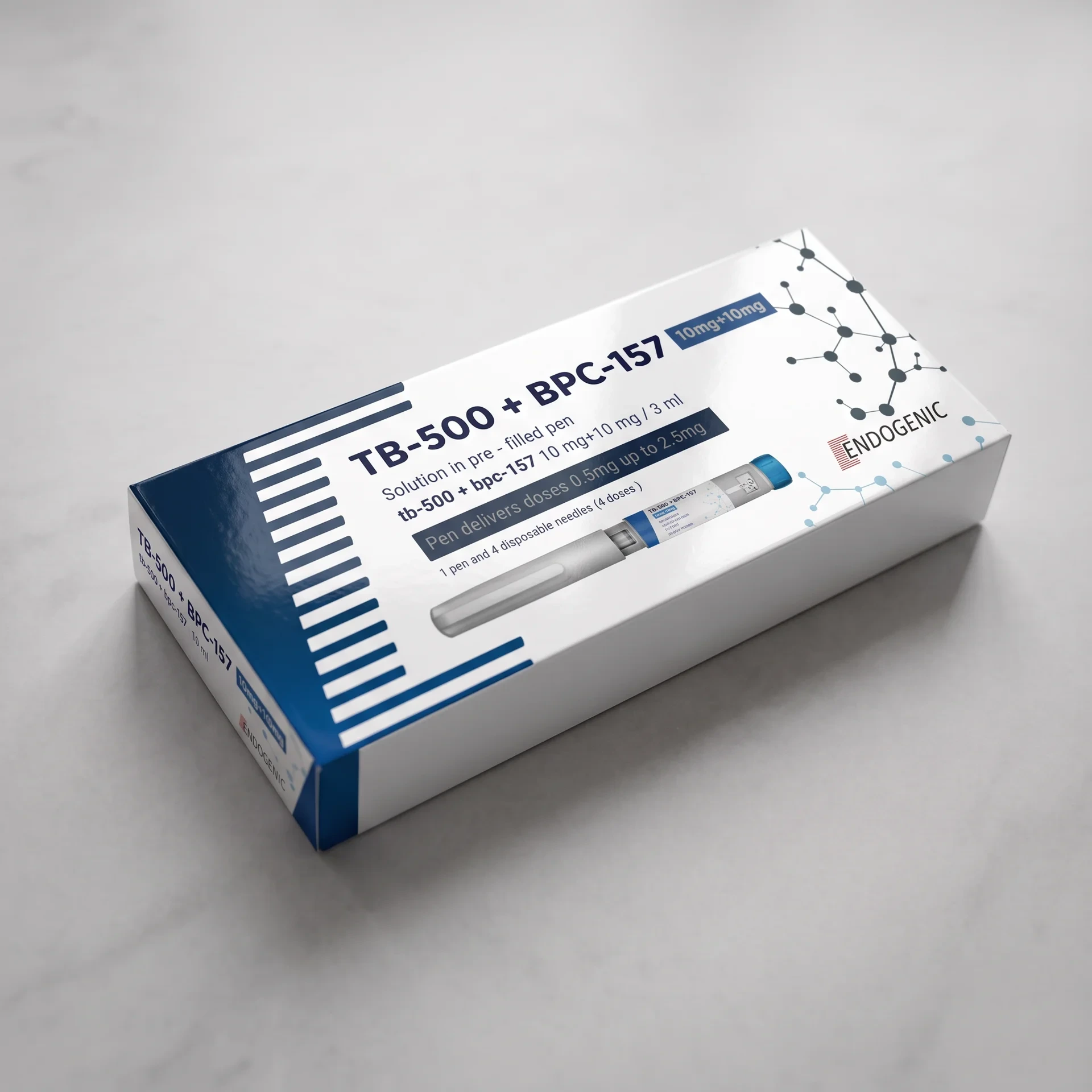


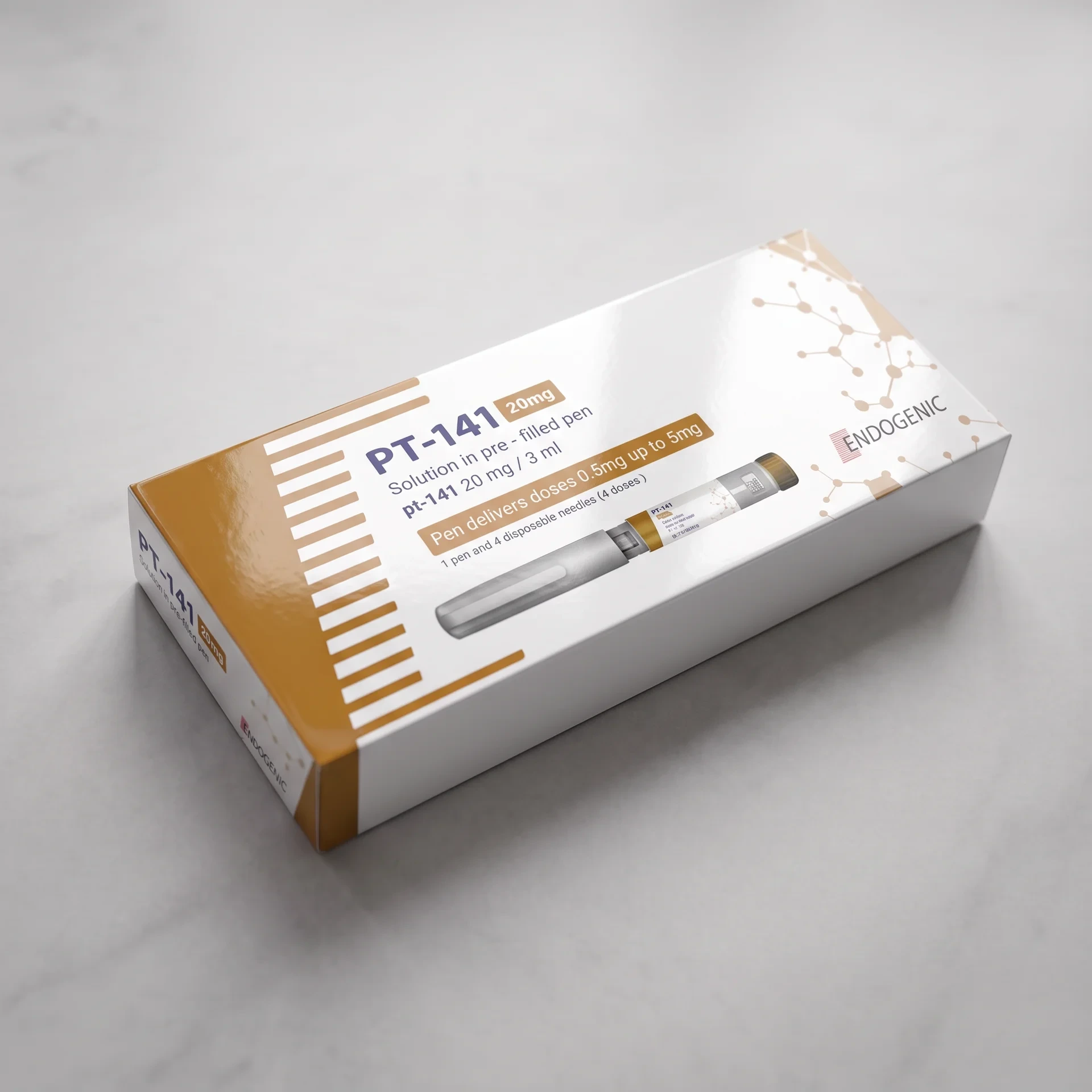
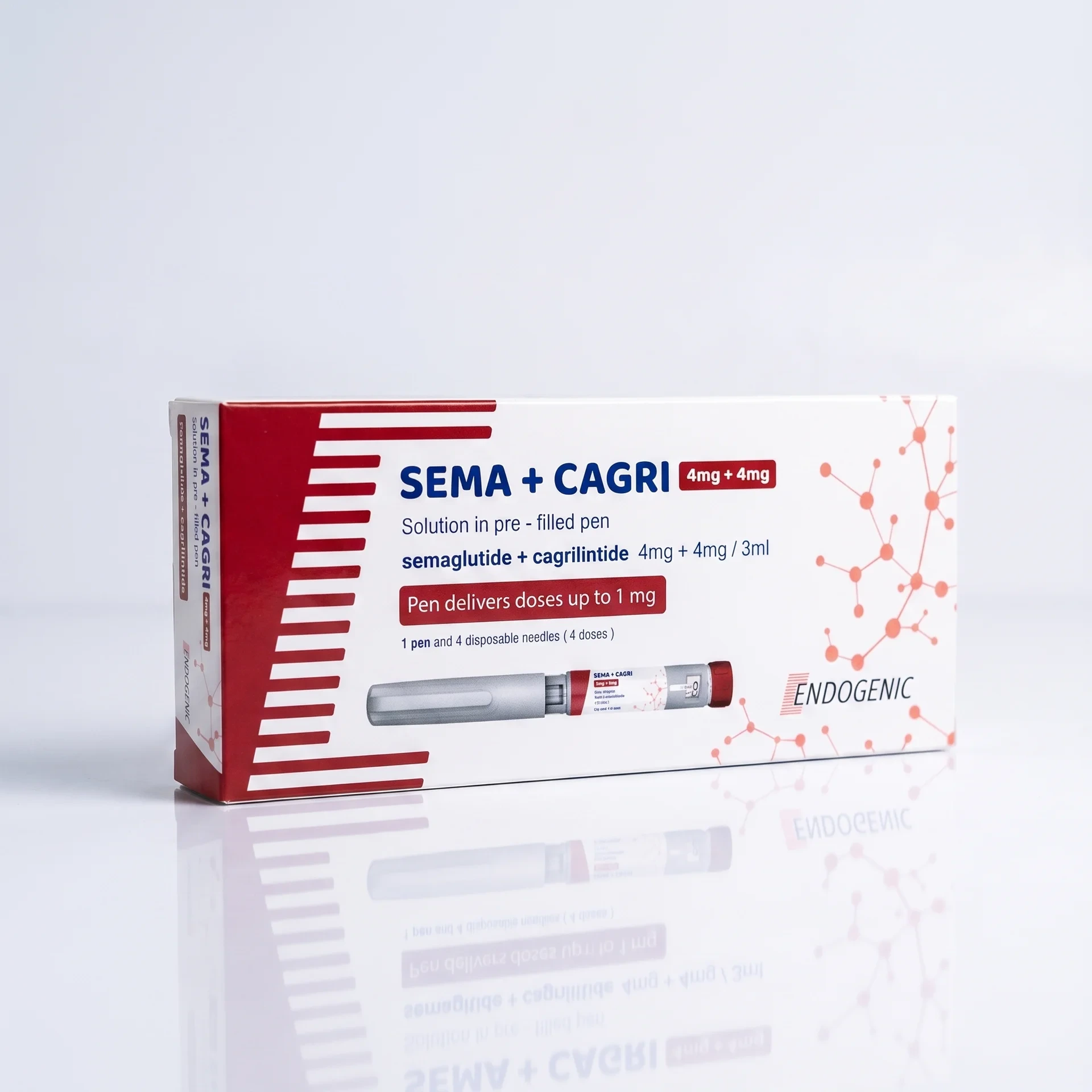
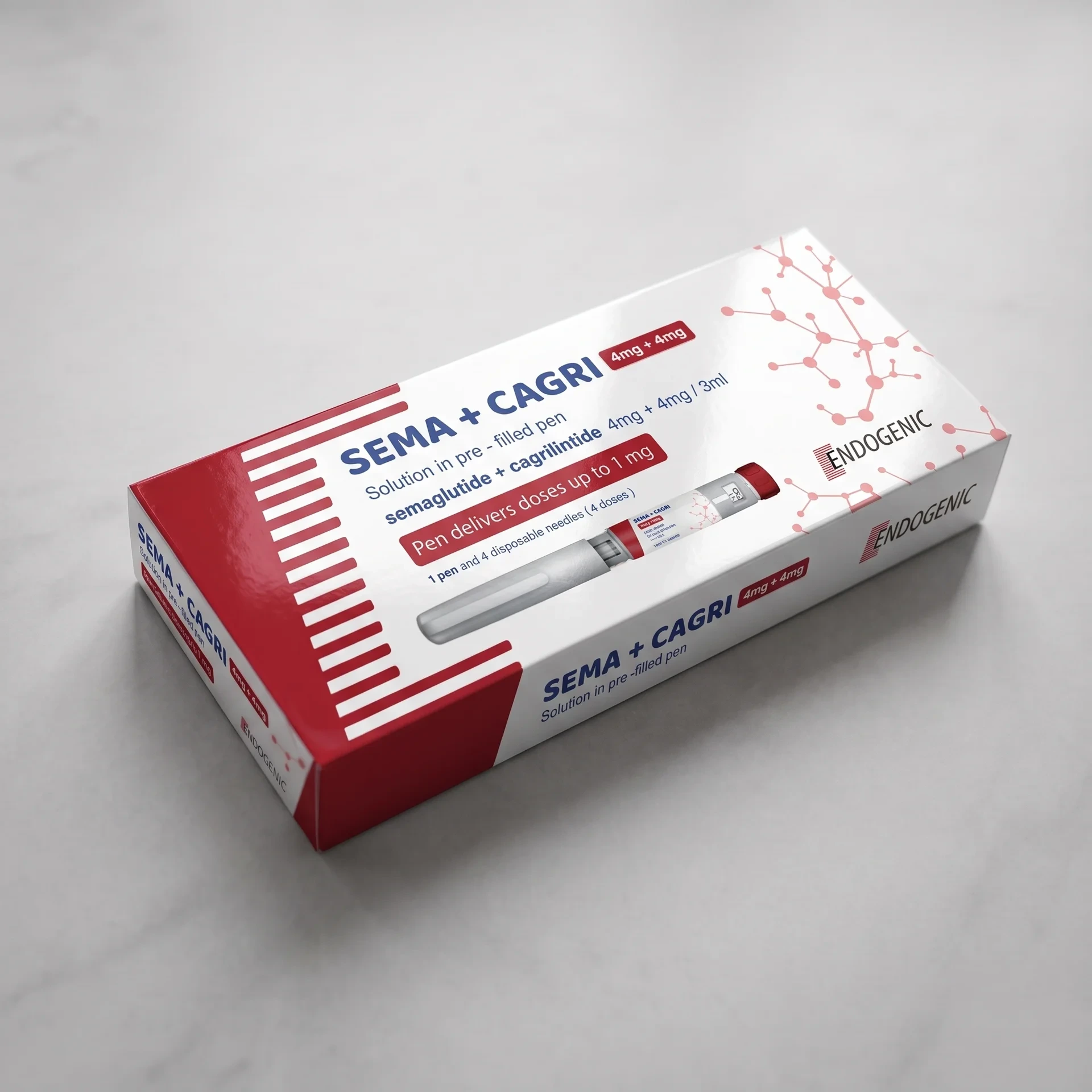
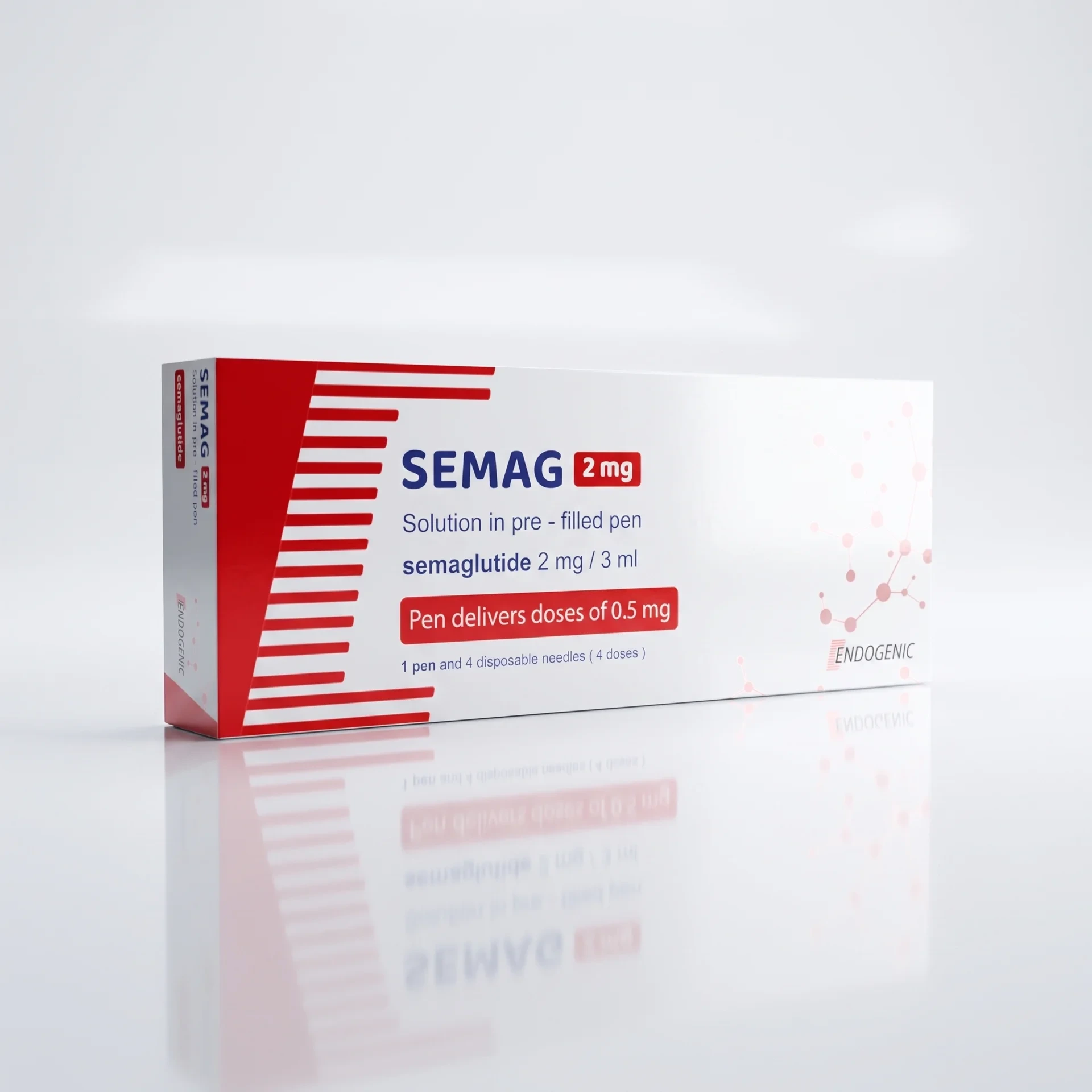
Black Week
Black Week deals before everyone else
Sign up for the newsletter and get access to the Black Week promotion before other customers.
By signing up you agree to receive the Pro-Body newsletter with news and promotions. You can unsubscribe at any time with one click in the e-mail. Privacy policy
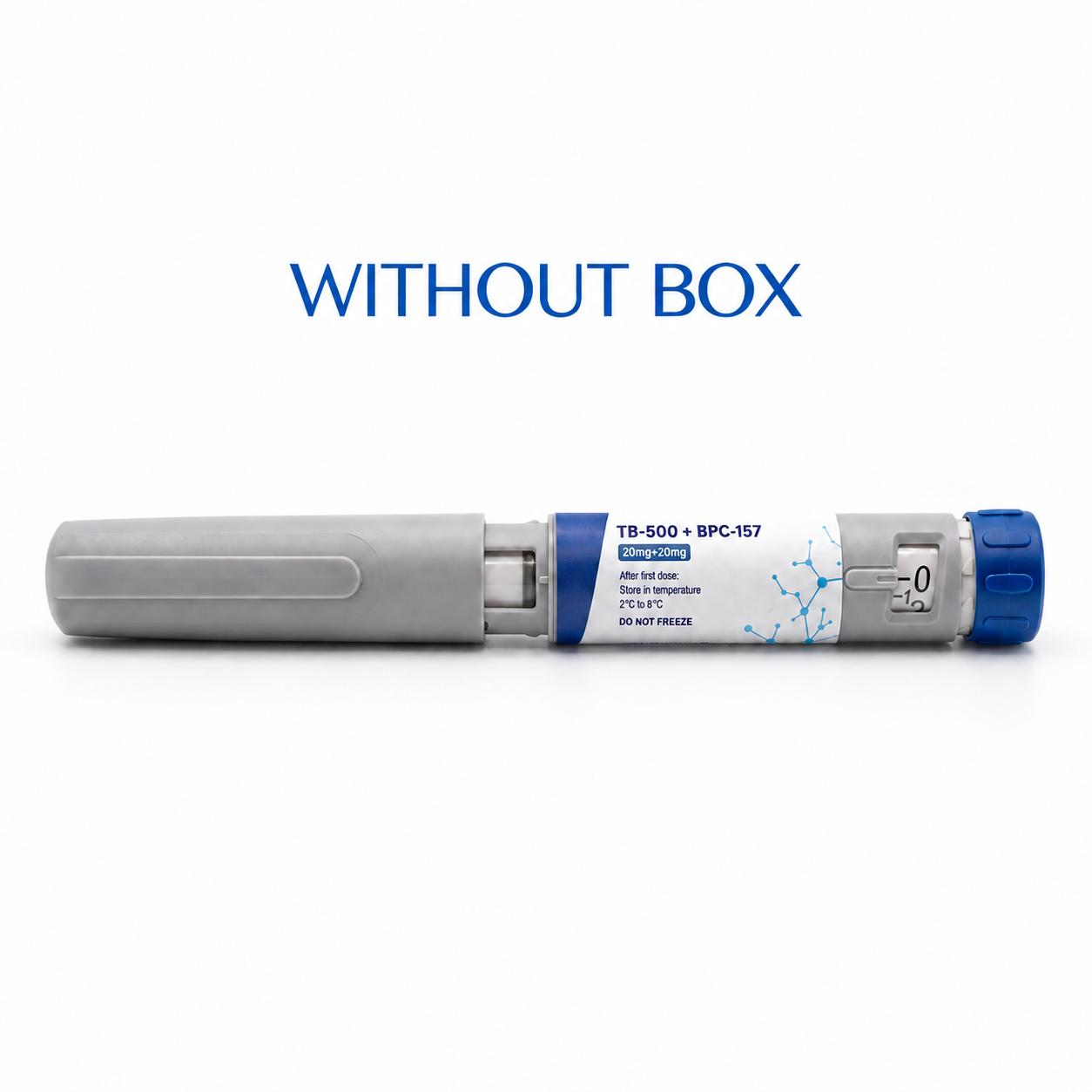
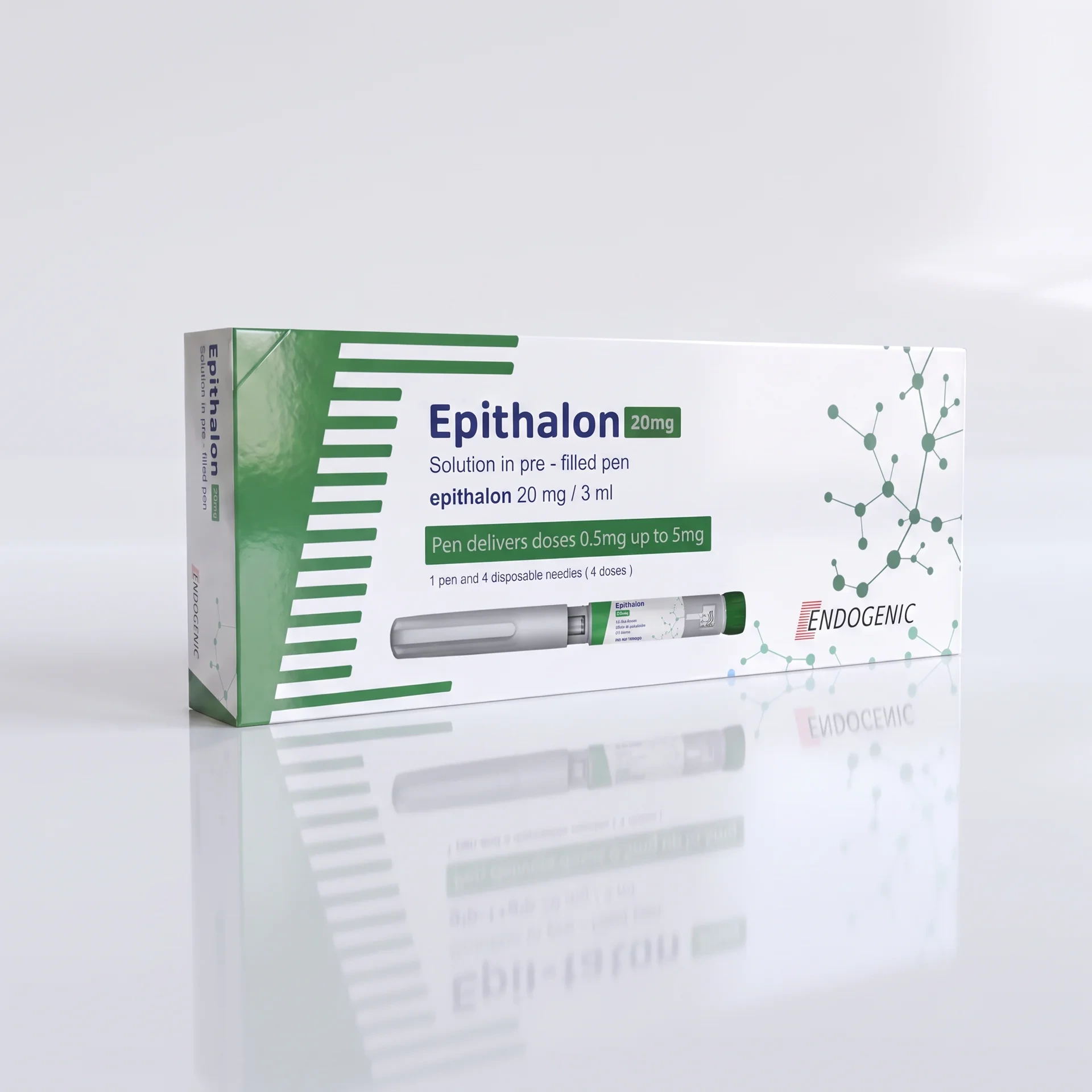
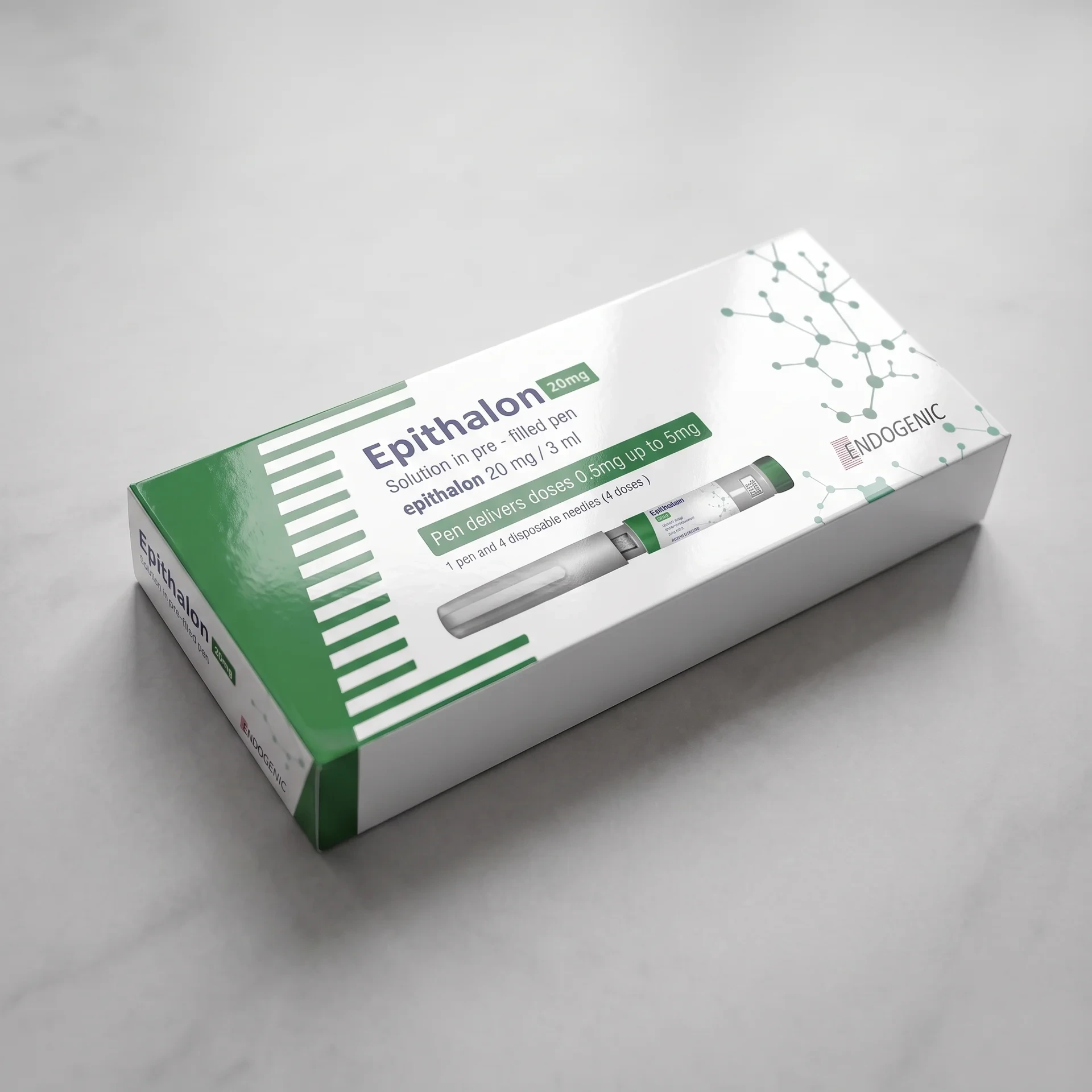
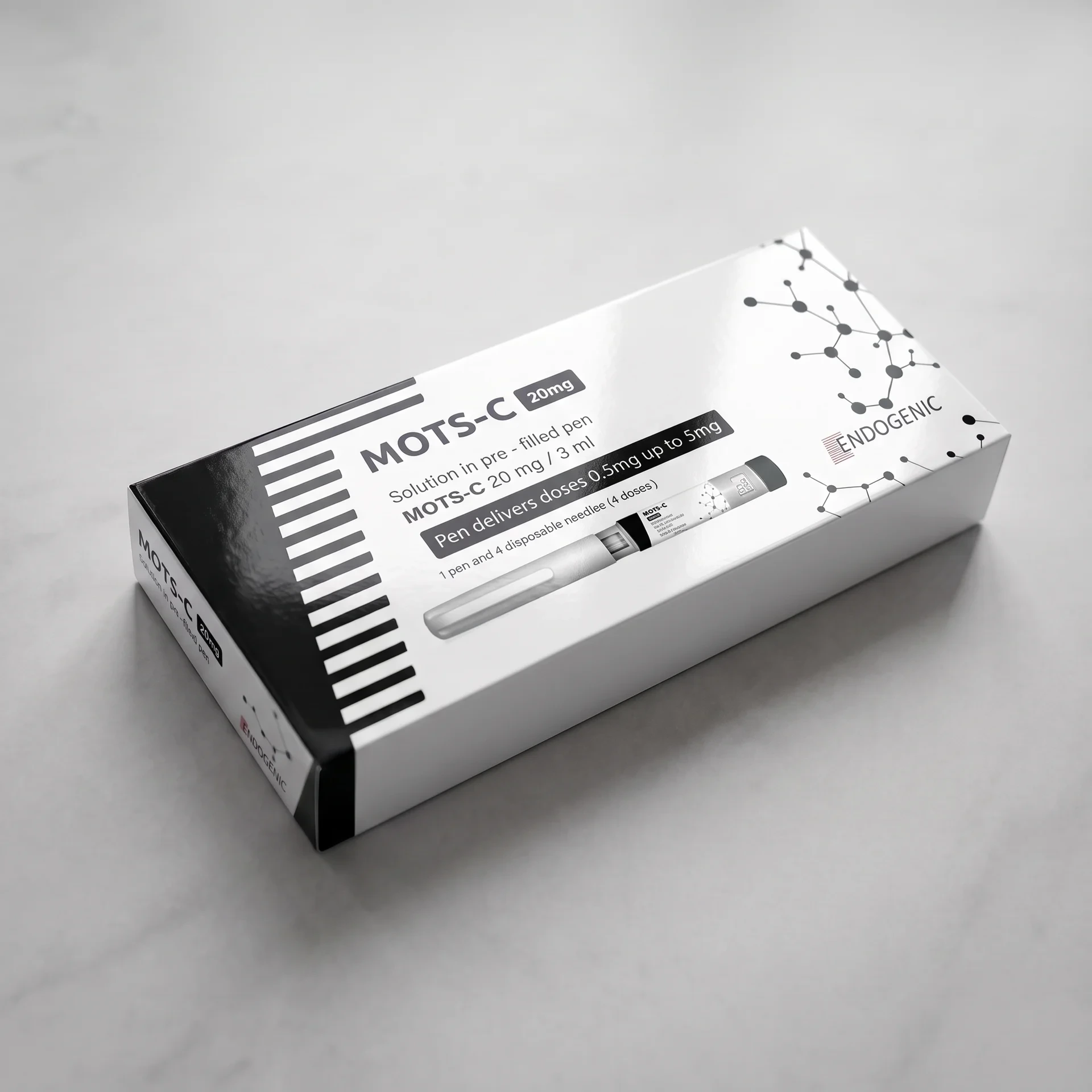
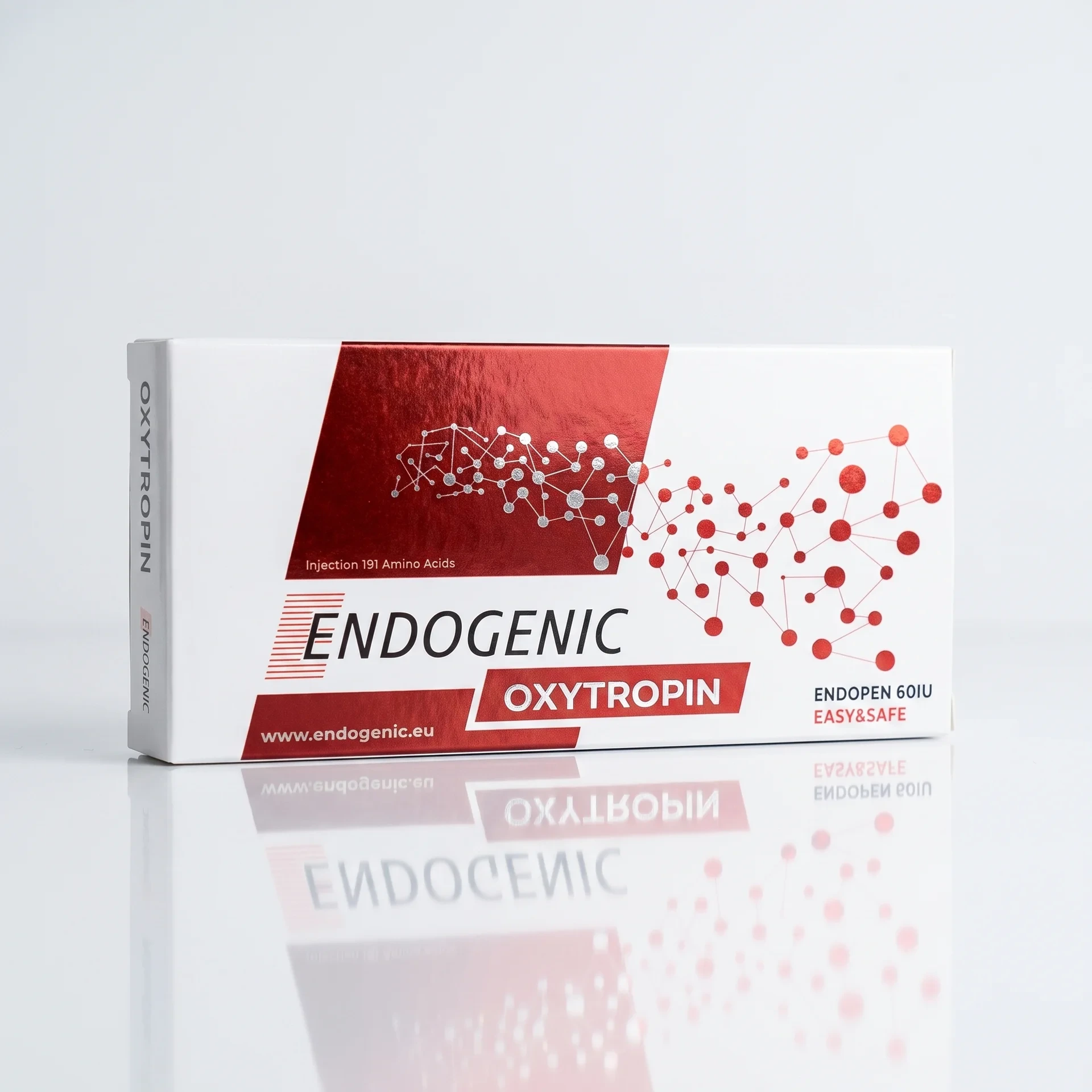
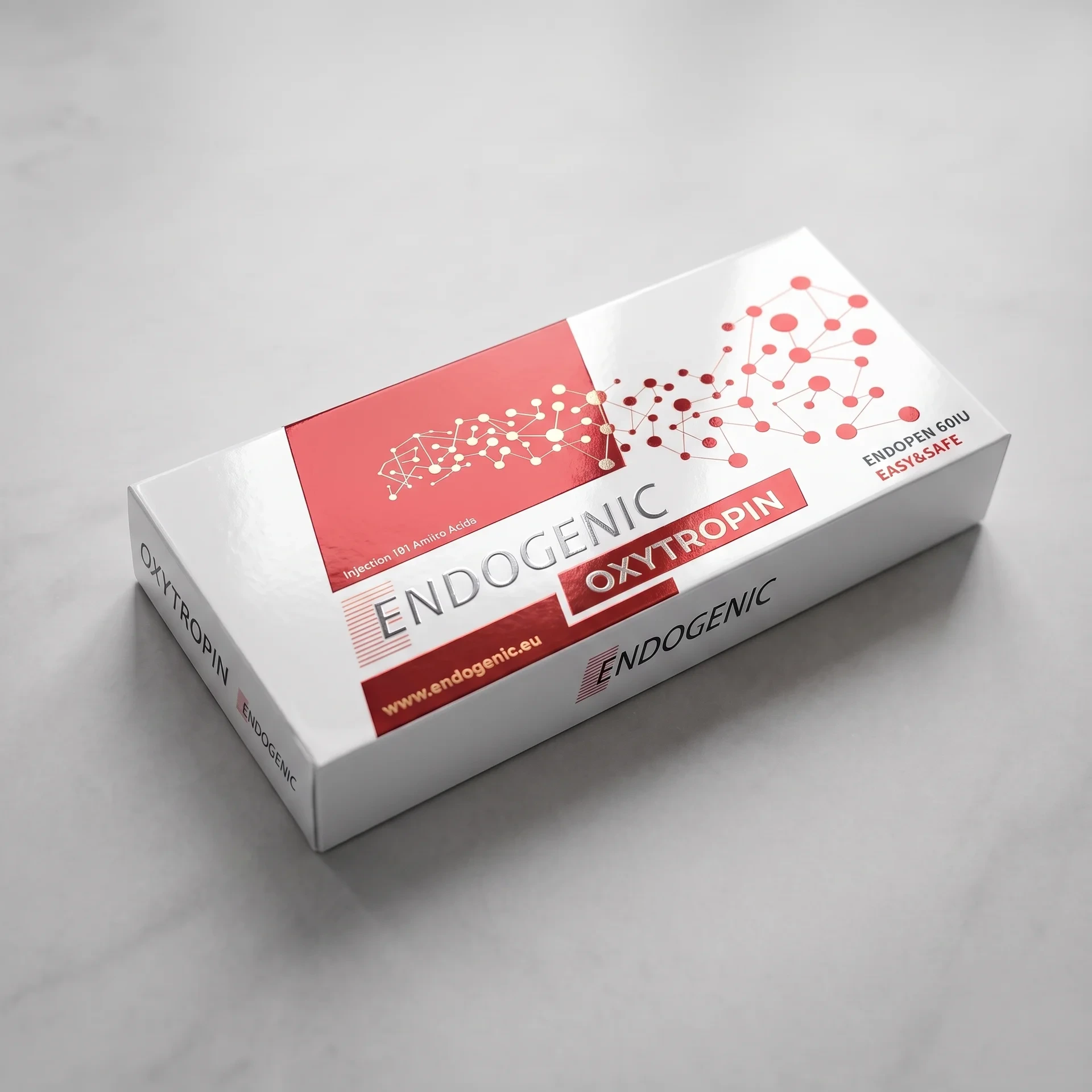
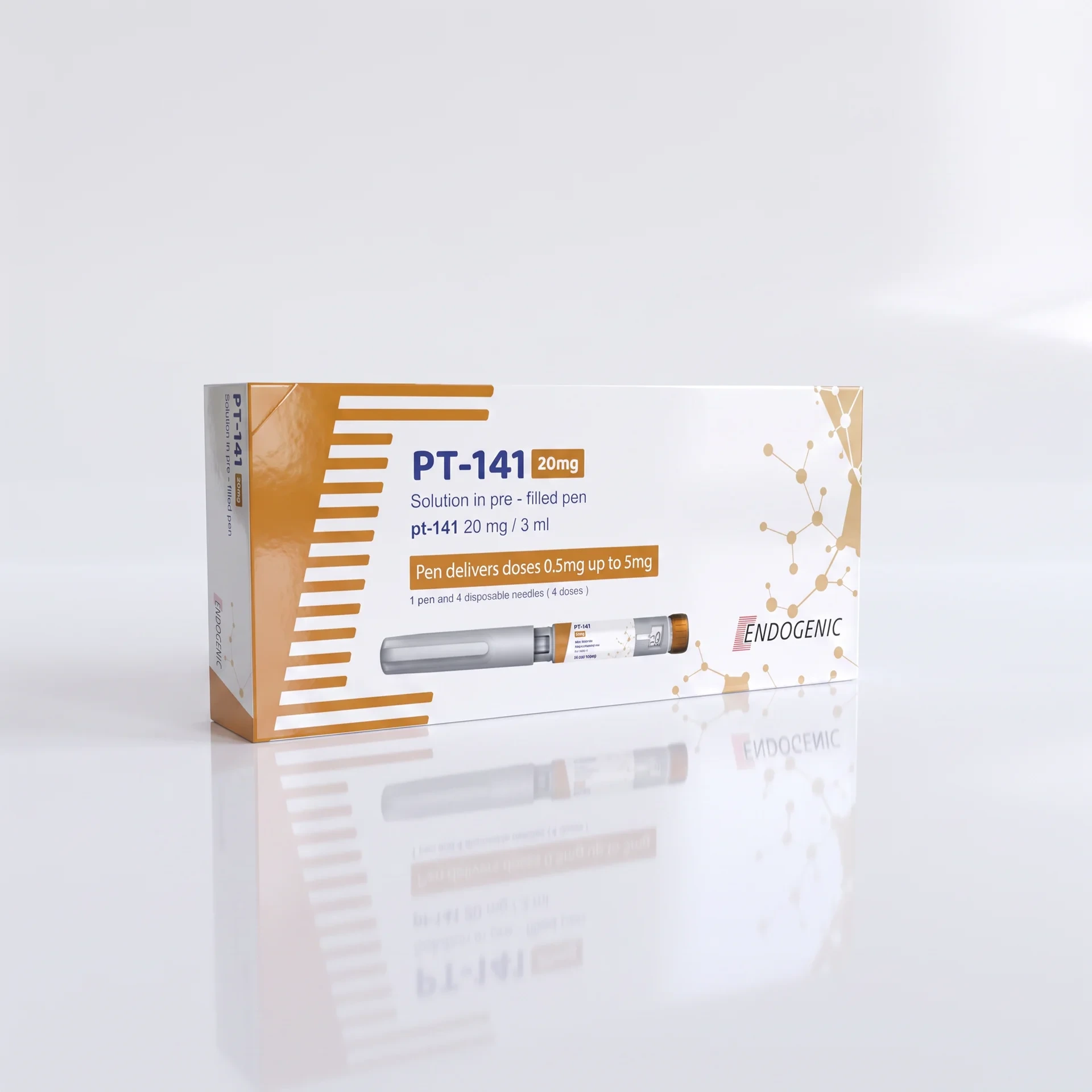
Peptide pens - research reagents
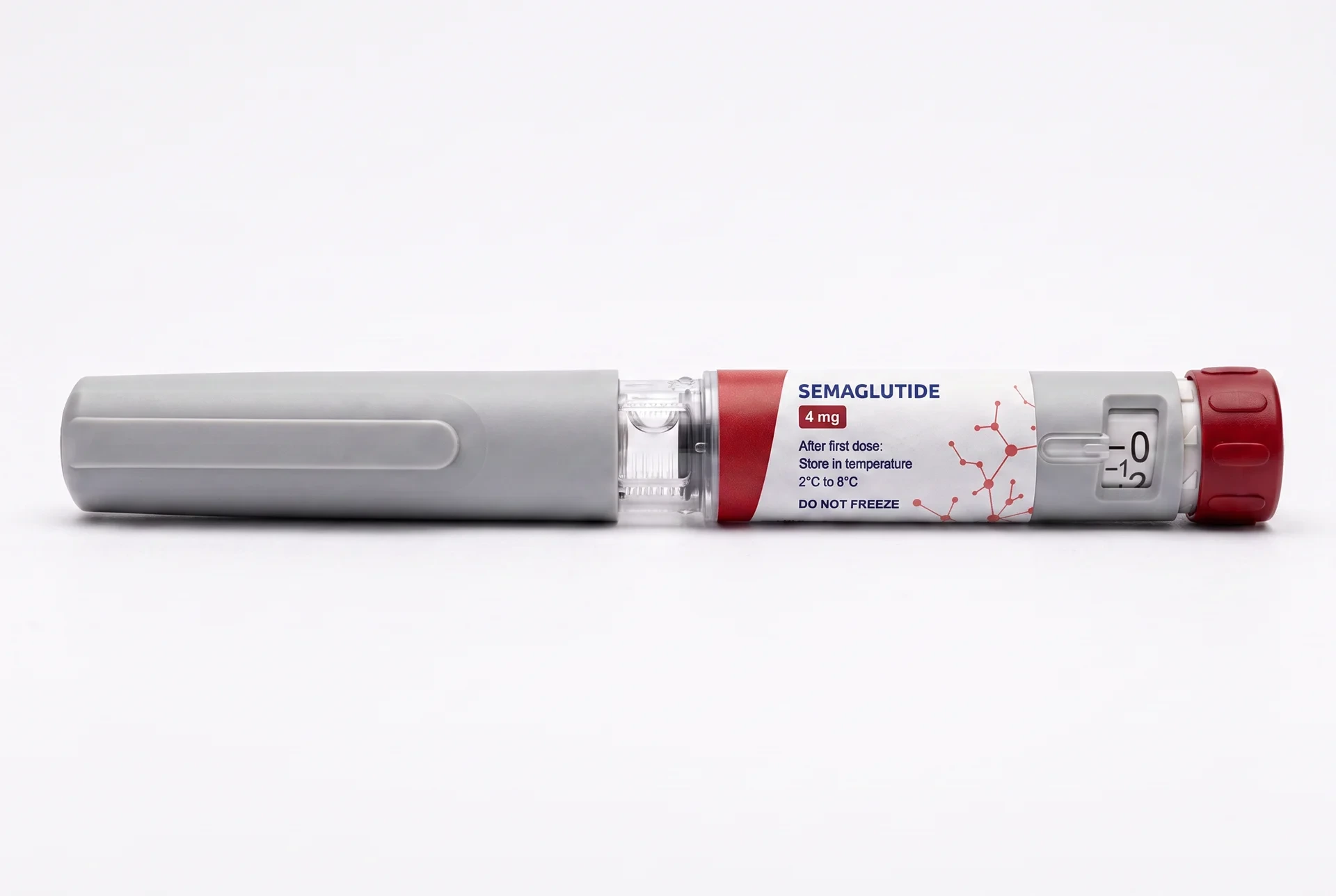
A PEN is a multi-dose applicator holding a ready, factory-prepared solution. Unlike a lyophilisate, which the researcher reconstitutes, a PEN delivers the molecule already dissolved, in an applicator calibrated for a series of repeatable withdrawals. This form dominates among incretin analogues, because research on them values reproducibility and skipping the solution-preparation step.
Calibration reduces variability between withdrawals and simplifies the logistics of experimental series. The form says nothing about what the reagent is for: the research question is decided by the molecule’s family. Here, that mostly means incretin receptor pharmacology.
What you will find in this category
The PEN form mainly offers incretin analogues with varied receptor profiles.
Incretin analogues in pens
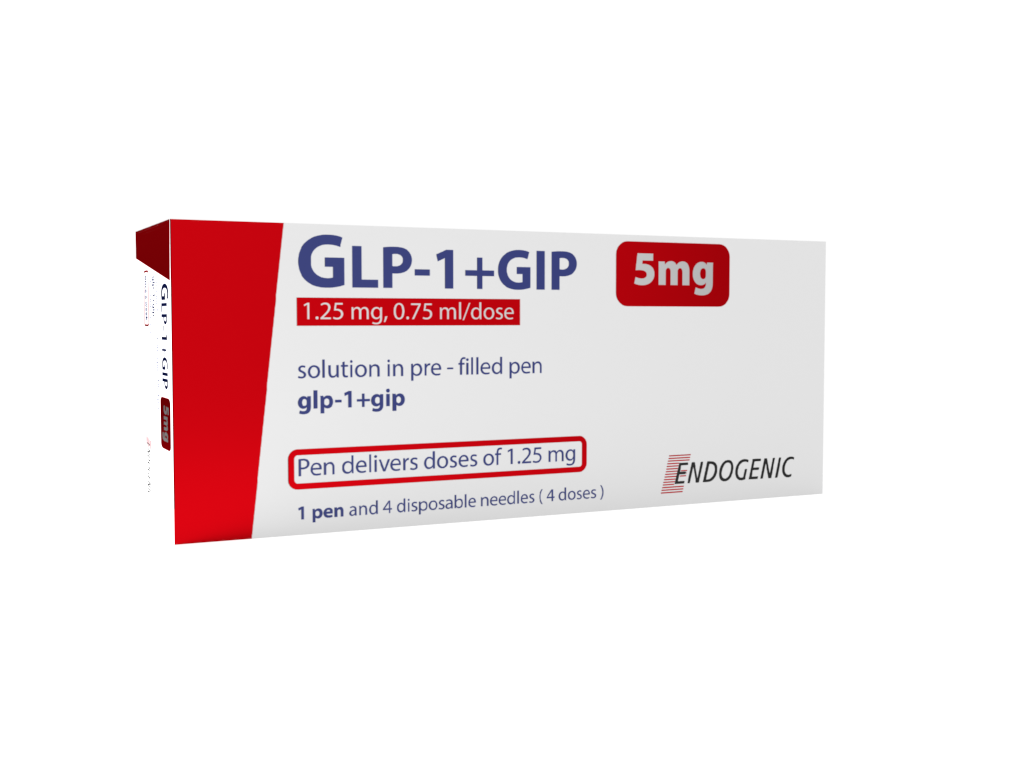
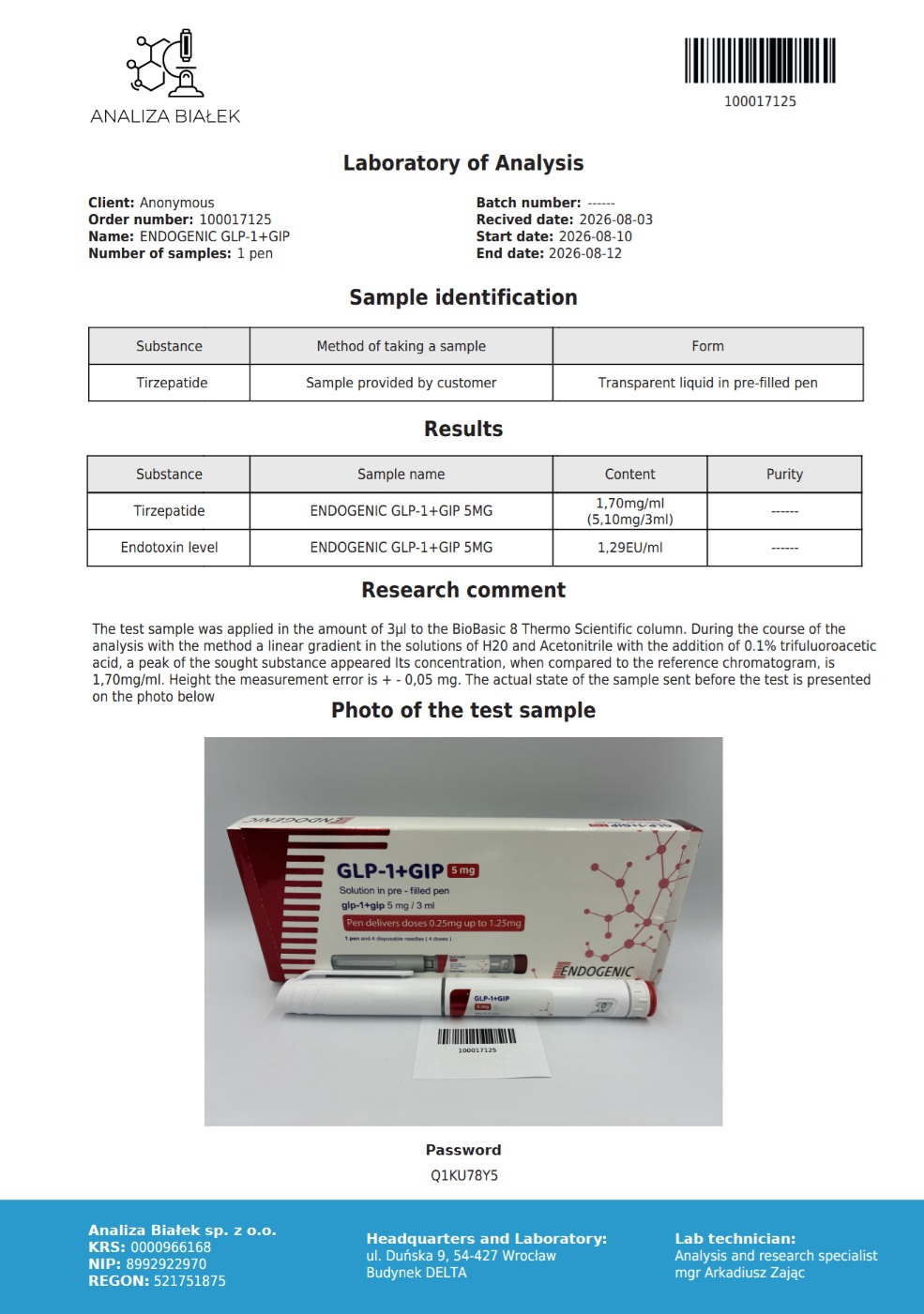
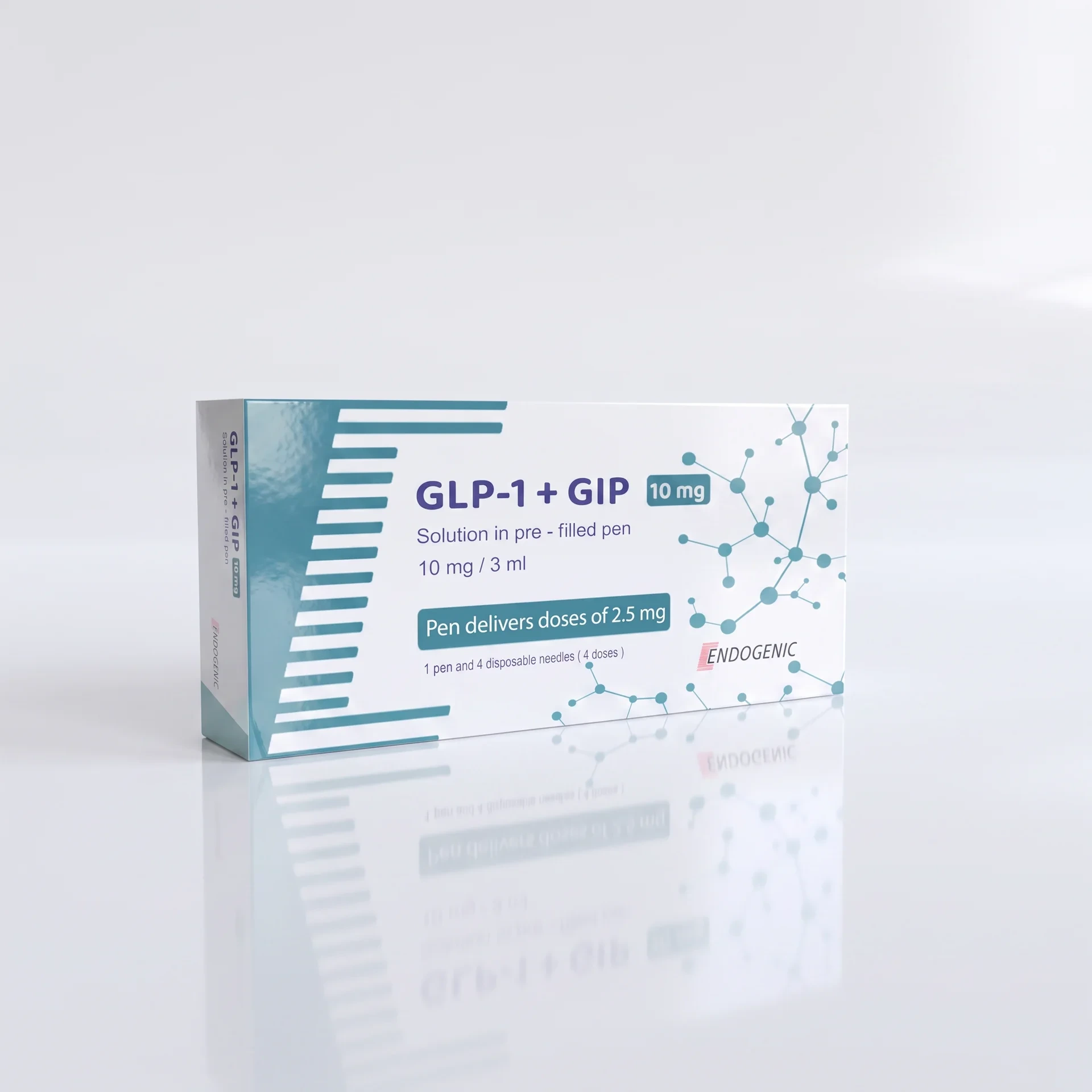
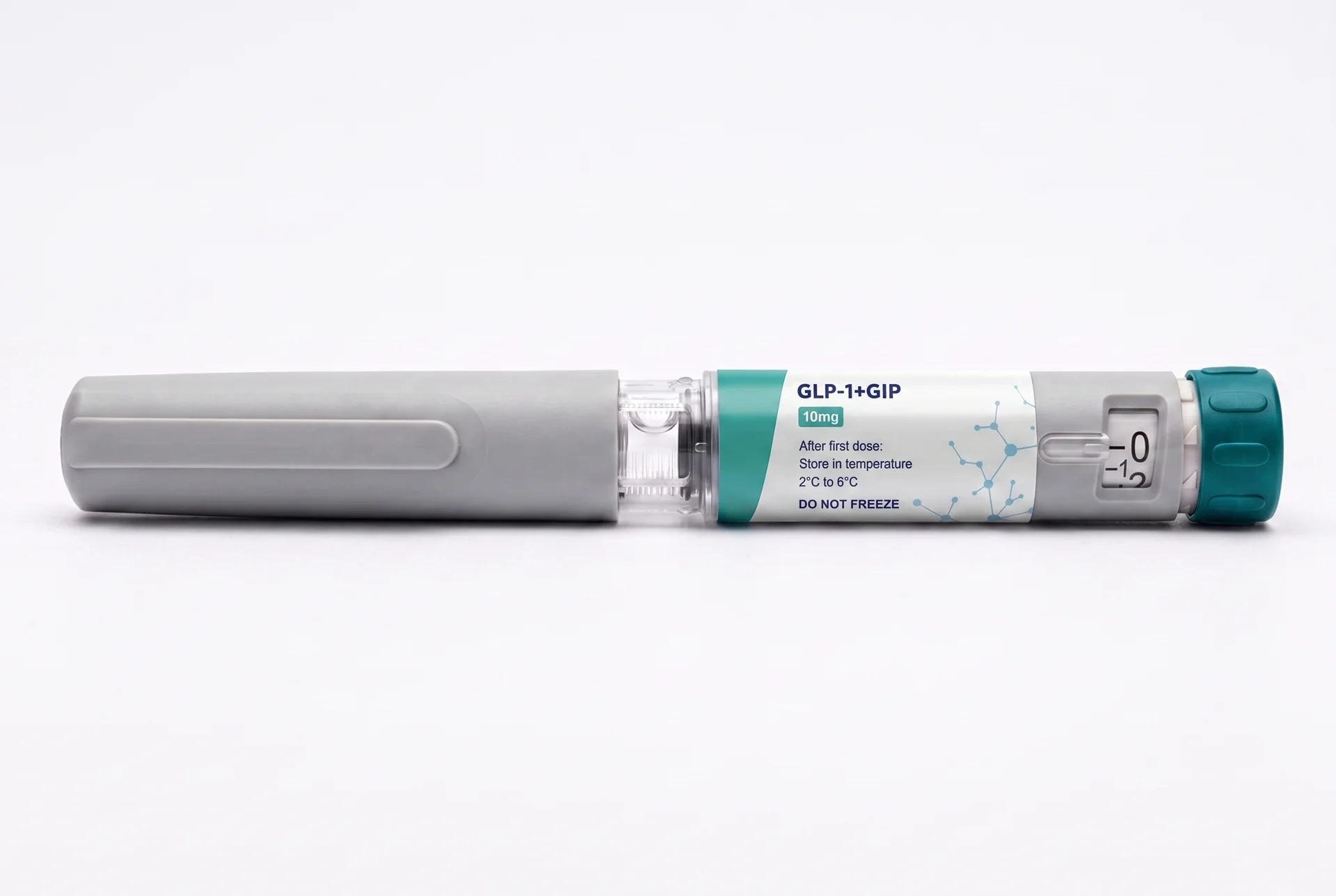
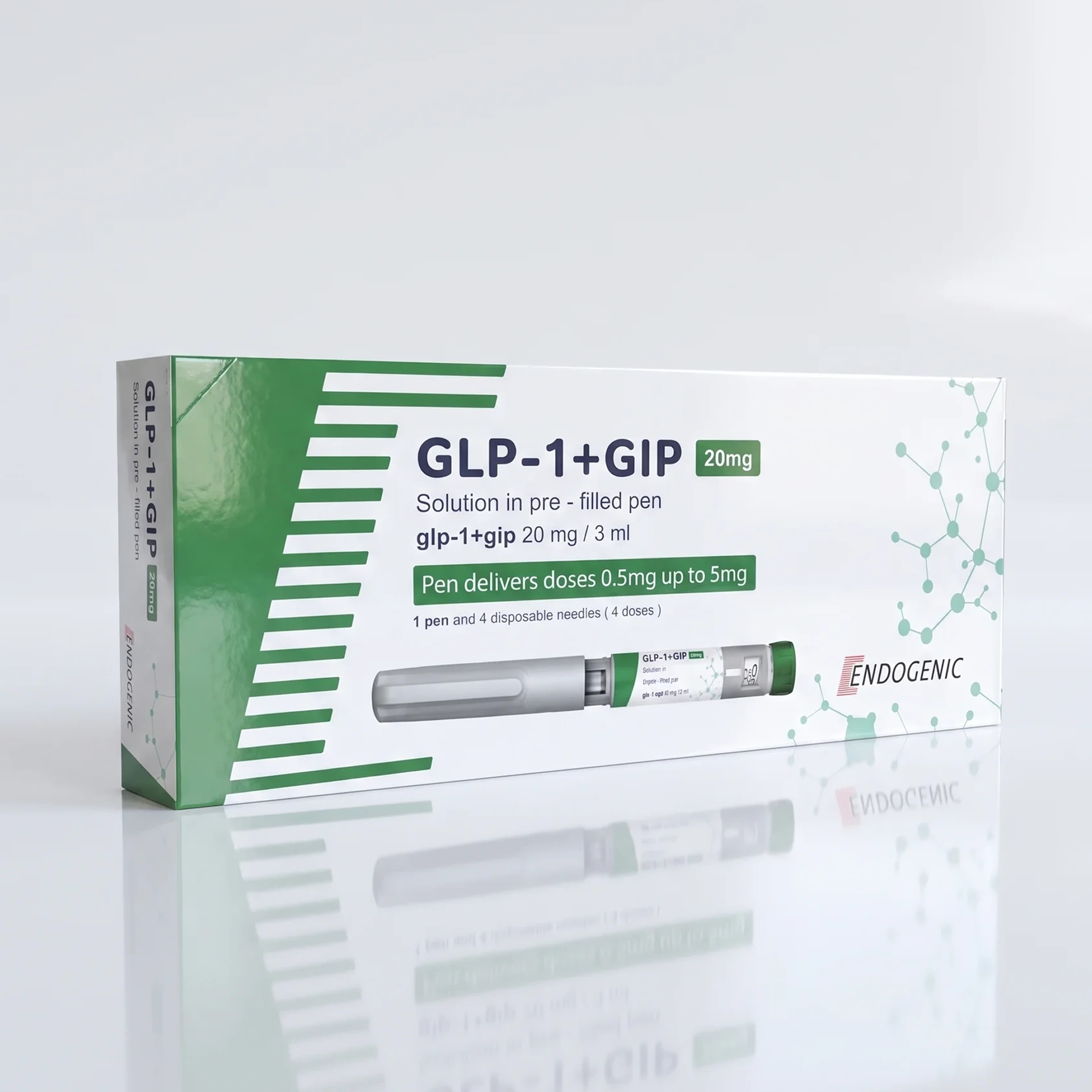
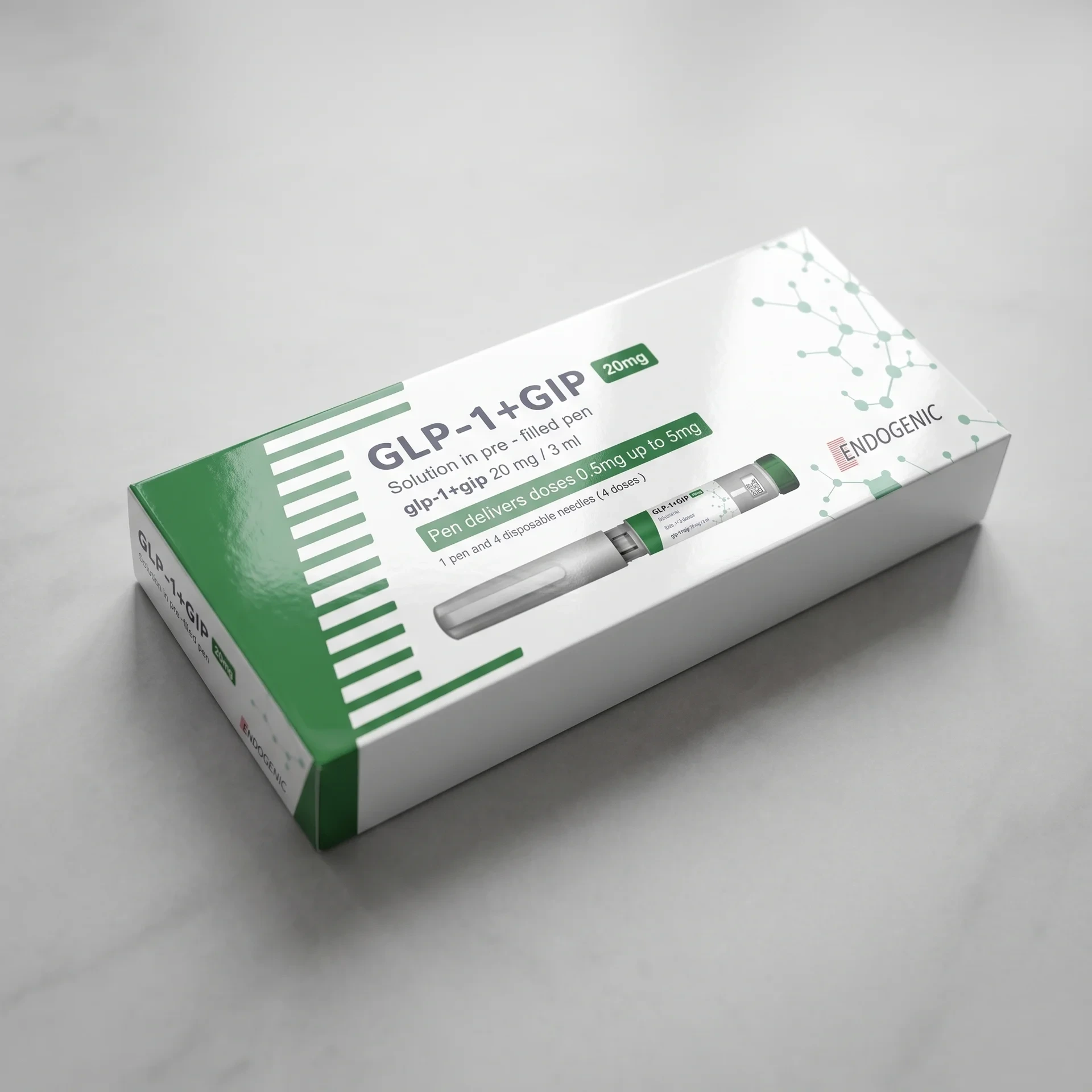
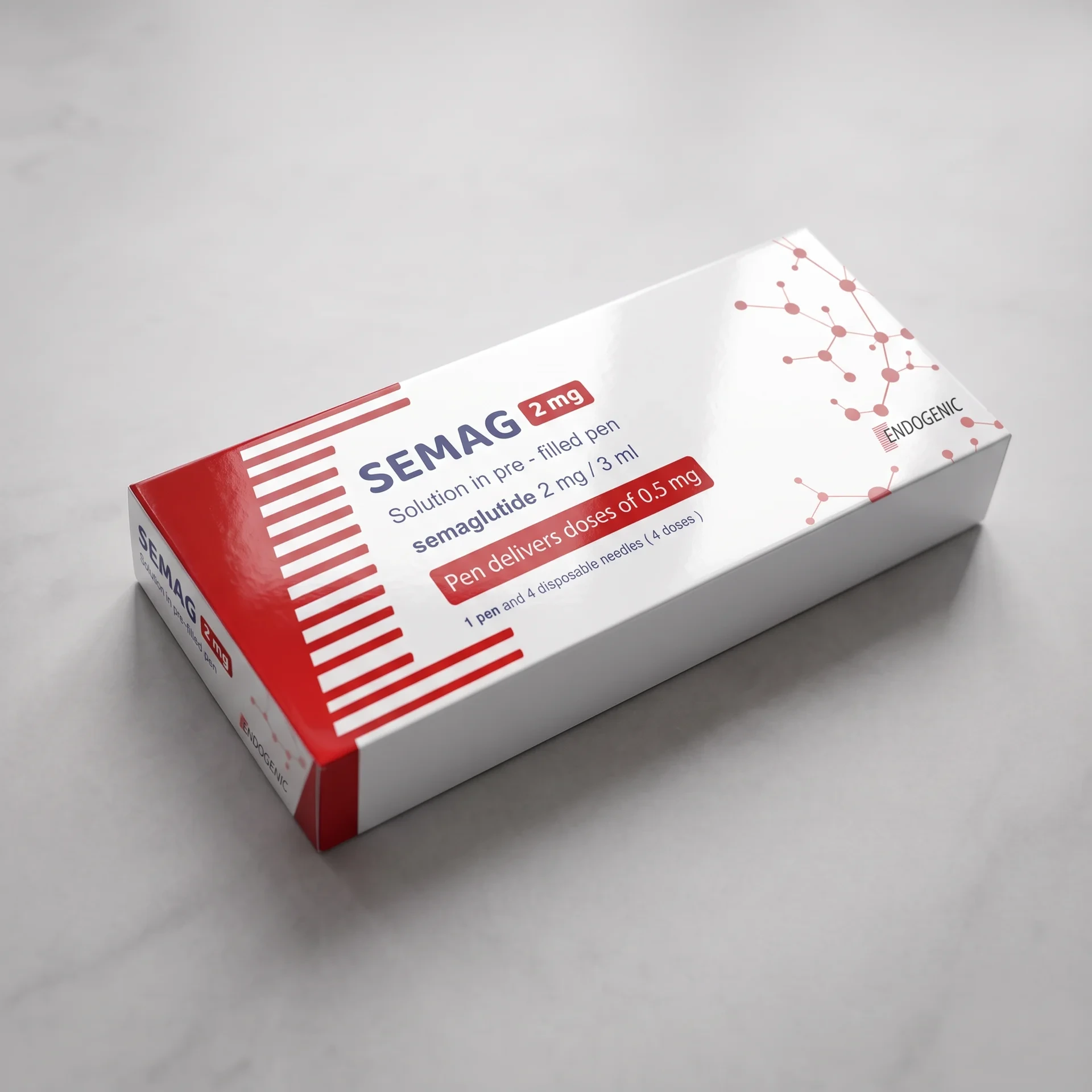
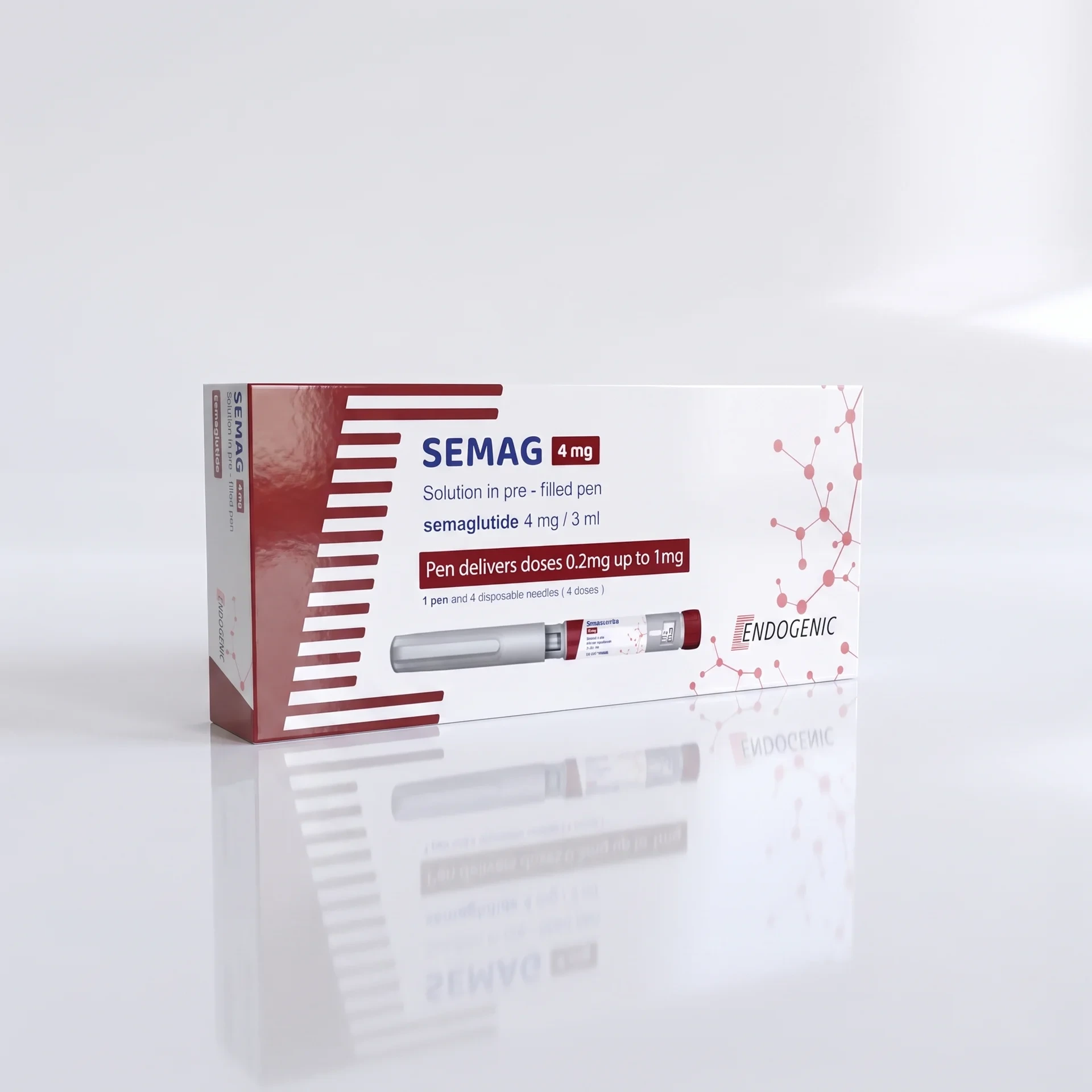
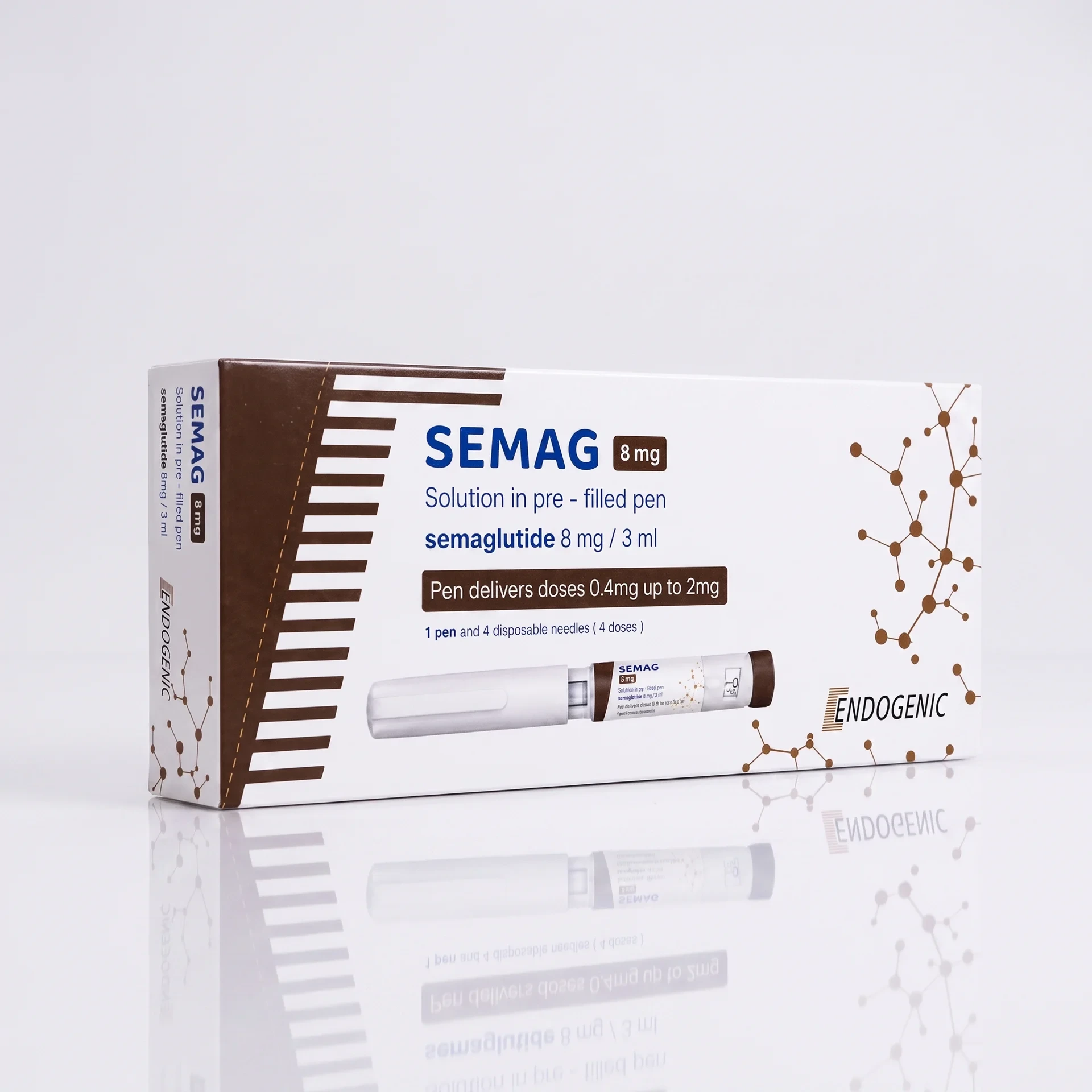
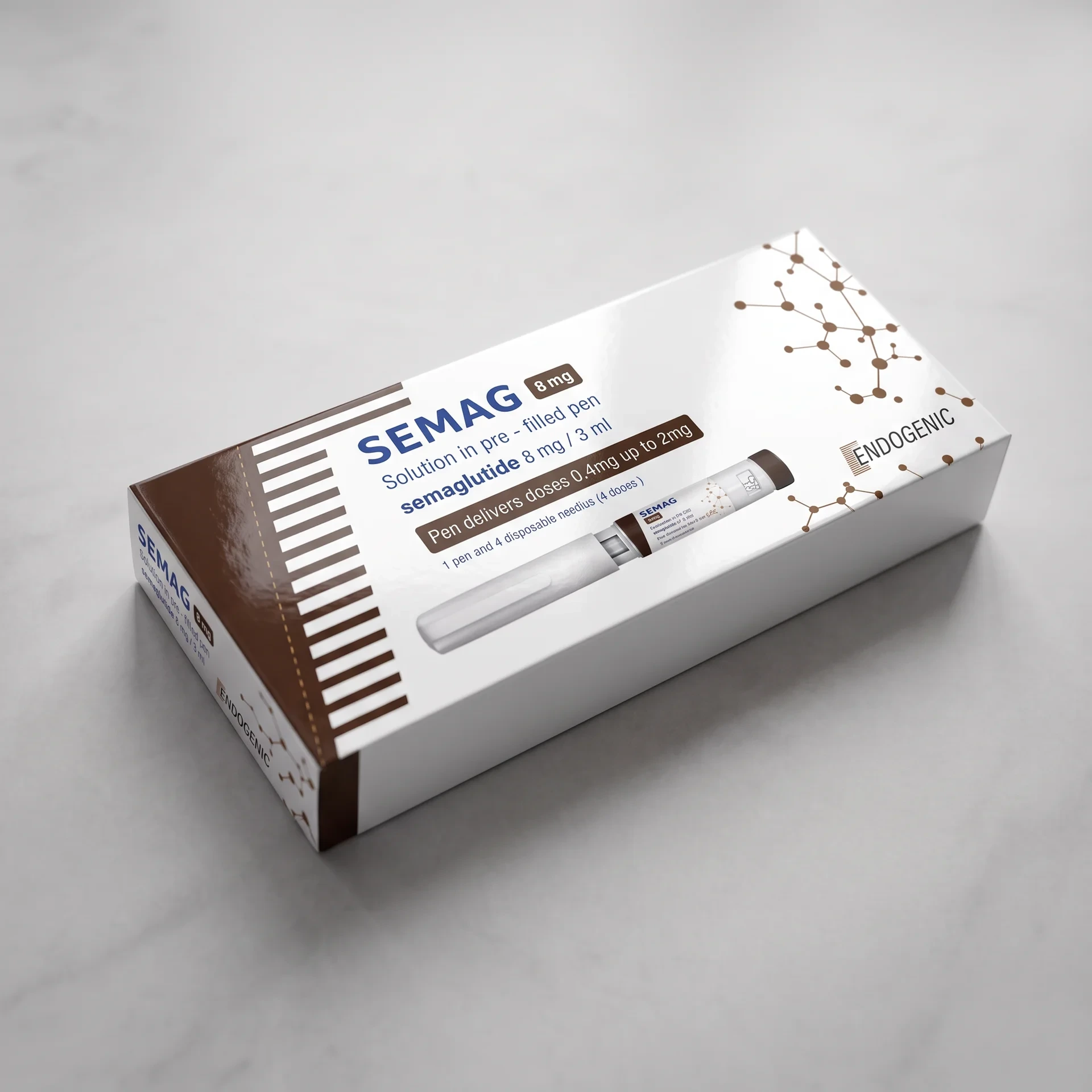
The core of the range in this form is single and multi-receptor agonists: SEMA G 2mg PEN (semaglutide, a GLP-1 agonist), GLP-1 + GIP PEN 10mg (a dual GLP-1R/GIPR agonist) and TRIPLE G 5mg PEN (retatrutide, a triple GLP-1/GIP/glucagon agonist). In models, each acts through a different set of receptors.
Research context of the form
Incretin analogues in pens are studied mainly in models of energy metabolism. You will find the broader mechanistic background and the other forms of this family in the fat-burning peptides category.
Regulatory status
The reagents in this form have counterparts authorised as medicines, but these are separate regulatory entities. Semaglutide as a research reagent is not the same as the authorised medicine containing this substance (Ozempic®/Wegovy®). The dual GLP-1/GIP agonist has a counterpart in the authorised medicine tirzepatide (Mounjaro®/Zepbound®), but the reagent itself is not that medicine and is not referred to as tirzepatide. Retatrutide (LY3437943) is a compound in clinical development, not authorised in any jurisdiction. Pro-Body RUO reagents are not substitutes for these medicines, are not intended for treating obesity or diabetes, and do not replace medical consultation. Peptide hormones and related substances fall under section S2 of the WADA list, and the status of individual incretins can be ambiguous. Before any decision, athletes registered in the ADAMS system must check the current list.
Applications in scientific research
Reagents in PEN form are used in work on incretin receptor pharmacology and the regulation of energy metabolism. Exposure parameters (working concentrations and the route of administration) are chosen by the researcher according to the protocol methodology. The category gives no doses or schedules. The main research directions:
- Incretin receptor pharmacology: affinity and functional selectivity of GLP-1R, GIPR and glucagon receptor agonists in recombinant expression systems
- Comparing agonist profiles: analysing differences in activity between single, dual and triple receptor agonists in the same models
- Central regulation of appetite and satiety: hypothalamic pathways, rodent models of food intake and energy balance
- Reproducibility of experimental series: studies in which a calibrated applicator minimises variability between successive withdrawals
- Identity and purity characterisation: confirming sequence and mass by MS and verifying the identity of multi-receptor analogues in the batch COA
Scientific perspective
The advantage of the PEN form is purely methodological. The solution’s concentration is set at the factory, so there is no need to recalculate it, and the calibrated applicator supports reproducibility. The price of this convenience is less flexibility: when a protocol requires different working concentrations, a lyophilisate that the researcher reconstitutes to their own parameters is the better fit. Observations on the incretin profile come from models and, for the medicinal counterparts, from clinical trials of the medicines. Extrapolating from an authorised medicine to a research reagent calls for caution, because they differ in formulation and validation status.
Important distinction
A PEN is a reagent form, and the applicator’s calibration concerns how the solution is withdrawn. Neither is a claim of efficacy. Phrases such as “a weight-loss pen” or “a slimming jab without a prescription” break RUO principles.
Working with this form
A PEN simplifies work compared with a lyophilisate, because it removes the reconstitution step. Key features of the form:
- Factory-prepared solution: the molecule is supplied already dissolved, with no need to choose a solvent or volume
- Calibrated applicator: a mechanism calibrated for a series of repeatable withdrawals, which limits variability between portions
- Concentration per label and COA: a value set at the factory, declared on the batch label and confirmed in the COA
- Storage: the peptide solution in the applicator needs refrigeration (2–8 °C), because a peptide in the aqueous phase is less stable than a lyophilisate
Frequently asked questions (FAQ)
How does a PEN differ from a vial of lyophilisate?
A PEN supplies a ready, factory-prepared solution in a calibrated applicator, with no reconstitution and limited variability between withdrawals. A vial of lyophilisate needs dissolving but gives complete freedom in choosing working concentrations. The PEN means convenience and reproducibility; the lyophilisate means flexibility.
Is the dual GLP-1/GIP agonist tirzepatide?
Not in the regulatory sense. As a research reagent, the dual GLP-1/GIP agonist has a counterpart in the medicine tirzepatide (Mounjaro®/Zepbound®), but the reagent itself is not that medicine and is not referred to by that name. They are separate regulatory entities, and RUO material is not a substitute for an authorised medicine.
How do SEMA G, GLP-1 + GIP and TRIPLE G differ?
In receptor coverage. SEMA G is a single agonist (GLP-1), GLP-1 + GIP is a dual agonist (GLP-1R/GIPR) and TRIPLE G (retatrutide) is a triple agonist (GLP-1/GIP/glucagon). In models they differ in their activity profile. The fat-burning peptides category covers the broader metabolic context.
How can the identity of a multi-receptor analogue in a pen be confirmed?
Only through the sequence and mass in the batch COA. With dual and triple agonists, the trade name does not settle the structure. Identity is decided by mass spectrometry confirmation and the HPLC result.