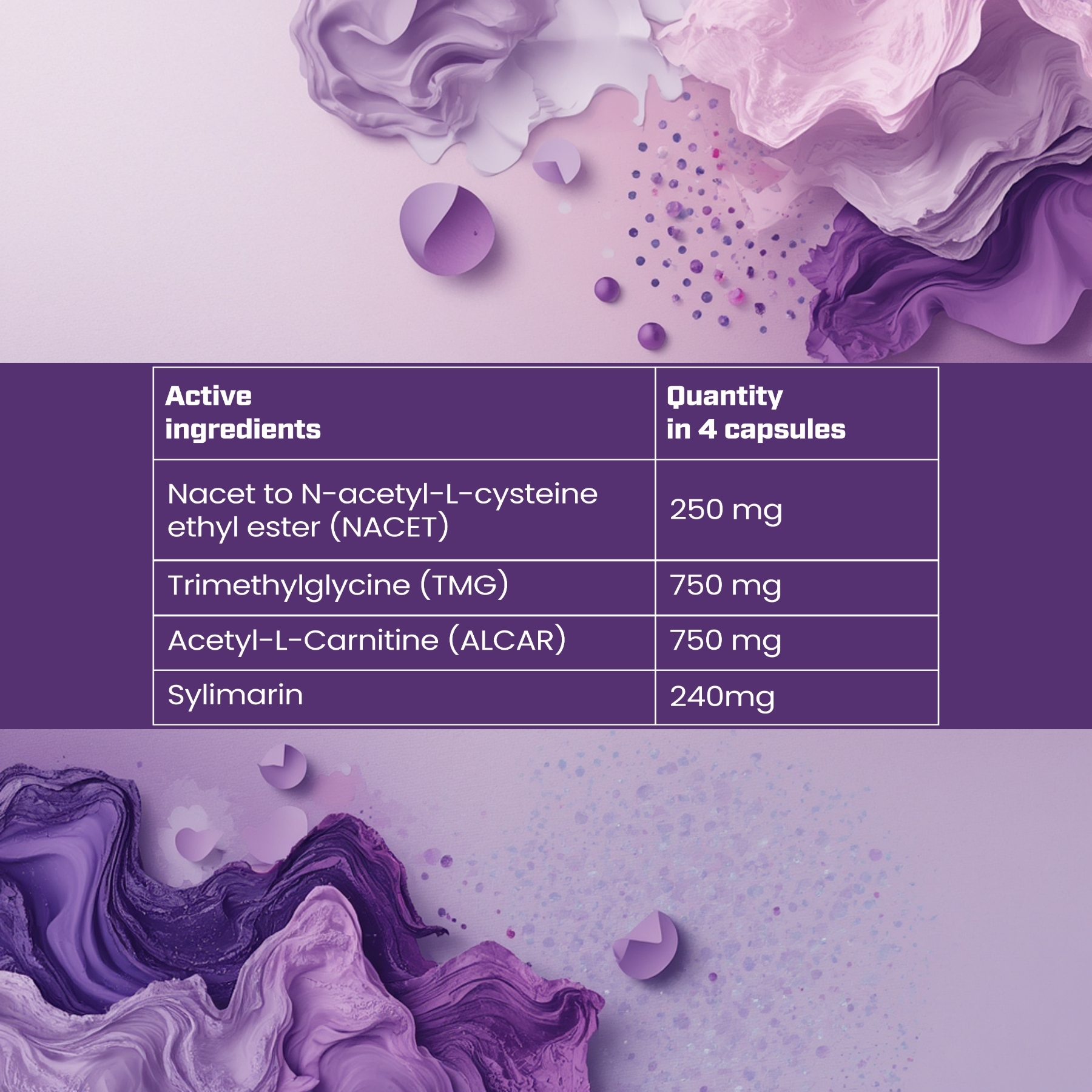
Four capsules – the composition is given for this serving. 90 capsules make 22 full servings, enough for about three weeks.
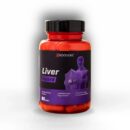
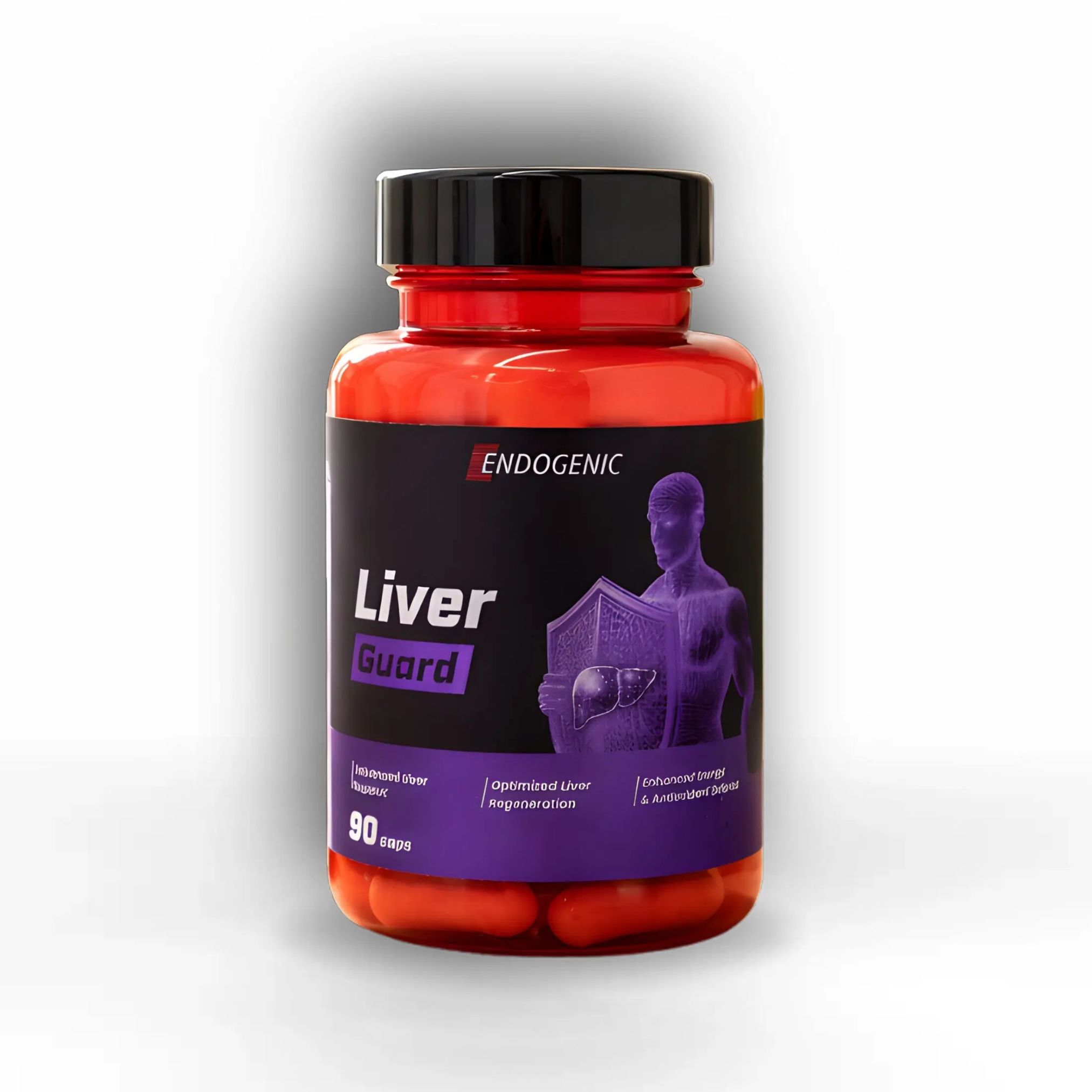
Liver Guard 90 caps
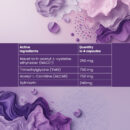
Endogenic Liver Guard is a dietary supplement for the liver with four compounds in a 4-capsule serving: 250 mg of NACET (N-acetyl-L-cysteine ethyl ester), 750 mg of betaine (TMG), 750 mg of acetyl-L-carnitine (ALCAR) and 240 mg of silymarin from milk thistle.
59,99 €
Fast shipping
Delivery options
Free delivery from 350 €
Returns policy
Endogenic Liver Guard – 90 capsules with NACET, betaine (TMG), ALCAR and silymarin
- Daily serving (4 capsules): 250 mg NACET, 750 mg betaine (TMG), 750 mg ALCAR, 240 mg silymarin.
- NACET is the ethyl ester of N-acetylcysteine and is converted into NAC and cysteine in cells.
- 90 capsules make 22 full daily servings, about three weeks.
Endogenic Liver Guard is a dietary supplement for the liver with four active ingredients: 250 mg of NACET (N-acetyl-L-cysteine ethyl ester), 750 mg of betaine (TMG), 750 mg of acetyl-L-carnitine (ALCAR) and 240 mg of silymarin from milk thistle. The first three supply molecules that the body uses in processes taking place in the liver – from glutathione production, through the methionine cycle, to fatty acid metabolism. The fourth, silymarin, is a plant complex that has been studied in liver research for decades.
Liver Guard at a glance
- Four compounds in one serving – 250 mg NACET, 750 mg TMG, 750 mg ALCAR and 240 mg silymarin in 4 capsules
- NAC in ester form – NACET is a fat-soluble version of N-acetylcysteine that entered cells rapidly in a laboratory study
- 240 mg of silymarin – a complex of flavonolignans from milk thistle fruit
- Composition to the milligram – the amount of each ingredient is stated directly
- 90 capsules – 22 full daily servings, about three weeks of use
Liver Guard composition per daily serving
|
Active ingredient |
Daily serving (4 capsules) |
Per capsule |
|---|---|---|
|
NACET – N-acetyl-L-cysteine ethyl ester |
250 mg |
62.5 mg |
|
Betaine (trimethylglycine, TMG) |
750 mg |
187.5 mg |
|
Acetyl-L-carnitine (ALCAR) |
750 mg |
187.5 mg |
|
Silymarin from milk thistle |
240 mg |
60 mg |
None of the four ingredients has a reference intake (RI), so the table gives no % RI. Check the label for the full ingredient list, including excipients and the capsule material.
Servings per pack: 90 capsules make 22 full daily servings of 4 capsules (2 capsules are left over) – enough for about three weeks.
How the Liver Guard ingredients work
NACET – N-acetylcysteine in ester form
N-acetylcysteine (NAC) supplies cysteine. Cysteine availability determines how much glutathione a cell can produce, and glutathione is the most abundant non-protein thiol in tissues, involved in defence against oxidative stress (Lu, 2013). The authors of the NACET paper point to the low bioavailability of NAC, so they converted it into an ethyl ester (Giustarini et al., 2012).
The ester works like a pass: the fat-soluble molecule enters the cell quickly and is converted there into NAC and cysteine. In a study in rats, orally administered NACET increased glutathione levels in most of the tissues examined, including the brain, something NAC did not do (Giustarini et al., 2012). In practice, NACET is the same N-acetylcysteine in a form designed to reach the inside of cells more easily.
Betaine (TMG) – a methyl group donor
Betaine, or trimethylglycine (TMG), is a glycine derivative with three methyl groups. In the diet you will find it in, among other foods, seafood, wheat germ and wheat bran (approx. 1%) and spinach (approx. 0.7%) (Craig, 2004). In the body it has two functions. As an osmolyte, it protects cells, proteins and enzymes against environmental stress such as water shortage or high salinity.
As a methyl group donor, it takes part in the methionine cycle, mainly in the liver and kidneys (Craig, 2004). By giving up one of its three methyl groups, betaine converts homocysteine back into methionine. In practice, the 750 mg of betaine in a Liver Guard serving is roughly the amount in just over 100 g of spinach.
ALCAR – carnitine with an acetyl group
Carnitine carries long-chain fatty acids across the inner mitochondrial membrane, where they are burned in beta-oxidation (Longo et al., 2016). It works like a cart that delivers fuel to the furnace. The body makes it itself and also obtains it from meat and dairy. Acetyl-L-carnitine is an ester of carnitine with an acetyl group – quantitatively and functionally the most important carnitine ester in the body (Rebouche, 2004).
In vitro studies suggest that some ALCAR is broken down to carnitine during absorption, and with an oral intake of 2 g a day, blood ALCAR concentrations rose by 43%. In practice, ALCAR supplies carnitine and acetyl groups in one molecule.
Silymarin – a complex from milk thistle fruit
Milk thistle (Silybum marianum) is a plant of the aster family (Asteraceae) that has been used for about 2,000 years (Abenavoli et al., 2018). Silymarin is a mixture of flavonolignans concentrated mainly in the fruit and seeds. Its main component is silybin, which makes up 50 to 70% of the complex (Abenavoli et al., 2010).
In laboratory studies, silymarin limited the formation of free radicals and lipid peroxidation, the oxidation of fats in cell membranes (Abenavoli et al., 2010). Milk thistle is one of the plants most often studied in liver research, and a Liver Guard serving provides 240 mg of silymarin itself.
Who Liver Guard is for
Liver Guard is a good choice if:
- you train several times a week and look after your diet, and you want to add compounds that the body uses in liver processes to your stack,
- you prefer one formula to four jars – NAC, betaine, carnitine and milk thistle come in one serving here,
- you are looking for NAC in ester form – NACET was developed with better cell penetration in mind,
- you want to know the composition to the milligram – every ingredient has its amount stated.
How to use Liver Guard
- 4 capsules a day – the serving for which the composition is given in the table; take them with water.
- One pack (90 capsules) is enough for 22 full servings, or about three weeks.
- Do not exceed the recommended daily dose.
- Dietary supplements should not be used as a substitute for a varied diet. A balanced diet and a healthy lifestyle are important for the proper functioning of the body.
- Store out of the reach of young children, under the conditions stated on the label.
Liver Guard vs TUDCA and milk thistle-only products – a comparison
In the Endogenic line, the product closest to Liver Guard is TUDCA. Both products concern the same organ, but they represent two different concepts: a multi-ingredient formula and a single compound. The third point of reference is a typical milk thistle-only product. Compare all three in the table.
- Liver Guard
- active ingredients: NACET, betaine, ALCAR, silymarin
- daily serving: 4 capsules
- servings per pack: 22 (90 capsules)
- type of formula: four compounds with different roles in the body
- TUDCA 300 mg
- active ingredients: tauroursodeoxycholic acid
- daily serving: 1 capsule (300 mg)
- servings per pack: 60 (60 capsules)
- type of formula: one bile acid
- Typical milk thistle product
- active ingredients: silymarin
- daily serving: depends on the product
- servings per pack: depends on the product
- type of formula: one plant ingredient
- Choose Liver Guard if you want NAC in ester form, betaine, carnitine and milk thistle in one serving.
- Choose TUDCA if you prefer a single ingredient and a two-month supply from one pack.
- A milk thistle-only product provides silymarin alone – Liver Guard adds three compounds with other functions to it.
Pro tip: plan liver tests after a break from heavy training
Liver test results can worsen in a healthy person after training alone. In the study by Pettersson et al., 15 healthy men who were physically active but had no experience of weight training did a one-hour resistance training session. The activity of AST and ALT, the enzymes measured in liver function tests, rose significantly and stayed elevated for at least 7 days.
Creatine kinase (CK) and myoglobin rose with them, while GGT, alkaline phosphatase and bilirubin remained within the normal range (Pettersson et al., 2008). If you are planning routine blood tests, have them done after a few days without heavy training and tell your doctor about your last strength session. The authors recommend treating intense exercise as a possible cause of elevated results.
Summary – Liver Guard in your stack
Endogenic Liver Guard brings four compounds together in one serving. NACET is N-acetylcysteine in ester form, betaine is a methyl group donor and ALCAR is a source of carnitine and acetyl groups. They are complemented by 240 mg of silymarin from milk thistle. Four capsules a day, 22 full servings per pack and a composition stated to the milligram – for adults who prefer one formula to four separate products. See also the other products in the line in the Endogenic supplements category.
References
- Giustarini D, Milzani A, Dalle-Donne I, Tsikas D, Rossi R. N-Acetylcysteine ethyl ester (NACET): a novel lipophilic cell-permeable cysteine derivative with an unusual pharmacokinetic feature and remarkable antioxidant potential. Biochemical Pharmacology. 2012;84(11):1522-1533. doi:10.1016/j.bcp.2012.09.010. PMID: 23000913. PubMed
- Lu SC. Glutathione synthesis. Biochimica et Biophysica Acta. 2013;1830(5):3143-3153. doi:10.1016/j.bbagen.2012.09.008. PMID: 22995213. PubMed
- Craig SA. Betaine in human nutrition. American Journal of Clinical Nutrition. 2004;80(3):539-549. doi:10.1093/ajcn/80.3.539. PMID: 15321791. PubMed
- Longo N, Frigeni M, Pasquali M. Carnitine transport and fatty acid oxidation. Biochimica et Biophysica Acta. 2016;1863(10):2422-2435. doi:10.1016/j.bbamcr.2016.01.023. PMID: 26828774. PubMed
- Rebouche CJ. Kinetics, pharmacokinetics, and regulation of L-carnitine and acetyl-L-carnitine metabolism. Annals of the New York Academy of Sciences. 2004;1033:30-41. doi:10.1196/annals.1320.003. PMID: 15591001. PubMed
- Abenavoli L, Capasso R, Milic N, Capasso F. Milk thistle in liver diseases: past, present, future. Phytotherapy Research. 2010;24(10):1423-1432. doi:10.1002/ptr.3207. PMID: 20564545. PubMed
- Abenavoli L, Izzo AA, Milić N, Cicala C, Santini A, Capasso R. Milk thistle (Silybum marianum): a concise overview on its chemistry, pharmacological, and nutraceutical uses in liver diseases. Phytotherapy Research. 2018;32(11):2202-2213. doi:10.1002/ptr.6171. PMID: 30080294. PubMed
- Pettersson J, Hindorf U, Persson P, Bengtsson T, Malmqvist U, Werkström V, et al. Muscular exercise can cause highly pathological liver function tests in healthy men. British Journal of Clinical Pharmacology. 2008;65(2):253-259. doi:10.1111/j.1365-2125.2007.03001.x. PMID: 17764474. PubMed
- Martinez E, Domingo P, Roca-Cusachs A. Potentiation of acenocoumarol action by L-carnitine. Journal of Internal Medicine. 1993;233(1):94. PMID: 8429297. PubMed
- Bachmann HU, Hoffmann A. Interaction of food supplement L-carnitine with oral anticoagulant acenocoumarol. Swiss Medical Weekly. 2004;134(25-26):385. doi:10.4414/smw.2004.10631. PMID: 15340883. PubMed
- National Center for Complementary and Integrative Health. Milk Thistle. Updated: February 2025. nccih.nih.gov (accessed 22.10.2026).
- Commission Regulation (EU) No 432/2012 of 16 May 2012 establishing a list of permitted health claims made on foods, other than those referring to the reduction of disease risk and to children’s development and health. EUR-Lex
FAQ
NACET is N-acetylcysteine in the form of an ethyl ester. The ester is more fat-soluble, so it penetrates cells more easily, and inside them it breaks down into NAC and cysteine (Giustarini et al., 2012).
Yes. Trimethylglycine (TMG) and betaine are two names for the same compound, found in, among other foods, spinach and wheat bran (Craig, 2004).
ALCAR is L-carnitine with an acetyl group. Some ALCAR reaches the blood unchanged, and some – as in vitro studies suggest – is broken down to carnitine during absorption (Rebouche, 2004).
No. Liver Guard is a dietary supplement, not a medicine. If you have liver complaints or elevated test results, consult a doctor. Also tell them about your last heavy training session, because exercise alone can raise ALT and AST (Pettersson et al., 2008).
0.0
0 reviews
This product has no reviews yet.