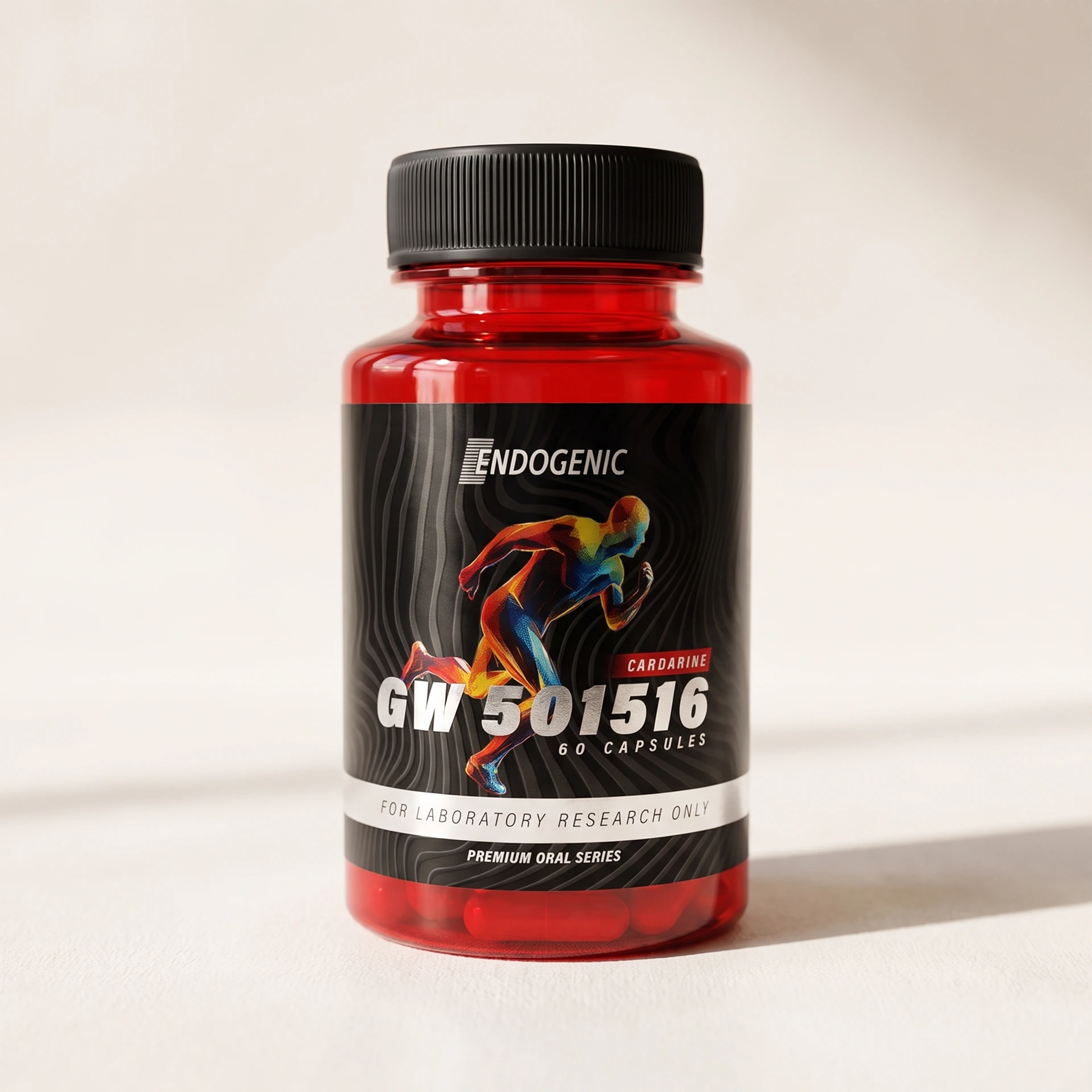


GW-501516 and GW-0742 are two structurally distinct molecules, both PPARδ agonists, not two varieties of the same substance. GW-501516 (Cardarine) is the first, most extensively described representative of the class in the literature, characterized since the early 2000s. GW-0742 is a later thiazole ligand with higher receptor selectivity for PPARδ (>1000× towards α and γ isoforms). Both molecules share the same mechanistic class (PPARδ activation, β-oxidation) and the same oncological risk profile documented in rodent models. The next generation of selectivity in this class is GW-0742 – a newer Cardarine analogue with higher receptor selectivity.
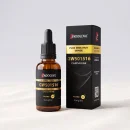
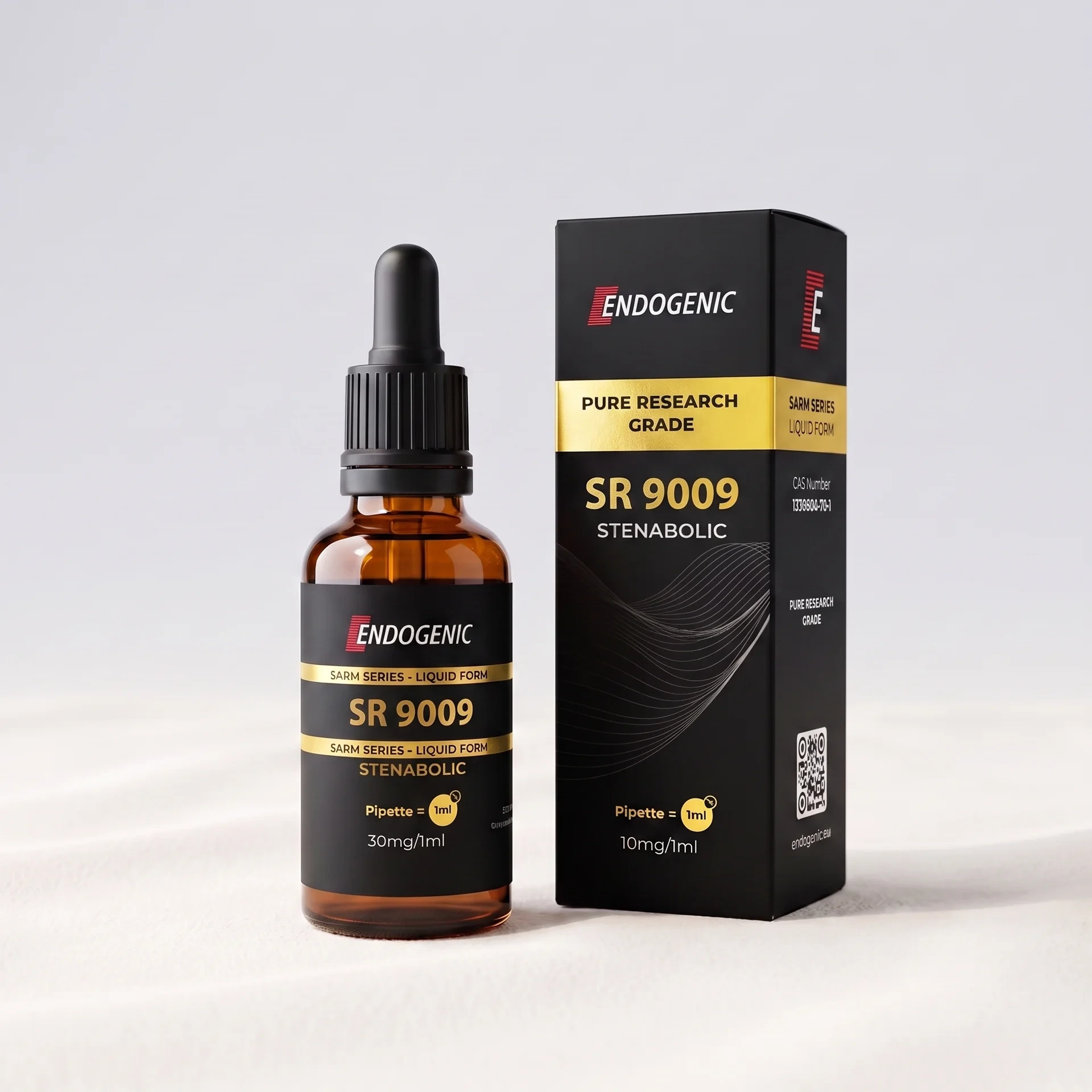
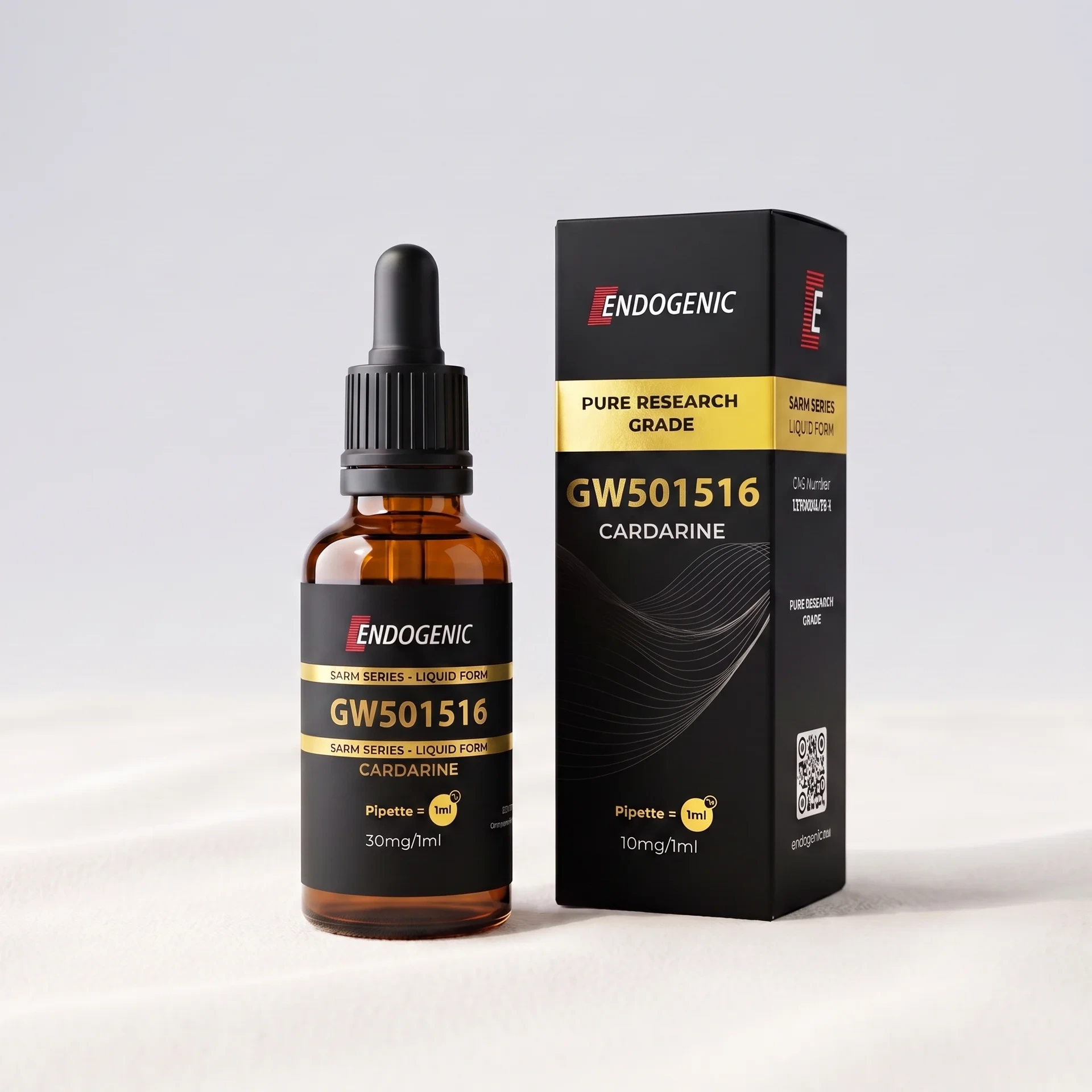
GW 501516 30mg/1ml LIQUID
GW-501516 (Cardarine) in the form of an oral solution of 30 ml (concentration mg/ml according to COA) is a synthetic small molecule of the PPARδ agonist class. Research Use Only. Chemical reagent.
32,99 €
Fast shipping
Delivery options
Returns policy
GW-501516 (Cardarine) 30 ml solution - PPARδ agonist, research reagent
- GW-501516 (Cardarine): a PPARδ receptor agonist.
- Solution in a 30 ml dropper bottle; concentration according to the batch COA.
- Research Use Only; the description includes toxicological warnings.
Product status information
Chemical reagent intended exclusively for laboratory tests (Research Use Only). It is not a medicinal product, dietary supplement or food. It is not intended for use on humans or animals. Sales only to registered research units and laboratories.
Regulatory status (critical)
GW-501516 (Cardarine) is a substance with a particularly burdensome regulatory and toxicological profile. Three facts are of paramount importance here. First – carcinogenicity: in long-term studies in rodents, chronic exposure to GW-501516 was associated with multi-organ cancers (liver, bladder, stomach, skin, tongue, testicles). Secondly – abandoned clinical development: GlaxoSmithKline and Ligand Pharmaceuticals suspended their dyslipidemia research program due to oncological signals from animal models.
Third – WADA: GW-501516 is directly on the World Anti-Doping Agency’s Prohibited List in the category S4.4 (Metabolic Modulators, PPARδ agonists) from 2009 — a substance permanently banned in sport, and WADA has issued a public health risk warning GW-501516. Communicating the product as a “fat burner”, “endurance enhancer for athletes” or body building agent is inconsistent with the Research Use Only framework.
GW-501516 (also known as Cardarine, Endurobol, GW501516) is a synthetic small organic molecule PPARδ agonist — nuclear receptor peroxisome proliferator-activated receptor delta. The substance was created in cooperation GlaxoSmithKline and Ligand Pharmaceuticals at the turn of the 1990s and 2000s, as a therapeutic candidate for dyslipidemia and the first PPARδ agonist widely described in the literature. The classic publication characterizing the compound is Oliver et al. 2001 (Proc Natl Acad Sci USA), describing the ability of a selective PPARδ agonist to affect reverse cholesterol transport and lipoprotein profile.
In a chemical context, GW-501516 belongs to a class low molecular weight thiazole ligands in the pharmacology of nuclear receptors – this is an important distinction between peptides (BPC-157, TB-500, MOTS-c) and steroid SARMs (RAD-140). The central axis of the mechanism is the transcription network PPARδ–RXR, one of the best described regulators of fatty acid β-oxidation and adaptation of skeletal muscle to endurance exercise.
For this reason, PPARδ agonists – with GW-501516 at the forefront as the first representative of the class – have been treated in the literature as model “exercise mimetics” for over a decade. This line is used in research only as a reagent, not as a therapeutic candidate – clinical development has been abandoned.
Within a category SARMs liquid 30 ml solution is one of the volume-operated liquid formats in laboratory protocols. This reagent is supplied in a oral solution in a 30 ml dropper bottle — a form adapted to laboratory handling of volumetric portions of stock in in vitro protocols and in in vivo models on rodents. The exact concentration of the substance expressed in mg/ml is given in the certificate of analysis (COA) for a given batch. Purity verified by HPLC ≥98%, identity confirmed by mass spectrometry, COA available for each batch.
Overview - PPAR context
Peroxisome Proliferator-Activated Receptors (PPARα, PPARβ/δ, PPARγ) are a family of ligand-activated nuclear receptors that act as transcription factors dependent on fatty acids and their derivatives. After binding the ligand, PPAR forms a heterodimer with the retinoid X receptor (RXR), and binds to DNA regulatory sequences called PPRE (Peroxisome Proliferator Response Element) and modulates the transcription of lipid and glucose metabolism genes. The three isoforms differ in tissue distribution and gene program:
- PPARα (NR1C1) — dominant in the liver, heart muscle, brown adipose tissue; regulates hepatic β-oxidation and ketogenesis; molecular target of fibrates
- PPARγ (NR1C3) — dominant in adipose tissue; regulates adipogenesis and insulin sensitivity; molecular target of thiazolidinediones (glitazones)
- PPARβ/δ (NR1C2) — expressed widely, with high expression in skeletal muscles, heart and tissues with high energy demand; regulates fatty acid oxidation, thermogenesis and muscle energy metabolism
In particular, PPARδ became the subject of particular interest in exercise pharmacology, and GW-501516 was the tool on which this axis was scientifically described. Activation of this isoform in skeletal muscle triggers a transcriptional program similar to the adaptation of endurance training: intensification of β-oxidation of fatty acids, shift of the muscle fiber profile towards oxidation (type I) and metabolic remodeling towards lipid oxidation as the preferred energy substrate.
Classic work Narkar et al. 2008 (Cell) solidified the concept that PPARδ agonists – particularly in synergy with AMPK activation – act as “exercise mimetics” in a mouse model, using GW-501516 as a reference compound. The biological functions of PPARδ include gene expression programs of fundamental importance for energy metabolism:
- β-oxidation of fatty acids — induction of CPT1, PDK4, MCAD genes responsible for the transport and oxidation of lipids in the mitochondrial matrix
- Modulation of muscle fiber type — shift of the profile towards type I fibers (oxidative, slow-twitch, endurance)
- Thermogenesis and energy expenditure — modulation of energy dissipation programs in muscle and fat tissue
- Lipid metabolism — impact on the lipoprotein profile (in phase I studies, modulation of HDL and triglycerides was observed)
- Inflammatory modulation — inhibition of the NF-κB pathway in endothelial cells and macrophages
For this reason, pharmacological activation of PPARδ has for years been treated as an interesting target in the search for molecules modulating the metabolic program of exercise – i.e. classic “exercise mimetics”. This mechanism underlies interest in the entire group SARMs for endurance as research tools in models of exercise metabolism. At the same time, however, the same receptor class, due to the involvement of PPARδ in the regulation of cell proliferation, became the source of a fundamental toxicological problem that stopped the development of GW-501516.
What is GW-501516?
Chemically, GW-501516 is a synthetic small organic molecule based on a thiazole core, designed for affinity for the PPARδ receptor ligand pocket. It was the first compound of this class widely described in the pharmacological literature.
- Common name: GW-501516, GW501516
- Alternative names: Cardarine, Endurobol
- Pharmacological class: low molecular weight selective PPARδ agonist
- Laboratory of Origin: GlaxoSmithKline + Ligand Pharmaceuticals (1990s/2000s)
- Molecular type: small organic molecule, thiazole ligand (NOT a peptide, NOT a steroid)
- Delivered form: oral solution in a dropper bottle, 30 ml; mg/ml concentration given in the batch COA; research grade ≥98% HPLC
Table of physicochemical characteristics
| Parameter | Value |
|---|---|
| Common name | GW-501516 (GW501516) |
| Alternative names | Cardarine, Endurobol |
| CAS number | 317318-70-0 |
| Summary formula | C₂₁H₁₈F₃NO₃S₂ |
| Molar mass | 453.49 g/mol |
| Class | selective PPARδ agonist (thiazole ligand) |
| Class position | the first widely described PPARδ agonist |
| Cleanliness | ≥98% HPLC |
| Character | oral solution, dropper bottle, 30 ml (mg/ml concentration in COA) |
| Origin | GlaxoSmithKline + Ligand Pharmaceuticals; Oliver et al. 2001 |
Mechanism of action at the molecular level
GW-501516 binds to the ligand-binding domain of the PPARδ receptor. Binding of the molecule stabilizes the receptor conformation activating heterodimerization with RXR and recruitment of transcriptional coactivators, which leads to increased transcription of target genes on PPRE elements. The mechanism breaks down into six interrelated axes observed in the studies – the last of which, carcinogenicity, is the central regulatory risk of this molecule. Profile observed in studies (preclinical models and early phase I):
- PPARδ receptor agonism (nuclear axis) — GW-501516 binds the ligand-binding domain of PPARδ, the receptor couples to RXR and binds PPRE in the promoters of target genes. This is the primary molecular event that initiates the entire transcriptional program; GW-501516 was the first tool with which this axis was characterized in the literature
- Induction of fatty acid β-oxidation genes — activation of PPARδ increases the expression of lipid transport and oxidation genes (CPT1 – carnitine-palmitoyltransferase 1, PDK4 – pyruvate dehydrogenase kinase 4). This profile shifts muscle metabolism toward lipid oxidation, a pattern observed in animal models as analogous to endurance training (“exercise mimetic”).
- Muscle fiber type conversion (type II → type I) — in transgenic mouse models, PPARδ activation was associated with a shift in the profile of skeletal fibers towards oxidative, slow-twitch (type I), described in the literature as the endurance phenotype
- Modulation of lipid metabolism — modulation of the lipoprotein profile (increase in HDL, reduction of triglycerides) was reported in phase I studies and in animal models; this direction was the original justification for the dyslipidemia program (Oliver et al. 2001)
- Synergy with AMPK — work by Narkar et al. 2008 (Cell) showed that PPARδ agonists and AMPK activators act complementarily as “exercise mimetics”; AMPK phosphorylates coactivators and PPARδ, enhancing the transcription of oxidative genes. Combined activation of both pathways replicated a greater portion of the biochemical endurance pattern in a mouse model than either pathway alone.
- Carcinogenicity in long-term rodent models (central regulatory risk) — in long-term toxicological studies, chronic exposure to GW-501516 was associated with multi-organ cancers (liver, bladder, stomach, skin, tongue, testicles). This signal – resulting from, among other things, the involvement of PPARδ in the regulation of cell proliferation – halted the clinical development of GSK/Ligand and is the fundamental reason why the class remains exclusively in research circulation
Pharmacokinetic profile (based on available data):
- Bioavailability and PK profile in humans: uncharacterized to a level that allows conclusions — clinical development abandoned, no registration of the resulting phase I/II
- Molecular target: PPARδ ligand-binding domain, heterodimer with RXR, PPRE binding
The PPARδ mechanism activates one axis from many components of the body’s response to physical exercise. Endurance training simultaneously affects the cardiovascular system, skeletal system, central nervous system, hormonal balance and inflammatory profile. Pharmacological activation of PPARδ in animal models replicates part of the skeletal muscle metabolic program – primarily the lipid oxidation axis – and nothing else, with a concomitant oncological burden documented in rodents.
GW-501516 in the “exercise mimetics” class – pharmacological item: In recent years, several classes of molecules have been designated “exercise mimetics” – differing in their mechanism, research status and evidence profile:
| Class | Example | Mechanism | Status |
|---|---|---|---|
| PPARδ agonist (1st generation) | GW-501516 (Cardarine) | PPARδ activation, β-oxidation of fatty acids, PPARδ–RXR axis | RUO research chemicals; WADA S4.4; multi-organ tumors in long-term rodent studies; clinical development abandoned |
| PPARδ agonist (higher selectivity) | GW-0742 (GW 2.0) | PPARδ agonist ~1 nM, >1000× selectivity, β-oxidation | RUO research chemicals; WADA S4.4; class oncology profile |
| ERR pan-agonist | SLU-PP-332 | ERRα/β/γ agonist, mitochondrial biogenesis, ERR–PGC-1α axis | RUO research chemicals (Nature Metabolism 2024) |
| AMPK activator (mitochondrial peptide) | MOTS-c | AMPK activation, modulation of energy metabolism | RUO research peptide |
| REV-ERB agonist | SR-9009 | REV-ERB agonist, circadian rhythm and metabolism | RUO research chemicals |
GW-501516 ranks in this group the historic first representative of the PPARδ class — a compound that described the concept of pharmacologically “mimicking” endurance adaptation, and a molecule whose toxicological profile became a warning to the entire class. The next generation of PPARδ with higher selectivity is GW-0742 — a distinct molecule of the same mechanistic class. A mechanistically related node of the metabolic clock is SR-9009 liquid, a REV-ERB agonist studied in the circadian rhythm and energy metabolism paradigm.
Applications in scientific research
GW-501516 is used in research in the field of nuclear receptor pharmacology, exercise metabolism and – importantly – in toxicology and research on PPARδ-dependent carcinogenesis. In vivo models (mouse, rat) examine its impact on the expression of β-oxidation genes (CPT1, PDK4), muscle fiber profile, running parameters (treadmill tests), lipid profile and markers of proliferation and carcinogenesis. In vitro models (C2C12 muscle cell lines, hepatocyte cultures, endothelial cells) measure cellular metabolism, kinetics of PPRE target gene expression, and structure-activity relationship (SAR) analyzes of PPARδ ligands. Specific research directions include:
- Pharmacological studies on PPARδ as a molecular target — characterization of agonists, profile mapping against PPAR isoforms, SAR analyses; GW-501516 as a historical class reference compound
- Models of muscle metabolism and endurance — treadmill tests, indirect calorimetry, fiber type analysis, oxidative gene expression in rodent skeletal muscle
- Experiments on “exercise mimetics” — comparative pharmacological studies in the β-oxidation paradigm and synergy with AMPK (research line of Narkar et al. 2008)
- Studies on lipid metabolism and dyslipidemia — modulation of the lipoprotein profile (HDL, triglycerides), the original direction of the GSK/Ligand program
- Toxicological studies on PPARδ-dependent carcinogenesis — long-term exposure models, assessment of cell proliferation and multi-organ carcinogenesis; an area where GW-501516 is a model compound due to its documented risk profile
Summary
GW-501516 (Cardarine; oral solution 30 ml, concentration mg/ml according to COA) is a synthetic small organic molecule of the PPARδ agonist class from the collaboration of GlaxoSmithKline and Ligand Pharmaceuticals (Oliver et al. 2001) – the first widely described representative of this receptor class. In preclinical models, the compound was characterized as an “exercise mimetic”: it increases β-oxidation of fatty acids (CPT1, PDK4), shifts the profile of muscle fibers towards oxidation (type I) and works in synergy with AMPK (Narkar et al. 2008).
The central fact about this molecule, however, is its carcinogenic profile — multi-organ tumors in long-term rodent studies that stopped clinical development.
GW-501516 is a separate molecule from GW-0742; both share a grade oncologic risk profile. HPLC purity ≥98%, MS confirmation (Q-TOF), COA for each batch (with mg/ml declaration). Regulatory Status – Research Use Only; clinical development abandoned; GW-501516 listed explicitly on the WADA Prohibited List (Category S4.4) since 2009, with a public health warning.
Bibliography
- Oliver WR Jr, Shenk JL, Snaith MR, Russell CS, Plunket KD, Bodkin NL, et al. (2001). A selective peroxisome proliferator-activated receptor δ agonist promotes reverse cholesterol transport. PubMed
- Narkar VA, Downes M, Yu RT, Embler E, Wang YX, Banayo E, et al. (2008). AMPK and PPARδ agonists are exercise mimetics. PubMed
- Sahebkar A, Chew GT, Watts GF (2014). New peroxisome proliferator-activated receptor agonists: potential treatments for atherogenic dyslipidemia and non-alcoholic fatty liver disease. PubMed
- Peters JM, Gonzalez FJ, Müller R (2015). Establishing the role of PPARβ/δ in carcinogenesis. PubMed
- Pokrywka A, Cholbiński P, Kaliszewski P, Kowalczyk K, Kończak D, Zembroń-Łacny A (2014). Metabolic modulators of the exercise response: doping control analysis of an agonist of the peroxisome proliferator-activated receptor δ (GW501516) and AICAR. PubMed
FAQ
GW-501516 binds the ligand-binding domain of the nuclear receptor PPARδ. The bound receptor forms a heterodimer with RXR and binds PPRE sequences in the promoters of target genes, enhancing their transcription. The gene program includes β-oxidation of fatty acids (CPT1, PDK4), shifting the profile of muscle fibers towards oxidation (type I) and modulation of the lipid profile. In animal models, this pattern has been described as analogous to the adaptation of endurance training – hence the term “exercise mimetic”. All these observations are from a research context (pre-clinical models, early phase), not from a validated human effect profile.
This is a central fact about this molecule. The PPARδ receptor participates in the regulation of cell proliferation and differentiation. In long-term toxicology studies in rodents, chronic exposure to GW-501516 was associated with the development cancer in many organs – including liver, bladder, stomach, skin, tongue and testicles. This carcinogenic signal was the direct reason why clinical development of GSK/Ligand was abandoned, and the substance has never entered the registered pharmaceutical trade.
The oncological safety profile of long-term exposure in humans remains uncharacterized – therefore the molecule functions only as a research reagent (RUO) and requires handling in accordance with health and safety procedures for compounds with carcinogenic potential.
Yes – and mentioned by name. GW-501516 is listed on WADA Prohibited List in category S4.4 (Hormones and Metabolic Modulators, subsection PPARδ agonists) since 2009 as a directly named class example. It is a substance permanently prohibited, both in and out of competition, regardless of lack of registration as a medicine. WADA also issued a public health warning for GW-501516, citing carcinogenicity data that is unique for a single substance. Registered Athletes (ADAMS) must verify the current Prohibited List before making any decision.
GW-501516 was developed by GlaxoSmithKline in collaboration with Ligand Pharmaceuticals as a therapeutic candidate for dyslipidemia – the original rationale was the observed modulation of the lipoprotein profile (increase in HDL, reduction in triglycerides). The program went through early Phase I/II trials, but stayed suspended after long-term studies in rodents showed multi-organ cancers. The carcinogenesis signal outweighed the therapeutic potential and the molecule never achieved clinical phase registration or drug status in any jurisdiction. The entire available evidence base comes from preclinical models and ongoing early phase studies.
The reagent is supplied as an oral solution in a 30 ml dropper bottle, with the concentration of the substance expressed in mg/ml stated in the batch COA. This form makes it easier to handle volumetric portions of stock in the laboratory – the dropper allows you to measure repeatable volumes of material of known concentration without weighing the powder at each attempt.
The solution should be protected from light and stored at room temperature in a closed bottle. For teams comparing the liquid format with the oral form are also available GW-501516 in capsules. The form and method of packaging refer only to work with the reagent in authorized research units – they do not constitute instructions for use in humans.
5.0
1 review
-
Sajmon
 Polski
Product review
Polecam. Niektórym moim podopiecznym przeszkadza smak, dla mnie nie jest to żaden problem, jeśli jednak ktoś jest francuskim pieskiem, warto pomyśleć o formie w tabletkach.