Skip to content

Free delivery on orders over €400. Fast delivery.

Search

What are you looking for?

Type at least 2 characters to see suggestions.

Oxytocyna 10mg
Oxytocyna 10mg

Oxytocyna 10mg

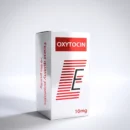
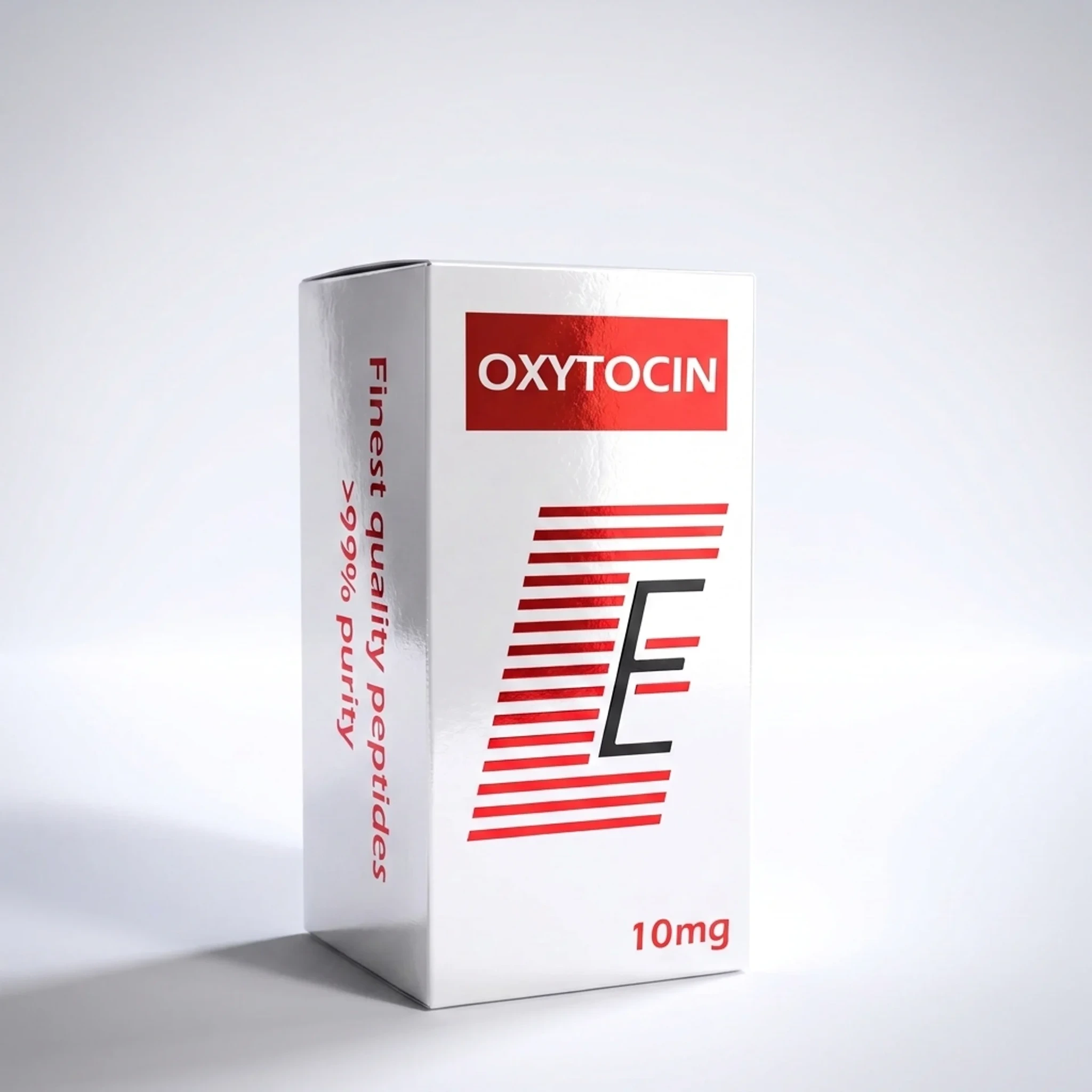
Oxytocin (OT) 10 mg lyophilisate — cyclic neurohypophysial nonapeptide with a disulfide bridge, endogenous hypothalamic hormone and central neuromodulator (“bonding hormone”). Endogenic line reagent for research on OTR pharmacology, neurobiology of attachment and the oxytocinergic-dopaminergic axis. Research Use Only

23,99 €
Buy more, pay less
Fast shipping
Delivery options
Returns policy

Oxytocin 10 mg - cyclic nonapeptide (OT, bonding hormone), research reagent

  • Oxytocin (OT): cyclic nonapeptide, OTR receptor agonist.
  • 10 mg lyophilisate in a vial.
  • Research Use Only reagent, not a substitute for Pitocin or Syntocinon.

Product status information

Chemical reagent intended exclusively for laboratory tests (Research Use Only). It is not a medicinal product, dietary supplement or food. It is not intended for use on humans or animals. Sales only to registered research units and laboratories.

Regulatory status (critical)

Oxytocin is also marketed as registered drug under trade names Pitocin® and Syntocinon® (induction and enhancement of labor, control of postpartum hemorrhage) – available only by prescription and requiring medical supervision. These two occurrences of the same peptide are two distinct regulatory frameworks. Oxytocin RUO reagent in the Pro-Body catalog it is not a medicine, is not authorized by the EMA/FDA for human administration, is not an injection-quality pharmaceutical form and it is not a substitute for a medicinal product or a substitute for medical consultation. The identity of the active substance does not break this boundary. Material intended for laboratory testing only.

Oxytocin (Oxytocin, OT) is one of the best characterized neuropeptides in the history of endocrinology – a cyclic nonapeptide whose sequence was determined and synthesized by Vincent du Vigneaud in 1953, for which he received the Nobel Prize in Chemistry. For decades, oxytocin was known primarily as a peripheral hormone that regulates uterine contraction during labor and milk flow during lactation.

However, the second half of this peptide’s research career took place in the central nervous system: oxytocin turned out to be one of the most important neuromodulators of social behavior, bonding and stress response – hence its popular name “bonding hormone”. In line Endogenic Pro-Body oxytocin is positioned as a classic research reagent for work on the pharmacology of the oxytocin receptor (OTR), central neuromodulation and the interaction of the oxytocinergic-dopaminergic axis.

The name of the line refers to the nature of the compound itself: oxytocin is an endogenous hormone, produced physiologically in the hypothalamus and released from the posterior pituitary. The reagent is not a medicinal form and does not reproduce the clinical applications of Pitocin® or Syntocinon® drugs – it is used by researchers working with the peptide in in vitro and in vivo models.

This reagent is supplied as 10 mg lyophilisate in a vial, for reconstitution with bacteriostatic water in laboratory conditions. The freeze-dried form ensures stability of the peptide before dissolution and allows researchers to prepare working concentrations tailored to the experimental design.

Oxytocin as a hormone and neuromodulator

Oxytocin occupies an unusual position in physiology: it is both a classic peripheral hormone and a central neuromodulator. This duality defines the entire literature on this peptide and is a fundamental distinction that the researcher must keep in mind. In a role peripheral hormone oxytocin is synthesized in large-cell neurons of the supraoptic (SON) and paraventricular (PVN) nuclei of the hypothalamus, transported along axons to the posterior lobe of the pituitary (neurohypophysis) and from there released into the bloodstream.

Circulating oxytocin acts on oxytocin receptors (OTR) of uterine smooth muscles and myoepithelial cells of the mammary gland – this is a classic endocrine pathway regulating labor and lactation, the pharmacological recreation of which is the basis of Pitocin® and Syntocinon® drugs. In a role central neuromodulator oxytocin is released from the dendrites and collaterals of axons of hypothalamic neurons directly within the brain – into the amygdala, nucleus accumbens, hippocampus, prefrontal cortex and brainstem.

Here it acts not as a circulating hormone, but as a local neuromodulator of neural circuits responsible for social behavior, bonding, trust and the response to stress. It is this central profile that has made oxytocin one of the most hotly studied peptides in social neurobiology of the 21st century (Gimpl, Fahrenholz 2001; Meyer-Lindenberg et al. 2011).

In the Pro-Body catalog, this direction fits into a broader family peptides to improve well-being, tested for mood modulation and stress response. The pharmacological profile of oxytocin covers a broad spectrum of activity:

  • Oxytocin receptor (OTR) agonism — G protein-coupled receptor, expressed peripherally (uterus, mammary gland) and centrally (limbic structures)
  • Contraction of smooth muscles and myoepithelial cells — physiological basis of labor induction and milk letdown reflex
  • Modulation of social behavior and attachment — impact on social recognition, trust, attachment in preclinical models and behavioral studies
  • Modulation of the HPA axis and stress response — central anxiolytic effect, suppression of reactivity to stressors
  • Interaction with the reward system — modulation of dopaminergic transmission in the mesolimbic circuit

The structural relationship of oxytocin to vasopressin (AVP) – the second neurohypophysial nonapeptide differing only in two amino acid residues – explains some of the receptor cross-reactivity and makes oxytocin a tool for examining selectivity in the OTR/V1A/V1B/V2 receptor family.

What is oxytocin?

Chemically, oxytocin is a cyclic nonapeptide with an intramolecular disulfide bridge.

  • Common name: Oxytocin, Oxytocin, OT
  • Chemical name: cyclic nonapeptide; Cys-Tyr-Ile-Gln-Asn-Cys-Pro-Leu-Gly-NH₂
  • Synonyms: Oxytocin, OT, α-hypophamine
  • Sequence: Cys¹-Tyr²-Ile³-Gln⁴-Asn⁵-Cys⁶-Pro⁷-Leu⁸-Gly-NH₂ (the Cys1–Cys6 disulfide bridge closes the six-amino acid ring, the C-terminal fragment of Pro-Leu-Gly-NH₂ forms a tail with an amide)
  • CAS number: 50-56-6
  • Molecular formula: C₄₃H₆₆N₁₂O₁₂S₂
  • Molar mass: 1007.19 g/mol
  • Chemical class: cyclic neurohypophysial nonapeptide; Cys1–Cys6 disulfide bridge; C-terminal glycinamide
  • Supplied form: lyophilisate 10 mg in a vial, for reconstitution with bacteriostatic water; pharmaceutical grade ≥98% HPLC

Origin: Oxytocin is an endogenous hormone in the hypothalamus of mammals. Synthesized in the supraoptic and paraventricular nuclei of the hypothalamus as a precursor (preprooxytocin), it is processed into a mature nonapeptide and stored in the posterior lobe of the pituitary, from where it is released into the bloodstream in response to stimuli such as cervical stretching (Ferguson’s reflex) or sucking during feeding.

The structure and chemical synthesis of oxytocin was determined by Vincent du Vigneaud in 1953 – it was the first complete synthesis of a polypeptide hormone in history, and was awarded the Nobel Prize in Chemistry in 1955. The research reagent in the Pro-Body catalog is synthetic oxytocin with a sequence identical to the endogenous hormone, produced by peptide synthesis and purified to ≥98% HPLC purity.

Mechanism of action at the molecular level

Oxytocin acts through a single receptor with a wide tissue distribution – the oxytocin receptor (OTR) – whose effect depends dramatically on the location of expression. The same ligand induces uterine contraction in the periphery and modulation of social behavior in the central nervous system. Pharmacological profile observed in studies:

  1. Oxytocin receptor (OTR) agonism — OTR is a G protein-coupled receptor (mainly Gq/11). Oxytocin binding activates phospholipase C, generates IP₃ and DAG, releases intracellular calcium and triggers the PKC cascade. In peripheral tissues this translates to contraction of uterine smooth muscles (clinical context: induction and enhancement of labor) and contraction of myoepithelial cells of the mammary gland responsible for the milk flow reflex during lactation (Gimpl, Fahrenholz 2001)
  2. Central neuromodulation of social behavior — in limbic structures (amygdala, nucleus accumbens, prefrontal cortex), oxytocin modulates circuits responsible for social recognition, bonding and attachment. In prairie vole models, oxytocin plays a role in forming a monogamous mate bond; behavioral studies of intranasal administration in humans have reported effects on trust and the perception of social cues (Kosfeld et al. 2005; Lee et al. 2009)
  3. Modulation of the HPA axis and stress response — central oxytocin suppresses the reactivity of the hypothalamic-pituitary-adrenal axis, limiting the release of corticotropin releasing hormone (CRH) and corticosterone in response to stressors. This profile is interpreted as an anxiolytic central effect and is the basis for research on oxytocin in models of anxiety and social stress (Macdonald, Macdonald 2010).
  4. Interaction with the reward system and dopamine — oxytocin modulates dopaminergic transmission in the mesolimbic circuit (ventral tegmental area – nucleus accumbens), which links social behavior with the reward system; mechanism studied in the context of social motivation and bond strengthening (Meyer-Lindenberg et al. 2011)
  5. Neuropsychiatric fields — the structural and functional properties of oxytocin have made it an object of research on autism, social anxiety and attachment disorders; Many research protocols used intranasal administration as a route ensuring partial central penetration bypassing the blood-brain barrier.

Pharmacokinetic profile (based on literature):

  • Half-life in plasma: short, on the order of single minutes – peptide sensitive to rapid degradation by plasma and tissue oxytocinases (aminopeptidases).
  • Penetration of the blood-brain barrier after peripheral administration: limited; central studies use intranasal, intraventricular (i.c.v.) administration or transgenic models
  • Metabolism: hydrolysis of peptide bonds by aminopeptidases (including placental oxytocinase, whose activity increases during pregnancy)
  • Receptor distribution: OTR peripherally (uterus, mammary gland, heart, kidneys) and centrally (limbic structures, brainstem)

Applications in scientific research

Oxytocin is used in research in several areas – from reproductive endocrinology to social neurobiology. Receptor pharmacology, binding kinetics, and selectivity for the vasopressin receptor family are investigated in in vitro models (OTR-expressing cell lines, myometrial preparations, calcium mobilization assays). In vivo models (prairie vole, rat, mouse, transgenic OTR-KO models) investigate social behavior, bonding, HPA axis reactivity and oxytocin-dopamine interaction. Specific research directions include:

  • Pharmacology of the oxytocin receptor — profiling of OTR agonists and antagonists, EC50 measurements in calcium mobilization tests, selectivity of OTR vs vasopressin receptors (V1A/V1B/V2)
  • Neurobiology of bonds and social behavior — prairie vole models (partner bond formation), social recognition tests in rodents, modulation of limbic circuits. In research on the neurobiology of intimacy and drive, oxytocin is sometimes compared with others peptides for libido, such as the melanocortin agonist PT-141
  • HPA axis and stress/anxiety models — influence of central oxytocin on the reactivity of the hypothalamic-pituitary-adrenal axis, models of social anxiety, anxiolytic effect
  • Oxytocin-dopamine interaction — modulation of the mesolimbic circuit, linking social behavior with the reward system
  • Neuropsychiatric models — screening for autism, social anxiety and attachment disorders; assessment of administration routes ensuring central penetration (intranasal administration)
  • Endocrinology of reproduction and lactation — physiology of uterine contraction, milk letdown reflex, regulation of OTR in pregnancy

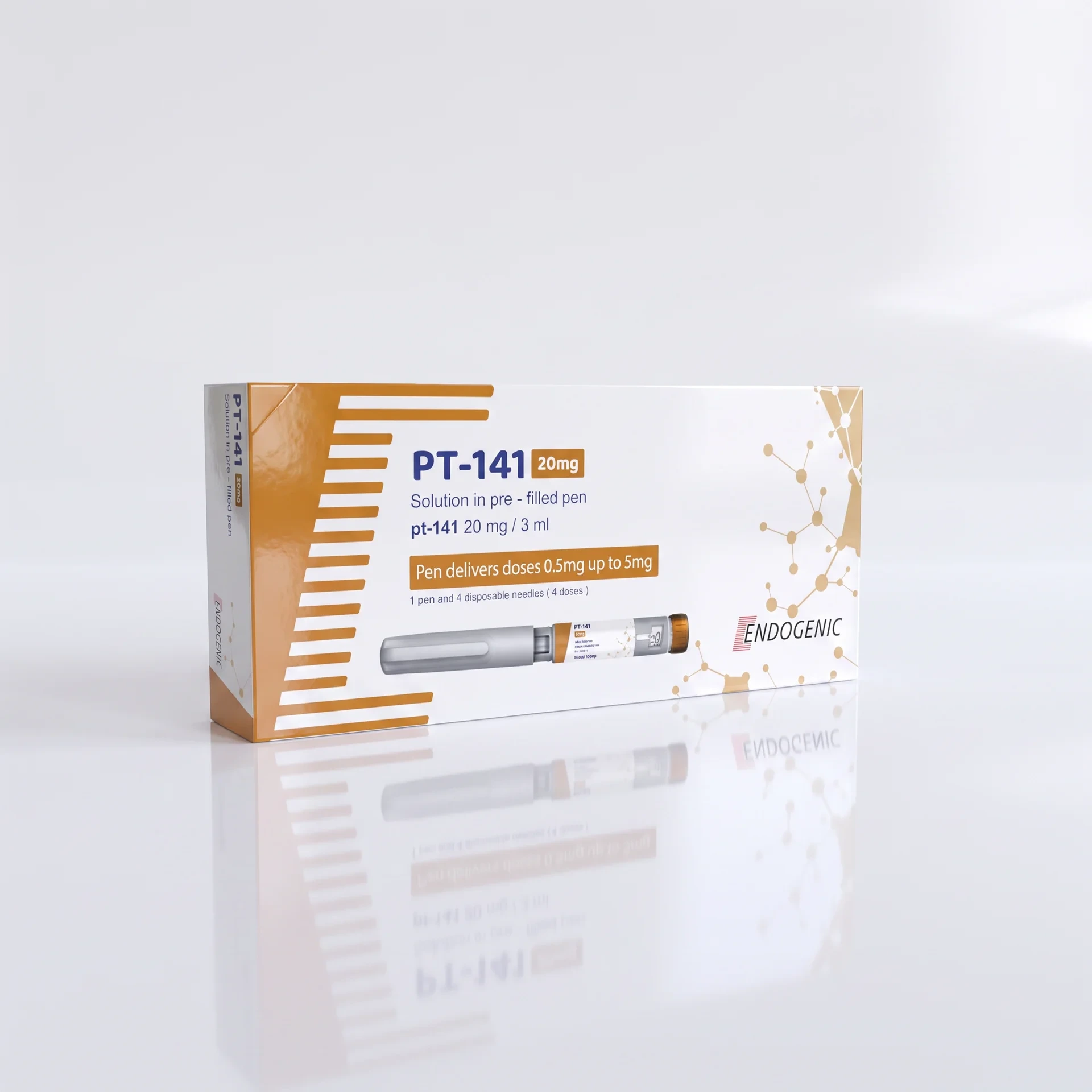
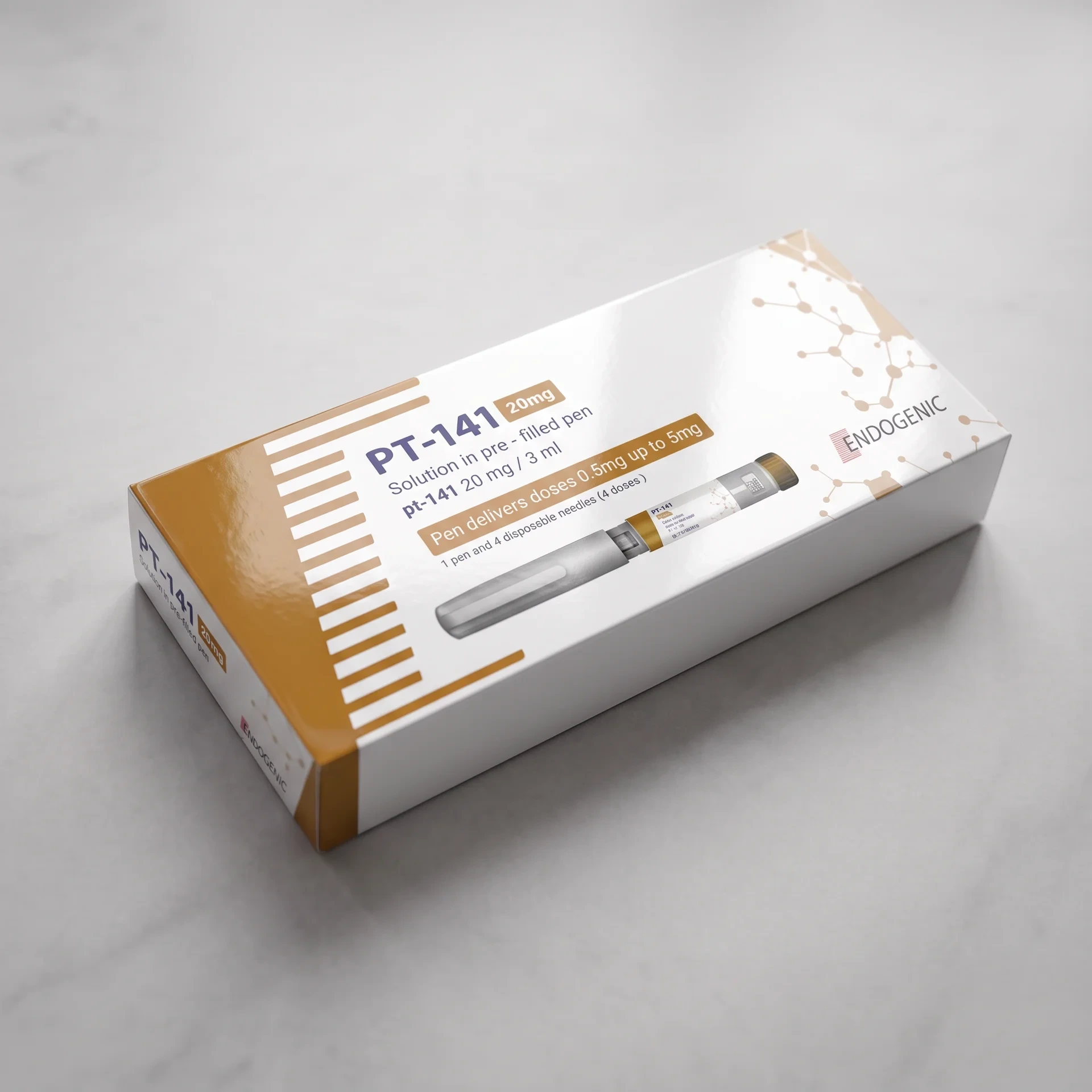
In projects comparing the mechanisms of peptides modulating the intimate sphere, oxytocin (OTR agonist) and PT-141 (Bremelanotide) — melanocortin receptor agonist — represent two separate pathways, which makes them a complementary research system; Ready-made is also available Oxytocin + PT-141 set combining both reagents in one package for comparative work.

Summary

Oxytocin (OT) is a cyclic neurohypophysial nonapeptide with the sequence Cys-Tyr-Ile-Gln-Asn-Cys-Pro-Leu-Gly-NH₂ with a Cys1–Cys6 disulfide bridge — an endogenous hypothalamic hormone whose structure and chemical synthesis were determined by du Vigneaud (Nobel Prize 1955). The peptide combines two profiles: peripheral (OTR agonism → uterine contraction and milk flow, pharmacological basis of Pitocin® and Syntocinon® drugs) and central (neuromodulation of social behavior, bonding and trust, suppression of the HPA axis, interaction with the reward system – hence the name “bonding hormone”).

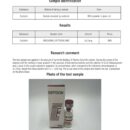
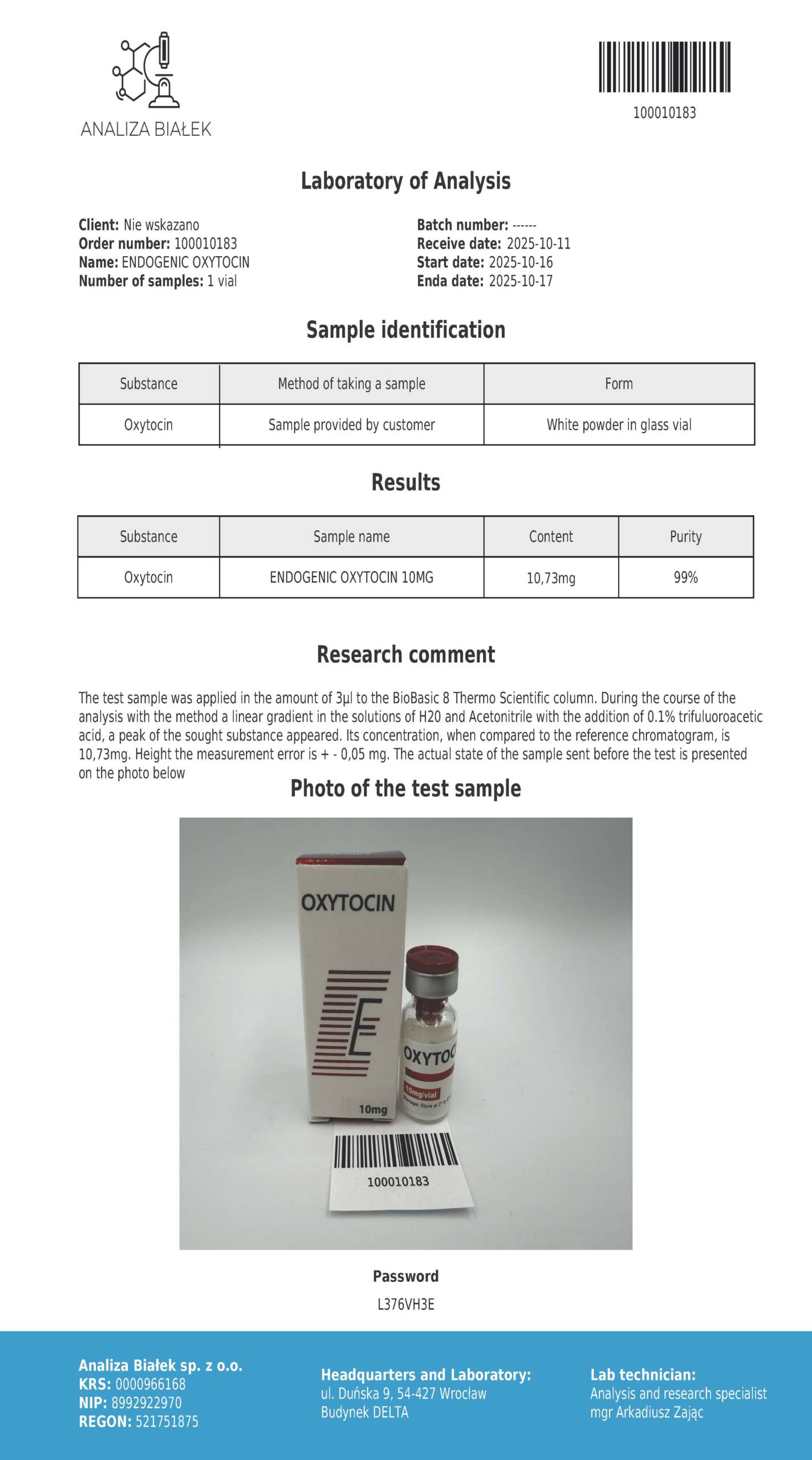
Lyophilized form: 10 mg in a vial, reconstitution with bacteriostatic water, HPLC purity ≥98%, MS confirmation, COA for each batch. Regulatory status – critical: oxytocin is a registered drug (Pitocin®, Syntocinon®), but Pro-Body reagent is a separate Research Use Only framework, which is not a substitute for a medicinal product. WADA status: not listed (endogenous hormone).

Bibliography

  1. Gimpl G, Fahrenholz F (2001). The oxytocin receptor system: structure, function, and regulation. PubMed
  2. Meyer-Lindenberg A, Domes G, Kirsch P, Heinrichs M (2011). Oxytocin and vasopressin in the human brain: social neuropeptides for translational medicine. PubMed
  3. Kosfeld M, Heinrichs M, Zak PJ, Fischbacher U, Fehr E (2005). Oxytocin increases trust in humans. PubMed
  4. Lee H. J., Macbeth A. H., Pagani J. H., Young W. S. (2009). Oxytocin: the great facilitator of life. PubMed
  5. Macdonald K, Macdonald TM (2010). The peptide that binds: a systematic review of oxytocin and its prosocial effects in humans. PubMed