Skip to content
Black Week: 20% off everything, code BLACK

Search

What are you looking for?

Type at least 2 characters to see suggestions.

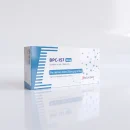
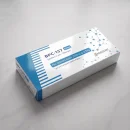
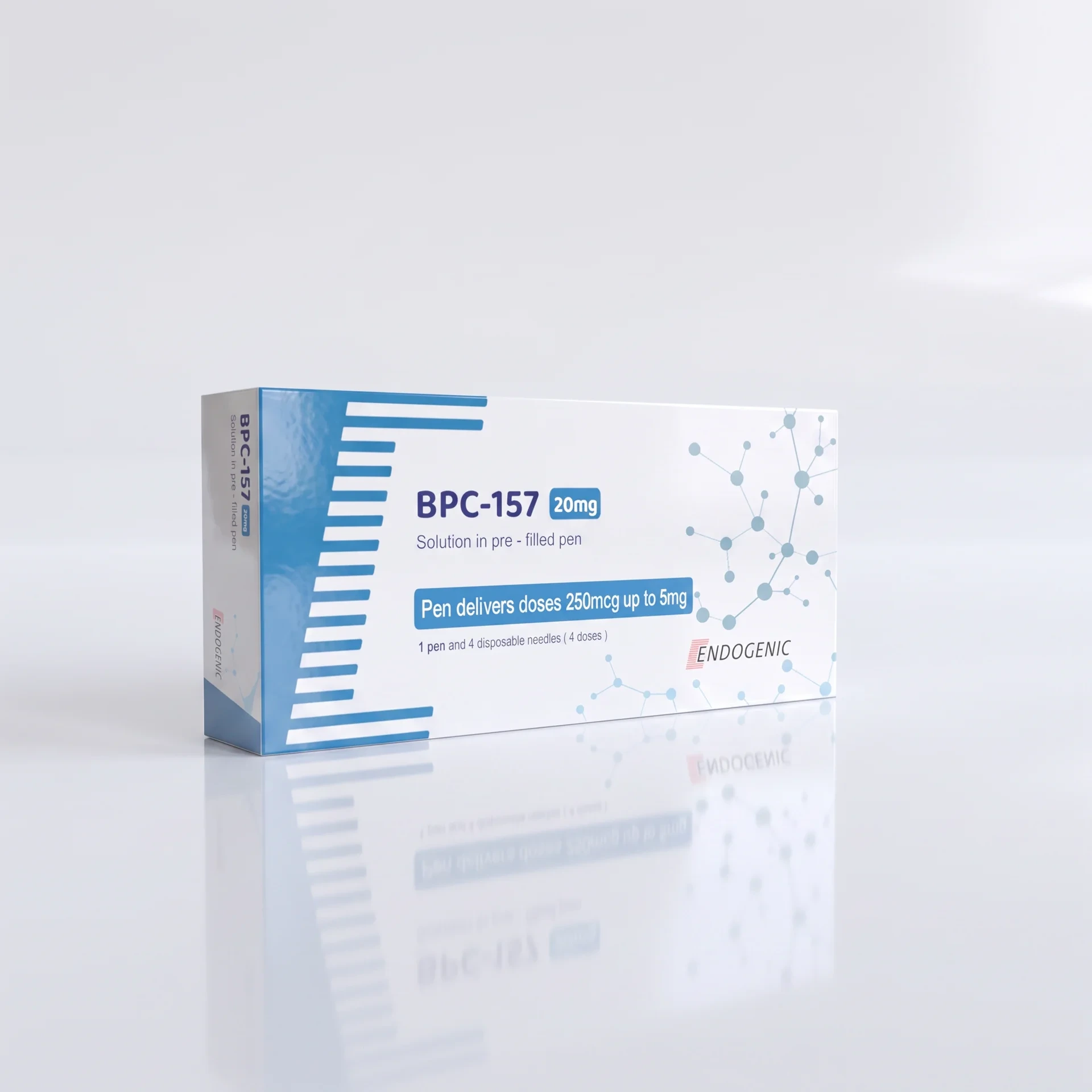
BPC 157 20mg PEN
BPC 157 20mg PEN
BPC 157 20mg PEN
BPC 157 20mg PEN

BPC 157 20mg PEN

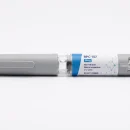
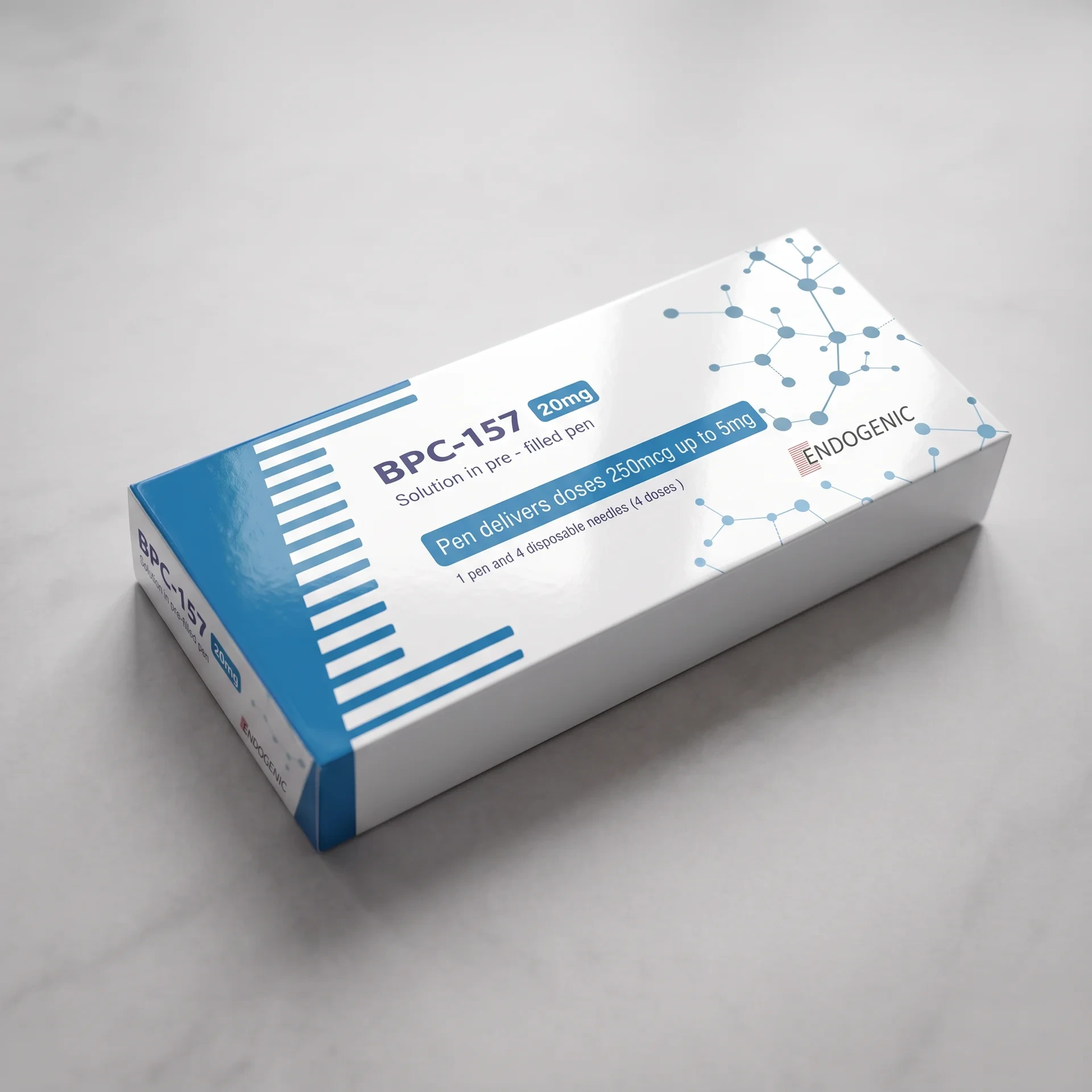
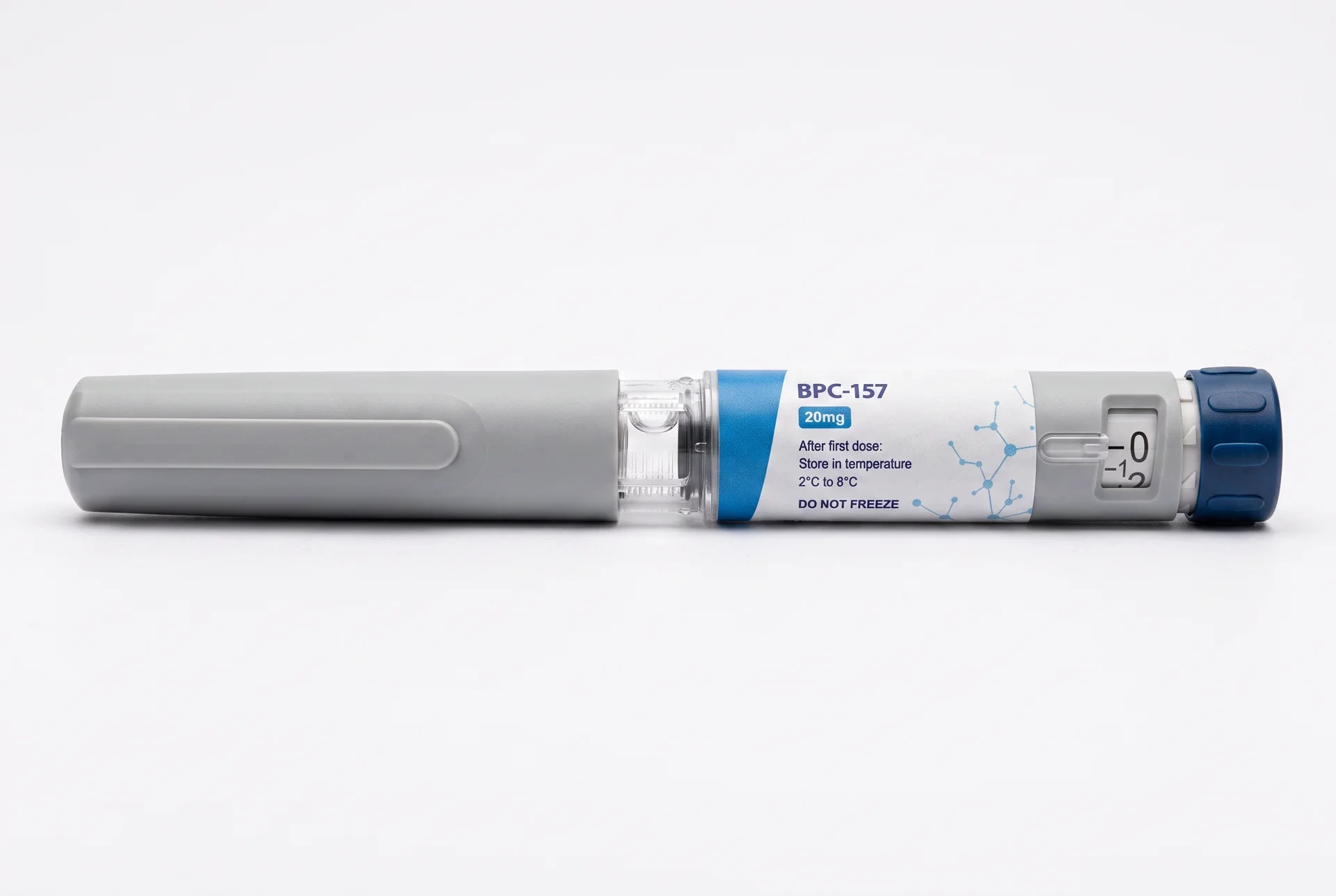
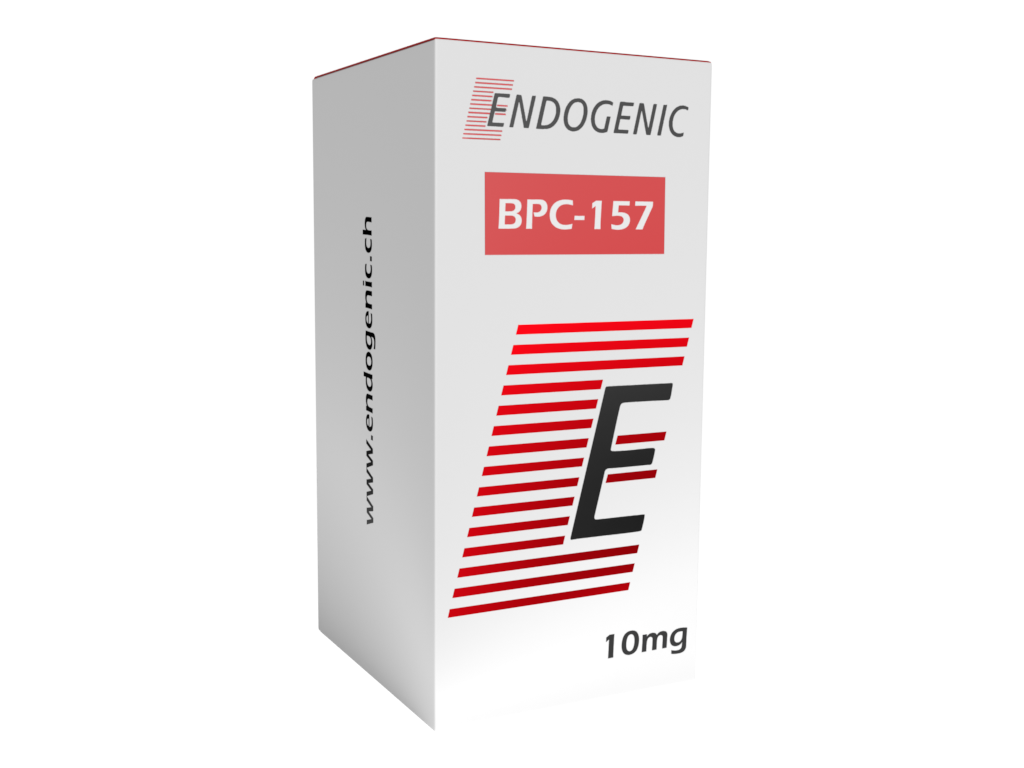
BPC-157 PEN 20 mg (pre-dissolved applicator, Endogenic line) — a regenerative peptide supplied as a ready-to-use solution, requiring no reconstitution. A gastric pentadecapeptide described in preclinical literature in the contexts of angiogenesis (VEGFR2/eNOS/NO), cytoprotection, and tendon maturation. The PEN form consists of repeated draws at a constant concentration of mg/ml. RUO reagent.

83,99 €
With code BLACK: 67,19 € Lowest price in the 30 days before the discount: 83,99 €
Buy more, pay less
Fast shipping
Free delivery from 350 €
Returns policy
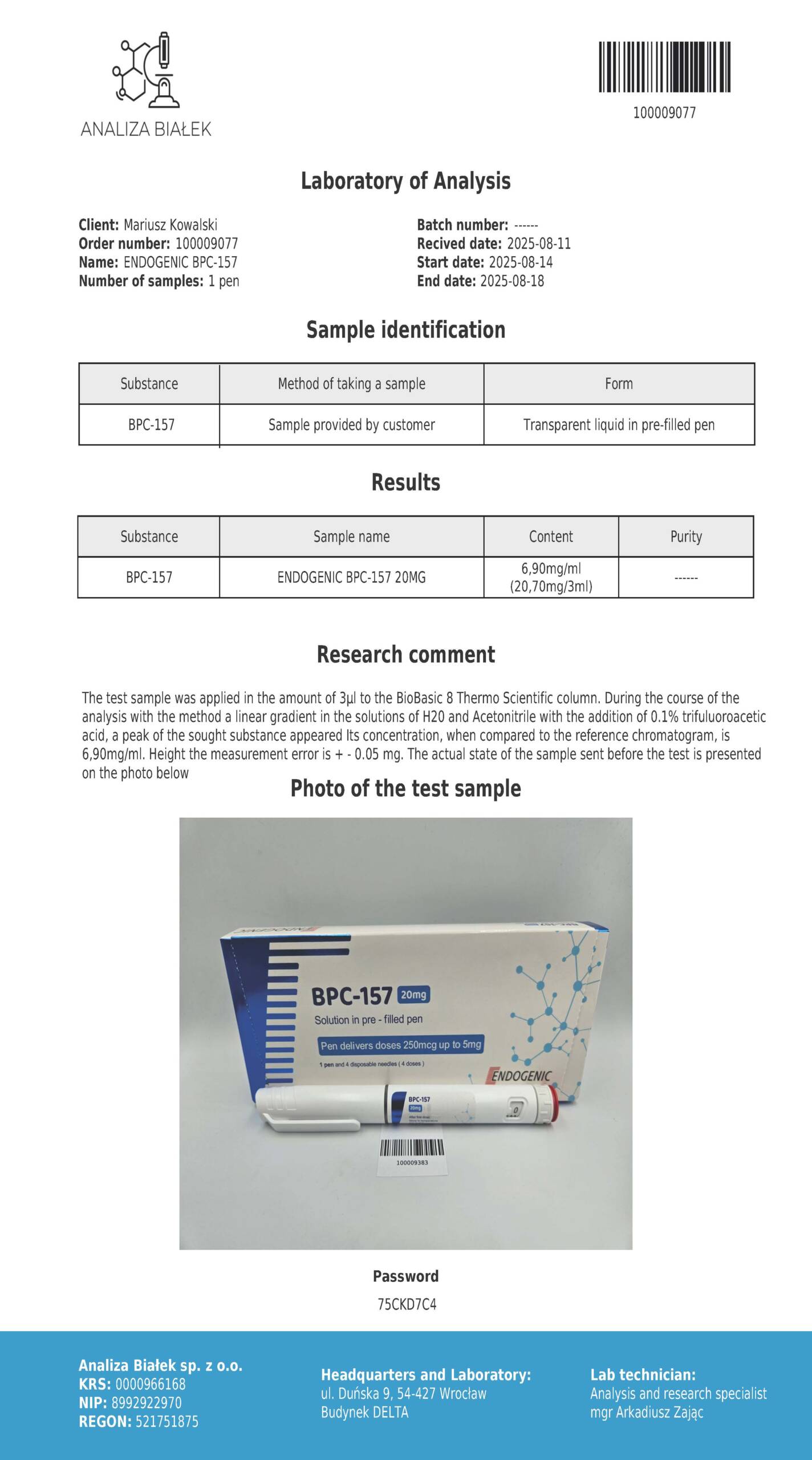
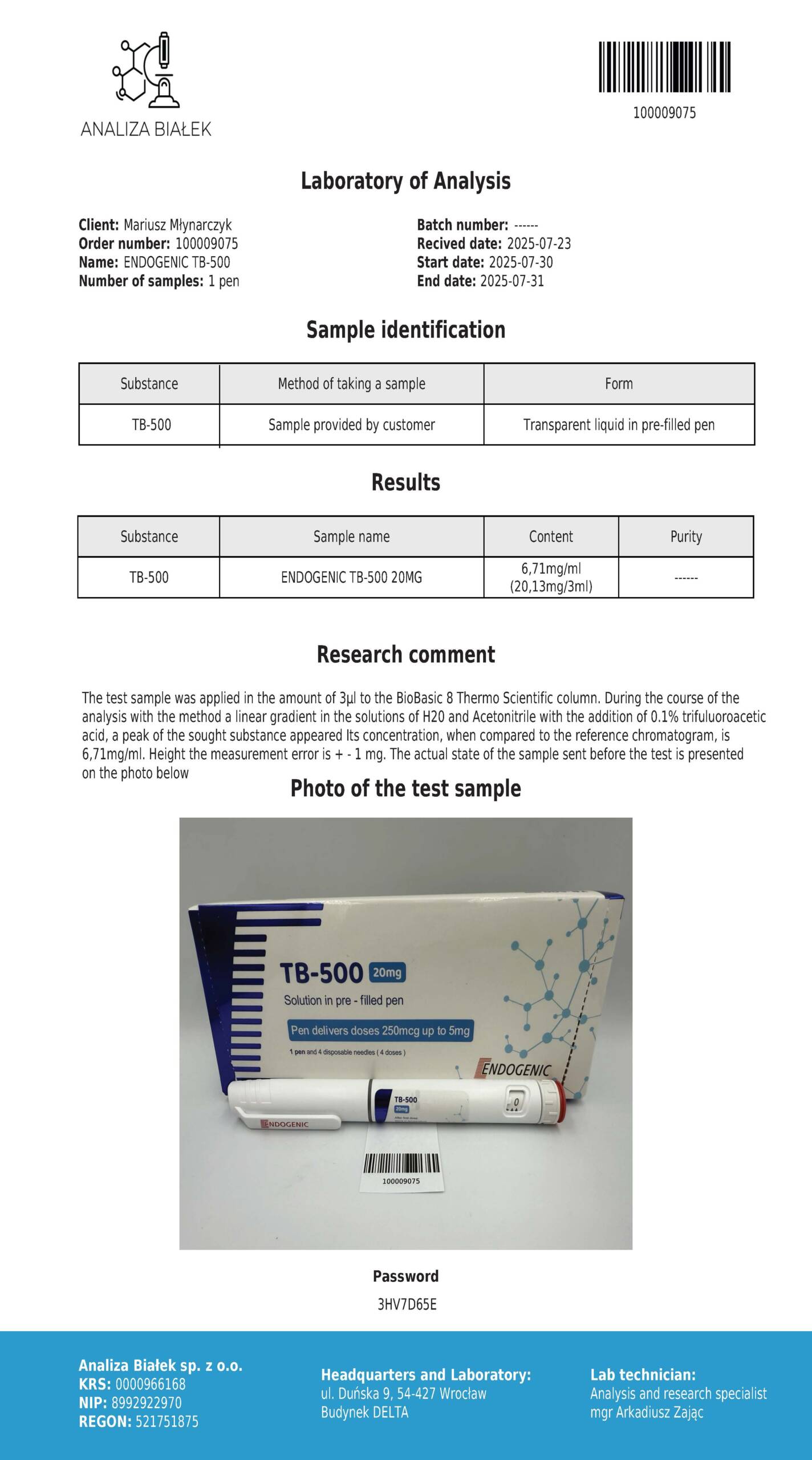
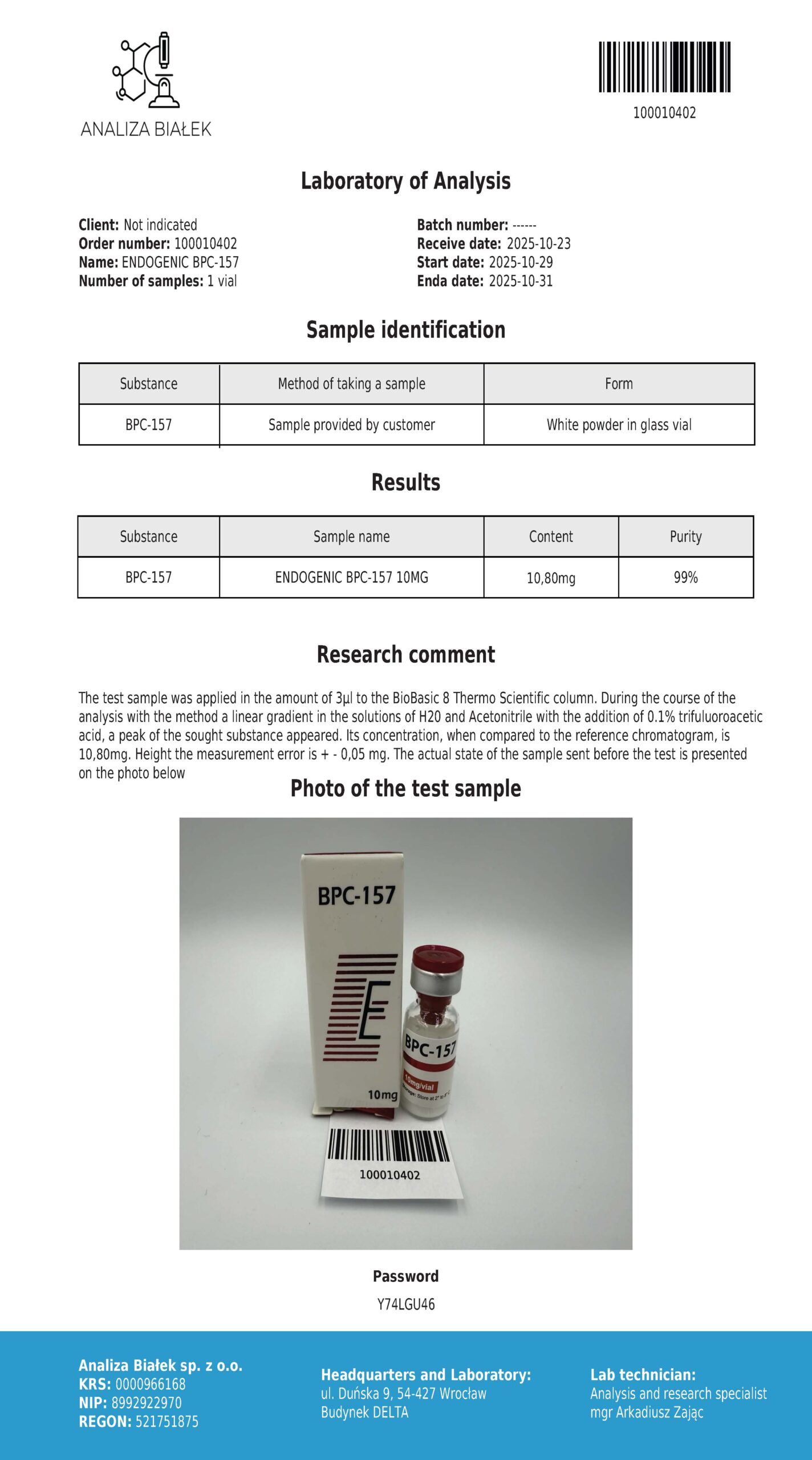
View the laboratory analysis report Peptide Calculator

BPC-157 PEN 20 mg — regenerative peptide in a pre-dissolved PEN applicator

  • BPC-157: a pentadecapeptide with the sequence GEPPPGKPADDAGLV.
  • Ready-made solution in a PEN applicator; content: 20 mg.
  • Research Use Only reagent, not a medicinal product.

Chemical reagent intended solely for laboratory research (Research Use Only). It is not a medicinal product, dietary supplement or foodstuff. It is not intended for use in humans or animals. Sale restricted to registered research entities and laboratories.

BPC-157 has been on the WADA Prohibited List since 2022 in category S0 (non-approved substances) — the section covering pharmacological compounds without approval by any regulatory agency for use in humans. In the Pro-Body catalogue, BPC-157 PEN 20 mg appears exclusively as an RUO research reagent, not as a regeneration-supporting agent. Registered athletes (ADAMS) must check the current list of prohibited substances before any decision regarding use.

Introduction

BPC-157 PEN 20 mg from the Endogenic line is one of the most frequently cited regeneration peptides, supplied in a pre-dissolved PEN-type applicator — a factory-prepared solution that eliminates the reconstitution step. This is how this format differs from the classic lyophilisate vial: the researcher does not dissolve a dry powder but instead receives an already-prepared working solution, with the concentration and number of units recorded in the batch COA.

The PEN applicator is here a purely technical solution — it addresses the repeatability of draws and the repeatability of laboratory work, without changing the molecule itself or its status. BPC-157 itself (Body Protection Compound-157) is a pentadecapeptide with the sequence GEPPPGKPADDAGLV — a fragment of the natural protective protein of the gastric mucosa, isolated by the team of Predrag Sikiric in Zagreb.

In the preclinical literature it is described above all as a cytoprotective and pro-angiogenic compound, acting locally within damaged tissue. It is one of the most frequently studied regenerative peptides in the reagent trade — with an extensive body of literature on tendon healing, gastrointestinal tract protection and angiogenesis. BPC-157 is not registered as a drug in any jurisdiction, and its clinical development (PL 14736, Diagen) halted at phase II and was abandoned in 2014.

This is a typical picture for the entire class of regenerative peptides: a strong signal from preclinical models (rodents, cell cultures), without full phase III clinical confirmation. For this reason BPC-157 PEN 20 mg functions in the trade as a Research Use Only reagent — a molecular tool for laboratory work, not a medicinal form.

Peptide purity verified by HPLC ≥98%, identity and salt confirmed by Q-TOF mass spectrometry, COA available for every batch (concentration mg/ml, number of units).

BPC-157 PEN as a fragment of gastric protein

BPC-157 derives from a protective protein named Body Protection Compound, naturally present in gastric juice. The pentadecapeptide of fifteen amino acids reproduces the active fragment of this protein. The origin itself explains the historical direction of research: the first area described was cytoprotection of the gastric and intestinal mucosa, and only later did the literature broaden the molecule’s profile to include angiogenesis and soft-tissue repair.

In the Pro-Body catalogue, BPC-157 belongs to Pillar I — regenerative peptides. The PEN form is here a separate technical choice, not a different molecule. The applicator delivers the same peptide as the lyophilisate vial, but in the form of a ready solution — with two main consequences for laboratory work. First, it eliminates reconstitution: the researcher skips the step of dissolving the powder, selecting the solvent volume and checking clarity.

Second, it improves the repeatability of draws — the factory mg/ml concentration and the calibrated applicator scale facilitate reproducible volume metering between experiments. These two features determine for which research setup the PEN form may be more convenient than the vial. The price of this convenience is greater sensitivity to storage conditions. The full mg/ml concentration and the number of working units in the applicator are determined by the COA of the specific batch.

What BPC-157 PEN is — characteristics of the molecule

BPC-157 is a pentadecapeptide with the sequence Gly-Glu-Pro-Pro-Pro-Gly-Lys-Pro-Ala-Asp-Asp-Ala-Gly-Leu-Val (single-letter notation: GEPPPGKPADDAGLV), molar mass of the free peptide 1419.53 g/mol, number CAS 137525-51-0. The three proline residues at positions 3–5 (the PPP motif) rigidify the chain and hinder access by proteolytic enzymes — a molecular explanation of the peptide stability in the gastrointestinal environment described in the literature.

In the PEN form, the peptide is present as a pre-dissolved solution with a total content of 20 mg in the applicator. The working concentration (mg/ml) and the resulting number of units per applicator are recorded by the batch COA — the document that determines how much peptide the solution contains and at what concentration.

The salt form in which the peptide is present in the solution is likewise confirmed by mass spectrometry in the COA.

Chemical characteristics of BPC-157 PEN 20 mg

Parameter Value
Name BPC-157 (Body Protection Compound-157)
Line Endogenic
Class Gastric pentadecapeptide (fragment of Body Protection Compound)
Sequence (1-letter) GEPPPGKPADDAGLV
Sequence (3-letter) Gly-Glu-Pro-Pro-Pro-Gly-Lys-Pro-Ala-Asp-Asp-Ala-Gly-Leu-Val
Number of amino acids 15
Molar mass (free peptide) 1419.53 g/mol
CAS number 137525-51-0
Functional motif PPP motif (three prolines) — proteolytic stability
Physical form Pre-dissolved solution in a PEN applicator (no reconstitution)
Peptide content 20 mg in the applicator
Working concentration (mg/ml) and number of units value determined in the batch COA
HPLC purity ≥98%
Confirmation of identity and salt Q-TOF mass spectrometry
Main research axis cytoprotection / angiogenesis (VEGFR2/eNOS/NO) / gut axis / tendon

Mechanisms of BPC-157 — six research axes

The profile of BPC-157 in the preclinical literature divides into several complementary molecular axes. Below they are set out separately — with the name of the pathway and the practical translation observed in research models. The PEN form does not change any of these mechanisms; they concern the BPC-157 molecule regardless of the form in which it is supplied.

Angiogenesis via VEGFR2 and the NO pathway. The best-documented axis of BPC-157. VEGFR2 (vascular endothelial growth factor receptor) is the main element of the formation of new blood vessels; it acts together with endothelial nitric oxide synthase (eNOS) and an increase in the availability of nitric oxide (NO), which dilates vessels and improves microcirculation. In the literature, BPC-157 was associated with intensified neovascularisation in the area of injury (Sikiric et al. 2018). Better vascularisation of the regenerating tissue translated in models into more efficient repair.

Regulation of FAK-paxillin signalling. In cellular models, BPC-157 was associated with activation of the FAK-paxillin pathway (focal adhesion kinase and an adhesion protein mediating cell attachment and movement). This is the pathway responsible for cell adhesion to the matrix and their migration — the molecular background for linking the peptide with tissue repair.

Protection of the endothelium and the gastric and intestinal mucosa. Historically the first area of research on the molecule, consistent with its gastric origin. In models of gastric ulcers and intestinal inflammation, BPC-157 was associated with protection of the integrity of the mucosa and the vascular endothelium. This is the cytoprotective component of the peptide profile.

Modulation of the brain-gut axis and the NO pathway. Sikiric et al. (2016) described BPC-157 in the context of the brain-gut axis (gut-brain axis) with the NO pathway — regulation of flow in existing vessels, complementary to angiogenesis. This is an extension of the profile beyond local repair, towards the systemic regulation observed in models.

Tendon maturation and fibroblast proliferation. In models of tendon injury, BPC-157 was associated with the proliferation and migration of tendon fibroblasts. Chang et al. (2011) described the effect of the peptide on the growth, survival and migration of tendon cells in culture — the molecular background for linking BPC-157 with repair of the tendon-ligament apparatus.

Cytoprotection as a common denominator. Hsieh et al. (2017) described the pro-angiogenic and reparative profile of BPC-157 in models of vascular injury, tying the angiogenesis thread together with cytoprotection. This is the axis that links the remaining mechanisms: protection of cells against damage while simultaneously supporting vessel formation and the migration of repair cells.

IMPORTANT DISTINCTION — PEN vs lyophilisate vial vs ARG BPC-157

Under the heading “BPC-157”, various forms function in the trade that must be distinguished.

PEN form (ready solution) vs lyophilisate vial (reconstitution). This product is a pre-dissolved solution in a PEN applicator — a form of administration, not a different molecule. It is the same BPC-157 molecule as in the classic vial BPC-157 10mg, the difference concerns only the form: PEN delivers a ready solution without the reconstitution step, the vial — a dry powder for self-dissolution. The choice of form is a decision about ergonomics and the repeatability of work, not about a different compound.

BPC-157 vs ARG BPC-157 (arginine salt). A separate distinction is the salt of the peptide. In the trade, BPC-157 appears as the free peptide and as ARG-BPC-157 5mg — the same pentadecapeptide bound to an arginine residue, with a different mass and a different solubility profile. These are different salt forms of the same sequence — they are determined by the sequence and molecular mass in the mass spectrometry recorded in the batch COA, not by the trade name. The PEN form may contain the salt indicated in the COA — the batch document is binding here.

WADA status. Regardless of the form (PEN, vial, arginine salt), BPC-157 has been on the WADA Prohibited List since 2022 in category S0 (non-approved substances). The form of administration does not change the anti-doping status.

“Supports regeneration” or “supports tendon healing” in the context of this description means: “in in vivo studies on animal models and in cell cultures, an effect of BPC-157 on the VEGFR2/eNOS/NO and FAK-paxillin pathways was observed”. It does not mean a guarantee of an effect in humans, nor a suggestion that BPC-157 PEN may serve as an agent for injuries, tendons, wounds or post-exercise regeneration.

Applications in scientific research

BPC-157 PEN 20 mg, as an RUO reagent, finds application in research directions concentrated around tissue repair, angiogenesis and cytoprotection. The pre-dissolved form proves useful where the researcher needs repeatable draws from a constant mg/ml concentration — without the variability resulting from self-reconstitution between batches. This is a direction close to research on peptides for injuries of soft tissues.

Models of tendon and ligament repair. Models of tendon injury, assessment of the proliferation and migration of tendon fibroblasts and activation of the FAK-paxillin pathway (Chang et al. 2011). Endpoints: mechanical strength of the tendon junction, tissue histology, markers of fibroblast maturation.

Models of angiogenesis and soft-tissue healing. Models of skin wounds, muscle and connective tissue regeneration in rodents, cultures of fibroblasts and endothelial cells. Endpoints: vessel density (angiogenesis, VEGFR2/NO pathway), rate of wound closure, eNOS/NO markers (Hsieh et al. 2017).

Models of gastrointestinal cytoprotection. Models of gastric ulcers and intestinal inflammation, assessment of the integrity of the mucosa and endothelium — historically the first area of research on the molecule, consistent with its gastric origin.

Models of the brain-gut axis. Research on the regulation of the brain-gut axis with the NO pathway (Sikiric et al. 2016) — a direction extending the peptide profile beyond local repair. Endpoints: NO markers, regulation of vascular flow, parameters of the gut-brain axis in rodent models.

Specification of the PEN applicator — ready solution without reconstitution

The PEN applicator is a cartridge with a pre-dissolved solution of the peptide, combined with a calibrated metering scale. The following description concerns the applicator as a laboratory tool for metering the reagent — it does not constitute instructions for administration in humans or animals.

Ready factory solution. The most important feature of the PEN form: the solution is factory-prepared, with a mg/ml concentration recorded in the COA. The researcher skips the reconstitution step — does not dissolve the powder, does not select the solvent volume, does not check clarity after dissolution. This shortens reagent preparation and removes a source of variability arising from self-dissolution.

Repeatability of draws. A constant mg/ml concentration combined with a calibrated applicator scale facilitates reproducible volume metering between draws and between experiments. Where the repeatability of a measurement series matters, a ready solution of known concentration reduces preparation error relative to a vial reconstituted separately at each use.

mg/ml concentration and number of units in the COA. The applicator contains 20 mg of peptide in solution; the resulting working concentration (mg/ml) and the number of units on the scale are determined by the batch COA. This is the binding document — it allows the applicator scale to be converted into volume and mass of reagent. The price of the convenience of a ready solution is greater sensitivity to conditions. The solution is less stable than the lyophilisate, and after the first opening of the applicator the stability window shortens.

Summary

BPC-157 PEN 20 mg in a pre-dissolved applicator (Endogenic line) is a regenerative peptide supplied as a ready factory solution — without the reconstitution step. BPC-157 itself is a gastric pentadecapeptide (GEPPPGKPADDAGLV, 1419.53 g/mol, CAS 137525-51-0), a fragment of the natural protective protein of the gastric mucosa. In the preclinical literature it is described across six complementary axes: angiogenesis via VEGFR2/eNOS/NO, regulation of FAK-paxillin signalling, protection of the endothelium and the gastric-intestinal mucosa, modulation of the brain-gut axis with the NO pathway, tendon maturation with fibroblast proliferation, and cytoprotection as a common denominator.

The PEN form is a technical choice, not a different molecule: the ready solution eliminates reconstitution and improves the repeatability of draws from a constant mg/ml concentration, in exchange for greater sensitivity to storage conditions and a shorter stability window after opening. This distinguishes it from the lyophilisate vial (reconstitution) and from the arginine salt ARG BPC-157 (a different salt form of the same sequence) — the distinction is determined by the sequence, mass and salt in the batch COA.

The regulatory profile is unambiguous: BPC-157 is not registered as a drug and since 2022 has been on the WADA list in category S0. In the Pro-Body catalogue, BPC-157 PEN 20 mg appears exclusively as a Research Use Only reagent — with HPLC purity ≥98%, MS Q-TOF confirmation (sequence and salt) and a COA for every batch (concentration mg/ml, number of units).

Bibliography

  1. Sikiric P, Rucman R, Turkovic B, Sever M, Klicek R, Radic B, et al. (2018). Novel cytoprotective mediator, stable gastric pentadecapeptide BPC 157. Vascular recruitment and gastrointestinal tract healing. PubMed
  2. Chang CH, Tsai WC, Lin MS, Hsu YH, Pang JH (2011). The promoting effect of pentadecapeptide BPC 157 on tendon healing involves tendon outgrowth, cell survival, and cell migration. PubMed
  3. Hsieh MJ, Liu HT, Wang CN, Huang HY, Lin Y, Ko YS, et al. (2017). Therapeutic potential of pro-angiogenic BPC157 is associated with VEGFR2 activation and up-regulation. PubMed
  4. Sikiric P, Seiwerth S, Rucman R, Kolenc D, Vuletic LB, Drmic D, et al. (2016). Brain-gut axis and pentadecapeptide BPC 157: theoretical and practical implications. PubMed
  5. Gwyer D, Wragg NM, Wilson SL (2019). Gastric pentadecapeptide body protection compound BPC 157 and its role in accelerating musculoskeletal soft tissue healing. PubMed