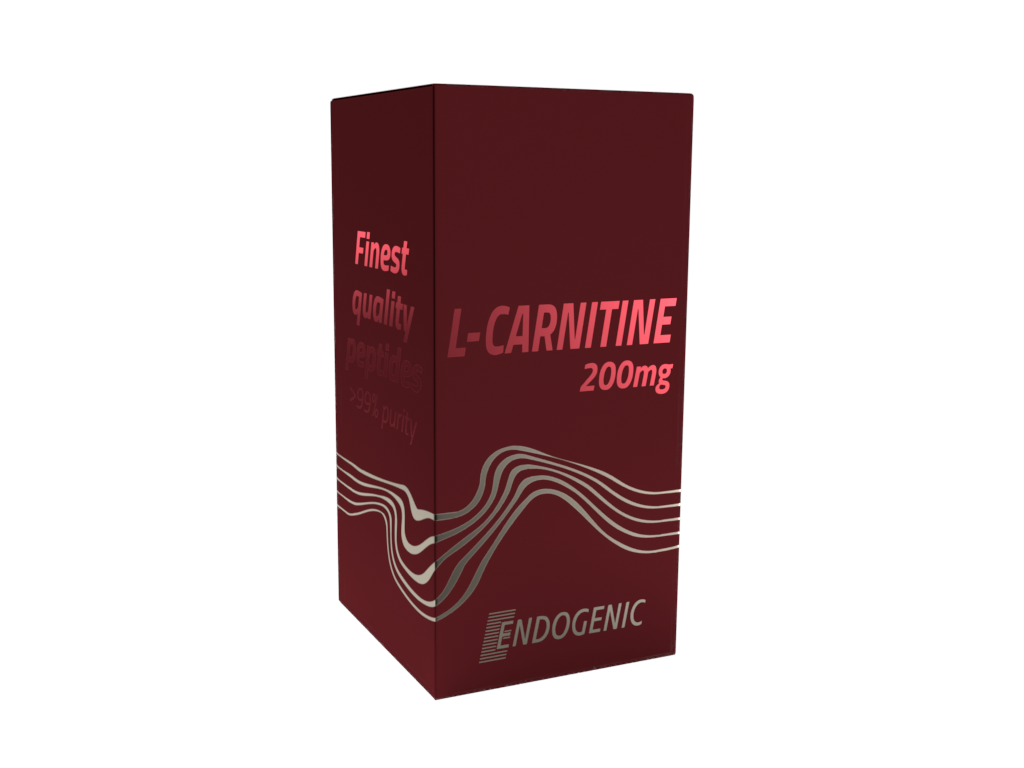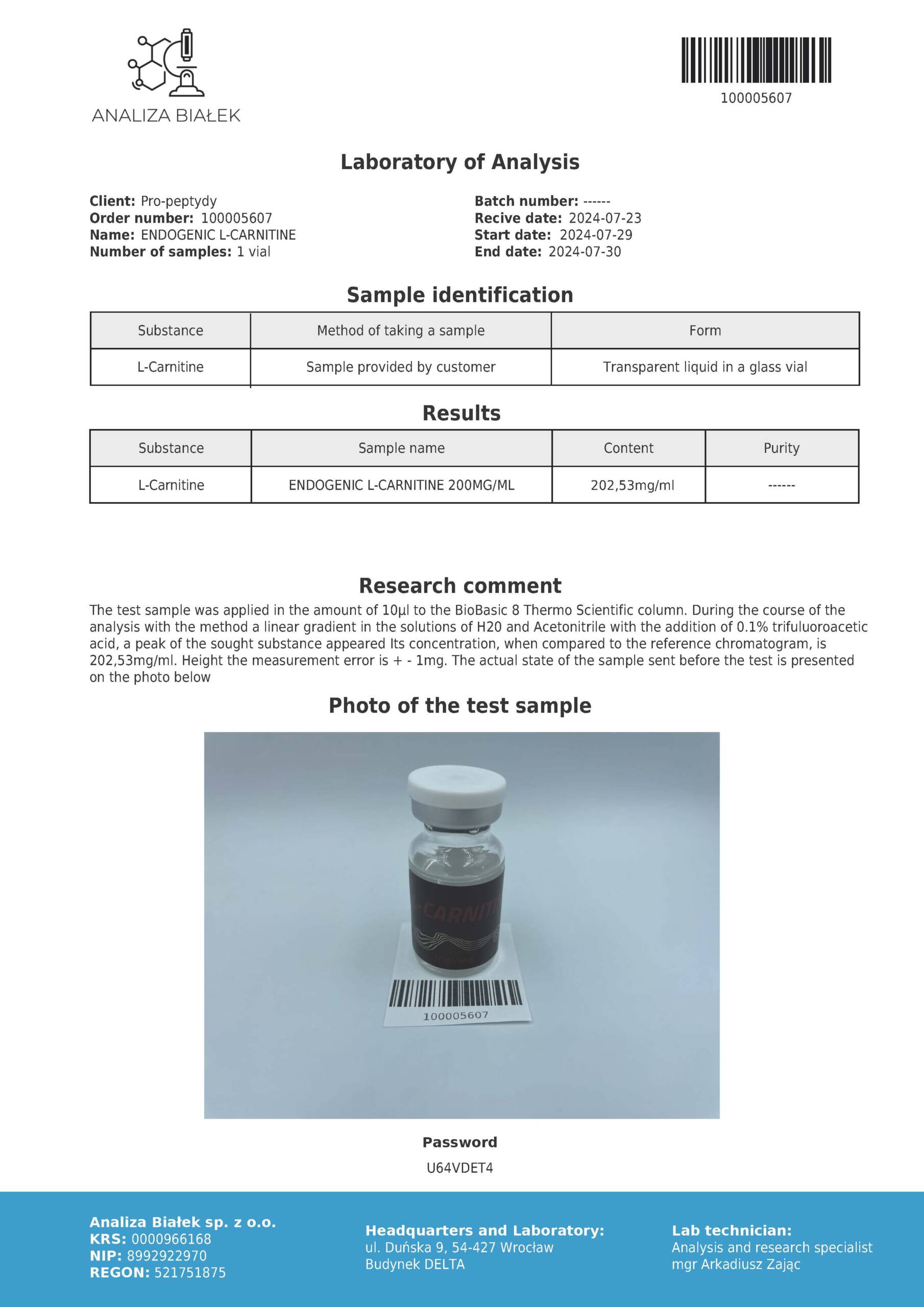


Take EndoSleep 30–60 minutes before your planned bedtime, within a fixed time window. Melatonin is a dark signal for the biological clock, so after taking it, turn off the lights and screens – blue light from your phone or TV weakens its effect. Repeated intake times enhance the synchronization of the circadian rhythm, which translates into easier falling asleep.

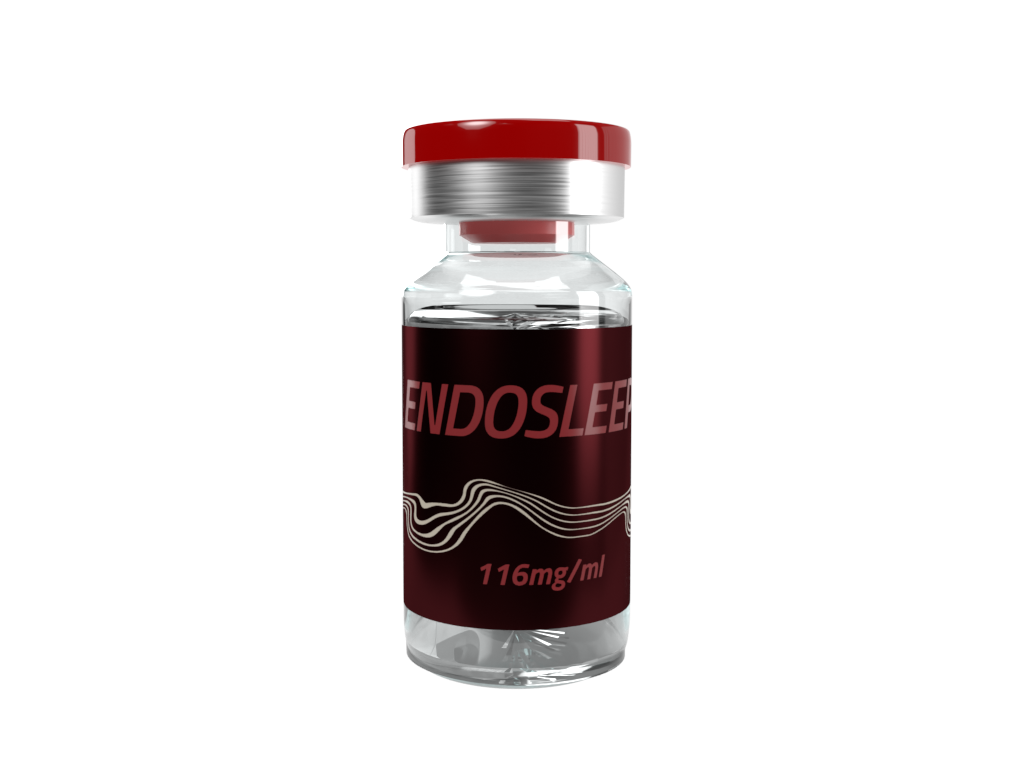
Endosleep
EndoSleep sleep preparation – a mixture of melatonin with the amino acids GABA, L-glutamine and L-arginine. Melatonin shortens the time to fall asleep and synchronizes the circadian rhythm, amino acids support calmness and night regeneration.
35,99 €
Fast shipping
Delivery options
Free delivery from 350 €
Returns policy
EndoSleep - advanced amino acid blend for sleep
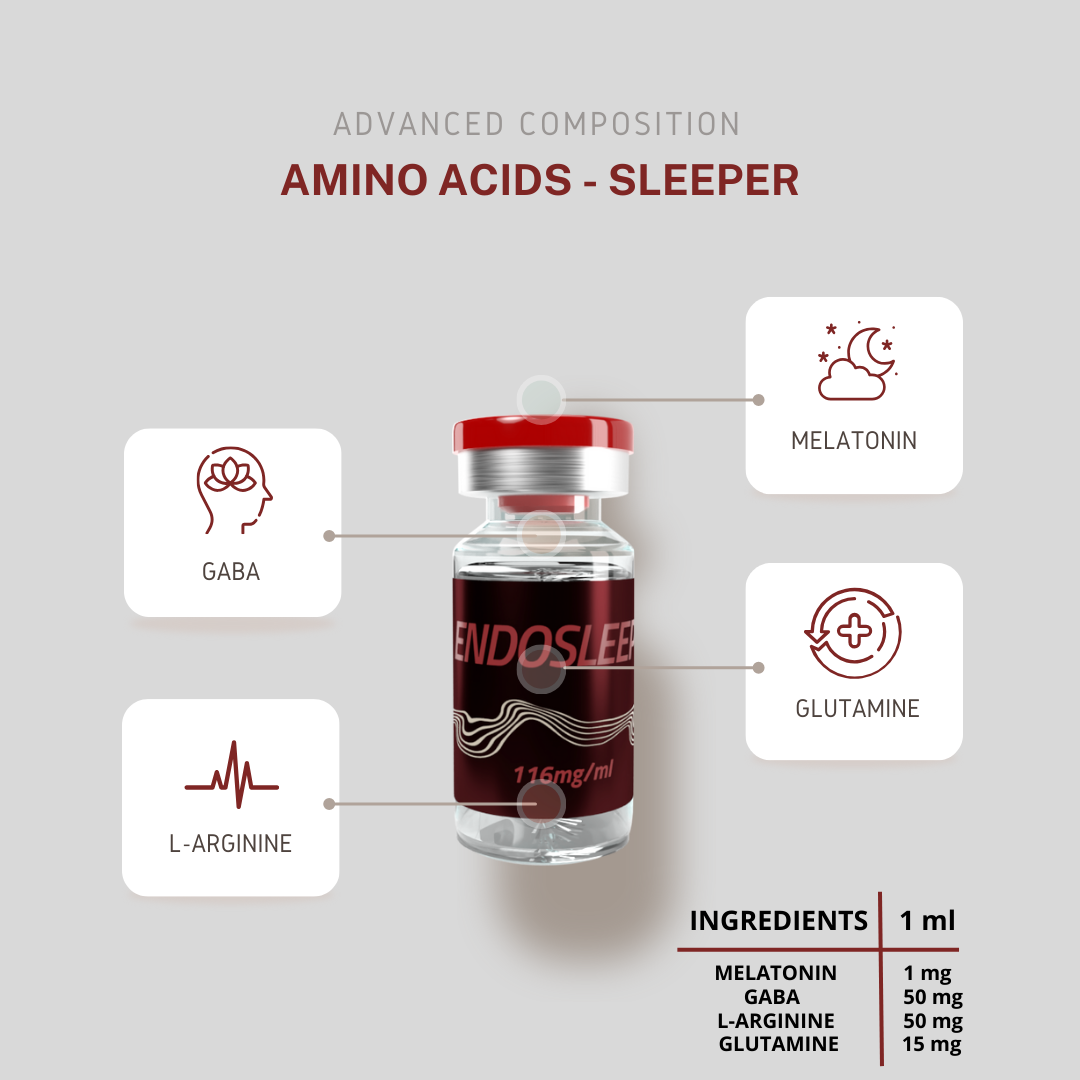
- EndoSleep sleep preparation - a mixture of melatonin with the amino acids GABA, L-glutamine and L-arginine.
- Melatonin shortens the time to fall asleep and synchronizes the circadian rhythm, amino acids support calmness and night regeneration.
Sleep is not a state of inactivity – it is the most metabolically active part of the day for your brain and the tissues you repair after training. The problem begins when you want to fall asleep but can’t. The latency to fall asleep, i.e. the time from turning off the light to the first phase of sleep, in a healthy person is 10–20 minutes.
When it constantly exceeds 30 minutes, we talk about difficulty falling asleep – and this is one of the most frequently reported sleep problems in the adult population. According to data cited by institutions such as the NIH and CDC, approximately one-third of adults do not get the recommended 7 hours of sleep per night, and sleep deprivation affects recovery, hormonal balance and training performance faster than most nutritional deficits.
EndoSleep hits exactly this point: it shortens the path to falling asleep and supports the calming of the nervous system before sleep. It combines melatonin – a hormone that tells the brain that it’s time to slow down – with three amino acids that work on the axis of calm and regeneration: GABA, L-glutamine and L-arginine.
It is not a single ingredient, but a mixture designed around two night tasks: falling asleep faster and regenerating better. As dietary supplement EndoSleep addresses occasional difficulty falling asleep, not clinical sleep disorders. This product provides active ingredients in an injectable form, taken 30-60 minutes before bedtime.
What is EndoSleep - a four-ingredient nighttime blend
EndoSleep is a dietary supplement built around one observation: good falling asleep and good regeneration are two different processes that require different tools. Melatonin initiates sleep and sets the biological clock. Calming amino acids (GABA, precursor L-glutamine) work on the tension of the nervous system. L-arginine supports the night regenerative component. Put together, these ingredients cover the sequence: calm down → fall asleep faster → regenerate in deep sleep.
- Melatonin — pineal hormone, a natural dark signal; shortens the latency to fall asleep and synchronizes the circadian rhythm
- GABA (γ-aminobutyric acid) — the main inhibitory neurotransmitter of the central nervous system; axis of calm and tension reduction
- L-glutamine — amino acid, metabolic precursor of GABA and glutamate; regeneration and relay pool support
- L-arginine — a precursor of nitric oxide (NO), associated with the nocturnal pulse of growth hormone (GH) during deep sleep
The logic of the mixture is sequential, not additive “all for all”. Melatonin opens the sleep window. GABA and L-glutamine reduce the level of arousal at which sleep is to occur. L-arginine targets the phase where the body actually repairs tissues. Each ingredient has its place in the night’s timeline – this is what separates a thoughtful blend from a random amalgamation of common names.
Active composition of EndoSleep
The table below shows the composition per daily portion. Read the exact milligram amounts from the packaging label or certificate of analysis (COA) of a specific batch – the ranges below correspond to typical weights for this class of mixtures.
| Component | Typical range per serving | Function in the mix |
|---|---|---|
| Melatonin | 1–3 mg | Reducing the latency to fall asleep, synchronizing the circadian rhythm (EFSA authorized claim) |
| GABA (γ-aminobutyric acid) | 100–500 mg | CNS inhibitory neurotransmitter – calming down, reducing tension |
| L-glutamine | according to the manufacturer’s label | GABA and glutamate precursor, regeneration support |
| L-arginine | according to the manufacturer’s label | NO precursor, support for nighttime GH secretion |
The exact amounts of melatonin, GABA, L-glutamine and L-arginine are declared by the manufacturer on the label and confirmed in the COA – when purchasing, verify the content of individual amino acids, because it determines the action profile. The mixture is based on four active ingredients plus a plant HPMC coating, without unnecessary fillers.
Mechanism of action - what each of the four ingredients does
The EndoSleep mixture has four axes of action, one per ingredient. I describe them from the perspective of the mechanism, but I end each one with a practical observation – because the mechanism itself without the night shift doesn’t tell you much.
Melatonin – a dark signal and a regulator of the biological clock
Melatonin is a hormone produced by the pineal gland in response to darkness. Its concentration increases in the evening and informs the suprachiasmatic nuclei of the hypothalamus – the body’s internal clock – that it is time to sleep. In practice, melatonin does not “put you to sleep” in the sense of a sleep aid; it shifts and sets the circadian rhythm and shortens the time needed to fall asleep.
This is why it is the ingredient of first choice when it is difficult to fall asleep and when sleep phases are shifted (shift work, change of time zones). The EFSA has authorized two health claims for melatonin: it helps reduce the time needed to fall asleep (when consuming 1 mg shortly before bed) and alleviates the subjective feeling of travel fatigue (jet lag, at 0.5 mg).
This is one of the few “sleep” ingredients whose effect on the latency to fall asleep is authorized by a European authority. A meta-analysis by Ferraciola-Oda et al. (2013) on people with primary sleep disorders showed a significant reduction in sleep onset latency and an increase in total sleep time compared to placebo.
GABA – the calming neurotransmitter (with an honest note about the barrier)
GABA, or γ-aminobutyric acid, is the main inhibitory neurotransmitter in the central nervous system. In the brain, it is responsible for “turning down” neuronal activity – a state that we subjectively experience as calmness and a decrease in tension. GABA receptors are the target of many sedative drugs, demonstrating how central this system is to sleep onset.
One thing requires honesty: GABA taken orally crosses the blood-brain barrier poorly. This means that its effect is not as simple as “you swallow GABA, GABA goes to the brain.” Part of the effect is attributed to peripheral mechanisms – stimulation of GABA receptors in the enteric nervous system and signaling to the brain via the vagus nerve (gut-brain axis).
Boonstra et al.’s (2015) review summarizes that the data on GABA as a supplement is mixed: some studies report effects on relaxation markers and sleep parameters, others are neutral, and the question of barrier penetration remains open. Therefore, we treat GABA as an ingredient supporting the calming axis, not as a guarantee of a central effect.
L-glutamine – metabolic precursor and regeneration support
L-glutamine is the most abundant free amino acid in the body and a precursor in the glutamate-GABA pathway. Glutamate (the primary excitatory transmitter) is a substrate for the production of GABA (the primary inhibitory transmitter) – both are produced in related metabolic pathways, and glutamine contributes carbon and nitrogen to this pool. In the context of sleep and regeneration, L-glutamine has a supporting function: it replenishes the pool of amino acids used intensively during training loads and repair processes occurring at night.
In practice, do not expect a sleep-inducing effect from L-glutamine – its role in this mixture is precursor and regenerative, not directly calming. It closes the GABA axis on the substrate supply side.
L-arginine – precursor of NO and the night pulse of growth hormone
L-arginine is an amino acid from which the body produces nitric oxide (NO), a signaling molecule that dilates blood vessels and is associated with microcirculation. In the context of the night, the second thread is more important: the highest daily pulse of growth hormone (GH) secretion occurs in the first hours of deep sleep (slow-wave phase).
Growth hormone participates in tissue regeneration, protein metabolism and reconstruction after exercise. L-arginine has been studied as an ingredient that affects basal GH secretion, so it goes into the mix to support the nighttime recovery component – a play on the sleep phase where the body repairs the most.
Sleep, circadian rhythm and why timing matters
To understand why EndoSleep is taken 30-60 minutes before bed, you need to look at two systems that regulate sleep. The first is the pressure to sleep, which increases with each waking hour (the longer you are awake, the stronger the need for sleep). The second is the circadian rhythm – an internal clock synchronized with light that determines the window in which sleep comes naturally.
Melatonin acts on the second system: it is a chemical signal “it’s getting dark”, which the biological clock reads as a command to prepare the body for sleep. The modern environment deregulates this signal. Artificial light in the evening, blue light screens, shift work and irregular sleep times suppress the natural evening increase in melatonin.
Effect: the biological clock receives conflicting information, the latency to fall asleep increases, and sleep becomes shallower. Supplementing with melatonin shortly before bed provides this missing dark signal in a predictable window of time – hence the importance of timing. Taken too early or too late, melatonin targets the wrong timing of the rhythm. Calming amino acids complete the picture from the side of pressure and tension.
If you go to bed with a head full of stimuli (training late in the evening, stress, caffeine from the first half of the day still present), even a normal melatonin signal competes with arousal. This is where GABA and L-glutamine come in – the calming axis, which is supposed to lower the level of activation at which sleep is supposed to occur.
Therefore, the mixture combines a clock controller with a quieting component: one sets “when”, the other lowers “how much arousal” is in the way.
Summary of benefits
EndoSleep is a preparation combining melatonin with three amino acids working on the axis of calm and night regeneration: GABA, L-glutamine and L-arginine. The mixture covers the night sequence – melatonin shortens the time to fall asleep and sets the biological clock (EFSA authorized statement, Ferracioli-Oda 2013 meta-analysis), GABA and L-glutamine support the calm-down axis, and L-arginine targets the nocturnal regenerative component associated with the growth hormone pulse in the deep sleep phase.
Taken 30-60 minutes before bedtime, in a fixed time window and with low light, it provides predictable support for falling asleep. Human data is strongest for melatonin – the other ingredients have a supporting function, which we write about honestly. Supplement status, ingredients not on the WADA list, quality control with COA per batch. If your main goal is mood and sleep via the serotonin pathway, a natural supplement is 5-HTP for mood and sleep — precursor of serotonin, from which endogenous melatonin is produced.
In turn, for people looking for targeted support for deep sleep phases, it is a separate tool DSIP – deep sleep peptide. The broader context of the classification of compounds that support brain function and calm is discussed in the review nootropic substances – what they are and when to use them.
Scientific sources
- Ferracioli-Oda E, Qawasmi A, Bloch MH (2013). Meta-analysis: melatonin for the treatment of primary sleep disorders. PubMed
- Boonstra E, de Kleijn R, Colzato LS, Alkemade A, Forstmann BU, Nieuwenhuis S (2015). Neurotransmitters as food supplements: the effects of GABA on brain and behavior. PubMed
- Auld F, Maschauer EL, Morrison I, Skene DJ, Riha RL (2017). Evidence for the effectiveness of melatonin in the treatment of primary adult sleep disorders. PubMed
- EFSA Panel on Dietetic Products, Nutrition and Allergies (NDA) (2011). Scientific Opinion on the substance of a health claim related to melatonin and reduction of sleep onset latency. EFSA Journal
FAQ
Morning drowsiness is the most common side effect of melatonin and occurs mainly when the dose is too high or taken too late at night. If you wake up with a heavy head, consider a lower dose rather than a higher dose – in the case of melatonin, the dose-effect relationship is not linear, and smaller doses are often enough to help you fall asleep faster. Also, make sure you have a full sleep window (7-9 hours), because waking up in the middle of the cycle increases lethargy.
That’s a fair question. GABA taken orally does not cross the blood-brain barrier well, so its effect is not as direct as intuition would suggest. Part of the effect is attributed to peripheral mechanisms – stimulation of GABA receptors in the enteric nervous system and signaling to the brain via the vagus nerve (gut-brain axis).
The data is mixed, which is why we treat GABA as an ingredient supporting the axis of calm, and the main ingredient that shortens falling asleep remains melatonin. If you’re interested in a separate, sleep-focused mechanism, it’s worth exploring peptides for sleep as a separate category of tools.
Do not combine EndoSleep with alcohol or sedatives, hypnotics and anti-anxiety drugs – the sedative effect adds up and may cause excessive drowsiness. Be careful with anticoagulants and blood pressure lowering drugs (L-arginine affects blood pressure via the NO pathway). People with autoimmune diseases, depression or epilepsy, as well as pregnant and breastfeeding women should consult their doctor. Do not drive after admission.
Melatonin does not have the addictive potential typical of classic hypnotic drugs (e.g. benzodiazepines) – it does not act on receptors in a way that builds tolerance and physical dependence in an analogous way. The amino acids in the mixture are compounds naturally present in the body and diet. Nevertheless, this is not a reason to use it indefinitely – for occasional sleep difficulties, the mixture works temporarily, and for chronic problems, consult a doctor instead of treating the supplement as a permanent solution.
0.0
0 reviews
This product has no reviews yet.