


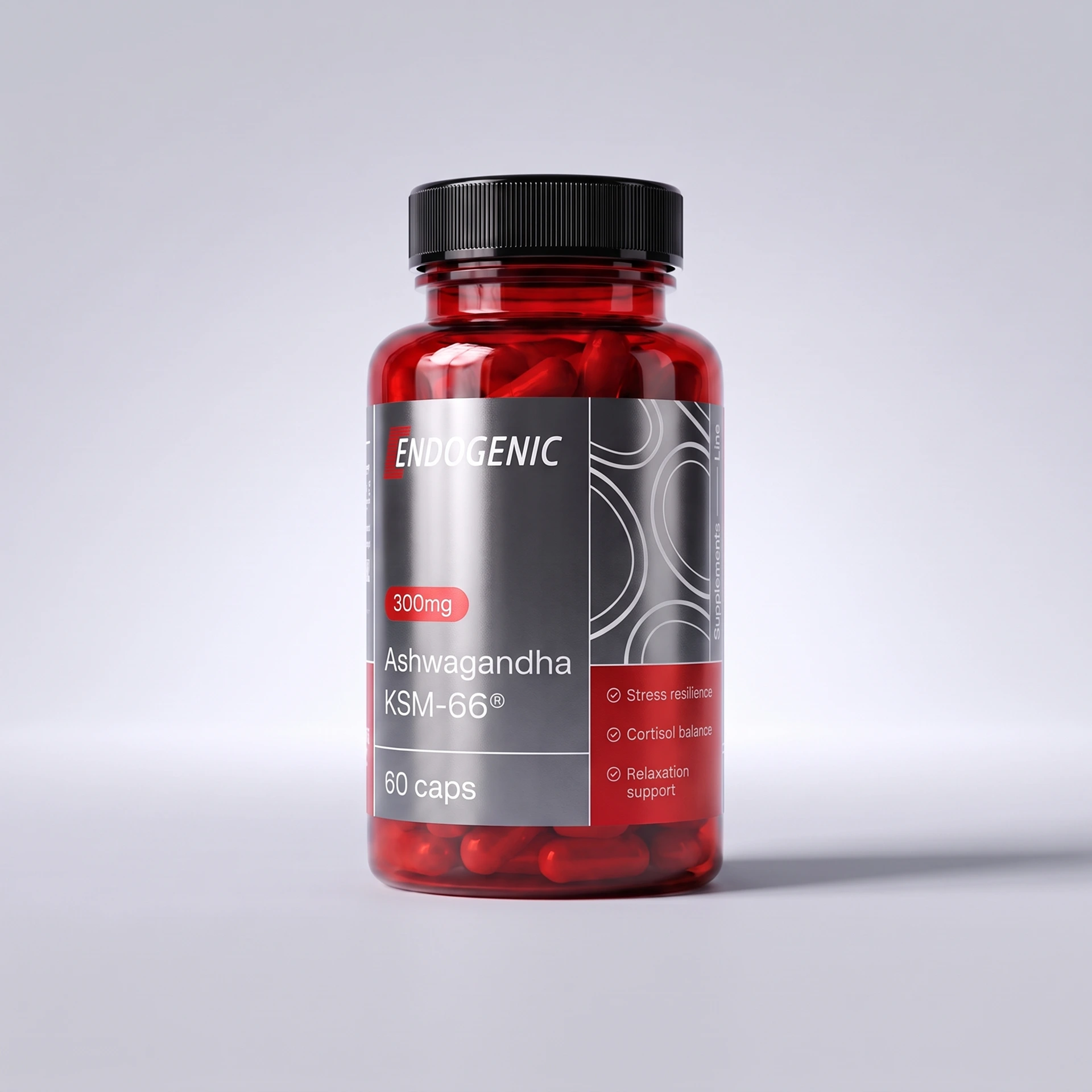

New arrivals
Other categories
10 products
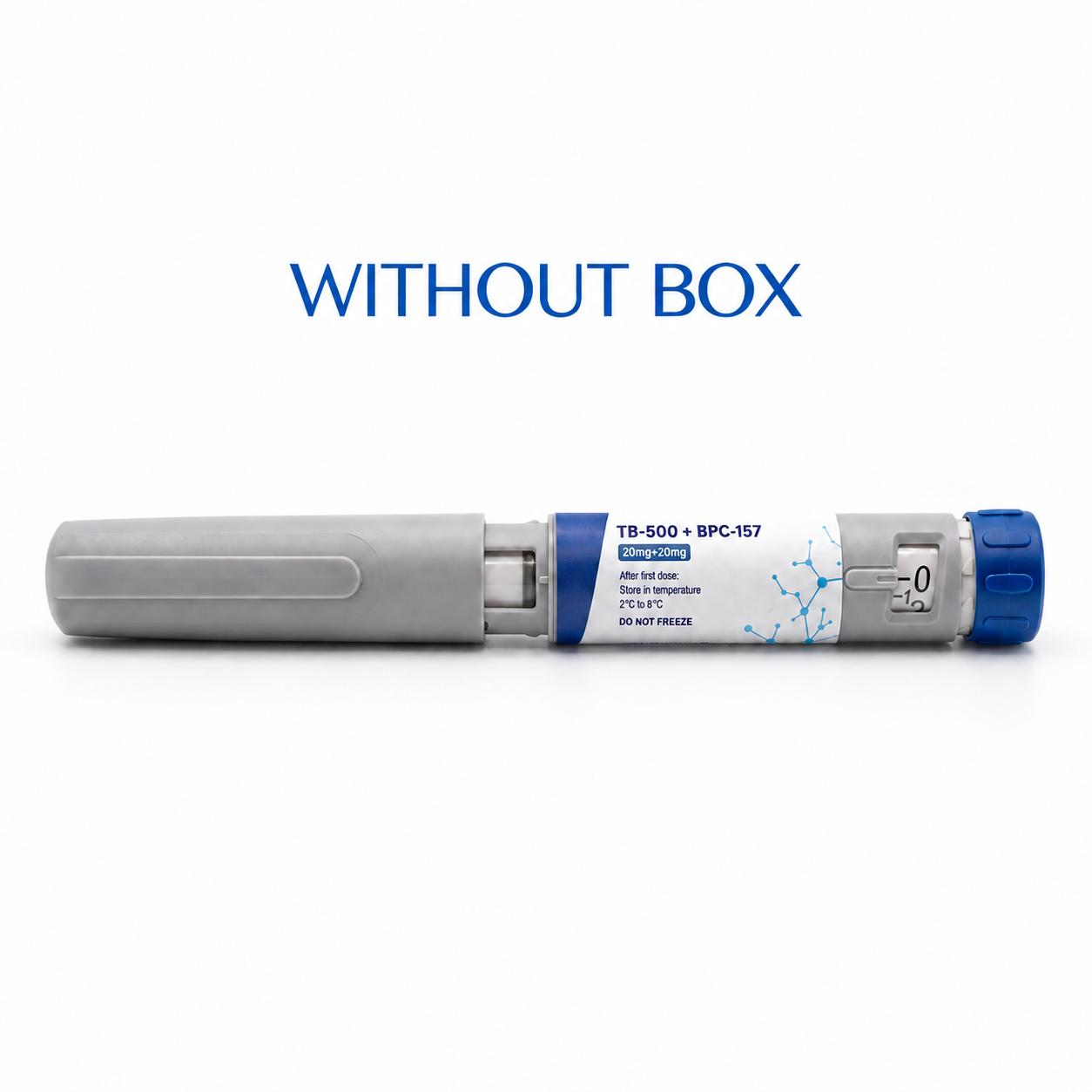

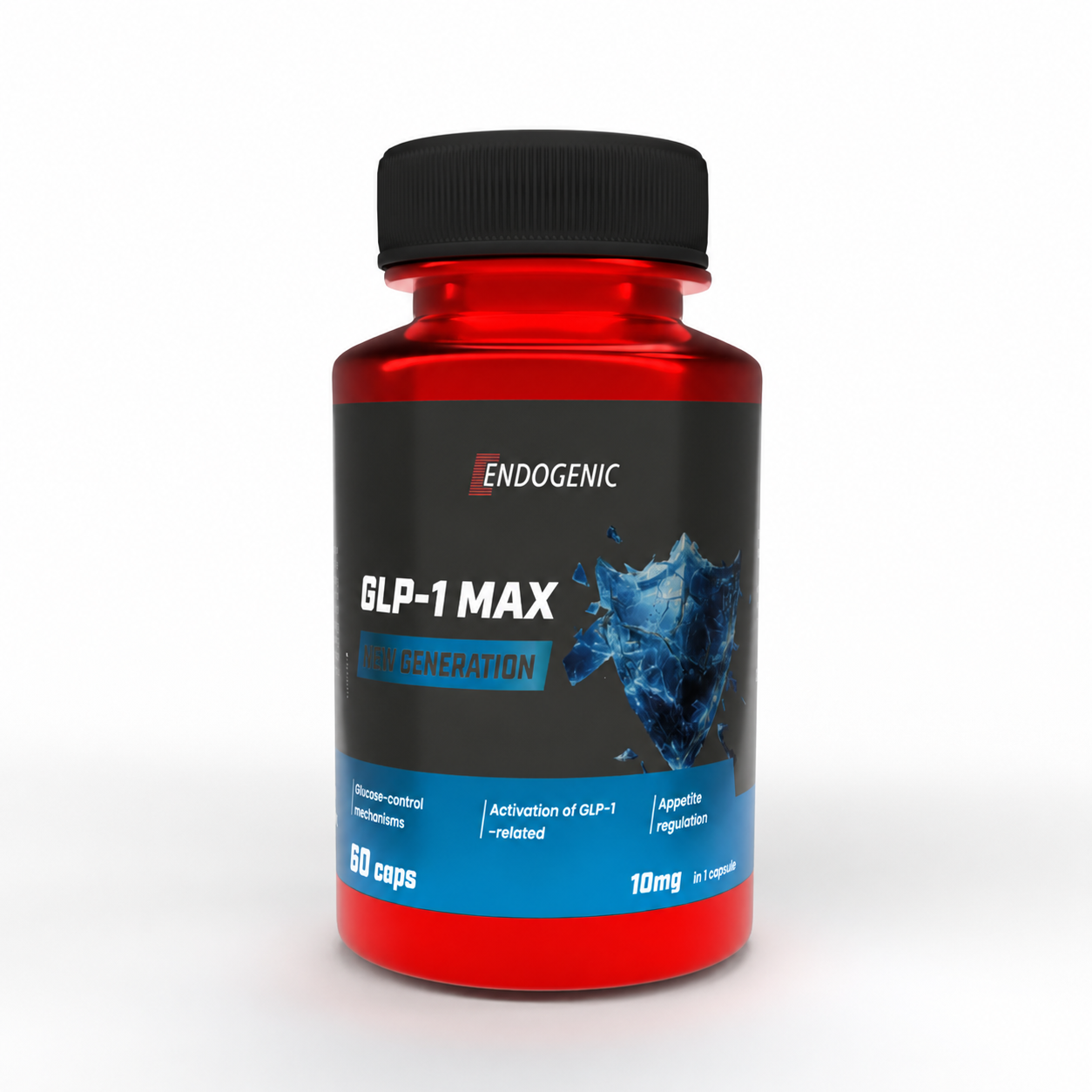


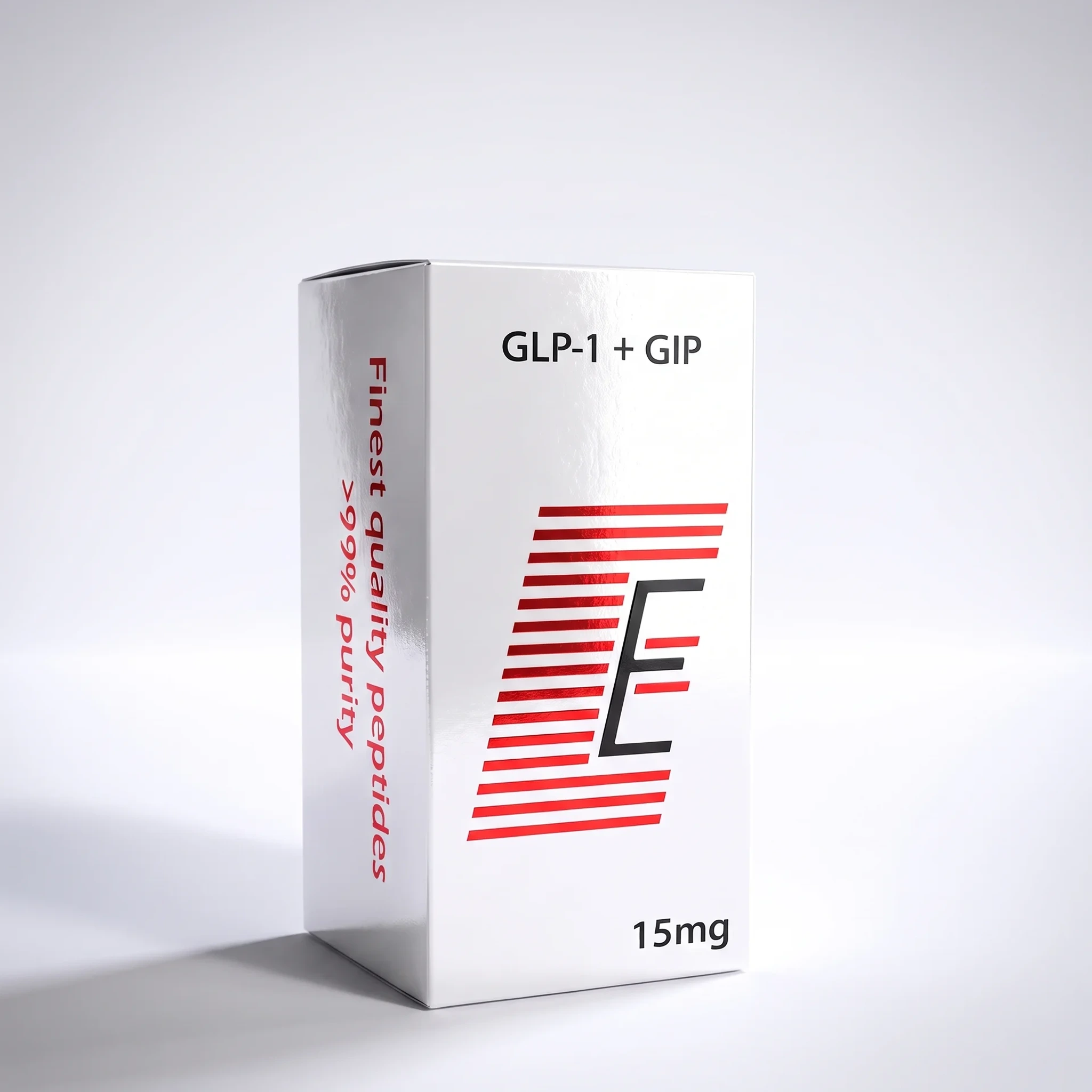
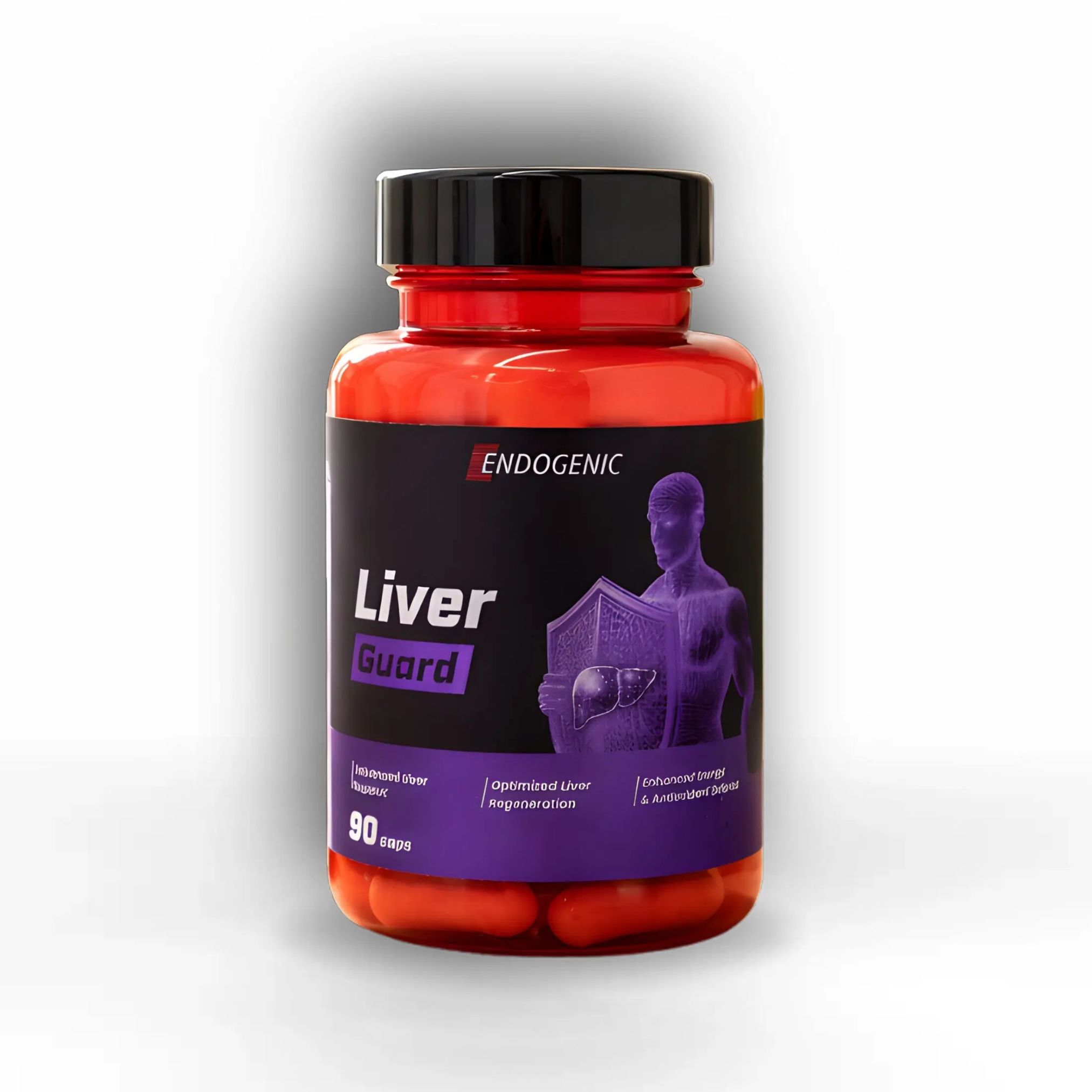
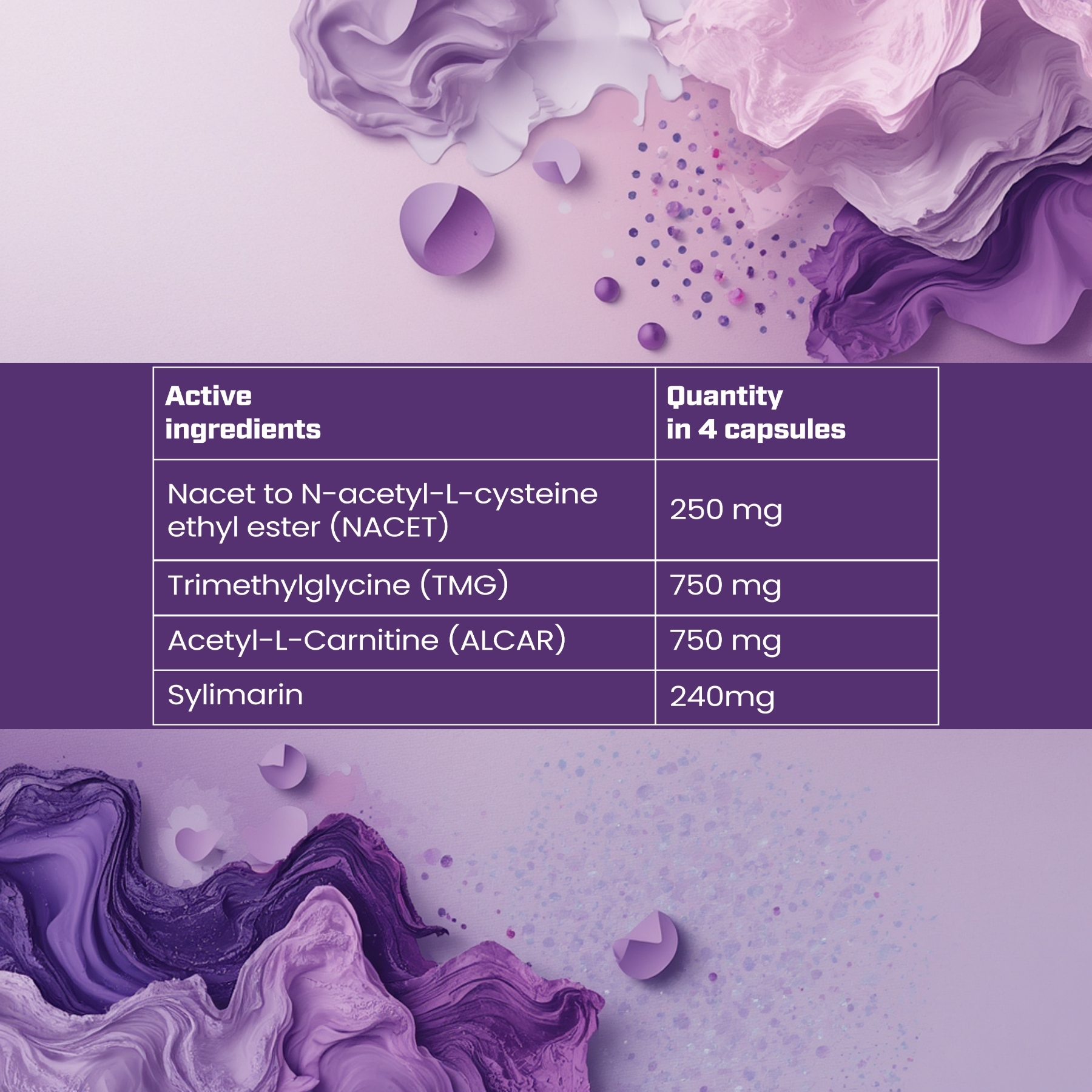
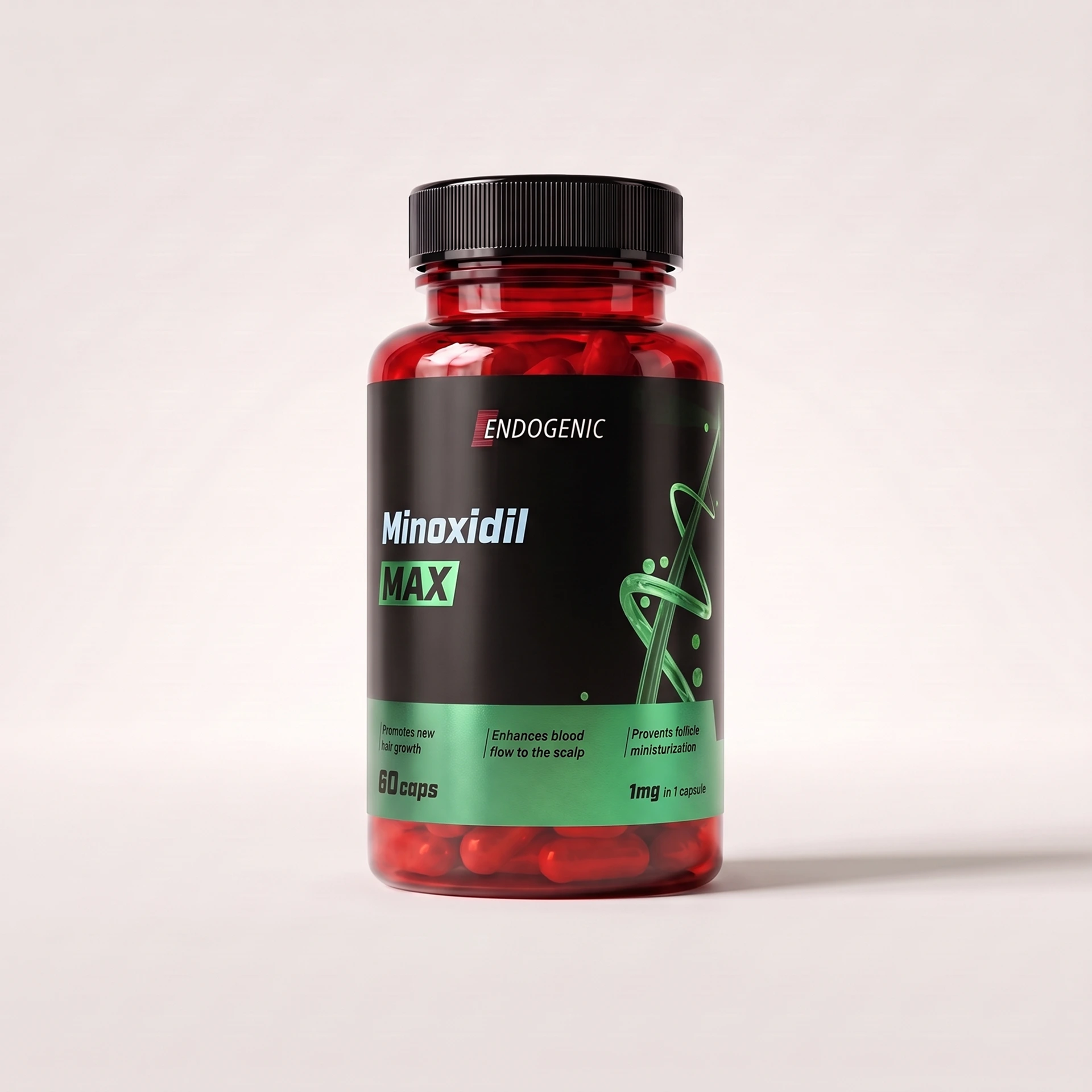
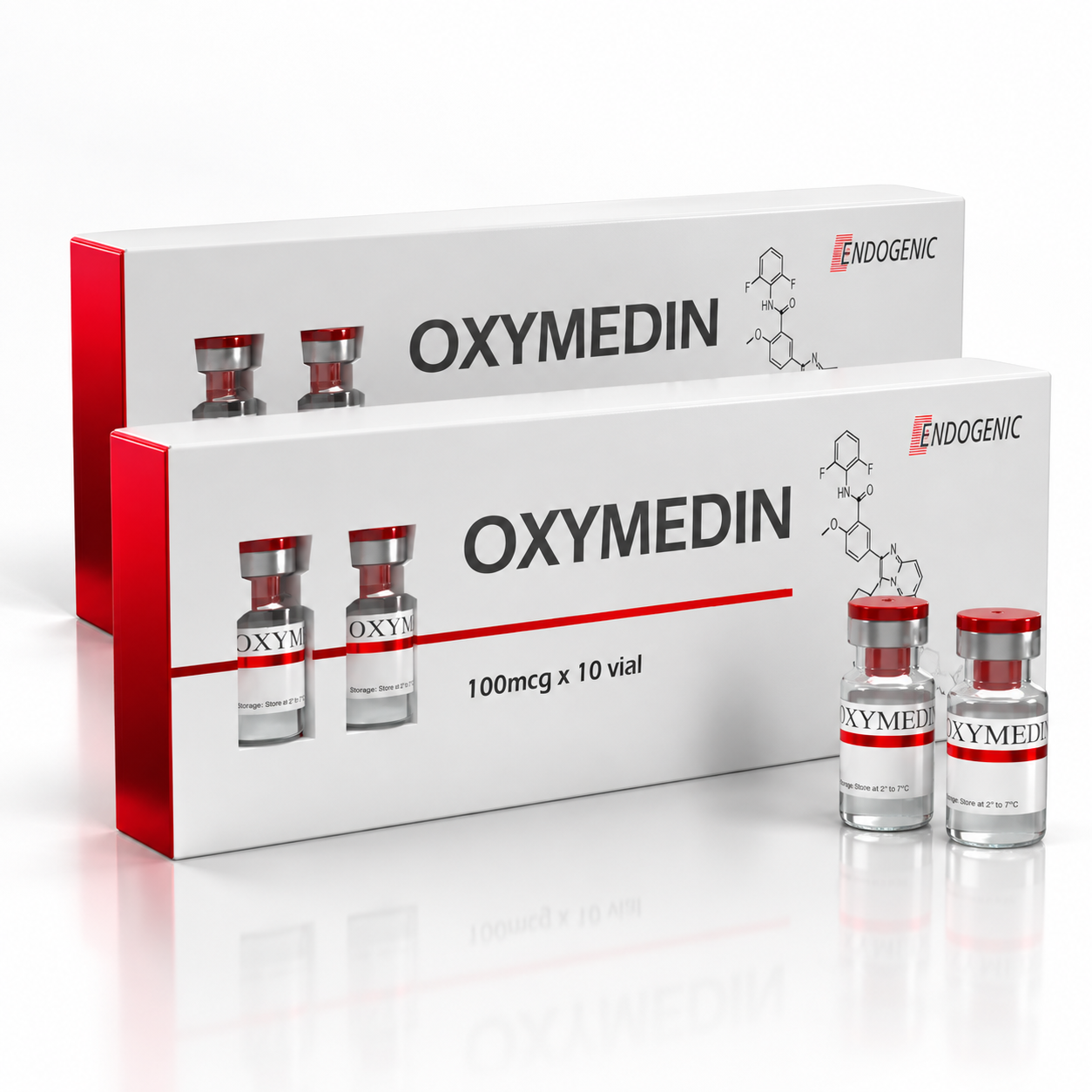
Black Week
Black Week deals before everyone else
Sign up for the newsletter and get access to the Black Week promotion before other customers.
By signing up you agree to receive the Pro-Body newsletter with news and promotions. You can unsubscribe at any time with one click in the e-mail. Privacy policy
New arrivals – the latest research reagents in the Pro-Body catalogue (Endogenic line, RUO)
New Endogenic line releases land here first and only later find a permanent place in their target families within the range. The contents change with every new batch of reagents, so we describe a map of what appears rather than a fixed list of items. The category is for researchers who follow new molecules, new administration forms and concentration variants, and who want to be the first to know what material has entered the range. Research Use Only principles apply: these are reagents for laboratory research, not preparations for use in humans.
In practice, New arrivals spans the full breadth of the catalogue: regenerative, metabolic and nootropic peptides, SARMs and metabolic modulators, small molecules and laboratory accessories. On top of that come new administration forms, such as PEN applicators, nasal spray solutions and ready-made kits, as well as concentration variants of molecules already on offer. That is why, instead of listing items, this description organises the families the new releases belong to.
What you will find in New arrivals
Each family has its own research focus and its own overview page listing all the related reagents.
Peptides: regenerative, metabolic, nootropic
This is the largest group of new releases. New peptides enter the range in the regenerative family (angiogenesis and cytoprotection), the metabolic family (incretin analogues and molecules that affect energy balance) and the nootropic family (neuromodulation and neurotrophic signalling). You will find the full overview in the umbrella peptides category.
SARMs and metabolic modulators
New arrivals also include androgen receptor modulators and small molecules acting on nuclear receptors and metabolic pathways (agonists of PPARδ, REV-ERB and related receptors). They have a separate regulatory status, and many of them are on the WADA Prohibited List. They are collected in the SARMs and modulators category.
New forms and kits
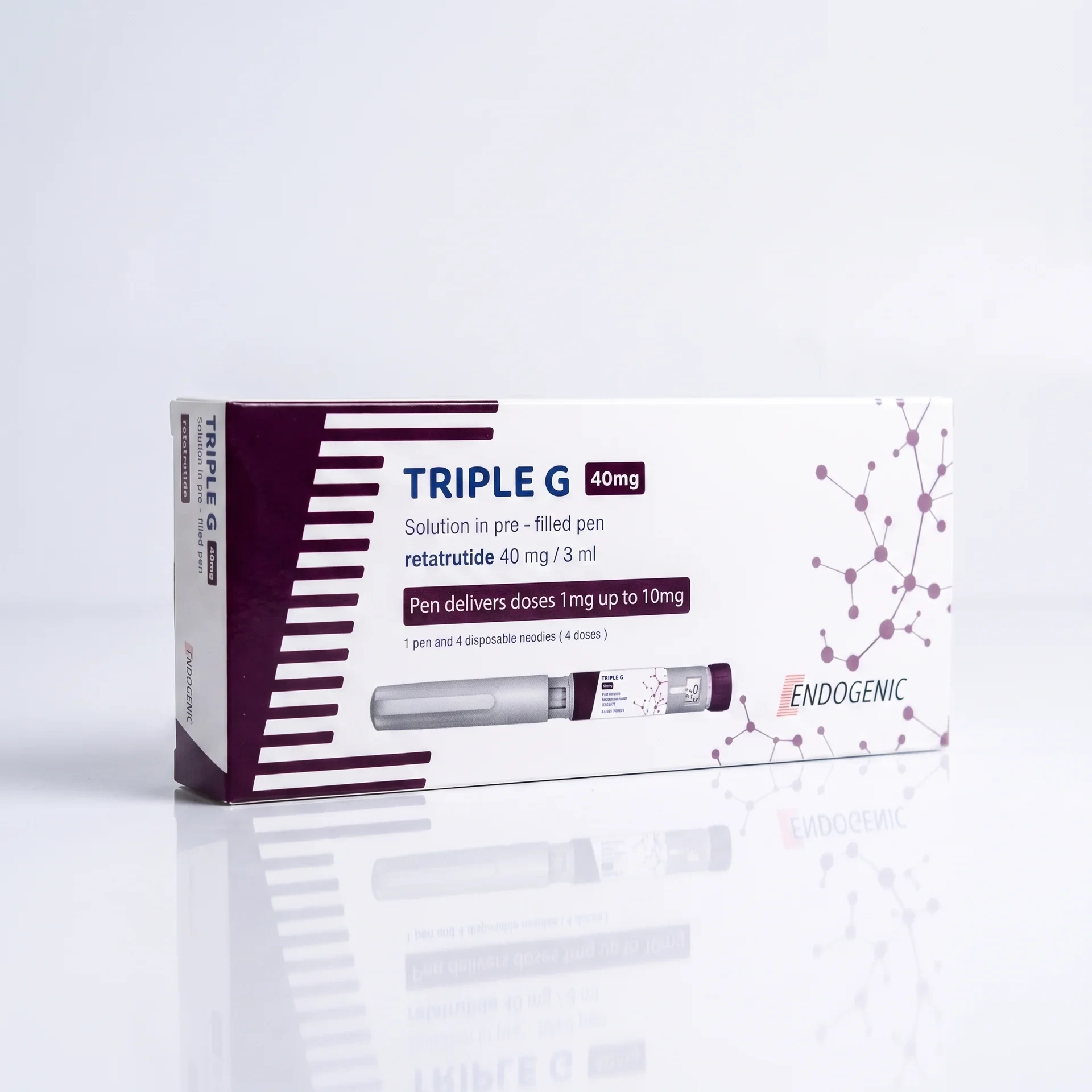
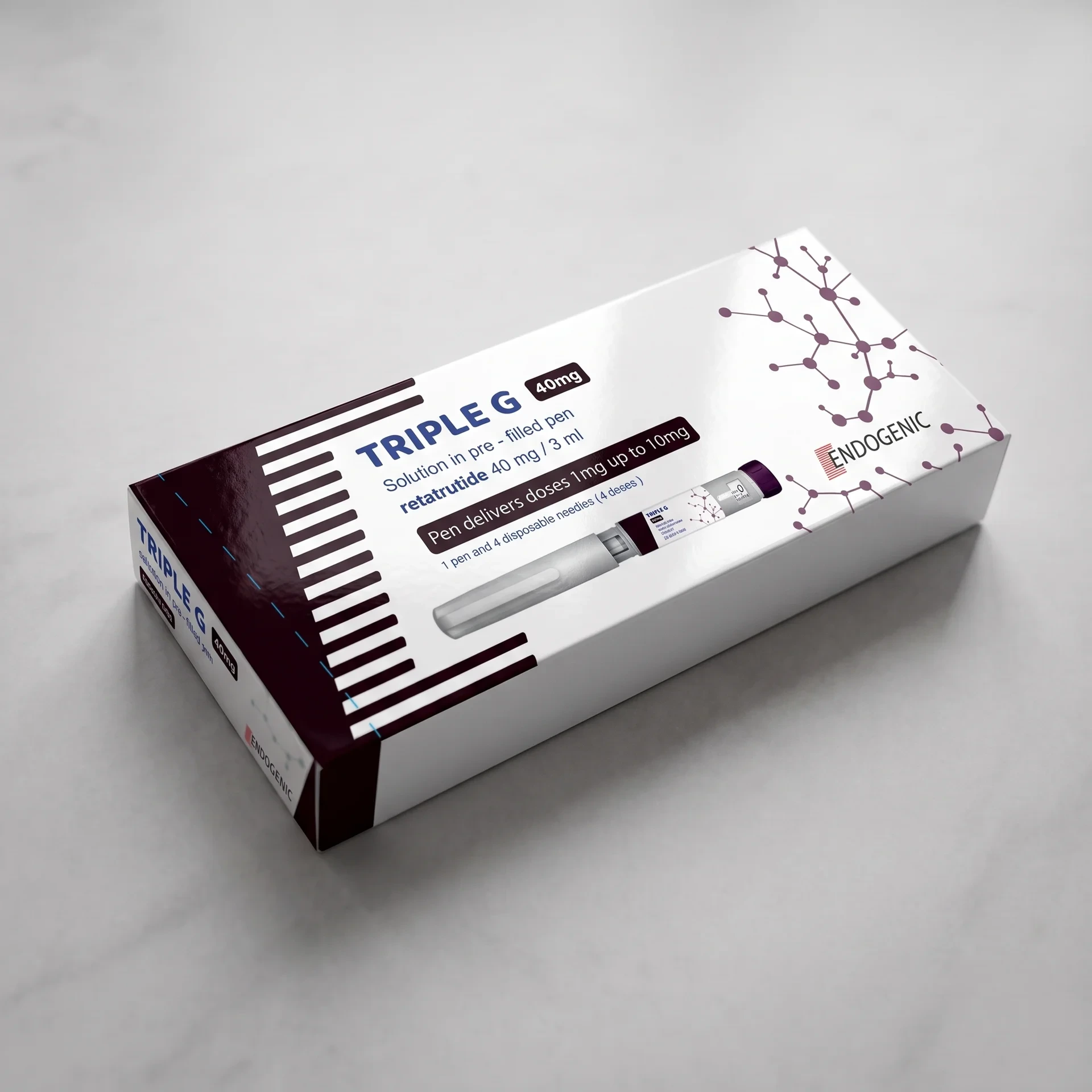
Some new releases are new forms of established reagents: PEN applicators with a factory-prepared solution, nasal sprays for molecules with a precedent for this route of administration, and ready-made kits combining complementary reagents. The form and ease of handling change; the RUO status stays the same.
Regulatory status depends on the product
New arrivals groups reagents with different statuses, so the status is checked on the page of each specific product. Some new releases have counterparts authorised as medicines, e.g. the GLP-1 incretin family, with counterparts in Ozempic®/Wegovy® and Mounjaro®/Zepbound®. These are separate regulatory entities, and an RUO reagent is not a substitute for a medicine. Some are on the WADA Prohibited List: growth hormone axis peptides, SARMs and metabolic modulators. Before any decision, check the product page and its COA. Athletes registered in the ADAMS system must also check the current WADA list.
Applications in scientific research
The category spans many families and equally varied research directions. Working concentrations and the route of administration are chosen by the researcher according to the protocol methodology, and the category gives no doses or schedules. Typical applications:
- Characterisation of new molecules: confirming identity, purity and mass by HPLC and MS in the batch COA before inclusion in an experiment
- Within-family comparisons: profiling a new analogue against reference molecules in the same receptor model
- Testing new administration forms: assessing the stability and reproducibility of factory-prepared solutions (PEN) and of formulations for application to the nasal mucosa
- Metabolic, regenerative and neuromodulation research: depending on the family a new release belongs to
- Validation of concentration variants: checking that the declared and measured concentrations match in new pack formats
Scientific perspective
The date an item enters the catalogue says nothing about the strength of the scientific evidence. Some new releases are compounds with an extensive preclinical literature; others are molecules that have only recently been studied. The observations attributed to these reagents come from cellular and animal models. Extrapolation to humans calls for caution.
Important distinction
“New arrivals” is a label that organises the catalogue by the date items enter the range. It does not imply an advantage over items available earlier: a newer reagent is not “better” or “more potent”. Messages such as “the new weight-loss product” or “the latest mass peptide, no prescription needed” breach RUO principles.
Forms available in this category
Because New arrivals collects new releases from every family, the full range of forms appears here:
- Vial with lyophilisate: a dry form for the researcher to reconstitute. The researcher selects the solvent and working concentration
- PEN (multi-dose applicator): a factory-prepared solution in an applicator calibrated for a series of repeatable withdrawals
- Nasal spray: a solution in an applicator for delivery to the nasal mucosa, for molecules with a precedent for this route
- Capsules: an oral form for small molecules and selected blends
- Kits and accessories: sets of complementary reagents and materials for reconstitution and application
Frequently asked questions (FAQ)
What goes into the New arrivals category?
New releases in the Pro-Body catalogue from every Endogenic line family: new molecules, new administration forms (PEN, nasal spray, kits) and concentration variants. The contents change along with the range, so the category describes a cross-section of families rather than a fixed list of items.
Does “new” mean more effective?
No. The date an item was added to the range is logistical information, not a measure of the strength of evidence. All items are Research Use Only materials, described by results in models, not by an effect in humans.
What regulatory status do new arrivals have?
It varies, so it is checked on the page of each specific product. Some new releases have medicinal counterparts (the GLP-1 family), and some are on the WADA Prohibited List. An RUO reagent is not a substitute for a medicine.
How can the identity of a new reagent be confirmed?
Through the batch certificate of analysis (COA): sequence and mass for peptides, HPLC and MS analysis for small molecules. Every Pro-Body batch has a COA.