Minoxidil itself (the native form) is an inactive prodrug: it does not bind the SUR subunit of the K-ATP channel. Pharmacological activity requires sulfation at the N-oxide group (position 3) to form minoxidil sulfate, the actual K-ATP ligand. Sulfation takes place mainly in the liver through the sulfotransferase SULT1A1. The activity of this sulfotransferase shows significant interindividual and interspecies variability, with implications for the design of research protocols.
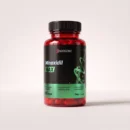
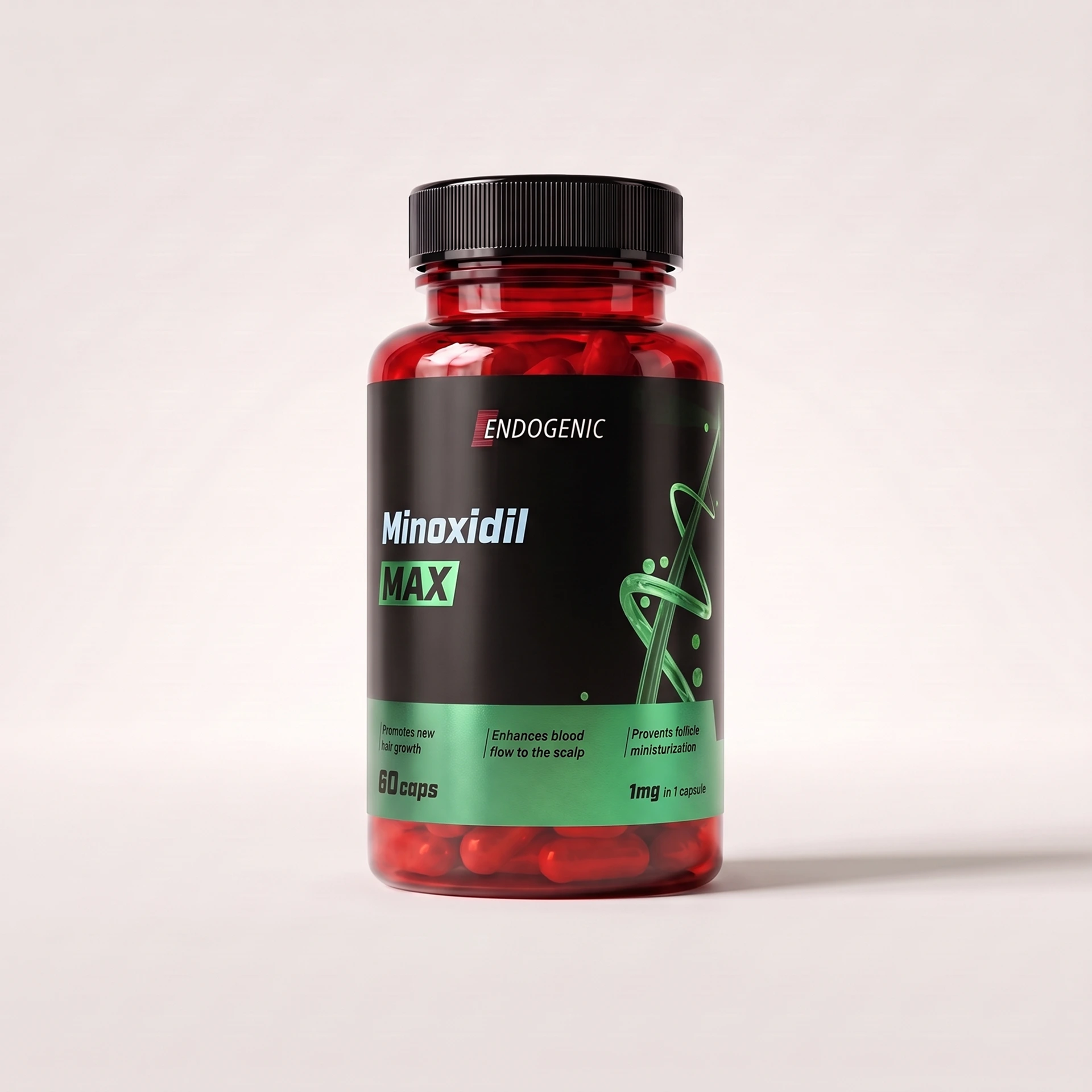
Minoxidil MAX 60 caps
Minoxidil MAX 1 mg 60 caps is a classic K-ATP channel opener (SUR2B/Kir6.1 activator) and a direct vasodilator — a research reagent in oral capsule form for studying the mechanisms of cardiovascular pharmacology, hair follicle biology and SULT1A1 pharmacogenetics. HPLC purity ≥98%, MS confirmation, COA for each batch. Research Use Only — it is not a substitute for registered minoxidil-based medicines.
37,99 €
Fast shipping
Delivery options
Free delivery from 350 €
Returns policy
Minoxidil MAX 1 mg 60 caps — K-ATP channel opener, research reagent in capsules
- Minoxidil: K-ATP channel opener.
- 1 mg, 60 capsules.
- Research Use Only reagent, not a medicinal product.
Minoxidil – Chemical reagent intended exclusively for laboratory research (Research Use Only). It is not a medicinal product, dietary supplement or food. It is not intended for use in humans or animals. Sold exclusively to registered research units and laboratories.
Minoxidil is a small-molecule organic compound from the group of pyrimidine N-oxide derivatives, pharmacologically classified as a direct opener of ATP-sensitive potassium (K-ATP) channels. Originally developed by Upjohn in the 1960s as a candidate drug for peptic ulcer disease — after an unsuccessful clinical phase in its original indication, the observation of a pronounced hypotensive effect led to the repurposing of its development toward severe arterial hypertension (FDA approval 1979 as Loniten®).
A second important development direction emerged from the observation of hypertrichosis as a side effect in hypertensive patients — this direction opened the development of topical preparations (Rogaine® FDA 1988, OTC).
This reagent is supplied in a format of 60 oral capsules containing 1 mg of minoxidil each — a form adapted to oral bioavailability studies and chronic exposure protocols in rodent in vivo models. The concentration of 1 mg per capsule allows precise standardization of microdoses in long-term research protocols on K-ATP mechanisms, vasodilation and hair follicle signaling. Purity verified by HPLC ≥98%, identity confirmed by mass spectrometry, COA available for each batch.
General description — K-ATP channel and vasodilation context
ATP-sensitive potassium (K-ATP) channels are octameric complexes composed of four nucleotide-sensitive SUR subunits (Sulfonylurea Receptor — SUR1 or SUR2) and four pore-forming Kir subunits (Inward Rectifier — Kir6.1 or Kir6.2). They are expressed in vascular smooth muscle cells (SUR2B/Kir6.1), pancreatic β cells (SUR1/Kir6.2), cardiomyocytes (SUR2A/Kir6.2) and hair follicles. Channel opening leads to efflux of potassium ions from the cell, membrane hyperpolarization and — in the case of vascular smooth muscle — relaxation and vasodilation.
Minoxidil is one of the most pharmacologically well-characterized K-ATP openers alongside diazoxide, pinacidil and nicorandil. Its pharmacological activity requires metabolic activation — the hepatic sulfotransferase SULT1A1 converts minoxidil into the active metabolite minoxidil sulfate, which is the actual ligand of the K-ATP channel. This distinction has important pharmacogenetic consequences: individuals with low SULT1A1 expression show a reduced pharmacological response to minoxidil in in vitro models — a fact also observed in the therapeutic response to topical preparations (Buhl et al. 1990).
The pharmacology field observes minoxidil for three reasons. First, as a classic research tool for K-ATP pharmacology — a reference ligand in studies of the tissue selectivity of K-ATP openers. Second, as a model compound in hair follicle biology research — the mechanism of Wnt/β-catenin pathway activation, VEGF expression and maintenance of the anagen phase in rodent models and dermal papilla cell cultures (DPC, Dermal Papilla Cells).
Third, as a prototype of a metabolically activated prodrug — the sulfotransferase SULT1A1 as the activating enzyme is a paradigm for modern pharmacogenetic research.
INTENDED FOR RESEARCH PURPOSES! All the above-mentioned properties are observed in laboratory tests, not performed on humans, they are for information purposes only. All information contained in the descriptions has not been approved by GIS, GIF or EFSA. The substance is not a medicine, food product or dietary supplement and is therefore not suitable for human consumption.
The product qualifies as a chemical reagent/reference material authorized for marketing in the EU. It can only be used for scientific research. Other information about the agent is included in the safety data sheet for the chemical substance, which we make available for viewing. Products are available only to institutions or private individuals associated with research or laboratory activities.
What is minoxidil?
Chemically, minoxidil is a low-molecular-weight organic pyrimidine compound.
- Common name: minoxidil
- Chemical name (IUPAC): 6-(piperidin-1-yl)-2,4-pyrimidinediamine 3-oxide
- Synonyms: 2,4-diamino-6-piperidinopyrimidine 1-oxide, U-10858
- CAS number: 38304-91-5
- Molecular formula: C₉H₁₅N₅O
- Molar mass: 209.25 g/mol
- Chemical class: pyrimidine N-oxide derivative; ATP-sensitive potassium channel opener (K-ATP opener); direct vasodilator
- Supplied form: hard HPMC capsule (vegan), 1 mg of active substance per capsule, 60 capsules; pharmaceutical grade ≥98% HPLC
- Active metabolite (in vivo): minoxidil sulfate (sulfated at the 3-N-O position of the oxide group) — the actual K-ATP ligand, generated by hepatic SULT1A1
SCIENTIFIC PERSPECTIVE Most pharmacological data on minoxidil come from phase II/III clinical trials conducted in the context of the Loniten® registration (FDA 1979) and from preclinical models (mouse, rat, laboratory pig). The SULT1A1-dependent pharmacogenetic profile means that extrapolating data from animal models to humans and vice versa requires accounting for interspecies differences in the activity of this sulfotransferase.
Mechanism of action
Minoxidil acts after conversion to its active metabolite — minoxidil sulfate — which binds the SUR subunit of the K-ATP channel and induces its opening. The pharmacological mechanism involves five interconnected pathways. Signaling cascade after oral administration (animal in vivo model / clinical context):
- Metabolic activation in the liver — minoxidil (the native form) is sulfated by the hepatic sulfotransferase SULT1A1 into minoxidil sulfate (~10–20% of the oral dose; the remainder is eliminated unchanged in the urine). Sulfation is essential for pharmacological activity — minoxidil itself, without sulfation, does not activate K-ATP
- Opening of K-ATP channels in vascular smooth muscle — minoxidil sulfate binds the SUR2B subunit in the SUR2B/Kir6.1 complex, inducing channel opening and K⁺ efflux from the cell; membrane hyperpolarization leads to closure of L-type calcium channels (Ca_v1.2), a drop in intracellular Ca²⁺ concentration and smooth muscle relaxation
- Peripheral (arterial) vasodilation — the net effect: a marked drop in peripheral resistance, mainly at the level of small arteries and arterioles; a 15–25% drop in diastolic pressure in mammals at clinical doses (the mechanism underlying its registration as an antihypertensive drug). Vasodilation induces reflex activation of the sympathetic system — tachycardia, sodium and water retention, edema
- K-ATP opening in hair follicles — increased hair growth — in dermal papilla cells (DPC) and hair follicle stem cells, minoxidil sulfate activates K-ATP, inducing prolongation of the anagen phase (active growth) and shortening of the telogen phase (rest); it simultaneously activates the Wnt/β-catenin pathway and VEGF (Vascular Endothelial Growth Factor) expression — the mechanism underlying the hypertrichosis observed in rodent models
- Prostaglandin modulation — minoxidil sulfate activates prostaglandin H synthase (PGHS) in hair follicle cells — a second pathway affecting hair biology, independent of K-ATP (Messenger & Rundegren 2004)
In C57BL/6J and C3H/HeJ mouse models, chronic exposure to minoxidil sulfate applied to the skin induced a marked conversion of hair follicles from telogen to anagen over a period of 2–4 weeks; the effect is also observed in androgenetic alopecia models in stainforth mice (DHT-dependent disorders). Pharmacokinetic profile (based on clinical data):
- Oral bioavailability of minoxidil (parent compound): ~90%
- Conversion to minoxidil sulfate (active metabolite): ~10–20% of the dose (SULT1A1-dependent)
- Plasma T½ of minoxidil in humans: ~4 h
- T½ of minoxidil sulfate: longer due to protein binding; the pharmacodynamic effect phase is significantly longer than the plasma T½
- Elimination: mainly renal (~90% of the dose in urine; about 12% unchanged, the rest as sulfated and glucuronidated metabolites)
- BBB penetration: minimal (polar compound)
Applications in scientific research
Minoxidil is used in research work in several areas. In in vivo models (C57BL/6J mouse, C3H/HeJ mouse, Wistar rat), its effect on arterial pressure, vascular resistance, hair follicle biology and SULT1A1 pharmacogenetics is studied. In in vitro models (vascular smooth muscle cells, H9c2 cardiomyocytes, dermal papilla cells DPC, HaCaT keratinocytes), studies are conducted on K-ATP receptor affinity, activation kinetics and the effect on the expression of the Wnt/β-catenin and VEGF pathways. Specific research directions include:
- K-ATP pharmacology — tissue selectivity — minoxidil as a reference SUR2B/Kir6.1 (vascular) ligand; comparison with diazoxide (SUR1/Kir6.2 — β cells), pinacidil, nicorandil
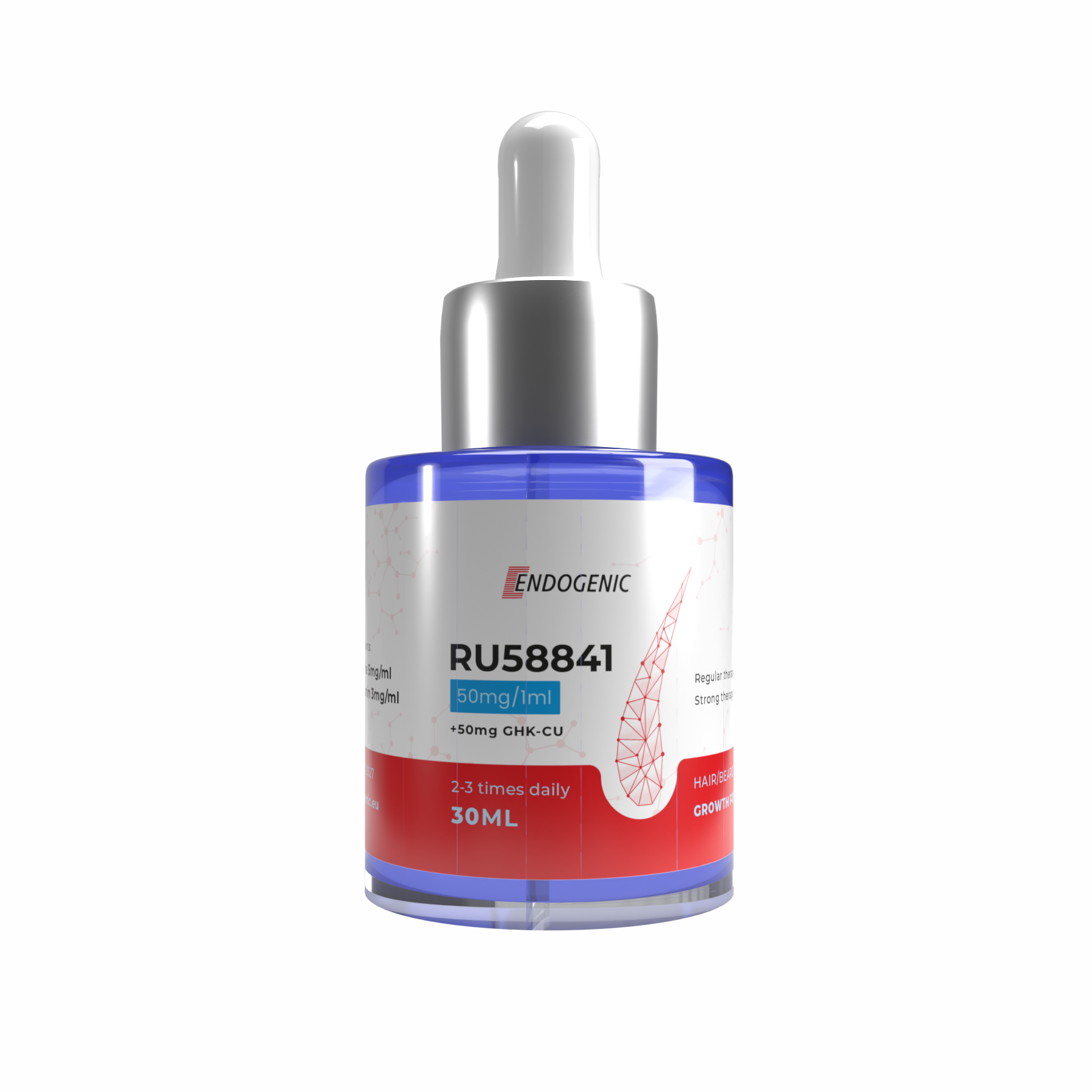
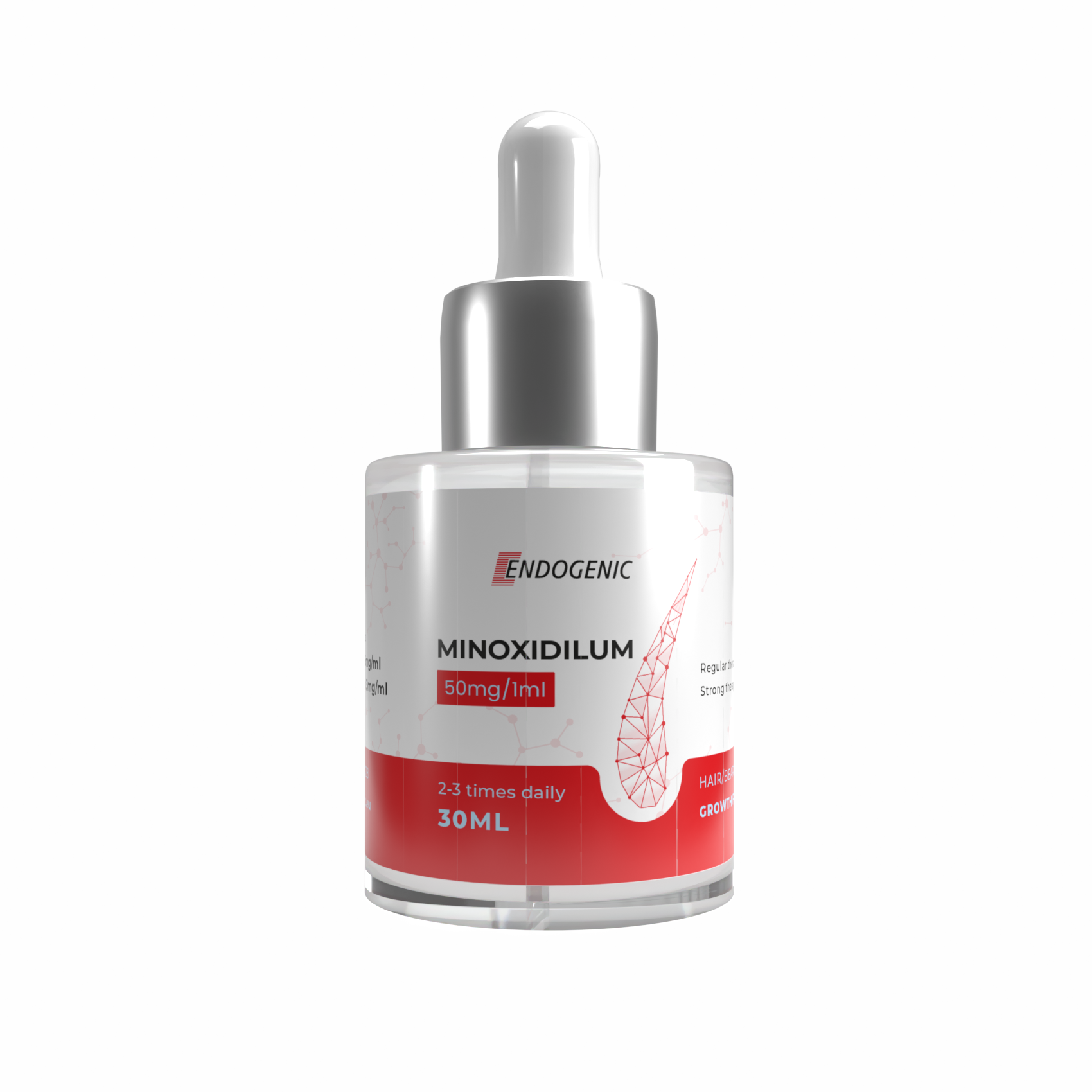
- Hair follicle biology — telogen → anagen transformation models, Wnt/β-catenin pathway and VEGF expression, dermal papilla cell studies; a classic tool complement in this area is the topical Minoxidil 50mg/1ml form used in ex vivo application study protocols
- SULT1A1 pharmacogenetics — models of the influence of SULT1A1 polymorphisms on the conversion of minoxidil to its active metabolite; response prediction in rodent and in vitro models
- Heart failure and cardioprotection — K-ATP channels in cardiomyocytes (SUR2A/Kir6.2), ischemic preconditioning models
- Peripheral hemodynamics — vascular resistance models, autonomic regulation, sympathetic coupling
- Pharmacological safety profile — pericardial effusion models (a rare complication of chronic use in LDOM protocols), sodium and water retention studies
In the area of hair follicle biology, a classic comparative tool studied in parallel with K-ATP openers is RU58841 — a low-molecular-weight topical antiandrogen modulating the DHT-dependent pathway. For combined-mechanism research protocols (K-ATP + antiandrogen), the offered RU58841 + Minoxidilum set enables standardized dual-pathway modeling in DPC cultures.
REGULATORY STATUS
Minoxidil in the form of registered pharmaceutical drugs: Loniten®/Lonten® — prescription (indication: severe resistant hypertension); Rogaine®/Regaine®/Loxon®/Piloxidil® — OTC topical (indication: androgenetic alopecia). The Pro-Body reagent does NOT hold authorization as a medicinal product. Minoxidil is NOT on the WADA list of prohibited substances (as of 2024).
Quality specification
Each batch of Minoxidil MAX undergoes an analytical control cycle:
- HPLC ≥98% — high-performance liquid chromatography with UV detection at 230 and 285 nm — verification of compound purity and identification of related impurities (mainly pyrimidine isomers and synthesis intermediates)
- MS confirmation — Q-TOF mass spectrometry — identity confirmation at the level of monoisotopic mass (209.25 g/mol) and characteristic fragmentation
- COA per batch — a certificate of analysis for each batch available as an inline PDF on the product page; it contains the HPLC result, MS, stability test, bioburden control, and content uniformity in the capsules (±5% of the declared 1 mg)
- Batch traceability — each batch is marked with a unique number, tracked in an internal QA system
- Scientific reviewer — the product specification and literature description are verified by a reviewer with an academic affiliation in cardiovascular pharmacology and dermatopharmacology
Storage conditions
- Room temperature (15–25°C), protected from light and moisture
- In the closed original packaging
- Stability: 36 months from the date of production (the compound is very stable at room temperature)
- After opening the packaging: recommended use within 12 months
- No exposure to strong acids (degradation of the N-oxide group to an amino derivative, loss of activity)
SCIENTIFIC PERSPECTIVE
The stability of minoxidil in the capsule depends on protection from moisture — the N-oxide group is susceptible to reduction in the presence of water and reducing agents. The manufacturer recommends storage with a moisture absorbent for long-term research protocols requiring analytical stability. In aqueous solutions (in vitro studies), minoxidil sulfate is less stable than the native form — fresh reconstitution before the experiment is recommended.
Summary
Minoxidil MAX 1 mg 60 caps is a classic K-ATP channel opener (K-ATP opener) and a direct vasodilator — a research reagent in oral capsule form intended for advanced research protocols in the area of cardiovascular pharmacology, hair follicle biology and SULT1A1 pharmacogenetics. Pharmacological activation requires conversion to minoxidil sulfate by the hepatic sulfotransferase. HPLC purity ≥98%, MS confirmation, COA for each batch.
Regulatory status — Research Use Only; minoxidil in the form of registered drugs (Loniten®/Lonten® — prescription; Rogaine®/Regaine® — OTC topical) is available through other distribution channels; the Pro-Body reagent does not replace the medicinal form. The broader context of dermatological protocols combining topical antiandrogens, K-ATP openers and microneedling (mesotherapy) in androgenetic alopecia remains an active area of preclinical and clinical research.
Research
- Buhl AE, Waldon DJ, Baker CA, Johnson GA (1990). Minoxidil sulfate is the active metabolite that stimulates hair follicles. PubMed
- Messenger AG, Rundegren J (2004). Minoxidil: mechanisms of action on hair growth. PubMed
- Sinclair RD (2018). Female pattern hair loss: a pilot study investigating combination therapy with low-dose oral minoxidil and spironolactone. PubMed
- Vañó-Galván S, Pirmez R, Hermosa-Gelbard A, Moreno-Arrones ÓM, Saceda-Corralo D, Rodrigues-Barata R, et al. (2021). Safety of low-dose oral minoxidil for hair loss: A multicenter study of 1404 patients. PubMed
- Sica DA (2004). Minoxidil: an underused vasodilator for resistant or severe hypertension. PubMed
- Campese VM (1981). Minoxidil: a review of its pharmacological properties and therapeutic use. PubMed
FAQ
Minoxidil (the parent compound) has a half-life of approximately 4 hours in human plasma. The active metabolite minoxidil sulfate has a substantially longer pharmacodynamic effect than its plasma half-life would suggest, owing to strong binding to tissue proteins and K-ATP channels. In rodent models, the half-life is shorter (species differences in SULT1A1 activity and renal clearance).
In in vivo protocols: caution is required when combining it with other K-ATP channel openers (diazoxide, pinacidil), due to additive vasodilation and the risk of severe hypotension.
In SULT1A1 research protocols: caution is required with sulfotransferase inhibitors (mefenamic acid, salicylic acid), which interfere with the conversion of minoxidil to its active metabolite. In cardiac models: caution is required with angiotensin-converting enzyme inhibitors (ACE inhibitors), due to additive hypotensive effects; water retention caused by minoxidil may counterbalance water loss caused by ACE inhibitors.
Minoxidil sulfate selectively binds K-ATP channels in vascular smooth muscle (SUR2B/Kir6.1) and hair follicles. Its affinity for K-ATP channels in pancreatic β cells (SUR1/Kir6.2) and cardiomyocytes (SUR2A/Kir6.2) is lower, but not zero. At high concentrations in vitro, minoxidil may affect insulin secretion and cardiac ischemic preconditioning. Selectivity is relative, not absolute.
Loniten®/Lonten® is a registered oral medicine in 2.5/5/10 mg tablets, manufactured in accordance with GMP standards for medicinal products and approved by the FDA and EMA for severe treatment-resistant hypertension; it is prescription-only. Rogaine®/Regaine®/Loxon®/Piloxidil® is a 2–5% topical solution or foam for androgenetic alopecia, available over the counter in many jurisdictions.
The Pro-Body reagent is a low-dose oral RUO format (1 mg per capsule) intended exclusively for laboratory research. It is not subject to pharmaceutical GMP standards, is not a substitute for any of the medicinal products listed above, and does not replace medical consultation.
LDOM (Low-Dose Oral Minoxidil) is an off-label dermatological protocol used in medical practices for androgenetic alopecia: 0.625–5 mg per day of minoxidil as a registered oral medicine (Lonten®/Loniten®), with mandatory monitoring of blood pressure, heart rate, body weight and, where appropriate, ECG. The protocol requires supervision by a specialist physician.
Minoxidil MAX is not a form of LDOM. It is a Research Use Only compound; use in humans under any protocol, whether LDOM or otherwise, is inconsistent with the Research Use Only framework.
0.0
0 reviews
This product has no reviews yet.