Skip to content
Black Week: 20% off everything, code BLACK

Search

What are you looking for?

Type at least 2 characters to see suggestions.

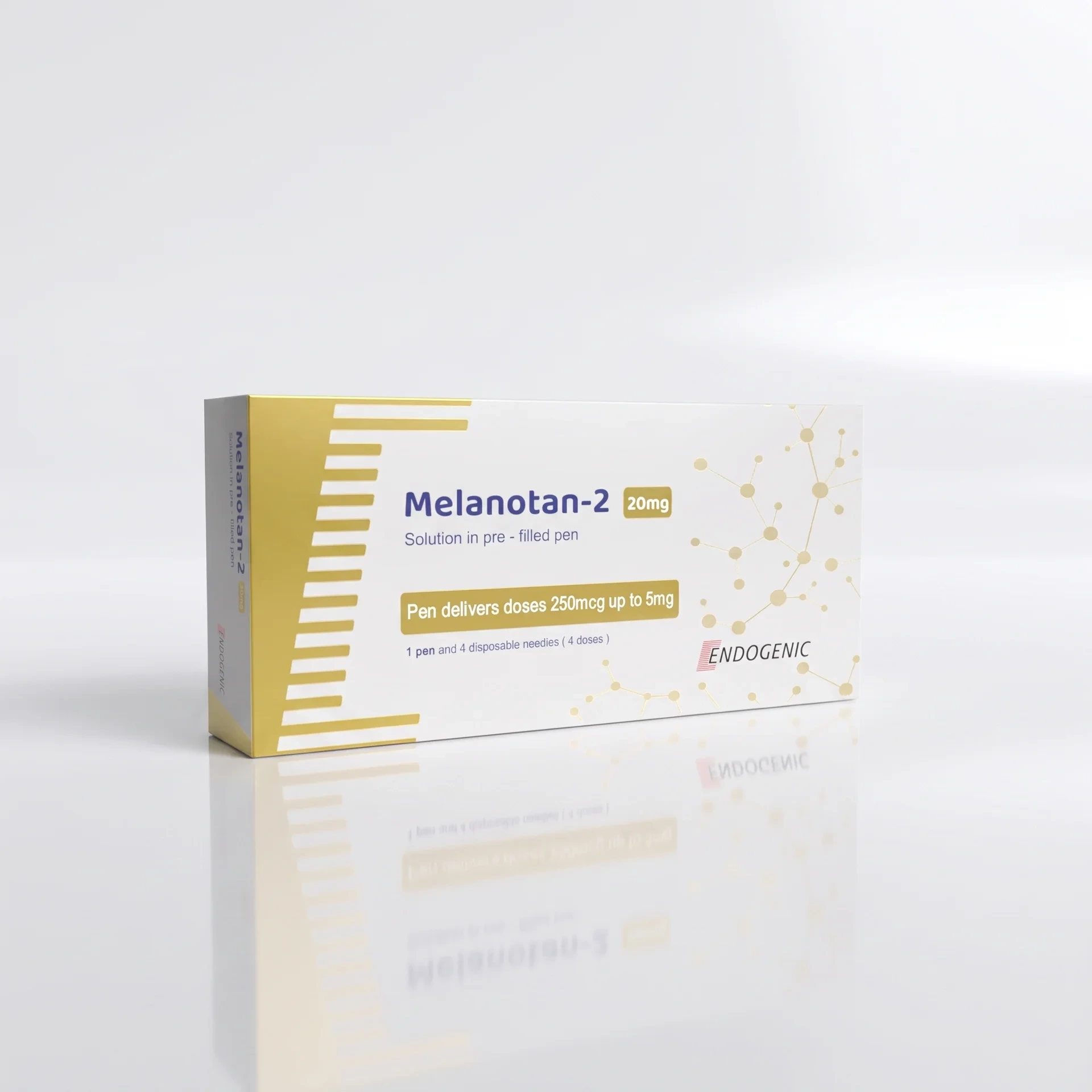
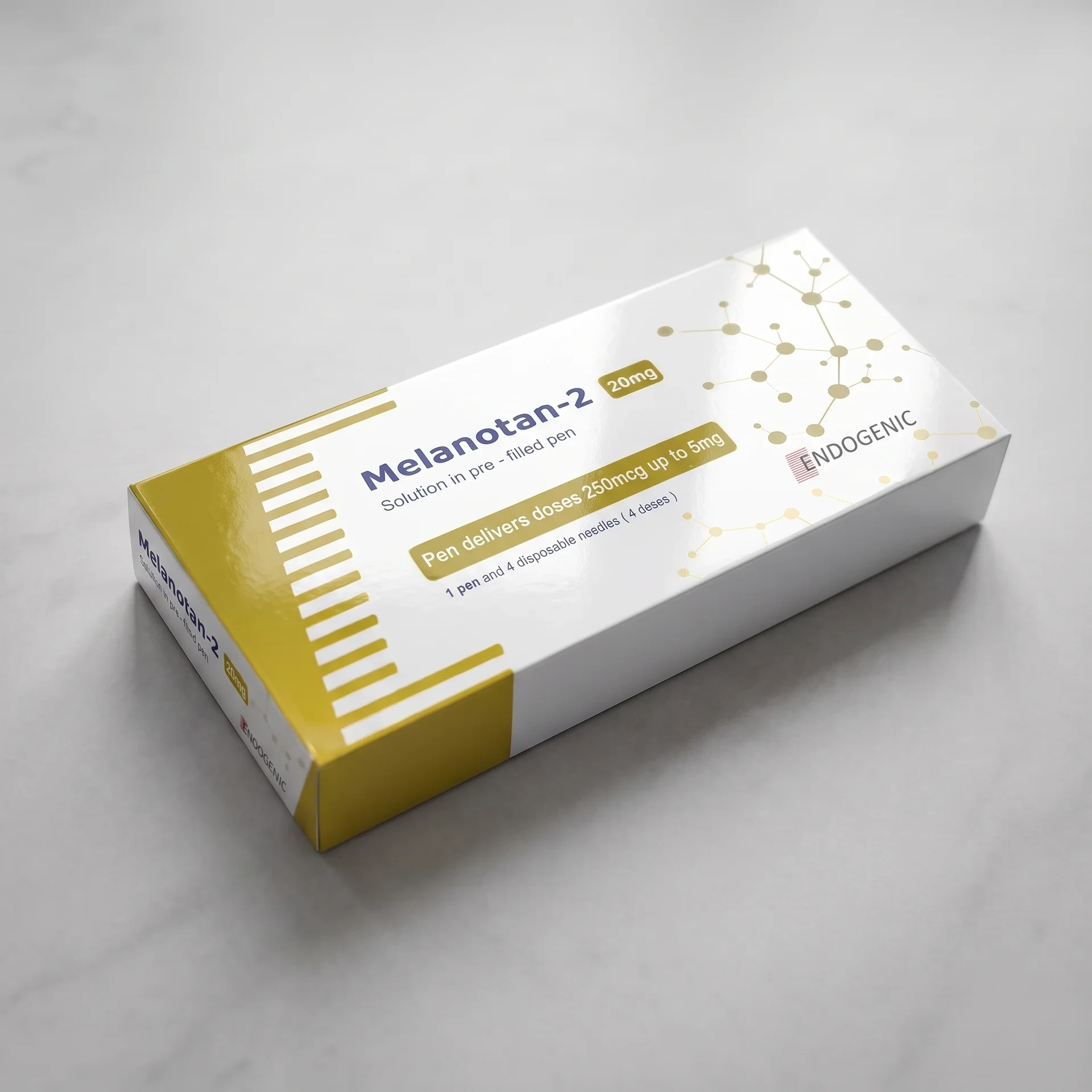
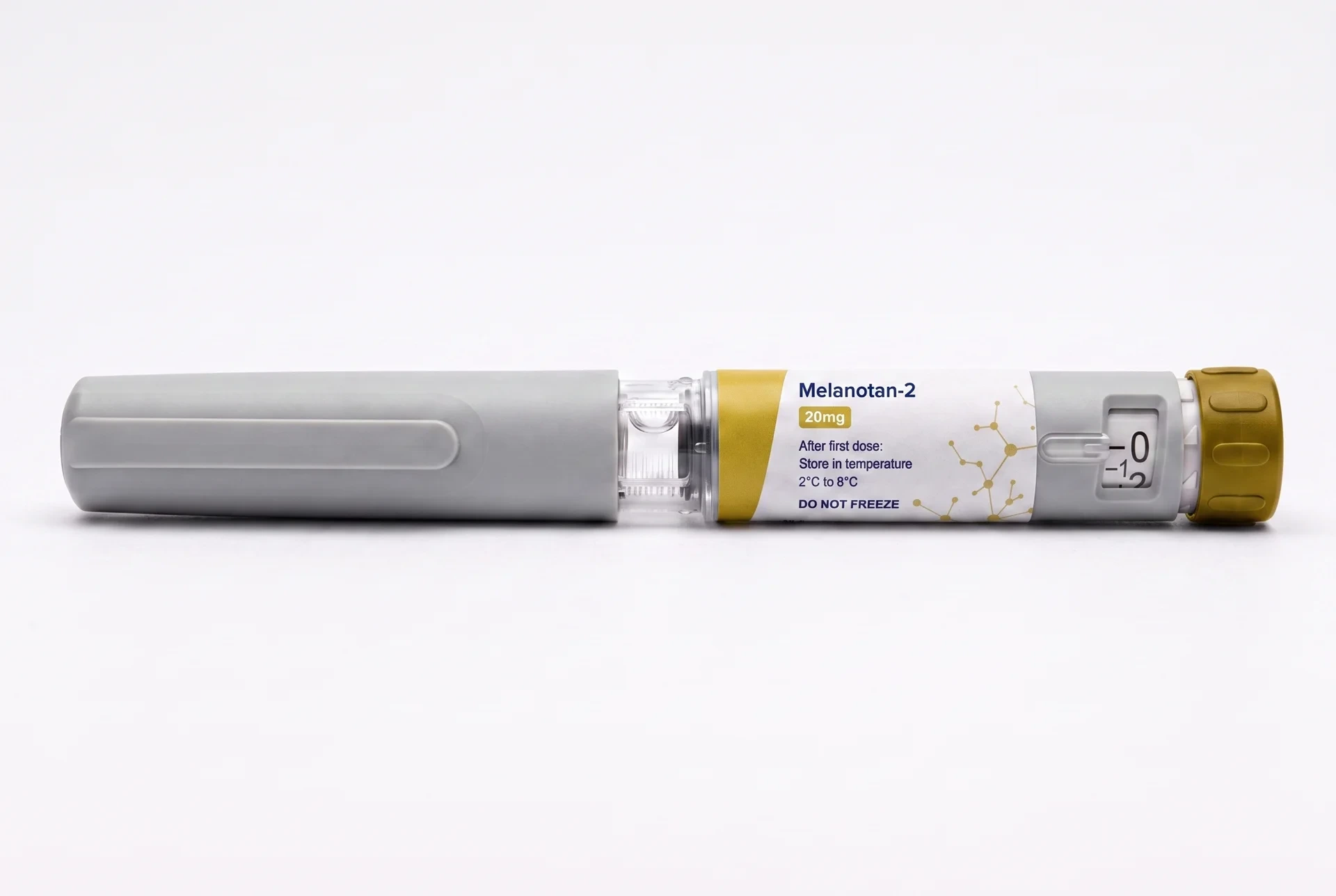
MELANOTAN-2 20mg PEN

MELANOTAN-2 20mg PEN

Melanotan 2 PEN 20 mg is the MT-II melanocortin peptide—a full pan-agonist of the MC1R–MC5R receptors—in a pre-dissolved solution enclosed in a PEN applicator, ready for administration via a dial without reconstitution, with repeatable dosing. Profile per receptor: MC1R (pigmentation/eumelanin), MC4R (CNS, appetite, arousal), MC3R, MC5R. HPLC purity ≥98%.

75,99 €
With code BLACK: 60,79 € Lowest price in the 30 days before the discount: 75,99 €
Buy more, pay less
Fast shipping
Free delivery from 350 €
Returns policy
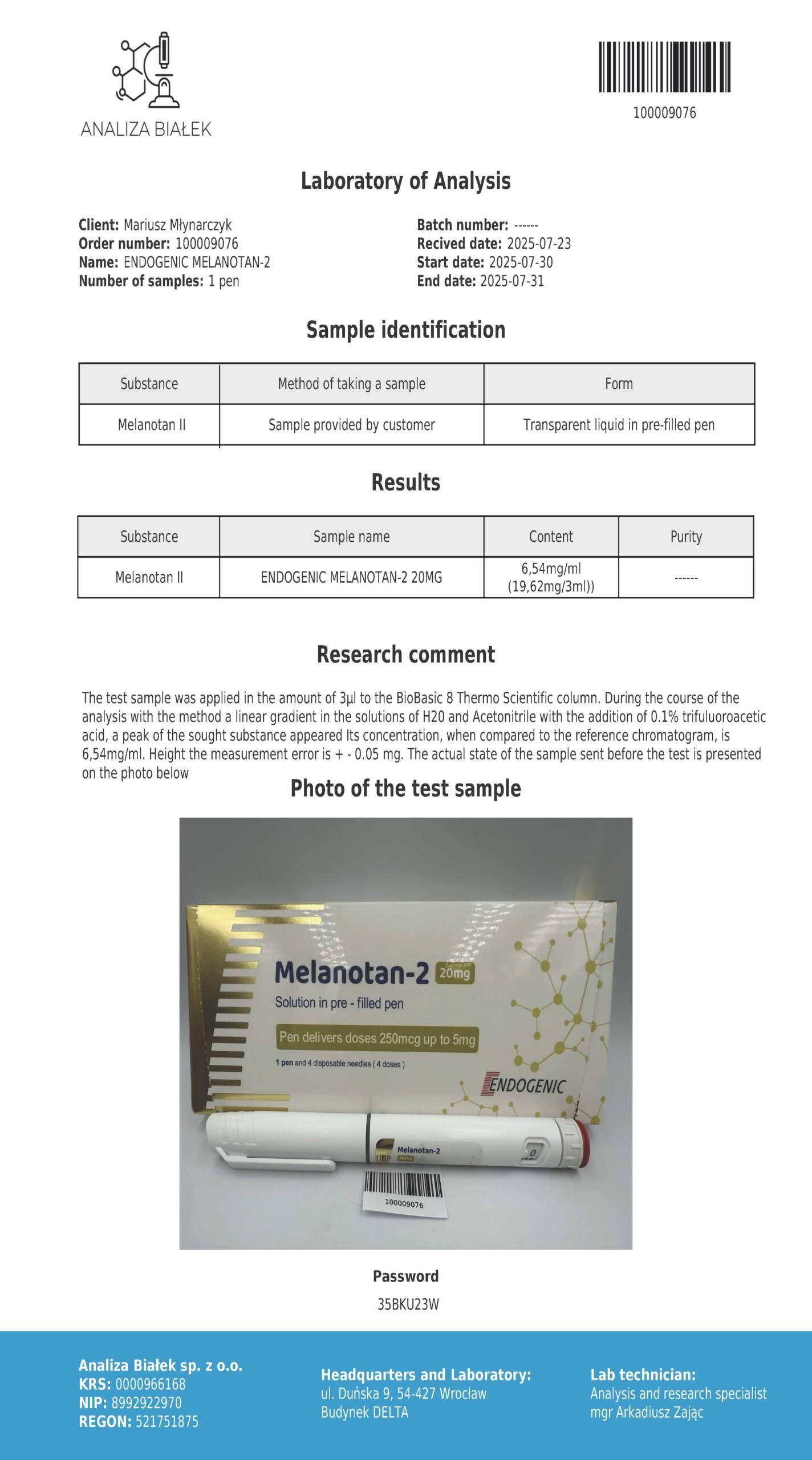
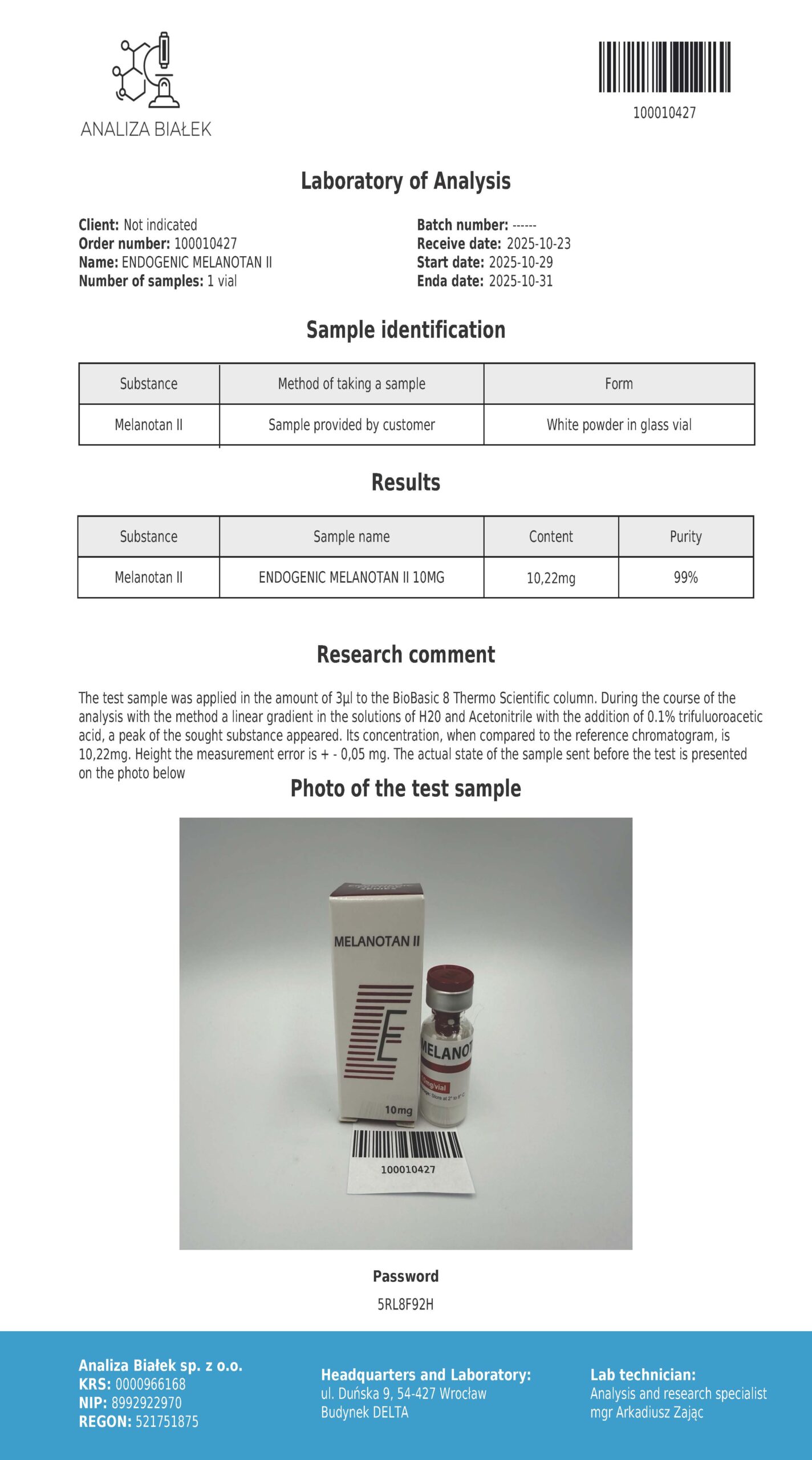
View the laboratory analysis report Peptide Calculator

Melanotan 2 PEN 20 mg — MT-II melanocortin peptide in a pre-dissolved PEN applicator

  • Melanotan II (MT-II): a melanocortin peptide.
  • Format: pre-dissolved 20 mg solution in a PEN applicator.
  • Research Use Only reagent, not a medicinal product.

Melanotan II (MT-II) is not registered as a medicinal product in any jurisdiction — neither the EMA, FDA, nor EFSA has granted authorization for this substance. The FDA has issued Warning Letters to sellers of Melanotan II, and the British MHRA has repeatedly warned against trading in this substance as a product for human use.

In the Pro-Body catalog, MT-II appears exclusively as a RUO research reagent in a PEN applicator. Communicating the product as a “tanning agent,” “self-tanner in an injection,” or “tanning peptide” is contrary to the Research Use Only framework. Melanotan II falls under class S0 of the WADA Prohibited List (non-approved substances) and is prohibited at all times — registered athletes (ADAMS) check the current version of the List before any decision.

Introduction

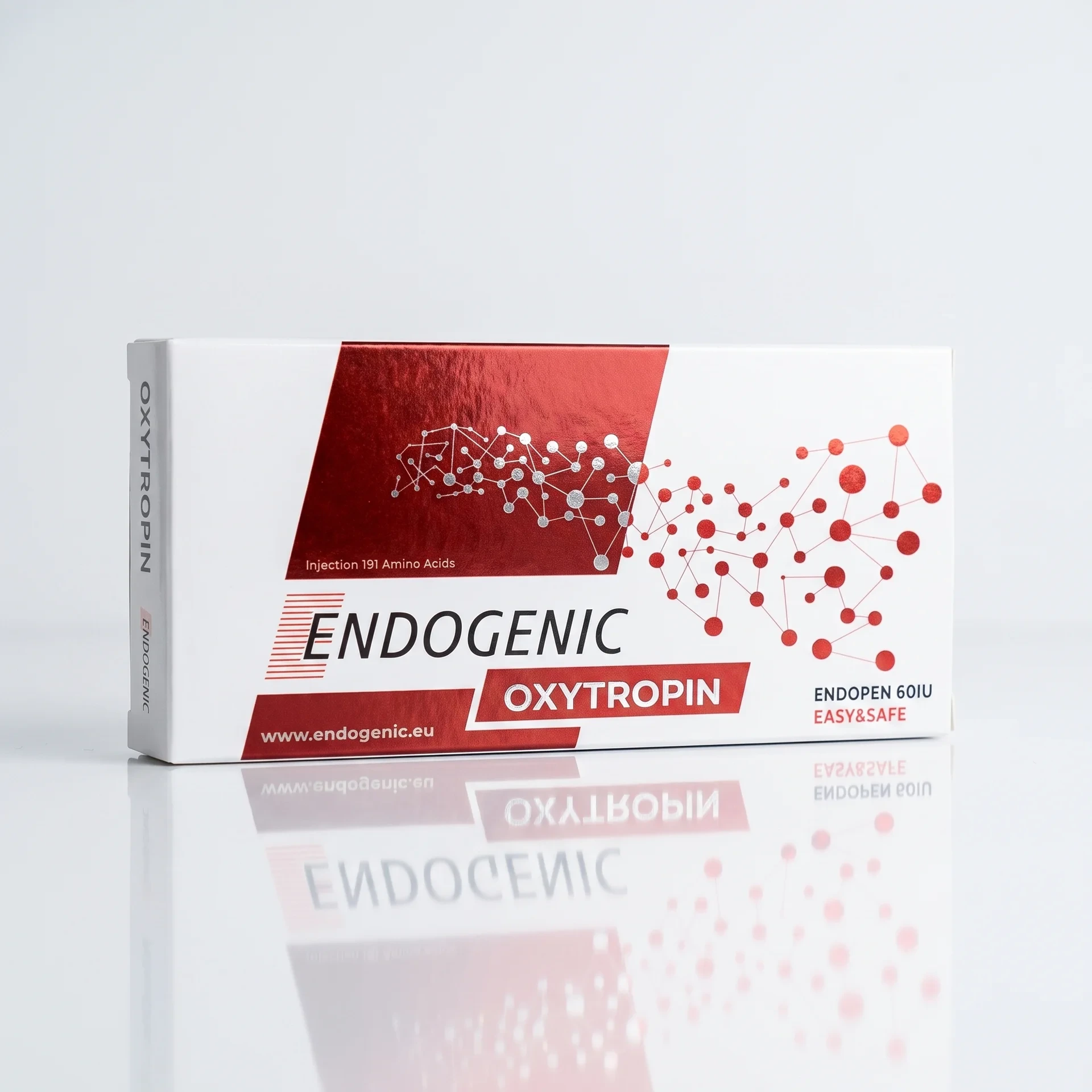
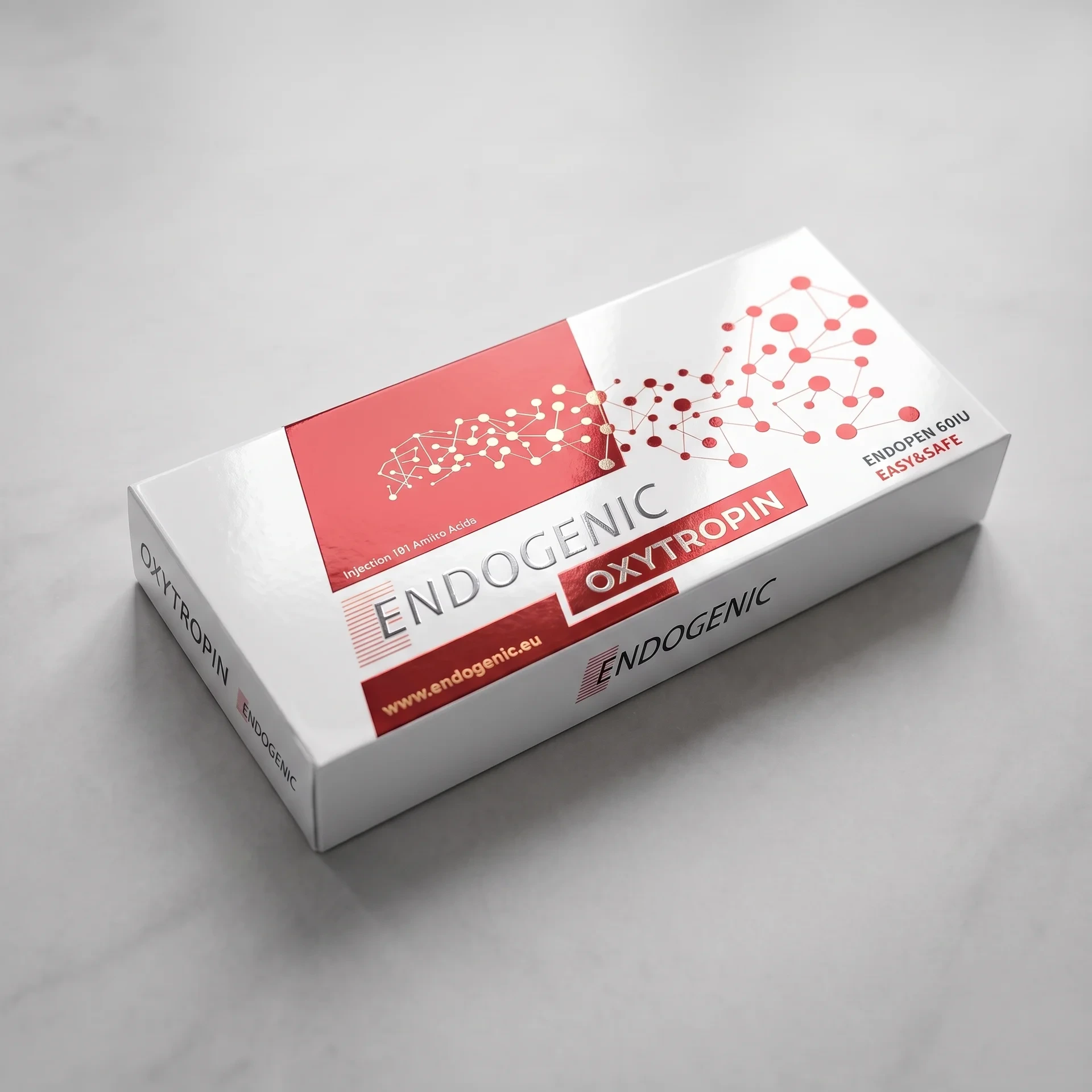
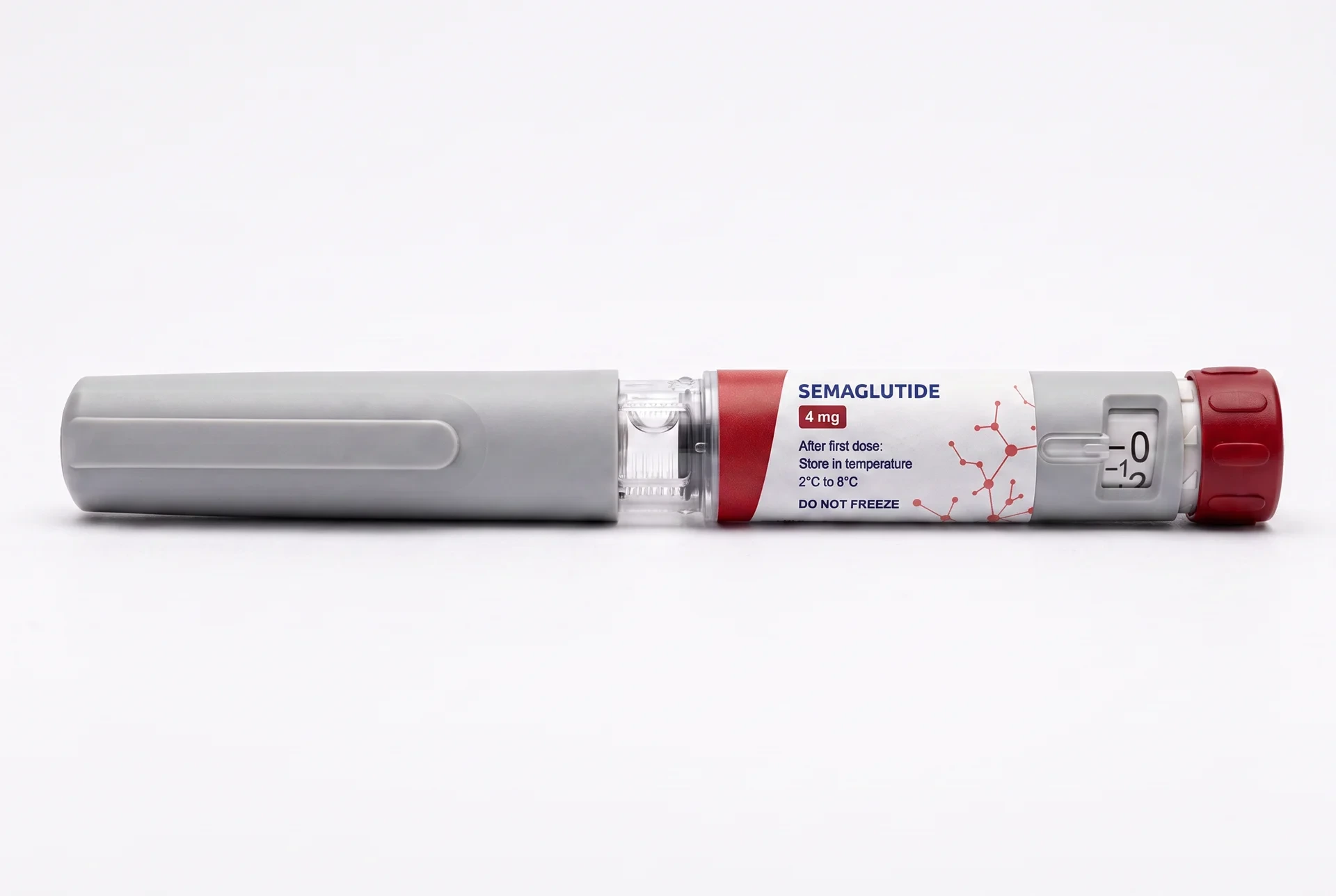
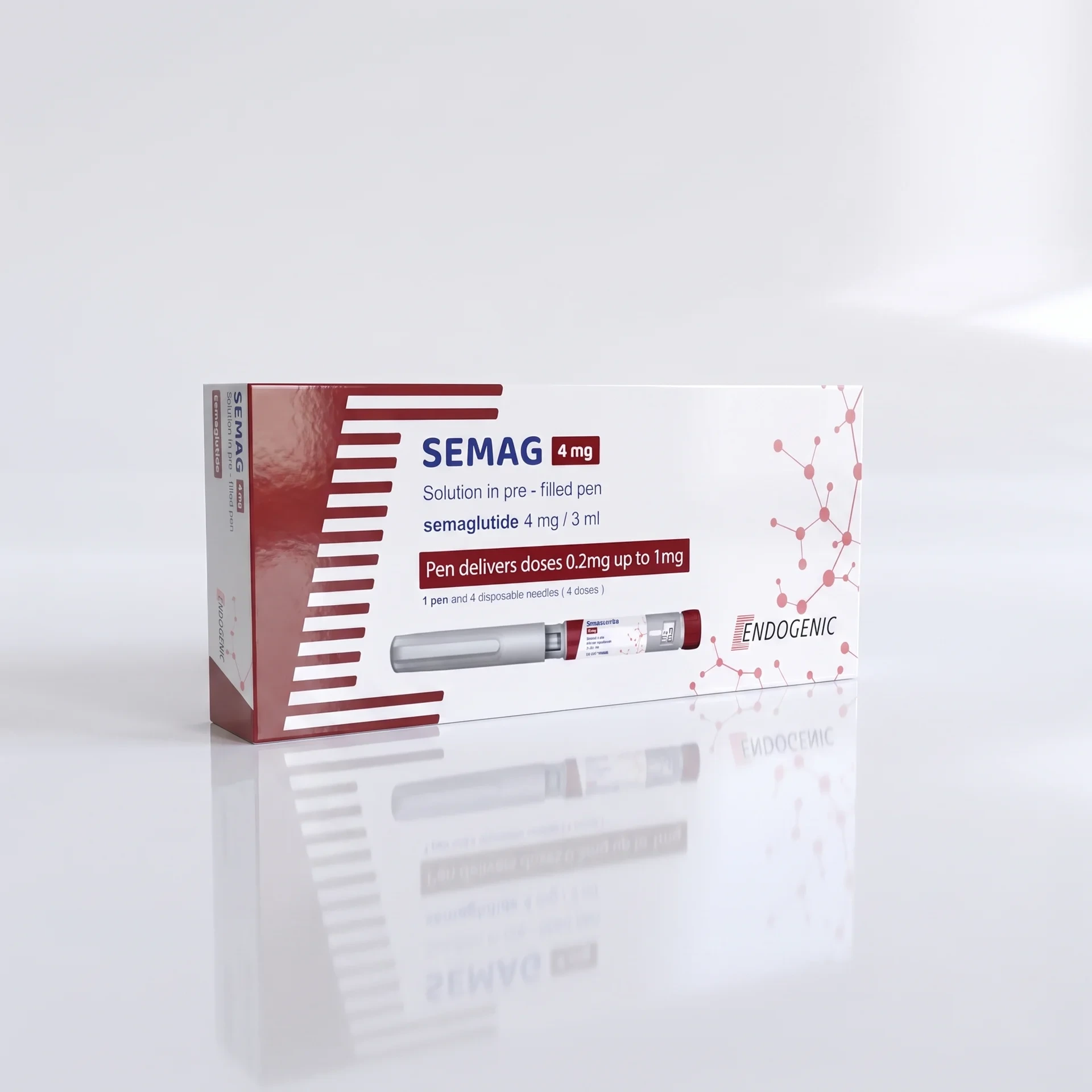
Melanotan 2 PEN 20 mg from the Endogenic line is an MT-II melanocortin peptide delivered in a form that eliminates the most troublesome step of working with a lyophilizate — a ready-to-use, pre-dissolved solution factory-sealed in a PEN applicator. Here the researcher does not dissolve a dry powder or select a solvent volume; they draw a solution of a concentration calibrated at the manufacturing stage, with draw repeatability built into the applicator’s dial mechanism.

In the catalog, this format belongs to the family of peptide pens — applicators with a ready-made solution. The molecule itself has one of the best-documented pedigrees in the entire class of research peptides. Melanotan II was created at the University of Arizona as part of a photoprotection program led by the team of Mac E.

Hadley and Victor J. Hruby. The starting point was a simple hypothesis: since endogenous α-MSH stimulates the synthesis of eumelanin (the dark, photoprotective pigment of the skin), then a stable, synthetic analog could induce pigmentation without exposure to UV radiation — and thus without the main risk factor for DNA damage and photocarcinogenesis. Thus was born “afamelanotide” and its cyclic, reinforced relative — Melanotan II.

MT-II is a full pan-agonist of the entire melanocortin receptor family MC1R–MC5R. This fundamentally distinguishes it from the MC4R-selective metabolite that is PT-141 spray (bremelanotide) with its shifted, narrowed selectivity. Pan-agonism means that MT-II simultaneously activates the pigmentation pathway (MC1R), the central appetite and arousal pathway (MC4R), energy balance (MC3R), and glandular activity (MC5R) — a broad, systemic melanocortin profile.

Neither Melanotan II nor its clinical development was concluded with registration. This is the typical picture for this class: a strong signal from pharmacological studies and early clinical trials of the 1990s (Dorr 1996; Hadley 1996), a lack of full regulatory approval, and specific agency warnings (FDA, MHRA). For this reason MT-II functions in trade as a Research Use Only reagent — a molecular tool for laboratory work on the melanocortin family, not a form for human use.

Purity is verified by HPLC ≥98%, identity is confirmed by Q-TOF mass spectrometry, and the solution concentration and number of units in the applicator are declared in the batch COA.

The melanocortin system and MC1R–MC5R pan-agonism

The melanocortin system is one of the most widely branched signaling pathways in mammals: a single family of peptides (the melanocortins: α-MSH, β-MSH, γ-MSH, and ACTH) and five receptors (MC1R–MC5R) controlling processes as diverse as skin pigmentation, appetite, energy balance, the inflammatory response, libido, and glandular secretion. All melanocortins are derived from a single protein precursor — proopiomelanocortin (POMC) — through post-translational enzymatic cleavage.

The melanocortin receptors belong to class A of the G protein-coupled receptors (GPCRs); their activation raises the intracellular concentration of cAMP via adenylyl cyclase and triggers the PKA pathway. What makes Melanotan II a peculiar research tool is its pan-agonism: a single molecule activating the entire panel of five receptors. Endogenous α-MSH is an unstable peptide, rapidly degraded by peptidases; the Arizona team redesigned it in two directions — by substituting the native methionine with norleucine (Nle⁴), which removes the oxidation-sensitive sulfur atom, and by introducing D-phenylalanine (D-Phe⁷) and cyclizing the core with a lactam bridge, which rigidifies the active conformation and radically increases resistance to proteolysis.

The result is a molecule whose potency and half-life significantly exceed those of native α-MSH. In the Pro-Body catalog, MT-II in a PEN applicator belongs to the melanocortin peptide family — alongside the pan-agonist in a vial (Melanotan 2 10mg in lyophilizate form), the base vial variant (Melanotan 2), and the MC4R-selective metabolite PT-141.

The PEN format adds one specific property to this portfolio: readiness for work without reconstitution while preserving draw repeatability — an operational difference, not a change in the molecule.

What is Melanotan II (MT-II)?

Chemically, MT-II is a cyclic heptapeptide, a rigidified and reinforced analog of α-MSH with a modified sequence core.

  • Common name: Melanotan II, MT-II, MT2
  • Chemical name: Ac-Nle-cyclo[Asp-His-D-Phe-Arg-Trp-Lys]-NH₂
  • Synonyms: Melanotan 2, MT-2, cyclic [Nle⁴,D-Phe⁷]-α-MSH (core)
  • CAS number: 121062-08-6
  • Molecular formula: C₅₀H₆₉N₁₅O₉
  • Molar mass: 1024.18 g/mol
  • Chemical class: cyclic heptapeptide, melanocortin analog; full pan-agonist of the MC1R–MC5R receptors
  • Origin: University of Arizona (photoprotection program, Hadley / Hruby team)
  • Supplied form: pre-dissolved aqueous solution in a PEN 20 mg applicator; concentration (mg/ml) and number of units factory-calibrated and declared in the batch COA; pharmaceutical grade ≥98% HPLC
  • Line: Endogenic

Physicochemical characteristics table

Parameter Value Note
Sequence Ac-Nle-cyclo[Asp-His-D-Phe-Arg-Trp-Lys]-NH₂ cyclic heptapeptide, amide at the C-terminus
CAS number 121062-08-6 Melanotan II
Molecular formula C₅₀H₆₉N₁₅O₉ amide (–NH₂)
Molar mass 1024.18 g/mol mass to be verified in the batch COA
Difference from PT-141 C-terminus: –NH₂ (MT-II) vs –COOH (PT-141) the amide maintains pan-agonism of the entire family
Modifications Nle⁴ (instead of Met), D-Phe⁷, lactam cyclization resistance to proteolysis, rigidification of conformation
Receptor profile pan-agonist MC1R–MC5R broad, systemic
Form clear aqueous solution pre-dissolved, in a PEN 20 mg applicator
Peptide content 20 mg in the applicator concentration mg/ml and number of units in the COA
Purity ≥98% HPLC UV detection, verification per batch

Mechanism of action — pan-agonism per receptor MC1R–MC5R

Melanotan II activates all five melanocortin receptors. Below the profile is laid out per receptor — with the name of the pathway and what, in research models, has been associated with its activation. It is precisely the breadth of this profile that distinguishes MT-II (pan-agonist) from the MC4R-selective bremelanotide.

  1. MC1R — pigmentation, eumelanin, and photoprotection. The best-documented axis of MT-II and the historical starting point of the Arizona program. MC1R on skin melanocytes controls the synthesis of eumelanin — a dark pigment with photoprotective properties. Activation of MC1R by α-MSH (and its analogs) raises cAMP and shifts melanogenesis toward eumelanin instead of pheomelanin. In studies, MT-II was associated with the induction of pigmentation independent of UV exposure (Dorr 1996; Hadley 1996) — that was the original photoprotective goal. However, the most serious safety concern, described in the distinctions section, is associated with this same pathway.
  2. MC4R — CNS, appetite, and arousal. MC4R is located primarily in the central nervous system, including the hypothalamus. It participates in the regulation of energy balance (appetite suppression) and in the central modulation of sexual function. In the literature on MT-II, activation of MC4R was associated with the observation of induced erections in models and early clinical trials on sexual dysfunction (Wessells 2000) — it was this pathway that later led to the isolation of the selective metabolite PT-141.
  3. MC3R — energy balance. MC3R, present among others in the hypothalamus and peripheral tissues, co-participates in the regulation of energy homeostasis and fat metabolism, complementarily to MC4R. Its activation by the pan-agonist MT-II is part of the molecule’s broad systemic profile in metabolic models.
  4. MC5R — exocrine glands. MC5R is associated with glandular function, including the sebaceous glands. Activation of this receptor completes the pan-agonistic profile of MT-II — the molecule also touches the glandular axis, which selective MC4R ligands do not reproduce.

Consequence of pan-agonism. MT-II is not a tool targeted at a single pathway — it is a probe of the entire melanocortin system at once. This makes it a valuable reagent for studying the MC1R–MC5R family, but at the same time it means the broadest side-effect profile within the class, including a pigmentation component (MC1R) absent or weak in selective MC4R ligands.

An important distinction — melanoma risk, pan-agonist vs PT-141, PEN vs vial vs spray

Three points require unambiguous separation.

IMPORTANT DISTINCTION — dermatological risk

Stimulation of MC1R and melanocytes by Melanotan II is linked in the literature with darkening and changes in the morphology of pigmented nevi, the appearance of new nevi, and descriptions of lesions with atypical features. Cases of melanoma diagnosed in individuals exposed to Melanotan II have also been described (Hjuler 2014 and subsequent case reports).

The mechanism is consistent: activation of melanocytes is not only darker pigment, but stimulation of cells whose neoplastic transformation underlies melanoma. This is the most serious safety concern of the entire molecule and one of the reasons for the FDA and MHRA warnings. In the context of an RUO reagent, this means that MT-II is a research material burdened with a real dermatological-oncological risk profile — a factor that additionally justifies strictly maintaining the Research Use Only framework. “Induction of pigmentation” in this description means an observation from models and reports on an unregistered substance, not a suggestion of a safe effect in humans.

First — MT-II is a pan-agonist, PT-141 is a selective MC4R. Both molecules share a cyclic heptapeptide core, but they differ in the termination of the C-terminus: MT-II has an amide group (–NH₂), PT-141 (bremelanotide, its metabolite) — a free carboxyl group (–COOH). The pharmacological consequence is fundamental. Melanotan II is a full pan-agonist of MC1R–MC5R — it activates the entire system, including strongly MC1R, hence its pronounced pigmentation component and the associated dermatological risk.

PT-141 is an agonist with a preference for MC4R with weaker MC1R activity — a tool targeted at the central melanocortin pathway, with a smaller pigmentation component. In a research protocol, these are two different tools for two different questions.

Second — the three forms of MT-II are three different operational tools. The catalog features three forms of the same molecule, differing only in the working format:

  • PEN 20 mg (this product) — pre-dissolved solution in an applicator, drawn by dial, without reconstitution; concentration mg/ml and number of units in the COA. Readiness for work + draw repeatability.
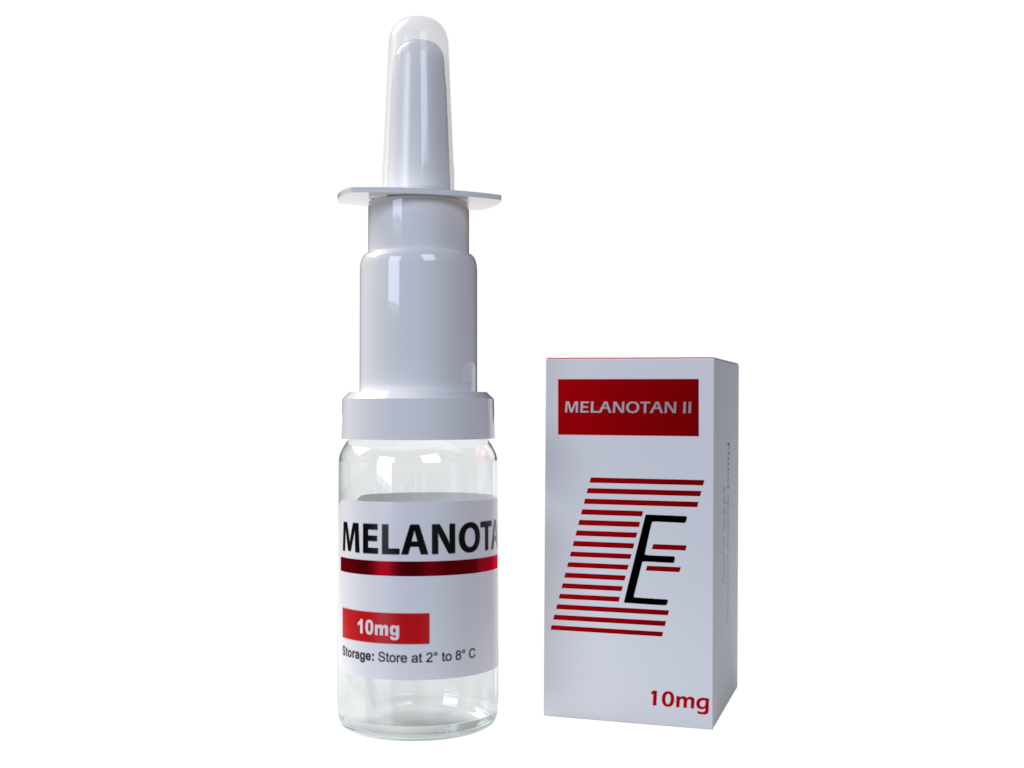
  • Lyophilizate vial (Melanotan 2 10mg) — dry powder requiring reconstitution; the researcher themselves selects the solvent volume and the common working concentration. Maximum freedom in selecting concentrations, longer shelf life of the lyophilizate.
  • Base vial (Melanotan 2) — the base lyophilizate variant for reconstitution in the MT-II portfolio.

This is a difference of format, not of molecule — the receptor profile of MT-II is identical in all three. The choice depends on the designed experimental setup.

Third — pan-agonism is the broadest effect profile in the class. Because MT-II activates all five receptors, its profile simultaneously encompasses pigmentation (MC1R), appetite and central arousal (MC4R), energy balance (MC3R), and glandular activity (MC5R). This is an advantage as a probe of the entire system, but a disadvantage in terms of specificity and safety — which is why selective ligands (PT-141 for MC4R) were developed precisely to narrow this profile.

Applications in scientific research

Melanotan II in a PEN applicator is a tool for studying the entire family of melanocortin receptors as a pan-agonist — in a ready-to-use format, without a reconstitution step, with draw repeatability. Research directions include:

  • Pharmacology of melanogenesis and the MC1R pathway — cAMP activation in melanocytes, the shift of synthesis toward eumelanin, the kinetics of UV-independent pigmentation in cell cultures and animal models (Dorr 1996; Hadley 1996)
  • Comparative studies of receptor selectivity — MT-II (pan-agonist MC1R–MC5R, amide) vs PT-141 (MC4R preference, free acid) vs selective MC1R ligands; mapping of functional profiles within the family
  • MC4R signaling in the CNS — central pathways of appetite, energy balance, and arousal; in vivo models of the central activity of melanocortins (Wessells 2000)
  • Pharmacokinetics and stability of α-MSH analogs — the influence of Nle⁴/D-Phe⁷ modifications and cyclization on resistance to proteolysis and half-life; comparative data for the related analog melanotan-I (Ugwu 1997)
  • Dermatological safety profile of melanocortins — the influence of MC1R activation on the morphology and proliferation of melanocytes and pigmented nevi (Hjuler 2014)
  • Studies on the MC3R/MC5R axis — energy balance and glandular function as components of the pan-agonist’s systemic profile.

Summary

Melanotan 2 PEN 20 mg (Endogenic line) is the MT-II melanocortin peptide — Ac-Nle-cyclo[Asp-His-D-Phe-Arg-Trp-Lys]-NH₂, CAS 121062-08-6, C₅₀H₆₉N₁₅O₉, 1024.18 g/mol — developed at the University of Arizona (Hadley / Hruby team) as part of a photoprotection program. As a full pan-agonist of MC1R–MC5R, MT-II activates the entire melanocortin system: MC1R (pigmentation, eumelanin, photoprotection), MC4R (CNS, appetite, induced erections), MC3R (energy balance), and MC5R (glands).

This distinguishes it from the MC4R-selective metabolite PT-141 — the difference being the amide (–NH₂) at the C-terminus instead of the free acid (–COOH). Form: pre-dissolved 20 mg solution in a PEN applicator, ready to be drawn by dial, without reconstitution, with draw repeatability; concentration (mg/ml) and number of units in the batch COA. The most serious safety concern is the dermatological risk associated with the stimulation of MC1R and melanocytes (changes in nevi, descriptions of melanoma — Hjuler 2014), concordant with the FDA and MHRA warnings. Status: Research Use Only exclusively; no EMA/FDA/EFSA registration; WADA: class S0 (non-approved substances), prohibited at all times.
Bibliography

  1. Dorr RT, Lines R, Levine N, Brooks C, Xiang L, Hruby VJ, Hadley ME (1996). Evaluation of melanotan-II, a superpotent cyclic melanotropic peptide in a pilot phase-I clinical study. PubMed
  2. Hadley ME, Hruby VJ, Jiang J, Sharma SD, Fink JL, Haskell-Luevano C, et al. (1996). Melanocortin receptors: identification and characterization by melanotropic peptide agonists and antagonists. PubMed
  3. Wessells H, Gralnek D, Dorr R, Hruby VJ, Hadley ME, Levine N (2000). Effect of an alpha-melanocyte stimulating hormone analog on penile erection and sexual desire in men with organic erectile dysfunction. PubMed
  4. Ugwu SO, Blanchard J, Dorr RT, Levine N, Brooks C, Hadley ME, et al. (1997). Skin pigmentation and pharmacokinetics of melanotan-I in humans. PubMed
  5. Hjuler KF, Lorentzen HF (2014). Melanoma associated with the use of melanotan-II. PubMed