Skip to content

Free delivery on orders over €400. Fast delivery.

Search

What are you looking for?

Type at least 2 characters to see suggestions.

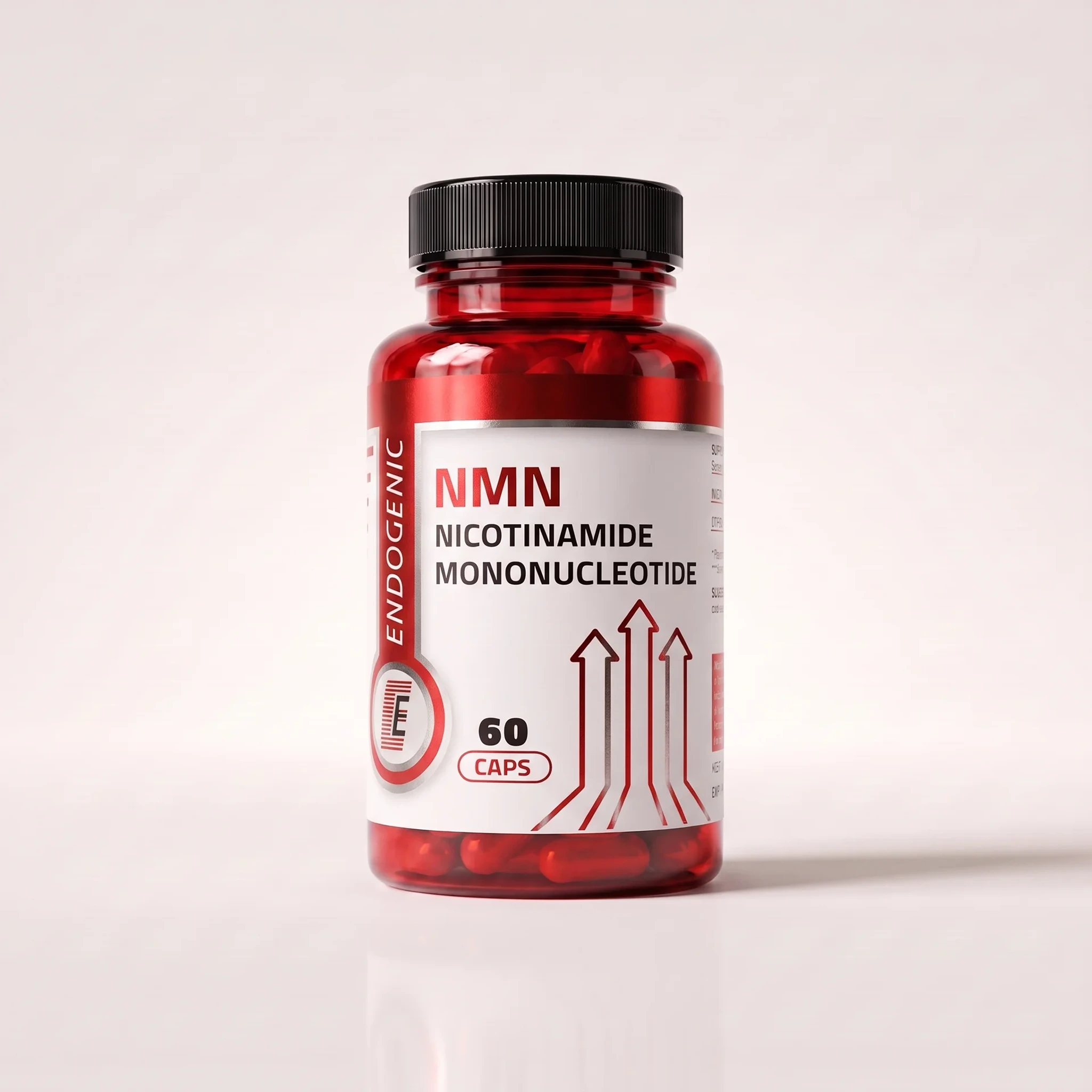
NMN Nicotinamide 500 mg 60 kaps

NMN Nicotinamide 500 mg 60 kaps

NMN (nicotinamide mononucleotide, β-NMN) 500 mg, 60 capsules — Direct NAD+ precursor: the NMNAT enzyme converts NMN to NAD+ in one step, supporting energy metabolism and sirtuin activity. Specialized longevity preparation for adults (21+).

59,99 €
Fast shipping
Delivery options
Returns policy

NMN (Nicotinamide Mononucleotide) 500 mg, 60 caps - direct precursor of NAD+

  • NMN: nicotinamide mononucleotide, a precursor of NAD+.
  • 500 mg, 60 capsules.
  • Specialized longevity preparation for adults (21+).

A specialized longevity preparation intended only for adults (21+) for self-assessment of risk. It is not a medicinal product or dietary supplement in the Polish and EU legal sense. NMN has status in the EU new food (novel food) without authorization as an ingredient of a dietary supplement, and the FDA in 2022 excluded NMN from the definition of a dietary supplement. Before making any decision, please read the “Legal Status” section and the absolute contraindications at the end of the description.

NAD+ levels in human tissues decline by about half as we age between the ages of 30 and 60—and this one fact drives an entire branch of aging research today. NAD+ (nicotinamide adenine dinucleotide) is a central cofactor of energy metabolism: without it, glycolysis, the Krebs cycle or the respiratory chain will not work, and DNA repair enzymes and sirtuins simply stop.

The question that the laboratories of David Sinclair (Harvard) and Shin-ichiro Imai (Washington University) have been asking for over a decade is: if the NAD+ pool is shrinking, can it be rebuilt from the precursor side? NMN — nicotinamide mononucleotide — is NAD+’s closest metabolic neighbor. It is exactly one enzymatic reaction away from it.

This makes it one of the best-studied “NAD+ boosters” alongside nicotinamide riboside (NR), with a track record spanning dozens of preclinical studies in mice and several early Phase I/II clinical trials in humans (Yoshino et al. 2021, Irie et al. 2020). Coach Marek would say this: the mouse data is spectacular, the human data is promising, but still early – and that is why it is worth separating what we know from models from what has been confirmed in humans.

This preparation is β-NMN in HPMC capsules, 500 mg per capsule, 60 capsules per pack, purity ≥98% HPLC, identity confirmed by mass spectrometry, COA available for each batch. The capsule form allows you to precisely measure the dose within the clinically tested range (250-1000 mg per day) without the need to weigh the raw material.

NMN belongs to a group in our catalog supplements that support metabolic health classified outside the framework of a dietary supplement.

What is NMN?

NMN is a naturally occurring nucleotide – a molecule composed of a nicotinamide base (vitamin B3 in one of its forms), ribose and a phosphate group. In the body of humans and animals, it is produced endogenously mainly from nicotinamide riboside and nicotinamide, and trace amounts are found in food: broccoli, avocado, cabbage, raw beef and some fruits – in concentrations of a single milligram per kilogram, which is too low to have a real impact on the NAD+ pool through the diet.

From a biochemical point of view, NMN is direct precursor of NAD+. The enzyme NMNAT (nicotinamide nucleotidyl transferase/nicotinamide mononucleotide adenyltransferase) converts NMN into NAD+ in one step by adding an adenosine monophosphate residue to the molecule. In practice, this means that NMN is literally “one reaction” away from its target in the NAD+ biosynthesis pathway – closer than any other commonly available precursor.

  • Common name: NMN, nicotinamide mononucleotide
  • English name: Nicotinamide Mononucleotide (β-NMN)
  • Compound Class: nucleotide (NAD+ precursor)
  • Delivered form: HPMC capsule, 500 mg NMN per capsule, 60 capsules

The context of NAD+ and aging

To understand why NMN is of such interest, you need to look at NAD+ as the energy currency of the cell. NAD+ carries electrons in oxidation-reduction reactions (NAD+/NADH pair) – it receives electrons in glycolysis and the Krebs cycle, and then delivers them to the respiratory chain, where ATP is produced. Without a sufficient pool of NAD+, the mitochondria suffocates at the level of substrate supply, not oxygen.

However, NAD+ also has a second function – it is consumable substrate for the entire family of enzymes: sirtuins (SIRT1–7), poly-ADP-ribose polymerases (PARP, DNA repair) and CD38 cyclase. Each DNA repair reaction, each histone deacetylation by sirtuin, consumes an NAD+ molecule. With age, the demand increases (more DNA damage, greater CD38 activity) while the supply decreases – and this crossover is described as one of the mechanisms of molecular aging (Rajman, Chwalek, Sinclair 2018).

The logic of precursor supplementation is simple: if the NAD+ pool drops because there is no material to rebuild it, providing the precursor “upstream” can replenish this pool. It’s a hypothesis, not a certainty – and testing it in humans is exactly what’s currently happening in clinical trials. A complementary tool for increasing the NAD+ pool from another perspective is 5-Amino-1MQ for NAD+ — NNMT enzyme inhibitor, which limits the consumption of methylated nicotinamide and thus saves the pool of NAD+ precursors.

Want to understand the mechanics of NMN itself before you make a decision? Read on – we break it down into five axes.

Mechanism of action at the molecular level

NMN does not have a single receptor – its profile is the sum of effects resulting from the place it occupies in NAD+ metabolism. Below are five axes of action, each completed with practical observation from research models.

Direct precursor of NAD+ – conversion by NMNAT

The heart of NMN’s action is its position in the salvage pathway of NAD+ biosynthesis. The NMNAT enzyme converts NMN to NAD+ in a single enzymatic step. NAD+, in turn, is a central cofactor of three main energy production pathways: glycolysis (cytosol), the Krebs cycle (mitochondrial matrix) and the respiratory chain (internal mitochondrial membrane). In practice: providing NMN means providing an intermediate from which the cell recreates NAD+ without the need to synthesize the entire molecule from scratch (Yoshino, Baur, Imai 2018).

NAD+ decline with age – replenishing the pool

NAD+ concentration in many tissues (liver, muscles, brain, pancreas) declines with age – in mice this has been documented directly, in humans indirectly through markers of NAD+ metabolism. NMN in animal models increased the tissue NAD+ concentration within several dozen minutes of administration (Mills et al. 2016). This is the mechanistic justification for the longevity context: the idea is to rebuild the NAD+ pool to the level typical of a younger organism. In mouse models, this translated into improved metabolic parameters – in humans, this effect is still being verified.

Sirtuin activation (SIRT1–7)

Sirtuins are family NAD+-dependent deacetylases — enzymes that remove acetyl groups from proteins using NAD+ as a co-substrate. They regulate DNA repair, mitochondrial biogenesis (via the coactivator PGC-1α), lipid metabolism and the response to cellular stress. What is central here is coupling: the activity of sirtuins depends directly on the availability of NAD+. When NAD+ drops, sirtuins slow down.

In practice: rebuilding the NAD+ pool by the precursor is one of the proposed ways to maintain sirtuin activity – and it is this pathway (SIRT1, SIRT3) that most often appears in Sinclair’s works as a bridge between NAD+ and aging processes (Rajman, Chwalek, Sinclair 2018).

Support for mitochondrial function and glucose/lipid metabolism

Because NAD+ drives both the respiratory chain and the SIRT3 sirtuin (regulating mitochondrial enzymes), rebuilding its pool in animal models translated into improved mitochondrial function, insulin sensitivity and lipid metabolism profile. In a clinical study, Yoshino et al. (2021) in prediabetic women, 250 mg of NMN daily for 10 weeks increased skeletal muscle insulin sensitivity as measured by the euglycemic clamp method—one of the few hard observations in a human rather than a rodent.

Slc12a8 transporter – direct uptake of NMN in the intestine

For years, an open question has been whether NMN is absorbed as a whole molecule at all or whether it must first break down into nicotinamide riboside. The Imai team described Slc12a8 transporter in the epithelium of the small intestine, which transfers the intact NMN molecule directly to the cells using a sodium ion gradient (Grozio et al. 2019, Yoshino/Imai team).

This finding provides a biochemical rationale for the oral route of administration: at least some NMN can be taken up without prior degradation. The mechanism is sometimes the subject of methodological discussion, but it is the most frequently cited argument for the bioavailability of NMN taken orally.

Research profile - Phase I/II studies in humans

Here we separate two worlds: animal models (rich, long-term, with endpoints such as lifespan) and human studies (early, short, focused on safety and metabolic markers). Mouse models. The seminal work of Mills et al. (2016) from the Imai lab: annual administration of NMN to mice (100–300 mg/kg/day) ameliorated many age-related changes—improving energy metabolism, insulin sensitivity, lipid profile, mitochondrial function, and bone density, with no observed toxicity. This study defined NMN as a leading candidate among NAD+ boosters in the context of aging.

Phase I human trials (safety). Irie et al. (2020) conducted the first phase I study in healthy men: single oral doses of 100, 250, and 500 mg of NMN were well tolerated, with no significant changes in clinical parameters, heart rate, blood pressure, or oxygen saturation. The work confirmed an increase in serum NAD+ metabolites—a signal that oral NMN actually fuels NAD+ metabolism.

Phase II human trials (metabolic effect). Yoshino et al. (2021), published in Science: a randomized, placebo-controlled trial in postmenopausal women with prediabetes. 250 mg of NMN daily for 10 weeks increased skeletal muscle insulin sensitivity and the expression of genes related to muscle remodeling and signaling. This is one of the strongest evidence to date for a real physiological effect of NMN in humans – albeit in a narrowly defined group and with a single endpoint.

An important distinction

“NMN improves metabolism” in the context of this description means: “effects on markers of NAD+ metabolism and insulin sensitivity were observed in mouse models and in single phase I/II studies in humans.” This does not mean it has a proven effect on extending life or reversing aging in humans – the data is simply not there yet.

Safety rules

NMN has a favorable tolerability profile in clinical trials to date, but “well tolerated in phase I/II trials” is not the same as “tested long-term in everyone.”

  • Profile in research: in human trials (Irie 2020, Yoshino 2021) at doses of 100–1000 mg/day, no serious adverse events were reported. The most common benign observations are temporary gastrointestinal symptoms.
  • No long-term data in humans: the longest human trials lasted several weeks. The effects of long-term use in healthy adults have not been studied.
  • Do not combine without hesitation with metabolic drugs: if you are taking medications for diabetes or insulin resistance, the effects of NMN on insulin sensitivity could theoretically overlap with their effects – this is an area where an informed athlete consults the decision.
  • Cyclical use, not thoughtlessly continuous — a periodic break allows you to assess the baseline effect.

Absolute contraindications

  • Pregnancy and breastfeeding
  • Age under 21
  • Cancer or oncological history – the NAD+/sirtuin pathway affects cell metabolism and proliferation; data on the effect of NAD+ precursors in the oncological context are ambiguous, which requires caution
  • Active immunosuppressive or metabolic treatment without prior evaluation
  • Unsure about your own metabolic health – then the first step is diagnosis, not supplementation

Legal status

The legal status of NMN is the most important information on this website – and the most often overlooked by sellers. NMN is not a legally approved dietary supplement ingredient in either the EU or the US.

  • EU – novel food without authorization: NMN is not included in the Union list of authorized novel foods under Regulation (EU) 2015/2283 on novel foods. This means that NMN is not approved for placing on the EU market as an ingredient in a dietary supplement or food. The product cannot therefore be legally sold as a dietary supplement in the EU legal sense. We classify this preparation as: specialist longevity preparation for adults (21+), outside the framework of a dietary supplement, for self-assessment of risk.
  • EFSA: The European Food Safety Authority (EFSA) has not issued a positive opinion authorizing NMN as a novel food. Without this authorization, the nutraceutical status of NMN in the EU remains unregulated.
  • FDA (USA) – exclusion from the definition of dietary supplement (2022): in 2022, the FDA took the position that NMN does not qualify as an ingredient of a dietary supplement, because it was previously the subject of research as a medicinal product (investigational new drug). According to the so-called drug exclusion clause of the Food and Drugs Act, a substance tested as a drug cannot be subsequently introduced as a dietary supplement. This position significantly changed the status of NMN on the American market.
  • DRAWBACK: NMN not listed on the list of prohibited substances of the World Anti-Doping Agency (WADA, as of 2024). However, registered athletes (ADAMS) should verify the current list before making any decisions, as compound status may change in future updates.

The preparation is intended only for adults (21+) to independently assess the risk. Communication of NMN as a medicine, as a registered dietary supplement, as an “elixir of youth” or as a life-extending agent is unacceptable and inconsistent with the current state of knowledge and legal status.

Summary

NMN (nicotinamide mononucleotide, β-NMN, CAS 1094-61-7) is a nucleotide that is the direct precursor of NAD+ – it is one enzymatic reaction catalyzed by NMNAT. Because the pool of NAD+ in tissues decreases with age, and NAD+ drives energy metabolism and is a substrate of sirtuins and DNA repair enzymes, NMN is being studied as a tool for rebuilding this pool in the context of longevity (Rajman, Chwalek, Sinclair 2018).

The murine data are strong – annual administration ameliorated many age-related changes (Mills et al. 2016) – and early human Phase I/II studies have confirmed good tolerability (Irie et al. 2020) and improved muscle insulin sensitivity (Yoshino et al. 2021). However, there is a lack of large, long-term clinical trials with lifespan endpoints. The legal status is critical: NMN is in the EU new food without authorization, and the FDA excluded it from the definition of a dietary supplement in 2022.

This preparation is β-NMN 500 mg in a capsule, 60 capsules, purity ≥98% HPLC, MS confirmation, COA per batch – a specialized longevity preparation for adults (21+), not a drug and not a dietary supplement.

Bibliography

  1. Yoshino M, Yoshino J, Kayser BD, Patti GJ, Franczyk MP, Mills KF, et al. (2021). Nicotinamide mononucleotide increases muscle insulin sensitivity in prediabetic women. PubMed
  2. Mills KF, Yoshida S, Stein LR, Grozio A, Kubota S, Sasaki Y, et al. (2016). Long-term administration of nicotinamide mononucleotide mitigates age-associated physiological decline in mice. PubMed
  3. Rajman L, Chwalek K, Sinclair DA (2018). Therapeutic potential of NAD-boosting molecules: the in vivo evidence. PubMed
  4. Yoshino J, Baur JA, Imai SI (2018). NAD+ intermediates: the biology and therapeutic potential of NMN and NR. PubMed
  5. Irie J, Inagaki E, Fujita M, Nakaya H, Mitsuishi M, Yamaguchi S, et al. (2020). Effect of oral administration of nicotinamide mononucleotide on clinical parameters and nicotinamide metabolite levels in healthy Japanese men. PubMed