Product status information
Chemical reagent intended exclusively for laboratory tests (Research Use Only). It is not a medicinal product, dietary supplement or food. It is not intended for use on humans or animals. Sales only to registered research units and laboratories.
Regulatory status (critical)
As a research reagent, Cortagen has never been registered as a medicinal product in the EU, US or other jurisdiction. It should be clearly distinguished from Cortexin — a peptide preparation registered as a medicine in Russia (and selected countries in the region), used in neurology. Cortexin is a registered medicinal product in a specific jurisdiction; Cortagen in the reagent trade is a Research Use Only material and is not a substitute for the medicinal product.
No EMA/FDA authorization as a medicine and no EFSA authorization as a dietary supplement ingredient. Marketing the product as a “brain peptide”, a “neuroprotective agent for athletes” or “memory support” is contrary to the Research Use Only framework.
Cortagen is a synthetic short regulatory peptide derived from the concept peptide bioregulation developed in St. Petersburg Institute of Bioregulation and Gerontology under the supervision of Vladimir Khavinson. In this research school, Cortagen belongs to the family of tissue-specific regulatory peptides (Cytogen line, nomenclature ending in “-gen”), traditionally linked to a tetrapeptide with the sequence Ala-Glu-Asp-Pro (AEDP).
The conceptual assumption of the entire group is that short, several-amino-acid peptides have affinity for the tissue from which they were originally isolated or to which their design concerns – in the case of Cortagen, this is the cerebral cortex and neuron. Cortagen fits into the trend of research on peptide regulation of aging (peptide bioregulation of aging), which has been developed mainly by the Russian scientific school since the 1980s.
The central hypothesis of this school is the modulation of gene expression by direct or indirect interaction of short peptides with specific DNA sequences, leading to the regulation of proliferation, differentiation and functions of cells of a given tissue type. Unlike signal peptides acting through membrane receptors, bioregulatory peptides of this family are considered primarily as hypothetical modulators of transcription – a concept that remains a matter of debate and requires independent replication outside the originating research centres.
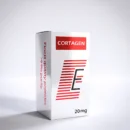
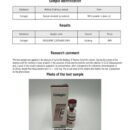
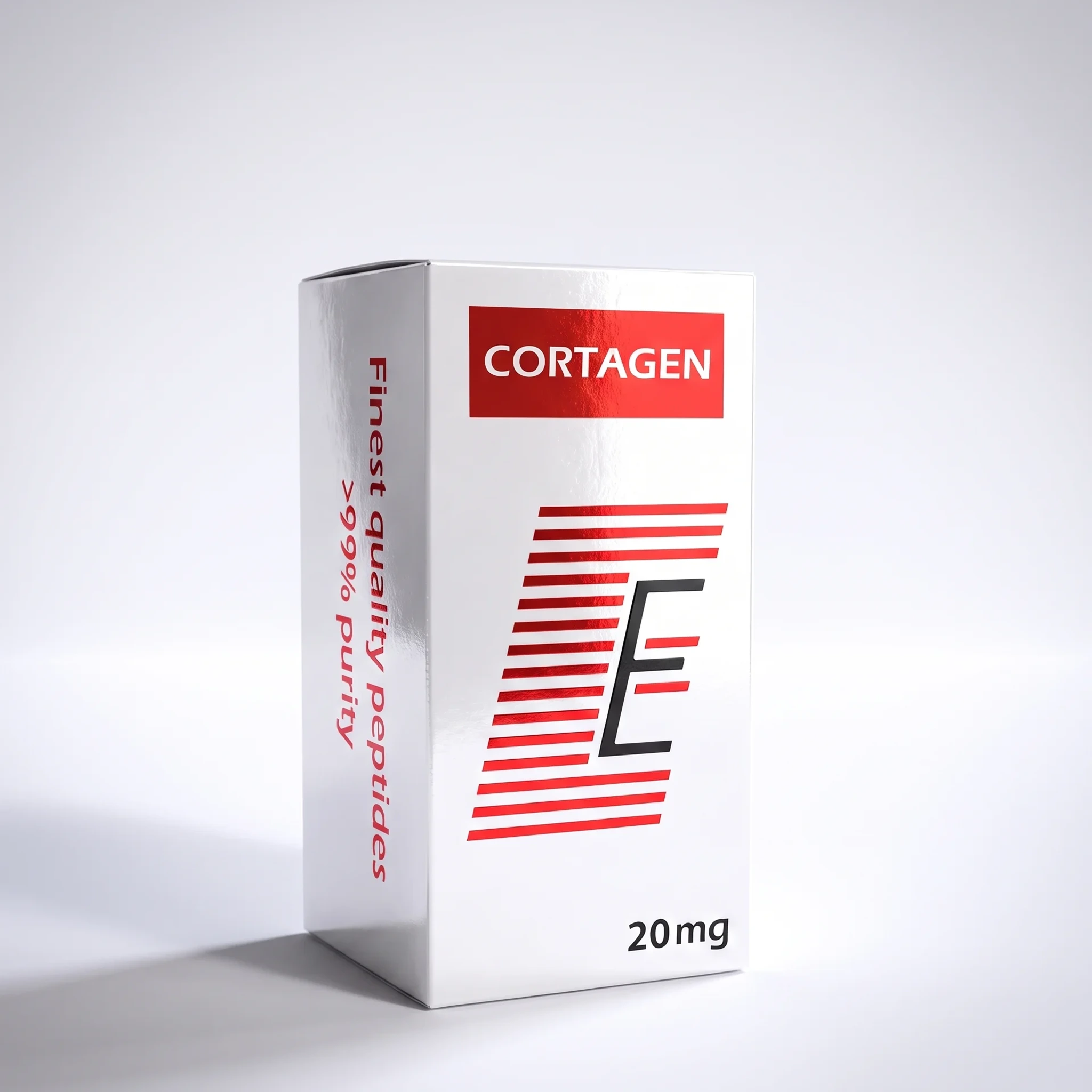
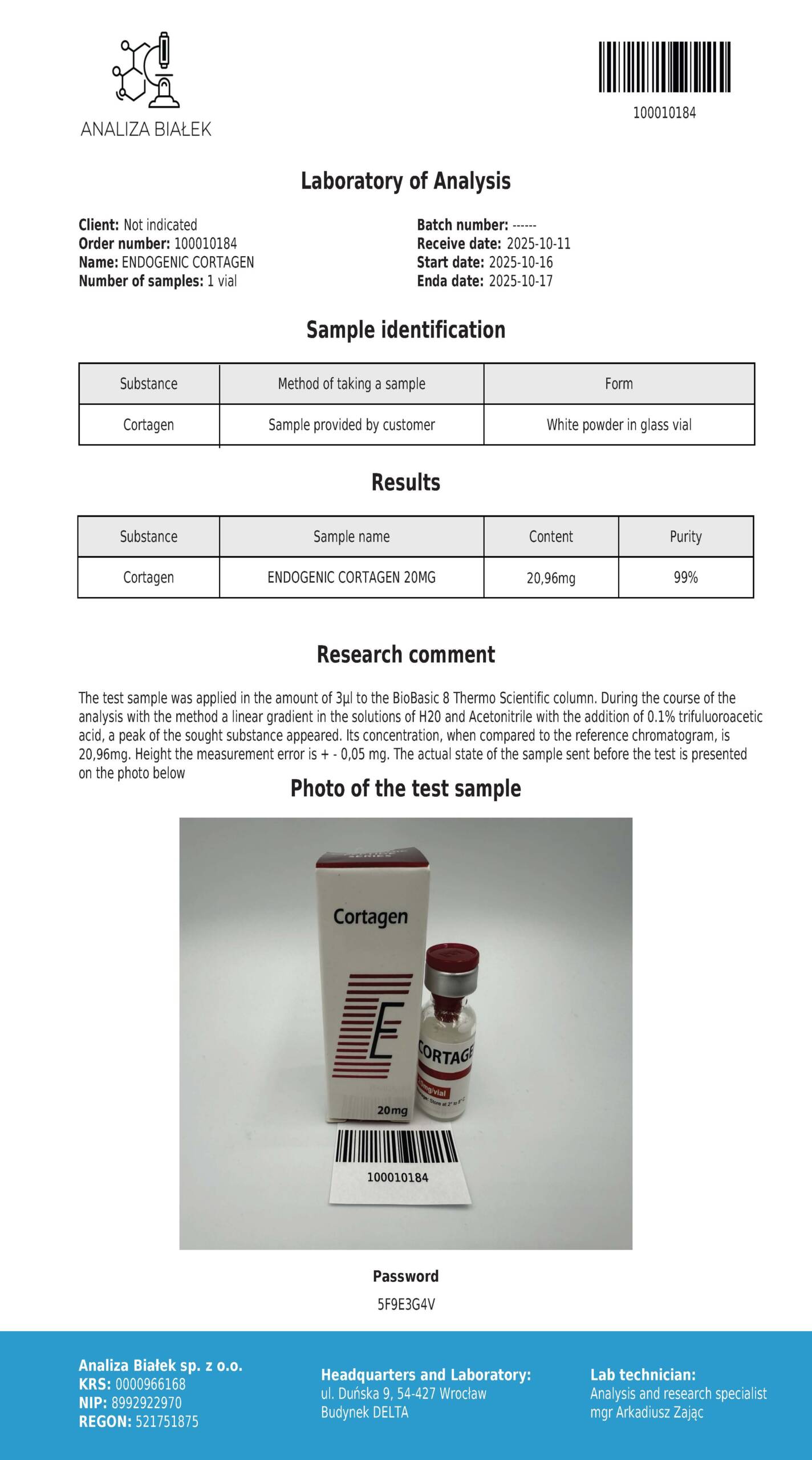
In the Pro-Body catalog Cortagen belongs to a group peptides on brain function studied in the context of nerve cell function. This reagent is supplied as 20 mg lyophilisate in a vial, for reconstitution with bacteriostatic water in laboratory conditions. The freeze-dried form ensures stability of the peptide before dissolution and allows researchers to prepare working concentrations tailored to the experimental design. Purity verified by HPLC ≥98%, identity confirmed by mass spectrometry, COA available for each batch.