Skip to content

Free delivery on orders over €350. Fast delivery.

Search

What are you looking for?

Type at least 2 characters to see suggestions.

Thrombin peptide TP508

Thrombin peptide TP508

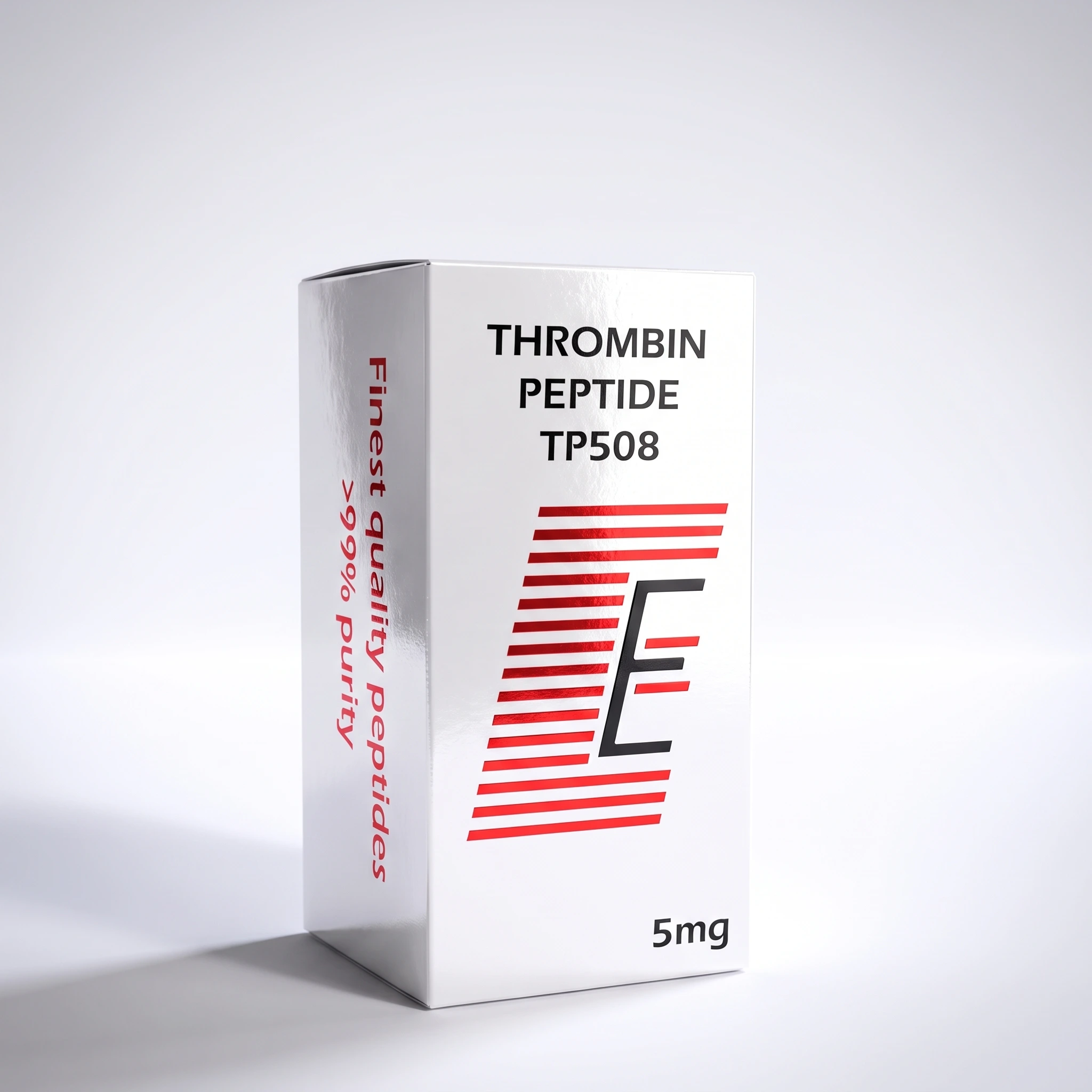
Thrombin Peptide TP508 5 mg is a lyophilized 23-amino acid peptide mapping the receptor-binding domain of thrombin – a non-proteolytic agonist of thrombin receptor signaling that activates angiogenesis, wound healing and bone repair in research models without clot formation. Developed by Chrysalis BioTechnology, tested in Phase I-III clinical trials for fracture healing and diabetic ulcers. Research Use Only reagent.

47,99 €
Buy more, pay less
Fast shipping
Delivery options Free delivery from 350 €
Returns policy
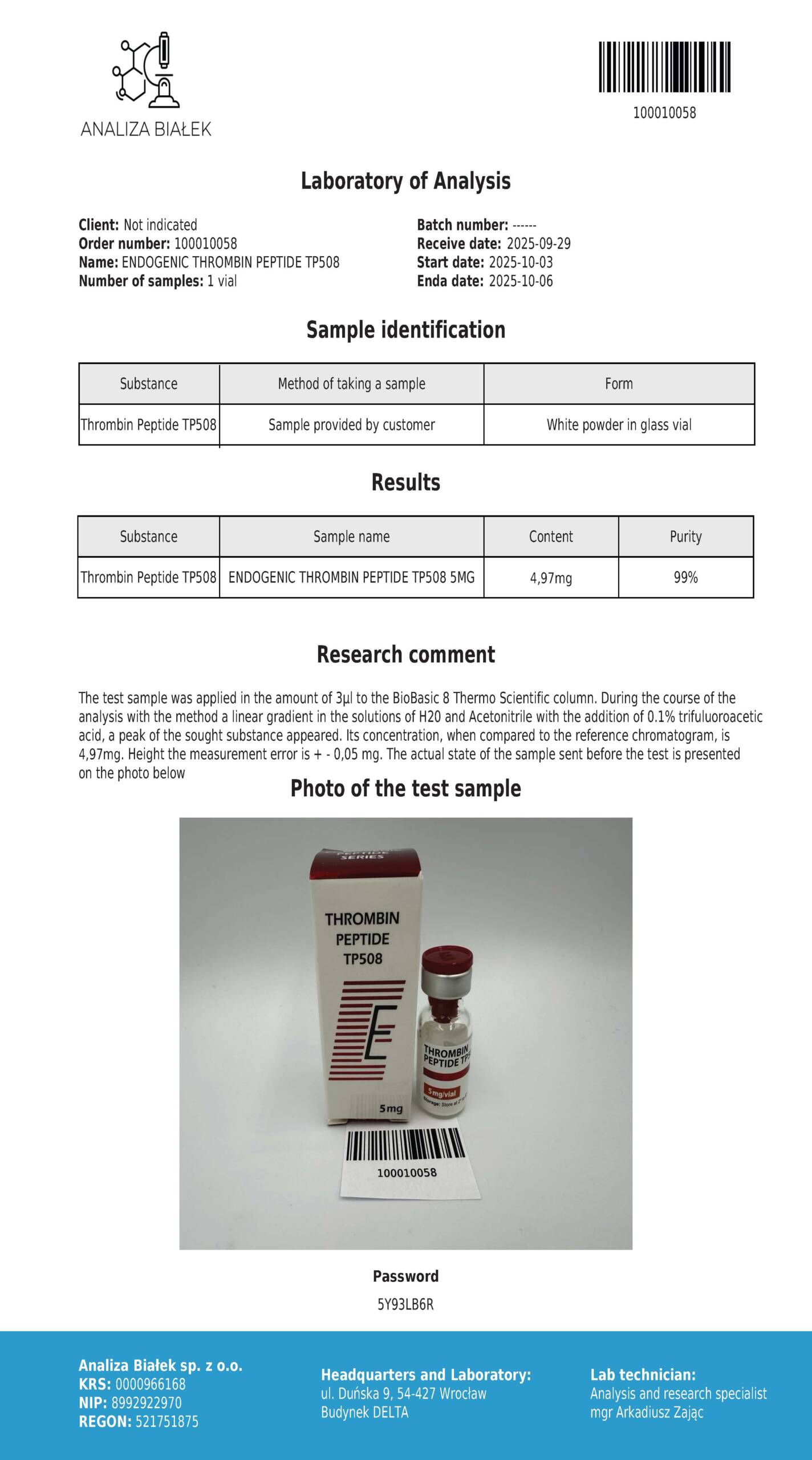
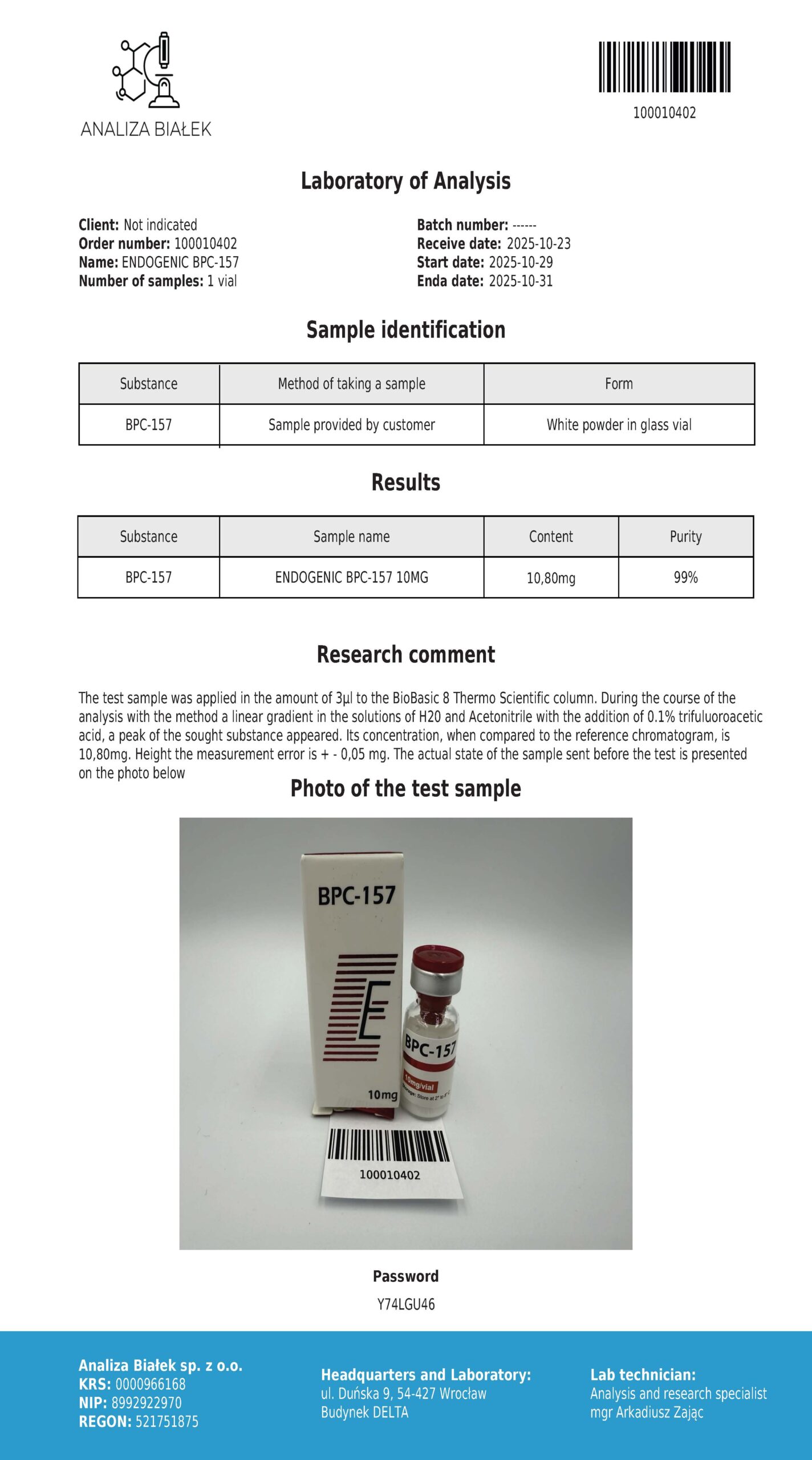
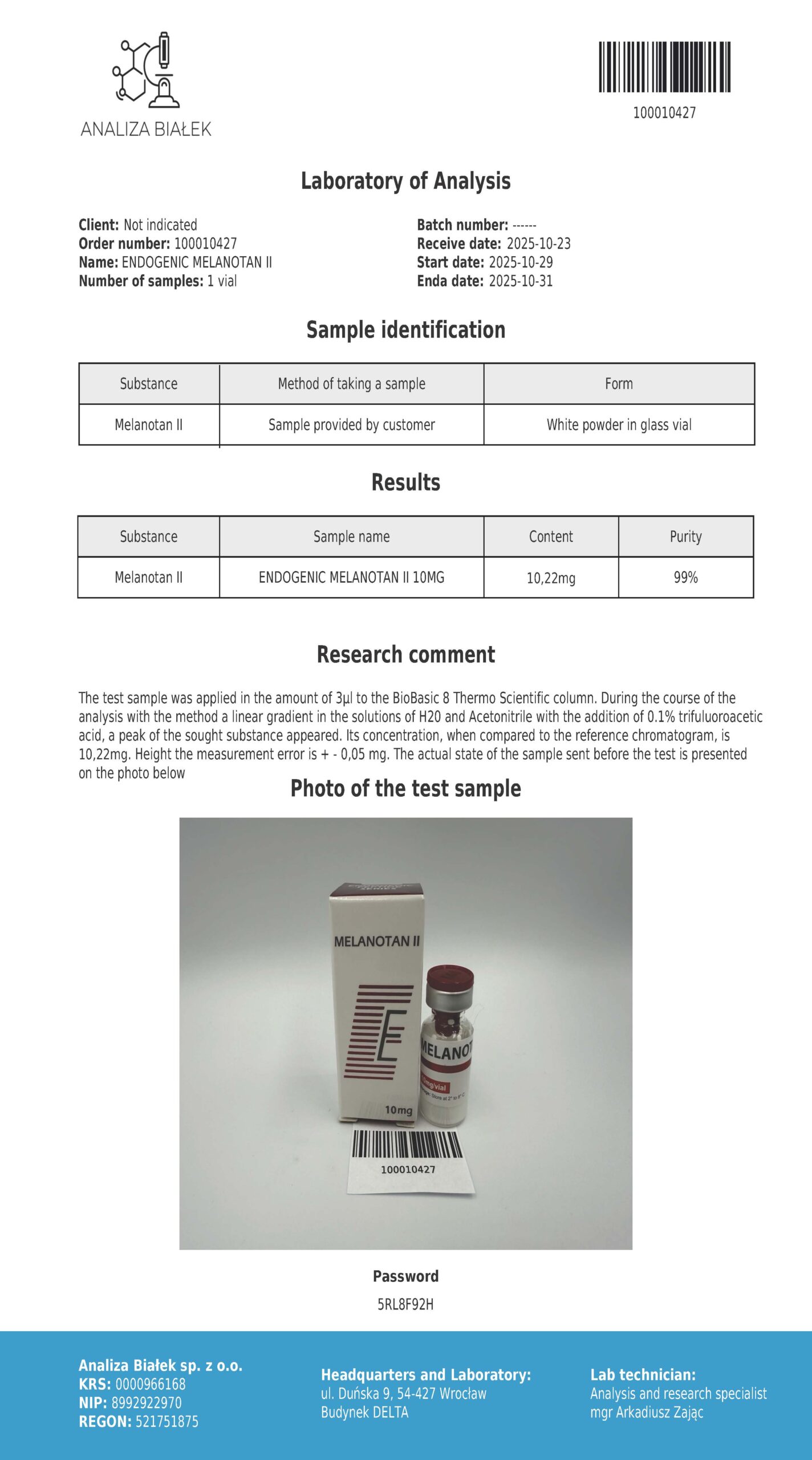
View the laboratory analysis report

Thrombin Peptide TP508 (Rusalatide) - non-proteolytic thrombin receptor agonist

  • Thrombin Peptide TP508 5 mg is a lyophilized 23-amino acid peptide mapping the receptor-binding domain of thrombin - a non-proteolytic agonist of thrombin receptor signaling that activates angiogenesis, wound healing and bone repair in research models without clot formation .
  • Developed by Chrysalis BioTechnology, tested in Phase I-III clinical trials for fracture healing and diabetic ulcers.
  • Research Use Only reagent.

Chemical reagent intended exclusively for laboratory tests (Research Use Only). It is not a medicinal product, dietary supplement or food. It is not intended for use on humans or animals. Sales only to registered research units and laboratories.

Thrombin is clearly associated with blood clotting – it is an enzyme that cuts fibrinogen, builds a fibrin network and closes the clot. However, few people remember that the same molecule has a second, much less obvious function: it activates receptors on the surface of endothelial cells, fibroblasts and osteoblasts, triggering cascades related to wound healing, angiogenesis and tissue repair.

It was this “repair” role of thrombin – completely independent of coagulation – that became the starting point for the TP508 project. TP508 (Thrombin Peptide 508, Rusalatide, Chrysalin) is a synthetic 23-amino acid peptide mapping the receptor-binding domain of thrombin. The molecule activates thrombin receptor signaling without any proteolytic activity — does not cut fibrinogen, does not form a clot, and does not trigger the coagulation cascade.

For researchers, this provides a tool for isolating the regenerative arm of thrombin’s action from its procoagulant function – and studying wound healing, revascularization, and bone repair in isolation from coagulation. This reagent is supplied as lyophilisate in a vial, for reconstitution with bacteriostatic water in laboratory conditions. Purity verified by HPLC ≥98%, identity confirmed by Q-TOF mass spectrometry, COA available for each batch.

Regulatory status

TP508 (Rusalatide acetate, Chrysalin) has undergone phase I, II, and III clinical trials for the healing of distal radius fractures and diabetic foot ulcers, however, due to mixed efficacy results, he was not registered as a doctor in the EU, USA or anywhere in the world. Not authorized by EMA or FDA. Not authorized by EFSA as an ingredient of a dietary supplement. Marketing the product as a “healing peptide”, “recovery support for athletes after injury” or “fracture healing peptide” for humans is contrary to the Research Use Only framework.

Overview - Thrombin PARs and non-proteolytic signaling activation

Thrombin does not act on cells by passive binding. Activates them through the family protease-activated receptors (PARs), mainly PAR-1 and PAR-4 on endothelial cells, platelets, fibroblasts and osteoblasts. The activation mechanism is unusual: the enzymatic thrombin cleaves the N-terminal fragment of the PAR receptor, exposing a new end of the chain, which wraps around and acts as a “trapped ligand”, stimulating the receptor from the inside.

This is the classic proteolytic activation pathway – and it is inextricably intertwined with the clotting activity of thrombin. The research problem is obvious: if you want to study the effect of thrombin signaling on tissue healing, using whole, enzymatic thrombin “contaminates” the experiment with the coagulation cascade – a clot forms, platelets are activated, fibrinolysis is triggered.

The regenerative signal is drowned in the procoagulant response. A tool that stimulates the cellular thrombin repair response is needed, but bypasses its enzymatic activity. The TP508 is just such a tool. The peptide corresponds to fragment 508-530 of human prothrombin – a region of the molecule that participates in receptor recognition, but has no catalytic activity itself (does not contain the active site of the serine protease).

TP508 binds to the receptor domain and activates cell signaling, without cutting fibrinogen or the PAR receptor in an enzymatic way. This separation of both functions – activation of the repair signal without coagulation – makes TP508 a model ligand for studying the non-proteolytic arm of thrombin signaling. In a broader group of research reagents it falls among peptides for regeneration, the common denominator of which is the stimulation of cellular tissue repair pathways.

What is TP508?

Chemically, TP508 is a synthetic, medium-length linear peptide resembling a fragment of human prothrombin.

  • Common name: TP508, Thrombin Peptide 508, Rusalatide
  • Synonyms: Rusalatide acetate, Chrysalin, TP-508, Thrombin-derived peptide 508
  • Class: a synthetic 23-amino acid peptide corresponding to the receptor-binding domain of thrombin (fragment 508-530 of human prothrombin); non-proteolytic agonist thrombin receptor signaling (activates the receptor pathway without coagulation activity)
  • Sequence (23 aa): Ala-Gly-Tyr-Lys-Pro-Asp-Glu-Gly-Lys-Arg-Gly-Asp-Ala-Cys-Glu-Gly-Asp-Ser-Gly-Gly-Pro-Phe-Val (sequence to be verified in the batch COA)
  • CAS number: 137913-91-2 (in case of uncertainty – “to be verified in the batch COA”)
  • Molecular weight: ~2310 g/mol (23-aa peptide; exact mass to be verified in the batch COA)
  • Chemical class: linear oligopeptide, fragment of the prothrombin receptor-binding domain
  • Delivered form: lyophilisate in a vial, for reconstitution with bacteriostatic water; pharmaceutical grade ≥98% HPLC

Origin: TP508 was developed by Chrysalis BioTechnology and further developed by OrthoLogic Corp. (later Capstone Therapeutics) as a drug candidate supporting tissue healing. The starting point was the observation that thrombin – in addition to coagulation – stimulates endothelial cell proliferation, fibroblast migration and osteoblast activity, i.e. processes central to wound healing and bone repair.

Mapping the thrombin molecule allowed us to isolate the region responsible for receptor binding (fragment 508-530), independent of the catalytic center of the enzyme. On this basis, TP508 was synthesized – a peptide that reproduces the receptor signal without proteolytic activity. Compound subsequently underwent phase I, II and III clinical trials in several indications: distal radius fracture healing, diabetic foot ulcers and wound healing, and in later preclinical models it was also tested as a radioprotectant candidate (protection against radiation damage).

Mechanism of action at the molecular level

TP508 acts as a non-proteolytic agonist of thrombin receptor signaling. The signal is initiated at the receptor level and then propagates through several parallel cellular pathways observed in preclinical models – related to wound healing, angiogenesis and bone repair. Pharmacological profile observed in preclinical models:

  1. Non-proteolytic activation of thrombin receptor signaling — TP508 maps the receptor-binding domain of thrombin and activates thrombin-related cellular signaling pathways, without the catalytic activity of serine protease. The peptide does not cut fibrinogen and does not initiate the clotting cascade – it does not form a clot. This is the main distinction from native, enzymatic thrombin and the foundation of the entire concept of this reagent (Norfleet et al.)
  2. Angiogenesis and revascularization — in healing models, stimulation of endothelial cell proliferation and migration was observed, as well as an influence on the expression of pro-angiogenic factors (including the VEGF pathway), leading to the formation of new blood vessels in the area of ​​damage. Revascularization is a prerequisite for effective healing of ischemic tissues
  3. Wound healing and soft tissue regeneration — in wound models (including diabetic ulcers), TP508 promoted reepithelialization, fibroblast migration and reconstruction of the extracellular matrix; these observations underpinned clinical trials in diabetic foot ulcers (Fife et al.)
  4. Bone repair and fracture healing — stimulation of osteoblast activity and acceleration of fracture consolidation were observed in fracture models (rat, rabbit); this direction was the basis for clinical research in the healing of distal radius fractures (Ryaby et al.)
  5. Anti-inflammatory effects and protection against ischemic/radiation damage — in preclinical models, the effect of TP508 on limiting tissue damage in ischemic conditions was tested and as a candidate radioprotectant, where protection of vascular endothelium and tissues against radiation damage was observed (Olszewska-Pazdrak et al.)

TP508 among thrombin signaling ligands – pharmacological position: Several strategies have been used to separate the cellular response from coagulation activity in studies of thrombin receptor signaling. TP508 represents an approach based on a fragment of the natural binding domain:

  • Native (enzymatic) thrombin — full proteolytic and receptor activity together; not useful for isolating repair signaling itself because it triggers clotting and platelet activation
  • Synthetic receptor activating peptides (TRAP – thrombin receptor activating peptides) — short peptides reflecting the “trapped ligand” exposed after proteolytic cleavage of PAR-1; they activate the PAR-1 receptor, but represent a different mechanism than the thrombin-binding domain
  • TP508 / Rusalatide — 23-aa fragment of the receptor-binding domain of thrombin (508-530); non-proteolytic repair signaling agonist, studied for angiogenesis, wound healing and bone reparation without procoagulant activity

Applications in scientific research

TP508 is used in research on the non-proteolytic arm of thrombin signaling and its role in wound healing, angiogenesis and tissue repair. In vivo models (rat, mouse, rabbit – models of fractures, diabetic wounds, ischemic and radiation damage) examine its effect on fracture consolidation, reepithelialization, vascular density and inflammatory markers. In vitro models (cultures of endothelial cells, osteoblasts, fibroblasts) examine receptor signaling, cell proliferation, migration and the expression of pro-angiogenic factors. Specific research directions include:

  • Fracture healing and bone repair — models of fractures of the distal radius and long bones; assessment of consolidation, osteoblast activity and fusion mechanics
  • Wound healing and diabetic ulcers — models of chronic wounds and diabetic foot ulcers; assessment of reepithelialization, fibroblast migration and matrix reconstruction
  • Angiogenesis and revascularization — endothelial cell cultures, vascularization models; VEGF proliferation, migration and expression studies
  • Thrombin receptor signaling — characterization of non-proteolytic activation of the pathway, comparison with the activity of enzymatic thrombin and synthetic TRAP peptides
  • Radioprotection and protection against ischemic damage — models of radiation damage and ischemia; assessment of endothelial and tissue protection

TP508 is also combined in research protocols with other regenerative and tissue-protective peptides – e.g. BPC-157 PEN (VEGF/FAK pathway, angiogenesis) or ARA-290 (innate repair receptor, anti-inflammatory effect) – when the goal is to compare different tissue repair mechanisms. Any such combination remains within the framework of preclinical models. When examining the reagent profile following soft tissue injuries, TP508 ranks among the others peptides for healing used in reparations models.

REGULATORY STATUS

TP508 (Rusalatide acetate, Chrysalin) it is not registered as a medicine in the EU or the USA – compound completed phase I-III clinical trials without market registration (mixed effectiveness results). WADA issue requires attention: TP508 it is not mentioned directly on the WADA Prohibited List as a named substance, however, as a peptide with a pro-angiogenic and growth-factor-like profile, it may be interpreted within broad categories (including factors affecting angiogenesis / section S2). Registered Athletes (ADAMS) should independently verify the current WADA Prohibited List before any decision and do not assume that the peptide status is clear.

Summary

TP508 (Thrombin Peptide 508, Rusalatide, Chrysalin) is a synthetic 23-amino acid peptide mapping the receptor-binding domain of thrombin (fragment 508-530 of human prothrombin), developed by Chrysalis BioTechnology and developed by OrthoLogic / Capstone Therapeutics. The peptide activates thrombin-related cellular signaling pathways – angiogenesis, wound healing and bone repair – without proteolytic activity: does not cut fibrinogen and does not form a clot, which distinguishes it from native, enzymatic thrombin.

Stimulation of endothelial cell proliferation and VEGF expression, reepithelialization, fibroblast migration, and osteoblast activity were observed in preclinical models, and the compound has undergone phase I–III clinical trials in the healing of distal radius fractures and diabetic foot ulcers – with mixed results and no drug registration. Regulatory Status – Research Use Only; lack of registration as a medicine; DISADVANTAGE: not listed explicitly, but the pro-angiogenic profile requires verification of the current list by registered athletes.

Bibliography

  1. Ryaby JT, Sheller MR, Levine BP, Bramlet DG, Ladd AL, Carney DH (2006). Thrombin peptide TP508 stimulates cellular events leading to angiogenesis, revascularization, and repair of dermal and musculoskeletal tissues. PubMed
  2. Fife C, Mader JT, Stone J, Brill L, Satterfield K, Norfleet A, Zwernemann A, Ryaby JT, Carney DH (2007). Thrombin peptide Chrysalin stimulates healing of diabetic foot ulcers in a placebo-controlled phase I/II study. PubMed
  3. Norfleet AM, Bergmann JS, Carney DH (2000). Thrombin peptide, TP508, stimulates angiogenic responses in animal models of dermal wound healing, in chick chorioallantoic membranes, and in cultured human aortic and microvascular endothelial cells. PubMed
  4. Olszewska-Pazdrak B, Carney DH (2013). Systemic administration of thrombin peptide TP508 enhances VEGF-stimulated angiogenesis and attenuates the effects of chronic hypoxia. PubMed
  5. Carney DH, Olszewska-Pazdrak B (2008). Could rusalatide acetate be the future drug of choice for diabetic foot ulcers and fracture repair?. PubMed