Skip to content

Free delivery on orders over €400. Fast delivery.

Search

What are you looking for?

Type at least 2 characters to see suggestions.

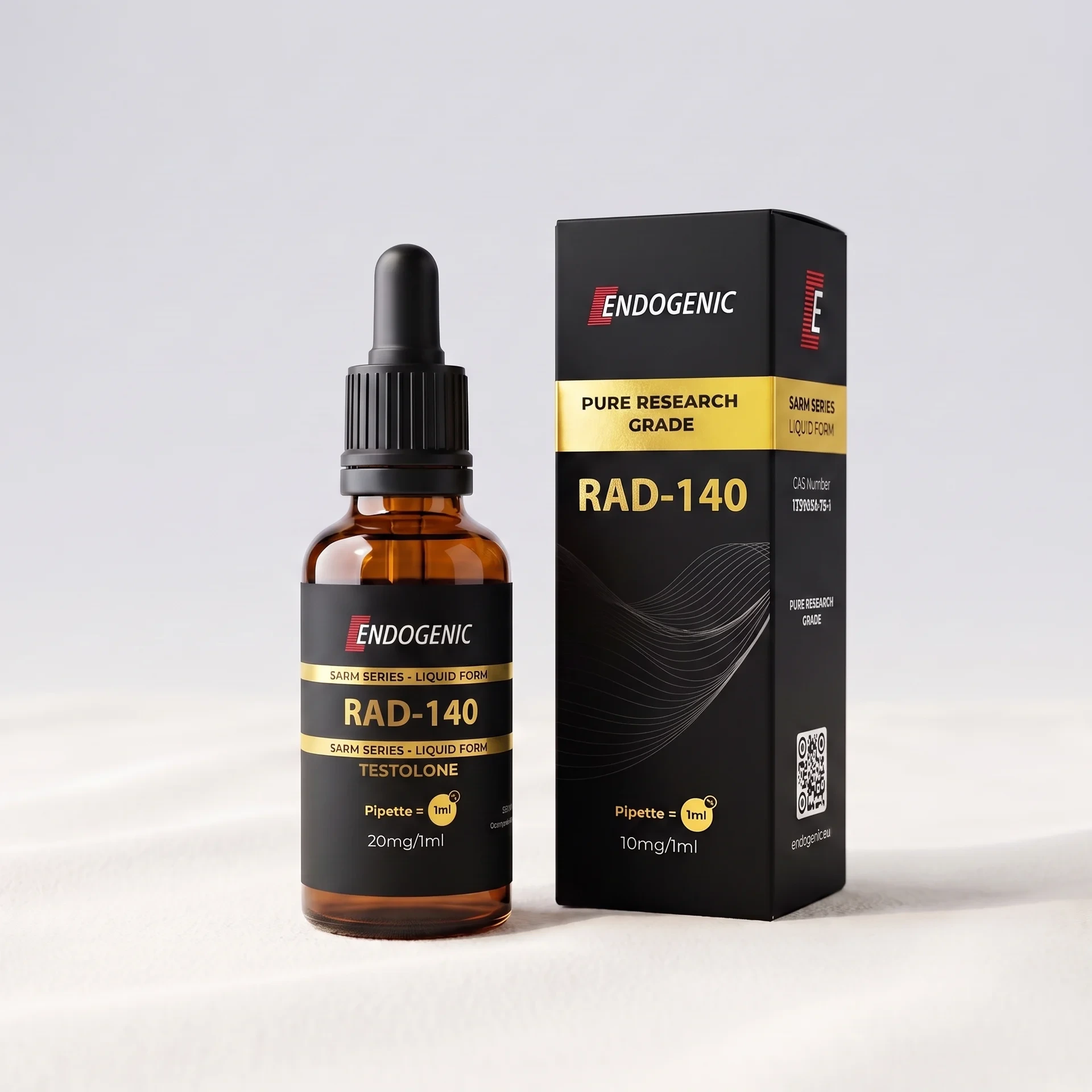
RAD 140  20mg/1ml LIQUID

RAD 140 20mg/1ml LIQUID

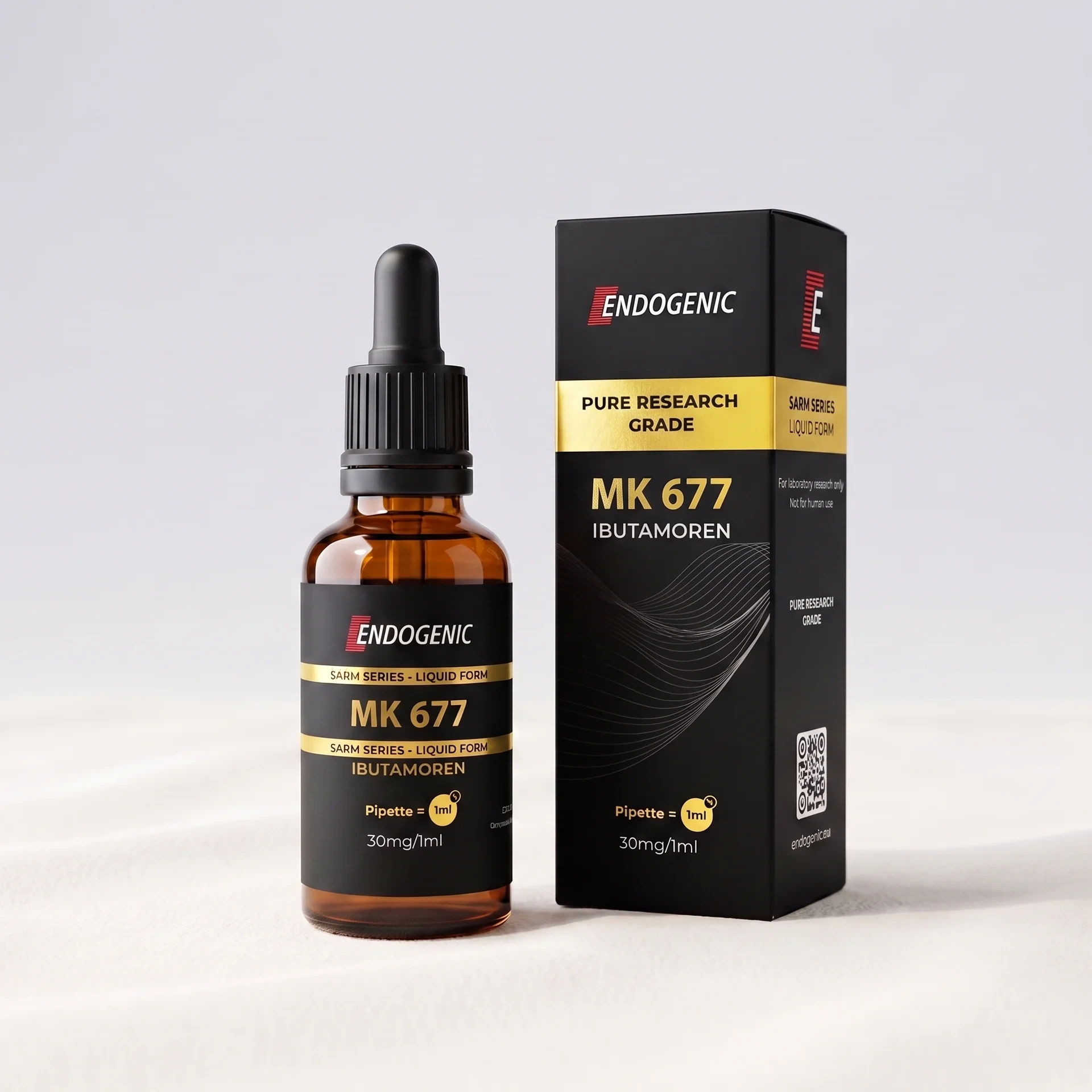
RAD-140 (Testolone) — oral solution in a 30 ml dropper bottle (Endogenic line) is a non-steroidal SARM — one of the most anabolic-selective androgen receptor ligands. High affinity for AR (Ki ~7 nM), muscle-selective profile (agonist in muscle/bone, partial antagonist in prostate), documented neuroprotection. Research Use Only

37,99 €
Fast shipping
Delivery options
Returns policy

RAD-140 (Testolone) 30 ml - non-steroidal SARM, research reagent

  • RAD-140 (Testolone): a non-steroidal selective androgen receptor modulator.
  • Solution in a 30 ml dropper bottle; concentration according to the batch COA.
  • Research Use Only reagent, not a medicinal product.

Product status information

Chemical reagent intended exclusively for laboratory tests (Research Use Only). It is not a medicinal product, dietary supplement or food. It is not intended for use on humans or animals. Sales only to registered research units and laboratories.

RAD-140 (Testolone) is a non-steroidal selective androgen receptor modulator (SARM) developed by the company Radius Health as a candidate for a compound with anabolic selectivity towards skeletal muscle and bone tissue. The primary design, synthetic and preclinical characteristics were published in the paper Miller et al. 2011 (ACS Med Chem Lett), which describes the rational design of the molecule, its affinity for the androgen receptor (AR) at the Ki level of ~7 nM, and its tissue-selective activity profile in rodent and primate models. The development program included indications for muscle atrophy (sarcopenia, cancer cachexia) and hormone-dependent breast cancer (ER+/AR+).

This reagent is supplied in line Endogenic in format oral solution in a 30 ml dropper bottle (concentration mg/ml declared in the batch COA) – a form belonging to the family Liquid SARMs Endogenic line. The form of the dropper solution is adapted to laboratory research protocols operating with working concentrations in vivo on animal models and in vitro on AR-expressing cell lines – the dropper simplifies the measurement of repeatable volumes of solution with a known concentration of mg/ml without the need to weigh the powder for each test.

Chemically, RAD-140 differs from steroidal androgens in the absence of a steroid core – this non-steroidal AR ligand with one of the most anabolic-selective profiles in the entire SARM class.

The central axis of the mechanism is tissue selectivity: the compound binds the androgen receptor with high affinity and induces receptor conformations leading to a strong anabolic response in muscle and bone, while maintaining a partial antagonist profile in prostate glandular tissue. The second direction of research that distinguishes RAD-140 from other SARMs is its neuroprotective profile documented in rodent models (Jayaraman et al. 2014). Purity verified by HPLC ≥98%, identity confirmed by mass spectrometry, COA available for each batch.

Regulatory status

RAD-140 (Testolone) has reached the early stages of development (preclinical studies and limited early phase studies in the context of breast cancer), however has not completed any phase of clinical trials resulting in registration — the program did not result in marketing authorization. No registration as a drug with the EMA, FDA or anywhere in the world.

Not authorized by EFSA as an ingredient of a dietary supplement. SARMs have been on the WADA prohibited list (category S1.2 – Other Anabolic Agents) since 2008 — RAD-140 was the subject of a high-profile doping case (NBA player, 2019). Communicating the product as an “oral anabolic”, “muscle gainer” or “safer alternative to steroids” is contrary to the Research Use Only framework.

What are SARMs and tissue-selective profile

SARMs Selective Androgen Receptor Modulators (Selective Androgen Receptor Modulators) are a class of non-steroidal compounds that bind to the androgen receptor (AR) and modulate its transcriptional activity in a manner tissue dependent. The concept arose from work on AR ligands that would recreate the beneficial anabolic profile of testosterone in muscles and bones, while limiting undesirable androgenic effects in tissues such as the prostate, skin or hair follicles.

The analogy to selective estrogen receptor modulators (SERMs, e.g. tamoxifen, raloxifene) is direct – the same receptor triggers different tissue responses depending on the conformation induced by the ligand and the recruited set of coregulators. Mechanistically, the tissue selectivity of SARMs results from several molecular phenomena:

  • Receptor conformation after ligand binding — non-steroidal SARMs stabilize the conformation of the AR ligand-binding domain different from that induced by testosterone or dihydrotestosterone (DHT), which translates into a differential set of recruited coactivators and corepressors
  • Tissue-specific expression of transcription cofactors — the same ligand-AR complex activates different gene programs depending on the repertoire of accessory proteins available in a given tissue
  • No metabolic conversion to stronger androgens and estrogens — unlike testosterone, which is subject to 5α-reduction to DHT (a highly active androgen in the prostate and skin) and aromatization to estradiol, non-steroidal SARMs are not substrates of 5α-reductase or aromatase
  • Tissue-dependent partial vs. full agonism — in skeletal muscle and bone, SARMs act as (close to) full AR agonists, while in the prostate they behave as partial agonists/antagonists

The classic, best characterized non-steroidal SARMs include RAD-140 (Testolone), LGD-4033 (Ligandrol) in liquid form, MK-2866 (Ostarine/Enobosarm) liquid, S-23 liquid, S-4 (Andarine) liquid and YK-11 (a compound with a separate, steroid-like myostatin skeleton). In this catalogue, the RAD-140 stands out as one of the most anabolic-selective ligands – in preclinical models, its potency and tissue selectivity index are among the highest in its class.

The AR pharmacology world is keeping an eye on RAD-140 for three reasons. First, as a research tool tissue-selective androgen signaling — RAD-140 has one of the most anabolic-selective profiles in the class and is a reference reagent in comparative analyses.

Secondly, as a compound with documented effects (in rodent models). neuroprotective — a direction initiated by the work of Jayaraman et al. 2014. Third, as a ligand studied in context hormone-dependent breast cancer (ER+/AR+) —Yu et al. 2017 described the inhibition of the growth of cancer lines by activating AR as an antagonistic mechanism against estrogen signaling.

What is RAD-140 (Testolone)?

Chemically, RAD-140 is a non-steroidal androgen receptor ligand with a distinct skeleton containing a chloro-aromatic moiety and an azole ring.

  • Common name: RAD-140, RAD140, Testolone
  • Synonyms/development codes: RAD-140 (Radius Health)
  • Chemical name (descriptive): a non-steroidal molecule with a skeleton containing a chlorophenyl substituent and a heterocyclic system with a nitrile group
  • CAS number: 1182367-47-0
  • Molecular formula: C₂₀H₁₆ClN₅O₂
  • Molar mass: 393.83 g/mol
  • Chemical class: non-steroidal SARM – AR ligand with a separate skeleton (not arylpropionamide, not a quinolinone derivative)
  • AR affinity: Ki ~7 nM (Miller et al. 2011); tissue-selective profile – agonist in muscle/bone, partial antagonist in prostate
  • Delivered form: oral solution in a 30 ml dropper bottle; mg/ml concentration declared in the batch COA; pharmaceutical grade ≥98% HPLC

Origin: RAD-140 (Testolone) was developed by the company Radius Health as part of the program to search for non-steroidal AR ligands with anabolic selectivity for muscles and bones. The original design-synthetic and preclinical characterization appeared in Miller et al. 2011 (ACS Med Chem Lett) – describes the rational design of the molecule, receptor affinity studies, activity profile in an orchidectomized rat model, and data from a primate model (macaque), where RAD-140 showed a significant increase in lean body mass.

The development program included indications for muscle atrophy and hormone-dependent breast cancer (ER+/AR+); the oncological direction was developed in limited early-phase studies, but the compound was not registered as a drug.

It is worth noting the chemical relatedness to the prodrug form. RAD-150 (TLB-150, Testolone Benzoate) is RAD-140 benzoic ester – a prodrug derivative designed to release the active parent molecule, i.e. RAD-140, after hydrolysis with plasma esterases. The comparative profile of the ester form is described on the card RAD-150 (RAD-140 ester).

Table of physicochemical characteristics

Parameter Value
Common name RAD-140 / RAD140 / Testolone
Producer (original compound) Radius Health
Class Non-steroidal SARM – AR ligand with a distinct skeleton
CAS number 1182367-47-0
Molecular formula C₂₀H₁₆ClN₅O₂
Molar mass 393.83 g/mol
AR affinity Ki ~7 nM (Miller et al. 2011)
Tissue profile Agonist in muscle/bone; partial antagonist in the prostate
Conversion to estrogen None (non-steroidal compound, does not aromatize)
Half-life (estimated) ~16–20 h (allows exposure once a day in models)
Prodrug form RAD-150 / TLB-150 (benzoic ester)
Figure delivered Oral solution, 30 ml dropper bottle; mg/ml concentration – see COA
Purity ≥98% HPLC
Identity confirmation MS Q-TOF

Mechanism of action at the molecular level

RAD-140 acts as a tissue-selective androgen receptor ligand with high affinity. It binds the ligand-binding domain of the AR receptor and induces a conformation leading to a strong anabolic response in muscle and bone, with a reduced – partially antagonistic – effect on prostate glandular tissue. The mechanism can be described in six axes. Pharmacological profile observed in preclinical models:

  1. Selective androgen receptor (AR) agonism — RAD-140 binds to the ligand-binding domain of the androgen receptor with high affinity (Ki ~7 nM according to Miller et al. 2011). Ligand binding stabilizes the receptor conformation activating nuclear translocation and binding to androgen response elements (AREs) in the promoters of target genes
  2. Full agonism in skeletal muscle and bone — in muscle and bone tissue, RAD-140 behaves as a (close) full AR agonist. In a primate model (macaque), a marked increase in lean body mass was demonstrated; in a rodent model after orchidectomy – maintaining muscle mass, strength and bone parameters at a level similar to testosterone, with a favorable anabolic-androgenic selectivity index
  3. Partial antagonism in the prostate (muscle-selective profile) — in prostate glandular tissue, RAD-140 shows a partial antagonist/weak agonist profile, which in preclinical models resulted in a much weaker stimulation of prostate mass relative to testosterone. This muscle-prostate dissociation is the pharmacological basis for the term “muscle-selective”
  4. Neuroprotection in rodent models —Jayaraman et al. 2014 showed that RAD-140 protected neurons against degeneration in a rat model with hippocampal kainate lesion and in neuronal cultures; AR activation in nervous tissue triggered survival pathways independent of conversion to estrogen (a mechanism separate from estrogen neuroprotection, important in the context of research on neurodegenerative diseases)
  5. No conversion to estrogen — as a non-steroidal ligand, RAD-140 is not subject to aromatization to estradiol or 5α-reduction to stronger androgens; the transcriptional profile remains within the androgen axis without estrogenic metabolites, which distinguishes it from steroidal androgens
  6. Modulation of signaling in ER+/AR+ breast cancer cells —Yu et al. 2017 reported that AR activation by RAD-140 inhibited the growth of hormone-dependent breast cancer lines (ER+/AR+) through an antagonistic mechanism against estrogen signaling – a separate research direction on the role of AR in molecular oncology

Pharmacokinetic profile (based on preclinical models):

  • Half-life (T½): estimated ~16–20 h — long as for SARMs, which in research models is enabled by a once-daily exposure regimen
  • Oral bioavailability: good in preclinical models (orally active compound)
  • Metabolism: hepatic, oxidative; complete profile in humans, uncharacterized
  • PK profile in man: uncharacterized under controlled conditions in the anabolic direction

RAD-140 in the SARM class – pharmacological position: In the catalog of non-steroidal AR modulators, RAD-140 is one of the most anabolic-selective ligands with a separate skeleton:

  • RAD-140 (Testolone), separate frame — one of the most anabolic-selective SARMs; high potency in primate models, documented neuroprotection (Jayaraman 2014), long half-life (~16–20 h)
  • YK-11, steroid-like skeleton — compound studied in the context of myostatin modulation — a separate mechanism from classic SARMs (YK-11 liquid 30 ml)
  • S-4 (Andarine), arylpropionamide — partial agonist with a characteristic yellow tint vision signature (interaction with retinal opsins), absent with RAD-140
  • MK-2866 (Ostarine), arylpropionamide — one of the best-studied SARMs in early clinical phases for sarcopenia
  • RAD-150 (TLB-150) — benzoate prodrug of RAD-140; not a separate pharmacophore, but a transport form of the parent molecule designed for more favorable oral kinetics

Applications in scientific research

RAD-140 is used in research work in several areas. In vivo models (orchiectomized rat, mouse, primate model) examine its effect on skeletal muscle mass and strength, bone parameters, body composition and the anabolic-androgenic selectivity index. In vitro models (cell lines expressing androgen receptor, AR transcription reporter tests, ER+/AR+ breast cancer lines) examine receptor affinity, agonist-antagonist profile and co-regulator recruitment. Specific research directions include:

  • Pharmacology of tissue-selective AR signaling — RAD-140 as a reference reagent in comparative analyzes of muscle/bone vs. prostate selectivity; mapping of AR conformations and recruited coregulators
  • Models of sarcopenia and muscle atrophy — assessment of anabolic potential in catabolic-degenerative states of skeletal muscle (orchidectomy, cachexia, immobilization model); in this area RAD-140 is among those being investigated SARMs for muscle mass Endogenic line
  • Neuroprotective studies — continuation of the direction of Jayaraman et al. 2014 on the role of AR activation in the survival of neurons in models of CNS damage (kainic acid model, neuron cultures), in the context of neurodegenerative diseases
  • Molecular oncology (ER+/AR+) — research on AR activation as a mechanism of inhibiting estrogen signaling in hormone-dependent breast cancer lines (directed by Yu et al. 2017)
  • Analytical and anti-doping methods — RAD-140 as a reference analyte in the development of SARM detection methods (LC-MS/MS) in anti-doping control; identification of urinary metabolites

Summary

RAD-140 (Testolone, oral solution 30 ml, Endogenic line) is a non-steroidal SARM with a separate skeleton, developed by Radius Health (Miller et al. 2011) as one of the most anabolic-selective androgen receptor ligands. In preclinical models, it has high affinity for AR (Ki ~7 nM), a tissue-selective profile (full agonism in muscle and bone, partial antagonism in the prostate – muscle-selective profile), a marked increase in lean body mass in a primate model, documented neuroprotection in a kainic acid injury model (Jayaraman et al. 2014) independent of conversion to estrogens, and activity in hormone-dependent breast cancer. ER+/AR+ (Yu et al. 2017). No conversion to estrogens, long half-life (~16–20 h).

The native form is the parent molecule of prodrug RAD-150 (TLB-150 Benzoate). Oral solution form in a 30 ml dropper bottle, mg/ml concentration in COA, HPLC purity ≥98%, MS Q-TOF, COA for each batch. Regulatory Status – Research Use Only; lack of registration as a medicine; SARMs permanently banned by WADA (S1.2) since 2008 (high-profile NBA doping case 2019); cases of RAD-140 hepatotoxicity outside the research framework have been reported.

Bibliography

  1. Jayaraman A, Christensen A, Moser VA, Vest RS, Miller CP, et al. (2014). Selective androgen receptor modulator RAD140 is neuroprotective in cultured neurons and kainate-lesioned male rats. PubMed
  2. Miller CP, Shomali M, Lyttle CR, O’Dea LS, Herendeen H, et al. (2011). Design, synthesis, and preclinical characterization of the selective androgen receptor modulator (SARM) RAD140. PubMed
  3. Yu Z, He S, Wang D, Patel HK, Miller CP, et al. (2017). Selective androgen receptor modulator RAD140 inhibits the increase of androgen/estrogen receptor-positive breast cancer models with a distinct mechanism of action. PubMed
  4. Solomon ZJ, Mirabal JR, Mazur DJ, Kohn TP, Lipshultz LI, Pastuszak AW (2019). Selective androgen receptor modulators: current knowledge and clinical applications. PubMed
  5. Narayanan R, Mohler ML, Bohl CE, Miller DD, Dalton JT (2008). Selective androgen receptor modulators in preclinical and clinical development. PubMed