Product status information
Chemical reagent intended exclusively for laboratory tests (Research Use Only). It is not a medicinal product, dietary supplement or food. It is not intended for use on humans or animals. Sales only to registered research units and laboratories.
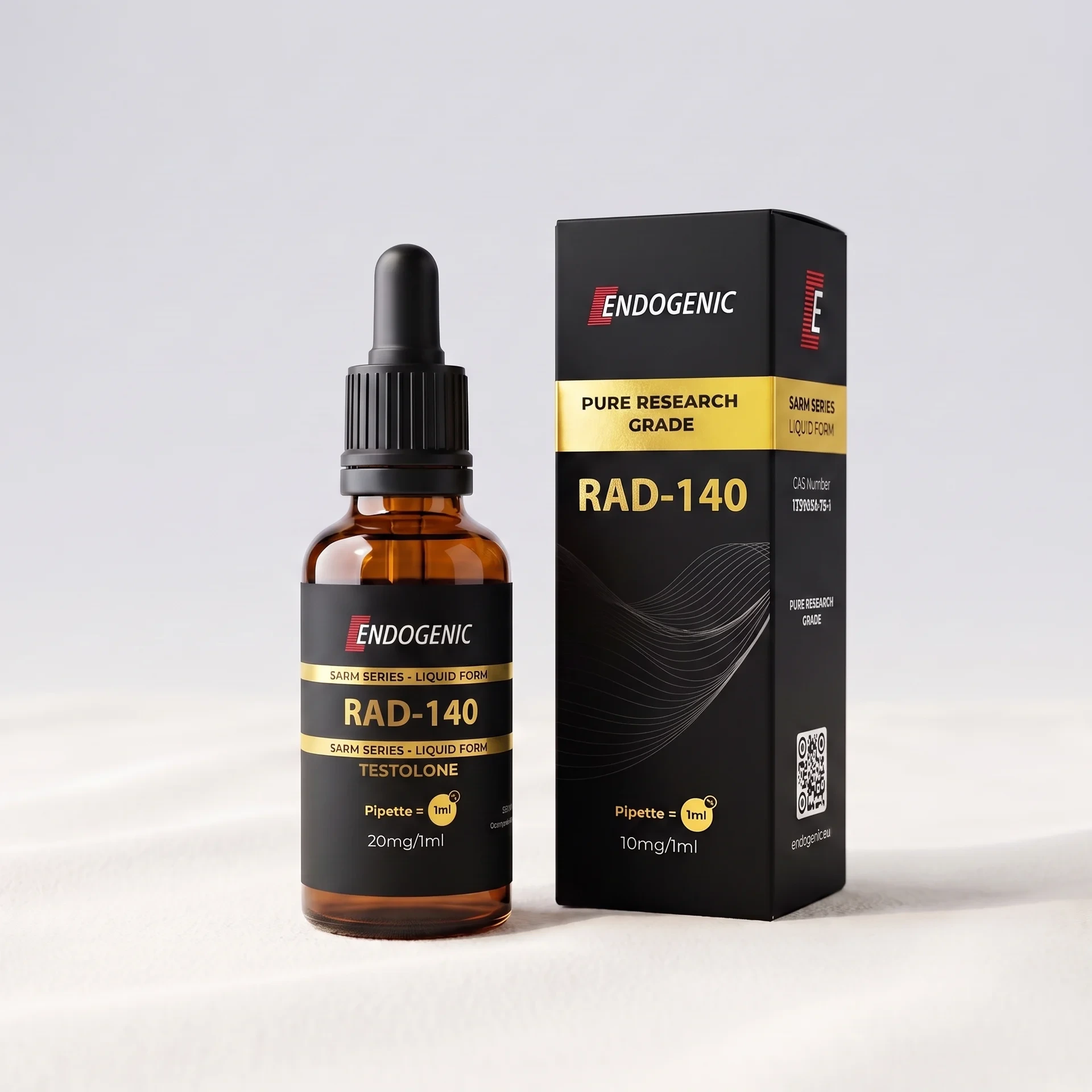
RAD-140 (Testolone) is a non-steroidal selective androgen receptor modulator (SARM) developed by the company Radius Health as a candidate for a compound with anabolic selectivity towards skeletal muscle and bone tissue. The primary design, synthetic and preclinical characteristics were published in the paper Miller et al. 2011 (ACS Med Chem Lett), which describes the rational design of the molecule, its affinity for the androgen receptor (AR) at the Ki level of ~7 nM, and its tissue-selective activity profile in rodent and primate models. The development program included indications for muscle atrophy (sarcopenia, cancer cachexia) and hormone-dependent breast cancer (ER+/AR+).
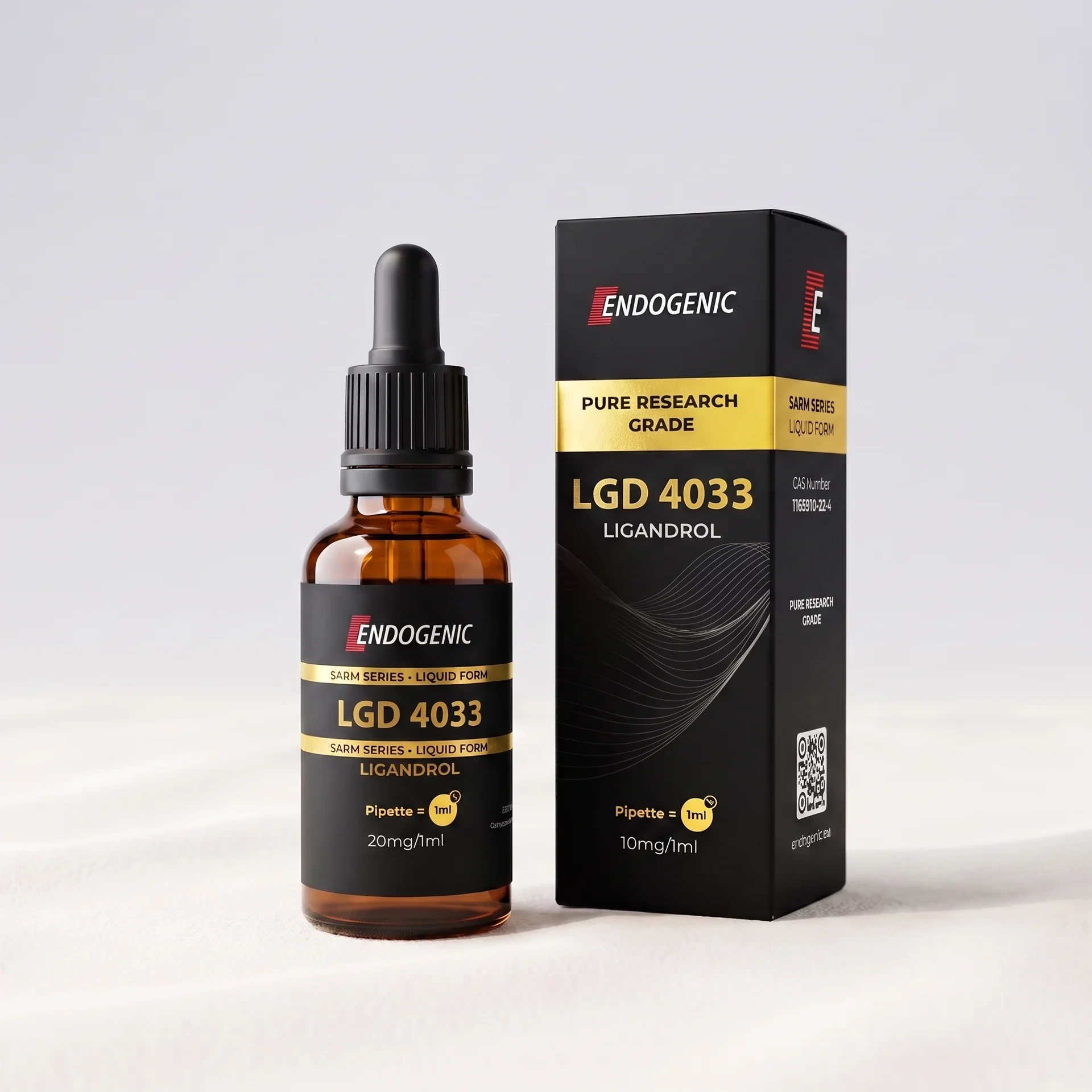
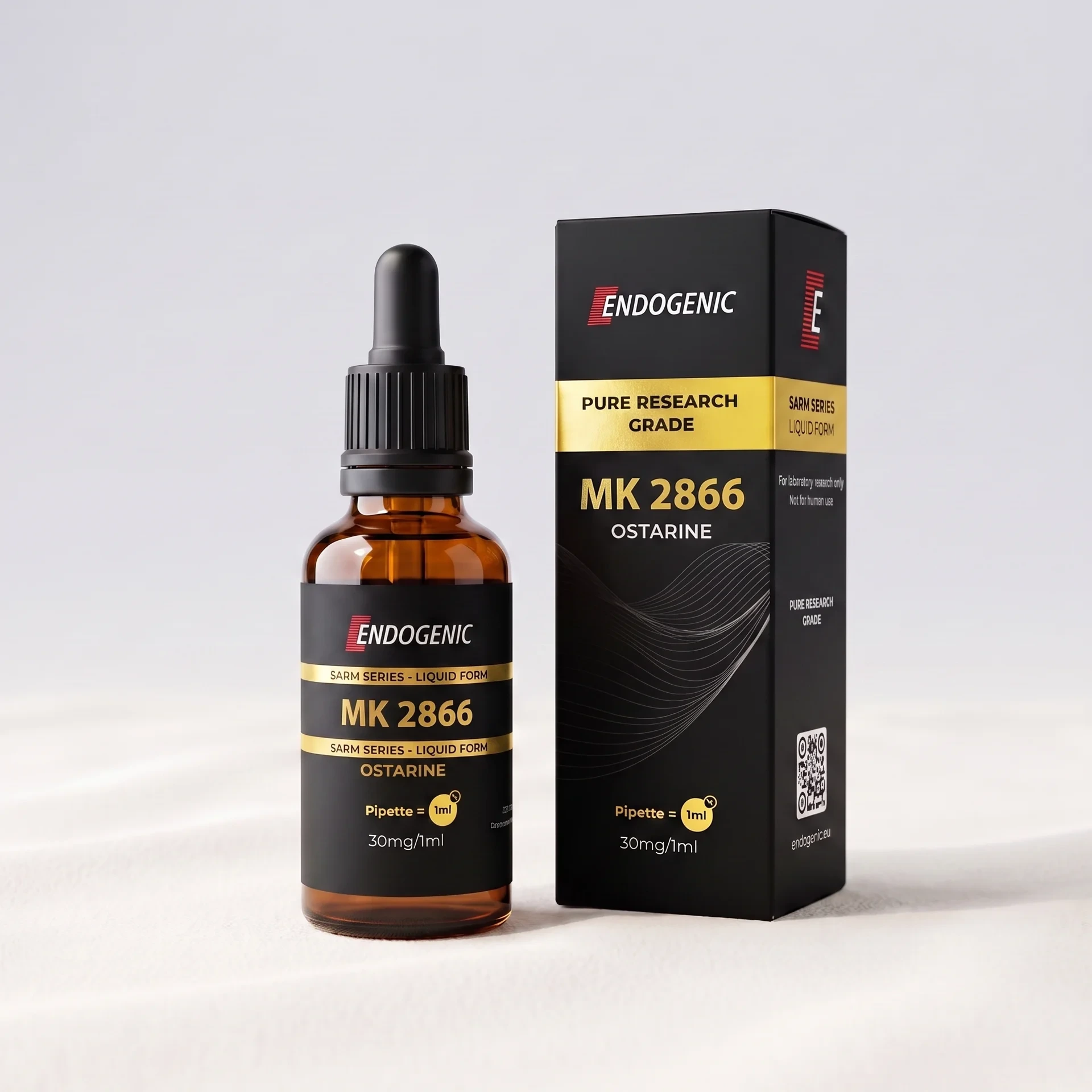
This reagent is supplied in line Endogenic in format oral solution in a 30 ml dropper bottle (concentration mg/ml declared in the batch COA) – a form belonging to the family Liquid SARMs Endogenic line. The form of the dropper solution is adapted to laboratory research protocols operating with working concentrations in vivo on animal models and in vitro on AR-expressing cell lines – the dropper simplifies the measurement of repeatable volumes of solution with a known concentration of mg/ml without the need to weigh the powder for each test.
Chemically, RAD-140 differs from steroidal androgens in the absence of a steroid core – this non-steroidal AR ligand with one of the most anabolic-selective profiles in the entire SARM class.
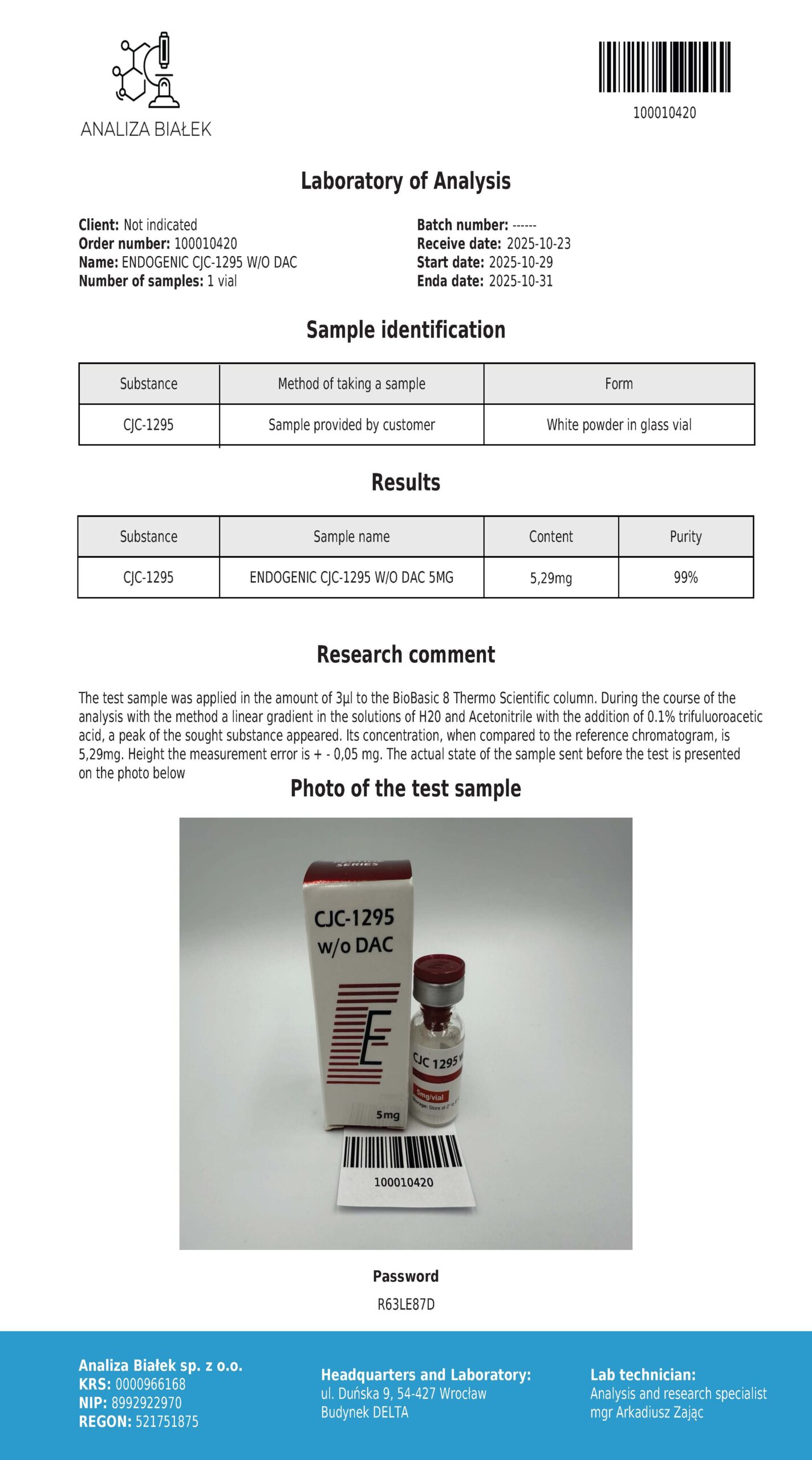
The central axis of the mechanism is tissue selectivity: the compound binds the androgen receptor with high affinity and induces receptor conformations leading to a strong anabolic response in muscle and bone, while maintaining a partial antagonist profile in prostate glandular tissue. The second direction of research that distinguishes RAD-140 from other SARMs is its neuroprotective profile documented in rodent models (Jayaraman et al. 2014). Purity verified by HPLC ≥98%, identity confirmed by mass spectrometry, COA available for each batch.
Regulatory status
RAD-140 (Testolone) has reached the early stages of development (preclinical studies and limited early phase studies in the context of breast cancer), however has not completed any phase of clinical trials resulting in registration — the program did not result in marketing authorization. No registration as a drug with the EMA, FDA or anywhere in the world.
Not authorized by EFSA as an ingredient of a dietary supplement. SARMs have been on the WADA prohibited list (category S1.2 – Other Anabolic Agents) since 2008 — RAD-140 was the subject of a high-profile doping case (NBA player, 2019). Communicating the product as an “oral anabolic”, “muscle gainer” or “safer alternative to steroids” is contrary to the Research Use Only framework.