

Thymulin is a nonapeptide with the sequence Pyr-Ala-Lys-Ser-Gln-Gly-Gly-Ser-Asn secreted by thymic epithelial cells. It was originally described as FTS – Facteur Thymique Sérique (serum thymic factor), before its zinc-dependent nature was established. It belongs to the family of thymic factors responsible for supervising the maturation of T lymphocytes. In the literature it is described in the context of immunomodulation, cytokine balance and neuroimmune communication. It remains an investigational reagent with no clinical trials of its administration in humans completed.
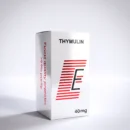
Thymulin
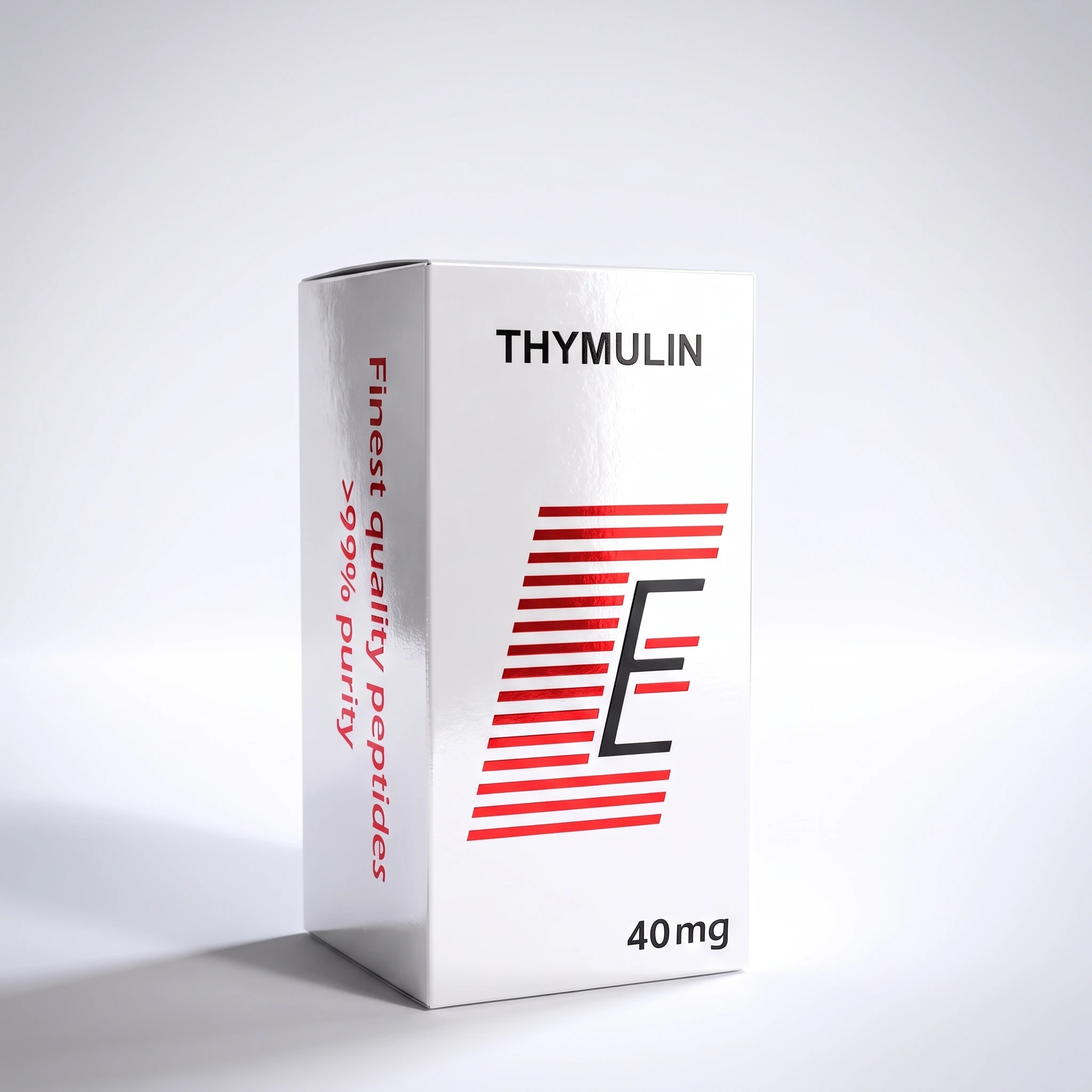
Thymulin 40 mg (thymulin, lyophilisate vial, Endogenic) – zinc-dependent thymic nonapeptide for laboratory tests. Biologically active only as the Zn-thymulin complex; in the literature, associated with T cell maturation, cytokine modulation (IL-2, IFN-γ) and Th1/Th2 balance, as well as the neuroimmune profile. RUO reagent
47,99 €
Fast shipping
Delivery options
Returns policy
Thymulin 40 mg (thymulin) - thymus peptide, research reagent
- Thymulin 40 mg (thymulin, lyophilisate vial, Endogenic) - zinc-dependent thymic nonapeptide for laboratory tests.
- Biologically active only as the Zn-thymulin complex; in the literature, associated with T cell maturation, cytokine modulation (IL-2, IFN-γ) and Th1/Th2 balance, as well as the neuroimmune profile.
Product status information
Chemical reagent intended exclusively for laboratory tests (Research Use Only). It is not a medicinal product, dietary supplement or food. It is not intended for use on humans or animals. Sales only to registered research units and laboratories.
Regulatory Frame – WADA Status
Thymulin (thymulin) is not currently on the WADA Prohibited List as a substance mentioned by name. This does not relieve the researcher from verifying current guidelines – anti-doping lists are updated annually, and collective categories (e.g. S0 – substances not approved for use in humans) may include compounds without mentioning them by name. Registered athletes (ADAMS) must check the current list of prohibited substances before making any decision regarding use. In the Pro-Body catalog, thymulin appears only as a RUO research reagent, not as an adjuvant.
Thymulin 40 mg (thymulin) from the Endogenic line zinc-dependent thymic nonapeptide — one of the classic, well-described thymic factors with an immunomodulatory profile. Unlike regenerative peptides aimed at rebuilding connective tissue, thymulin operates in a completely different area of research: T-cell maturation, cytokine balance and communication between the thymus and the neuro-hormonal system. This makes it an unusual molecule in the reagent catalog – short, historically grounded, and embedded in one of the best-documented chapters of thymic immunology.
Among the resilience research tools is in the category peptides for immunity. The whole history of thymulin begins with the thymus – an organ that in a young organism serves as the central school of the immune system, and with age it gradually atrophies (involution). Thymic epithelial cells secrete a set of signaling factors that supervise the maturation of T lymphocytes.
One of them is thymulin, originally described as FTS – Facteur Thymique Sérique (thymic factor serum) — serum peptide of thymic origin. One observation turned out to be decisive for the entire profile of thymulin: this peptide becomes biologically active only after binding the ion zinc (Zn²⁺). Without zinc, the amino acid chain remains inactive.
This distinction is important for experimental design. Thymulin is particularly explored in context in the literature immunoaging — a decrease in its level has been associated with both thymus involution and zinc deficiency, which makes it a convenient model for research on the zinc-thymus-immune axis. This format is provided as vial of lyophilisate, 40 mg of peptide — sterile, dry peptide for self-reconstitution in laboratory conditions, giving the researcher full freedom to select the working concentration for a specific experimental system.
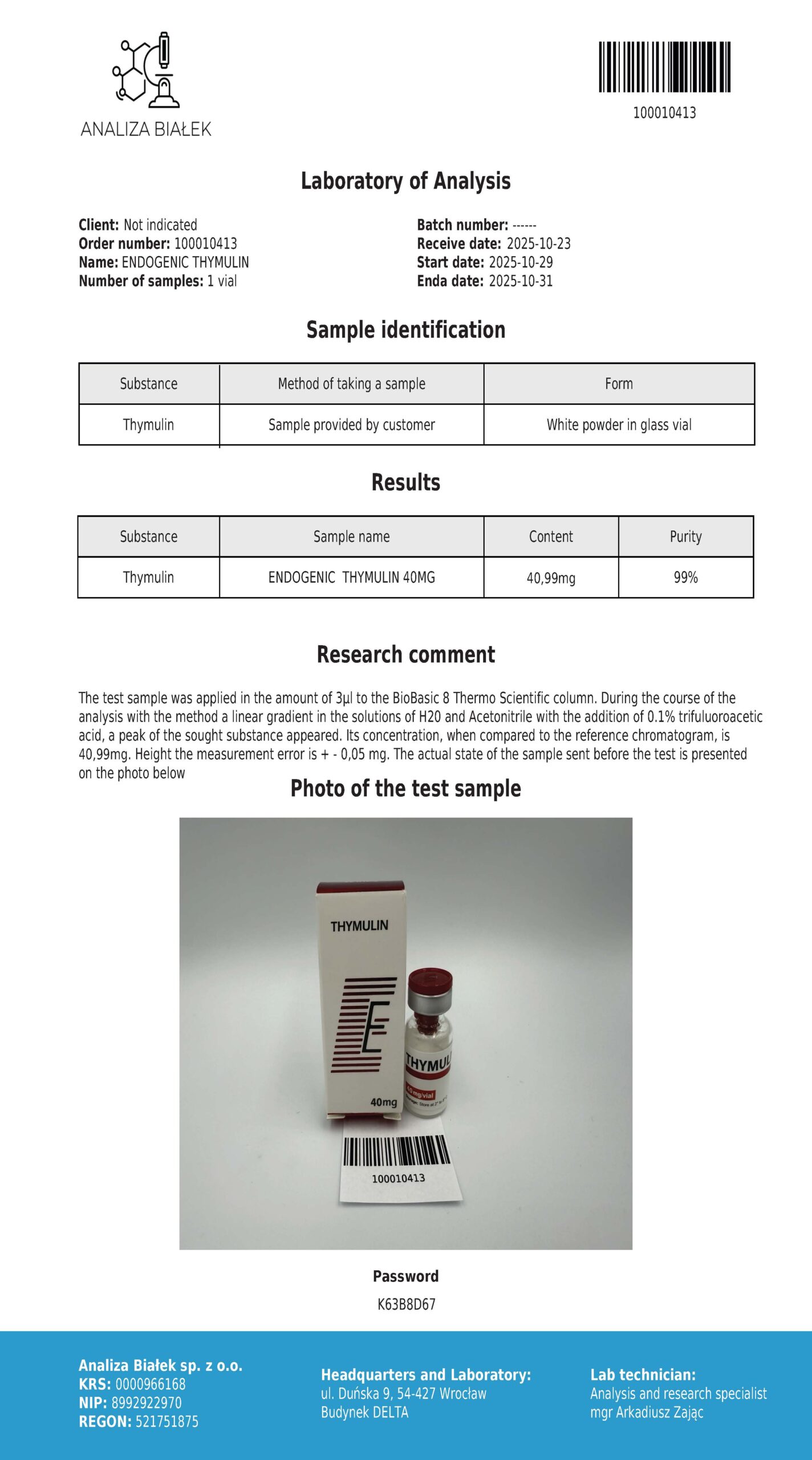
Purity verified by HPLC ≥98%, identity confirmed by Q-TOF mass spectrometry, COA available for each batch. In the Endogenic line’s offer, thymulin is accompanied by other thymic factors and immunomodulatory peptides. This description applies basic form – vials of lyophilisate as RUO reagent – and this is the subject of the following characterization.
The thymus, thymic factors and the role of zinc
The thymus is a primary lymphoid organ where T lymphocytes – cells responsible for cellular immunity – mature and undergo selection. In a young organism, the thymus gland is active and large; with age, it gradually disappears and is replaced by fatty tissue. This process of involution is one of the main mechanisms of immunoaging – as functional thymic tissue decreases, the production of thymic factors and the pool of new T lymphocytes decreases.
Thymic epithelial cells secrete a family of signal peptides collectively called thymic factors or thymus hormones. This family includes thymulin (FTS), thymosin alpha-1, thymopoietin and thymosin beta-4. Each of these peptides has a different structure and a different described mechanism – they are united only by a common origin and the general context of the maturation and function of the immune system.
Confusing them with each other is a common source of confusion, which we will return to in a separate section. Thymulina holds a special place in this family because of… absolute dependence on zinc. The nonapeptide chain itself is biologically inactive – activity occurs only after the complex is formed Zn-thymulin, in which the zinc ion is an integral element of the active structure.
This is one of the best documented metallo-peptide relationships in thymic immunology. In practice, this means that the level of functional thymulin in the body depends not only on the active thymus tissue, but also on the availability of zinc – hence the strong connection between thymulin and research on zinc deficiency.
What is thymulin - a zinc-dependent thymic nonapeptide (FTS)
Thymulin is nonapeptide with the sequence Pyr-Ala-Lys-Ser-Gln-Gly-Gly-Ser-Asn (single-letter notation with N-terminal pyroglutamate: pGlu-AKSQGGSN), originally described as FTS – Facteur Thymique Sérique (serum thymic factor). It is a nine-amino-acid peptide secreted by thymus epithelial cells, the biological activity of which absolutely depends on the binding of the zinc ion. The most important molecular feature of thymulin is this zinc-dependence.
The FTS peptide itself, deprived of zinc, remains an inactive form; only the Zn-thymulin complex adopts a conformation recognized as active in biological systems. The Zn²⁺ ion is therefore not an optional cofactor, but an integral element of the active molecule. This relationship makes thymulin a model example of a peptide whose function is coupled with the availability of a microelement.
The second characteristic feature is N-terminal pyroglutamate (Pyr, pGlu) — cyclized glutamic acid residue at the beginning of the chain, typical for many signal peptides, giving the molecule resistance to some aminopeptidases. In the literature, thymulin is described as a short-chain peptide with well-defined activity in models of T cell maturation and differentiation.
Chemical characteristics
| Parameter | Value |
|---|---|
| Name | Thymulin (thymulin), formerly FTS (Facteur Thymique Sérique / serum thymic factor) |
| Line | Endogenous |
| Class | Zinc-dependent thymic nonapeptide, immunomodulatory factor |
| Sequence (3-letter) | Pyr-Ala-Lys-Ser-Gln-Gly-Gly-Ser-Asn |
| Sequence (1 letter) | pGlu-AKSQGGSN |
| Number of amino acids | 9 (nonapeptide) |
| Activity cofactor | zinc ion Zn²⁺ (Zn-thymulin complex) — necessary for biological activity |
| CAS Number (peptide) | 63958-90-7 (verification in batch COA) |
| Molar mass (peptide, +Zn) | ~857 g/mol (verification in batch COA) |
| Origin | secreted by thymus epithelial cells |
| Physical form | Lyophilisate in vial, 40 mg; for reconstitution (sterile powder) |
| Contents of the vial | 40 mg of peptide; for reconstitution before use |
| HPLC purity | ≥98% |
| Identity confirmation | Q-TOF mass spectrometry |
Mechanism of action at the molecular level
In the literature, thymulin is described as a zinc-dependent thymic peptide with an immunomodulatory and neuroimmune profile. The literature indicates five complementary axes of activity. Below, each with the name of the process and the practical translation observed in the research models.
Zinc-dependent thymic factor – activation by Zn²⁺
This is the central axis of the thymulin profile and at the same time its defining feature. The FTS nonapeptide itself is biologically inactive; activity appears only after the zinc ion binds and forms a complex Zn-thymulin (Dardenne et al. 1982; Bach and Dardenne 1989). The Zn²⁺ ion stabilizes the active conformation of the molecule and is necessary for its recognition in biological systems.
In experimental practice, this means that the determination of active thymulin is closely linked to the availability of zinc – in models of zinc deficiency, the level of the functional peptide decreases, despite the preserved production of the amino acid chain.
Modulation of T cell maturation and differentiation
The second axis concerns the classic thymic function. In the literature, thymulin has been associated with maturation and differentiation of T lymphocytes — influence on T cell surface markers and on their supporting and suppressor functions. As a thymic factor, thymulin has been described in models as a compound that supports thymocytes in acquiring the characteristics of mature T lymphocytes. This places it in one of the best documented fields of thymic immunology – the regulation of the pool and phenotype of cellular response cells.
Modulation of cytokine production and Th1/Th2 balance
The third axis involves cytokine signaling. In models, thymulin was bound to modulation of cytokine production — including interleukin 2 (IL-2) and interferon gamma (IFN-γ) — and with the effect on balance between Th1 and Th2 response. This bidirectionality (modulation, not unilateral stimulation) is often emphasized in the literature: thymulin was described as a compound that tunes the cytokine profile depending on the initial state of the system, and not as a clear stimulant. This makes it an interesting tool in research on the regulation of the immune response.
Anti-inflammatory and neuroimmune effects – thymus-hypothalamus axis
The fourth axis goes beyond classical immunology. In the literature, thymulin was described in context neuroimmune — as an element of communication on the thymus-hypothalamus axis and as a compound with anti-inflammatory properties, studied, among others, in pain modulation models (Safieh-Garabedian et al. 2003). This axis places thymulin in the field of research on bidirectional communication between the immune and neuro-hormonal systems – an area in which thymic factors are sometimes considered as signal mediators between these systems.
Decrease in levels with age and zinc deficiency – the context of immunoaging
The fifth axis is a broader, population-based translation of zinc dependence. Active thymulin level decreases with age — parallel to the involution of the thymus — and with zinc deficiency, because without this element the peptide remains inactive (Reggiani et al. 2014). These two factors overlap in aging organisms, in which thymic involution often coincides with poorer zinc status.
Hence, in the literature, thymulin is a convenient model for research on immunoaging and the zinc-thymus-immune axis, where the supply of zinc in the models was associated with partial restoration of the peptide’s activity. Reference data mainly come from work on thymulin/FTS and its zinc dependence (Dardenne et al. 1982; Bach and Dardenne 1989) and from studies on its anti-inflammatory and neuroimmune profile and in the context of aging (Safieh-Garabedian et al. 2003; Reggiani et al. 2014).
Important distinction – thymulin, Thymosin Alpha-1 and TB-500
IMPORTANT DISTINCTION
The common thymic origin means that thymulin is sometimes confused with other thymic peptides. These are three separate molecules with different structures and different mechanisms described. The party’s identity is always confirmed peptide sequence and mass spectrometry mass recorded in COA — not the trade name itself. For thymulin, it is an additional distinguishing feature absolute dependence of activity on zinc — a feature that other thymic peptides do not share.
- Thymulin (zinc-dependent nonapeptide, FTS). A nine-amino acid peptide with the sequence Pyr-Ala-Lys-Ser-Gln-Gly-Gly-Ser-Asn, whose biological activity absolutely requires the binding of a zinc ion (Zn-thymulin complex). In the literature, it is associated with T cell maturation, cytokine modulation (IL-2, IFN-γ), Th1/Th2 balance and neuroimmune profile. It is zinc-dependence that is its molecular hallmark.
- Thymosin Alpha-1 (Tα1, 28 amino acids). This is a completely different thymic peptide – a much longer chain of twenty-eight amino acids, the mechanism of which leads through Toll-like receptors (TLRs) and activation of the innate immune response. Thymosin Alpha-1 is not zinc-dependent and acts via a different pathway. The comparison of mechanisms is worth taking a look at below Thymosin Alpha-1 – an immunomodulatory thymic peptide. Despite their common thymic origin, it is a separate molecule with a different profile.
- Thymosin Beta-4 / TB-500 (actin, regeneration). This is where the discrepancy is greatest. TB-500 (fragment of thymosin beta-4) is a peptide with a completely different mechanism – it binds actin and is explored in context tissue regeneration, cell migration and angiogenesis, not thymic immunomodulation. Despite the similar name (“thymosin”), TB-500 has nothing to do with T cell maturation or the zinc-dependent thymulin profile. This distinction is of practical importance – a naming mistake leads to the incorrect selection of a reagent for the experimental system.
In addition, there is thematic affinity with other immunomodulatory peptides of the Endogenic line, such as KPV – anti-inflammatory peptide, which operates on the NF-κB pathway – a different control point than the thymulin axis.
Applications in scientific research
Thymulin as an RUO reagent is used in several research directions focused on thymic immunomodulation, zinc axis and neuroimmunology. The form of a lyophilized vial works particularly well when the researcher needs complete freedom in selecting the working concentration for a specific experimental system – taking into account the availability of zinc in the buffer.
Zinc-thymus axis and activation of the Zn-thymulin complex. Rodent models of zinc deficiency, cell cultures with controlled zinc status. Endpoints: level of active (zinc-bound) thymulin as a function of Zn²⁺ availability, correlation of biological activity with zinc status. This is historically one of the most heavily explored areas – Dardenne et al. (1982) and Bach and Dardenne (1989) described the peptide in the context of this relationship.
Maturation and differentiation of T lymphocytes. Cultures of thymocytes and T lymphocyte lines. Endpoints: T cell surface markers, acquisition of mature lymphocyte characteristics, profile of supporting and suppressor functions. Thymulin functions as a reference thymic factor in the regulation of the cell pool and phenotype of the cellular response.
Modulation of cytokines and Th1/Th2 balance. Cultures of immunocompetent cells. Endpoints: IL-2 and IFN-γ production, cytokine profile, direction of Th1/Th2 balance shift. Thymulin as a tool for studying bidirectional (fine-tuning) modulation of the immune response.
Anti-inflammatory and neuroimmune profile. Inflammation models and pain models, research on the thymus-hypothalamic axis. Endpoints: inflammatory markers, pain modulation parameters in models (Safieh-Garabedian et al. 2003). This is a direction that places thymulin in the field of neuroimmune communication.
Immunoaging and thymic involution. Aging models in rodents, studies on the decline of endogenous thymulin levels with age (Reggiani et al. 2014). Endpoints: active thymulin level as a function of age and zinc status, model attempts to restore peptide activity with increased zinc supply. Thymulin shares the longevity direction with anti-aging blends such as Epithalon + GHK-Cu, although they operate on separate molecular axes. They are needed for reconstitution bacteriostatic water and sterile laboratory accessories.
Summary
Thymulin 40 mg (thymulin) is a zinc-dependent thymic nonapeptide – originally described as FTS (Facteur Thymique Sérique / serum thymic factor), with the sequence Pyr-Ala-Lys-Ser-Gln-Gly-Gly-Ser-Asn (pGlu-AKSQGGSN; CAS 63958-90-7; mass ~857 g/mol for forms with zinc – values to be confirmed in the COA). It is supplied in the form of a lyophilized vial (40 mg of peptide) for self-reconstitution in laboratory conditions.
Five axes of peptide activity have been described in the literature: zinc-dependent activation (Zn-thymulin complex as the active form), modulation of T cell maturation and differentiation, modulation of cytokine production (IL-2, IFN-γ) and Th1/Th2 balance, anti-inflammatory and neuroimmune profile (thymus-hypothalamus axis, pain modulation) and a decrease in levels with age and zinc deficiency in the context of immunoaging.
What makes thymulin an unusual molecule is absolute dependence of its activity on zinc — the peptide chain itself is inactive, and only the Zn-thymulin complex performs its function. This feature distinguishes it from other thymic peptides: from Thymosin Alpha-1 (28 amino acids, TLR receptor mechanism) and from TB-500/thymosin beta-4 (actin binding, tissue regeneration) – molecules with a completely different structure and mechanism.
The regulatory profile remains clear: thymulin is not registered as a medicine (no EMA/FDA/EFSA authorization). Pro-Body is listed in the Pro-Body catalog as a Research Use Only reagent – with HPLC purity ≥98%, MS Q-TOF confirmation and COA for each batch.
Bibliography
- Bach JF, Dardenne M (1989). Thymulin, a zinc-dependent hormone. PubMed
- Dardenne M, Pleau JM, Nabarra B, Lefrancier P, Derrien M, Choay J, et al. (1982). Contribution of zinc and other metals to the biological activity of the serum thymic factor. PubMed
- Safieh-Garabedian B, Ochoa-Chaar CI, Poole S, Massaad CA, Atweh SF, Jabbur SJ, et al. (2003). Thymulin reverses inflammatory hyperalgesia and modulates the increased concentration of proinflammatory cytokines. PubMed
- Reggiani PC, Schwerdt JI, Console GM, Roggero EA, Dardenne M, Goya RG (2014). Physiology and therapeutic potential of the thymic peptide thymulin. PubMed
- Hadley AJ, Rantle CM, Buckingham JC (1997). Thymulin stimulates corticotrophin release and cyclic nucleotide formation in the rat anterior pituitary gland. PubMed
Chemical reagent Research Use Only. Thymulin (thymulin, lyophilisate vial, Endogenic line) in the Pro-Body catalog is not a medicinal product, dietary supplement or food. It is not intended for administration to humans or animals outside a controlled experimental environment; The form of the lyophilized vial does not suggest preparation for administration to humans. Thymulin is not registered as a medicine in the EU or USA (not authorized by EMA, FDA, EFSA) i is not currently on the WADA Prohibited List by name — this status may change when the lists are updated annually.
Registered Athletes (ADAMS) must check the current list before making any decision. The information in the description is educational and scientific in nature and refers to results reported in preclinical literature – it does not constitute medical advice or administration instructions.
FAQ
This is her defining feature. The zinc-free FTS nonapeptide chain itself is biologically inactive – activity occurs only after binding the Zn²⁺ ion and forming the Zn-thymulin complex. The zinc ion stabilizes the active conformation of the molecule and is its integral element, not an optional cofactor. Dardenne et al. (1982) and Bach and Dardenne (1989) described this relationship as one of the best documented examples of coupling peptide activity with micronutrient availability. In zinc deficiency models, the level of functional thymulin decreases despite the preserved production of the amino acid chain.
These are two separate thymic peptides with different structures and mechanisms. Thymulin is a zinc-dependent nonapeptide (9 amino acids), and Thymosin Alpha-1 is a much longer twenty-eight amino acid peptide (28 aa), the described mechanism of which leads through Toll-like receptors (TLRs) and activation of the innate immune response. Thymosin Alpha-1 is not zinc-dependent. They only have in common their thymic origin and the general context of immunomodulation – otherwise they are separate molecules studied through different entry points. The comparison is worth looking at next to the Thymosin Alpha-1 card.
In models, thymulin has been associated with T cell maturation and differentiation – affecting T cell surface markers and their helper and suppressor functions. As a thymic factor, it was described as a compound supporting the acquisition of the characteristics of mature lymphocytes by thymocytes. It has also been associated with modulation of cytokine production (IL-2, IFN-γ) and Th1/Th2 balance, with the literature emphasizing the tuning (bidirectional) rather than unilaterally excitatory nature of this modulation. All observations are from cellular and animal models, not human studies.
The level of active thymulin decreases for two overlapping reasons: with age, active thymic tissue atrophies (thymic involution), and zinc deficiency – more common in aging organisms – deprives the peptide of a cofactor necessary for activity. In older organisms, both factors often co-occur, which makes thymulin a convenient indicator of the zinc-thymus-immune axis (Reggiani et al. 2014). In models, increased zinc supply was associated with partial restoration of peptide activity. This is a research context on immunoaging – not a declaration of effect in humans.
Equilibrate the vial of lyophilisate and bacteriostatic water to room temperature, wipe the septa with isopropyl alcohol, draw the calculated volume of solvent with a sterile syringe and inject it slowly along the wall of the vial – not directly onto the peptide sediment. The content of the Thymulin 40 mg vial (40 mg net peptide) is the basis for converting the volume of solvent to the target working concentration.
Dissolve in a gentle circular motion, do not shake (shaking generates foam and degrades the short peptide). Store the clear, colorless solution refrigerated in accordance with the procedures of the research facility; turbidity or sediment is a signal not to use the sample. In studies on the active Zn-thymulin complex, the availability of zinc in the target buffer is selected according to the protocol. This is a laboratory procedure for the RUO reagent, not instructions for preparation for human administration.
0.0
0 reviews
This product has no reviews yet.
Related products