



Immunity
Black Week
20% off everything with code BLACK
Click and the code is added to your cart.
Until Monday 30 Nov, 23:59 (Polish time).
Black Friday
20% off everything with code BLACK
Click and the code is added to your cart.
Until Monday 30 Nov, 23:59 (Polish time).
Last day
20% off everything with code BLACK
The code works until 23:59 today (Polish time).
Other categories
12 products
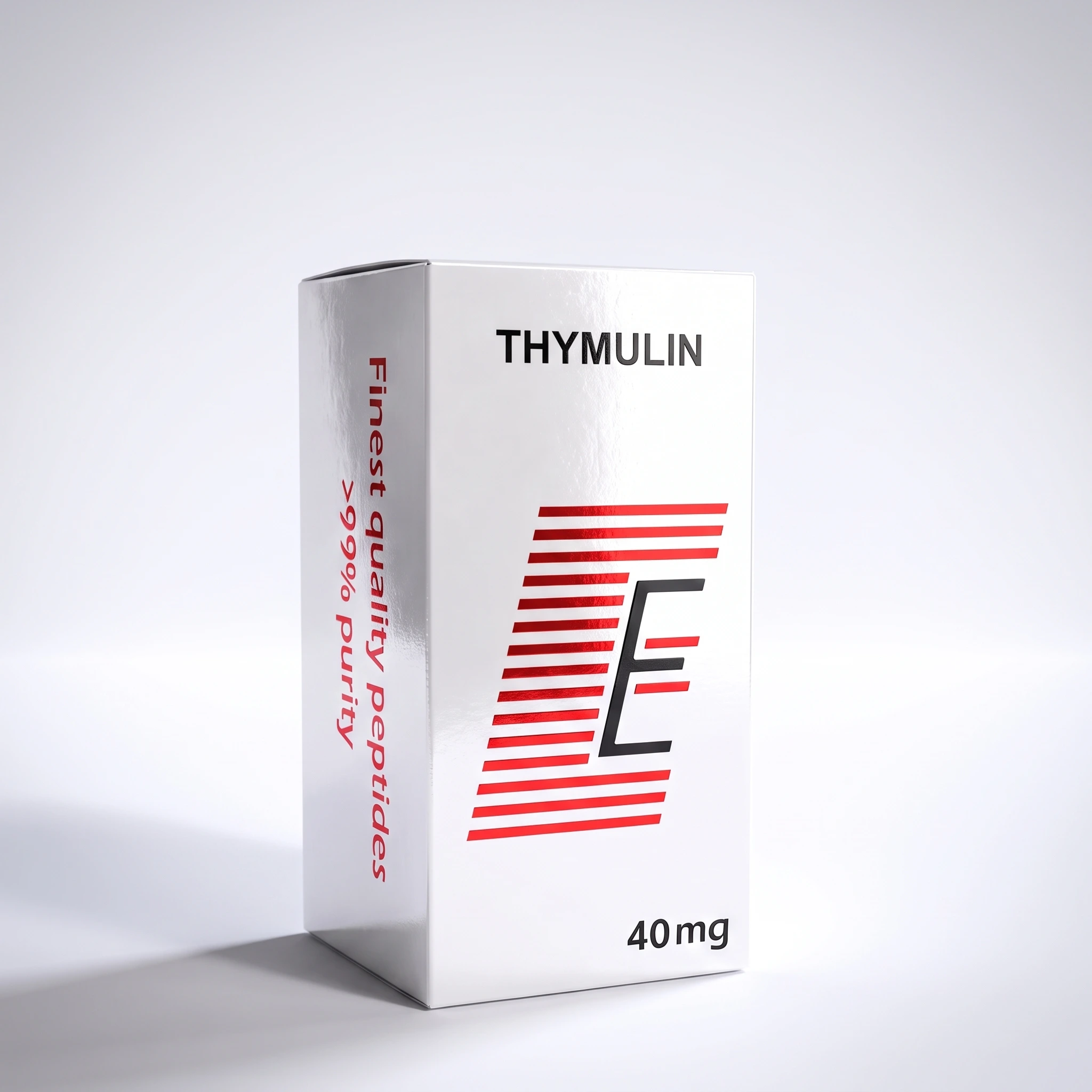
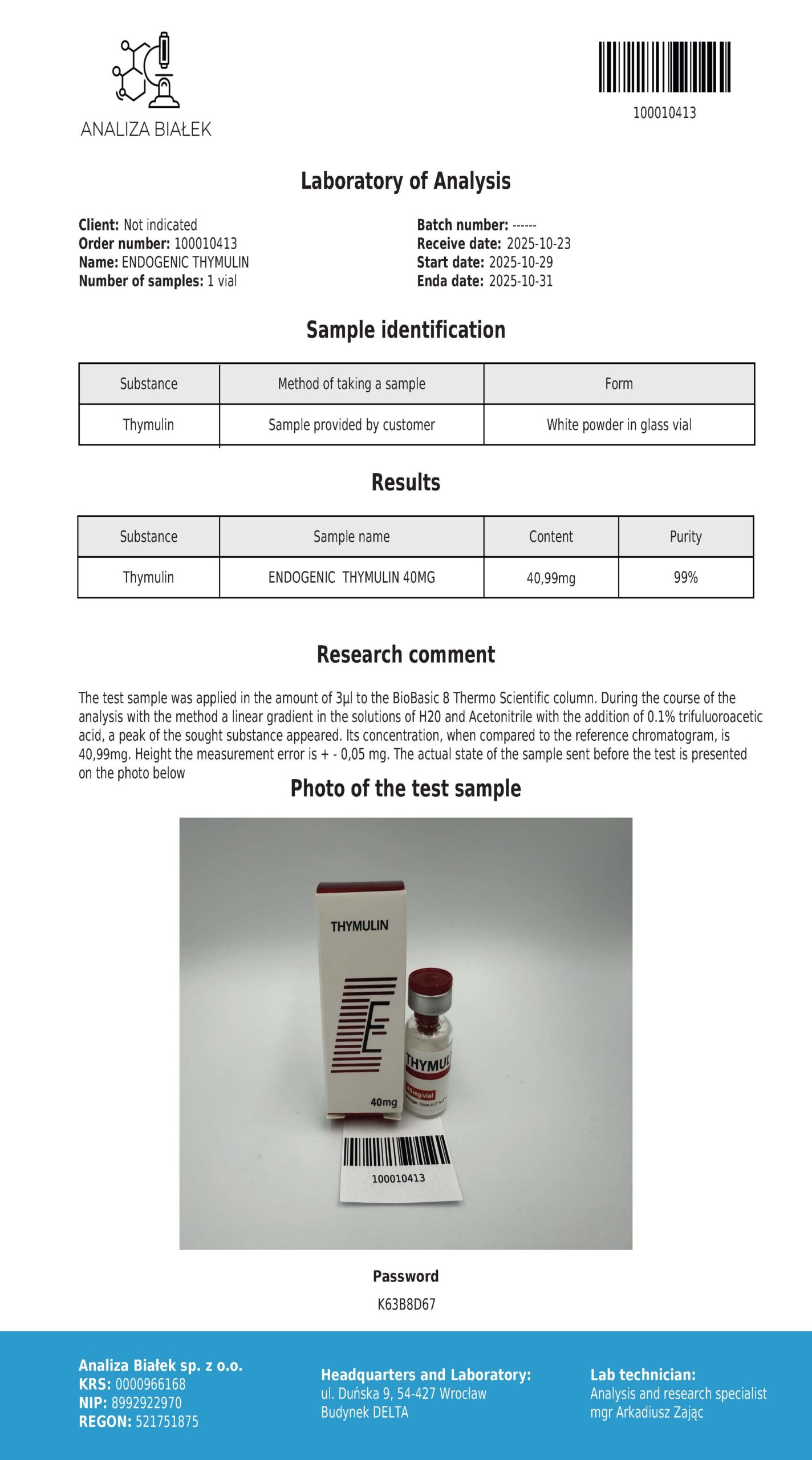
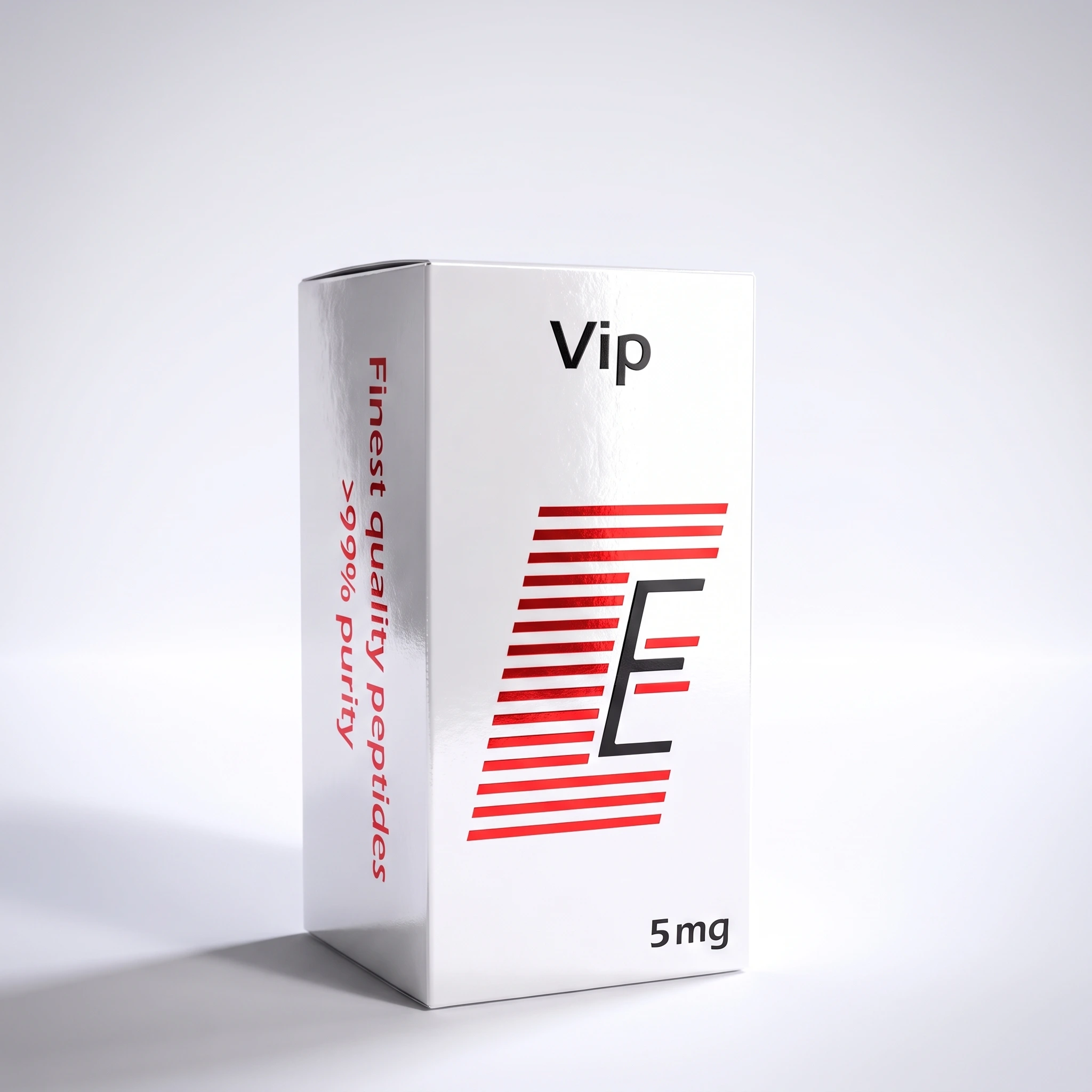
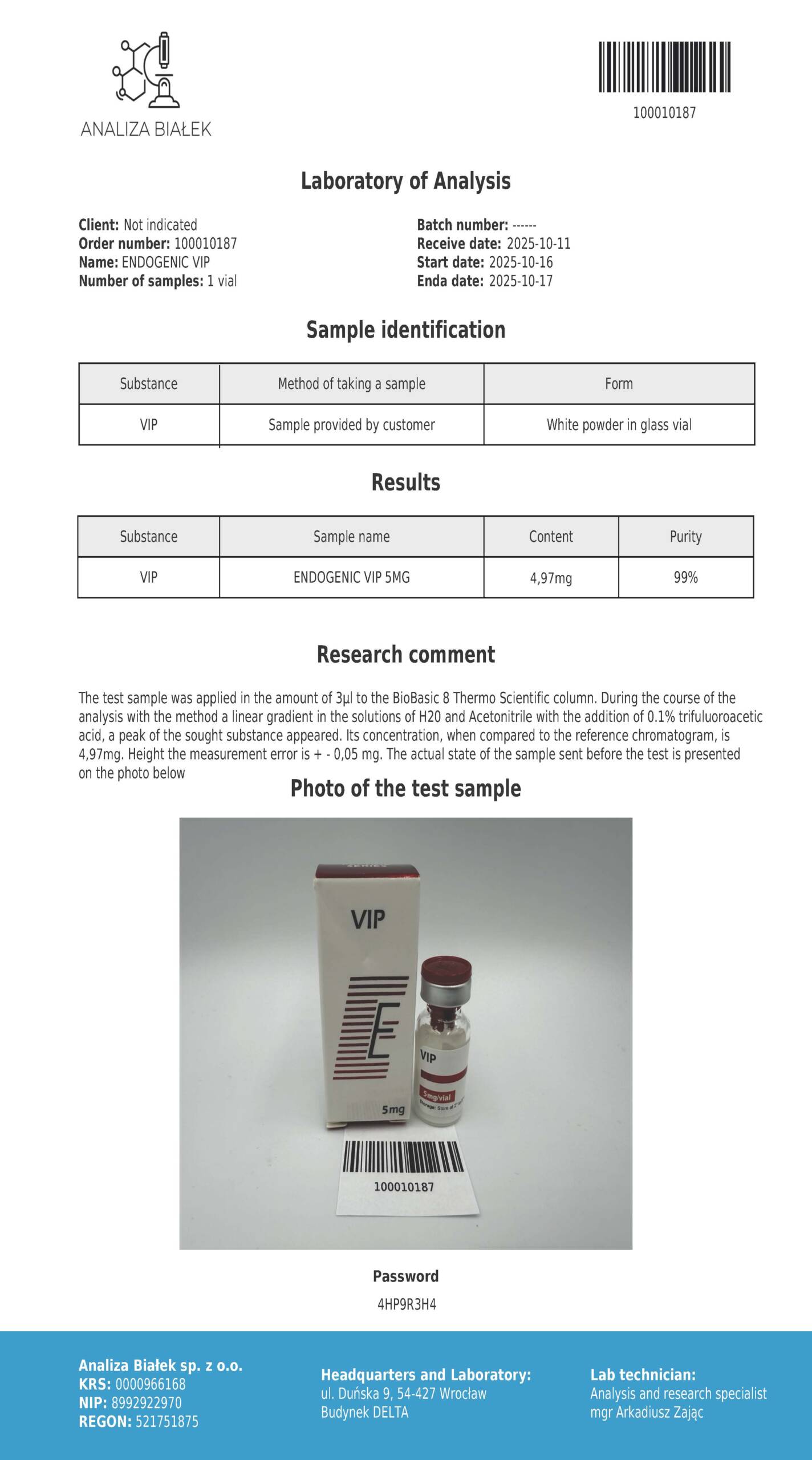
Chemical reagents studied in the context of immunity – thymosin α1, thymulin, VIP, KPV and peptide bioregulators
In the phase III trial known as TESTS, 1,106 adult patients with sepsis were randomised to thymosin α1 or placebo. Twenty-eight-day mortality was 23.4% in the thymosin α1 group and 24.1% in the placebo group; the difference was not statistically significant, HR 0.99 (Wu et al., 2025). By 2009 this substance had been authorised as a medicine, under the name thymalfasin, in more than 35 countries, including for hepatitis B and C (Goldstein and Goldstein, 2009). If an immunomodulator with such a long clinical history did not change survival in a large trial, results from cell cultures and animal models call for caution. They describe the activity of the compounds, not an effect in humans.
The category brings together compounds from five groups: thymic peptides, the neuropeptide VIP, short peptide fragments, bioregulators of Vladimir Khavinson’s school and two compounds described in more detail in the metabolism area. They come as lyophilisate in vials, in pens, in capsules, as a 30 ml solution and in a kit for preparing a nasal spray. The anti-doping status of the compounds varies: from no class on the WADA List to a ban at all times.
From the thymus to the macrophage – groups of compounds studied in the context of immunity
Thymic peptides: thymosin α1 and thymulin
The thymus produces T cells that can mount an immune response while tolerating the body’s own tissues. It begins to involute early in life, so the production of naive T cells declines with age. The result is lower resistance to pathogens, more frequent autoimmune disease and weaker surveillance of tumour cells (Liang et al., 2022). Two peptides in the category derive from this organ.
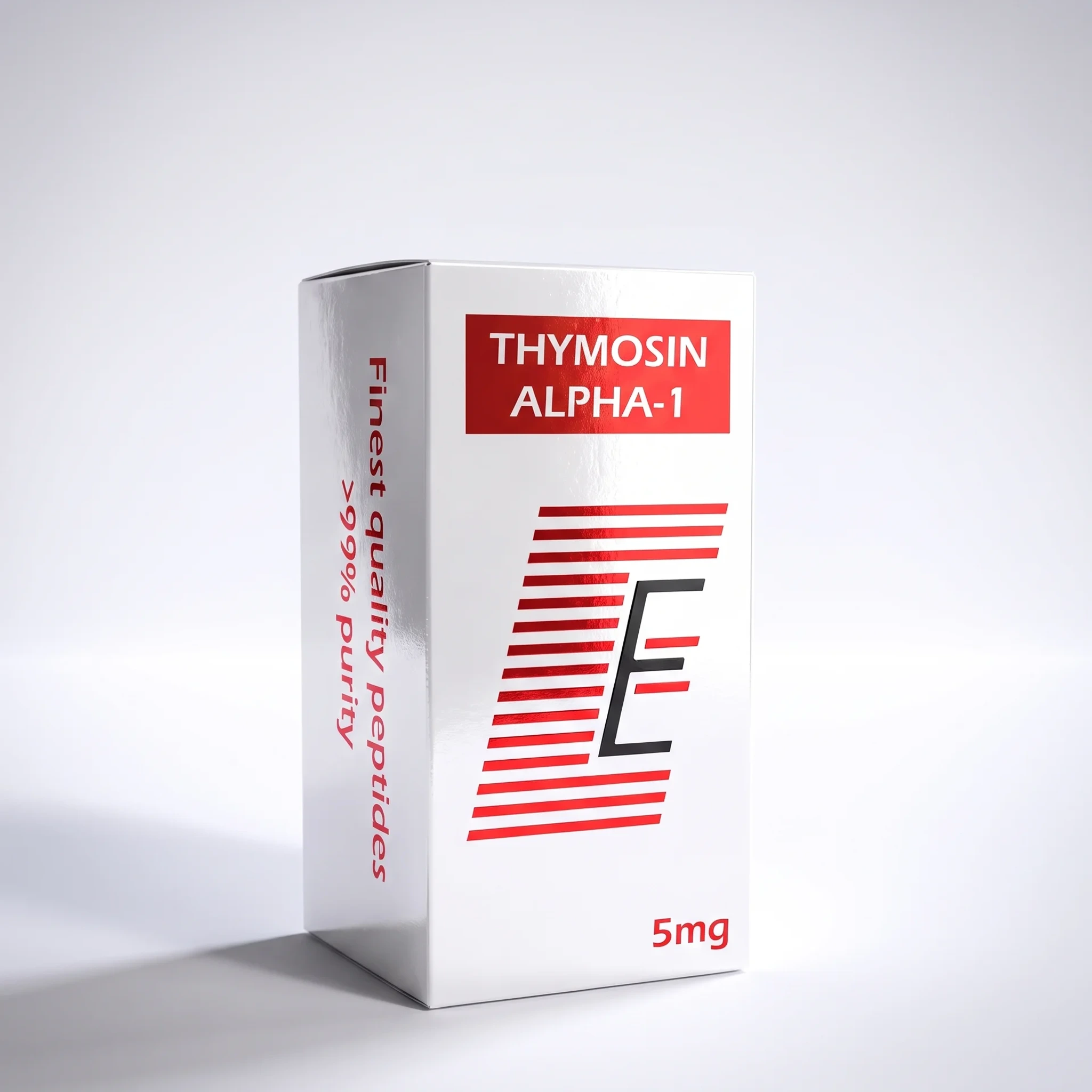
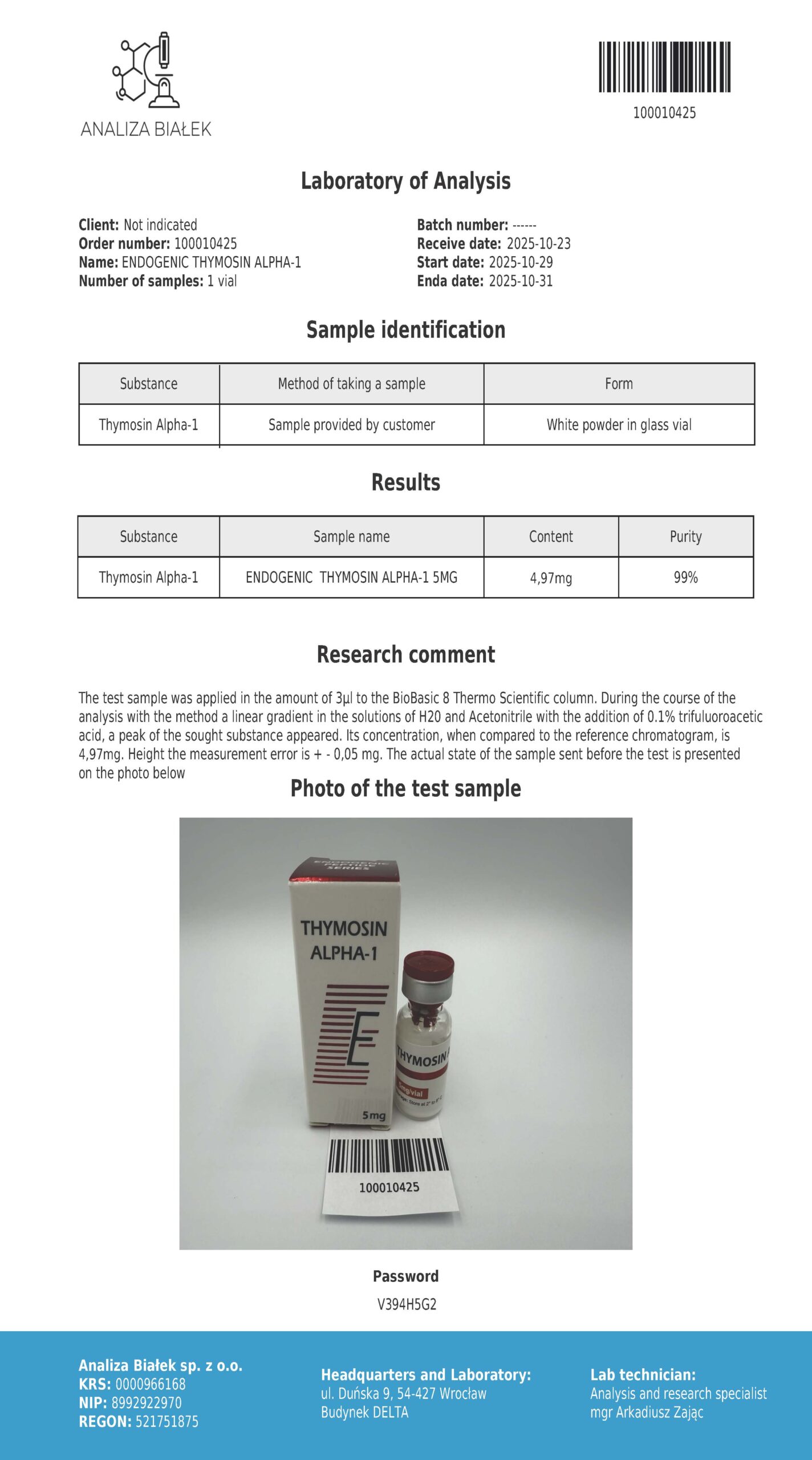
Thymosin Alpha-1 contains thymosin α1, a 28-amino-acid peptide with an acetyl group at the N-terminus. In cultures of dendritic cells exposed to the fungus Aspergillus fumigatus, it stimulated their maturation and interleukin-12 secretion via Toll-like receptors and a MyD88-dependent pathway. In mice after haematopoietic cell transplantation, it protected against aspergillosis, the infection caused by this fungus (Romani et al., 2004). In 2023 the US FDA placed restrictions on the compounding of thymosin α1 and 21 other peptides, a decision that the authors of a 2024 review dispute (Dinetz and Lee, 2024).
Thymulin is a hormone produced exclusively by thymic epithelial cells. It consists of a nine-amino-acid peptide and a zinc ion, and it is the zinc that gives the molecule its biological activity (Reggiani et al., 2009). In rats fed a zinc-deficient diet, serum thymulin activity was 61% lower than in animals with adequate zinc intake. It also responded to the deficiency more clearly than four other markers of zinc status (DiSilvestro et al., 2021). In laboratory work, this means that thymulin activity also depends on zinc availability, not on the nonapeptide alone.
VIP – a neuropeptide at the interface of the nervous and immune systems
Vasoactive intestinal peptide (VIP) is a neuropeptide that, besides its vascular action, affects the immune response in models. In an experimental arthritis model, VIP reduced the incidence and severity of the disease, completely abolishing joint swelling and cartilage and bone destruction. The authors linked this effect to the suppression of both the autoimmune and the inflammatory components of the disease (Delgado et al., 2001).
Synthetic VIP is called aviptadil. Combined with phentolamine, it is the active substance of a medicine injected into the corpora cavernosa of the penis for erectile dysfunction, approved in only a few regions of the world (Duncan et al., 2019). In the TESICO trial of 461 patients with respiratory failure due to COVID-19, intravenous aviptadil did not improve clinical status at 90 days compared with placebo. The independent data monitoring board recommended stopping this part of the trial for futility (Brown et al., 2023). The VIP reagent is a lyophilisate in a vial.
Short peptide fragments: KPV, BPC-157 and TB-500
KPV is the tripeptide Lys-Pro-Val. In cultures of human intestinal epithelial cells and Jurkat T cells, it inhibited the NF-κB and MAP kinase inflammatory pathways at nanomolar concentrations, entering the cells via the PepT1 transporter. In mice, given in drinking water, it limited chemically induced colitis (Dalmasso et al., 2008). PepT1 transports di- and tripeptides, so this mechanism cannot be applied to the 15-amino-acid BPC-157, with which KPV is combined in the ARG-BPC-157 + KPV capsules.
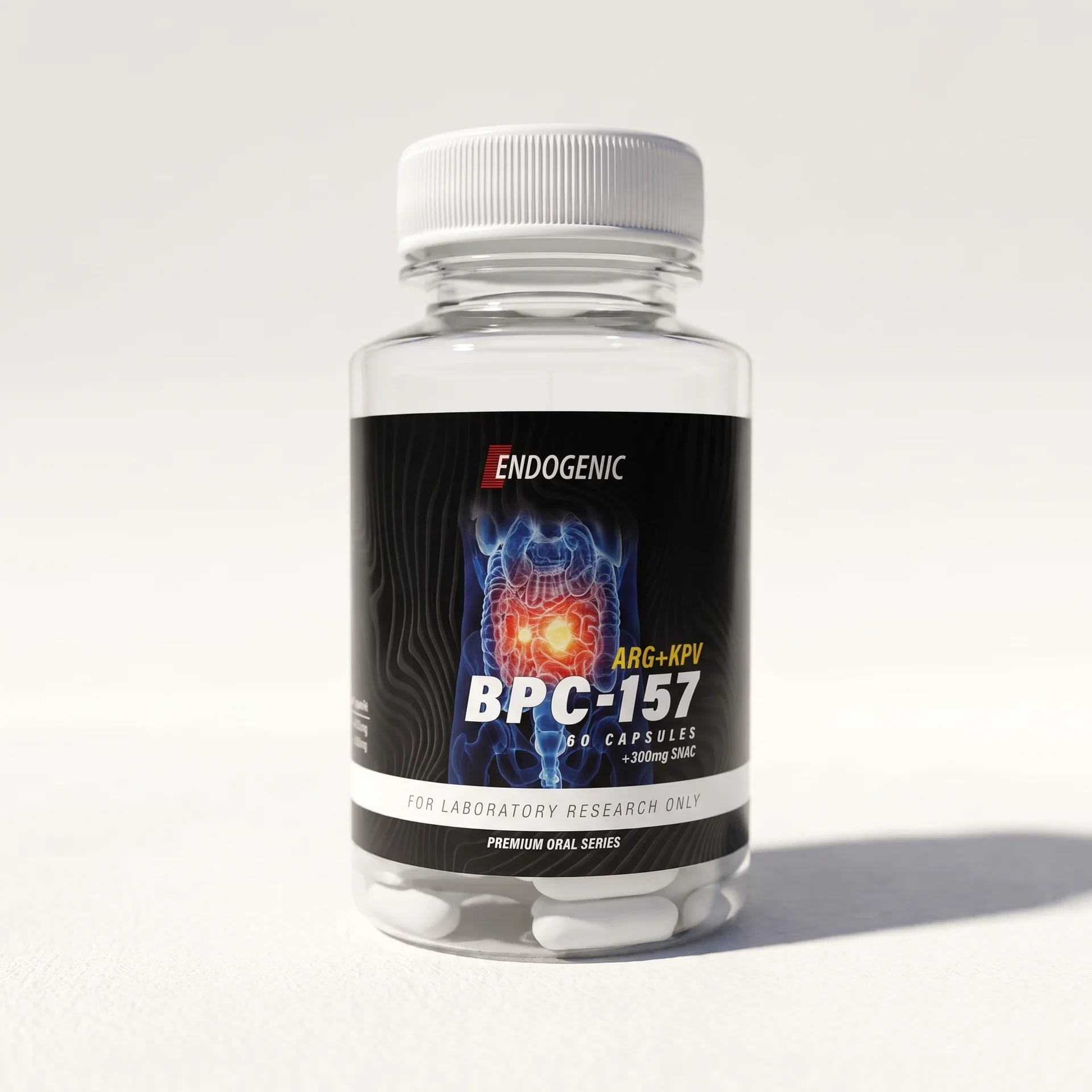
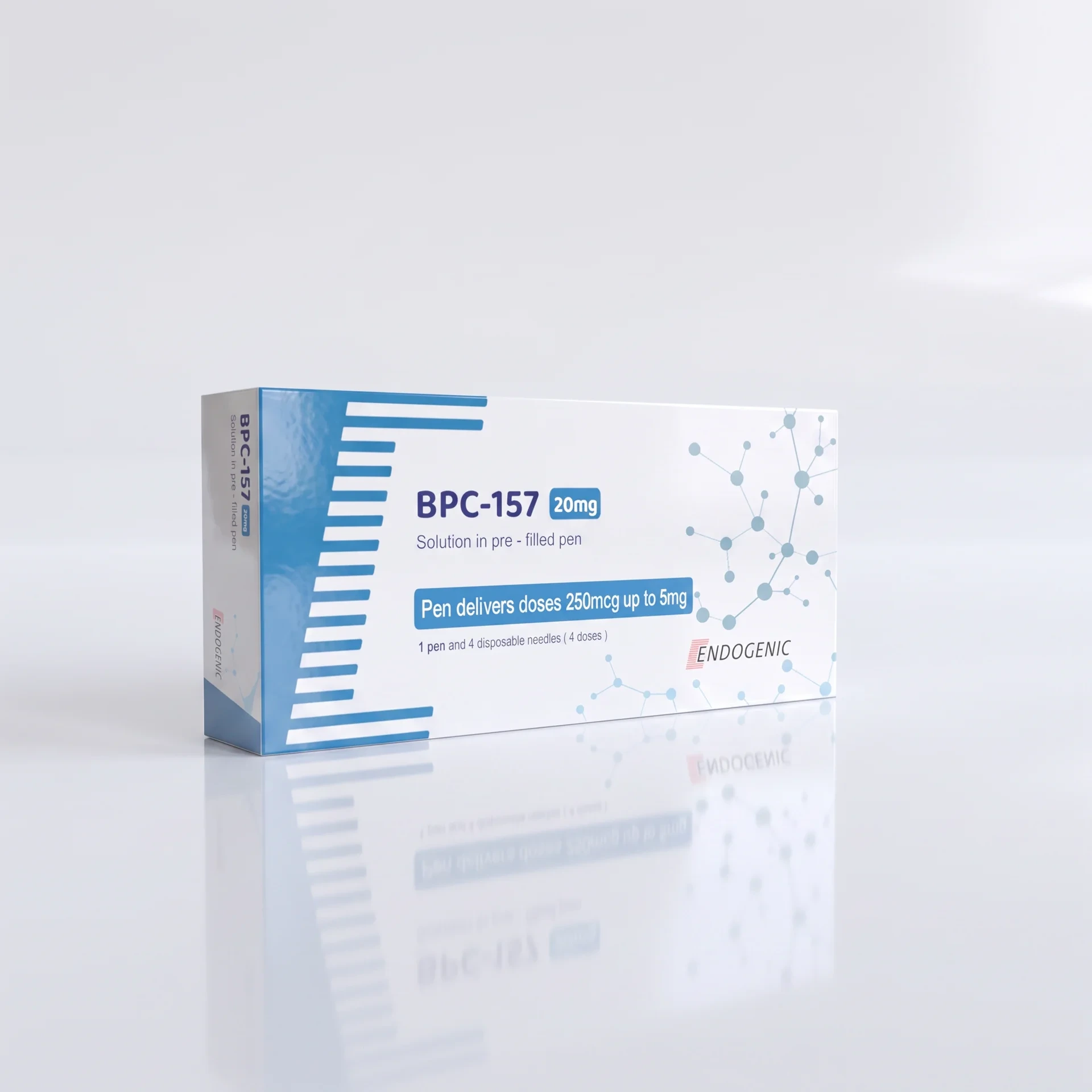
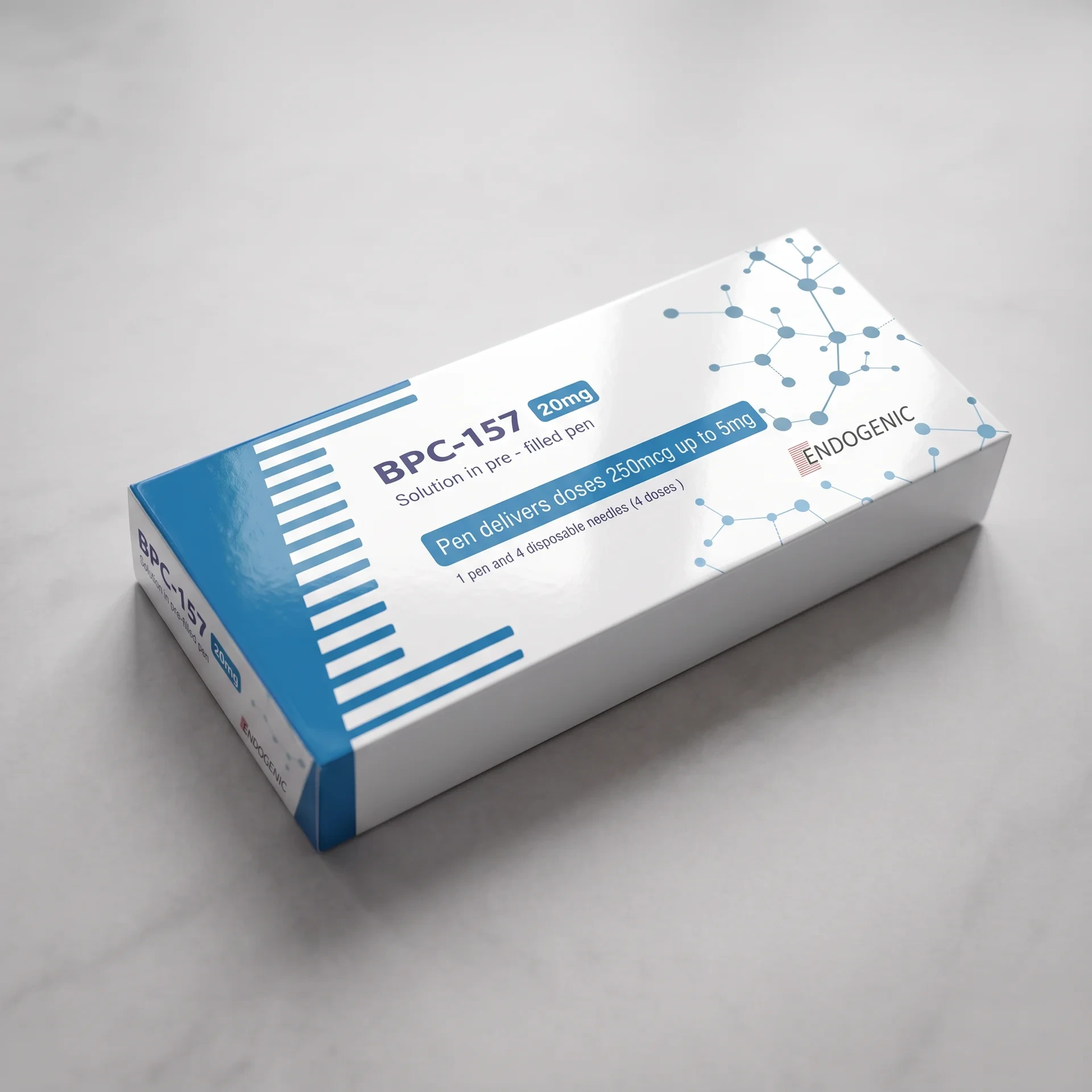
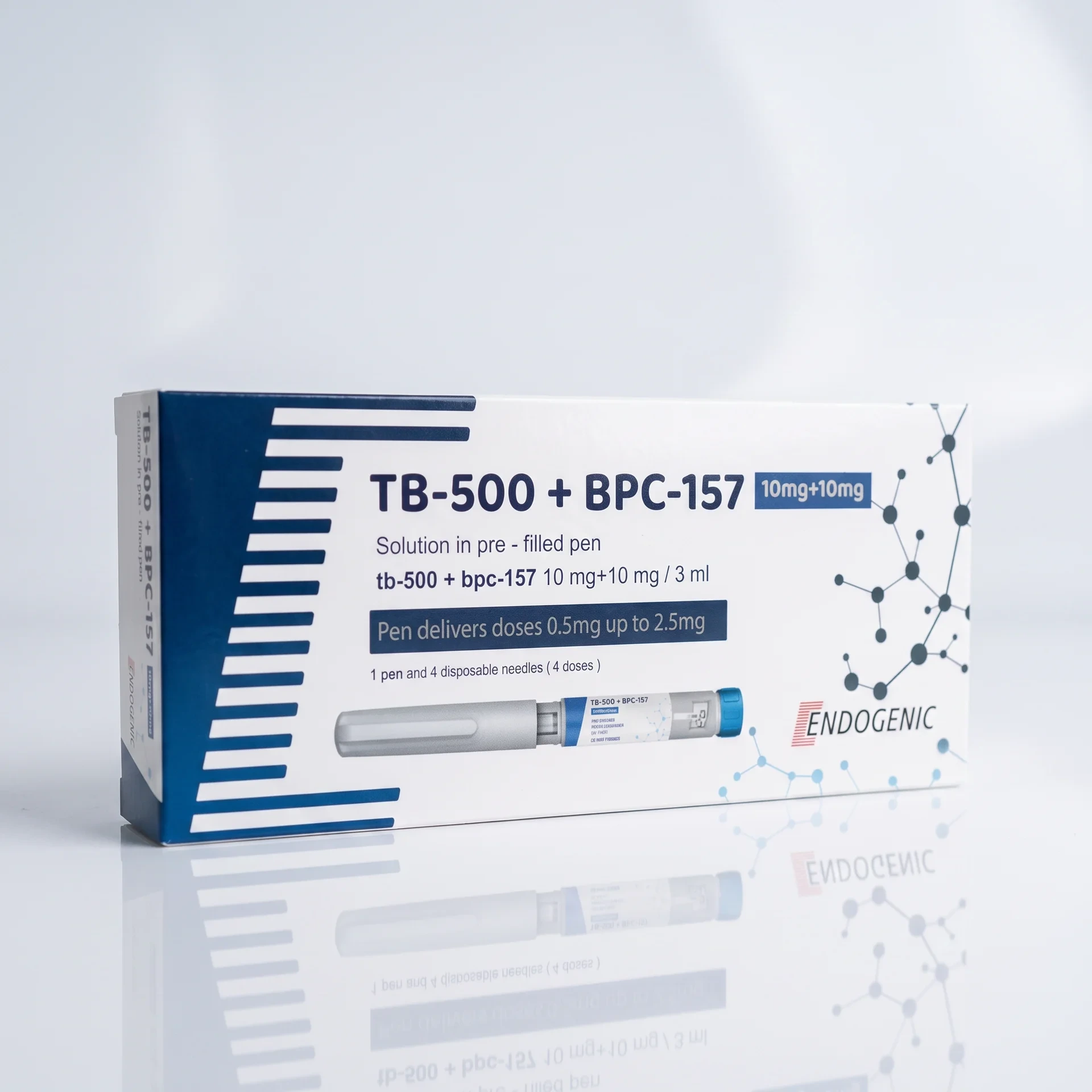
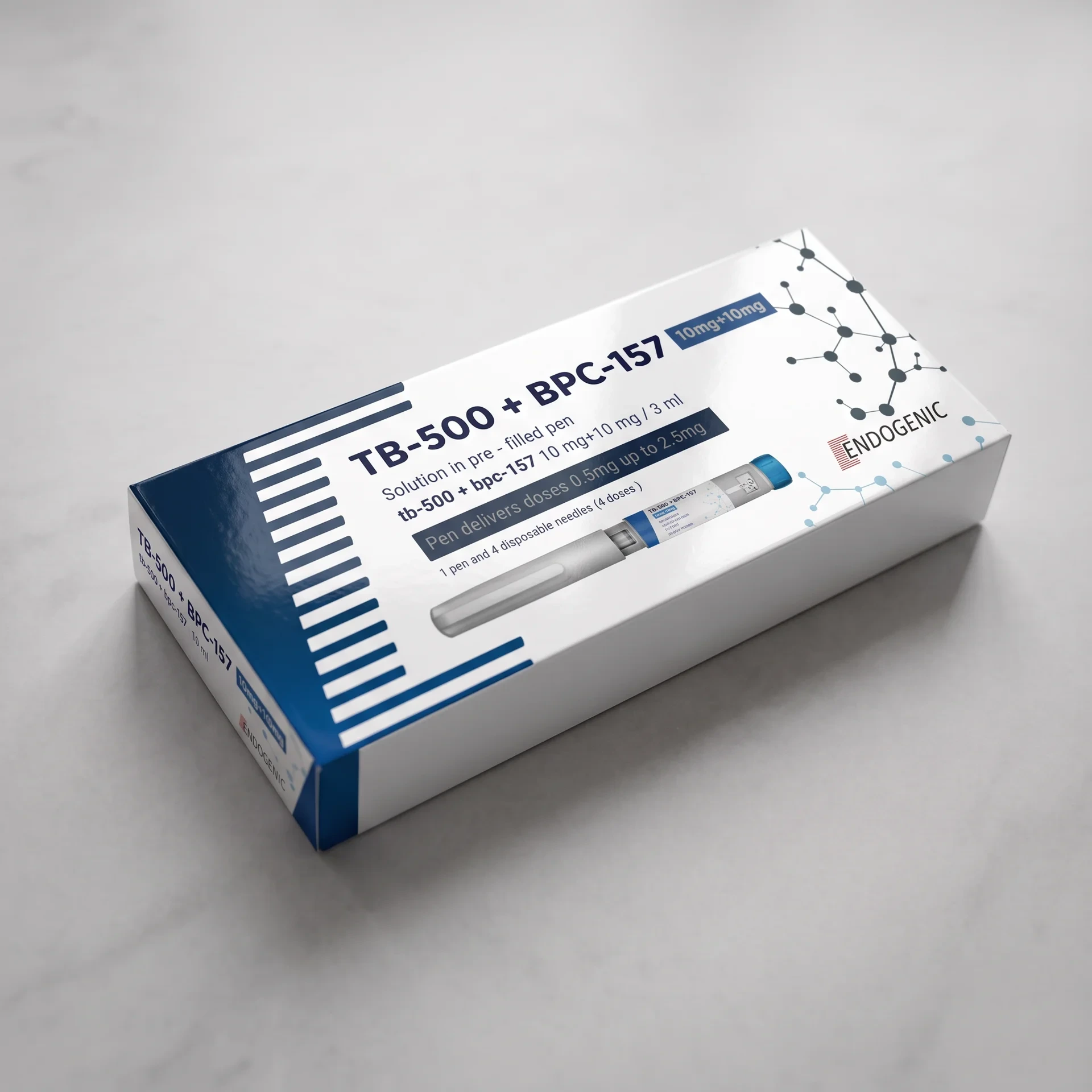
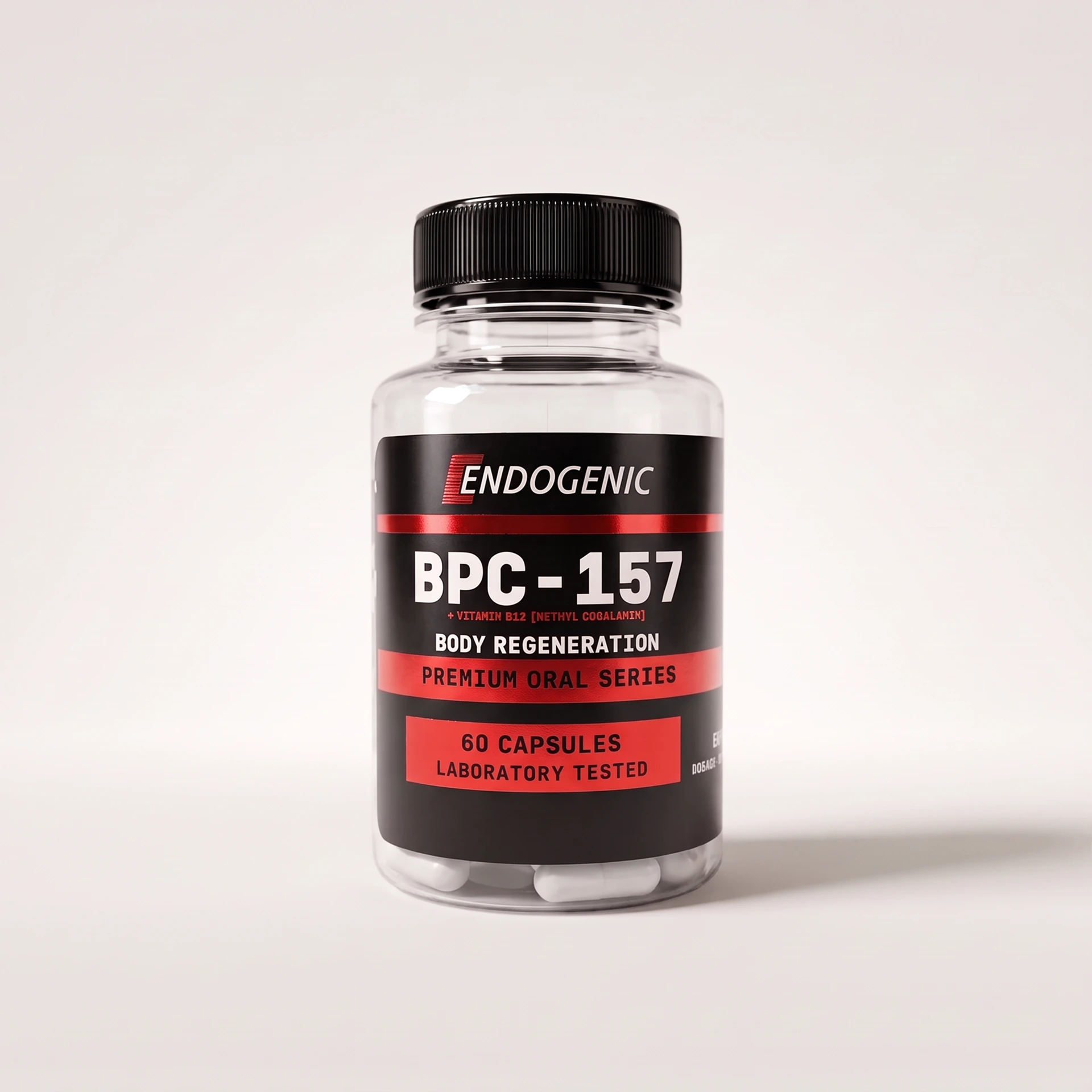
BPC-157 itself is a fragment of a protein from gastric juice. The Zagreb group that described it reports that it was studied clinically in inflammatory bowel disease under the code PL 14736. By 2012 these trials had not progressed beyond phase II (Sikiric et al., 2012). It has not gained authorisation as a medicine. Besides the capsules with KPV, the category offers it as an arginine salt in capsules (ARG-BPC-157), in a 20 mg pen (BPC-157 PEN) and in a pen with added TB-500 (BPC-157 and TB-500 pen).
TB-500 is a fragment of thymosin β4 comprising amino acids 17–23, with an acetylated N-terminus. This structure was identified in a preparation sold under that name (Esposito et al., 2012). Data on full-length thymosin β4 do not automatically describe this seven-amino-acid fragment. In this category, TB-500 is available only in the pen with BPC-157.
Khavinson school bioregulators: Epithalon and Cortagen
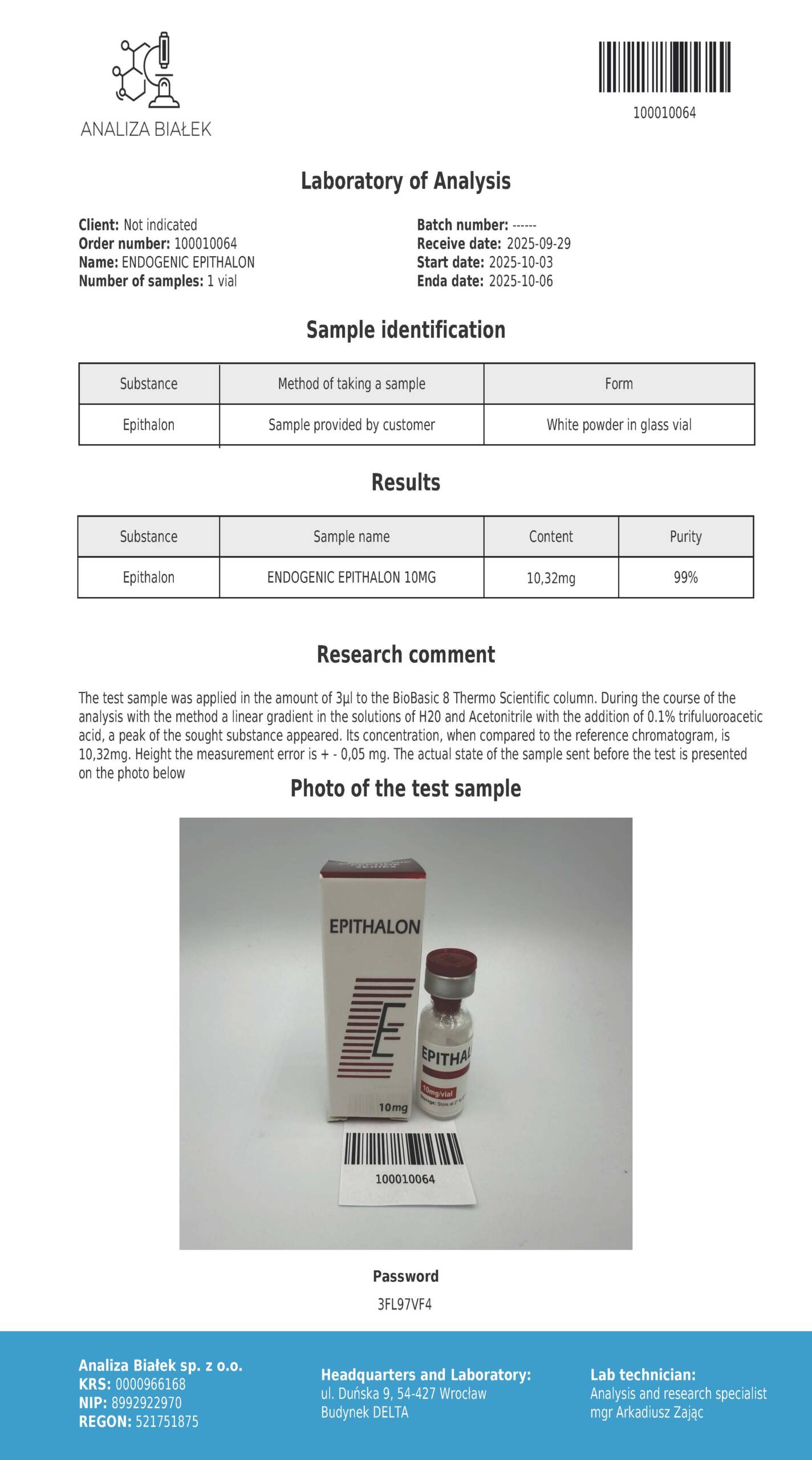
Epithalon (Ala-Glu-Asp-Gly) and Cortagen (Ala-Glu-Asp-Pro) are tetrapeptides that differ only in their last amino acid. In chickens hypophysectomised shortly after hatching, and in old birds after the same procedure, Epithalon reversed disturbances in immunity, blood clotting and the red blood cell picture. Cortagen did not change the parameters studied (Kuznik et al., 2008). A single difference in sequence thus separated a compound active in this model from an inactive one, so a tetrapeptide’s identity is decided by the sequence confirmed in the batch COA, not by the name on the label.
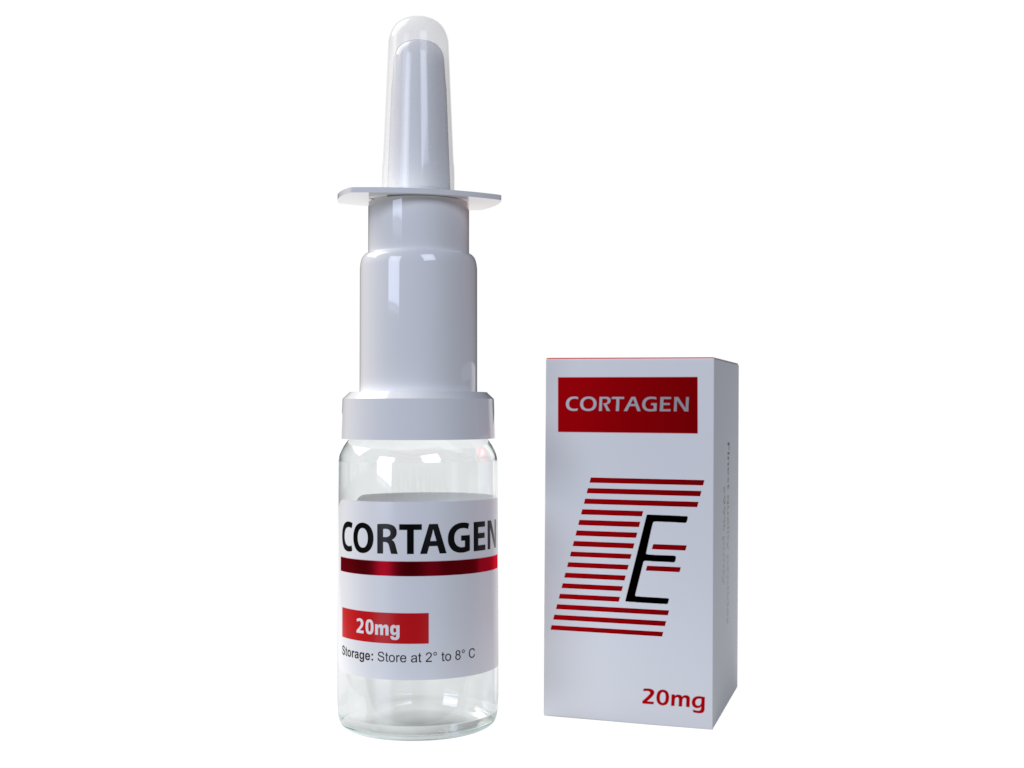
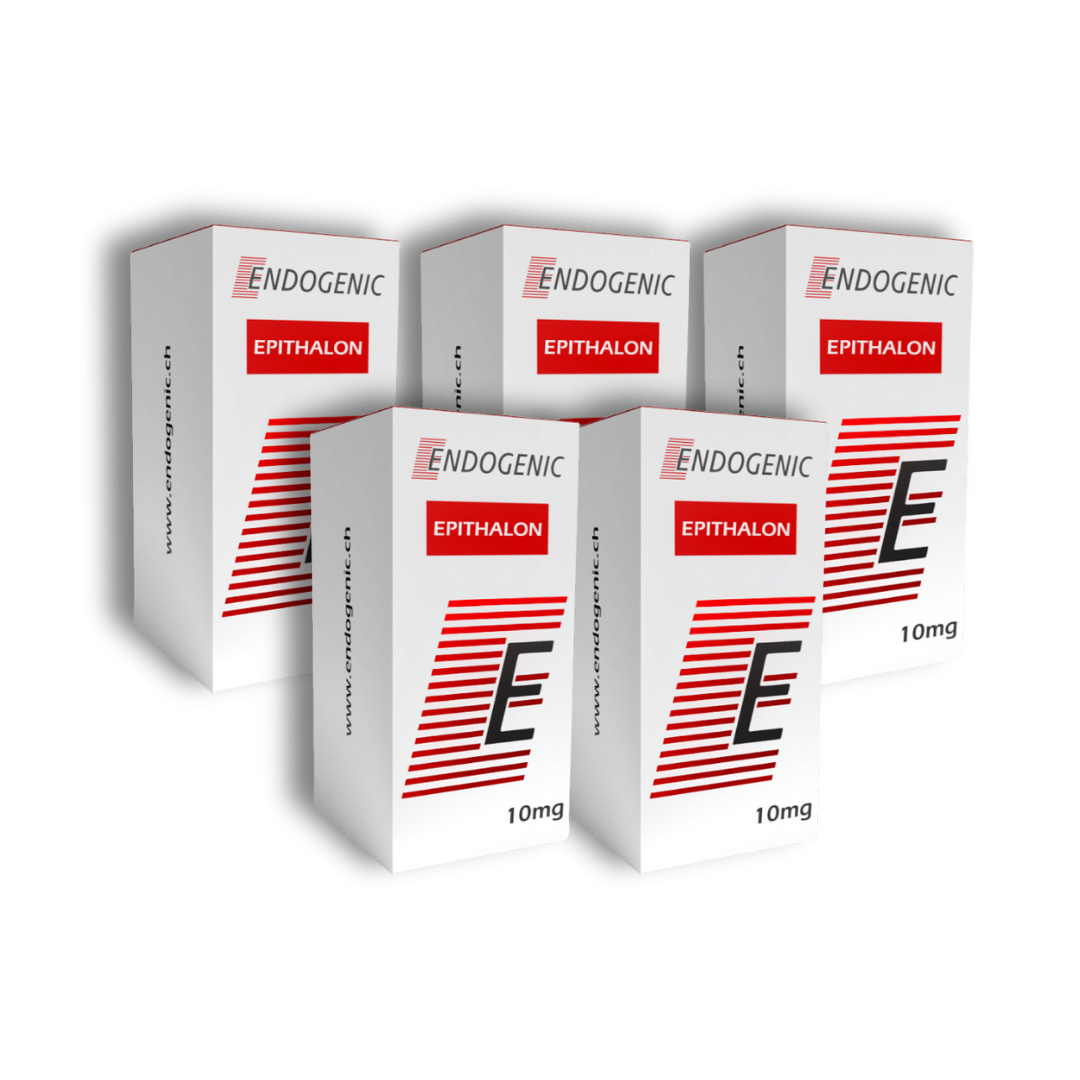
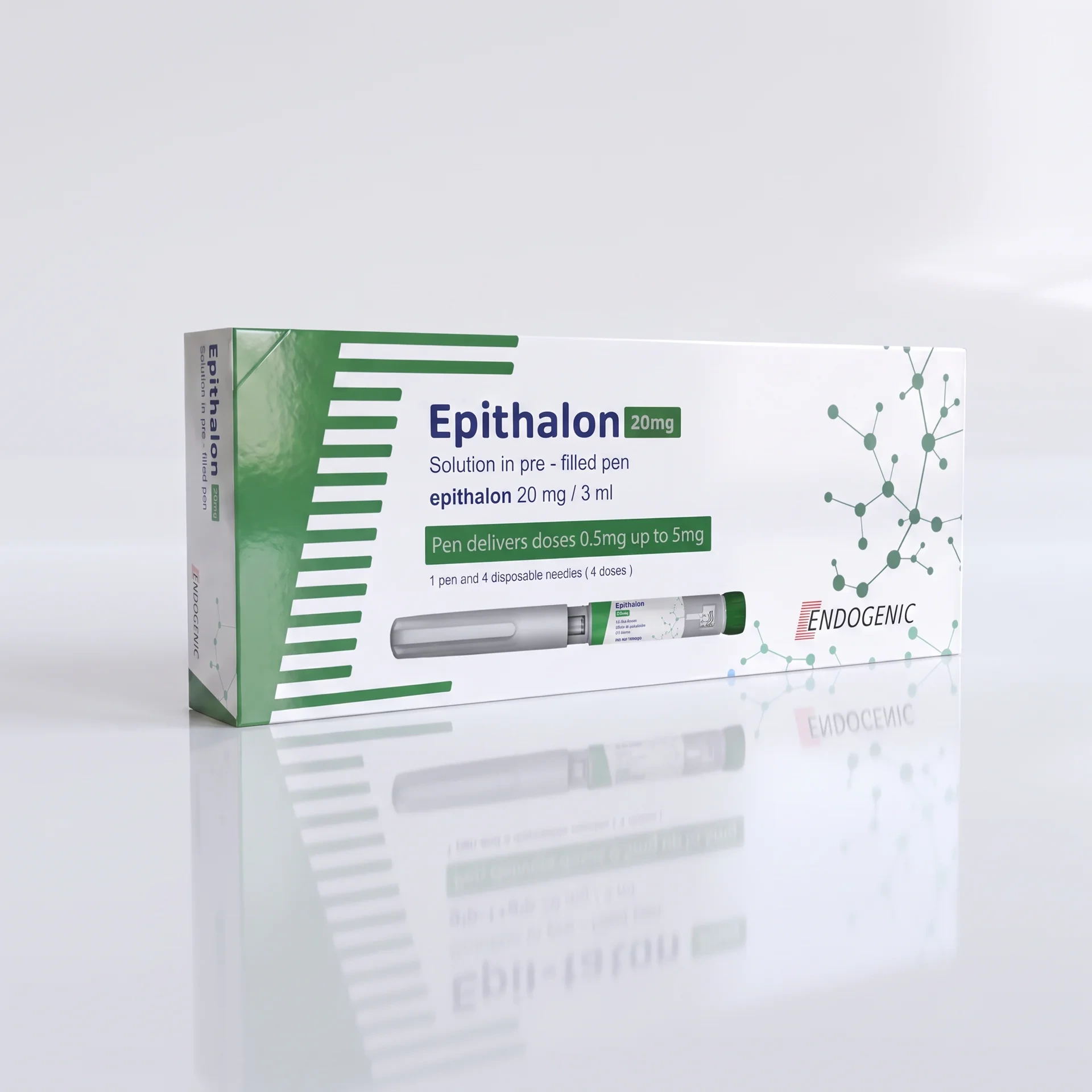
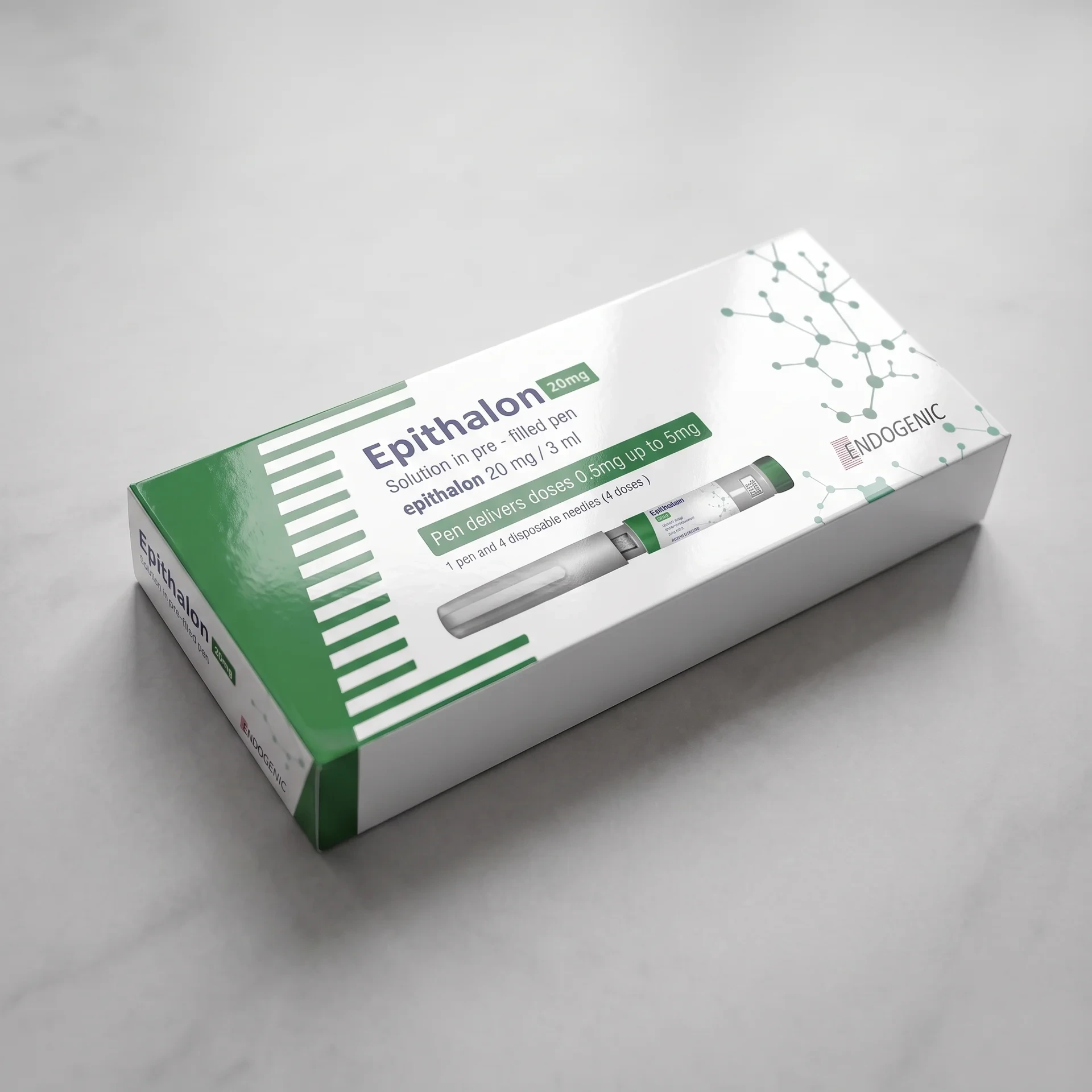
In thymic stromal cultures from mice of different ages, Epithalon, like epithalamin (a pineal extract) and melatonin, increased the titre of serum thymic factor (thymulin) (Labunets et al., 2004). Both papers were published in Russian journals, and their models (birds and mouse cell cultures) do not allow an effect in humans to be predicted. In this category, Epithalon comes in vials (Epithalon 5-vial pack) and in a pen (Epithalon in a pen), and Cortagen in a kit for preparing a nasal spray (Cortagen spray).
MOTS-c and GW-501516 – compounds from the metabolism area
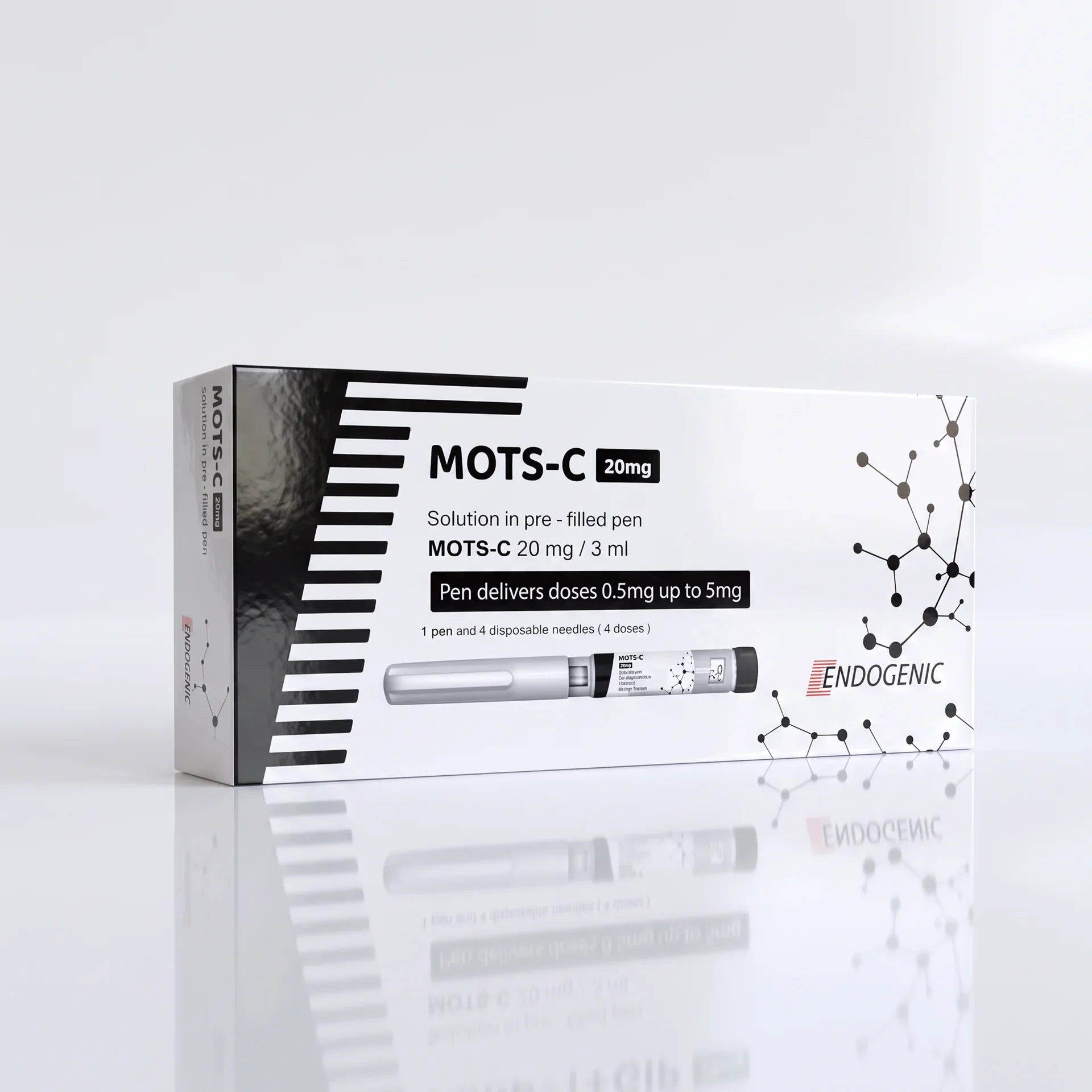
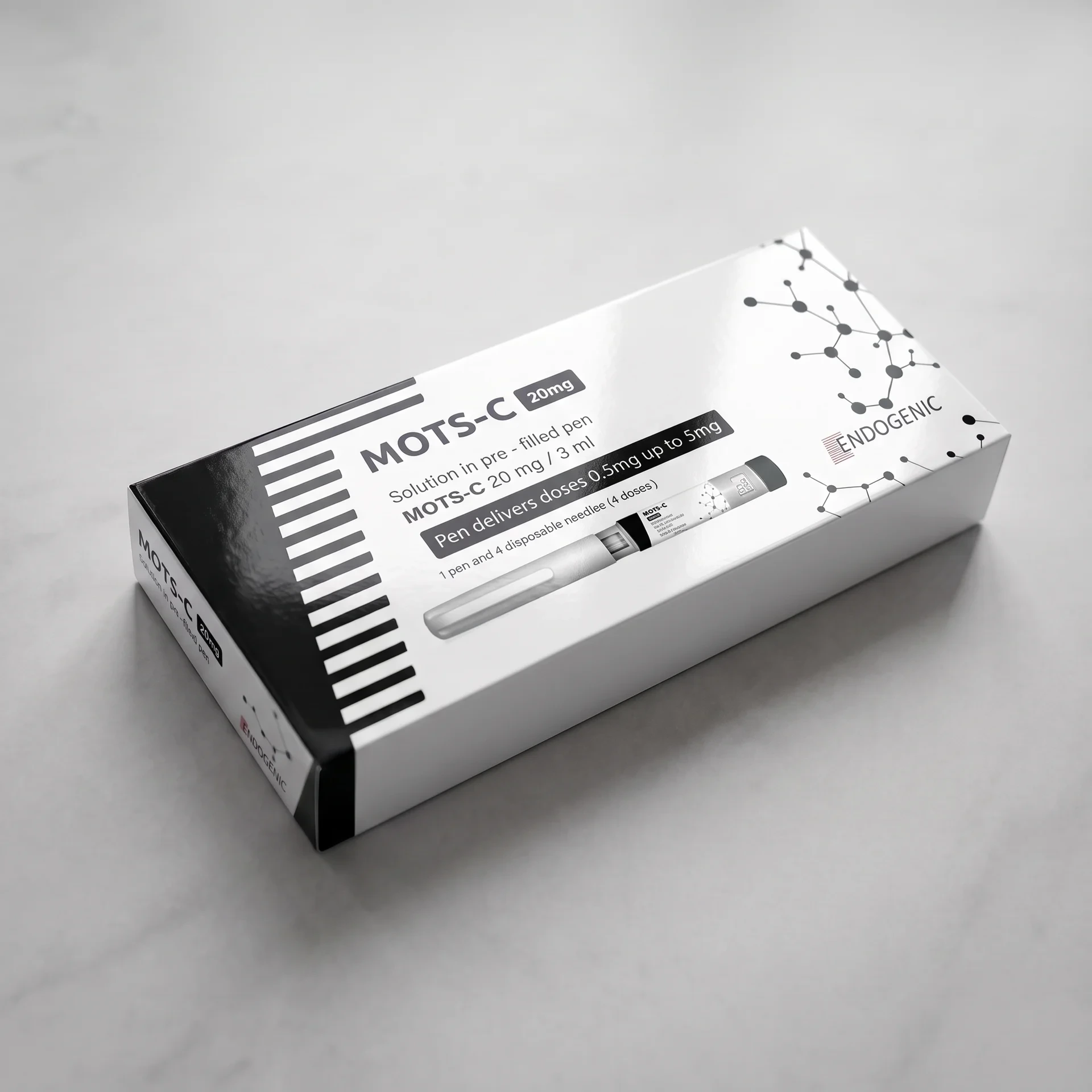
MOTS-c is encoded in mitochondrial DNA, not in the cell nucleus. In mice infected with meticillin-resistant Staphylococcus aureus (MRSA), it improved survival and reduced bacterial load, and in macrophages it enhanced bactericidal activity (Zhai et al., 2017). A 2026 paper describes it as a host defence peptide. It acted directly on bacteria, partly by damaging their membranes, and in a mouse model of acute peritonitis it completely neutralised MRSA infectivity (Rice et al., 2026). In this category it is available as MOTS-C in a pen.
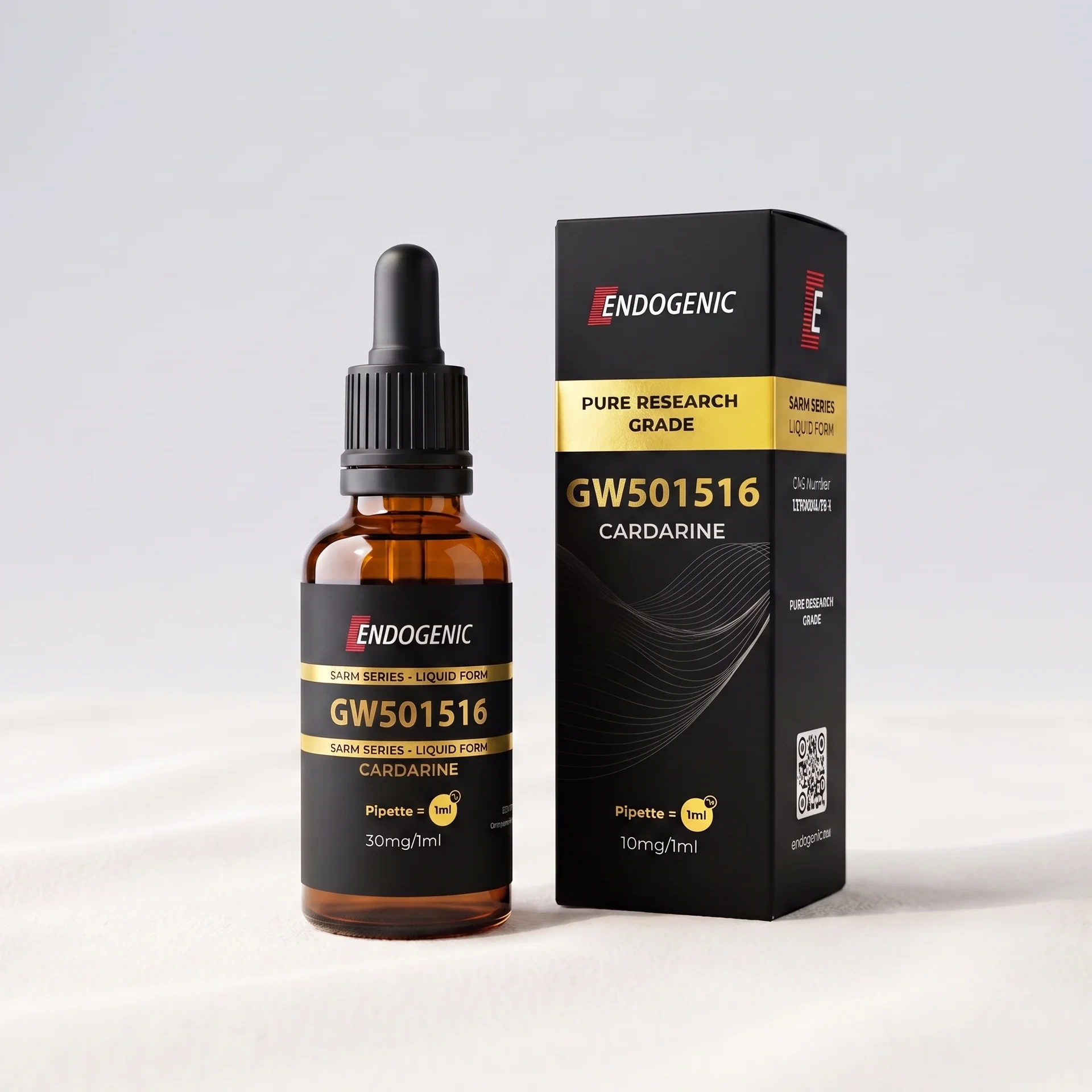
GW-501516 is an agonist of the PPARδ receptor, which regulates lipid metabolism and inflammatory signalling. In macrophages, synthetic PPARδ agonists inhibited VLDL-induced triglyceride accumulation and inflammation (Bojic and Huff, 2013). The development of GW-501516 as a medicine was ended when long-term rodent studies showed tumours in multiple organs. The category offers a 30 ml solution (Cardarine liquid). Both compounds are discussed in more detail under area of action: metabolism.
Safety and the limits of the data
Compounds that affect the immune system do not act in a fixed direction. In mouse macrophages, short peptides including Epithalon and Cortagen changed the secretion of lymphocyte-activating factors in opposite directions. The direction depended on the age of the animals and on whether the cells had been stimulated with lipopolysaccharide (Gumen et al., 2006). Impurities in synthetic peptides can contain fragments recognised by T cells and trigger an unwanted immune response (De Groot et al., 2023). For reagents in this category, what matters in the COA is therefore the impurity profile, not just the purity percentage. The most serious known safety signal in the category remains the tumours in rodents after GW-501516. The products in this category are reagents for laboratory research and are not intended for use in humans; the safety data describe the properties of the substances.
Frequently asked questions (FAQ)
Do reagents studied in the context of immunity strengthen immunity in humans?
The available data cannot support such a claim. Most results come from cell cultures and animal models, and the same compound can stimulate or suppress the immune response under different conditions. The products in this category are for laboratory research only. Why “strengthening immunity” is an imprecise notion is explained in the article on immunomodulatory peptides.
How does the Thymosin Alpha-1 reagent differ from a thymalfasin medicine?
The medicine has gone through authorisation in some countries and has approved indications and a pharmaceutical form. The reagent with the same sequence is a material for laboratory research, without authorisation or indications. Its identity is confirmed by the molecular mass in the COA: thymosin α1 with an acetylated N-terminus has a mass of 3108.8 Da, 42 Da more than the form without the acetyl group (Liu et al., 2013).
How do Epithalon and Cortagen differ?
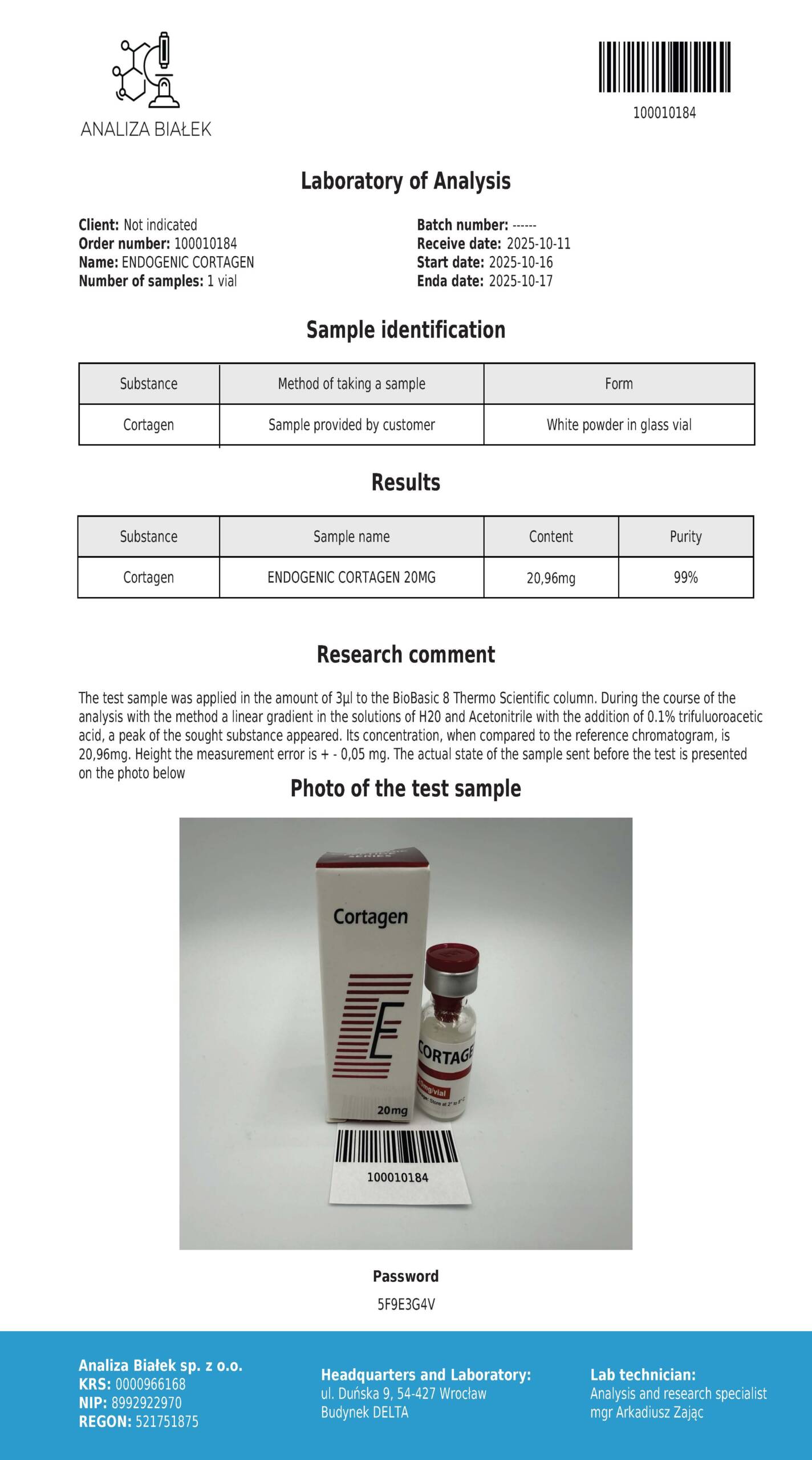
In the last amino acid of the sequence: Epithalon is Ala-Glu-Asp-Gly and Cortagen is Ala-Glu-Asp-Pro. In the bird model, this difference was enough for Epithalon to change immune parameters while Cortagen did not. Which tetrapeptide a vial contains is confirmed by the sequence and mass in the batch COA.
Why are MOTS-c and GW-501516 among the reagents studied in the context of immunity?
Both compounds have also been studied in models of the immune response: MOTS-c in bacterial infections in mice, and PPARδ agonists, the class GW-501516 belongs to, in macrophages. The main line of research on them, however, concerns energy metabolism. GW-501516 caused tumours in rodents, and WADA prohibits both compounds at all times (S4.4.1).
Are reagents studied in the context of immunity permitted in sport?
Most are not. BPC-157, KPV, thymulin, Epithalon and Cortagen belong to class S0, TB-500 to section S2.3, and MOTS-c and GW-501516 to S4.4.1. All of these classes apply at all times, in and out of competition. Thymosin α1 and VIP are not listed on the 2026 List and, as active substances of authorised medicines, do not fall under class S0. Future editions of the List may change this status.