


Non-Essential Amino Acids
Endogenous amino acids are amino acids that the body can synthesize on its own, regardless of their dietary intake. They are necessary for the proper functioning of the body and perform various important functions. In this article, we will take a closer look at the properties of endogenous amino acids and their importance for the body.
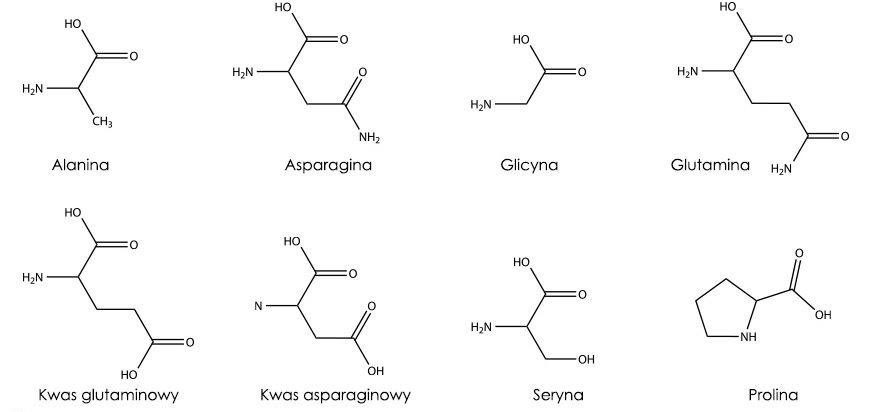
Endogenous and exogenous amino acids – differences
It is important to distinguish between exogenous and endogenous amino acids. Exogenous amino acids are those that our body does not produce itself. However, endogenous ones are synthesized by the body in sufficient quantities.
Endogenous amino acids – properties
Synthesis of endogenous amino acids
The body has the ability to synthesize endogenous amino acids through various biochemical processes. There is a complex enzymatic system that controls the processes of synthesis of endogenous amino acids. They are also important in creation peptides.
The role of endogenous amino acids in the body
Endogenous amino acids perform various functions in the body. They are the basic building blocks of proteins that are necessary for the growth, repair and maintenance of tissues. In addition, they are also involved in many other physiological processes, such as the synthesis of hormones, enzymes and the transport of substances.
Importance of endogenous amino acids
Building proteins
Endogenous amino acids are necessary for building proteins in the body. First, proteins perform many important functions, such as building tissues, enzymatic chemical reactions, transporting substances, and regulating biological processes. Secondly, amino acids are building blocks that the body uses to synthesize various proteins.
Maintaining homeostasis
Amino acids play an important role in maintaining the body’s homeostasis. They are involved in regulating acid-base balance, maintaining appropriate blood glucose levels and regulating metabolic processes. Endogenous provide the body with the necessary chemicals to maintain proper functioning.
Diet and amino acids
Although the body is able to synthesize non-essential amino acids, diet plays an important role in providing essential exogenous amino acids. Eating a variety of animal and plant protein sources provides your body with all the essential amino acids. A balanced diet is crucial to ensuring sufficient amounts of both endogenous and exogenous amino acids.
Summary
Endogenous amino acids are essential for the body, performing important functions in metabolic processes and maintaining homeostasis. Although the body can synthesize these amino acids on its own, diet plays an important role in providing essential exogenous amino acids. It is important to maintain a balanced diet that provides sufficient amounts of all essential amino acids.
Sources: