



Laboratory accessories
Other categories
8 products
Black Week
Black Week deals before everyone else
Sign up for the newsletter and get access to the Black Week promotion before other customers.
By signing up you agree to receive the Pro-Body newsletter with news and promotions. You can unsubscribe at any time with one click in the e-mail. Privacy policy
Laboratory accessories
Laboratory accessories are the part of the bench without which a reagent stays in its vial. The category holds equipment for laboratories and research units: solvents for lyophilisates and equipment for measuring out and preparing samples. Further groups will follow.
Solvents for lyophilisates
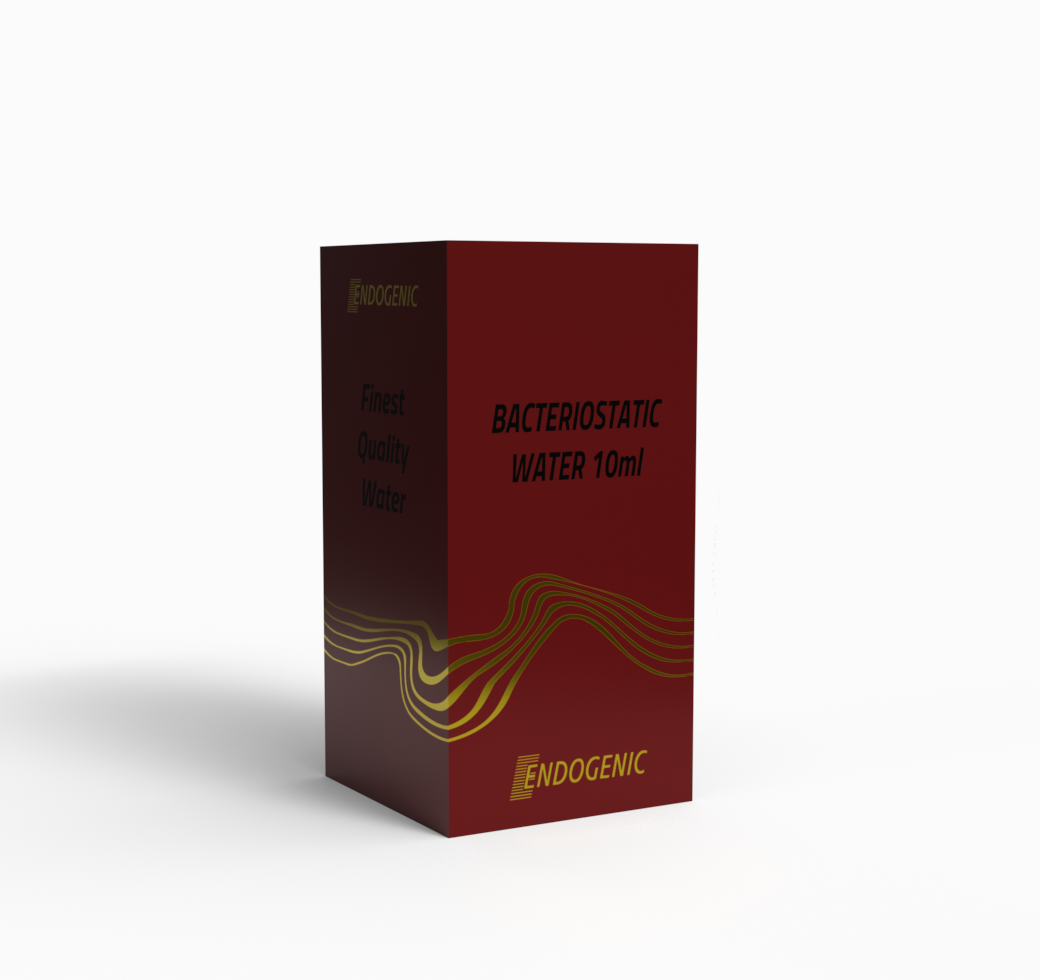
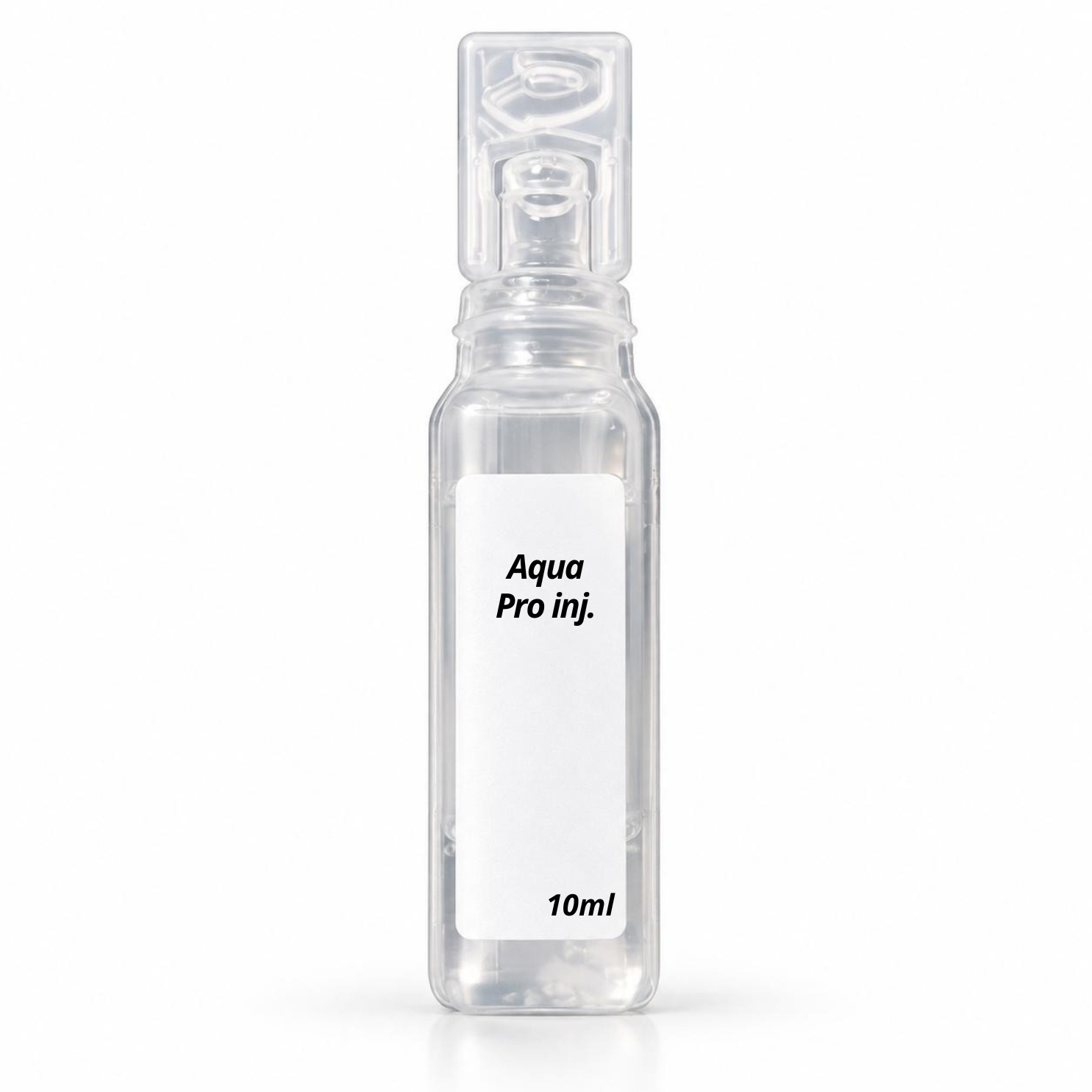
A lyophilisate, a reagent as dry powder, has to be dissolved before it enters an experiment. Two 10 ml vials serve that purpose, and one ingredient separates them. Bacteriostatic water 10ml contains 0.9% benzyl alcohol: the preservative restrains bacterial growth, so one vial can be drawn from over several weeks, and a trace passes into the working solution. Water for injections 10ml contains no additives and serves a single working session once the stopper has been pierced. Both are sterile and non-pyrogenic, with endotoxins held to trace level. Which solvent suits which work is set out in our article on bacteriostatic water.
Measuring out and preparing samples
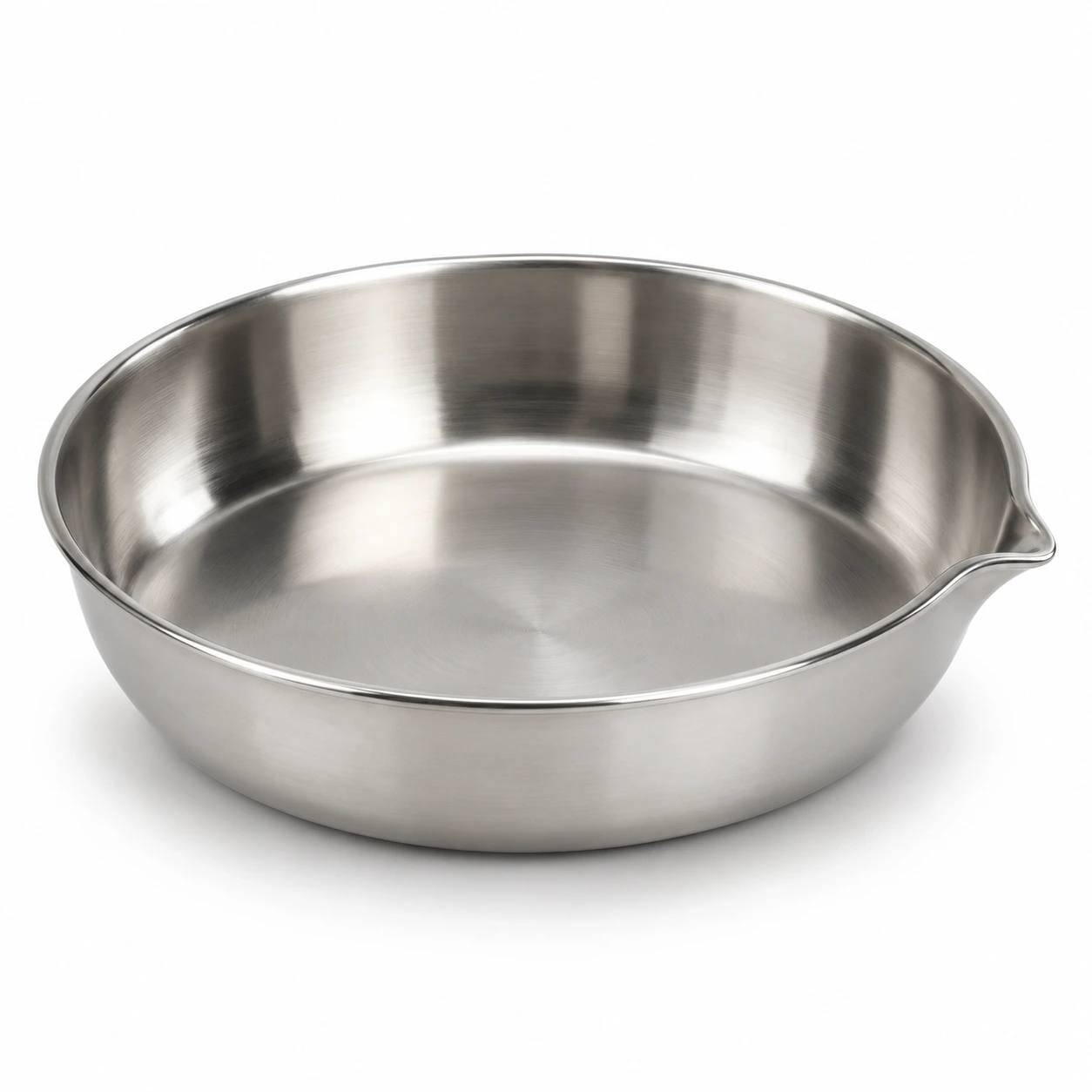
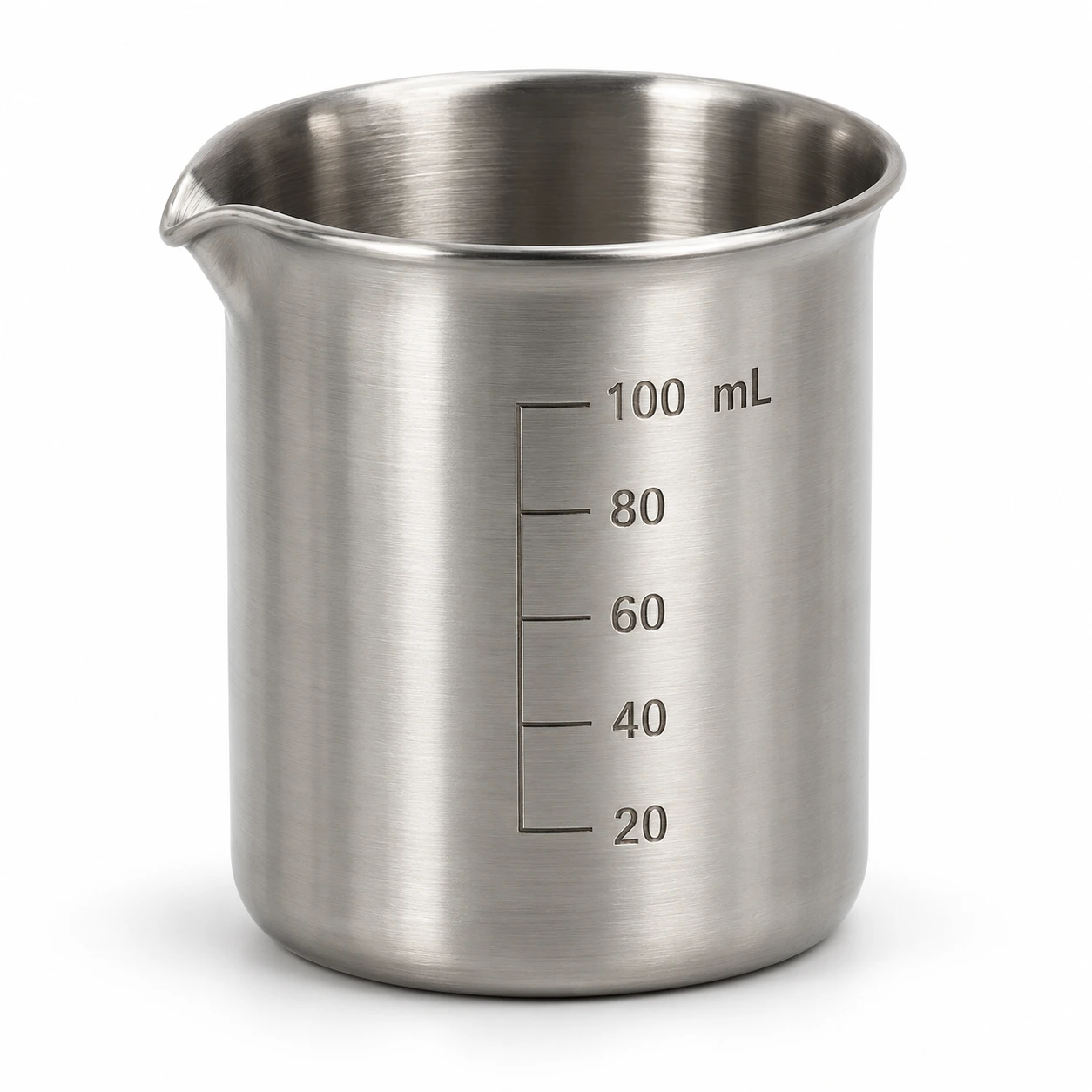
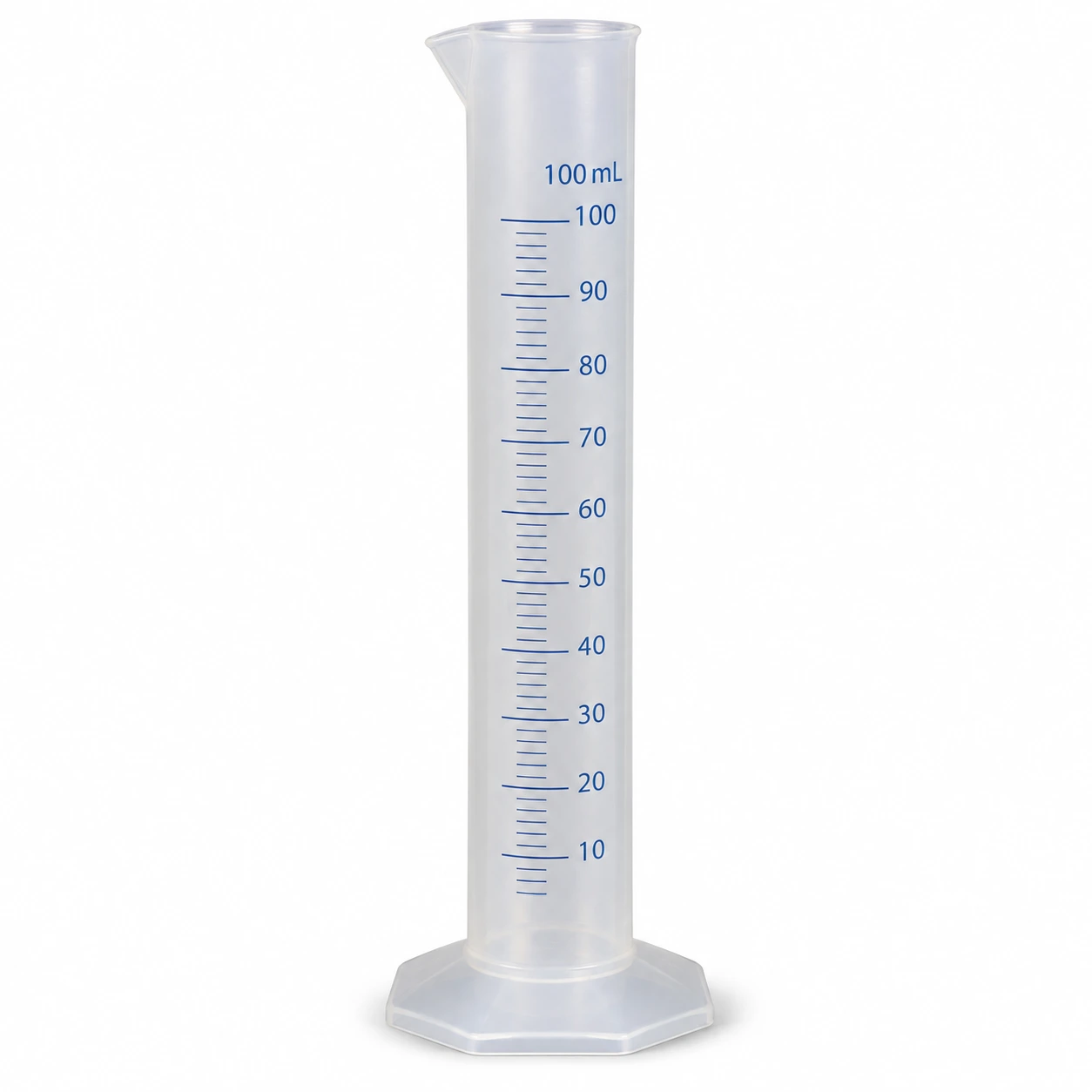
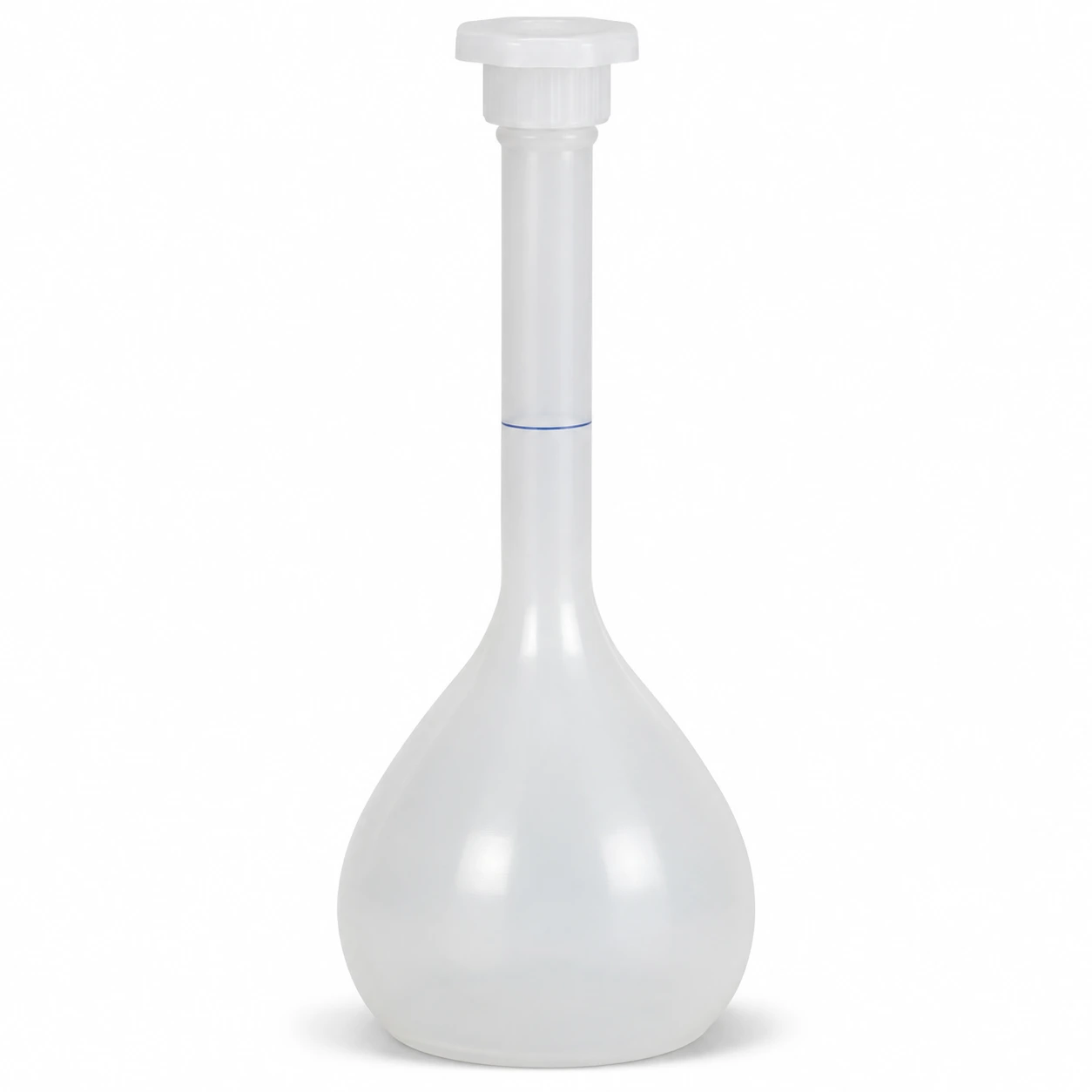
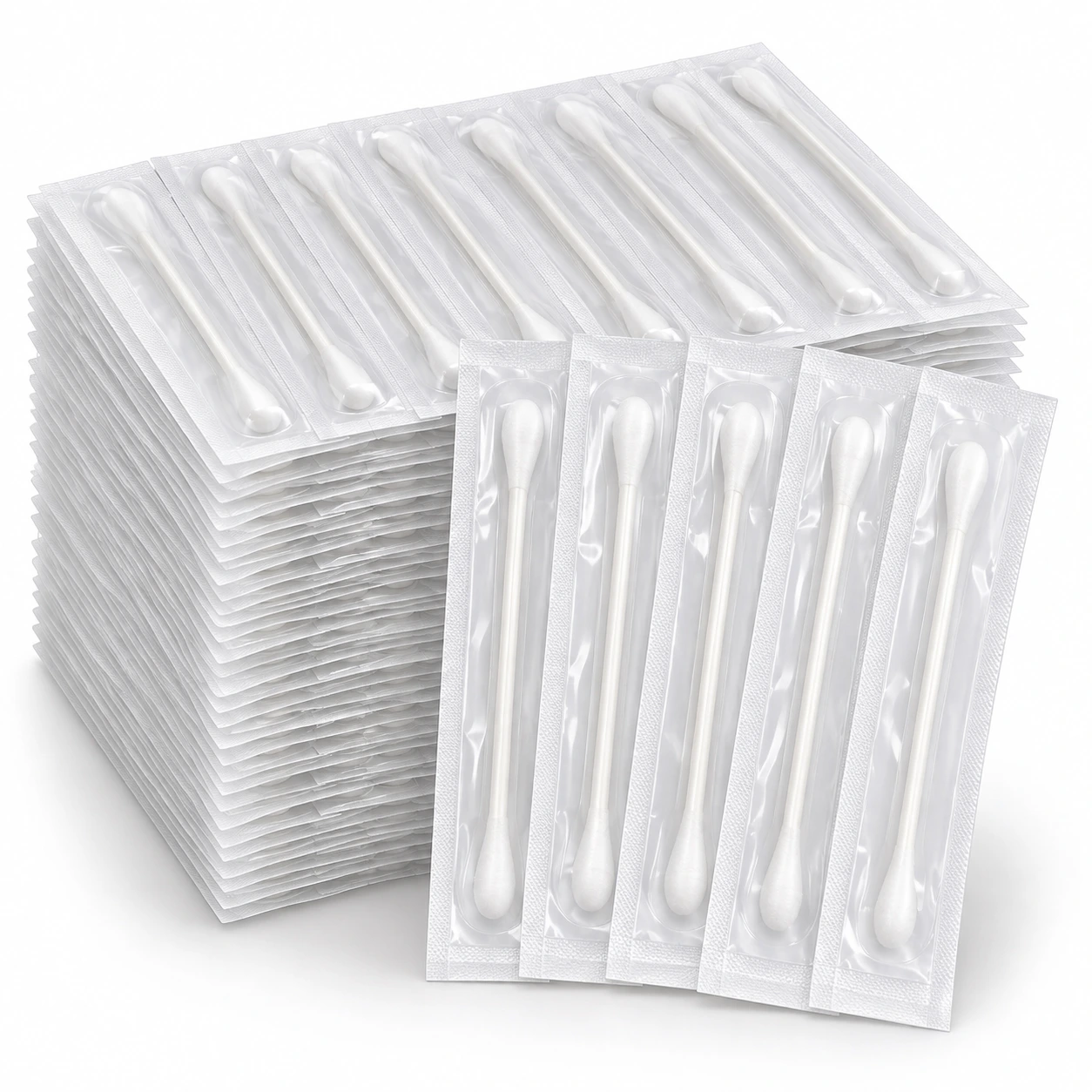
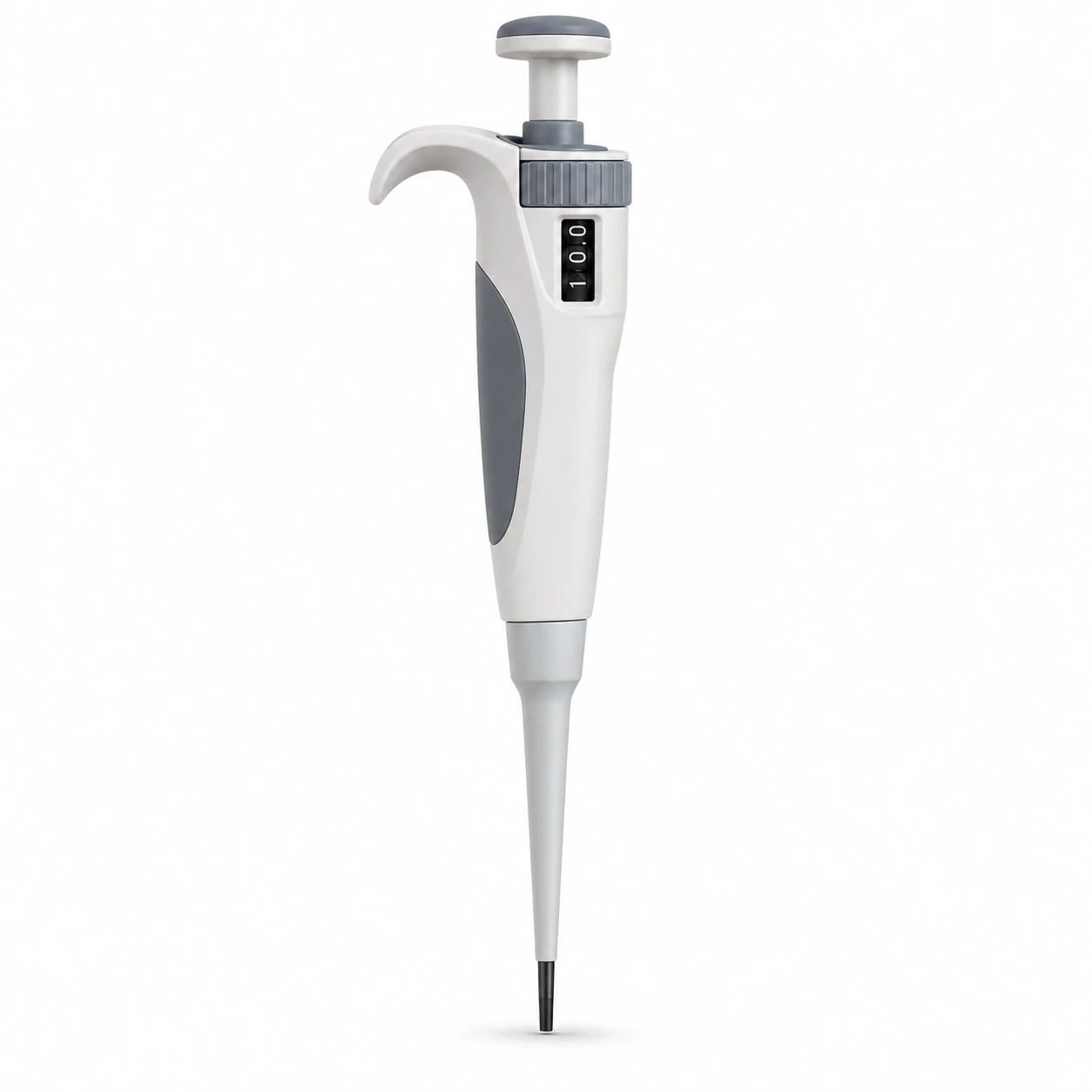
A variable-volume automatic pipette of 0.5–10 µl covers the microlitre range, where a dropper is useless. Polypropylene measuring cylinders with an embossed scale handle larger volumes, and volumetric flasks serve to prepare a solution of defined concentration; polypropylene does not shatter and withstands autoclaving. The handled beaker and the deep evaporating dish of 145 × 55 mm are 18/8 stainless steel, which tolerates heating and conducts heat well. Swabs in a polypropylene tube, radiation-sterilised, 100 per pack, serve cleanliness checks.
How we select the range
We look at the material, the parameters the manufacturer states, and whether the equipment can be cleaned and sterilised where it is meant to work. For every item we give the dimensions, capacity or working range, material and standards, where the manufacturer names them. The same principles are set out on our Quality page.
Frequently asked questions (FAQ)
How does bacteriostatic water differ from water for injections?
By one ingredient and how the vial works: the first holds 0.9% benzyl alcohol and allows repeated withdrawal, the second contains no additives and serves one session.
Can polypropylene equipment be autoclaved?
It can; the permissible temperature and number of cycles come from the manufacturer. With organic solvents glass is safer.
What does “18/8” mean on stainless steel?
The composition of the alloy: roughly 18% chromium and 8% nickel. Chromium gives corrosion resistance, nickel ductility and structural stability.
Category status notice
The items in this category are general-purpose laboratory products, not medicinal products and not medical devices.