


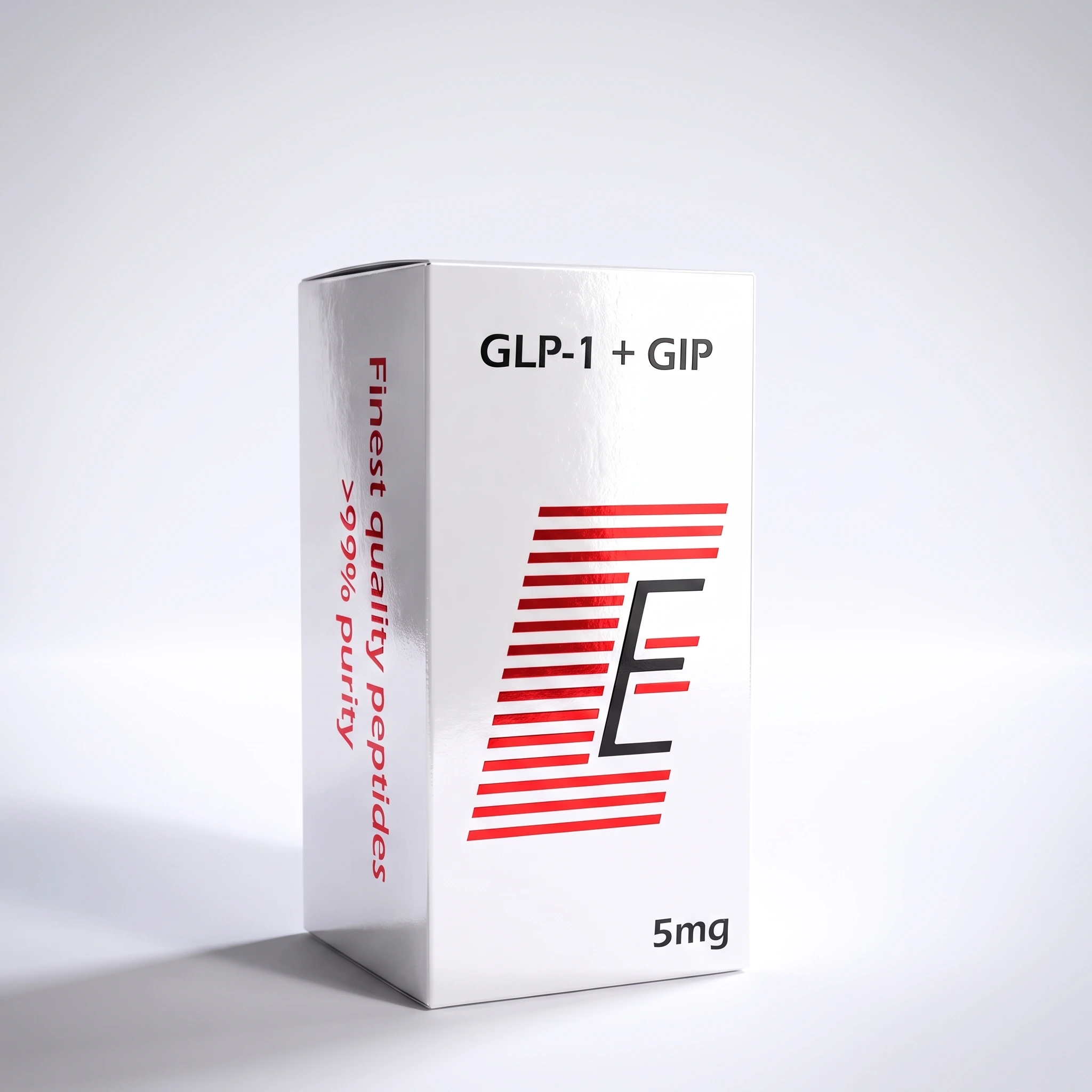

GLP-1 + GIP (tirzepatide)
Other categories
7 products


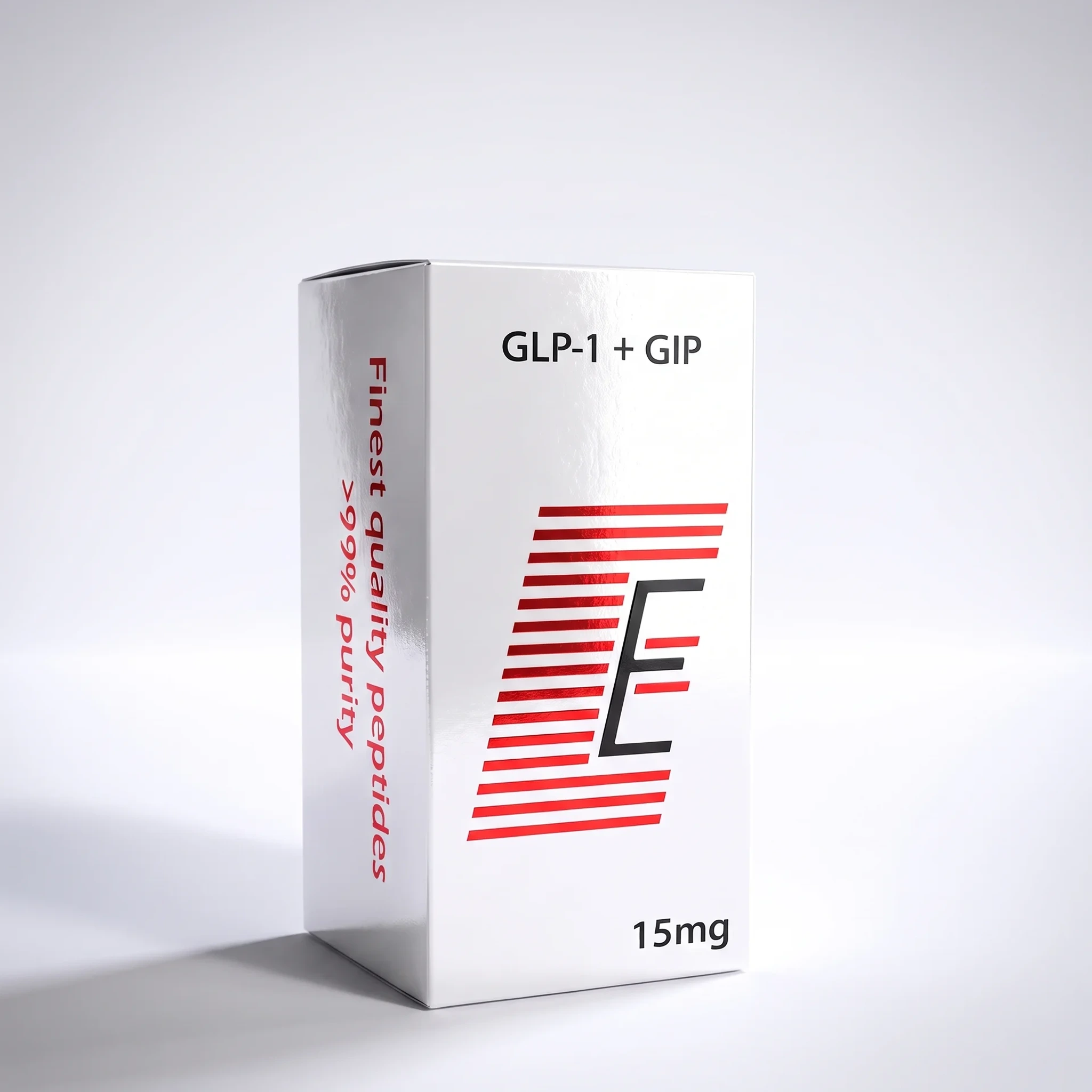
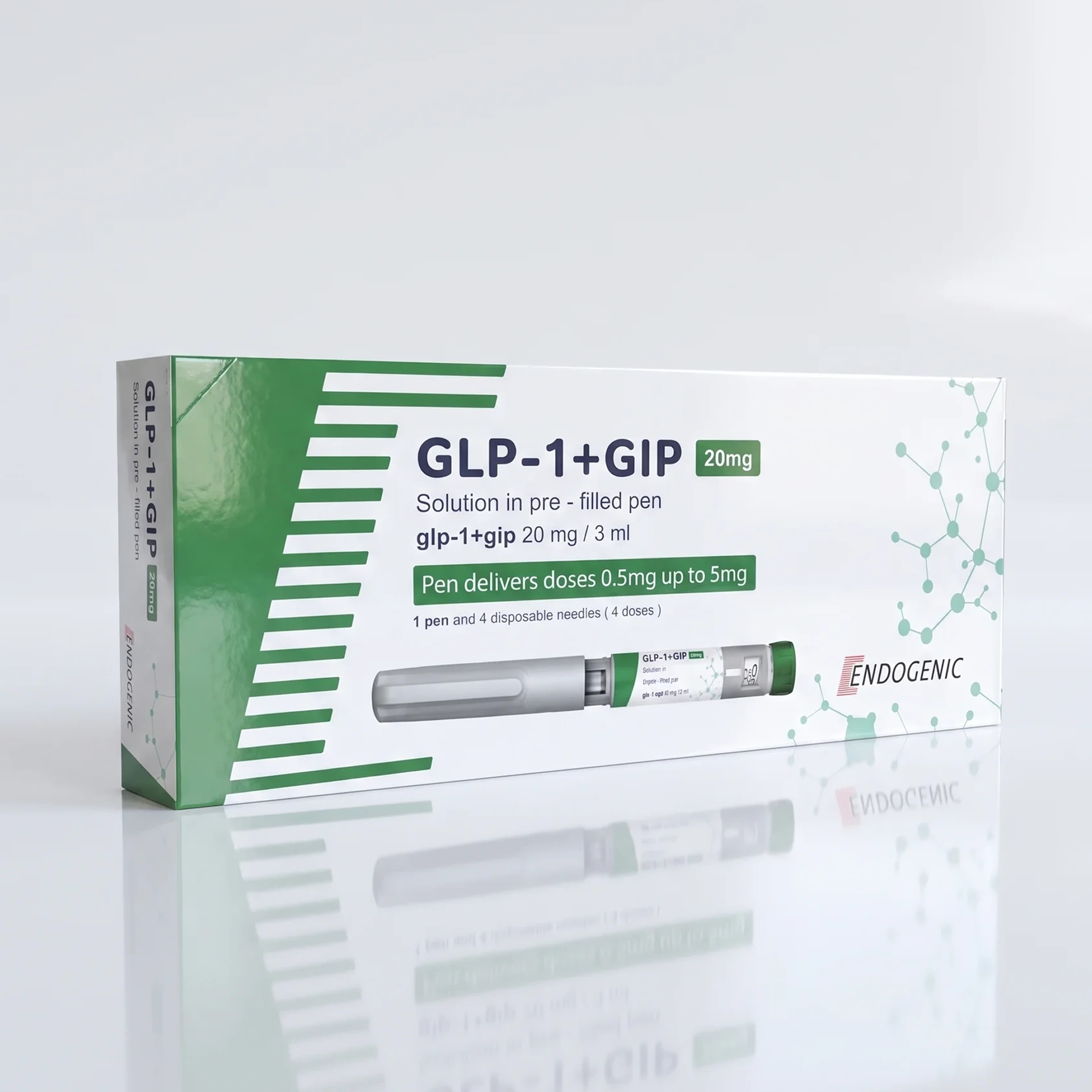
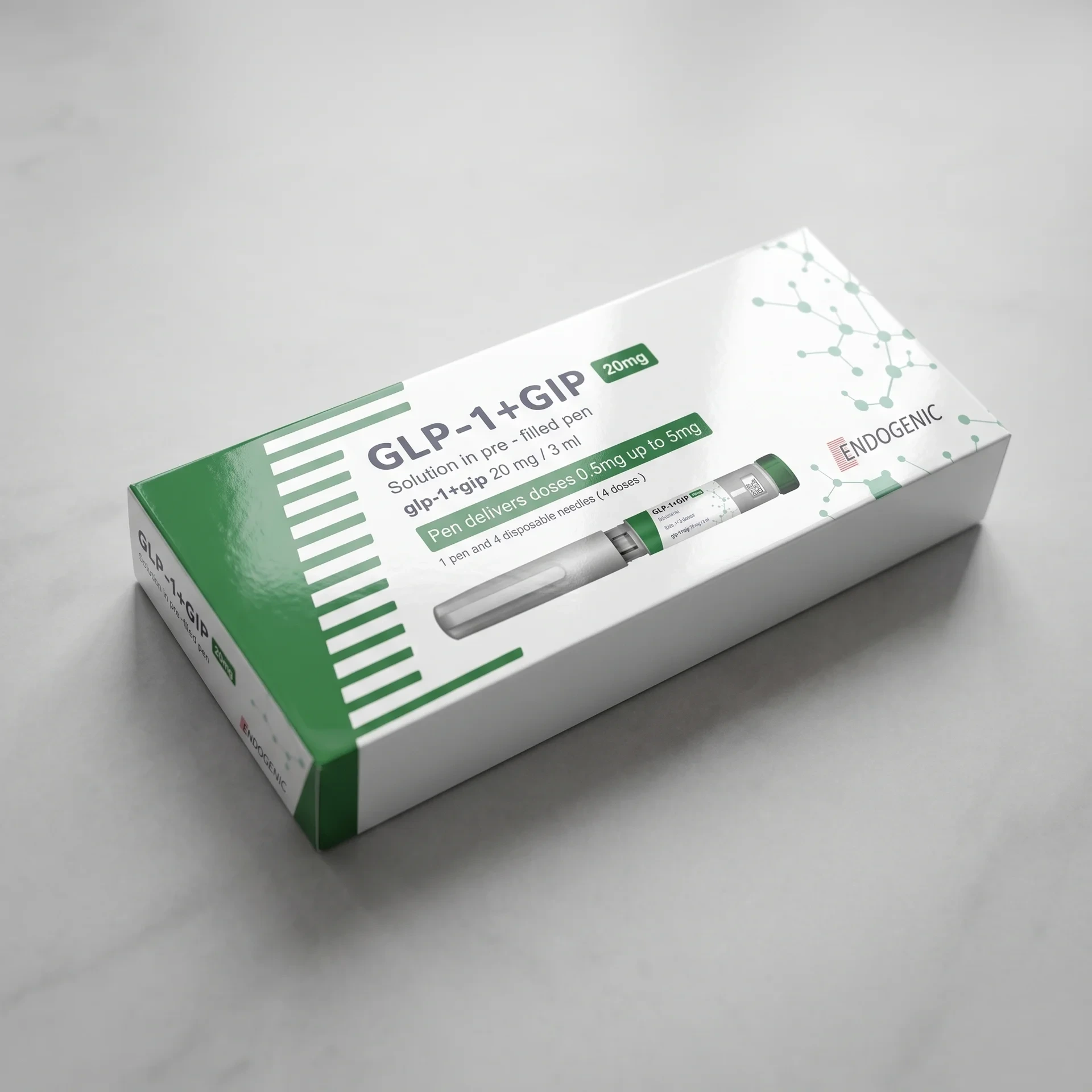
Black Week
Black Week deals before everyone else
Sign up for the newsletter and get access to the Black Week promotion before other customers.
By signing up you agree to receive the Pro-Body newsletter with news and promotions. You can unsubscribe at any time with one click in the e-mail. Privacy policy
GLP-1 + GIP (tirzepatide) - research reagents
Tirzepatide, described in research documentation under the code LY3298176, is a synthetic peptide that acts on two incretin receptors at once: the receptor for glucose-dependent insulinotropic polypeptide (GIP) and the receptor for glucagon-like peptide-1 (GLP-1). In the Pro-Body catalogue it appears under the descriptive name GLP-1 + GIP.
The agonism is not symmetrical. The molecule has been described as an imbalanced agonist, shifted towards the GIP receptor, and as biased at the GLP-1 receptor, because the signalling cascades it triggers there run in different proportions from those triggered by native GLP-1. The authors link that combination to the compound’s profile (Willard et al., 2020, PMID 32730231).
The substance itself is the active ingredient of medicines authorised in the European Union and the United States. The reagents in this subcategory are not those medicines: they are materials for laboratory research. The remaining peptides of the section are gathered by the parent category Peptides.
Variants in the range
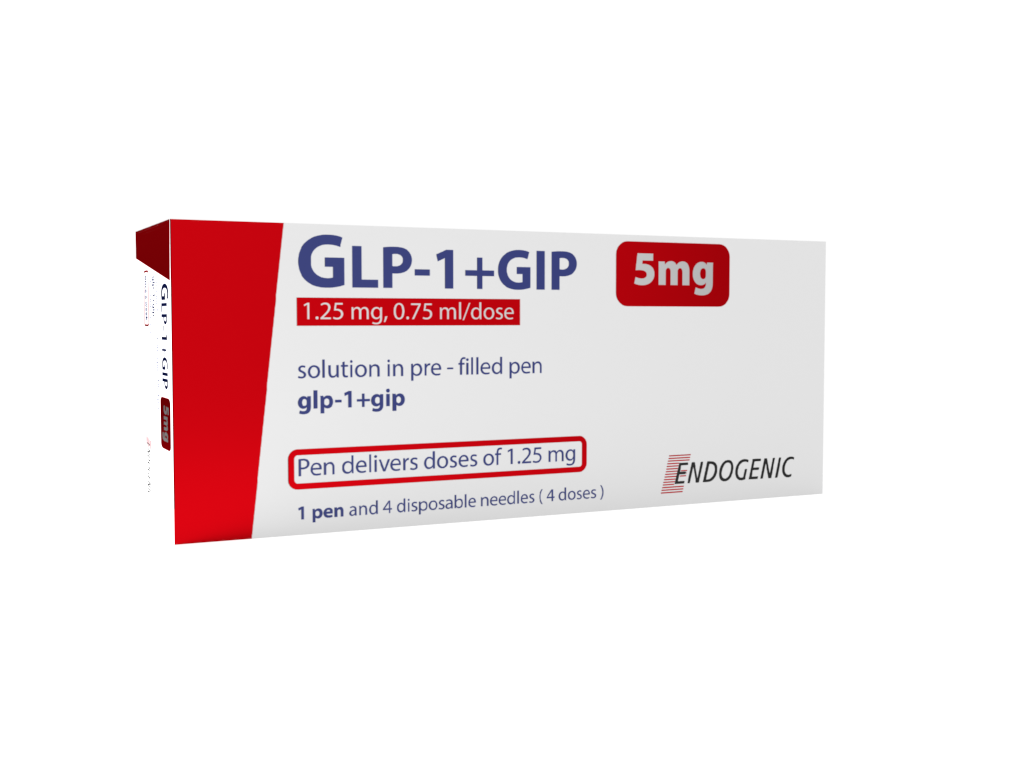
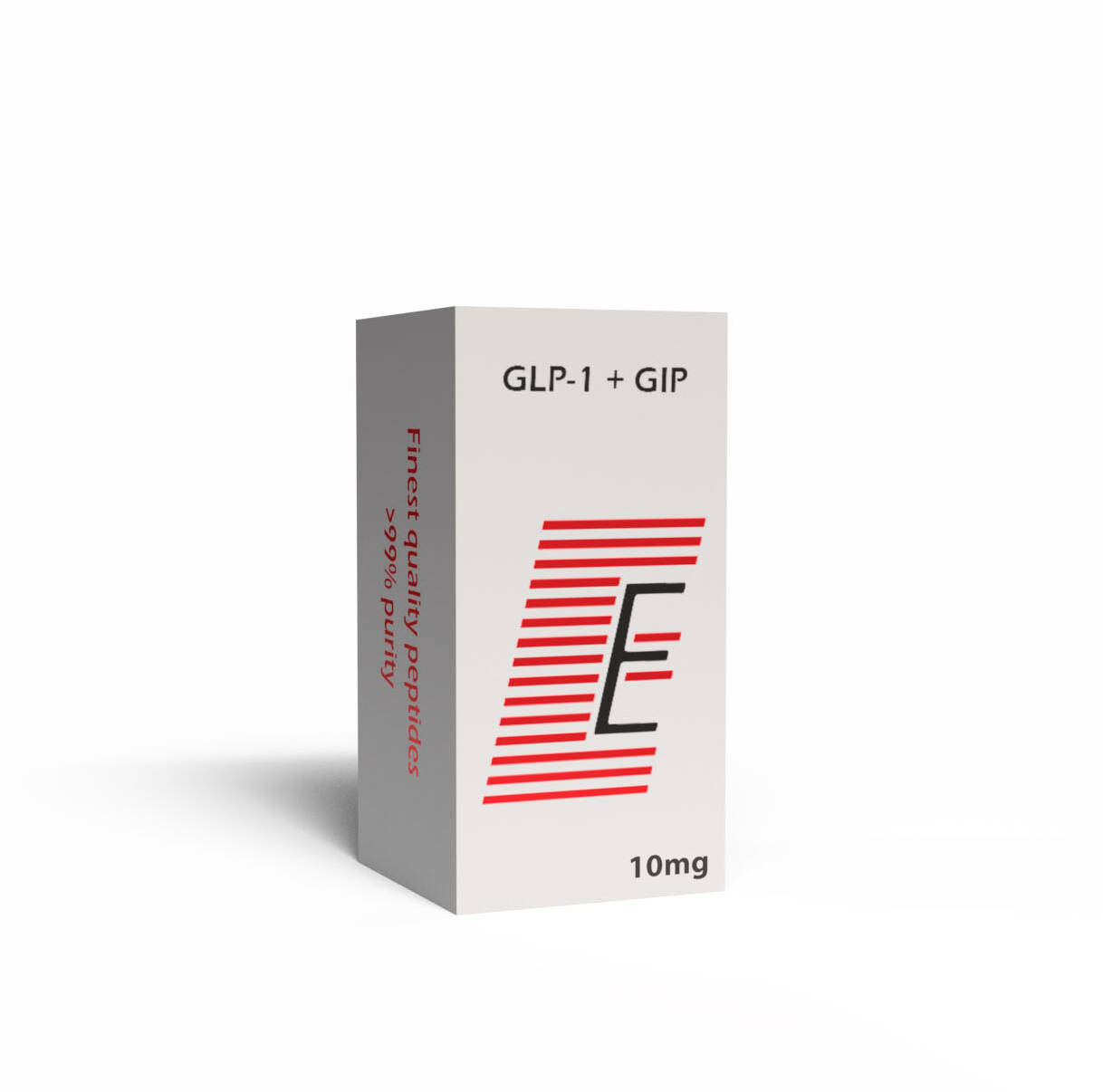
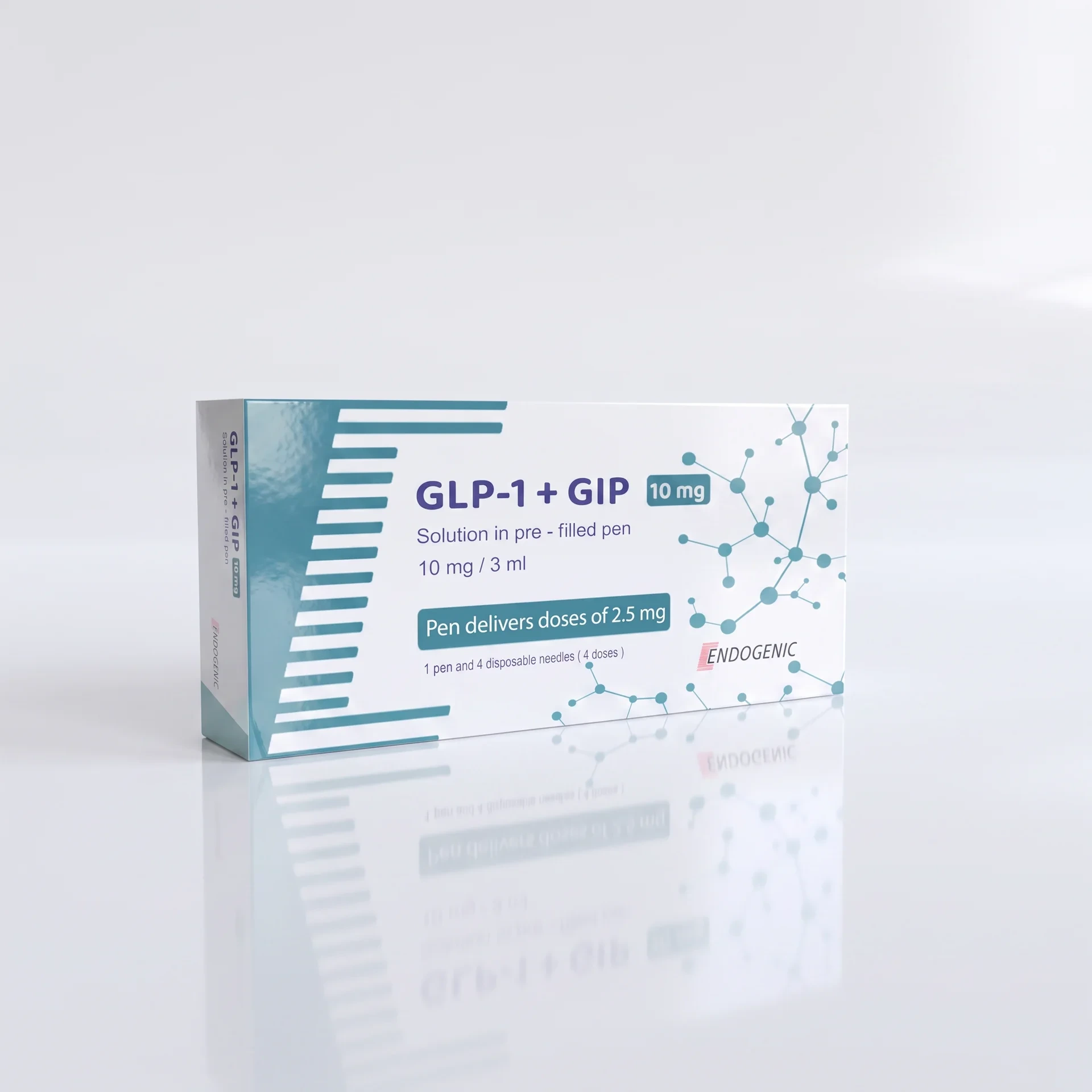
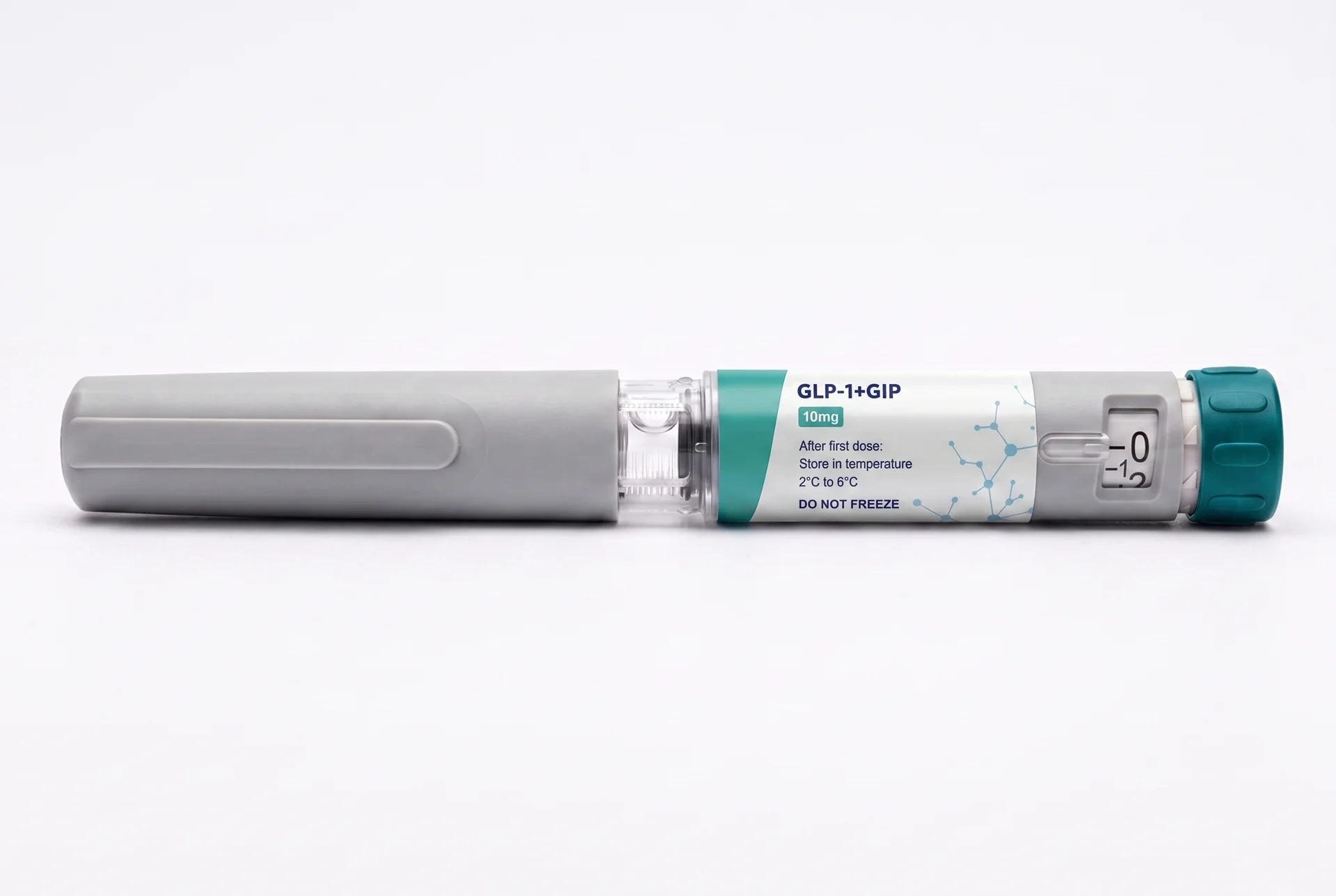
The subcategory covers seven reagents holding the same molecule in two forms. Vials of lyophilisate for reconstitution carry nominal contents of 5, 10 and 15 mg: GLP-1 + GIP 5mg, GLP1 + GIP 10mg and GLP1+GIP 15mg. The factory solution in PEN applicators is available in four contents: GLP-1 + GIP 5mg PEN, GLP1+GIP 10mg PEN, GLP1+GIP 20mg PEN and GLP1 + GIP 40 mg PEN.
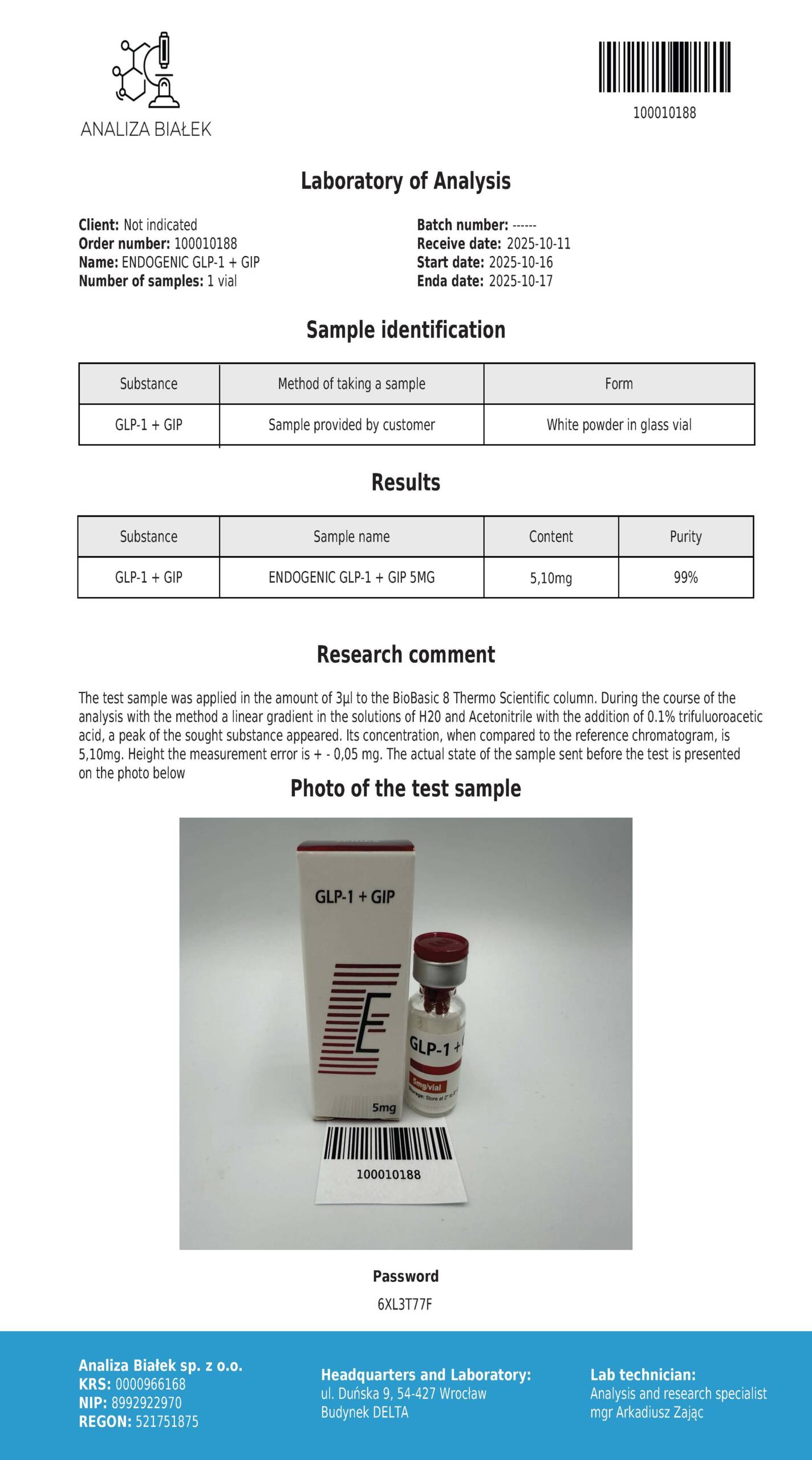
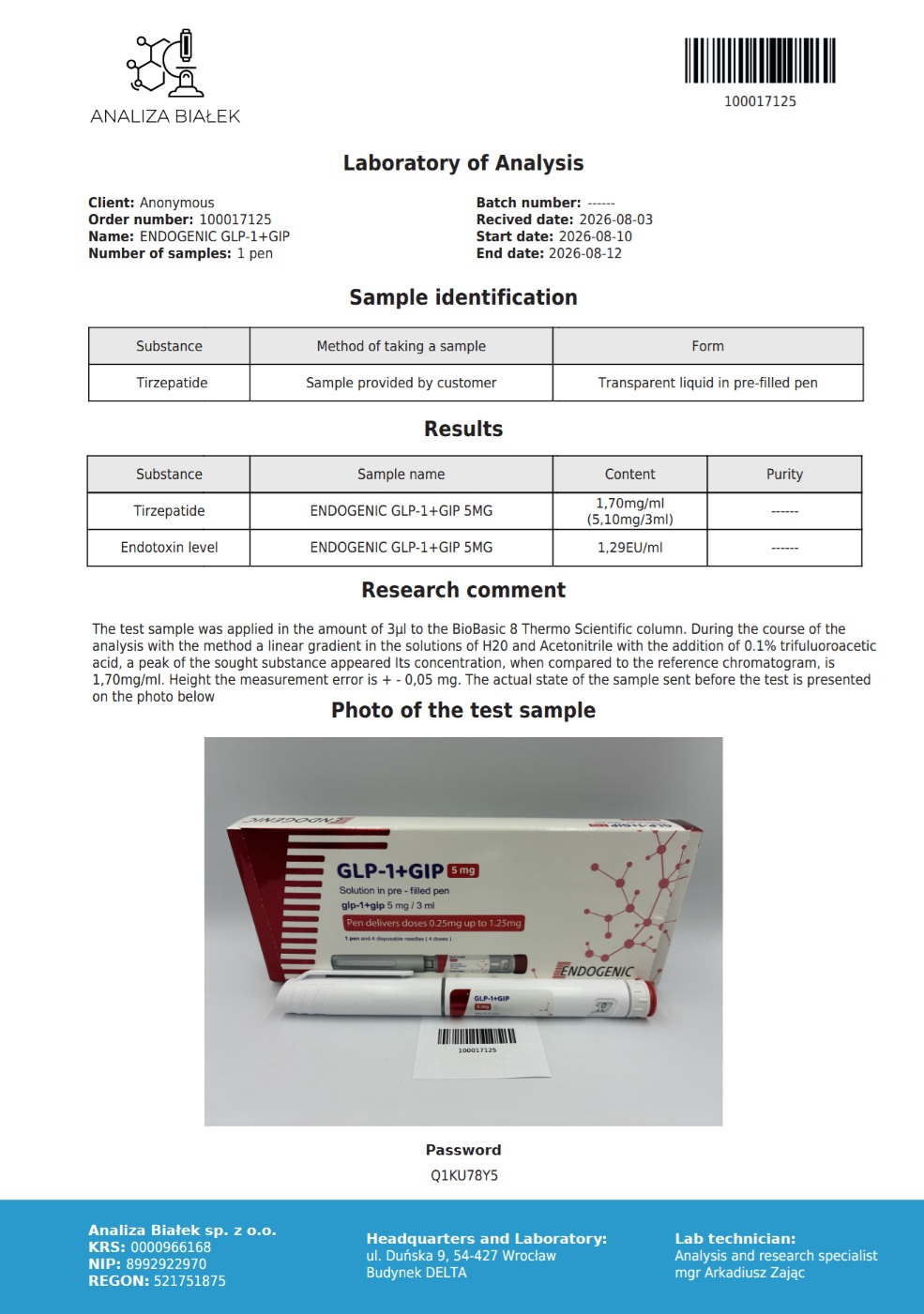
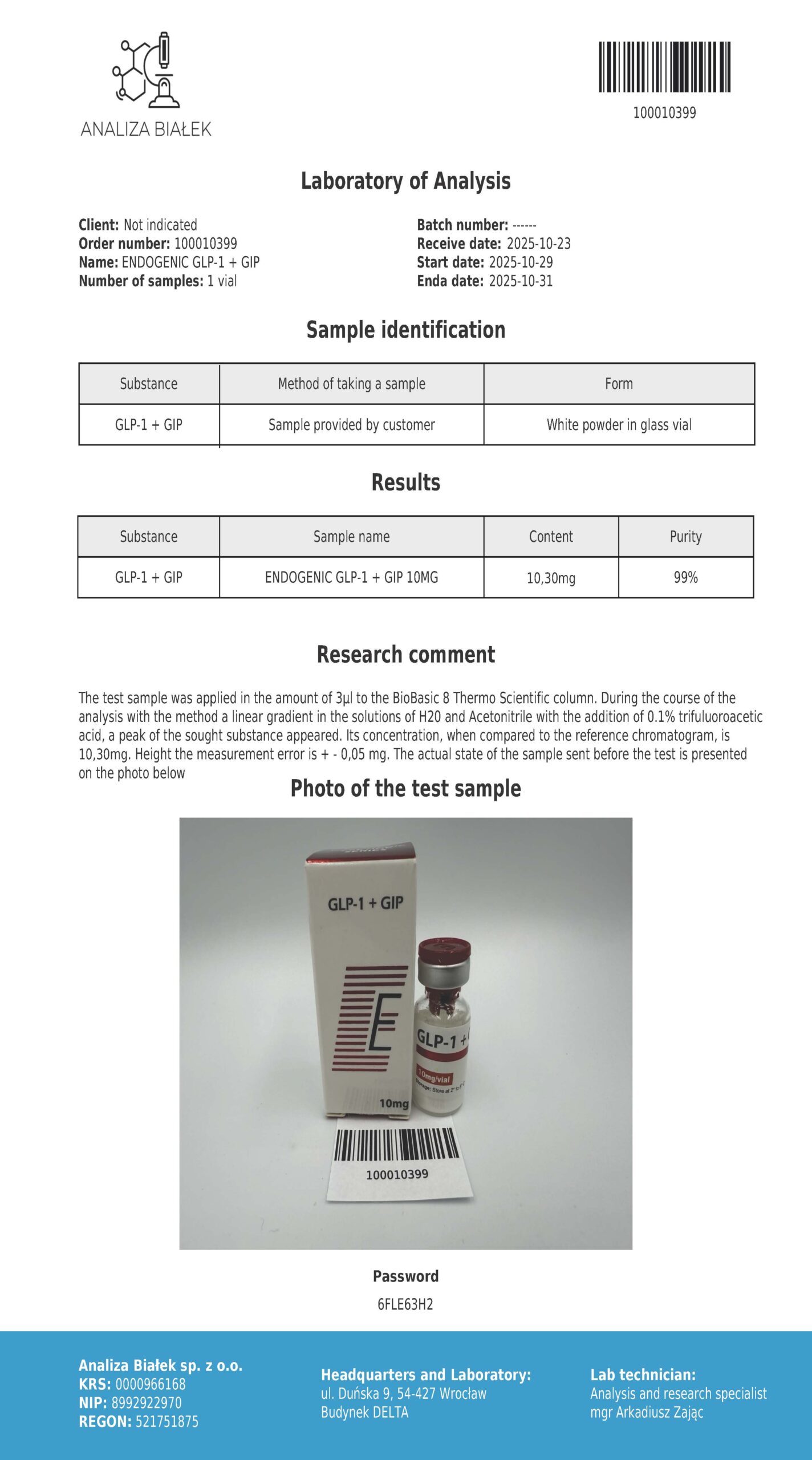
Lyophilisate and factory solution hold the same peptide. Dry powder lets the researcher set the stock concentration, while an applicator carries a starting concentration set by the manufacturer and identical between batches, which removes reconstitution as an experimental variable. Batch purity is confirmed by HPLC and identity by mass spectrometry; for a dual-receptor agonist the certificate of analysis is the decisive document, because a trade name does not describe the structure.
Applications in scientific research
The molecule serves as a tool in incretin receptor pharmacology, and its dual-receptor profile makes it a reference point for single and triple agonists. Working concentrations are chosen by the researcher depending on the model; the subcategory gives no quantities and no schedules.
- In vitro receptor characterisation. Measurements of potency and signalling at both receptors describe the imbalance towards the GIP receptor and the distinct signalling properties at the GLP-1 receptor (Willard et al., 2020).
- From preclinical models to human studies. The first paper describing the molecule as a dual-receptor agonist presented a preclinical data set together with phase I results, in which changes in body weight were significantly greater than on placebo both in healthy subjects and in people with type 2 diabetes; the most frequent adverse events were gastrointestinal and dose-dependent (Coskun et al., 2018, PMID 30473097).
- The GIP receptor paradox. Chronic engagement of the GIP receptor desensitises its activity in primary adipocytes, both differentiated in vitro and in adipose tissue in vivo, and functions like an antagonist. The work also showed that adipocyte receptor activity is partly responsible for the effect of a receptor-blocking antibody in diet-induced obese mice (Killion et al., 2020, PMID 33020469).
- Body weight in clinical trials of the medicine. In a 72-week phase III trial in people with obesity, the change in body weight ranged from −15.0% to −20.9% across dose groups against −3.1% on placebo, under a treatment-regimen estimand; a reduction of at least 20% was reached by 50% and 57% of participants in the two higher groups against 3% on placebo (Jastreboff et al., 2022, PMID 35658024).
- Maintenance after withdrawal. In a trial with a withdrawal phase, the change in body weight was −5.5% in the group continuing treatment against +14.0% in the group switched to placebo, under a treatment-regimen estimand (Aronne et al., 2024, PMID 38078870).
- Cardiovascular endpoints. In an active-comparator trial in people with type 2 diabetes and atherosclerotic cardiovascular disease, the primary endpoint occurred in 12.2% of participants against 13.1% in the dulaglutide group (HR 0.92; 95.3% CI 0.83–1.01). The trial showed non-inferiority (p = 0.003) but not superiority (p = 0.09) (Nicholls et al., 2025, PMID 41406444).
Scientific perspective. The figures come from trials of an authorised medicinal product conducted under medical supervision and are given together with the estimand, because where treatment is discontinued the same data set yields different values depending on the estimand chosen. A research reagent is not that product and does not inherit those results.
How GLP-1 + GIP differs from related compounds
By the number of receptors within the family. Semaglutide engages the GLP-1 receptor alone, tirzepatide two incretin receptors, and retatrutide adds the glucagon receptor to those. The distinction describes the scope of action in experimental systems, not an advantage of any molecule. With tirzepatide there is one more point: the agonism is shifted towards the GIP receptor, so it is not simply “twice the same thing”.
By form, not by peptide. With lyophilisate the stock concentration is the researcher’s decision; in an applicator it arrives ready and identical across batches. The molecule remains the same, and the format is matched to the methodology.
Regulatory status and anti-doping note
- European Union. In the listing of products authorised in the member states, maintained by the European Medicines Agency under Article 57 (data as of 9 October 2026), the substance appears in 8 entries as Mounjaro and Mounjaro KwikPen, from Eli Lilly Nederland, under the centralised procedure. The EU authorisation was granted on 15 September 2022.
- United States. The Drugs@FDA database holds two authorisations: Mounjaro (NDA 215866) and Zepbound (NDA 217806); the National Drug Code catalogue lists 168 entries. Checked 8 November 2026.
- A research reagent is not a medicine. The material here is none of those products, does not replace medical care and holds no status as a medicinal product or dietary supplement.
Anti-doping note. Neither the WADA Prohibited List 2026 nor the 2027 List, which applies from 1 January 2027, names tirzepatide; the full text of both editions also contains no class covering incretin receptor agonists. Class S0 does not apply, because it covers only substances with no marketing authorisation as a medicinal product for human use. A separate matter is the WADA monitoring programme, which is not part of the List but covers markers of this group of molecules; monitored lists can foreshadow changes in later editions. The binding sources remain the List in force and the ADAMS system. Materials from this subcategory are research reagents and do not serve as preparation for sporting competition.
Frequently asked questions (FAQ)
Is GLP-1 + GIP tirzepatide?
Yes. The catalogue name describes the two target receptors, and the molecule is tirzepatide, coded LY3298176 in the literature.
What separates a vial from a pen in laboratory practice?
The point at which the concentration is set. With a vial the researcher sets it during reconstitution; in a pen it is already set by the manufacturer and recorded in the batch documentation. The peptide stays the same.
How does a dual-receptor agonist differ from semaglutide?
By the number of receptors and the proportion of action. Semaglutide engages only the GLP-1 receptor, while tirzepatide engages both incretin receptors, with a shift towards the GIP receptor (Willard et al., 2020).
Is a reagent from this subcategory a medicine for diabetes or obesity?
No. The substance is the active ingredient of authorised medicines, but the material here is a reagent for laboratory research and clinical trial results for the medicine do not apply to it.
Is tirzepatide prohibited in sport?
It is not named in the 2026 List or the 2027 List, and class S0 does not cover it, because it holds approval as a medicinal product. The status is verified in the List in force, as the lists change between editions.
Category status notice
This category groups chemical reagents intended solely for laboratory research (Research Use Only). The peptides collected here are not medicinal products, dietary supplements or foodstuffs. They are not intended for use in humans or animals. Sales are restricted to registered research institutions and laboratories.