


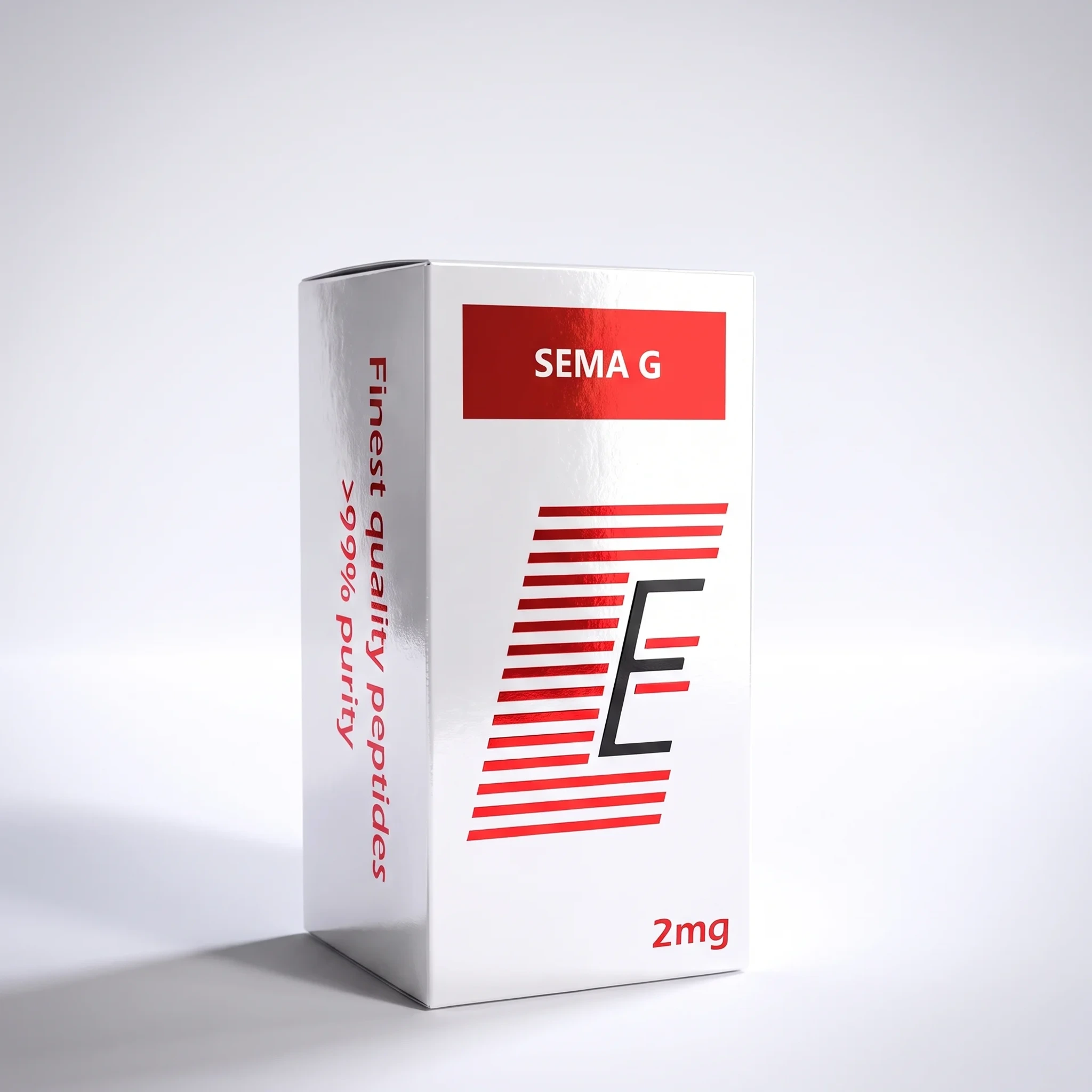

Semaglutide (SEMA G)
Other categories
4 products
-
'/%3E%3C/svg%3E)
-
'/%3E%3C/svg%3E)
-
-
SEMA G 8mg PEN SEMA G 8mg PEN166,99 €
Black Week
Black Week deals before everyone else
Sign up for the newsletter and get access to the Black Week promotion before other customers.
By signing up you agree to receive the Pro-Body newsletter with news and promotions. You can unsubscribe at any time with one click in the e-mail. Privacy policy
Semaglutide (SEMA G) - research reagents
Semaglutide is an acylated analogue of glucagon-like peptide-1, designed to bind reversibly to plasma albumin. Relative to human GLP-1 it carries two amino acid substitutions, Aib at position 8 and arginine at position 34, with the lipid modification attached to lysine 26. Its affinity for the GLP-1 receptor is 0.38 ± 0.06 nM, three-fold lower than that of liraglutide, with markedly higher albumin affinity; the plasma half-life measured in mini-pigs was 46.1 hours (Lau et al., 2015, PMID 26308095).
In the Pro-Body catalogue the molecule appears under the trade name SEMA G. It is a single-receptor agonist, which separates it from the dual and triple agonists of the same family and makes it a reference point in pharmacological comparisons.
The substance itself is the active ingredient of medicines authorised in the European Union and the United States. The reagents in this subcategory are not those medicines: they are materials for laboratory research, without the status of a medicinal product. The remaining peptides of the section are gathered by the parent category Peptides.
Variants in the range
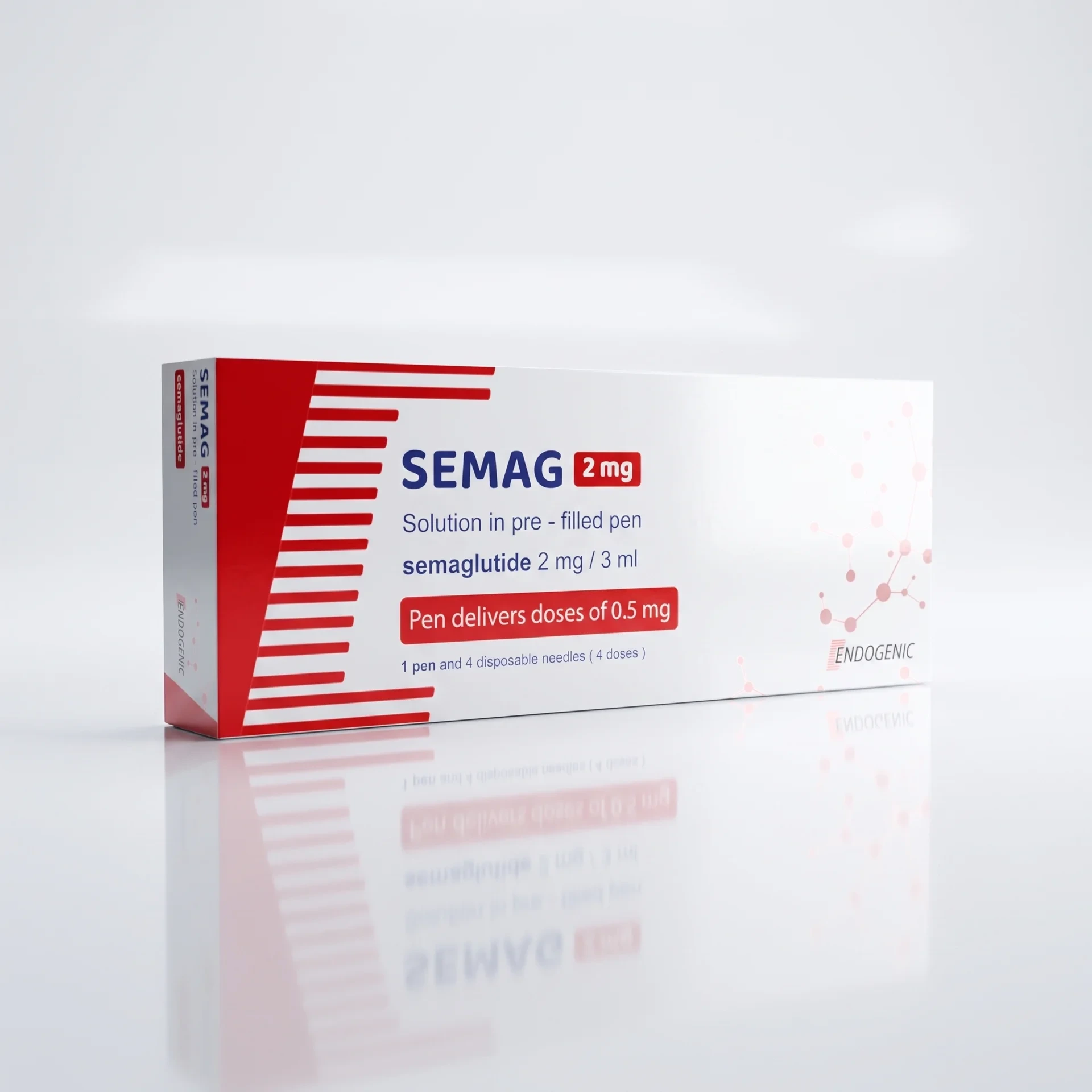
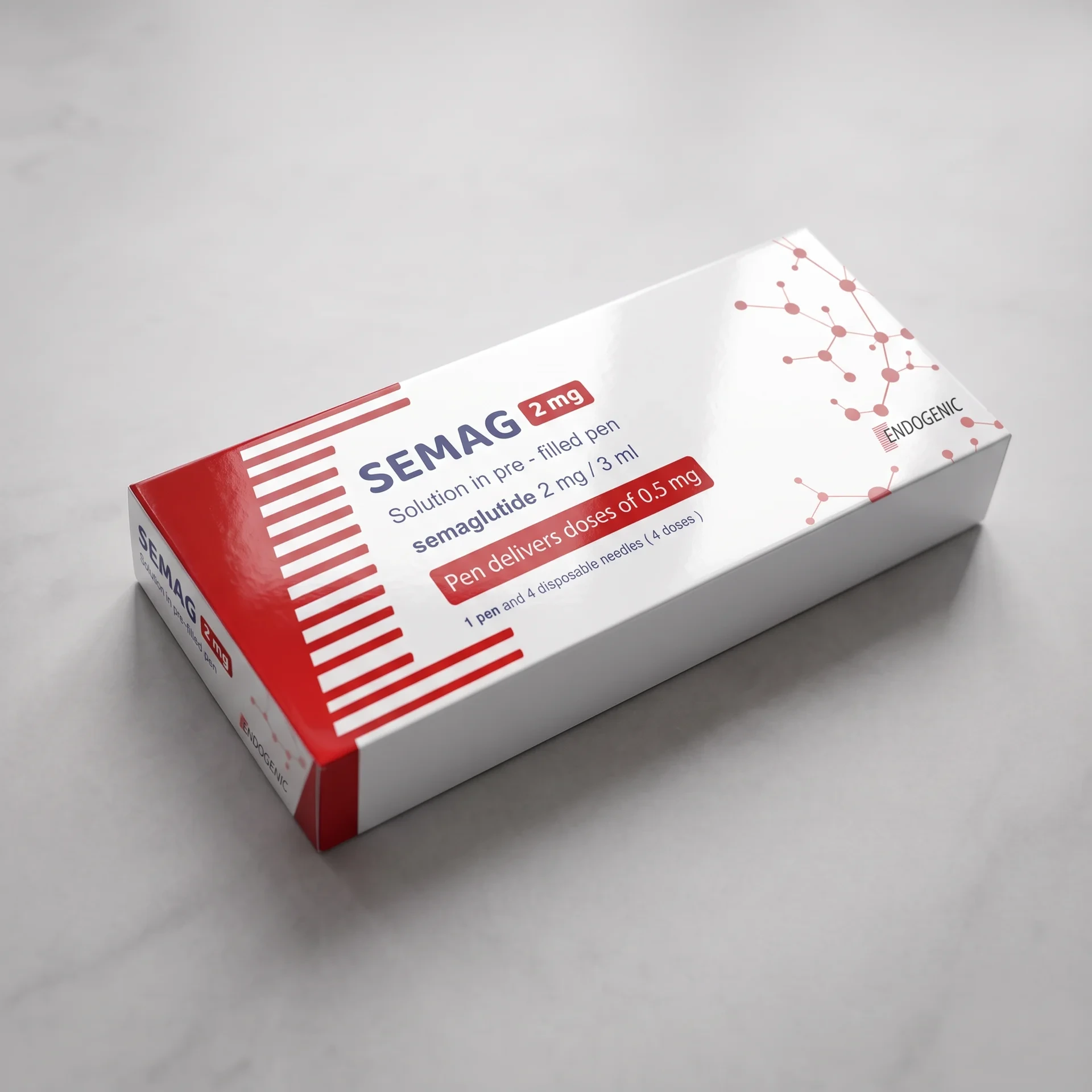
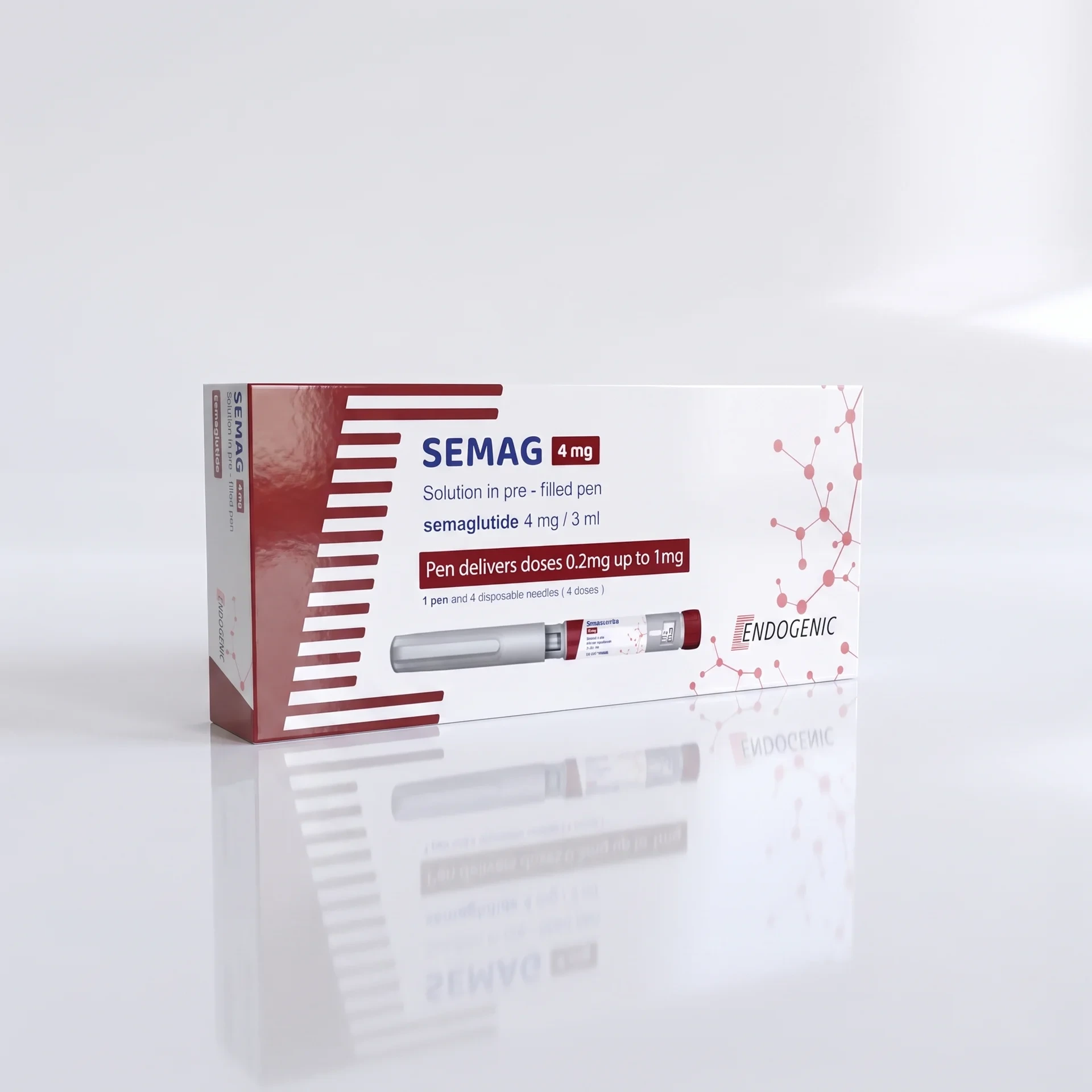
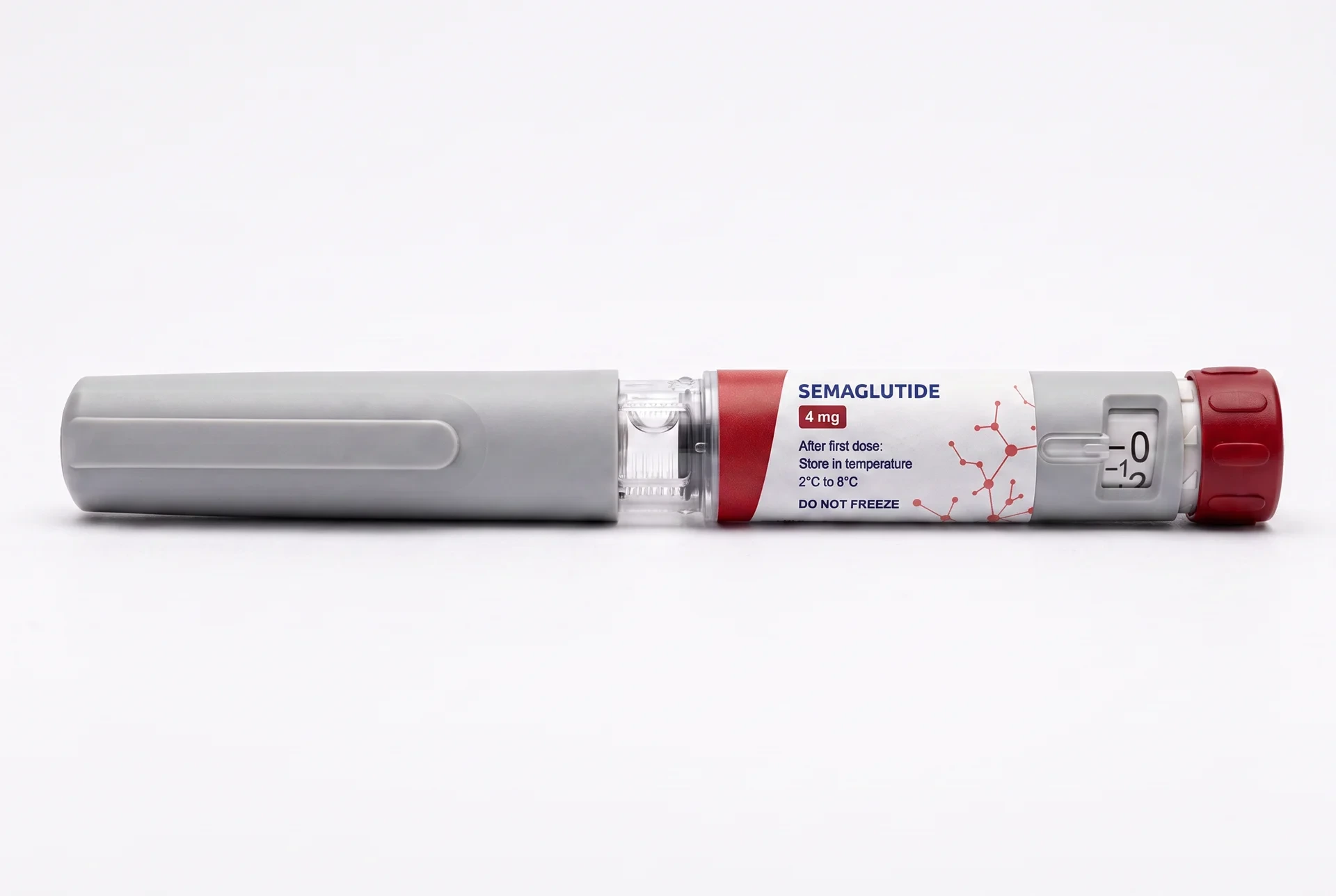
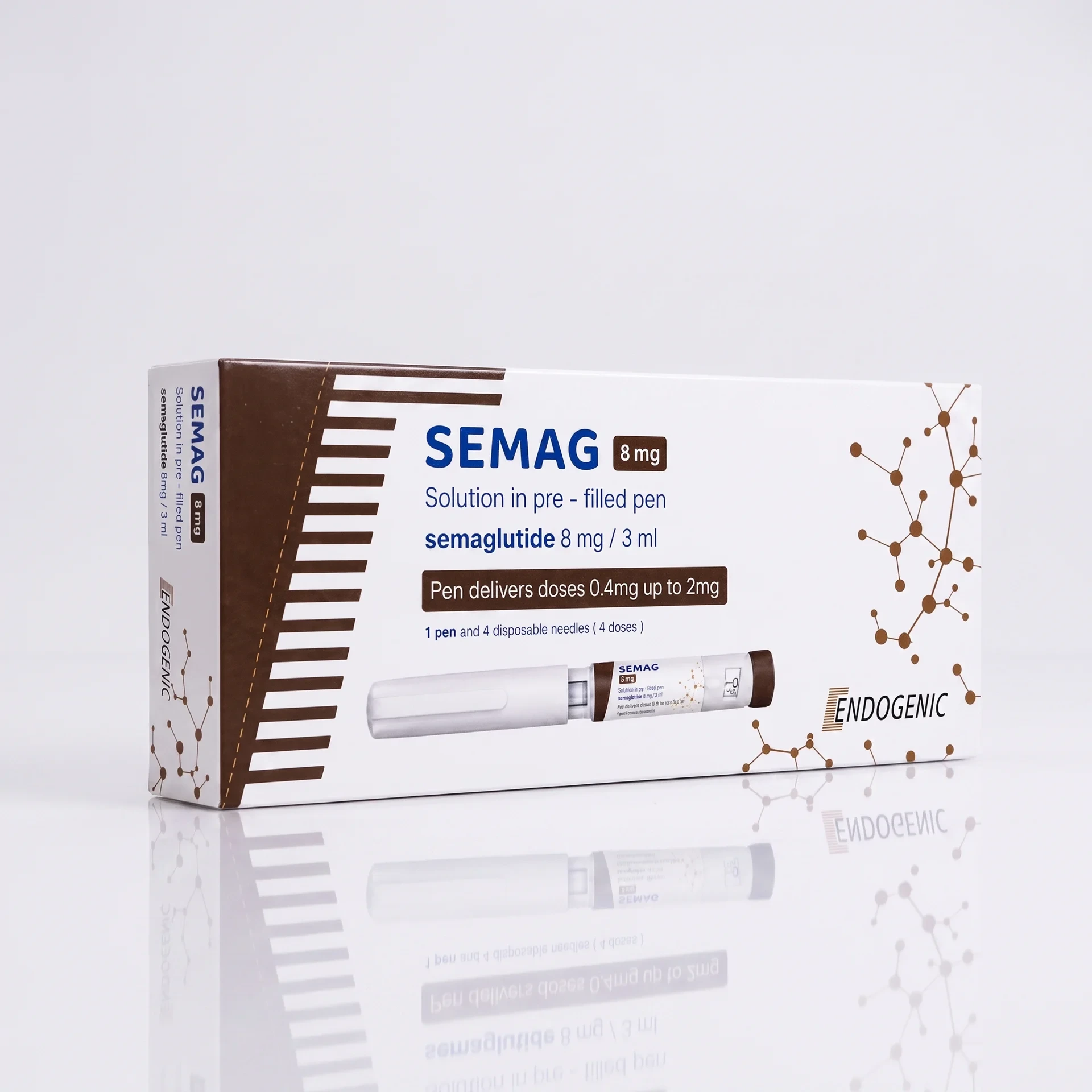
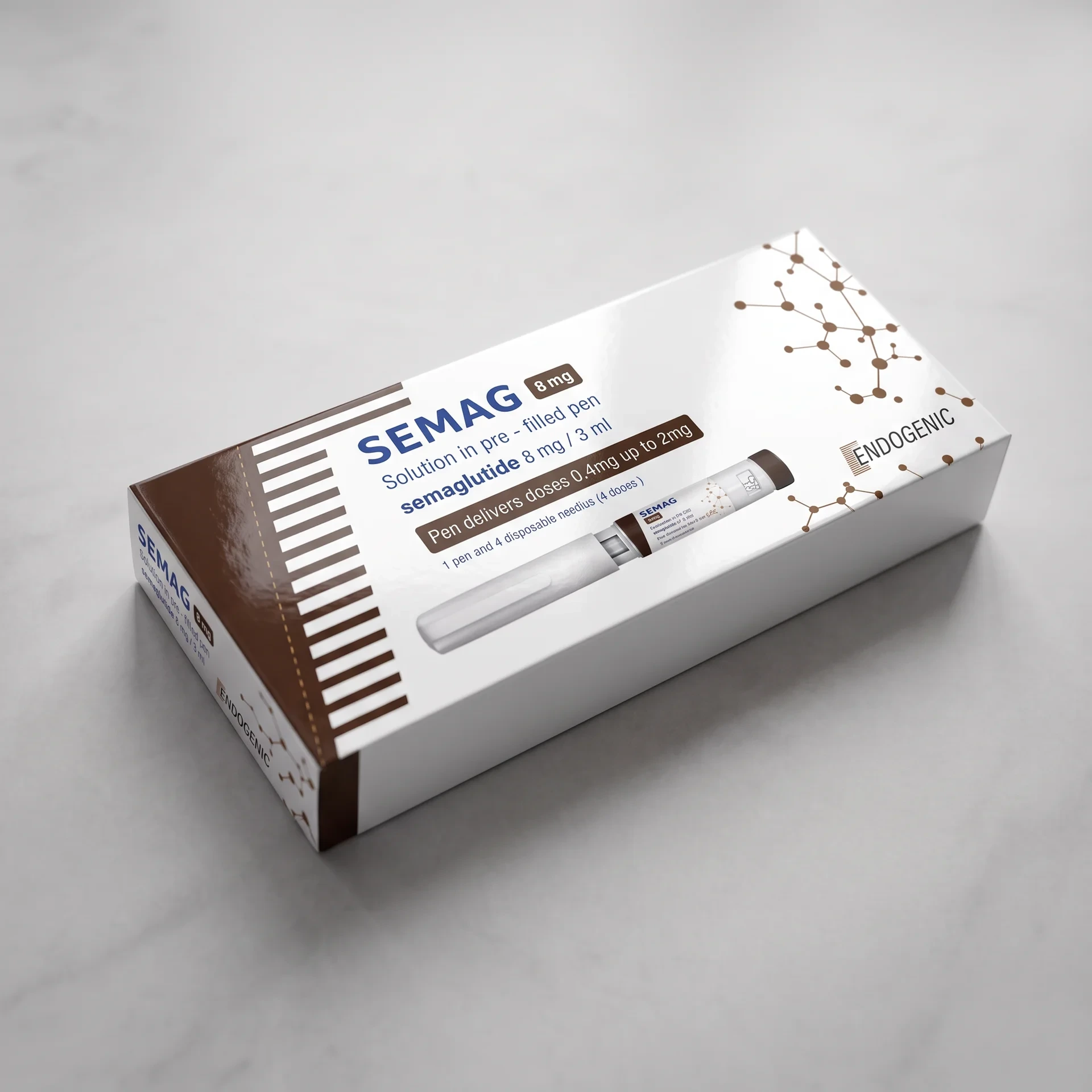
The subcategory covers four reagents holding the same peptide in two forms. SEMA G is a vial of lyophilisate with a nominal content of 2 mg, intended for reconstitution. PEN applicators with a factory solution come in three contents: SEMA G 2mg PEN, SEMA G 4mg PEN and SEMA G 8mg PEN.
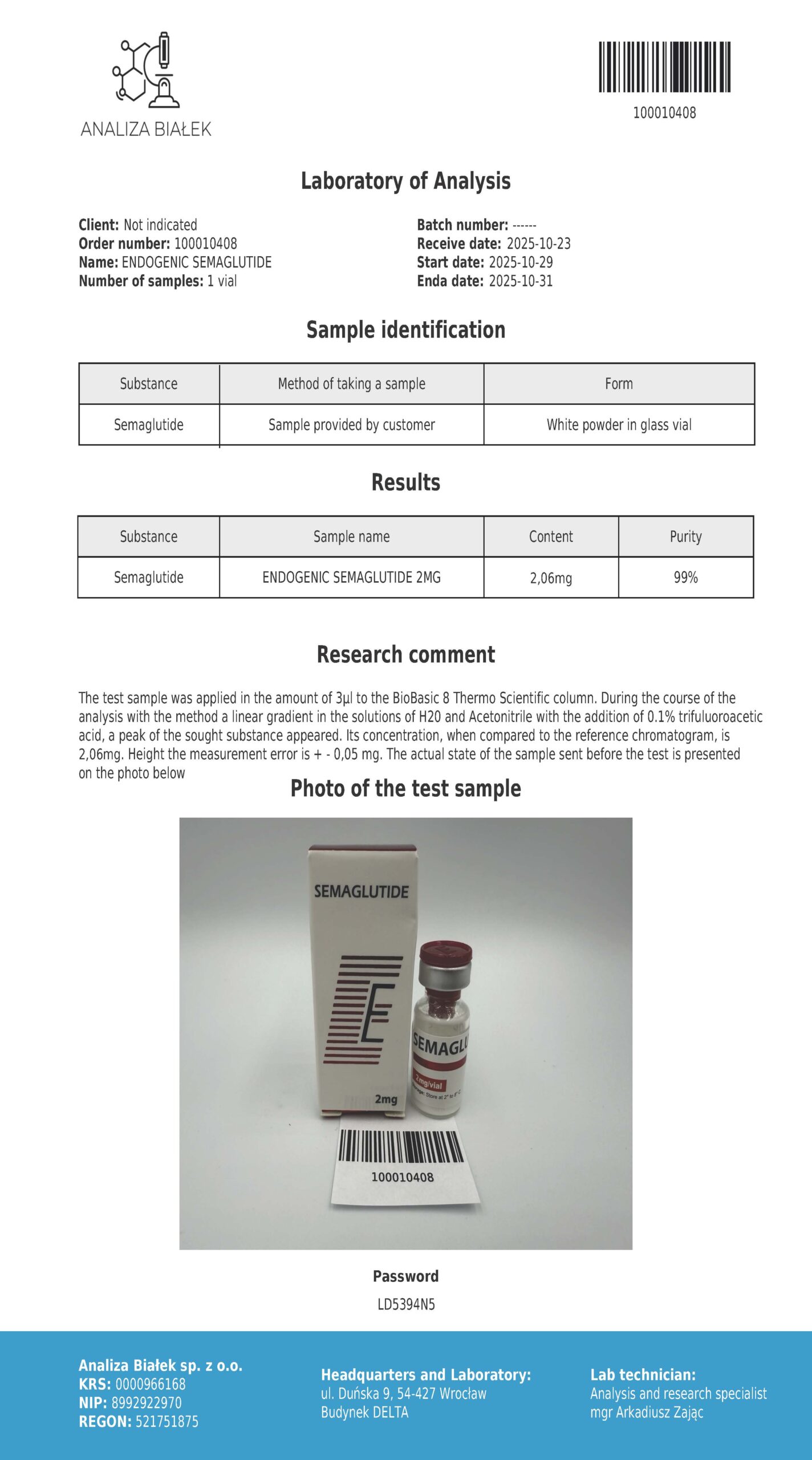
Lyophilisate and factory solution hold the same peptide. Dry powder is not subject to the changes that occur in the aqueous phase and lets the researcher set the stock concentration; an applicator carries a concentration set by the manufacturer and recorded in the batch documentation. Batch purity is confirmed by HPLC and identity by mass spectrometry. For an analogue carrying a lipid chain the certificate of analysis is the decisive document, because identity rests not only on the peptide backbone but also on the presence and position of the modification.
Applications in scientific research
In the literature semaglutide is the model agonist of the GLP-1 receptor and serves as a reference compound in that role. Working concentrations are chosen by the researcher depending on the system; the subcategory gives no quantities and no schedules.
- Designing long-acting analogues. Work on this molecule showed how the fatty acid moiety and the linker chemistry govern albumin affinity, receptor potency and exposure time; in mini-pigs the mean residence time of the molecule was 63.6 hours (Lau et al., 2015).
- Body weight in clinical trials of the medicine. In a phase III trial in adults with overweight or obesity, the change in body weight at 68 weeks was −15.3 kg against −2.6 kg on placebo, with an estimated treatment difference of −12.7 kg (95% CI −13.7 to −11.7); a reduction of at least 10% was reached by 69.1% of participants against 12.0% on placebo, and at least 15% by 50.5% against 4.9% (Wilding et al., 2021, PMID 33567185).
- Population with type 2 diabetes. In an intention-to-treat analysis the estimated change in body weight at 68 weeks was −9.6% against −3.4% on placebo, a difference of −6.2 percentage points (95% CI −7.3 to −5.2); a reduction of at least 5% was recorded in 68.8% of participants against 28.5% (Davies et al., 2021, PMID 33667417).
- Cardiovascular endpoints. In patients with type 2 diabetes at high cardiovascular risk the composite endpoint occurred less often in the treated group; non-fatal stroke was recorded in 1.6% against 2.7% (HR 0.61), while retinopathy complications were significantly more frequent (HR 1.76; p = 0.02) (Marso et al., 2016, PMID 27633186). In a trial in 17,604 people with cardiovascular disease and overweight or obesity but without diabetes, the primary endpoint occurred in 6.5% against 8.0% (HR 0.80; 95% CI 0.72–0.90; p < 0.001), over a mean follow-up of 39.8 months (Lincoff et al., 2023, PMID 37952131).
- Kidney endpoints. In patients with type 2 diabetes and chronic kidney disease the risk of the primary endpoint was 24% lower (HR 0.76; 95% CI 0.66–0.88; p = 0.0003), the annual slope of glomerular filtration was less steep by 1.16 ml/min/1.73 m², and the risk of death from any cause was 20% lower (Perkovic et al., 2024, PMID 38785209).
- Identity analytics. Confirming the mass, the sequence and the acylation site, and separating the analogue from native GLP-1 and from multi-receptor agonists, by HPLC and mass spectrometry.
Scientific perspective. The figures quoted come from trials of authorised medicinal products conducted under medical supervision, in defined populations and under stated estimands; the weight trials report an estimated treatment difference, and the diabetes trial an intention-to-treat analysis. A reagent is not that product and inherits neither its efficacy nor its safety profile.
How semaglutide differs from related compounds
By the number of receptors within the family. Semaglutide engages the GLP-1 receptor only. The GLP-1 + GIP reagent acts on two receptors, and retatrutide adds the glucagon receptor to those. In experimental systems that distinction decides which set of pathways the researcher engages; it describes no advantage of any of them.
By form, not by peptide. The vial and the applicator hold the same analogue. Dry powder leaves the concentration to the researcher, while a factory solution keeps batches consistent, because the manufacturer fixes the milligrams per millilitre. The protocol decides, not the properties of the molecule.
Regulatory status and anti-doping note
Semaglutide is the active ingredient of medicinal products authorised in both major jurisdictions.
- European Union. In the listing of products authorised in the member states, maintained by the European Medicines Agency under Article 57 (data as of 9 October 2026), the substance appears in 21 entries, among them Ozempic, Rybelsus and Wegovy, all from Novo Nordisk under the centralised procedure.
- United States. The Drugs@FDA database holds five approvals with this substance, among them Rybelsus (NDA 213182) and Wegovy (NDA 215256), plus a tentative approval of an application for a generic equivalent, which does not yet allow it to be marketed; the National Drug Code catalogue lists 142 entries. Checked 8 November 2026.
- A research reagent is not a medicine. The material in this subcategory is none of those products, does not replace medical care and holds no status as a medicinal product or dietary supplement.
Anti-doping note. Neither the WADA Prohibited List 2026 nor the 2027 List, which applies from 1 January 2027, names semaglutide; the full text of both editions also contains no class covering GLP-1 receptor agonists. Class S0 does not apply, because it covers only substances that no governmental regulatory health authority has approved for human therapeutic use, and semaglutide holds such approval. The absence of an entry does not remove the need to verify: an athlete checks the status in the List in force and in the monitoring programme, which can foreshadow change. Materials from this subcategory are research reagents and do not serve as preparation for sporting competition.
Frequently asked questions (FAQ)
What is semaglutide, and why is it called SEMA G in the catalogue?
An acylated analogue of glucagon-like peptide-1, with two amino acid substitutions relative to human GLP-1 and a lipid modification on lysine 26. SEMA G is the trade name of the reagent line; the substance is the same.
Vial or applicator?
A methodological choice, not a question of quality. The vial holds dry powder, so the researcher sets the stock concentration. The applicator arrives with the concentration already set by the manufacturer and recorded in the batch documentation.
Is a reagent from this subcategory a medicine for obesity or diabetes?
No. The substance is the active ingredient of authorised medicines, but the material in this subcategory is a reagent for laboratory research. Results from clinical trials of the medicine do not apply to a reagent.
How does semaglutide differ from multi-receptor agonists?
By the number of targets. It acts on one receptor, GLP-1, while the GLP-1 + GIP reagent engages two and retatrutide three. That is why semaglutide serves as a reference point in pharmacological comparisons.
Is semaglutide prohibited in sport?
It is not named in the 2026 List or the 2027 List, and class S0 does not cover it, because it holds approval as a medicinal product. The current status is verified in the List in force, as the lists change between editions.
Category status notice
This category groups chemical reagents intended solely for laboratory research (Research Use Only). The peptides collected here are not medicinal products, dietary supplements or foodstuffs. They are not intended for use in humans or animals. Sales are restricted to registered research institutions and laboratories.