



BPC-157
Other categories
8 products
Black Week
Black Week deals before everyone else
Sign up for the newsletter and get access to the Black Week promotion before other customers.
By signing up you agree to receive the Pro-Body newsletter with news and promotions. You can unsubscribe at any time with one click in the e-mail. Privacy policy
BPC-157 - research reagents
BPC-157 is a synthetic pentadecapeptide, a chain of fifteen amino acids with the sequence GEPPPGKPADDAGLV and a mass of about 1.4 kDa. Research catalogues often refer to it by the abbreviation of Body Protection Compound. An extensive preclinical literature has grown around it, mostly in rodent models.
The state of the evidence looks different from what the publication count suggests. A systematic review of human data, with the search closed on 1 June 2026, identified three studies covering 30 participants in total: knee pain in 16 people, interstitial cystitis in 12 and a safety pilot in 2. All reported symptomatic improvement in most participants without adverse events attributed to the substance, yet they were judged to be of poor methodological quality, and the certainty of evidence under GRADE was rated very low (Poolton et al., 2026, PMID 42885452).
This subcategory collects reagents holding the pentadecapeptide in several forms and salts, including preparations combined with TB-500. The materials are intended for laboratory research; they are not medicinal products or dietary supplements. The wider context of the family is described by the parent category Peptides.
Variants in the range
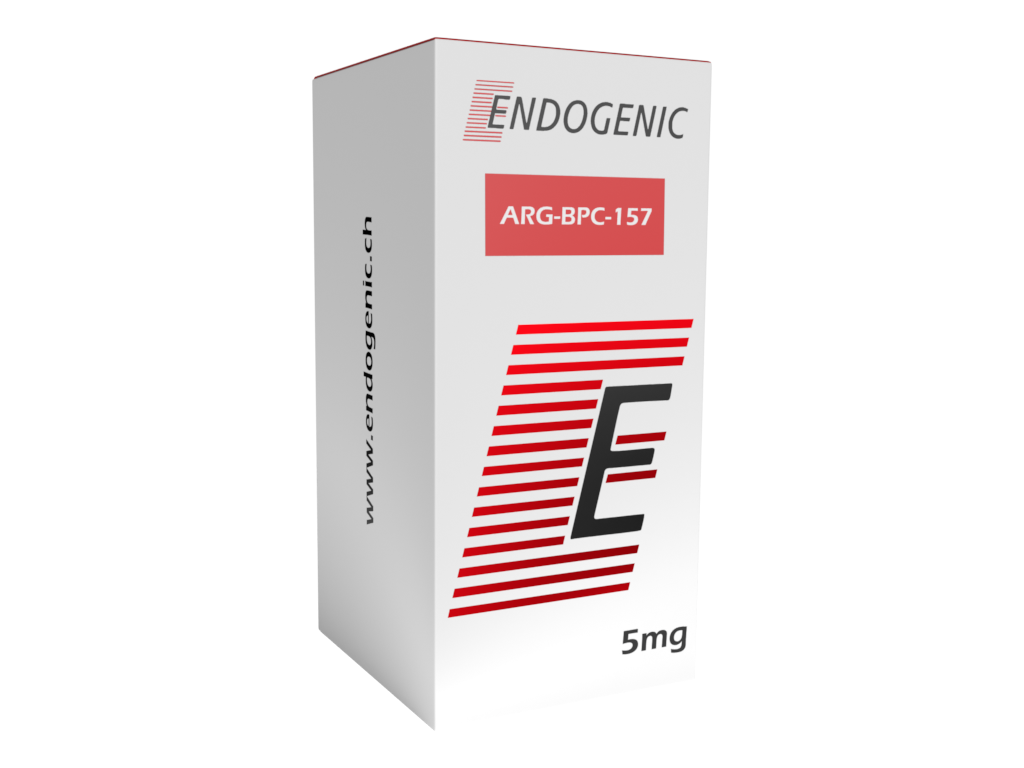
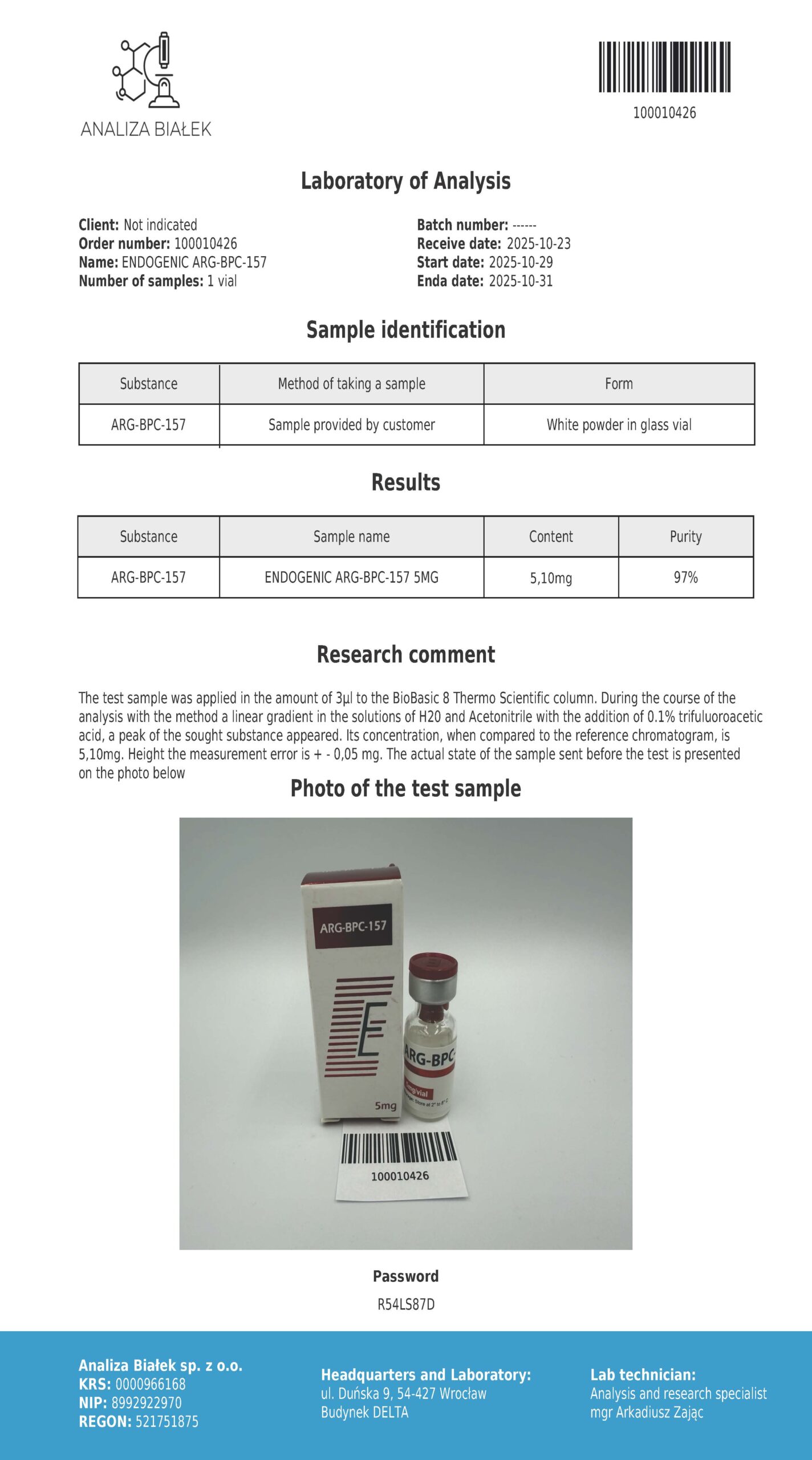
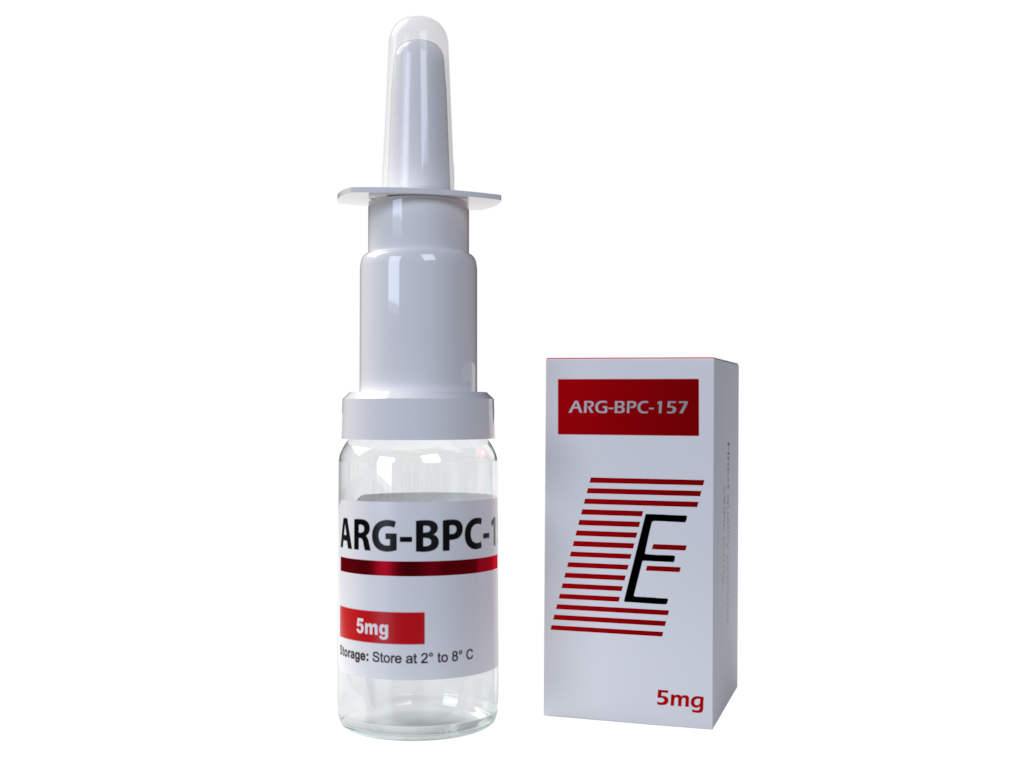
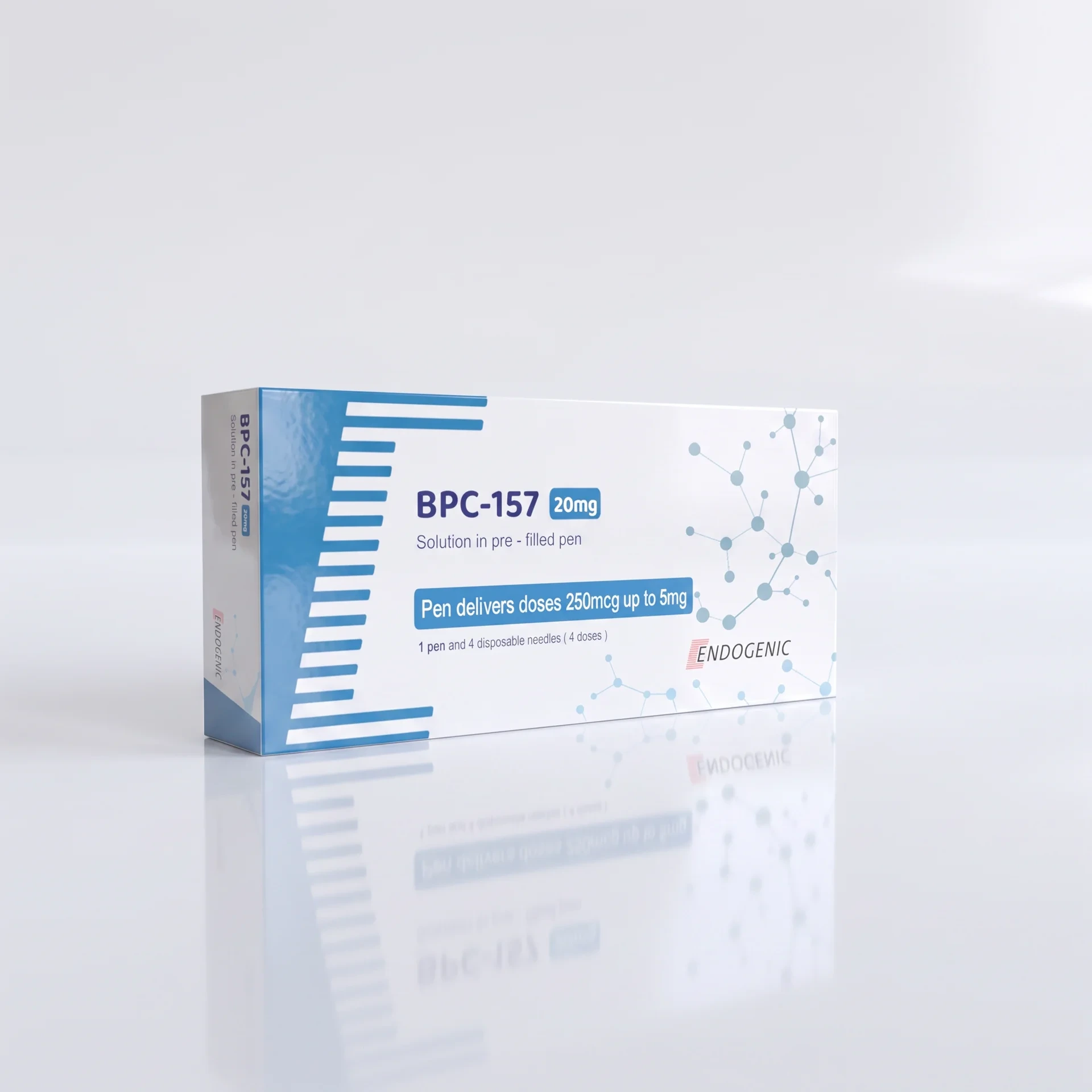
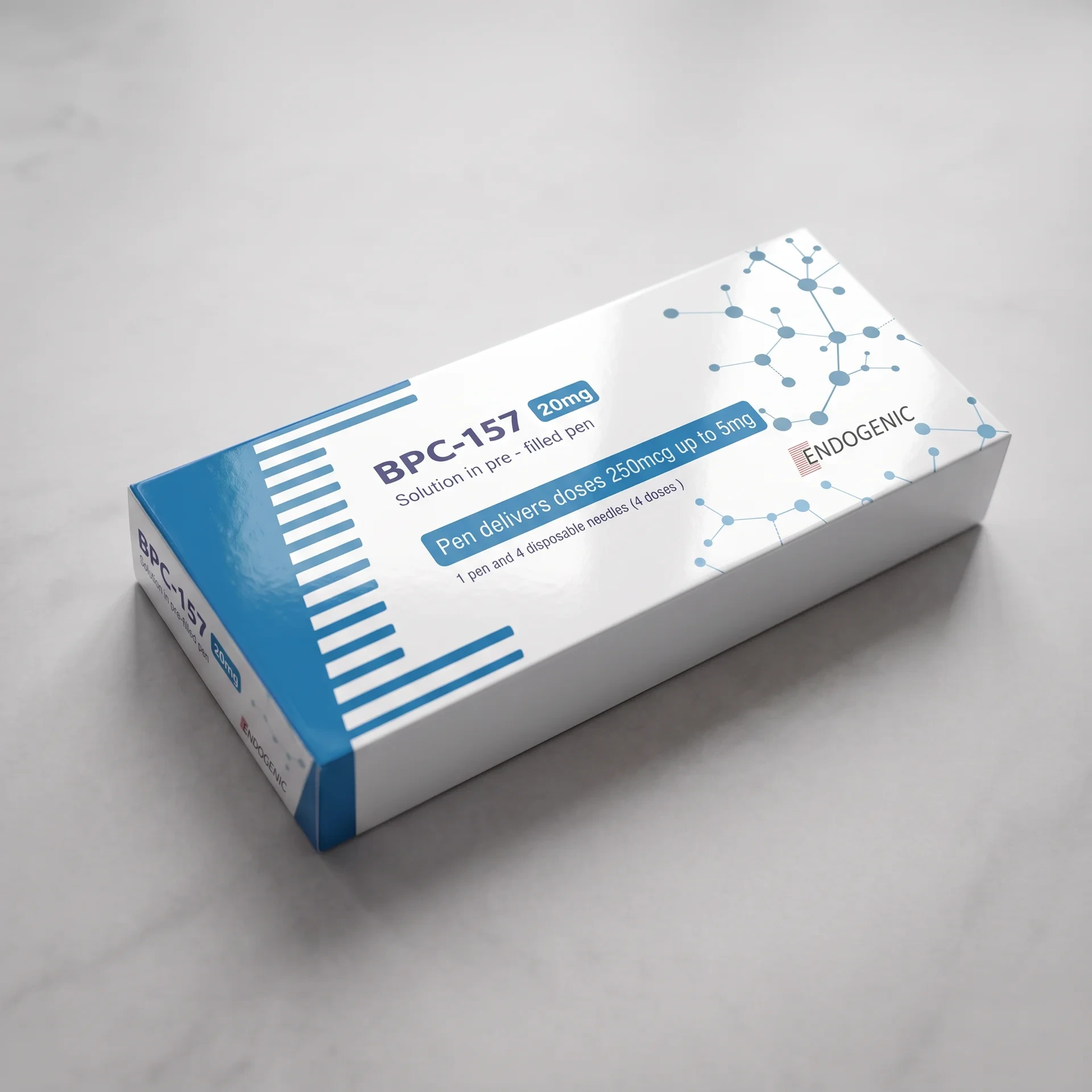
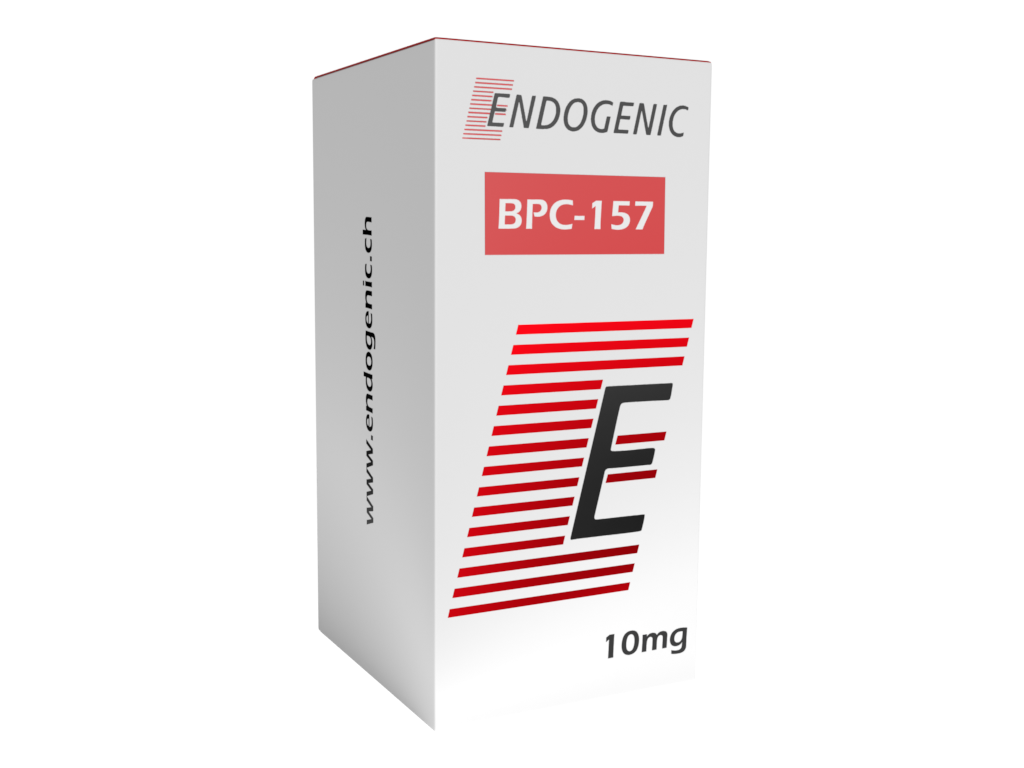
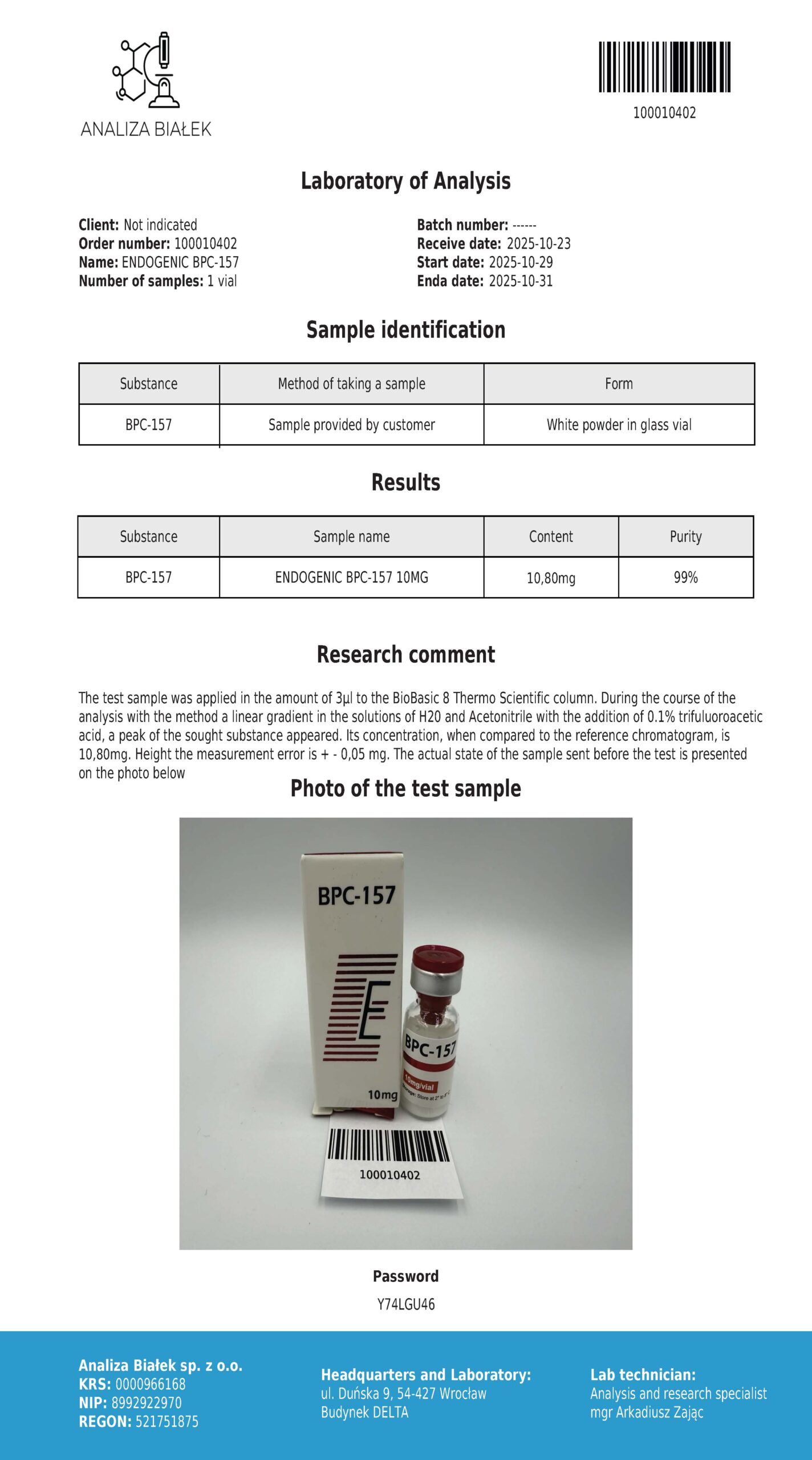
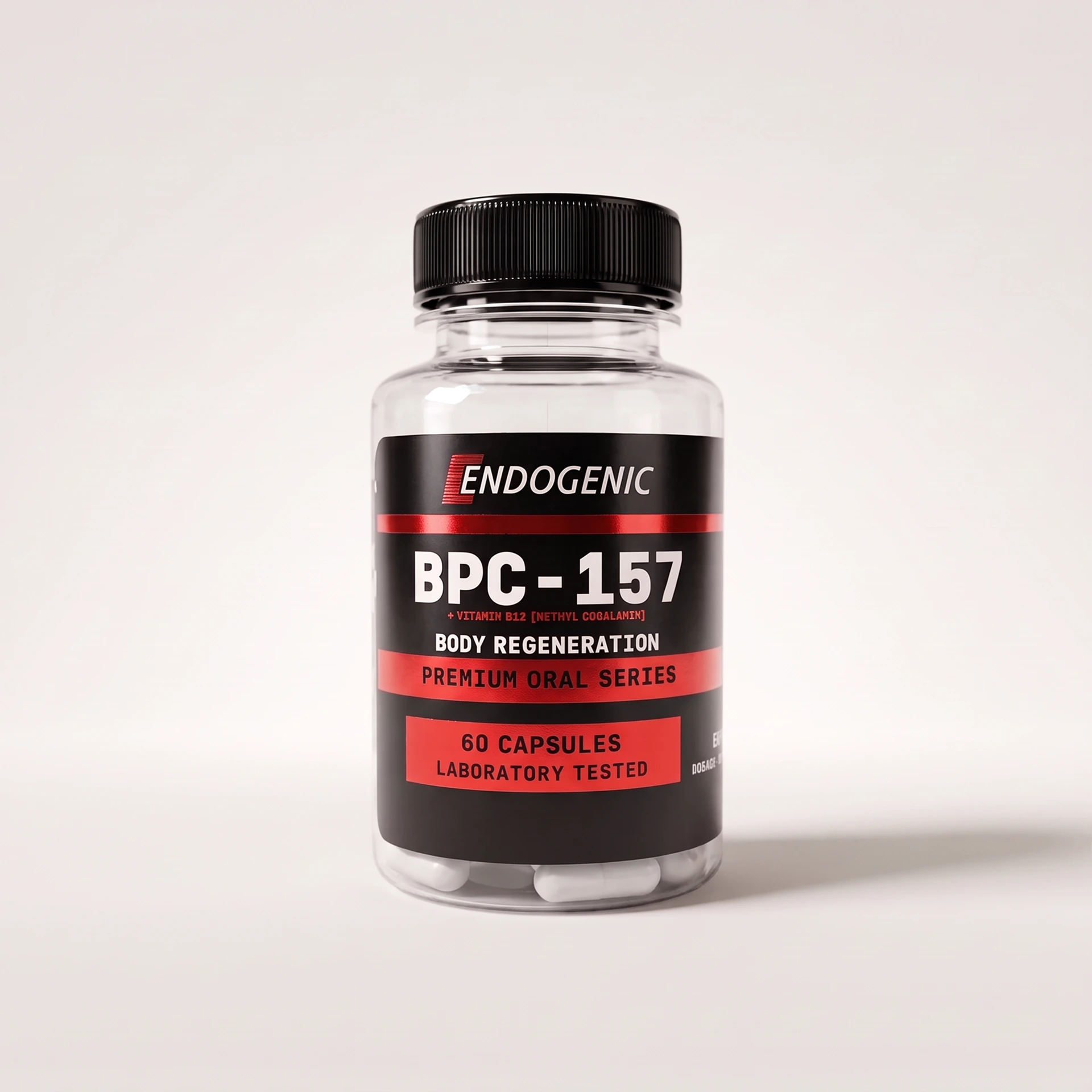
The subcategory covers eight reagents. The pentadecapeptide alone comes as BPC-157 10mg in a vial of lyophilisate and as BPC 157 20mg PEN, a factory solution in an applicator holding 20 mg. The arginine salt of the peptide is Arg-BPC-157 5mg in a vial of lyophilisate and ARG-BPC-157 spray, supplied as a set with lyophilisate, water and a glass atomiser rather than as a ready solution. The capsule format BPC-157 60 caps holds 100 µg of the arginine salt and 100 µg of the peptide hydrochloride per capsule, in a pack of 60.
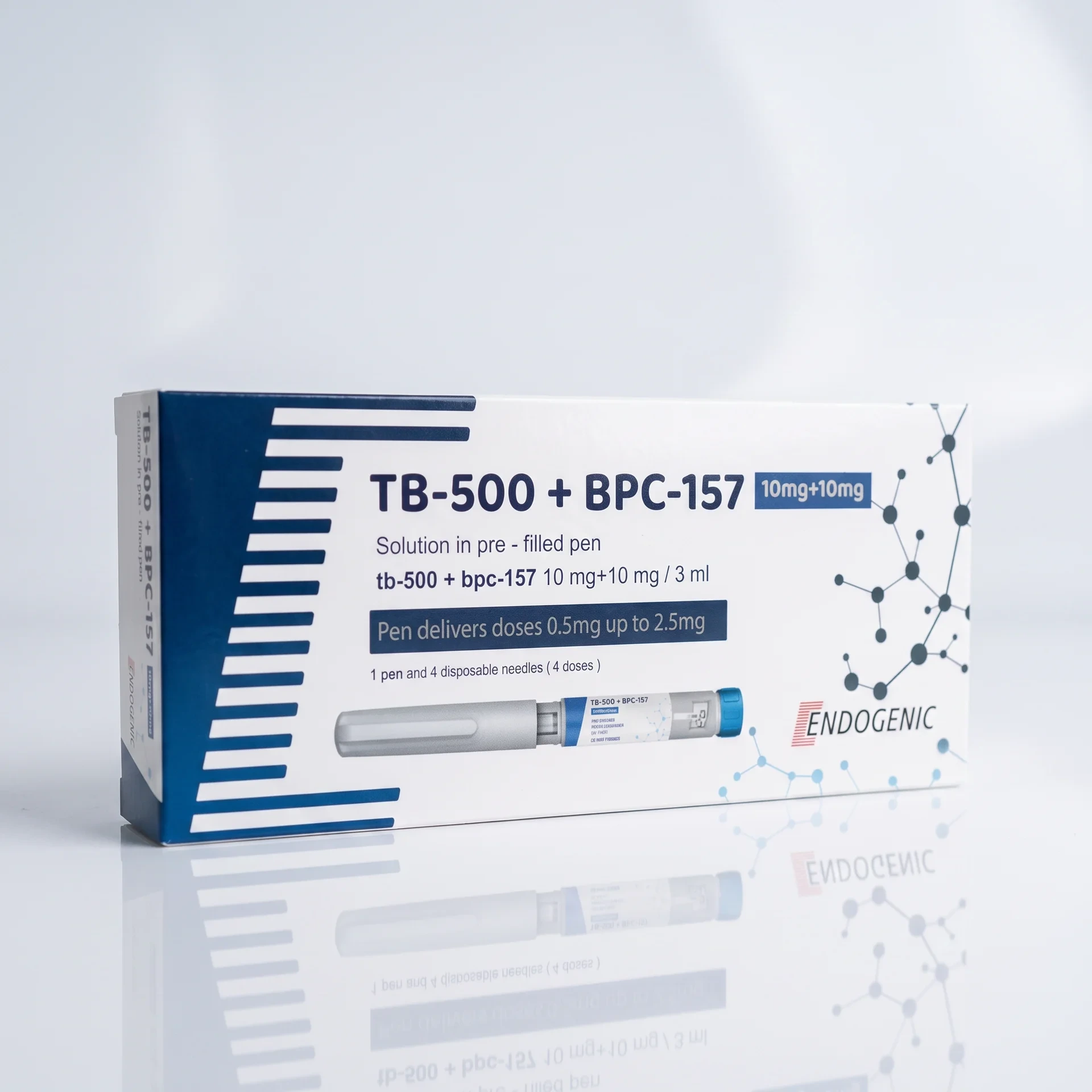
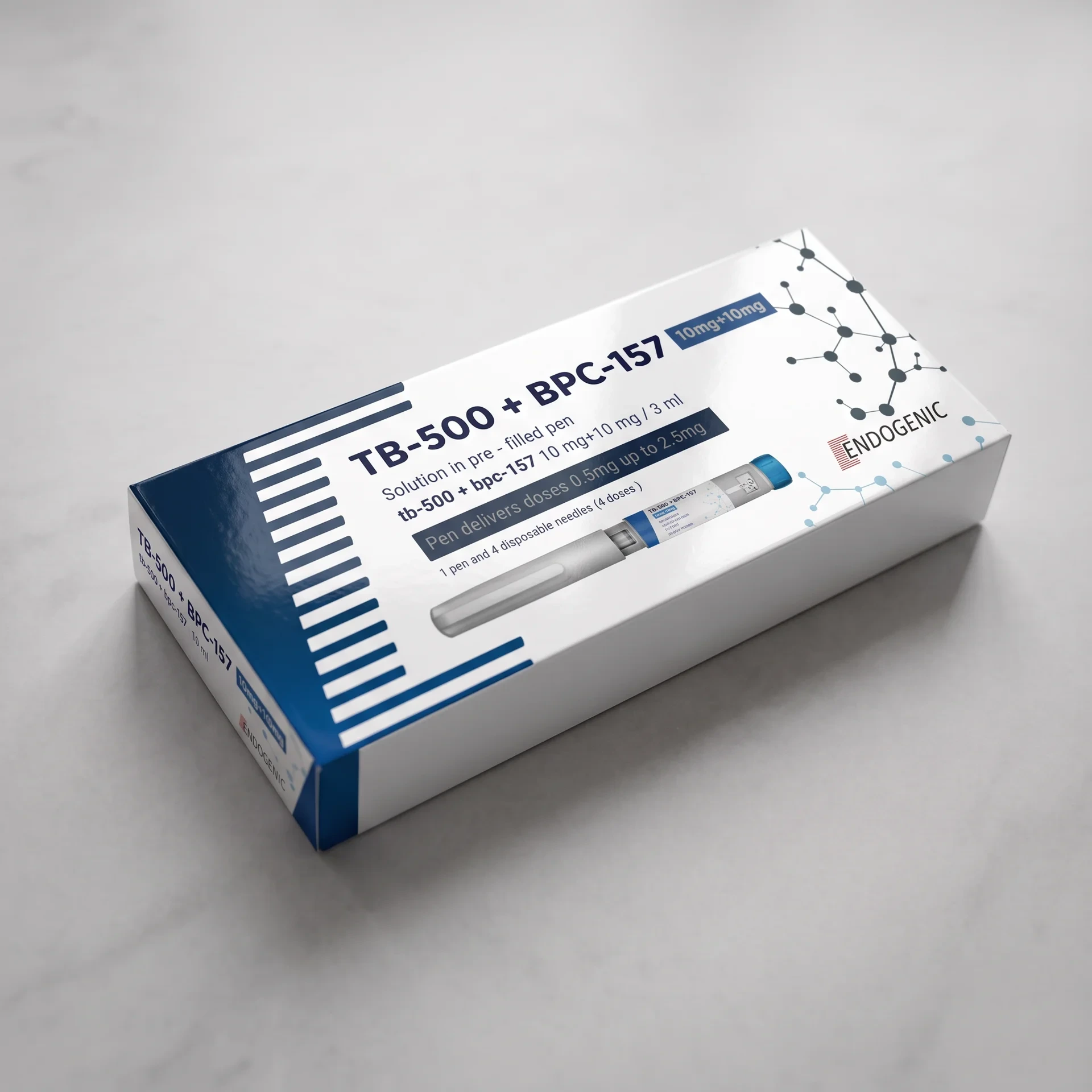
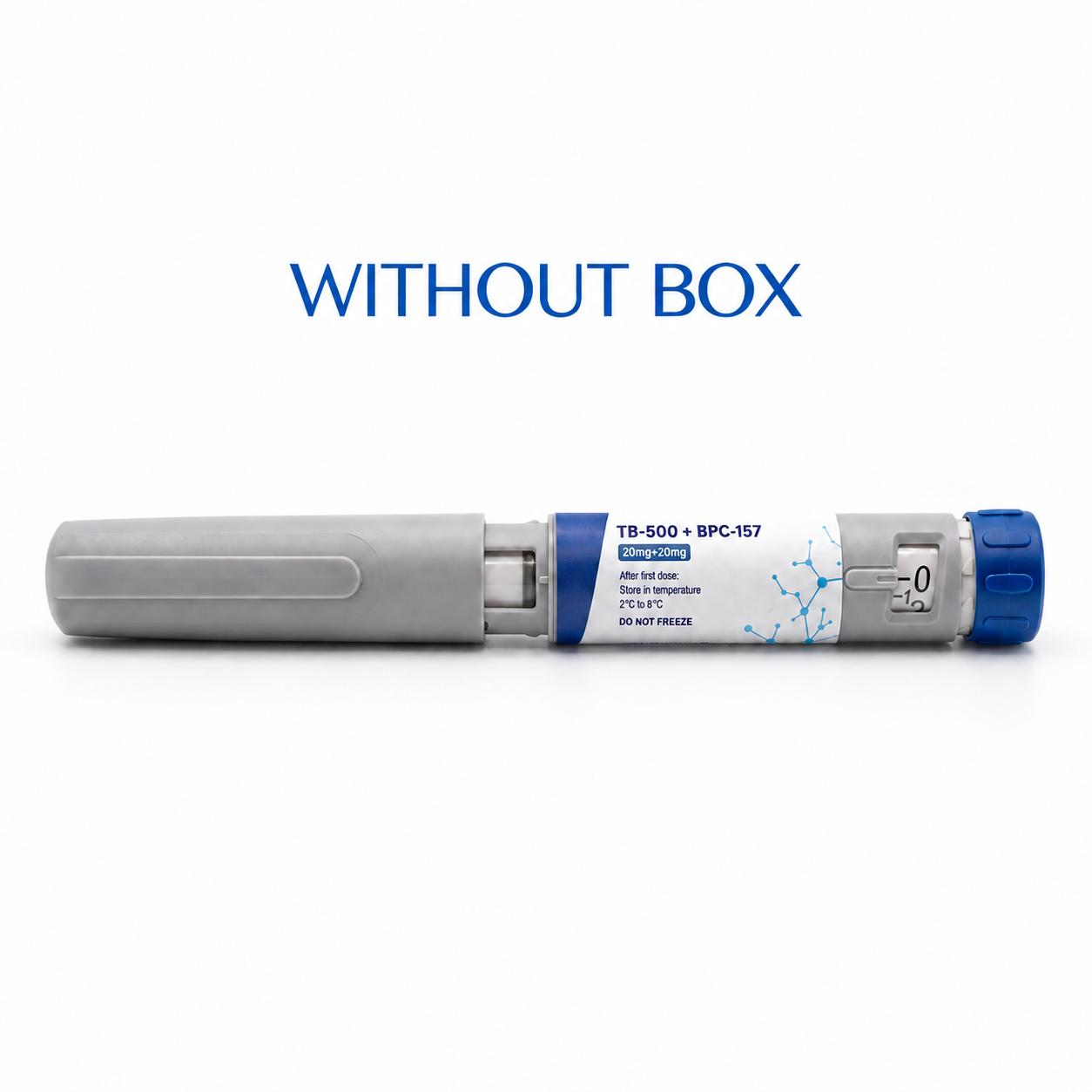
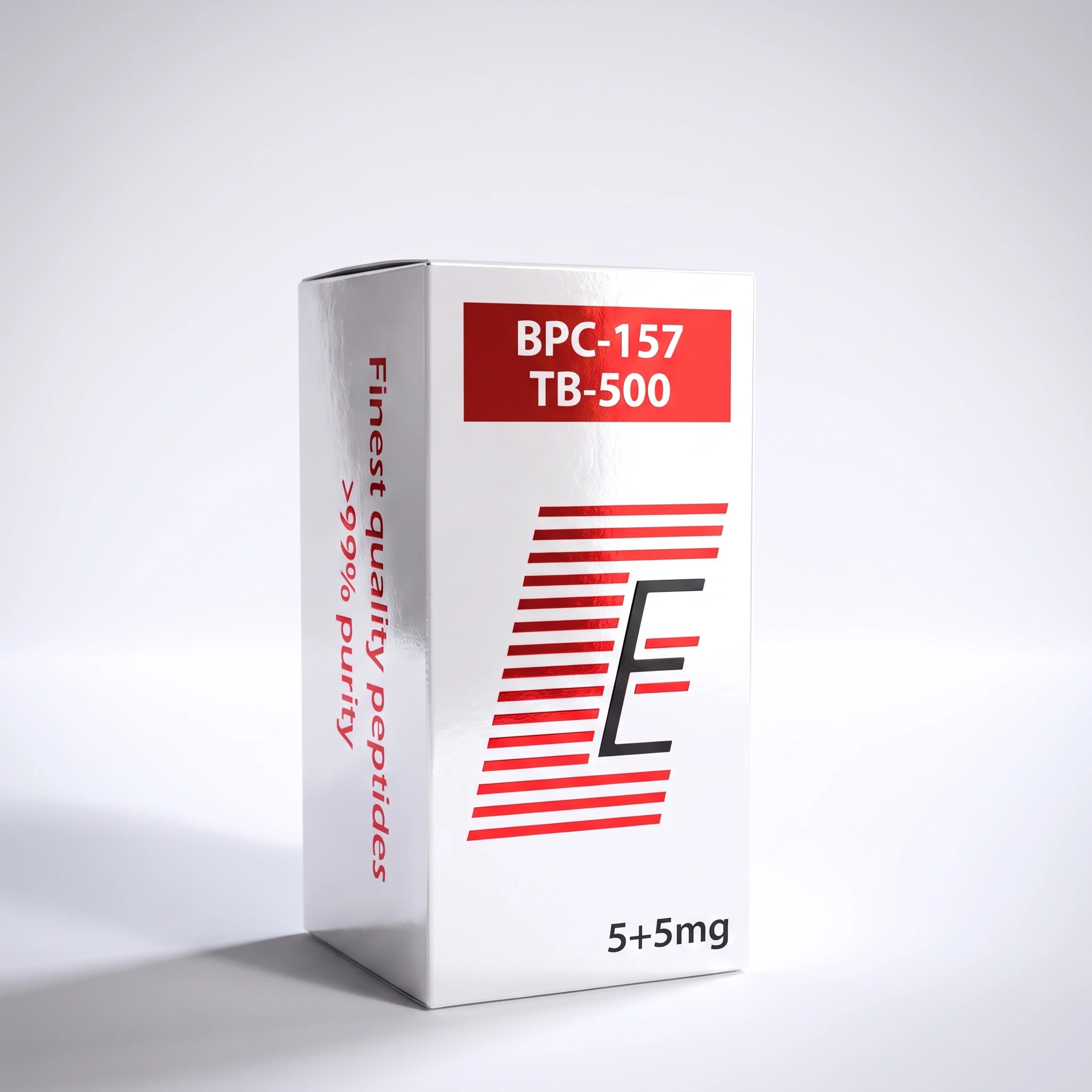
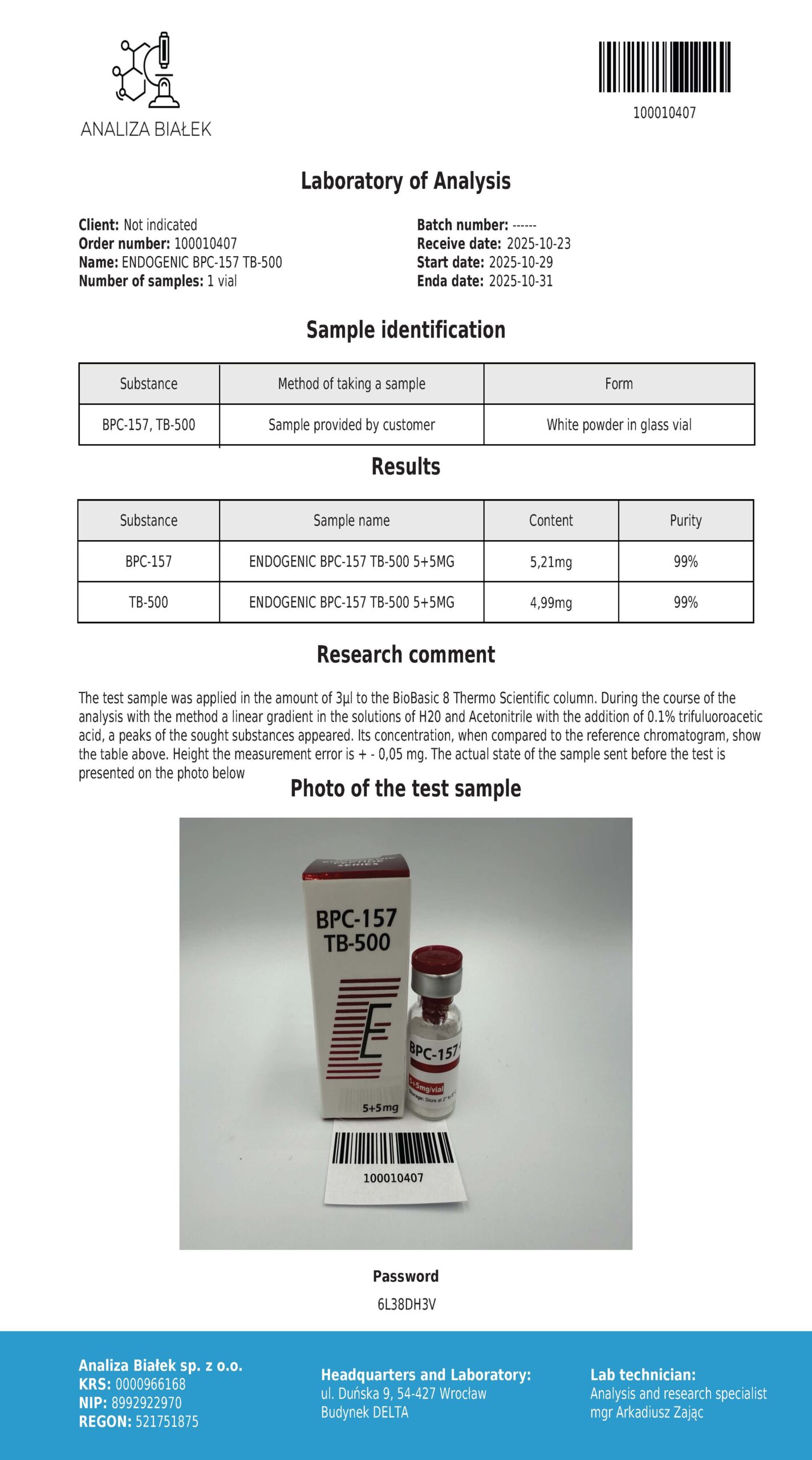
Three reagents combine the pentadecapeptide with TB-500 in one material: BPC-157 + TB-500 5+5mg as lyophilisate, BPC-157 + TB-500 10mg + 10mg PEN and BPC-157 + TB-500 20mg + 20mg PEN in the version without a box. Every batch is documented by a certificate of analysis with an HPLC result and identity confirmation by mass spectrometry; for the combined preparations that is the only document separating the two peptides in the same material.
Applications in scientific research
The pentadecapeptide appears in work on tissue healing and on tissue response to ischaemia. Working concentrations are chosen by the researcher depending on the model; the subcategory gives no quantities and no schedules.
- Tendon healing models in rats. In an exploratory study in a rat Achilles tendon model, both BPC-157 and TB-500 were associated with better histopathological parameters and extracellular matrix organisation during early repair; the TB-500 group additionally showed a biomechanical advantage at four weeks, while combined treatment conferred no benefit over either peptide alone (Biçer et al., 2026, PMID 42542926).
- Ischaemia-reperfusion models in rodents. A critical review covered limb skeletal muscle, distant-organ injury after limb ischaemia, the hippocampus, the intestine and colon, and the liver in the Pringle manoeuvre model. The author stressed the heterogeneity of the evidence, short observation periods and incompletely characterised risk of bias, and called the molecule a hypothesis-generating candidate rather than an established therapy (Demirtaş, 2026, PMID 42794771).
- The ratio of preclinical to clinical evidence. In a review of peptide literature in the musculoskeletal context, 67% of publications rested on animal models, most often rats; the human data proved heterogeneous and at best indicated modest improvement in metabolic bone health and in degenerative knee pain (Tewari et al., 2026, PMID 42578445).
- Telling TB-500 from full-length thymosin β4. TB-500 is a distinct seven amino-acid fragment of thymosin β4, conflated in commerce with the full protein although equivalence has not been shown. Full-length thymosin β4 has broader experience in ophthalmology, dermatology and cardiology, while musculoskeletal evidence is limited to in vitro and rodent studies (Tham et al., 2026, PMID 42937313).
- Work on the form of thymosin β4. In an animal myocardial infarction model, recombinant thymosin β4 modified with polyethylene glycol at a single thiol site was studied as a long-circulating prodrug; the endpoints were myocardial remodelling, cardiac function, neoangiogenesis and apoptosis (Peng et al., 2026, PMID 42394899).
- Material identity and quality. The authors of the orthopaedic review note that commercial products raise concerns over identity, purity, concentration, sterility and manufacturing consistency, and that none of the peptides discussed holds an approved musculoskeletal indication (Tham et al., 2026).
Scientific perspective. The evidence for this molecule is preclinical, and the human data come from three small uncontrolled studies. The authors of the systematic review concluded plainly: the substance should not be used clinically in humans outside ethically approved, regulated, high-quality trials (Poolton et al., 2026). A reagent from this subcategory is not an investigational medicine, and preclinical findings are not a promise of effect.
How BPC-157 differs from related compounds
By material composition within the subcategory. Single-component reagents hold the pentadecapeptide alone, while three combined preparations add TB-500, a fragment of a different protein with a different sequence and a different class on the Prohibited List. In the rat model cited, combining the two peptides brought no benefit over either alone, which the authors link to a possible convergence of downstream pathways (Biçer et al., 2026).
By salt and format, not by peptide. The arginine salt, the hydrochloride and the blend of both in capsules are different forms of the same fifteen amino-acid chain. The salt affects solubility and storage behaviour, not the sequence. A vial of lyophilisate lets the researcher set the stock concentration, a PEN applicator carries a factory concentration, and the set with an atomiser requires the solution to be prepared first.
Regulatory status and anti-doping note
BPC-157 holds no marketing authorisation as a medicine in any jurisdiction. The European Medicines Agency Article 57 listing (data as of 9 October 2026) contains no entry for this substance, and the Drugs@FDA database holds no product with it as an active ingredient (checked 8 November 2026). The National Drug Code catalogue carries 20 bulk-ingredient filings, which are identifiers rather than approvals. The substance holds no authorisation as a food or dietary supplement ingredient in the European Union either.
Anti-doping note. The WADA Prohibited List 2026 names BPC-157 explicitly as an example in class S0, which covers substances with no marketing authorisation as a medicinal product for human use. The 2027 List, which applies from 1 January 2027, keeps that entry and adds peptides to the examples given in the class definition. The combined preparations also contain TB-500, which both editions treat separately: class S2.3 names thymosin β4 and its derivatives, with TB-500 as the example. Both prohibitions apply at all times, in and out of competition. The binding sources are the List in force and the ADAMS system. Materials from this subcategory are research reagents and do not serve as preparation for sporting competition.
Frequently asked questions (FAQ)
What is BPC-157?
A synthetic pentadecapeptide, a chain of fifteen amino acids with the sequence GEPPPGKPADDAGLV and a mass of about 1.4 kDa. Its literature is predominantly preclinical and based on rodent models.
How does Arg-BPC-157 differ from BPC-157?
By the salt, not the peptide. Arg-BPC-157 is the arginine salt of the same pentadecapeptide, and the capsule format holds a blend of the arginine salt and the hydrochloride. The amino acid sequence stays the same.
What do the combined BPC-157 + TB-500 reagents contain?
Two different peptides in one material. TB-500 is a distinct seven amino-acid fragment of thymosin β4, conflated in commerce with the full protein although equivalence has not been shown (Tham et al., 2026).
Do human data confirm an effect of BPC-157?
Not to a degree that would support conclusions. The 2026 systematic review found three human studies covering 30 participants in total, judged them poor in methodological quality, and rated the certainty of evidence under GRADE as very low (Poolton et al., 2026).
Is BPC-157 prohibited in sport?
Yes. It is named in class S0 of the 2026 and 2027 Lists, and the combined preparations additionally contain TB-500, covered by class S2.3. Both prohibitions apply at all times.
Category status notice
This category groups chemical reagents intended solely for laboratory research (Research Use Only). The peptides collected here are not medicinal products, dietary supplements or foodstuffs. They are not intended for use in humans or animals. Sales are restricted to registered research institutions and laboratories.