


Antioxidants
Antioxidants are substances that help protect the body against free radicals. Free radicals are unstable particles that can cause cell damage and contribute to the development of various diseases. Antioxidants neutralize free radicals and protect the body against their negative effects.
Why are antioxidants important for health?
Oxidative stress, which is caused by excess free radicals, is linked to various diseases such as heart disease, cancer and aging. Antioxidants play a key role in preventing and combating oxidative stress, which can contribute to maintaining health and well-being.
Antioxidants – types
Antioxidant vitamins
Vitamins such as vitamin C, vitamin E and vitamin A (beta-carotene) are powerful antioxidants. Vitamin C neutralizes free radicals in the aquatic environment, while vitamin E protects fats and cell membranes. Beta-carotene, which the body converts into vitamin A, also serves as an antioxidant.
Flavonoids and polyphenols
Flavonoids and polyphenols are a group of plant compounds that occur in various food products. They have strong antioxidant properties and can protect the body against cell damage. Common flavonoids include catechins in green tea, resveratrol in red wine, and quercetin in onions and apples.
Carotenoids
Carotenoids, such as lycopene and lutein, are powerful antioxidants found in some fruits and vegetables. Lycopene is found in tomatoes and lutein in spinach and cauliflower. Carotenoids not only neutralize free radicals, but can also have a beneficial effect on eye health.
Research peptides
In laboratory models, antioxidant or anti-inflammatory activity has also been described for some research peptides. In the Endogenic catalogue these are laboratory research reagents (Research Use Only), not dietary sources of antioxidants. They are not intended for use in humans.
Sources of antioxidants
Fruits and vegetables
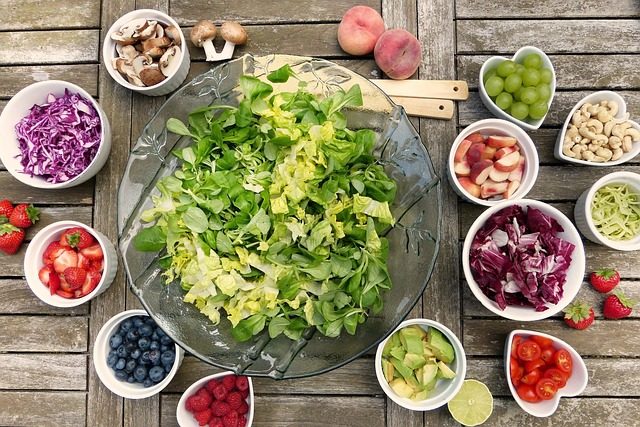
Fruits and vegetables are an excellent source of antioxidants. Raspberries, blueberries, strawberries, citrus fruits, spinach, broccoli, carrots and tomatoes are rich in vitamin C, vitamin E, beta-carotene and other antioxidants. Eating a variety of fruits and vegetables can provide your body with access to different types of antioxidants.
Nuts and seeds
Nuts and seeds are also a good source of antioxidants. Flax seeds, walnuts, almonds and pumpkin seeds contain different types of polyphenols and antioxidant vitamins. Adding them to your daily diet can help provide your body with antioxidants.
Green tea and coffee
Green tea and coffee are drinks containing strong antioxidants, especially flavonoids such as catechins. Drinking green tea and coffee may help protect the body against oxidative stress.
Health Benefits of Antioxidants
Protection against oxidative stress
Antioxidants can protect the body against oxidative stress, which is linked to the development of various diseases such as heart disease, diabetes and cancer. By neutralizing free radicals, antioxidants can help maintain the oxidative balance in the body.
Supporting the immune system
Antioxidants can also affect the immune system, helping it function and strengthening the body’s resistance. Improving your immunity can help prevent infections and diseases.
Delaying the aging process
Oxidative stress is one of the factors that accelerate the aging process of the body. Antioxidants can help delay these processes, protecting cells from damage and maintaining healthy skin.
Antioxidant intake recommendations
To reap the health benefits of antioxidants, it is recommended to consume a variety of sources of antioxidants through your daily diet. Fruits, vegetables, nuts, seeds, green tea and coffee should be regularly included in your daily diet. It’s also important to make sure you eat a variety of antioxidants to ensure your body has access to different types of these beneficial substances.
Summary
Antioxidants play a key role in protecting the body against oxidative stress and related diseases. Sources of antioxidants such as fruits, vegetables, nuts and green tea should be regularly included in your daily diet to ensure your body gets enough of these beneficial substances.
Sources:
https://pubmed.ncbi.nlm.nih.gov/28117001/
https://pubmed.ncbi.nlm.nih.gov/33435726/