


Caffeine – properties and effect on the body
Caffeine – (1,3,7-Trimethylxanthine) this name is well known to us, but do we really know what it is and how it works? In this article you will learn everything you need to know about this popular stimulant. We will also look at how much caffeine is considered safe, what it is combined with and how it is used in sport.
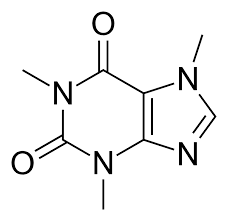
What is Caffeine?
1,3,7-Trimethylxanthine is an organic chemical compound that occurs naturally in plants such as coffee, tea and cocoa beans. It is one of the most frequently consumed psychoactive substances in the world. It affects our nervous system, especially the brain, improving alertness and concentration. That’s why so many of us reach for coffee in the morning to start the day full of energy.

Caffeine vs Coffee
Caffeine is a chemical compound that occurs naturally in many plants, including coffee. It is an alkaloid that acts as a stimulant of the nervous system. Caffeine is also used as an ingredient in many drinks and foods, such as cola and energy soda. It can also be found in the form of dietary supplements.
Coffee, on the other hand, is a drink prepared by brewing coffee beans. Coffee beans contain caffeine, which is why coffee is one of the most popular sources of caffeine in the world. Coffee can be consumed in many different ways, from traditional brewing to espresso, latte, cappuccino and many others. It also has different flavors and intensities depending on the type of grain and preparation method.
To summarize, caffeine is a chemical compound that is present in coffee, but also in many other products, while coffee is a drink prepared from roasted coffee beans, which is one of the most popular ways of consuming 1,3,7-Trimethylxanthine.
How does the compound work?
The main mechanism of action of caffeine is to block the adenosine receptor in the brain. Adenosine is a natural substance in the brain that makes you feel tired and sleepy. When 1,3,7-Trimethylxanthine blocks these receptors, we feel more alert and focused. The effects of caffeine can be felt about 15-30 minutes after consumption and last for several hours. It should be noted that each body may metabolize caffeine slightly differently. This means that one person will feel a quick and sudden boost of energy, and the other will feel a slight stimulation, which in turn will last longer.
Caffeine intake limits according to EFSA
Sensitivity to caffeine varies: a cup of coffee is enough for some, while others feel its effects less. According to EFSA, in healthy adults single intakes of up to 200 mg of caffeine and up to 400 mg per day do not raise safety concerns. For pregnant women the limit is 200 mg per day (EFSA, 2015).
Too much caffeine can cause nervousness, insomnia and palpitations. Caffeine is present in coffee, tea, energy drinks and supplements, so the amounts from all sources add up.
What to combine caffeine with?
Stimulant can be consumed on its own, but is often added to various drinks and foods. One popular combination is caffeine with L-theanine, which occurs naturally in tea. This combination can help increase concentration while reducing possible side effects such as nervousness.
Application in sports
Stimulant also has its place in sports. Many athletes reach for caffeine before training or competition because it can improve physical performance. It works by increasing the release of adrenaline and mobilizing the body for exercise. However, it is worth remembering that excess caffeine may lead to undesirable effects, such as muscle tremors or irregular heartbeat.
Caffeine is not prohibited by WADA. The Prohibited List does not include it, and the 2026 Monitoring Program tracks it in competition.
Is it worth using 1,3,7-Trimethylxanthine?
Caffeine can be used in moderate amounts and in moderation can provide benefits such as increased energy and concentration. However, each person is different, so it is important to adjust your caffeine intake to suit your needs and avoid excessive use to avoid negative health effects.
Caffeine – Summary
Caffeine is a popular stimulant that has many uses and benefits. It works by blocking the adenosine receptor, improving alertness and concentration. Caffeine intake should stay within the safety limits set by EFSA. It can be combined with other substances such as L-theanine to minimize side effects. In sports, it can improve physical performance, but it is worth exercising in moderation. Caffeine is a fascinating chemical compound that is worth knowing and using appropriately to derive maximum benefits from it.
Sources:
Cappelletti S, Piacentino D, Sani G, Aromatario M. Caffeine: cognitive and physical performance enhancer or psychoactive drug? Curr Neuropharmacol. 2015;13(1):71-88. doi:10.2174/1570159X13666141210215655. PMID: 26074744
EFSA Panel on Dietetic Products, Nutrition and Allergies (NDA). Scientific Opinion on the safety of caffeine. EFSA Journal. 2015;13(5):4102. doi:10.2903/j.efsa.2015.4102