


Protein
Protein is an organic compound made of amino acids connected by peptide bonds. Proteins are essential for the structure and functioning of cells, tissues and organs. They take part in many metabolic processes, such as the synthesis of hormones, enzymes, antibodies and oxygen carriers. Proteins are also a source of energy for the body.
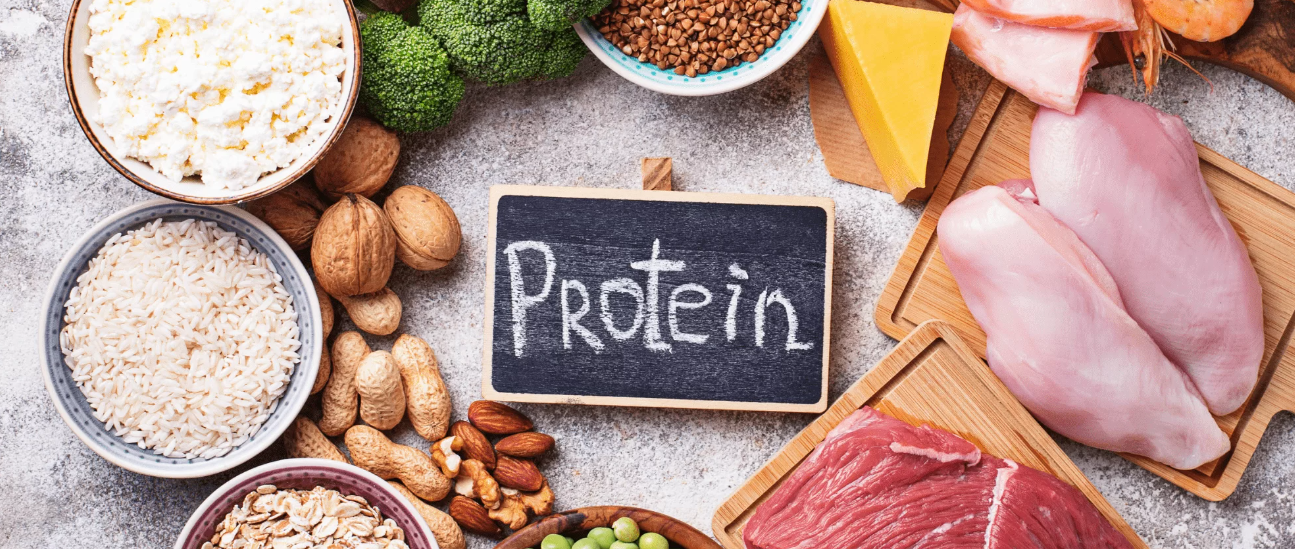
How is protein divided?
Proteins can be divided in various ways, e.g. by origin, structure or nutritional value. The most commonly used division is into animal and plant proteins.
Animal proteins come from animal products such as meat, fish, eggs and dairy products. These are complete proteins because they contain all the necessary exogenous amino acids, i.e. those that the body cannot produce on its own.
Plant proteins come from products of plant origin, such as vegetables, fruits, cereals, seeds and nuts. These are incomplete proteins because they do not contain all the essential exogenous amino acids or they are in insufficient amounts.
What is the importance of protein for the body?
Protein is of great importance for the body because it performs many important functions:
– building material – is a material for the construction and regeneration of cells and tissues, e.g. muscles, bones, skin or hair
– transport – protein carries various substances in the body, e.g. oxygen (hemoglobin), iron (transferrin) or cholesterol (lipoproteins)
– defensive – protects the body against infections and diseases, e.g. by producing antibodies (immunoglobulins) or activating the immune system
– hormonal – protein regulates many physiological processes in the body, e.g. by secreting hormones (insulin, adrenaline) or hormone receptors
– enzymatic – protein catalyzes many chemical reactions in the body, e.g. through the action of enzymes (amylase, lipase) or coenzymes (vitamins)
– energy – provides energy for the body in situations of carbohydrate or fat deficiency
What does protein do?
Protein has different effects on the body depending on its quantity and quality. Here are some examples:
– supports weight loss – increases the feeling of satiety and reduces the appetite for sweets and snacks; Moreover, it accelerates fat burning and prevents the loss of muscle mass
– improves physical condition – protein supports muscle development and strength, improves the body’s performance and regeneration after physical exercise; Moreover, it protects against injuries and inflammation
– strengthens immunity – protein increases the body’s resistance to infections and diseases because it stimulates the production of antibodies and immune cells; moreover, it soothes inflammation and allergies
– affects beauty – protein improves the condition of the skin, hair and nails because it provides them with adequate hydration, elasticity and shine; Moreover, it prevents aging and cell damage
How much protein should we eat per day?
Protein demand depends on many factors, such as age, gender, body weight, physical activity and health condition. There is no single universal standard, but some indicative values can be adopted. On average, an adult should consume about 0.8-1 g of protein per kilogram of body weight per day. This means that, for example, a person weighing 70 kg should eat about 56-70 g of protein a day. However, this demand may increase in the case of physically active people, athletes, pregnant and breastfeeding women, children and adolescents, the elderly and the sick. Then the norm may increase up to 2-3 g of protein per kilogram of body weight per day.
Summary
Protein is an extremely important nutrient for our body. It performs many functions, such as construction, transport, defense, regulation and energy. We can get protein from animal or plant products, but it is best to combine them in a balanced diet. The amount of protein we should consume daily depends on our individual needs and goals. However, remember that both protein deficiency and excess may be harmful to our health.
Sources: