


Sodium Chloride
Sodium chloride, with the chemical formula NaCl is a crystalline compound that occurs naturally in the earth’s crust and sea waters. It is one of the most abundant minerals on our planet, and its chemical structure consists of one sodium atom (Na), bonded to one chlorine atom (Cl) by a strong ionic bond.
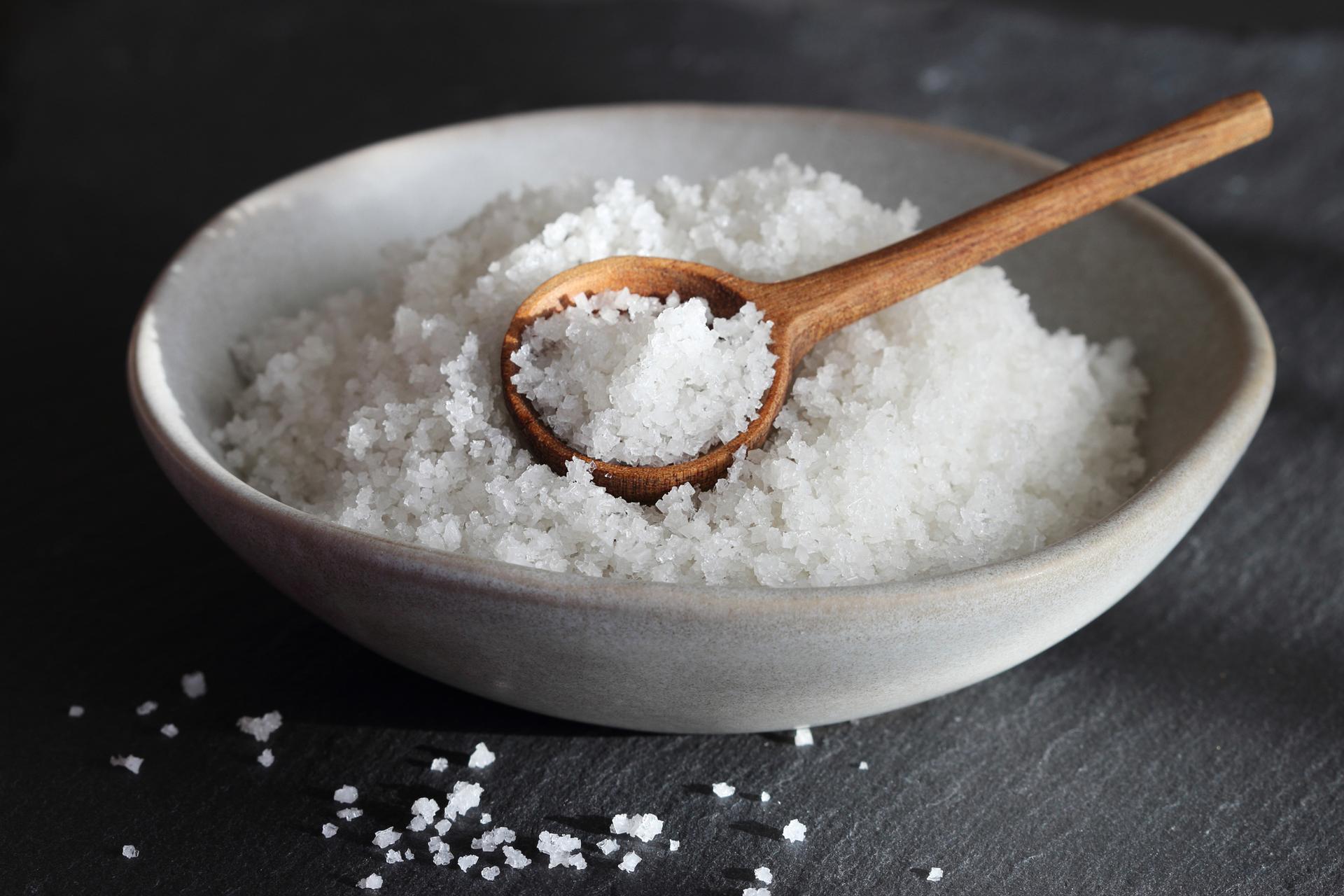
Sodium Chloride – Origin
Natural Occurrence
Sodium Chloride can be found in various forms and places, most of which is obtained from salt mines or extracted from sea waters. The process of creating salt dates back millions of years, when ancient oceans evaporated, leaving vast deposits of salt underground.
Industrial Production
In addition to natural sources, sodium chloride is also produced on a large scale by industrial processes. These methods include evaporation, crystallization and purification, leading to the familiar table salt we use every day.
Versatile Uses of Sodium Chloride
Culinary Applications
Sodium Chloride is an essential ingredient in the culinary world. Its ability to enhance the flavor and preserve food makes it a staple in every kitchen around the world. From seasoning your favorite dishes to pickling vegetables, the uses of salt in the kitchen are endless.
De-icing Roads
During the winter months, Sodium Chloride acts as a road maintenance savior. Helps melt ice and snow, ensuring safe travel on icy roads.
Water Purification
Water treatment plants use sodium chloride to purify drinking water. It helps remove contaminants, ensuring that the water we consume is safe and clean.
Chemical Industry
The chemical industry relies heavily on sodium chloride as a raw material for the production of various chemicals. It is a key ingredient in the production of chlorine gas, sodium hydroxide and countless other compounds.
Medical Applications
Sodium chloride solutions are commonly used in medical environments. They serve as intravenous fluids, maintaining proper electrolyte balance in patients, and are also used for cleaning and irrigation of wounds.
Sodium chloride effects on health
Sodium Balance and Health
While sodium is an essential nutrient for the body, excessive sodium chloride consumption can lead to health problems. High sodium intake is associated with hypertension, which is a risk factor for heart disease and stroke.
Recommended Daily Intake
It’s important to be aware of your sodium intake. Health experts recommend consuming no more than 2,300 milligrams of sodium per day, which is equivalent to about one teaspoon of salt.
Limiting Sodium in Your Diet
To maintain a healthy lifestyle, it is recommended to limit the consumption of processed foods, which often contain high amounts of hidden sodium. Instead, choose fresh, natural foods and use salt sparingly when cooking.
Sodium chloride – summary
To sum up, sodium chloride is a compound of great importance in various aspects of our lives. From seasoning our meals to keeping roads safe in winter and even helping to purify our drinking water, its versatility knows no limits. However, we also need to be careful about our sodium intake, as excessive sodium consumption can have negative effects on our health. By understanding and respecting the role of sodium chloride, we can fully appreciate its importance in our world. So next time you reach for salt, remember sodium chloride’s extraordinary journey from the crust of the earth to your table.
Sources: