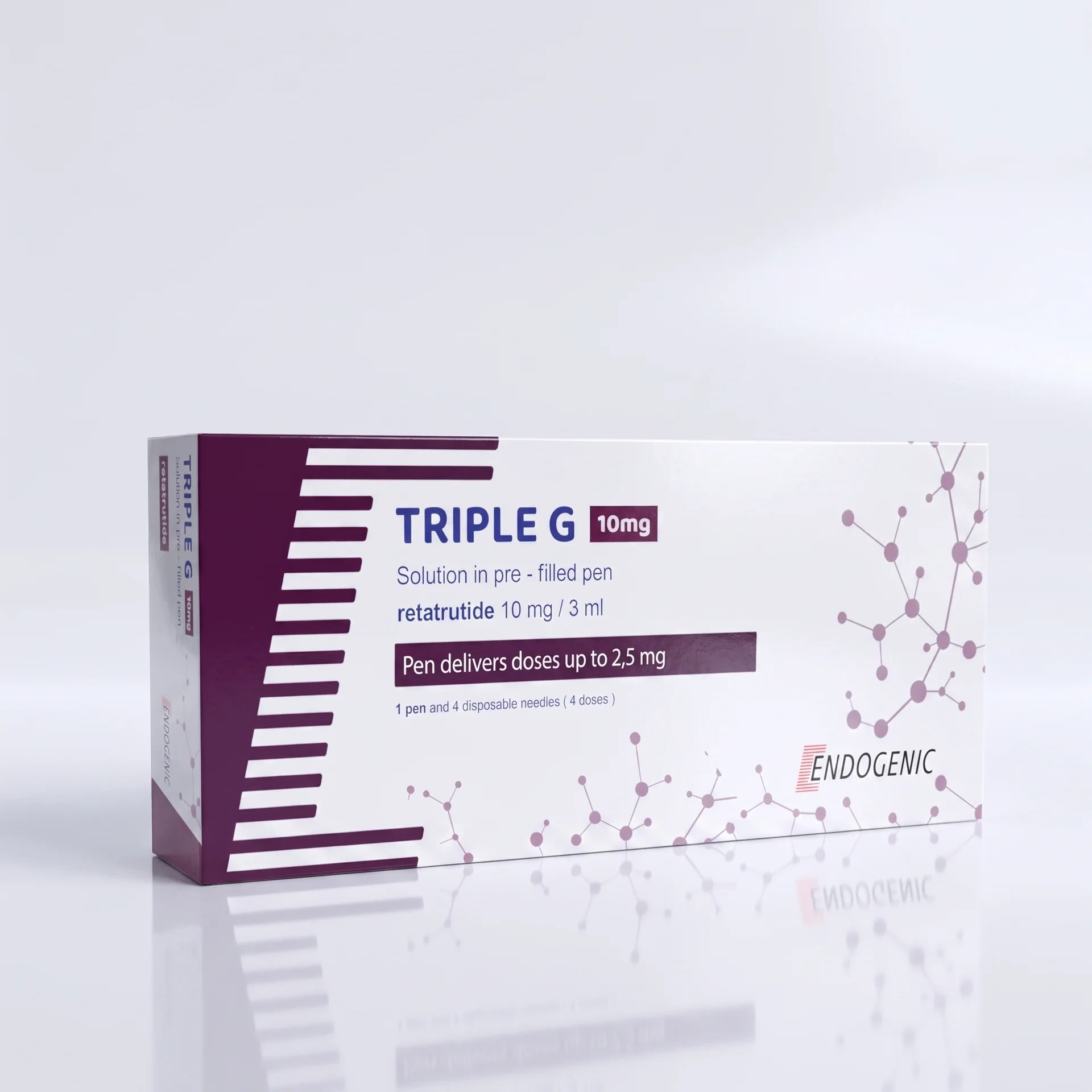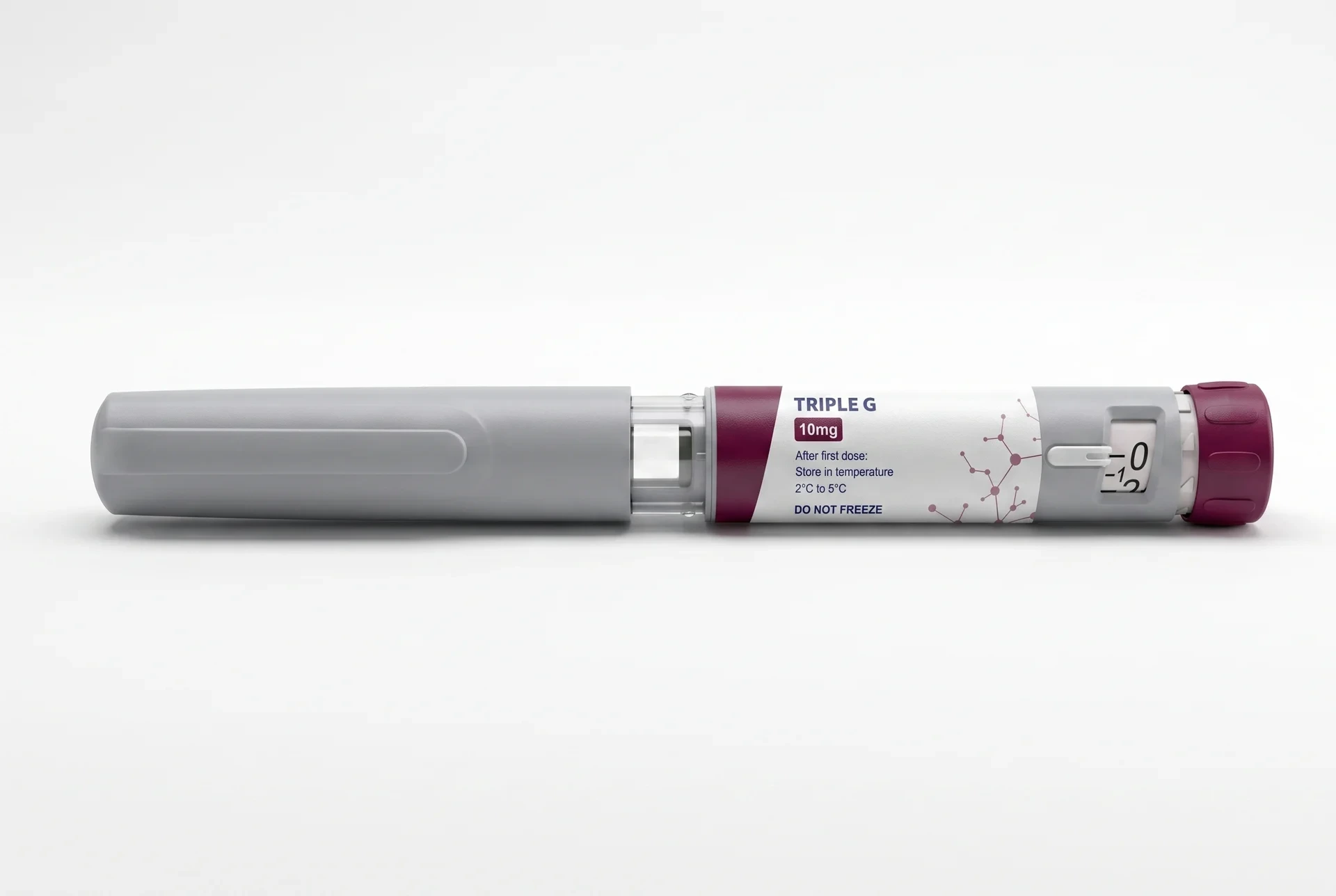
This is a profile in which one molecule activates two incretin receptors: GLP-1R and GIPR. Laboratory tests compare the activation of both receptors and the intracellular response, including cAMP and β-arrestin, separately.
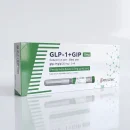

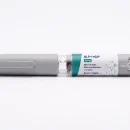
GLP1+GIP 20mg PEN
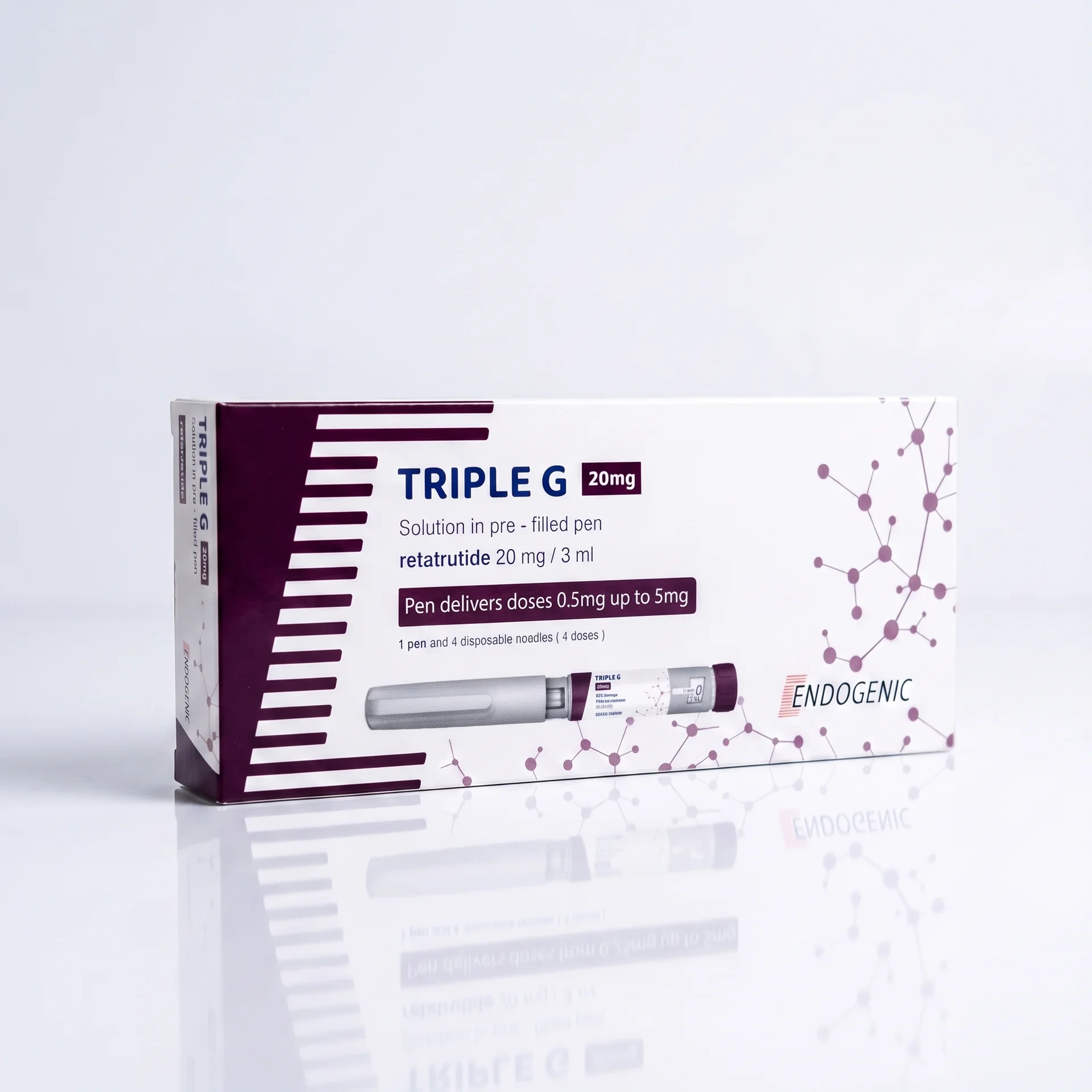
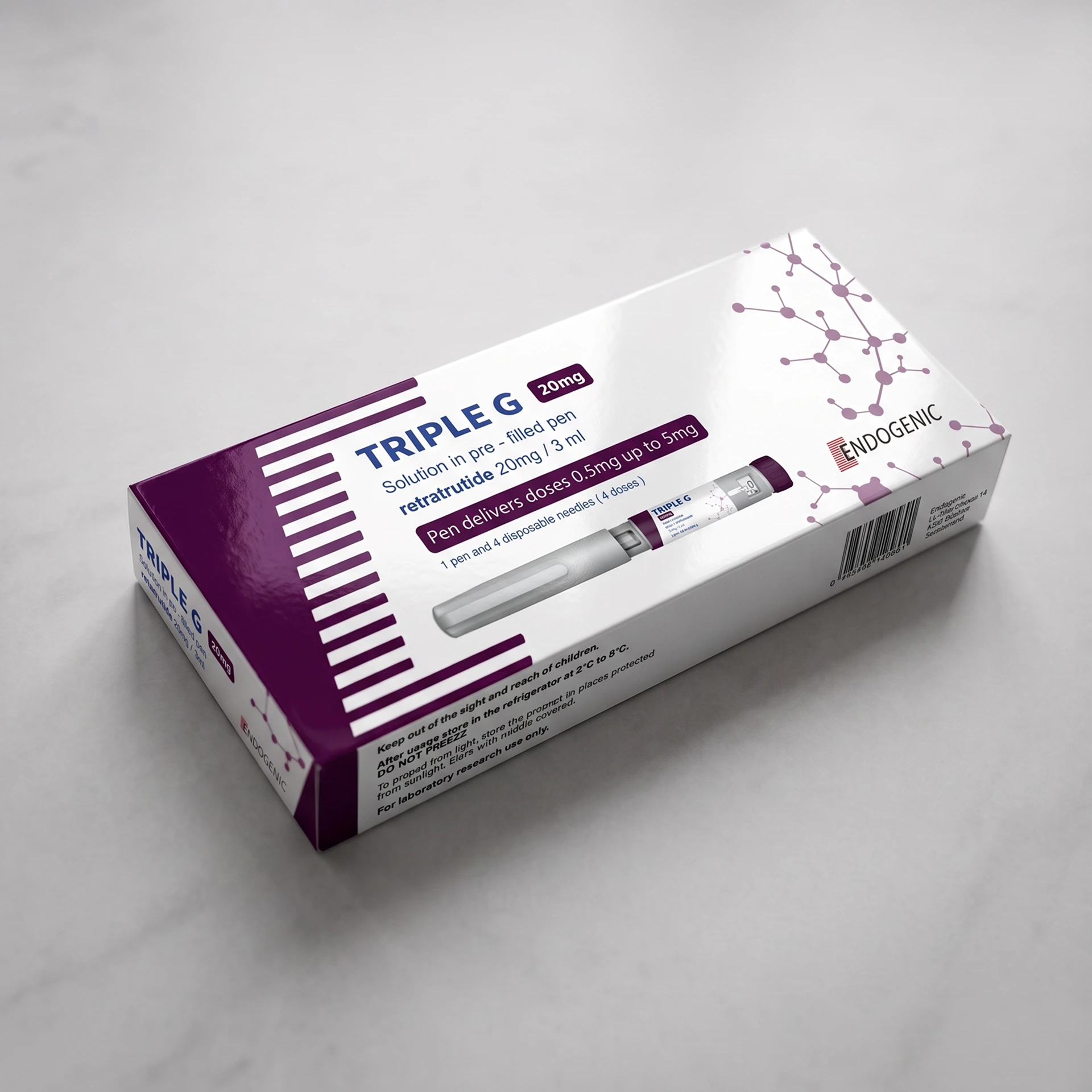
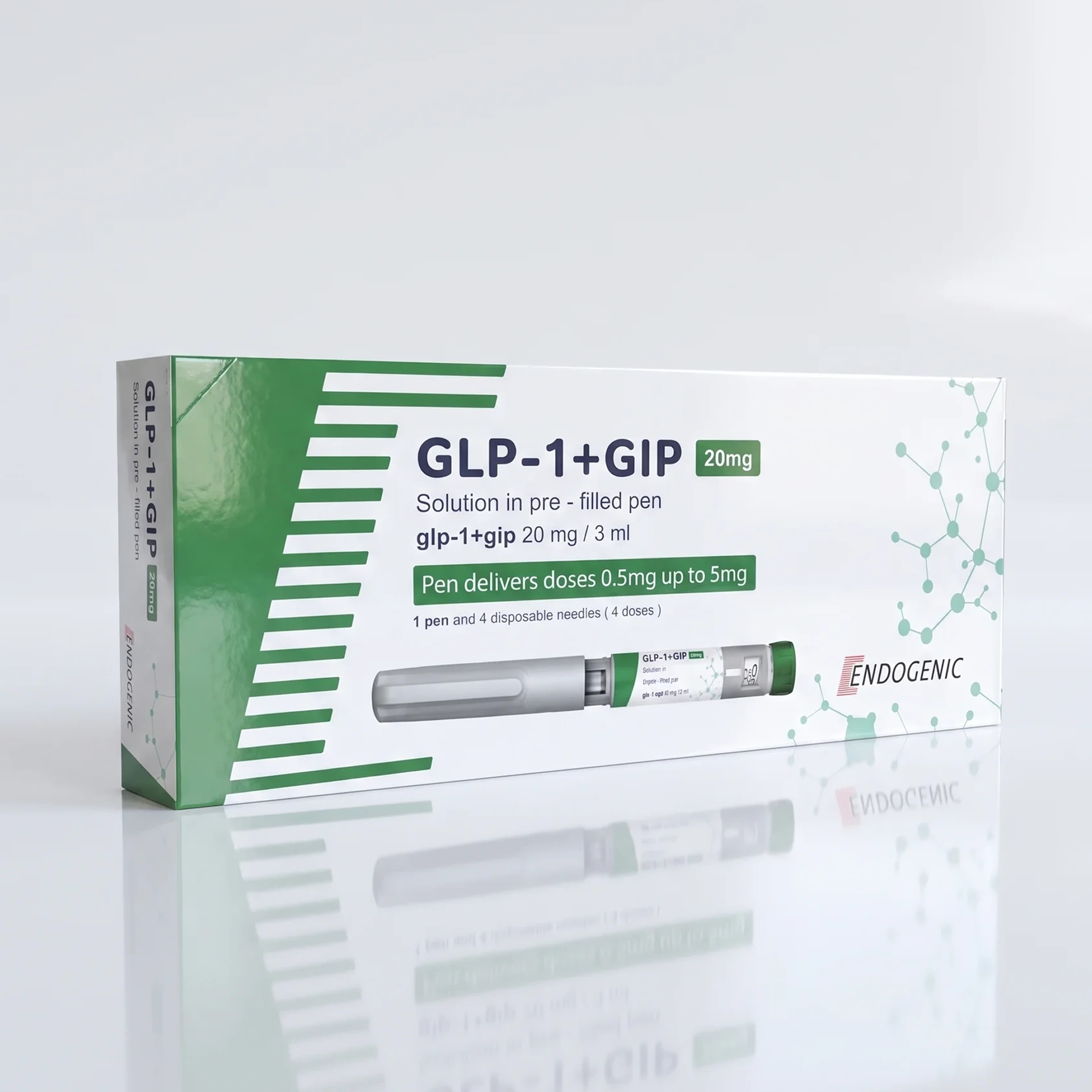
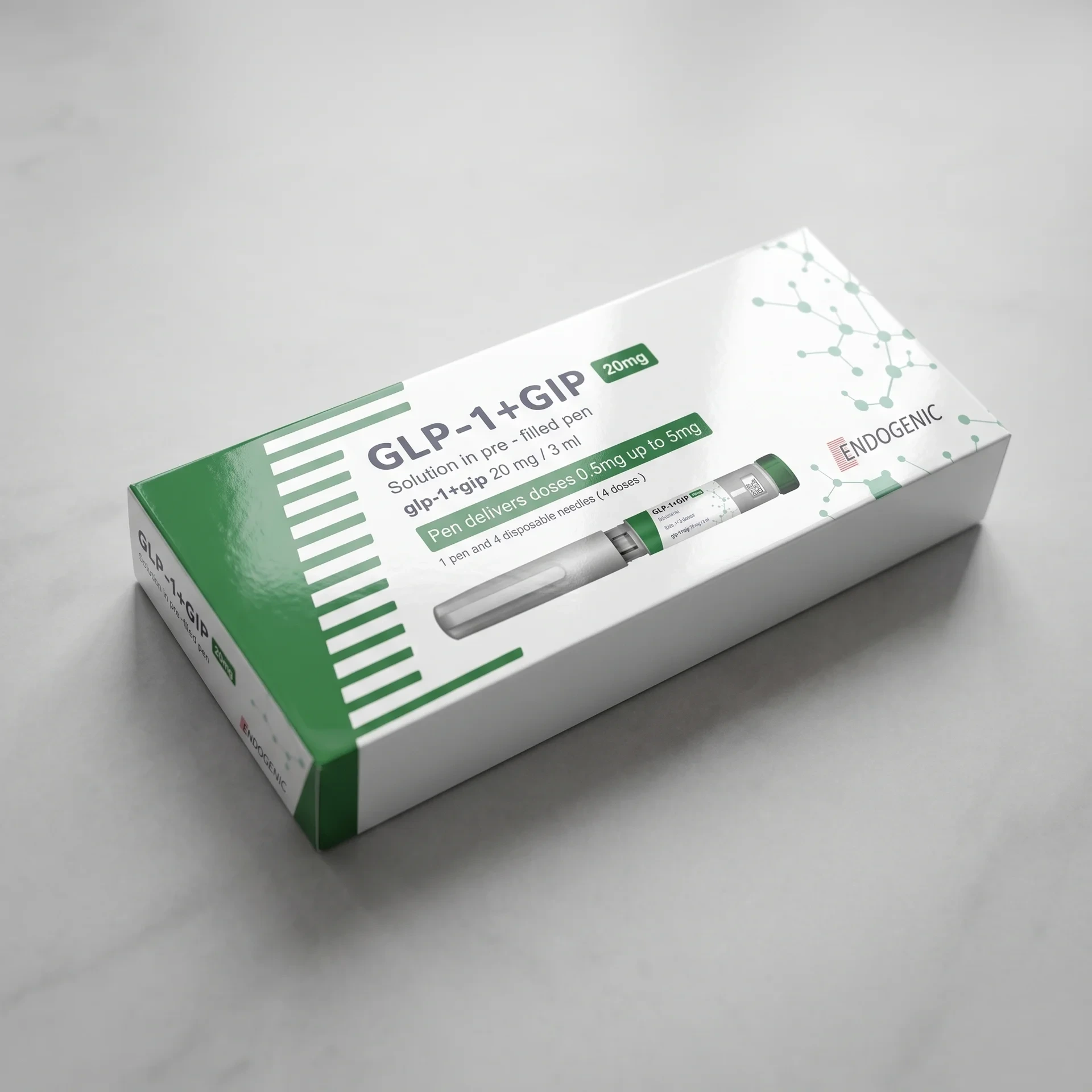
GLP1+GIP 20 mg PEN is a Research Use Only reagent from the class of dual-agonists GLP-1R and GIPR, intended for research on incretin signaling. The material is not a medicinal product or a substitute for registered tirzepatide.
206,99 €
With code BLACK: 165,59 €
Lowest price in the 30 days before the discount:
206,99 €
Fast shipping
Free delivery from 350 €
Returns policy
GLP1+GIP 20 mg PEN - dual-agonist of GLP-1R and GIPR receptors, RUO chemical reagent
- Research class: dual agonist of GLP-1R and GIPR receptors.
- Nominal content: 20 mg in PEN format.
- Material identity and parameters require documentation for the specific batch.
Information about the material status
Chemical reagent intended exclusively for laboratory tests (Research Use Only). It is not a medicinal product or a food. It is not intended for use on humans or animals. The material may only be used by qualified personnel in a controlled research environment.
Reagent characteristics
In an experiment comparing GLP-1R with GIPR, the name on the label alone is not sufficient to interpret the result. GLP1+GIP 20 mg PEN is a designation of research material from the class of dual-agonists of incretin receptors: GLP-1R and GIPR. Research in this class evaluates how one molecule can activate two G-protein-coupled receptors and alter their intracellular signaling. The most commonly measured endpoints include cAMP accumulation, β-arrestin recruitment, receptor internalization, and response dynamics following exposure to cells expressing GLP-1R or GIPR.
The trade name GLP1+GIP describes receptor profile, and does not replace full chemical identification. COA serves as a material passport here: it links the batch to the sequence, mass and analysis result. For quality control purposes, the identity of the material should be confirmed for a specific batch by sequence, molecular weight and HPLC chromatogram and LC-MS analysis or a comparable mass spectrometric method. The declaration “20 mg” itself indicates the nominal content of the material in the PEN unit; it does not determine the solution volume, concentration, carrier composition or purity.
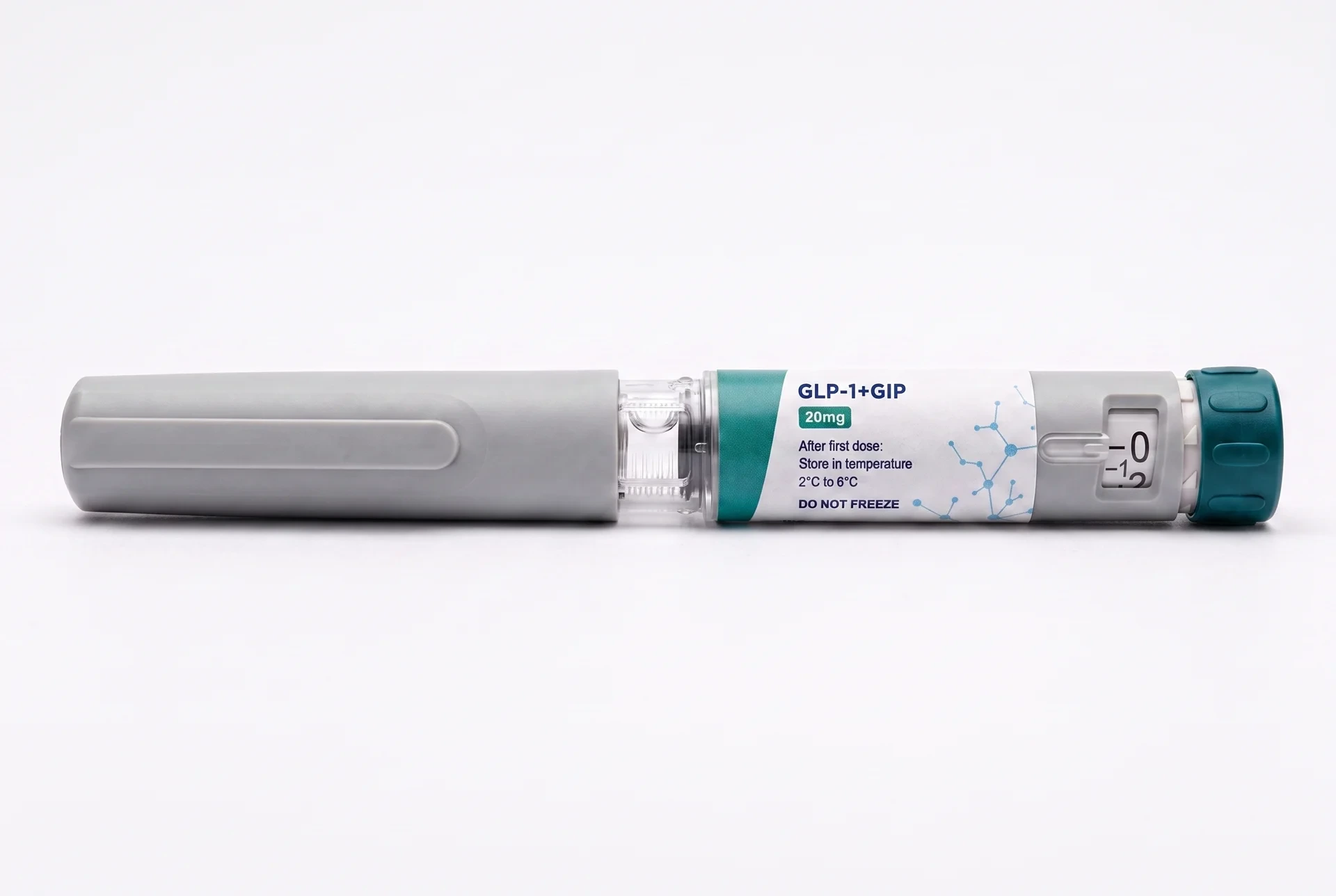
PEN format describes a factory-prepared liquid form. Under Research Use Only it does not constitute a declaration of suitability for administration or an equivalent of a pharmaceutical form. The parameters of the carrier, sterility, pH, osmolarity, presence of preservatives, working volume and stability conditions should be read only from the documentation of a given batch: COA, SDS and technical specifications.
| Parameter | Information |
|---|---|
| Name | GLP1+GIP 20 mg PEN |
| Research grade | Dual-agonist of GLP-1R and GIPR receptors |
| Mechanism analyzed in models | Parallel activation of two incretin receptors |
| Form | Factory prepared solution in a carrier marked PEN |
| Nominal content | 20 mg per unit |
| Identity, purity and impurity profile | To be confirmed in the batch COA by HPLC and LC-MS |
| Carrier composition and volume | To be confirmed in the technical specification of the batch |
| Storage | According to manufacturer’s label, COA and SDS only |
| Destiny | RUO laboratory tests |
A scientific perspective
The mechanism description covers the class of GLP-1R/GIPR dual-agonists and publications on well-characterized reference molecules. It does not constitute confirmation that a specific batch of GLP1+GIP 20 mg PEN has an identical sequence, activity profile or pharmacokinetic characteristics. This compliance can only be demonstrated by a complete set of batch analytical documents.
Two incretin receptors in one research system
GLP-1 and GIP are peptide incretin hormones. Their receptors belong to class B receptors coupled with G protein. After activation of the receptors in model cells, coupling with the Gs protein, an increase in cAMP concentration, activation of PKA and EPAC-dependent pathways are observed. Further steps include phosphorylation of signaling proteins, changes in intracellular calcium dynamics and regulation of the expression of selected genes depending on the cellular context.
In the case of a dual-agonist, the researcher does not analyze one simple signal. It compares two profiles: GLP-1R activation and GIPR activation. A molecule may be functionally balanced between receptors or show a preference for one of them.
Therefore, parallel assays in separate cell lines expressing GLP-1R and GIPR followed by concentration–response curves for cAMP and β-arrestin are useful. This approach allows us to separate receptor activity from the mere presence of the peptide in solution. A famous reference point for this class is tirzepatide, a synthetic peptide of 39 amino acid residues, modified by C20 acylation.
The modification promotes binding to albumin and is one of the elements examined in long-term exposure analyses. Structural publications have shown that the sequence and lipid modification influence the method of contact with GLP-1R and GIPR, as well as receptor desensitization.
However, the name GLP1+GIP 20 mg PEN is not sufficient to identify this batch with tirzepatide. This would require consistency in sequence, mass, and analytical characteristics confirmed in the COA.
Molecular mechanism studied in vitro
GLP-1R activation
In cells expressing GLP-1R, activation of the receptor leads to an increase in the cAMP signal. This parameter can be determined using luminescent, fluorescent or immunological methods, depending on the test design. For a dual-agonist, what is interesting is not only the maximum signal intensity, but also its kinetics: the rate of rise, the duration of its duration and the phenomena of desensitization and internalization of GLP-1R.
GIPR activation
GIPR uses a similar signaling apparatus, but has a different tissue distribution and its own response dynamics. Models with cells expressing GIPR allow the assessment of affinity and functional activation of the receptor independently of GLP-1R. The comparison of results for both receptors is the basis for describing the dual profile of the substance.
β-arrestin, internalization and pathway selectivity
When class B receptors are activated, the signal does not end with cAMP. Recruitment of β-arrestin may influence receptor dissociation from G protein, internalization, and downstream intracellular signaling. Studies comparing dual-agonists have shown that molecules with a similar declared profile may differ in their receptor kinetics. In laboratory practice, this means the need to combine several functional tests rather than drawing conclusions from a single cAMP reading.
Lipid modification and albumin binding
In long-acting incretin analogues, acylation may limit the rapid removal of the molecule by increasing its binding to albumin. This is a separate experimental topic: the stability of the peptide in the presence of albumin, the degree of protein binding and the behavior of the material in a medium suitable for the model can be assessed. Data obtained for a registered reference compound must not be transferred to a reagent without analytical confirmation of its identity.
Important distinction – RUO material and registered medicine
Tirzepatid in the registered forms Mounjaro® and Zepbound® is the active substance of products subject to prescription and medical supervision. GLP1+GIP 20 mg PEN described on this page is an RUO reagent. It is not a pharmaceutical form, does not have quality documentation and is not a substitute for a medicinal product. The clinical data for tirzepatide do not describe the outcome following exposure to this reagent.
Applications in laboratory research
GLP-1R and GIPR activity profiling. A reagent from the dual-agonist class can serve as a point of comparison in cellular studies in which the GLP-1R and GIPR-dependent signal are measured separately. Measurable parameters include EC50, Emax, cAMP dynamics, β-arrestin recruitment and receptor internalization.
Comparison of mono-, dual- and triple-agonism. Research models can combine a dual GLP-1R/GIPR profile with GLP-1R mono-agonism and with structures that additionally engage the glucagon receptor. Such a comparison examines the number and type of activated receptors, and does not evaluate the materials in terms of human applications.
Stability and analytical control studies. The liquid format is particularly dependent on stability documentation.
Before using it in a research project, it is worth confirming the integrity of the peptide chromatographically and verifying its mass. For batches that contain an acylated structure, the analysis should also include compliance of the lipid modification with the declaration in the COA.
Models of metabolic pathways. Cell cultures and animal models are used to observe markers related to incretin signaling. The results should be described including the model, working concentration, exposure time and measurement method. Data from cellular models, animal models and clinical studies are different levels of evidence and cannot be presented as equivalent.
Regulatory and anti-doping status
GLP1+GIP 20 mg PEN is described as a Research Use Only chemical. It is not a medicinal product or a food. It is not intended for use on humans or animals. In 2026, the World Anti-Doping Agency included the semaglutide and tirzepatide markers in a monitoring program. The monitoring program covers substances that are not on the Prohibited List but are monitored for patterns of abuse.
This does not constitute a confirmation of the GLP1+GIP status of each material or a declaration of acceptability in sport. Persons covered by the anti-doping system must always check current WADA documents and the regulations of their organization. Full rules of communication and the distinction between research materials and pharmaceutical forms are described in the compliance FAQ.
For comparison, only receptor profiles are also included in the catalog GLP-1+GIP 5 mg PEN and semaglutide, a GLP-1R mono-agonist.
Summary
GLP1+GIP 20 mg PEN is an RUO reagent described by a dual GLP-1R and GIPR agonism profile. His place in the laboratory involves research on the activation of incretin receptors, cAMP signaling, β-arrestin recruitment, peptide stability and analysis of the differences between mono-, dual- and triple-agonism. The 20 mg nominal content and PEN format do not independently confirm chemical identity, purity, solution composition or material stability. These parameters require COA and SDS of a specific batch. The reagent is not a registered drug and does not replace pharmaceutical forms or medical consultation.
Bibliography
- Coskun T, Sloop KW, Loghin C, Alsina-Fernandez J, Urva S, Bokvist KB, et al. LY3298176, a novel dual GIP and GLP-1 receptor agonist for the treatment of type 2 diabetes mellitus: from discovery to clinical proof of concept. Molecular Metabolism. 2018;18:3-14. doi:10.1016/j.molmet.2018.09.009. PMID: 30473097. PubMed
- Willard FS, Douros JD, Gabe MBN, Showalter AD, Wainscott DB, Suter TM, et al. Tirzepatide is an imbalanced and biased dual GIP and GLP-1 receptor agonist. JCI Insight. 2020;5(17):e140532. doi:10.1172/jci.insight.140532. PMID: 32730231. PubMed
- Zhao F, Liu Y, Hossain MA, Chen Y, Gao F, Li S, et al. Structural determinants of dual incretin receptor agonism by tirzepatide. Proceedings of the National Academy of Sciences of the United States of America. 2022;119(8):e2118692119. doi:10.1073/pnas.2118692119. PMID: 35333651. PubMed
- Frías JP, Davies MJ, Rosenstock J, Pérez Manghi FC, Fernández Landó L, Bergman BK, et al. Tirzepatide versus semaglutide once weekly in patients with type 2 diabetes. New England Journal of Medicine. 2021;385(6):503-515. doi:10.1056/NEJMoa2107519. PMID: 34370970. PubMed
- Jastreboff AM, Aronne LJ, Ahmad NN, Wharton S, Connery L, Alves B, et al. Tirzepatide once weekly for the treatment of obesity. New England Journal of Medicine. 2022;387(3):205-216. doi:10.1056/NEJMoa2206038. PMID: 35658024. PubMed
- World Anti-Doping Agency. 2026 Monitoring Program. 2026.
FAQ
This cannot be determined from the trade name. Tirzepatide is a well-characterized reference molecule from the GLP-1R/GIPR dual-agonist class. The identity of a specific batch of GLP1+GIP requires confirmation of the sequence, molecular weight, and HPLC and LC-MS results contained in the COA.
The COA should combine the lot number with the material name or sequence, molecular weight, HPLC result, mass spectrometry result, nominal content, and retest or shelf life information. For the liquid form, data on the carrier and stability conditions are also important.
NO. In this description, PEN is a designation of the catalog format of research material. It does not specify the method of administration, dosage, pharmaceutical sterility or intended use for humans or animals.
NO. These data concern registered pharmaceutical forms of tirzepatide, manufactured and evaluated in a separate regime. The RUO reagent is not a substitute, and its analytical and biological profile must be confirmed for a specific batch.
5.0
1 review
-
Olaf
Super
Szybka dostawa, bardzo dobry produkt. Polecam