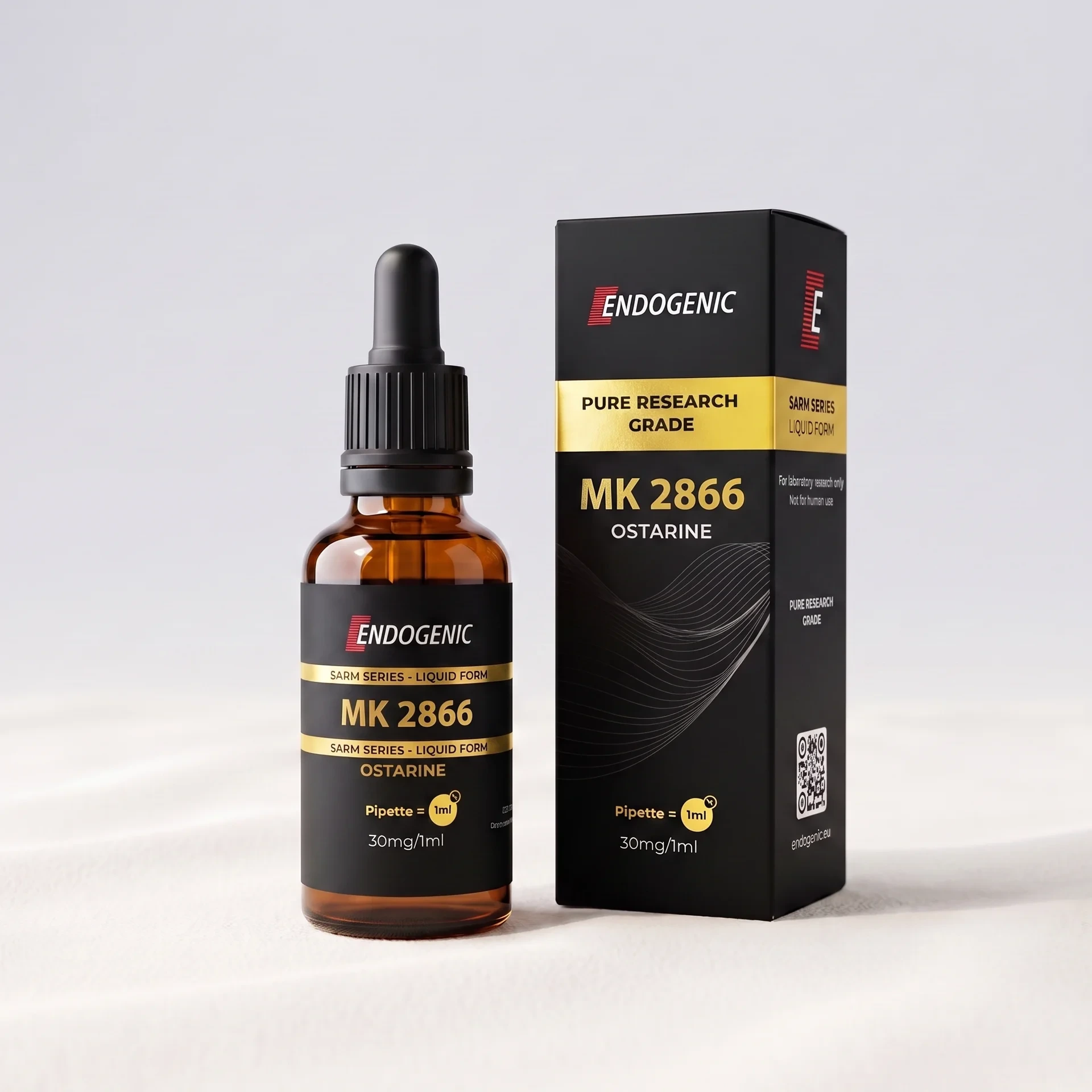
Structurally, YK-11 is steroid — a synthetic analogue of 5α-DHT (dihydrotestosterone) with ester modifications on the D ring and a methylated carboxyl group. However, it is sold commercially under the label “SARM” (Selective Androgen Receptor Modulator), which is mechanistically inaccurate. Classic SARMs – RAD-140, LGD-4033, MK-2866 – are ligands non-steroidal, designed without a steroid skeleton. YK-11 has a full steroid skeleton and therefore has a different metabolic profile (including liver load typical of 17α steroids). This distinction is important for both pharmacology and anti-doping analytics.
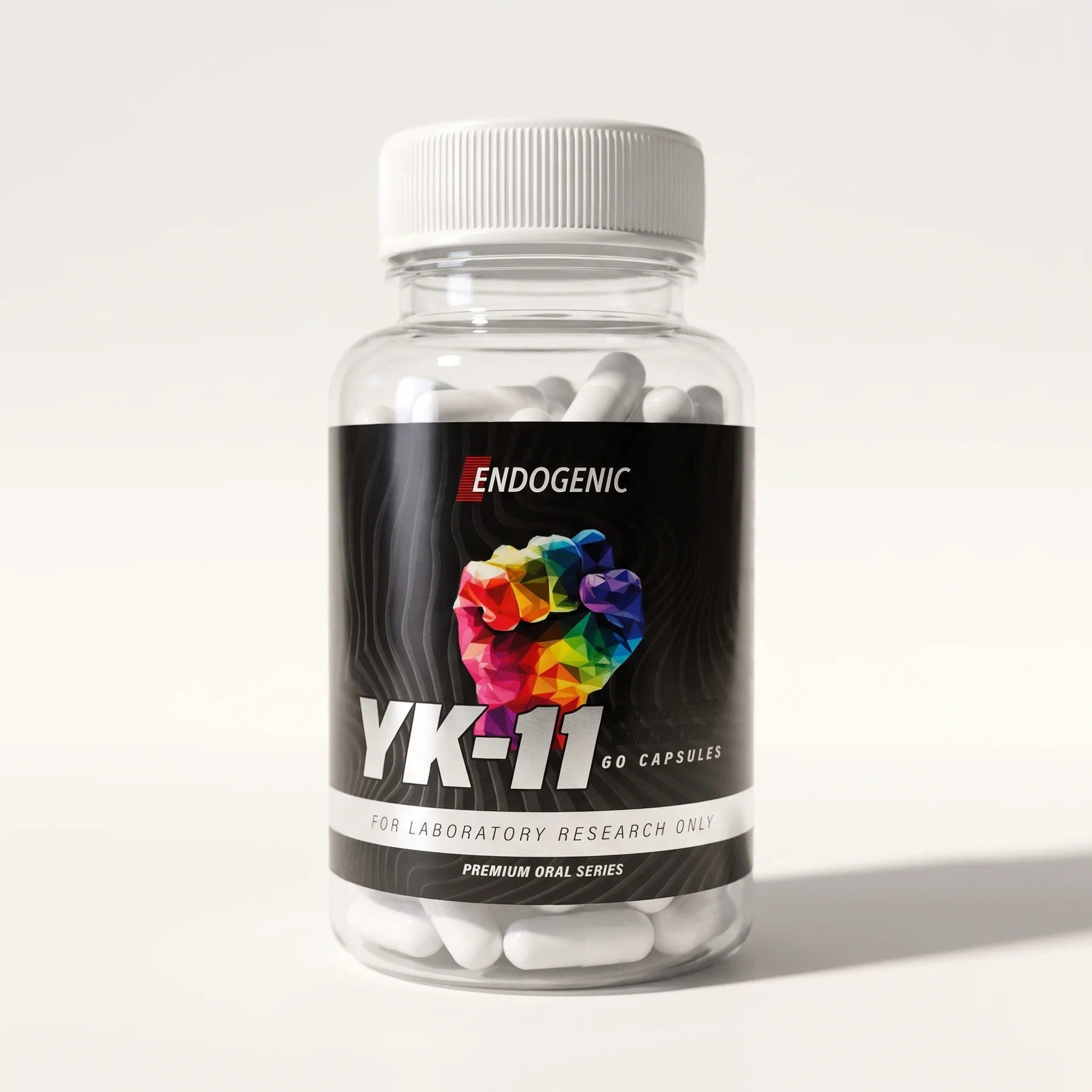
YK-11 60 caps
YK-11 5 mg × 60 capsules is a synthetic steroid analogue of 5α-DHT from Tokyo University of Science – a partial biased androgen receptor agonist that strongly induces follistatin and indirectly suppresses the myostatin/activin/SMAD pathway. Research Use Only reagent for studies on the follistatin/myostatin axis in C2C12 myoblasts.
47,99 €
With code BLACK: 38,39 €
Lowest price in the 30 days before the discount:
47,99 €
Fast shipping
Free delivery from 350 €
Returns policy
YK-11 5 mg 60 capsules - AR modulator and indirect myostatin inhibitor
- YK-11: a steroidal 5α-DHT analogue and partial androgen receptor agonist.
- 5 mg per capsule; pack of 60 capsules.
- Research Use Only reagent, not a medicinal product.
Chemical reagent intended exclusively for laboratory tests (Research Use Only). It is not a medicinal product, dietary supplement or food. It is not intended for use on humans or animals. Sales only to registered research units and laboratories.
YK-11 is a synthetic small molecule built on 5α-DHT (5α-dihydrotestosterone) steroid skeleton, tested as a partial androgen receptor (AR) agonist with an unusual profile – combines weak, “biased” androgenic activity with strong induction follistatin, an endogenous myostatin antagonist. The substance was developed at Tokyo University of Science in Yuichiro Kanno’s team. Two classic publications mark its place in pharmacology: Kanno et al. 2011 (Biol Pharm Bull) – describing YK-11 as a partial AR agonist – and Kanno et al. 2013 (Biol Pharm Bull) — showing that in C2C12 myoblasts YK-11 increases the expression of follistatin many times more strongly than DHT itself.
In commercial circulation, YK-11 operates under the label “SARM” (Selective Androgen Receptor Modulator), which is a misleading simplification. Classic SARMs – RAD-140 (Testolone), LGD-4033 (Ligandrol), MK-2866 (Ostarine) – are ligands non-steroidal, designed from scratch without a steroid skeleton. YK-11 is the exact opposite: it structural steroid, a derivative of 5α-DHT with modifications (ester substitution at position 17, methylated carboxyl group) that make it orally bioavailable and 5α-reductase resistance.
This distinction – the steroid under the name “SARM” – is the central focus of this brief and has real implications for its research and risk profile. This reagent is supplied in a 60 capsules of 5 mg YK-11 — form adapted to oral bioavailability protocols and studies on the follistatin/myostatin axis in in vivo models on rodents and myoblast cultures.
The concentration of 5 mg per capsule allows for standardization of doses in long-term research protocols. Purity verified by HPLC ≥98%, identity confirmed by mass spectrometry, COA available for each batch. In a wider range of products, the reagent is included in the group SARMs for muscle mass, although mechanistically it occupies a separate position among them.
Regulatory status
YK-11 has not completed any phase of human clinical trials. Compound remains at the stage of preclinical research (rodent models, cell cultures). No registration as a drug with the EMA, FDA or anywhere in the world. Not authorized by EFSA as an ingredient of a dietary supplement. YK-11 is on the WADA Prohibited List in category S1.2 (Other Anabolic Agents – SARMs) and is a permanently prohibited substance (in- and out-of-competition). Marketing the product as a “SARM for mass”, a “myostatin inhibitor for athletes” or a “strength gainer” is contrary to the Research Use Only framework.
Myostatin and follistatin as the third force next to classic SARMs
The pharmacology of skeletal muscle modulation has historically operated with two main levers. The first one is androgen axis — activation of the androgen receptor (AR) increases muscle protein synthesis; anabolic androgens and non-steroidal SARMs are based on this mechanism. The second one is IGF-1/PI3K/Akt/mTOR axis — growth and hypertrophy pathway responsive to mechanical and hormonal stimuli.
Both are well described and both have their pharmacological tools. However, there is a third axis – muscle growth brake, i.e. signaling myostatin/activin/SMAD2/3. Myostatin (GDF-8), a member of the TGF-β superfamily, acts as a negative regulator of muscle mass: it binds activin type II receptors (ActRIIB), activates intracellular SMAD2/3 proteins and suppresses the hypertrophy program.
Its physiological importance has been documented dramatically – animals and humans with a mutation that inactivates the myostatin gene show massive muscle hypertrophy (Schuelke et al. 2004; Belgian Blue, “double-muscled” cattle). The natural counterweight of this axis is follistatin — a protein that sequesters myostatin and activin, removing the brake from the SMAD pathway. YK-11 is interesting to pharmacology precisely because it targets this third axis indirectly — by follistatin induction.
In this sense, it is not a “better SARM”, but a reagent with a different, dual profile: a weak, biased AR agonist plus a follistatin activator that removes the myostatin brake. This makes it a model research tool dissociation between classical androgenicity and follistatin/myostatin signaling — a question that classic non-steroidal SARMs do not allow you to ask as clearly.
The world of pharmacology is watching YK-11 for three reasons. First, as a tool to study follistatin regulation in skeletal muscle, an area where selective oral molecular tools are limited. Secondly, as a model compound for the question about biased AR agonism — whether an AR ligand can activate one set of target genes (follistatin) more strongly than another.
Thirdly, as a representative of the “gray zone” between a steroid and a SARM, important for anti-doping analytics and regulatory chemistry.
What is YK-11?
Chemically, YK-11 is a synthetic steroid analogue of 5α-DHT with ester modifications on the D ring.
- Common name: YK-11, YK11
- Chemical name (IUPAC): (17α,20E)-17,20-[(1-methoxyethylidene)bis(oxy)]-3-oxo-19-norpregna-4,20-diene-21-carboxylic acid methyl ester
- Synonyms: YK11, steroid “SARM”, myostatin inhibitor (colloquial, mechanistically inaccurate)
- CAS number: 431579-34-9
- Molecular formula: C₂₅H₃₄O₆
- Molar mass: 430.53 g/mol
- Chemical class: synthetic steroid analogue of 5α-DHT (19-norpregnadiene gestagen skeleton); AR partial agonist + follistatin activator
- Delivered form: HPMC hard capsule (vegan), 5 mg of active substance per capsule, 60 capsules; pharmaceutical grade ≥98% HPLC
Origin: The YK-11 was designed and characterized by Yuichiro Kanno’s team Tokyo University of Science in the first decade of the 21st century, as part of work on androgen receptor ligands with a profile different from classic androgens. The first fundamental publication – Kanno et al. 2011 — described YK-11 as partial AR agonist: a ligand that binds the receptor but activates its transcriptional program only partially compared to the full agonist (DHT).
Second – Kanno et al. 2013 — showed in C2C12 myoblasts that YK-11 induces follistatin expression to an extent many times greater than DHT, linking the observed myoblast hypertrophy with the follistatin/myostatin axis, and not solely with classic androgenicity.
Mechanism of action at the molecular level
YK-11 works through two coupled mechanisms: partial, biased activation of the androgen receptor and induction of follistatin, which indirectly suppresses the myostatin/activin/SMAD pathway. There is one simple “action” missing here – the effects are the result of the AR agonist profile and the follistatin transcriptional cascade. Pharmacological profile observed in preclinical models:
- Partial (biased) agonism of the androgen receptor — YK-11 binds AR and activates it partially, with a different cofactor recruitment profile than the full DHT agonist (Kanno et al. 2011). “Biased agonism” means that the ligand favors specific AR-dependent transcription pathways (including those leading to the expression of follistatin) over others – this distinguishes YK-11 from androgens that activate AR fully and non-specifically
- Follistatin induction — in C2C12 myoblasts, YK-11 increases the expression of follistatin mRNA to a degree many times higher than DHT (Kanno et al. 2013; the reported order of magnitude is a several-fold increase compared to the DHT control). Follistatin is an endogenous protein that sequesters myostatin and activin – increasing it removes the brakes on the hypertrophy program
- Indirect inhibition of the myostatin/activin/SMAD2/3 pathway — through increased follistatin YK-11 attenuates myostatin (GDF-8) and activin signaling through activin type II receptors, reducing SMAD2/3 phosphorylation. It is an “indirect myostatin inhibitor”: YK-11 does not bind myostatin directly, but increases its natural antagonist (Lee & McPherron 2005 describes the role of type II activin receptors in the regulation of muscle growth)
- Activation of the PI3K/Akt/mTOR pathway (indirect) — in in vitro models, YK-11 is associated with the intensification of pro-anabolic PI3K/Akt/mTOR signaling, partly through follistatin and altered SMAD signaling; this pathway is responsible for muscle protein synthesis and hypertrophy
- Steroid skeleton with functional modifications — the ester substitution at position 17 and the methylated carboxyl group make the molecule orally bioavailable, and 5α-reductase resistance (the molecule is already an analogue of 5α-DHT). This structurally places YK-11 in the steroid family, not non-steroidal SARMs
- No conversion to estrogen — YK-11 is not an aromatase substrate (lack of an A ring with a structure enabling aromatization typical of testosterone), therefore it is not converted to estradiol – an important feature in characterizing the profile in relation to classic aromatizing androgens
Pharmacokinetic profile (based on preclinical models and limited data):
- Oral bioavailability: molecule designed for oral administration (ester modifications); exact values in humans unknown
- Human PK profile: uncharacterized – no phase I studies
- Metabolism: probably hepatic; 17α modification of steroids has been historically associated with liver burden (see regulatory status for context of hepatotoxicity)
- Molecular target: androgen receptor (partial biased agonism) + follistatin transcriptional induction
YK-11 among AR modulators – pharmacological position: In the class of androgen receptor modulators, YK-11 occupies a position separate from other research tools:
| Ligand | Structural type | AR profile | A distinguishing feature |
|---|---|---|---|
| RAD-140 (Testolone) | non-steroidal | selective AR modulator | high AR affinity, tissue-selective profile |
| LGD-4033 (Ligandrol) | non-steroidal | selective AR modulator | high potency, long T½ |
| MK-2866 (Ostarine) | non-steroidal | selective AR modulator | the most studied non-steroidal SARM |
| YK-11 | steroidal (5α-DHT analogue) | partial biased AR agonist | follistatin induction, indirect myostatin inhibition |
YK-11 is unique in that it combines a steroid skeleton with a follistatin mechanism – it targets third axis (myostatin/follistatin) in addition to classic androgenicity. Non-steroidal SARMs such as RAD-140 or LGD-4033, act primarily through tissue-selective AR modulation, without documented strong follistatin induction. Related ester RAD-150 is sometimes a reference in comparative analyzes of the stability and profile of AR modulators.
Applications in scientific research
YK-11 is used in research work in several areas. In vitro models (C2C12 mouse myoblast line, muscle cell cultures) examine its effect on follistatin expression, SMAD2/3 phosphorylation, markers of myoblast differentiation and hypertrophy, and the recruitment profile of AR cofactors. In vivo models on rodents examine oral bioavailability, the effect on muscle mass and composition, and markers of the follistatin/myostatin axis. Specific research directions include:
- Follistatin regulation in skeletal muscle — YK-11 as a tool to study the pharmacological induction of follistatin and its impact on the hypertrophy program (expression kinetics, AR dependence)
- Myostatin/activin/SMAD signaling — indirect modulation of the axis by follistatin; measurements of SMAD2/3 phosphorylation, target gene expression (Lee & McPherron 2005)
- Biased androgen receptor agonism — YK-11 as a model ligand for studying selective, partial AR activation and dissociation of transcription programs
- “steroid vs non-steroidal SARM” profile — comparison of YK-11 with RAD-140, LGD-4033, MK-2866 in terms of structural, metabolic and analytical aspects (Solomon et al. 2019 – review of knowledge about SARMs)
- Anti-doping analytics — development of methods for detecting YK-11 and its metabolites in biological matrices; distinguishing steroid signature from non-steroidal SARMs
- Studies on myoblast hypertrophy in vitro — C2C12 differentiation models, fusion index and myotube diameter measurements
Summary
YK-11 (5 mg × 60 capsules) is a synthetic steroid analogue of 5α-DHT with Tokyo University of Science (Kanno team), characterized in in vitro models (C2C12 myoblasts) as a partial biased agonist of the androgen receptor, which at the same time strongly induces follistatin — an endogenous myostatin antagonist — and thus indirectly suppresses the myostatin/activin/SMAD2/3 pathway.
Although sold under the label “SARM”, YK-11 is structurally a steroid, not a nonsteroidal ligand like RAD-140 or LGD-4033 – this distinction has metabolic and analytical consequences. Form 60 capsules of 5 mg, HPLC purity ≥98%, MS Q-TOF, COA for each batch. Regulatory Status – Research Use Only; no clinical phase in humans; WADA S1.2 (SARMs), permanently banned from 2018; reported hepatotoxicity signals (17α-steroid profile).
Bibliography
- Kanno Y, Hikosaka R, Zhang SY, Inoue Y, Nakahama T, Kato K, et al. (2011). (17α,20E)-17,20-[(1-methoxyethylidene)bis(oxy)]-3-oxo-19-norpregna-4,20-diene-21-carboxylic acid methyl ester (YK11) is a partial agonist of the androgen receptor. PubMed
- Kanno Y, Ota R, Someya K, Kusakabe T, Kato K, Inouye Y (2013). Selective androgen receptor modulator, YK11, regulates myogenic differentiation of C2C12 myoblasts by follistatin expression. PubMed
- Solomon ZJ, Mirabal JR, Mazur DJ, Kohn TP, Lipshultz LI, Pastuszak AW (2019). Selective Androgen Receptor Modulators: Current Knowledge and Clinical Applications. PubMed
- Lee S. J., McPherron A. C. (2005). Regulation of muscle growth by multiple ligands signaling through activin type II receptors. PubMed
- Schuelke M, Wagner KR, Stolz LE, Hübner C, Riebel T, Kömen W, et al. (2004). Myostatin mutation associated with gross muscle hypertrophy in a child. PubMed
FAQ
In C2C12 myoblasts, YK-11 increases follistatin mRNA expression many times more strongly than DHT itself (Kanno et al. 2013). Follistatin is an endogenous protein that binds (sequesters) myostatin and activin, neutralizing their inhibitory effect on muscle growth. The induction mechanism seems to depend on partial, biased activation of the androgen receptor – YK-11 favors transcription pathways leading to follistatin more strongly than classic androgens. Elevated follistatin is considered to be a central component of the YK-11 profile observed in myoblast cultures.
YK-11 does not bind myostatin directly. It inhibits its action indirectly by increasing follistatin, a natural antagonist of myostatin and activin. Myostatin (GDF-8) acts as a brake on muscle growth: it binds type II activin receptors, activates SMAD2/3 proteins and suppresses hypertrophy (Lee & McPherron 2005). Inactivation of myostatin leads to massive muscle hypertrophy in animals and humans with mutations in this gene (Schuelke et al. 2004). YK-11, by raising follistatin, weakens this signaling – hence the description “indirect myostatin inhibitor”. This distinction is important: the mechanism is transcriptional and AR-dependent, not direct ligand blocking.
Yes. YK-11 is listed on WADA Prohibited List in category S1.2 (Other Anabolic Agents – SARMs) and is a prohibited substance constantly — both in competition and out of competition. SARMs are included in category S1.2 of the World Anti-Doping Code, and YK-11 has been listed among examples of this class since 2018. Regardless of the structural distinction (steroid vs. non-steroidal SARM), WADA treats YK-11 as an anabolic agent. Registered Athletes (ADAMS) must verify the current Prohibited List before making any decision.
Signals have been reported in the literature and toxicology reports hepatotoxicity (liver damage) in the context of products containing YK-11. This profile is typical of steroids with a modification at the 17α position, which historically burden the liver. Data has character case reports, not controlled clinical trials – reflecting the fact that YK-11 has not undergone any phase of human clinical trials and its safety profile has not been characterized in any human population. In the context of RUO compound, it remains a research tool, not a human drug.
RAD-140 (Testolone) and LGD-4033 (Ligandrol) are non-steroidal selective androgen receptor modulators – designed from scratch without a steroid skeleton, acting primarily through tissue-selective AR activation. YK-11 is steroid (5α-DHT analogue) with a partial biased AR agonist profile whose distinguishing feature is strong follistatin induction and indirect inhibition of myostatin – a mechanism poorly documented for classic nonsteroidal SARMs.
It also differs in its metabolic profile: the steroid skeleton with the 17α modification is associated with a different liver load. The guide makes it easier to select a reagent for a specific research question SARMs for bodybuilders, compiling the profiles of individual ligands.
5.0
1 review
-
tomqbb
 Polski
bardzo dobry
jedno z lepszych yk11 jakie mialem
Customers also bought
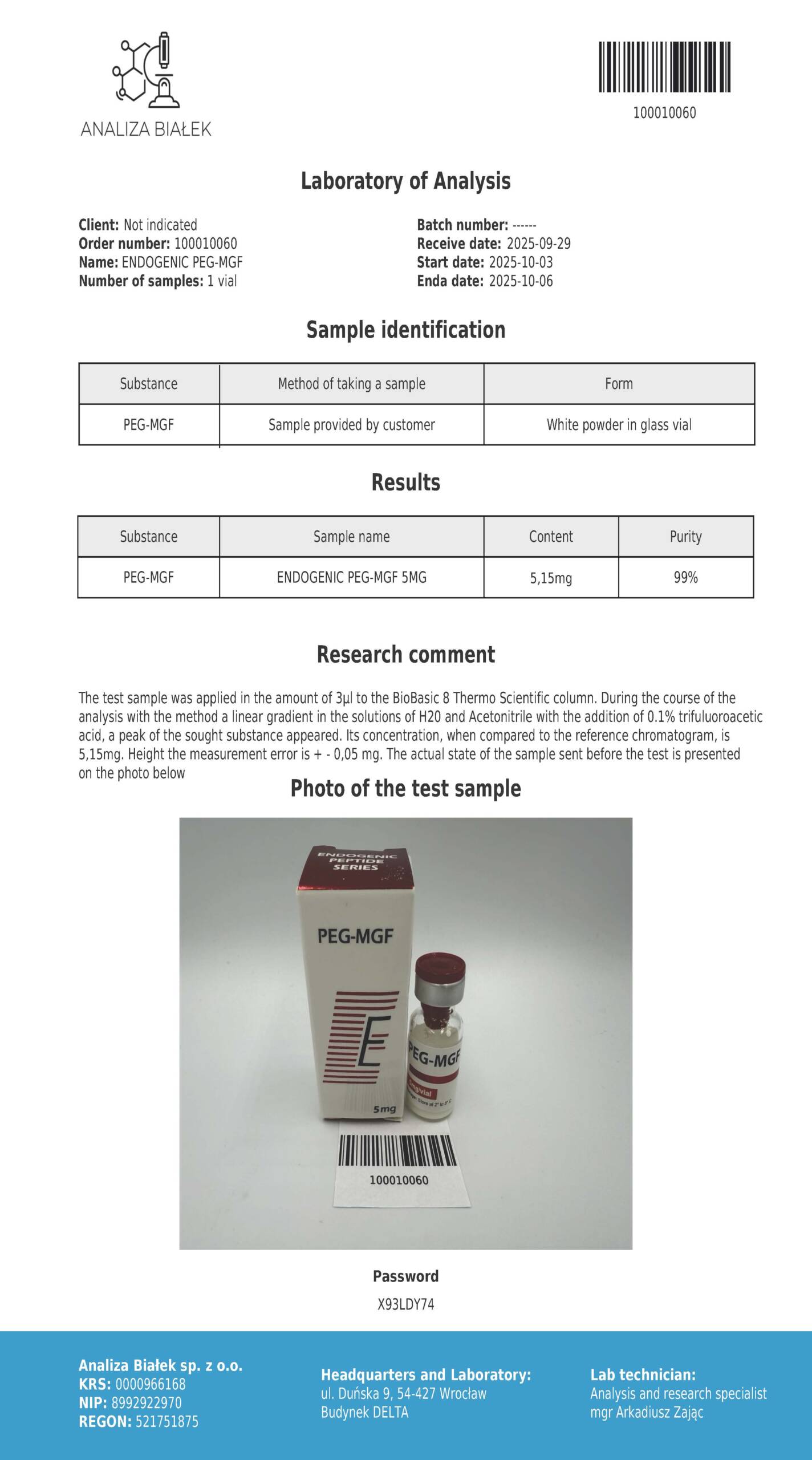
PEG-MGF 5mg
PEG-MGF 5mg
35,99 €
S-23 60 caps
S-23 60 caps
47,99 €