

No. Orforglipron is a small organic molecule built on a pyrazolo[4,3-c]pyridine core with fluoroindazole, imidazole and oxadiazolone substituents (formula C48H48F2N10O5, mass ~883 g/mol, PubChem CID 137319706). No amino-acid sequence, no peptide bonds. This is the fundamental distinction from semaglutide, liraglutide or tirzepatide, which are chemically modified peptides. The practical consequence: stability in the gastrointestinal environment and oral bioavailability without SNAC technology.
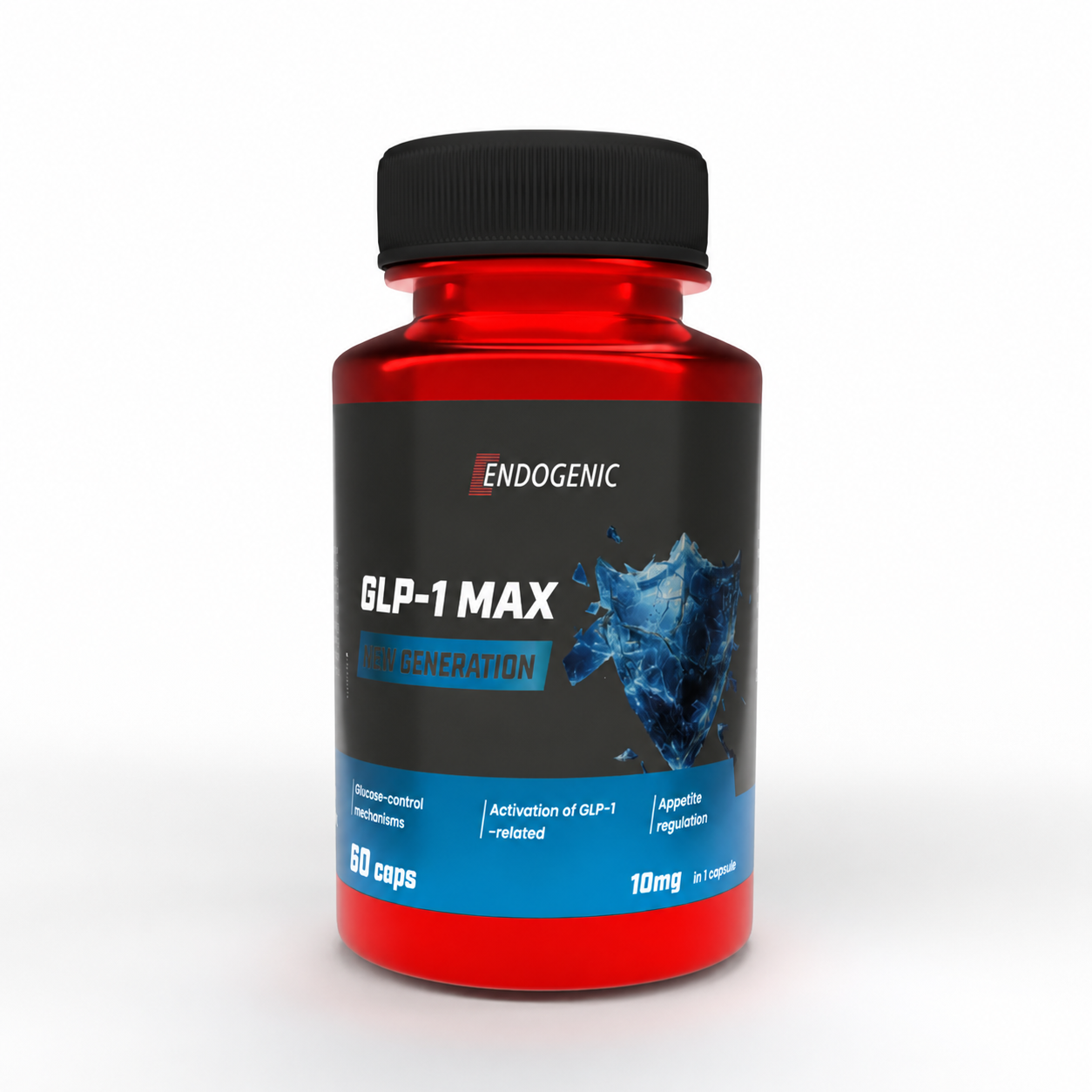
GLP-1 MAX 10mg 60 caps
GLP1 MAX 10 mg, 60 capsules — orforglipron, the first oral non-peptide GLP-1 receptor agonist, HPLC purity ≥98%. A chemical reagent intended solely for laboratory research into the allosteric pharmacology of GLP-1R in models of type 2 diabetes and obesity.
166,99 €
Fast shipping
Delivery options
Free delivery from 350 €
Returns policy
GLP1 MAX 10 mg, 60 capsules — oral GLP-1 agonist
- Orforglipron: small-molecule, non-peptide GLP-1 receptor agonist.
- 10 mg per capsule; 60 capsules per pack.
- Research Use Only; not for human use.
Research Use Only
Chemical reagent intended exclusively for laboratory research. Not a medicinal product and not intended for human use. Clinical data concern investigated or authorised medicines, not the GLP1 MAX product.
The GLP-1 class (GLP-1 receptor agonists) has rebuilt the pharmacotherapy of type 2 diabetes and obesity over the past decade. Yet all of these molecules share one feature that limits their reach: they are peptides, administered subcutaneously once a week (semaglutide, tirzepatide) or once daily (liraglutide). An injectable route means patients learning injection technique, a fridge in the rucksack while travelling and a psychological barrier when deciding to start. The same limitation applies to the whole line of fat burners developed in parallel by Pro-Body in an injectable format.
Attempts to create an oral peptide GLP-1 form required the patented SNAC technology and a restrictive dosing protocol (on an empty stomach, four sips of water, 30 minutes with no food) — and in return the systemic bioavailability is a mere 0.4–1.0%. The real breakthrough was waiting for a non-peptide molecule able to activate the GLP-1 receptor without parenteral administration or SNAC technology. For a practical comparison of peptide GLP-1RAs (semaglutide vs tirzepatide) in the context of body-weight control, see the review Tirzepatide vs Semaglutide.
Orforglipron (development code LY3502970) is that breakthrough. Originally developed by the Japanese company Chugai Pharmaceutical and licensed in 2018 by Eli Lilly, it is the first oral non-peptide GLP-1R agonist to reach Phase III clinical trials with a strong efficacy and safety profile. The core profile:
- Small molecule (~883 g/mol), not a peptide
- Allosteric binding to the GLP-1 receptor at a site distinct from the orthosteric one (Kawai et al. 2020, PNAS)
- Oral bioavailability in the order of tens of per cent, with no requirement to dose on an empty stomach
- Half-life ~29–49 h, once-daily dosing
- Clinical doses tested up to 45 mg daily
What is orforglipron — the first oral non-peptide GLP-1R agonist?
Most GLP-1 agonists on the market are peptides chemically modified to increase proteolytic stability and extend the half-life. Semaglutide is a 31-amino-acid peptide with a lipid modification (stearic acid attached via a linker); Tirzepatide 5mg is a 39-amino-acid peptide with a dual GLP-1R/GIPR profile. Each requires s.c. administration, because the oral bioavailability of a peptide without special technologies is <1%.
Orforglipron is fundamentally different structurally: it is a small organic molecule from the non-peptide GLP-1 receptor agonist class, built on a pyrazolo[4,3-c]pyridine core with fluoroindazole, imidazole and oxadiazolone substituents. No amino-acid sequence, no peptide bonds, no need for lipid modification. The molecule is stable in the gastrointestinal environment and shows oral bioavailability sufficient to reach therapeutic concentrations on a once-daily protocol — a profile that sets it apart from the rest of the peptides in capsules that rely on protective formulation to survive the gut.
This distinction has four practical consequences for research protocols:
- Oral administration — HPMC capsules with a weighed 10 mg dose of orforglipron, ready for per os administration in animal models or for dispersion in a buffer for pharmacokinetic studies
- Storage stability — the capsules are stored at room conditions (15–25°C); no cold-chain requirement, no reconstitution
- Receptor mechanism — orforglipron binds to the GLP-1 receptor at an allosteric site (extracellular region + ECL2/ECL3) and does not compete directly with peptide GLP-1 for the orthosteric site
- “Biased signalling” profile — preferential activation of the cAMP-PKA pathway over β-arrestin recruitment; theoretically correlating with a better gastrointestinal tolerability profile
Within this category, orforglipron sits alongside danuglipron (PF-06882961, Pfizer — development suspended in 2023 after elevated liver enzymes in Phase II) and several earlier candidates (TT-OAD2, LY3437943). Of these, orforglipron is the only one to reach Phase III with a preserved hepatic safety profile.
Structure and physicochemical properties
Chemical data — core (verified against PubChem CID 137319706):
|
Parameter |
Value |
|---|---|
|
Common name |
orforglipron |
|
Development code |
LY3502970 (Lilly), originally developed as OWL-833 (Chugai) |
|
Chemical class |
small-molecule GLP-1 receptor agonist, non-peptide |
|
Molecular formula |
C48H48F2N10O5 |
|
Molar mass |
~883.0 g/mol |
|
CAS Number |
2212020-52-3 |
|
Solubility in water |
low (lipophilic molecule) |
|
Solubility in DMSO |
good (≥10 mg/ml, preferred vehicle for in vitro work) |
|
Oral bioavailability (animal models + human) |
in the order of tens of per cent |
|
Half-life (human, Phase I) |
~29–49 h (dose-dependent, once-daily dosing) |
|
Tmax after oral administration |
~6 h |
|
HPLC purity |
≥98.0% |
|
Identity confirmation |
MS (Q-TOF) |
Mechanism of action — allosteric activation of the GLP-1 receptor
The GLP-1 receptor and its physiological role
The GLP-1 receptor (GLP-1R) is a class B1 G protein-coupled receptor, expressed primarily in pancreatic β cells, hypothalamic appetite-regulating centres (POMC/CART, NPY/AgRP), the brainstem (nucleus of the solitary tract — NTS), the stomach and certain regions of the central nervous system (hippocampus, prefrontal cortex). Activation of GLP-1R by the endogenous GLP-1 peptide (released by intestinal L cells after a meal) initiates four metabolic responses:
- Increased insulin secretion, glucose-dependent (pancreatic β cells) — insulin release only at elevated glycaemia, no risk of hypoglycaemia in monotherapy
- Suppression of glucagon secretion (pancreatic α cells) — reduction of hepatic gluconeogenesis
- Slowing of gastric emptying — slower carbohydrate absorption, lower postprandial peaks
- Activation of satiety centres in the hypothalamus — reduced appetite, fewer calories consumed spontaneously
Together, these four effects explain the efficacy of the GLP-1RA class in lowering HbA1c (1.0–2.0%) and reducing body weight (5–20% depending on the molecule and duration of therapy).
How does orforglipron activate the receptors?
The endogenous GLP-1 peptide and peptide agonists (semaglutide, liraglutide) bind to the GLP-1 receptor at the classic orthosteric site — a deep pocket between the extracellular domain (ECD) and the transmembrane domain (TMD). This binding requires a peptide ligand structure, which is why non-peptide attempts to activate this site have historically failed.
Orforglipron, by contrast, binds allosterically at a different site — a pocket formed by the extracellular domains and the extracellular loops ECL2/ECL3 of the receptor. The structure of the orforglipron–GLP-1R complex has been characterised by cryo-electron microscopy (Kawai et al. 2020, PNAS) and shows that the molecule stabilises the receptor in an active conformation in a manner analogous to the peptide, but through a different set of molecular interactions.
This allosteric binding has three consequences:
- No competition for the orthosteric site with endogenous GLP-1 — orforglipron can synergise with the physiological post-meal GLP-1 peaks
- Potential for biased agonism — preferential activation of one signalling route (cAMP-PKA) over another (β-arrestin), unlike peptide agonists, which activate both routes evenly
- A non-peptide structure resistant to gastrointestinal proteolysis — hence oral bioavailability without SNAC technology
Biased signalling — the theory and its clinical significance
Activation of GLP-1R triggers two main intracellular signalling routes:
- The cAMP-PKA pathway — responsible for the therapeutic effects (insulin secretion, satiety, gastric emptying)
- The β-arrestin pathway — responsible for receptor desensitisation and internalisation and, in some models, correlating with adverse effects (nausea, vomiting)
In vitro, orforglipron shows preferential cAMP activation over β-arrestin recruitment in cells expressing human GLP-1R. The clinically observed gastrointestinal tolerability profile in Phase II and III trials — although present, peaking during the titration phase — remains comparable to peptide GLP-1RAs, suggesting that the biased agonism theory requires further translational validation.
What does the research show — Phase 1, Phase 2, Phase 3?
Phase I — Pratt 2023
Pratt et al. (Diabetes Obes Metab 2023) reported the results of Phase 1a — a single- and multiple-ascending-dose study in healthy adults. Key findings:
- Oral bioavailability sufficient to reach pharmacodynamically active concentrations
- A half-life of 29–49 h supports once-daily dosing
- No effect of food on bioavailability (unlike Rybelsus®, oral semaglutide)
- Safety profile comparable to peptide GLP-1RAs — mainly gastrointestinal effects (nausea, diarrhoea) of mild to moderate intensity
Phase II in type 2 diabetes — Frías 2023, Lancet
Frías et al. (Lancet 2023) published the results of a 26-week Phase II study in patients with T2D inadequately controlled on metformin. Doses tested: 3, 12, 24, 36, 45 mg/day vs placebo and dulaglutide 1.5 mg s.c. once weekly as an active comparator.
Dose-dependent results:
- HbA1c: a reduction of 1.7–2.1 percentage points in the orforglipron groups (doses 12–45 mg) vs ~0.4 percentage points in placebo
- Fasting glycaemia: a fall of up to 65 mg/dl in the higher-dose groups
- Body weight: a reduction of 6.4 kg in the 45 mg group vs 1.4 kg in placebo
- Comparison with dulaglutide 1.5 mg: orforglipron at doses of 24–45 mg delivered comparable or greater HbA1c reduction
- Tolerability: gastrointestinal effects during titration, resolving over time; no hepatic signal
Phase II in obesity — Wharton 2023, NEJM
Wharton et al. (New England Journal of Medicine 2023) — a 36-week study in adults with obesity (BMI ≥30) without diabetes. Doses: 12, 24, 36, 45 mg/day vs placebo.
Results:
- Body-weight reduction at 36 weeks: −9.4% to −14.7% (dose-dependent) in the orforglipron groups vs −2.3% in placebo
- Patients achieving ≥15% weight reduction: 46% in the 45 mg group vs 1% in placebo
- Lipid profile: improvement in LDL cholesterol, triglycerides and systolic blood pressure
- Tolerability: gastrointestinal effects as the main adverse events, with a rate of discontinuation due to adverse events of ~10–17%
Phase III — the ACHIEVE and ATTAIN programmes
Eli Lilly is running a broad Phase III programme covering ACHIEVE (type 2 diabetes, 5 trials) and ATTAIN (obesity, 4 trials). The 2024–2025 investor communications reported:
- ACHIEVE-1 (T2D monotherapy): an HbA1c reduction in the order of 1.3–1.6 percentage points
- ATTAIN-1 (obesity without T2D): a body-weight reduction of ~12–14% at 72 weeks (data subject to full peer-reviewed publication)
- A safety profile consistent with Phase II, with no hepatic signal (unlike Pfizer’s danuglipron)
FDA approved the medicine Foundayo (orforglipron) on 1 April 2026. This authorisation concerns that medicinal product, not GLP1 MAX research capsules. FDA. In parallel with orforglipron, the class of triple incretin agonists is being developed: for a discussion of the clinical effects of Retatrutide (Triple G) as a multi-receptor agonist (GLP-1/GIP/glucagon), see the review Retatrutide for obesity.
IMPORTANT DISTINCTION
“Oral GLP-1” in the context of this description means: in the clinical trials of orforglipron, an oral bioavailability sufficient for a pharmacodynamic effect comparable to peptide GLP-1RAs administered subcutaneously was observed. This does not imply a guarantee of equivalence with the registered peptide GLP-1RAs in terms of long-term cardiovascular endpoints, nor any suggestion of using RUO orforglipron in humans.
Applications in scientific research
As a research tool, orforglipron enables:
- Characterisation of allosteric GLP-1R pharmacology — comparative studies of the receptor conformation activated by peptide vs non-peptide agonists, and of biased signalling
- Animal models of T2D — db/db mouse, ZDF rat, HFD mouse; oral protocols that support long-term studies without the need for daily injections in animals
- DIO obesity models — comparative studies of the efficacy of an oral GLP-1RA vs a peptide one (semaglutide) on body weight, hormonal profile and metabolic parameters; run in parallel with comparisons against ERRα agonists of the SLU-PP-332 type to separate the central component (satiety) from the peripheral one (energy expenditure)
- Neuroprotective models — GLP-1R is expressed in the hippocampus and cortex; rodent models of Alzheimer’s and Parkinson’s disease offer the opportunity to test CNS penetration of an oral non-peptide agonist
- Co-experiments — interactions with GIP/glucagon agonists (tirzepatide, retatrutide as comparators), SGLT2 inhibitors, metformin, AMPK activators and mitochondrial uncouplers of the BAM-15 type in protocols of combined energy-balance modulation
- Comparative pharmacokinetics — PK/PD studies in animal models, dosing modelling
Pro-Body supplies orforglipron as a reagent solely for laboratory research in registered research institutions — not for use in humans.
Summary
GLP1 MAX 10 mg, 60 capsules is orforglipron (LY3502970) — the first-in-class oral, non-peptide GLP-1 receptor agonist to reach Phase III clinical trials. Mechanism: allosteric binding to the GLP-1 receptor outside the orthosteric site, with a “biased signalling” profile favouring the cAMP-PKA pathway over β-arrestin. The dataset covers Phase I (Pratt 2023, PK and safety), Phase II in T2D (Frías 2023, Lancet — HbA1c reduction of up to 2.1 percentage points) and Phase II in obesity (Wharton 2023, NEJM — body-weight reduction of up to 14.7%).
FDA approved the medicine Foundayo (orforglipron) on 1 April 2026. This authorisation concerns that medicinal product, not GLP1 MAX research capsules. FDA. HPLC purity ≥98%, MS confirmation, COA per batch, and an HPMC capsule format for precise in vivo research protocols. Status: Research Use Only, not for use in humans.
References
- Pratt E, Ma X, Liu R, et al. (2023). Orforglipron (LY3502970), a novel, oral non-peptide glucagon-like peptide-1 receptor agonist: A Phase 1a, blinded, placebo-controlled, randomized, single- and multiple-ascending-dose study in healthy participants.
- Frías JP, Hsia S, Eyde S, et al. (2023). Efficacy and safety of oral orforglipron in patients with type 2 diabetes: a multicentre, randomised, dose-response, phase 2 study.
- Wharton S, Blevins T, Connery L, et al. (2023). Daily Oral GLP-1 Receptor Agonist Orforglipron for Adults with Obesity.
- Kawai T, Sun B, Yoshino H, et al. (2020). Structural basis for GLP-1 receptor activation by LY3502970, an orally active nonpeptide agonist.
- Drucker DJ. (2006). The biology of incretin hormones.
Source of the chemical data
The chemical structure, molecular formula, molar mass and physicochemical properties of orforglipron are provided by the PubChem database (CID 137319706) — a repository of the National Center for Biotechnology Information (NCBI). CAS: 2212020-52-3.
FAQ
Rybelsus® is peptide semaglutide with a patented SNAC tablet (sodium N-[8-(2-hydroxybenzoyl)amino]caprylate), which creates a microenvironment protecting the peptide from degradation in the stomach. The systemic bioavailability of Rybelsus® is 0.4–1.0%; it requires dosing on an empty stomach, four sips of water and 30 minutes with no food. As a non-peptide, orforglipron requires neither SNAC technology nor a restrictive protocol — bioavailability in the order of tens of per cent, with no effect of food on absorption.
In vitro — yes, it favours the cAMP-PKA pathway over β-arrestin recruitment in cells expressing human GLP-1R. Clinically — the gastrointestinal adverse-effect profile (nausea, vomiting, diarrhoea) remains comparable to peptide GLP-1RAs, though possibly with a more favourable profile on long-term observation. The biased agonism theory requires further translational validation in full Phase III trials.
Orforglipron is not named in the 2026 Prohibited List. FDA approval of Foundayo on 1 April 2026 means it should not be described as an unapproved substance solely because older texts called it investigational. This is not a guarantee that an RUO product is permitted or safe for athletes. Verify the specific substance and current anti-doping rules with the competent organisation; this product is not for human use. WADA 2026; FDA.
5.0
1 review
-
Maro
Szybka dostawa
Paka z pro-body wjechała do Paczkomatu dosłownie na drugi dzień, także za logistykę wielki plus. Same kapsy spakowane elegancko, puszka szczelna. Mega szacun za dokładny opis na stronie, bo w tym temacie trudno o rzetelne źródła w sieci. Dla mnie topka.
Black Week
Black Week deals before everyone else
Sign up for the newsletter and get access to the Black Week promotion before other customers.
By signing up you agree to receive the Pro-Body newsletter with news and promotions. You can unsubscribe at any time with one click in the e-mail. Privacy policy
Related products
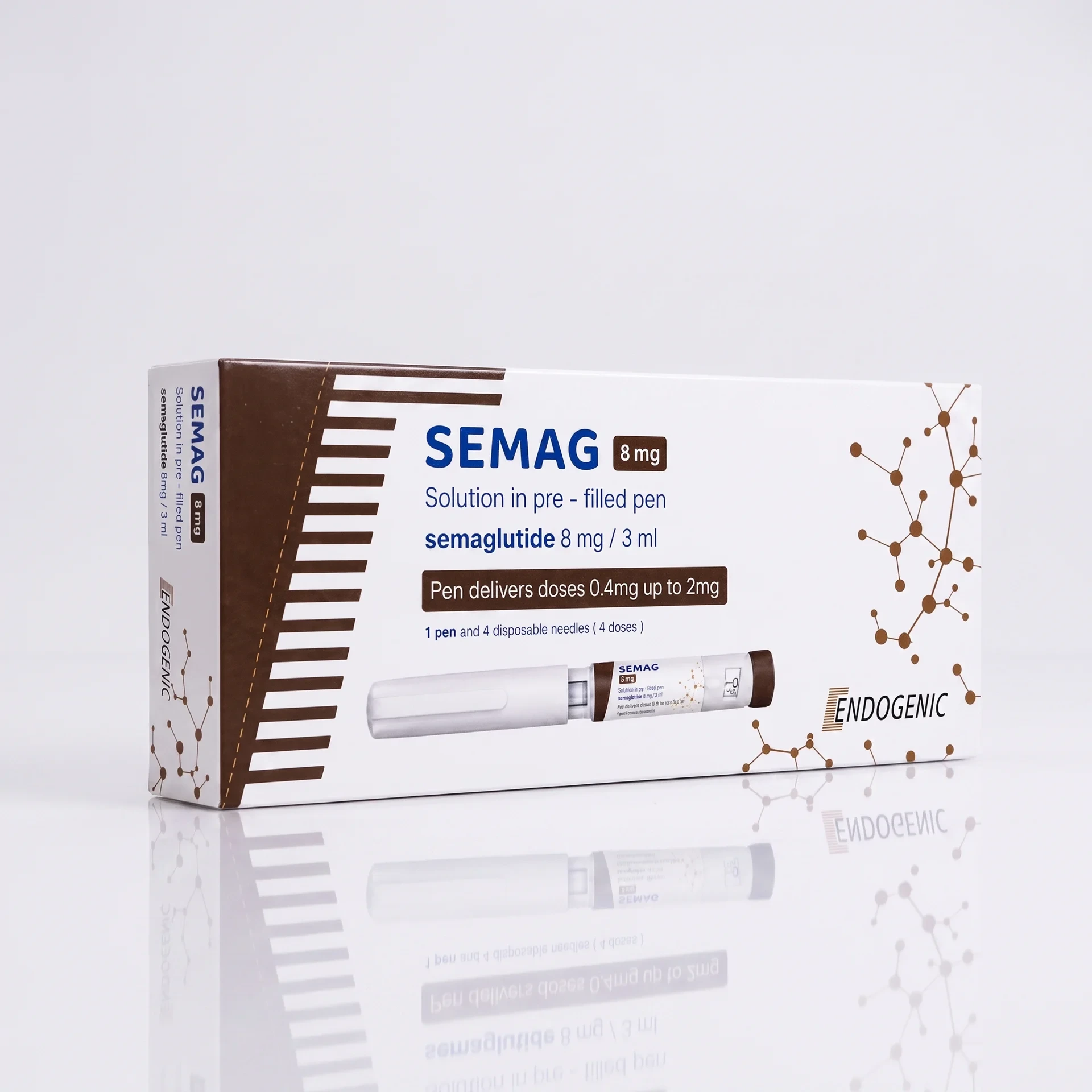
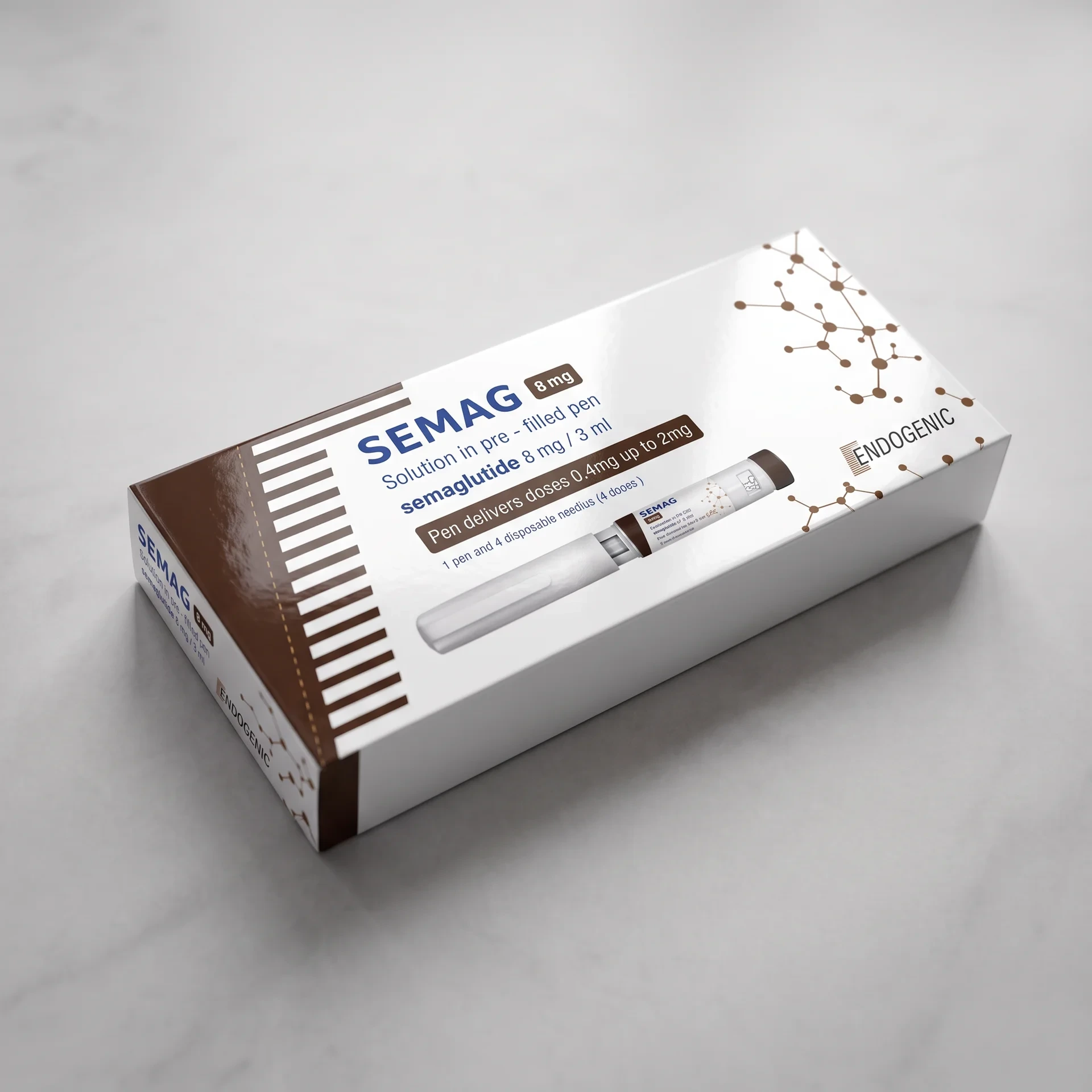
SEMA G 8mg PEN
SEMA G 8mg PEN
166,99 €