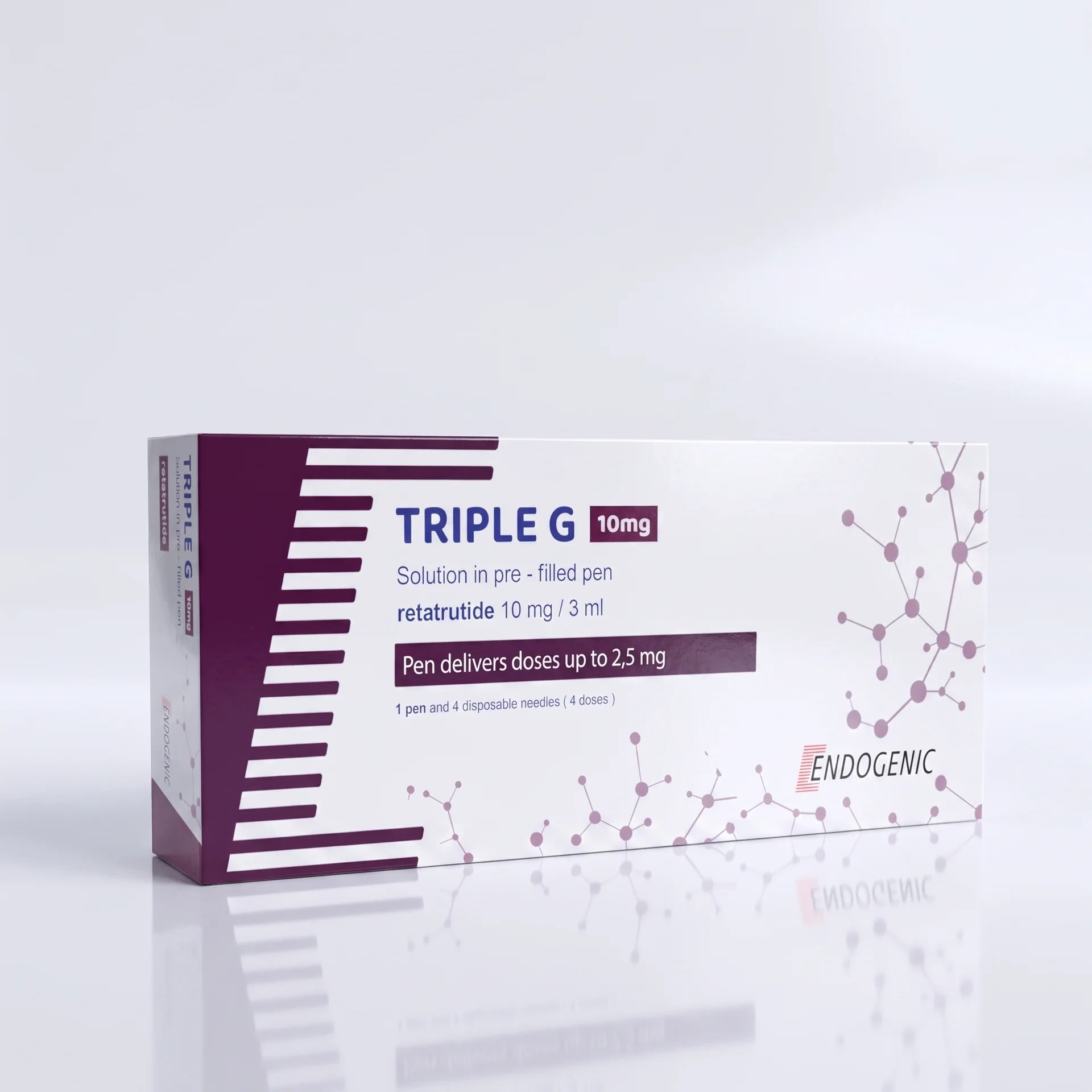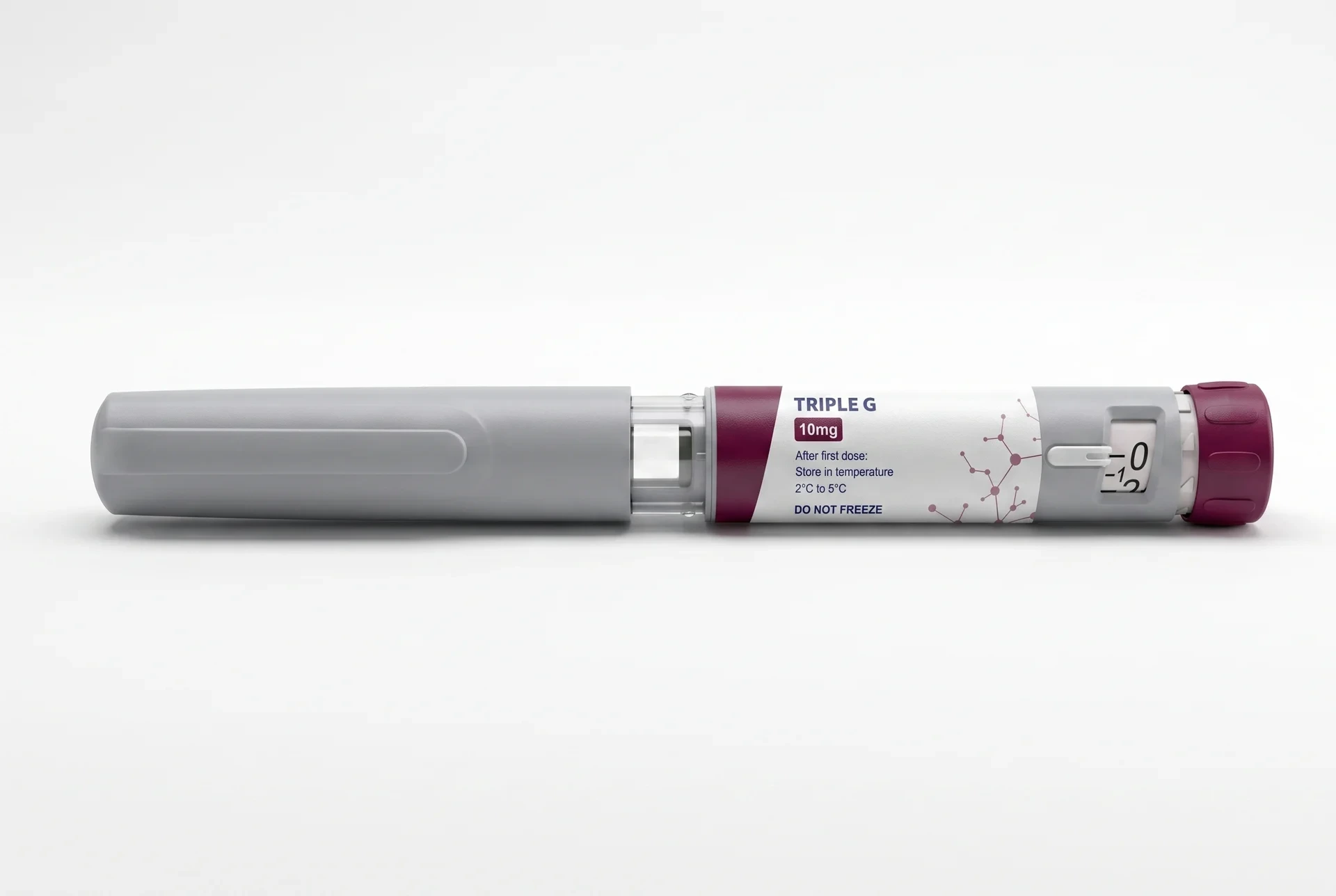
Tesofensine is a triple inhibitor (TMRI/SNDRI) – it inhibits DAT, NET and SERT in parallel. SSRIs (fluoxetine, sertraline) only inhibit SERT. SNRIs (venlafaxine, duloxetine) inhibit SERT and NET. NDRI (bupropion) inhibits NET and DAT. Tesofensine combines all three mechanisms in one molecule, which in animal models translates into a unique profile of influence on reward centers and appetite regulation.

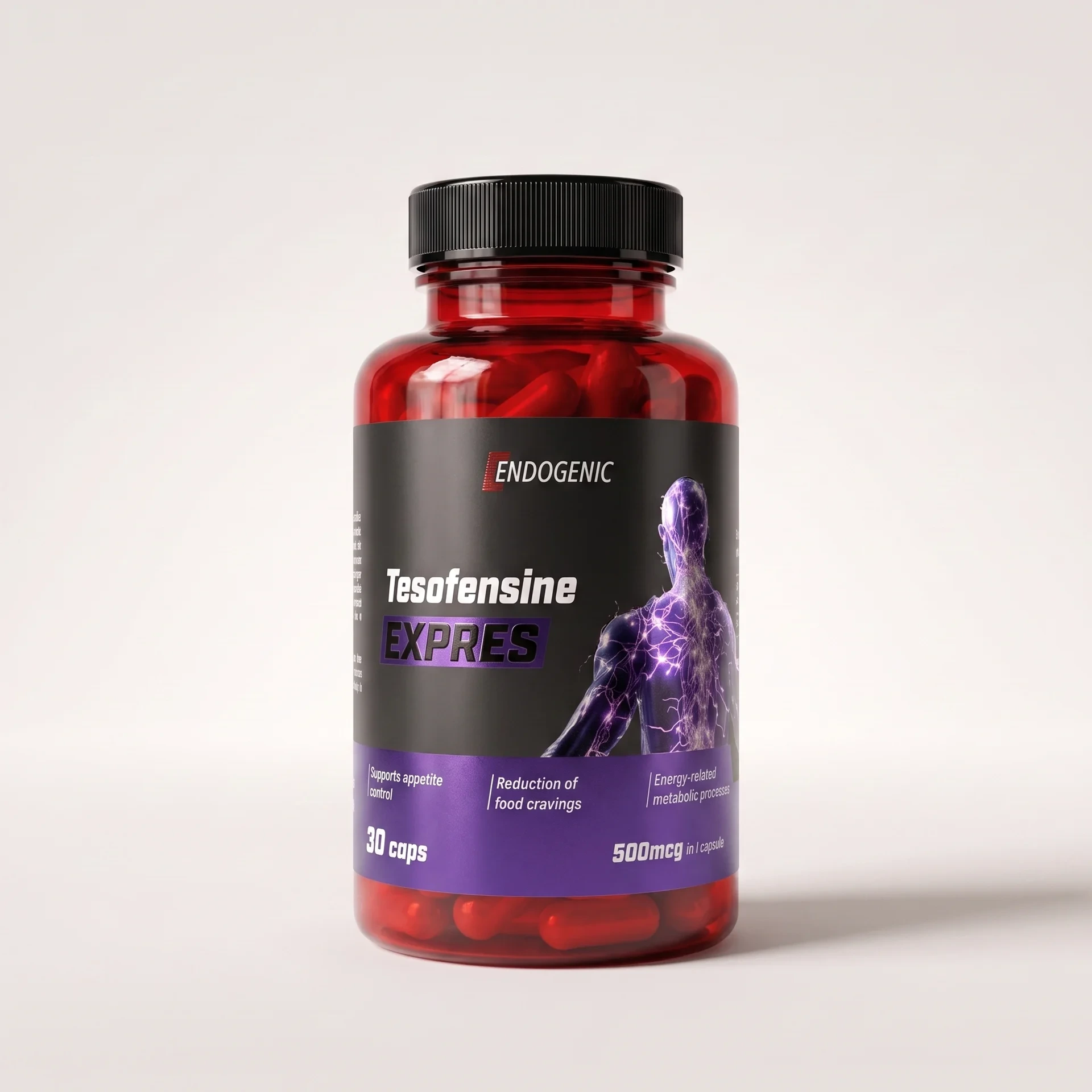
Tesofensine EXPRES 500mcg 30 caps
Tesofensine Express is a low-molecular-weight triple monoamine uptake inhibitor (TMRI/SNDRI) with a tropane derivative structure, inhibiting DAT, NET and SERT transporters. Capsule form: 500 µg in a package of 30 pieces with documentation HPLC ≥98%, HRMS confirmation and COA per batch. Research Use Only!
118,99 €
With code BLACK: 95,19 €
Lowest price in the 30 days before the discount:
118,99 €
Fast shipping
Free delivery from 350 €
Returns policy
Tesofensine Express 500 µg, 30 capsules
- Tesofensine: a non-peptide monoamine reuptake inhibitor (SNDRI).
- 500 mcg (0.5 mg) per capsule; pack of 30 capsules.
- Research Use Only reagent, not a medicinal product.
Tesofensine is a low-molecular-weight triple monoamine reuptake inhibitor (SNDRI – serotonin-norepinephrine-dopamine reuptake inhibitor) with a tropane derivative structure. The substance is not a peptide; it belongs to the non-peptide monoamine reuptake inhibitor class (SNDRI). In the Pro-Body catalog, it is listed among compounds studied in the context of metabolism. It was originally developed by the Danish company NeuroSearch A/S under the development code NS-2330 as a therapeutic candidate for Parkinson’s disease and Alzheimer’s disease; the neurological program was run under the NeuroSearch license by Boehringer Ingelheim, and after failing to meet the predefined effectiveness criteria in three phase II studies, the rights were returned to NeuroSearch (~2007).
During neurological studies, an unexpected, significant decrease in body weight was observed in patients receiving the substance, which directed the development program towards endocrinology and body composition disorders; in 2014, the program assets were taken over by Saniona A/S.
Pro-Body Tesofensine Express is available in capsule form (as with the catalog’s peptides in capsules) containing 500 µg (0.5 mg) tesofensine citrate per capsule, in a package of 30 capsules – a dose corresponding to one of the three arms of the Phase II obesity study (Astrup et al., 2008, The Lancet); however, the product is not the pharmaceutical formulation used in this study – it is a research reagent.
Each batch is subject to ≥98% HPLC verification and identity confirmation by high resolution mass spectrometry (HRMS), with a full certificate of analysis (COA) per batch available as an inline PDF.
Context of the triple monoamine reuptake inhibitor class
Tesofensine belongs to the class of triple monoamine uptake inhibitors (TMRI / triple reuptake inhibitor) – molecules that simultaneously inhibit the activity of three main presynaptic monoamine transporters: the dopamine transporter (DAT – dopamine transporter), the noradrenaline transporter (NET – norepinephrine transporter) and the serotonin transporter (SERT – serotonin transporter). This class differs fundamentally from the three previously defined pharmacological groups:
- SSRIs (selective serotonin uptake inhibitors): fluoxetine, sertraline, paroxetine, escitalopram. They only inhibit SERT, increasing the synaptic concentration of serotonin. First choice class for depression and anxiety disorders.
- SNRIs (serotonin and norepinephrine uptake inhibitors): venlafaxine, duloxetine, milnacipran. They inhibit SERT and NET – a broader profile in resistant depression and chronic neuropathic pain.
- NDRIs (norepinephrine and dopamine uptake inhibitors): bupropion. They inhibit NET and DAT – an activating profile, used in depression with anhedonia and in smoking cessation.
- TMRI/SNDRI (tesofensine class): additional inhibition of DAT in addition to NET and SERT allows for simultaneous modulation of the three main monoaminergic pathways of the brain. In animal models, the class shows activity in the reward centers (mesolimbic system: VTA → nucleus accumbens), central satiety centers (hypotalamus, nucleus of the solitary tract) and in the prefrontal function (prefrontal cortex).
In the literature, tesofensine is described as the most advanced candidate of the TMRI class among potential tools for research on body composition disorders of central etiology. The clinical program is progressing in two tracks: (1) tesofensine alone – Phase III completed in 2018 in Mexico by Sanion’s partner Medix (n=372, classic obesity, 24 weeks, primary endpoints met); favorable opinion for registration in Mexico; (2) Tesomet (tesofensine + metoprolol) — Phase 2b in the indications of hypothalamic obesity after parasellar lesions and Prader-Willi syndrome; both programs were voluntarily discontinued by Sanion in 2022 for financial reasons (not for safety or effectiveness reasons).
The substance is not registered as a medicine in the EU or USA (as of 2026-05). 💡 SCIENTIFIC PERSPECTIVE Most published data on tesofensine comes from the NeuroSearch development program (1998–2010): preclinical studies on cell lines transfected with monoamine transporters, rat and mouse models of feeding behavior, phase I and II clinical trials published in The Lancet (Astrup et al., 2008), Movement Disorders (Hauser et al., 2007), International Journal of Obesity (Sjödin et al., 2010).
Phase III tesofensine in classic obesity was completed by Saniona/Medix in Mexico in 2018, while the Tesomet programs in hypothalamic obesity and Prader-Willi syndrome remain on hold as of 2022. Each claim in this description refers to laboratory observations in animal models, in vitro systems, or published results of Phase I/II/III clinical trials.
What is tesofensine? — chemical definition
- Chemical name (IUPAC): (1R,2R,3S)-3-(3,4-dichlorophenyl)-2-(ethoxymethyl)-8-methyl-8-azabicyclo[3.2.1]octane
- International name (INN): tesofensine
- Development code: NS-2330 (NeuroSearch)
- Compound class: small molecule triple monoamine uptake inhibitor (TMRI/SNDRI), phenyltropane derivative
- Molecular formula (free base): C₁₇H₂₃Cl₂NO
- Molar mass (free base): 328.28 g/mol
- Pharmaceutically used form: tesofensine citrate salt (tesofensine citrate)
- Pharmacokinetic characteristics: half-life in human serum ~220–234 h (~9–10 days) — one of the longest T½ among monoamine uptake inhibitors; in clinical protocols translates into once-daily dosing with steady state achieved after 4–6 weeks (Lehr et al., 2007)
- Physical form: hard capsules with powder containing 500 µg tesofensine citrate (500 µg API per capsule × 30 capsules per pack)
The molecule is a low-molecular-weight derivative of phenyltropane, a chemical framework common to a family of compounds including cocaine and its analogues, atropine and benzatropine. In tesofensine, the azabicyclic skeleton of tropane has been modified with two substituents: the 3,4-dichlorophenyl substituent (position C3) determines the affinity for monoamine transporters, the ethoxymethyl substituent (position C2) affects the pharmacokinetic profile, including lipophilicity and half-life.
Chemical characteristics table
|
Parameter |
Value |
| International name | tesofensine |
| Development code | NS-2330 (NeuroSearch) |
| Relationship class | triple monoamine reuptake inhibitor (TMRI/SNDRI), a phenyltropane derivative |
| Molecular formula (principle) | C₁₇H₂₃Cl₂NO |
| Molar mass (base) | ~328.28 g/mol |
| A form of salt | citrate (tesofensine citrate) |
| Purity (HPLC) | ≥98% |
| Identity confirmation | high resolution tandem mass spectrometry (HRMS) |
| Character | hard capsules, pack of 30 pieces |
| API content per capsule | 500 µg (0.5 mg) tesofensine citrate |
| API content per package | 15 mg tesofensine citrate (30 × 500 µg) |
| Excipients | microcrystalline cellulose, colloidal silica, magnesium stearate, HPMC capsule |
| Storage conditions | 15–25°C, dry location, protect from light |
| Stability | 24 months from the production date in the original packaging |
| Tesofensine half-life (literature) | 234 h (~10 days) — Lehr et al., 2007 (population PK modeling, Alzheimer’s disease patients) |
| Active metabolite M1 (desalkyl) | t1/2 374 h (~16 days); the only detectable metabolite in human plasma (Lehr et al., 2007) |
| IC₅₀ for DAT (classic NeuroSearch reports / newer revisions) | ~8 nM (classical, rat synaptosomes) / ~65 nM (newer, human transfected lines – Appel et al., 2014) |
| IC₅₀ for NET (literature) | ~2–3 nM |
| IC₅₀ for SERT (literature) | ~11 nM |
| COA per batch | PDF inline on the product card |
Structure and physicochemical properties
Tesofensine is a low-molecular-weight heterocyclic compound built on the azabicyclic skeleton of tropane (8-methyl-8-azabicyclo[3.2.1]octane) – the same structural family that includes historically known monoamine uptake inhibitors (cocaine and its analogues, to some extent benzatropine). Modifications introduced at the C2 and C3 positions of tropane give the molecule a specific pharmacological profile: high affinity for three monoamine transporters with no significant activity on monoaminergic receptors (D1/D2, 5-HT, α/β-adrenergic).
Physicochemical characteristics
- Lipophilicity (logP): moderately high, in the range of 3–4 – which determines good penetration of the blood-brain barrier and high central exposure
- Solubility in water (citrate form): good in neutral and acidic pH, limited in alkaline pH
- Solubility in organic solvents: good in DMSO (up to 50 mg/ml), moderate in ethanol, very good in methanol
- Thermal stability: stable at room temperature in the solid phase
- Sensitivity to hydrolysis: low at neutral and physiological pH; exposure to extreme pH may lead to hydrolysis of the ethoxymethyl substituent
- Isoelectric point: a basic compound due to the nitrogen atom in the 8-position of tropane
Pharmacokinetic profile – extremely long T½
What distinguishes tesofensine from other monoamine uptake inhibitors is its half-life of 220–234 hours (~9–10 days; Lehr et al., 2007, population PK modeling in patients with Alzheimer’s disease). For comparison, T½ of selected uptake inhibitors in human serum:
- Bupropion: ~21 h
- Venlafaxine: ~5 h (immediate release form)
- Sertraline: ~26 h
- Fluoxetine: ~96 h (with active metabolite norfluoxetine up to ~16 days)
- Tesofensine: 220–234 h (~9–10 days); active metabolite M1 (desalkyl): 374 h (~16 days)
Tesofensine is mainly metabolized by CYP3A4 to the desalkyl metabolite M1, which is the only detectable metabolite in human plasma (Lehr et al., 2007). M1 has a longer half-life than the parent molecule. Practical consequences of this profile: steady-state tesofensine concentrations are achieved after ~6 weeks of daily dosing; the active metabolite M1 reaches steady state later (10–12 weeks).
A full washout to negligible concentrations may require 10-12 weeks if M1 is included. Tesofensine is a CYP3A4 substrate – interactions with strong inhibitors of this isoenzyme (e.g. itraconazole, ketoconazole, clarithromycin, grapefruit juice) may significantly increase AUC and steady-state concentrations (Schaefer et al., 2010).
Mechanism of action of tesofensine
Tesofensine functions as a competitive inhibitor of three presynaptic monoamine transporters (DAT, NET, SERT). Within the synaptic cleft, it blocks the reuptake of dopamine, noradrenaline and serotonin into the presynaptic neuron, which leads to the prolonged presence of the neurotransmitter in the synapse and increased signaling through postsynaptic receptors.
Affinity profile for monoamine transporters
In in vitro studies on cell lines transfected with human monoamine transporters, the published values of inhibition constants are inconsistent – they depend on the measurement method and cell line. Classic NeuroSearch reports (rat synaptosomes) give IC₅₀ of the order of DAT 6.5–8 nM, NET ~1.7–3.2 nM, SERT ~11 nM; more recent revisions of PET-imaging data in human transfected lines (Appel et al., 2014) suggest a higher value for DAT (~65 nM). Specific data reported in the literature:
- DAT (dopamine transporter): IC₅₀ ~6.5–8 nM (classic, rat synaptosomes) / ~65 nM (newer, hDAT-transfected lines)
- NET (noradrenaline transporter): IC₅₀ ~1.7–3.2 nM
- SERT (serotonin transporter): IC₅₀ ~11 nM
This profile clearly differs from that of cocaine (lower potency for NET and SERT) and from the profile of classic SSRIs (selectivity only for SERT). Tesofensine is a TMRI with a preference towards NET and SERT – the relative potency on DAT remains in dispute between reports; it is worth citing a specific source of value in research protocols.
Impact on reward centers (mesolimbic system)
DAT inhibition leads to an increase in synaptic dopamine concentrations within the mesolimbic system (VTA → nucleus accumbens) – the pathway responsible for motivation, reward anticipation and consolidation of behavior. In animal models, tesofensine administration leads to:
- Increased dopamine secretion in the nucleus accumbens (microdialysis)
- Changes in the expression of D1 and D2 receptors within the striatum (long-term protocols)
- Modulation of motivational behavior in operant tests
Central regulation of appetite and satiety
In the hypothalamic nuclei (arcuate nucleus, ventromedial nucleus, nucleus of the solitary tract), increased concentrations of norepinephrine and serotonin modify the activity of neurons that regulate appetite. In animal models, changes in the activity of neurons expressing POMC (proopiomelanocortin; anorexic pathway) and NPY (neuropeptide Y; orexigenic pathway) have been observed after tesofensine administration, although the exact molecular pathway remains under investigation. Functional observations include:
- Reduction of food intake in the ad libitum access test
- Extending the period of satiety between meals
- Preferential reduction in the consumption of high-calorie food (high-fat, high-sugar)
Modulation of resting energy and thermogenesis
Sjödin et al. (2010, International Journal of Obesity) in a 14-day study in 32 men with mild overweight/obesity did not show a significant effect of tesofensine on total 24-hour energy expenditure compared to placebo, but they observed:
- Higher energy expenditure during the night (+4.6%; p<0.05) after correction for changes in body composition
- Increase in 24-hour fat oxidation (+18 g; p<0.001)
- Higher satiety and fullness ratings on the VAS scales with lower declared expected food intake
- Total weight loss in the active group was 1.8 kg over placebo after 2 weeks
The mechanism of the increase in energy expenditure (mainly at night) is attributed to increased sympathetic activity via NET inhibition – which, in combination with metoprolol (β-blocker, component of Tesomet), is intended to control the cardiovascular effects of increased adrenergic activity. This mechanism places tesofensine in a broader family thermogenics activating the sympathetic nervous system, although for a comparison of classes and potency see a guide to effective fat burners.
Data from Phase II clinical trials in obesity (Astrup et al., 2008)
In a phase II study published in The Lancet (n=203 patients with obesity BMI 30–40 kg/m², 24 weeks, diet + drug vs. diet + placebo) tesofensine at doses of 0.25, 0.5 and 1.0 mg/day led to a reduction in body weight expressed as placebo-subtracted (i.e. additional loss over the placebo group):
- Placebo + diet group: absolute loss ~2.0%
- Tesofensine 0.25 mg/d: −4.5% placebo-subtracted (absolute ~6.5% in the group)
- Tesofensine 0.5 mg/d: −9.2% placebo-subtracted (absolute ~11.2% in the group)
- Tesofensine 1.0 mg/d: −10.6% placebo-subtracted (absolute ~12.6% in the group)
The safety profile included a dose-dependent increase in blood pressure (significant only in the 1.0 mg group), an increase in heart rate (+7.4 bpm in the 0.5 mg group vs. placebo, p=0.0001), dry mouth, nausea, constipation, insomnia and, at higher doses, mild psychomotor symptoms. These observations justified the further development of the Tesomet combination (tesofensine + metoprolol) – where the β-blocker is intended to compensate for the cardiovascular effects of increased adrenergic activity.
The work of Astrup 2008 has been covered by a formal “expression of concern” since 2013 in The Lancet (PMID:23561987) – the Dutch audit detected underreporting of neuropsychiatric symptoms (headaches, migraine, stress, depression were wrongly excluded from registration as AEs in some patients), problems with delegating informed consent to non-physician staff and doubts about the integrity of blinding; the editorial note remains active until the update date. ⚠️ IMPORTANT DISTINCTION The term “effect on body weight and appetite regulation” in the context of this description means: “In preclinical in vivo studies in animal models and in published results of phase II and III clinical trials (Astrup et al., 2008; Sjödin et al., 2010; Saniona/Medix Phase 3 Mexico, 2018), modulation of synaptic monoamine concentrations, reduction of caloric intake under controlled conditions, and weight loss were observed body in a dose-dependent manner.
This is not a guarantee of effect in non-clinical settings, nor is it a claim of therapeutic effectiveness for the registered indication – the substance is not registered as a medicine in the EU or USA (as of 2026-05).
Research Applications
Tesofensine Express is used as a molecular tool in several separate research areas. The 500 µg capsule form corresponds to the dose used in one of the three groups of the Phase II obesity study (Astrup et al., 2008) and allows for precise replication of study dosing regimens. Construction of switching experiments – analogous to typical ones protocols for fat reduction described in the research literature – requires taking into account the long T½ of the substance and its metabolite M1 when planning washout periods.
Characterization of monoamine transporter inhibitors
HEK293 and COS-7 cell cultures transfected with human DAT, NET, SERT transporters – tesofensine as a reference SNDRI/TMRI for comparative studies with cocaine, bupropion, atomoxetine, modafinil and newer candidates of the triple inhibitor class. Measurements include Ki values, IC₅₀, transporter binding kinetics (radiolabeled [³H]-WIN35428 for DAT, [³H]-nisoxetine for NET, [³H]-citalopram for SERT).
Pharmacokinetics studies of low molecular weight monoamine inhibitors
Animal models (mice, rats, Göttingen mini-pigs) – tesofensine as a tool for research on the pharmacokinetics of monoamine inhibitors with an extremely long half-life. Measurements include AUC, Cmax, Tmax, T½, clearance, tissue distribution, steady state accumulation and washout protocols.
Studies of central regulation of appetite and weight
Mouse and rat models (DIO – diet-induced obesity, ob/ob, db/db genetic models, leptin-resistant models) – tesofensine as a tool for research on the central pathways of food intake control, the impact of DAT inhibition on food motivation, POMC/NPY expression in the hypothalamic nuclei, and interactions with the leptin and ghrelin systems.
Research on the reward and motivation system
Animal models of operant behaviors (self-administration, conditioned place preference, intracranial self-stimulation) – tesofensine as a tool for research on the neuroplasticity of the mesolimbic system after long-term exposure to a DAT inhibitor. Measurements include striatum D1/D2 receptor expression, DAT transporter density in PET-imaging animal models, and behavioral responses to rewarding stimuli.
Comparative studies of classes of monoamine inhibitors
Cell cultures and animal models – comparison of pharmacological profiles: tesofensine (TMRI) vs SSRI (fluoxetine, sertraline) vs SNRI (venlafaxine) vs NDRI (bupropion) vs DAT-selective (GBR-12909). Measurements include effects on monoaminergic neurotransmission, postsynaptic receptor expression, and combined behavioral effects.
Energy and thermogenesis research
Animal models with indirect calorimetry – tesofensine as a tool for research on the effect of NET inhibition on resting energy expenditure, brown adipose tissue (BAT) thermogenesis, UCP1 activation and the sympathetic response to cold exposure.
Summary
Tesofensine Express (tesofensine citrate, development code NS-2330, MW ~328.28 g/mol of free base) is a low-molecular-weight triple monoamine uptake inhibitor (TMRI/SNDRI) with a phenyltropane derivative structure, simultaneously inhibiting the activity of dopamine (DAT), norepinephrine (NET) and serotonin (SERT) transporters in the Ki value range of 1.7–65 nM (depending on the measurement method). The substance is a molecular tool for research on the pharmacology of monoamine inhibitors, central regulation of appetite and satiety, resting energy, plasticity of the reward system and comparative pharmacokinetic protocols in the class of monoamine uptake inhibitors – in animal models and in vitro systems.
The form of 500 µg hard capsules in a package of 30 pieces corresponds to the dose from the phase II protocol of the NeuroSearch / Saniona development program. The substance is not registered as a medicine in the EU or USA; Tesomet programs (HO, PWS) remain suspended from 2022.
Scientific References
- Astrup A, Madsbad S, Breum L, et al. (2008). Effect of tesofensine on bodyweight loss, body composition, and quality of life in obese patients: a randomized, double-blind, placebo-controlled trial.
- The Lancet (2013). Expression of concern — effect of tesofensine on bodyweight loss, body composition, and quality of life in obese patients.
- Astrup A, Madsbad S, Breum L, et al. (2013). Under-reporting of adverse effects of tesofensine.
- Sjödin A, Gasteyger C, Nielsen AL, et al. (2010). The effect of the triple monoamine reuptake inhibitor tesofensine on energy metabolism and appetite in overweight and moderately obese men.
- Hauser RA, Salin L, Juhel N, Konyago VL. (2007). Randomized trial of the triple monoamine reuptake inhibitor NS 2330 (tesofensine) in early Parkinson’s disease.
- Bara-Jimenez W, Dimitrova T, Sherzai A, et al. (2004). Effect of monoamine reuptake inhibitor NS 2330 in advanced Parkinson’s disease.
- Lehr T, Staab A, Tillmann C, et al. (2007). Population pharmacokinetic modeling of NS2330 (tesofensine) and its major metabolite in patients with Alzheimer’s disease.
- Lehr T, Staab A, Tillmann C, et al. (2009). A quantitative enterohepatic circulation model: development and evaluation with tesofensine and meloxicam.
- Schoedel KA, Meier D, Chakraborty B, et al. (2010). Subjective and objective effects of the novel triple reuptake inhibitor tesofensine in recreational stimulant users.
- Appel L, Bergström M, Buus Lassen J, Långström B. (2014). Tesofensine, a novel triple monoamine re-uptake inhibitor with anti-obesity effects: dopamine transporter occupancy as measured by PET.
- Huss SD, Petersen TS, Klose M, et al. (2022). Randomized controlled trial of Tesomet for weight loss in hypothalamic obesity.
FAQ
In human serum (Lehr et al., 2007 – population PK modeling in patients with Alzheimer’s disease), the half-life is 220–234 h (~9–10 days), one of the longest in the class of monoamine uptake inhibitors. The active metabolite M1 (desalkyl) has a T½ of ~374 h (~16 days) and is the only detectable metabolite in human plasma. Steady-state tesofensine serum concentrations are achieved after ~6 weeks of daily dosing; a full washout with M1 requires 10-12 weeks.
Avoid strongly acidic (pH <2) and strongly alkaline (pH >10) aqueous environments – possible hydrolysis of the ethoxymethyl substituent. Avoid exposure to direct UV light, high temperatures (>30°C) and humidity (>65% RH) – they accelerate the degradation of API in the solid phase. In in vivo protocols on animal models, interactions with other monoamine uptake inhibitors and MAO inhibitors are important (serotonin syndrome in animal models – contraindication in combined protocols). Tesofensine is a CYP3A4 substrate – interactions with strong inhibitors of this isoenzyme (itraconazole, ketoconazole, clarithromycin, grapefruit juice) may increase AUC and steady-state concentrations.
5.0
1 review
-
Paulina
 Polski
Product review
Szybka dostawa. Polecam