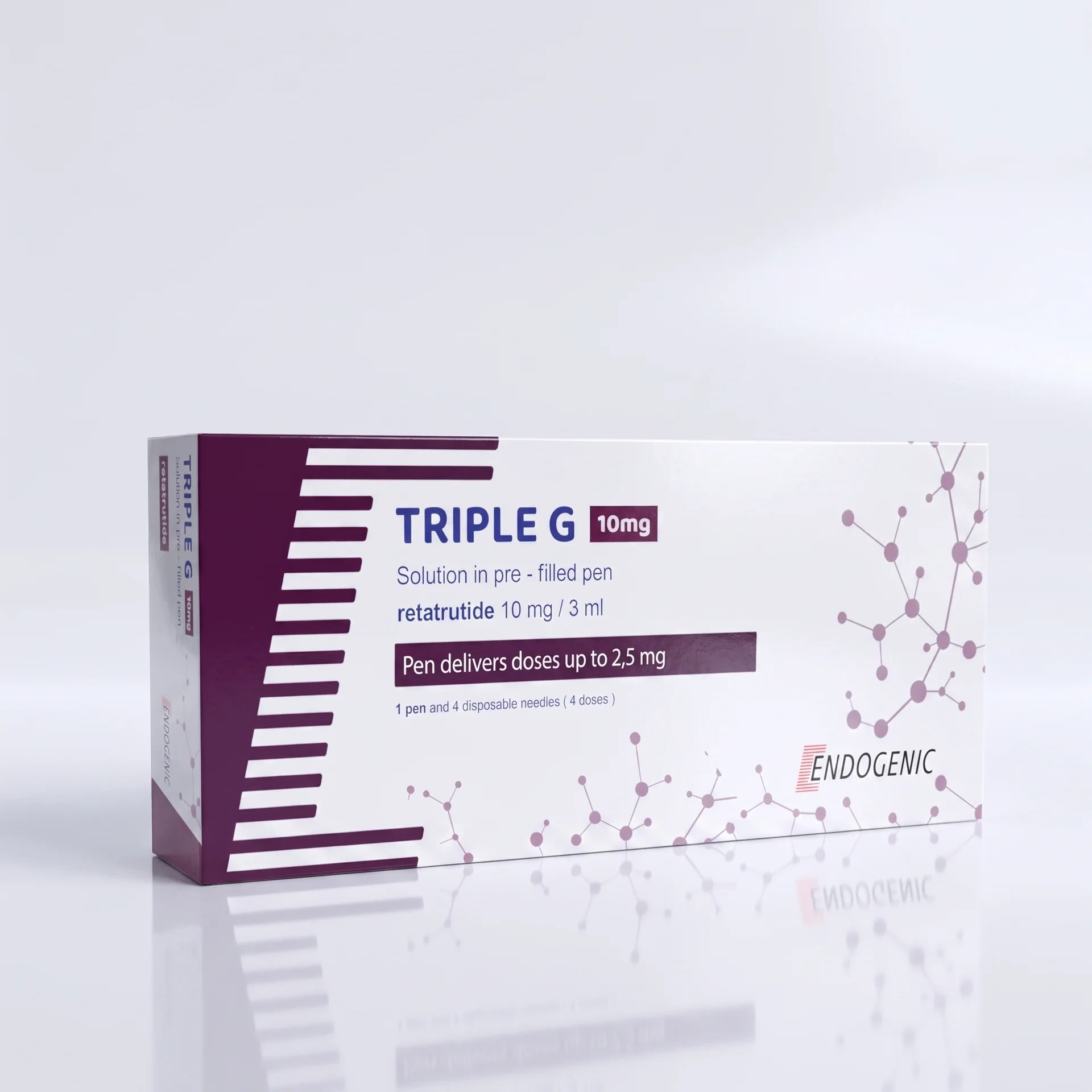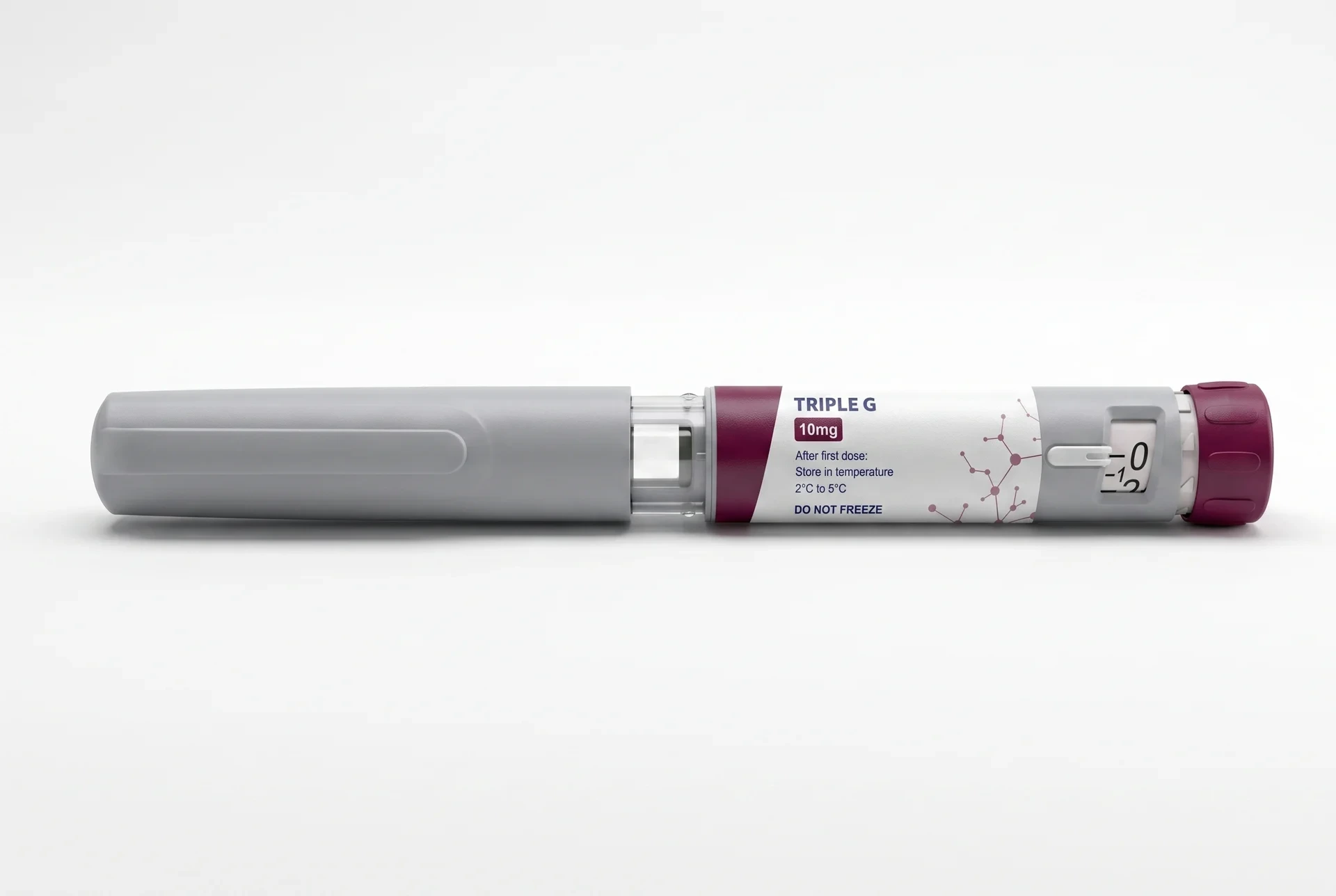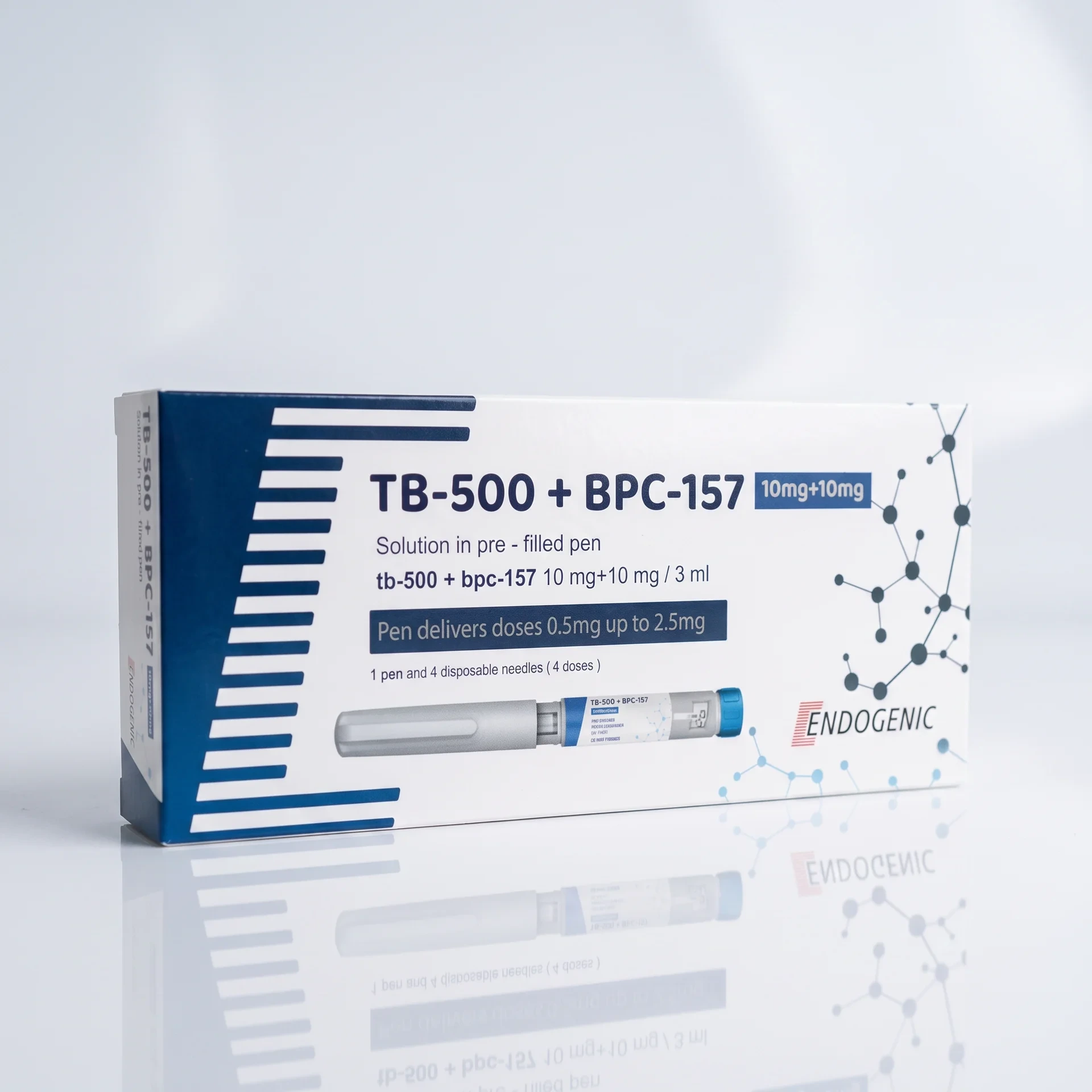
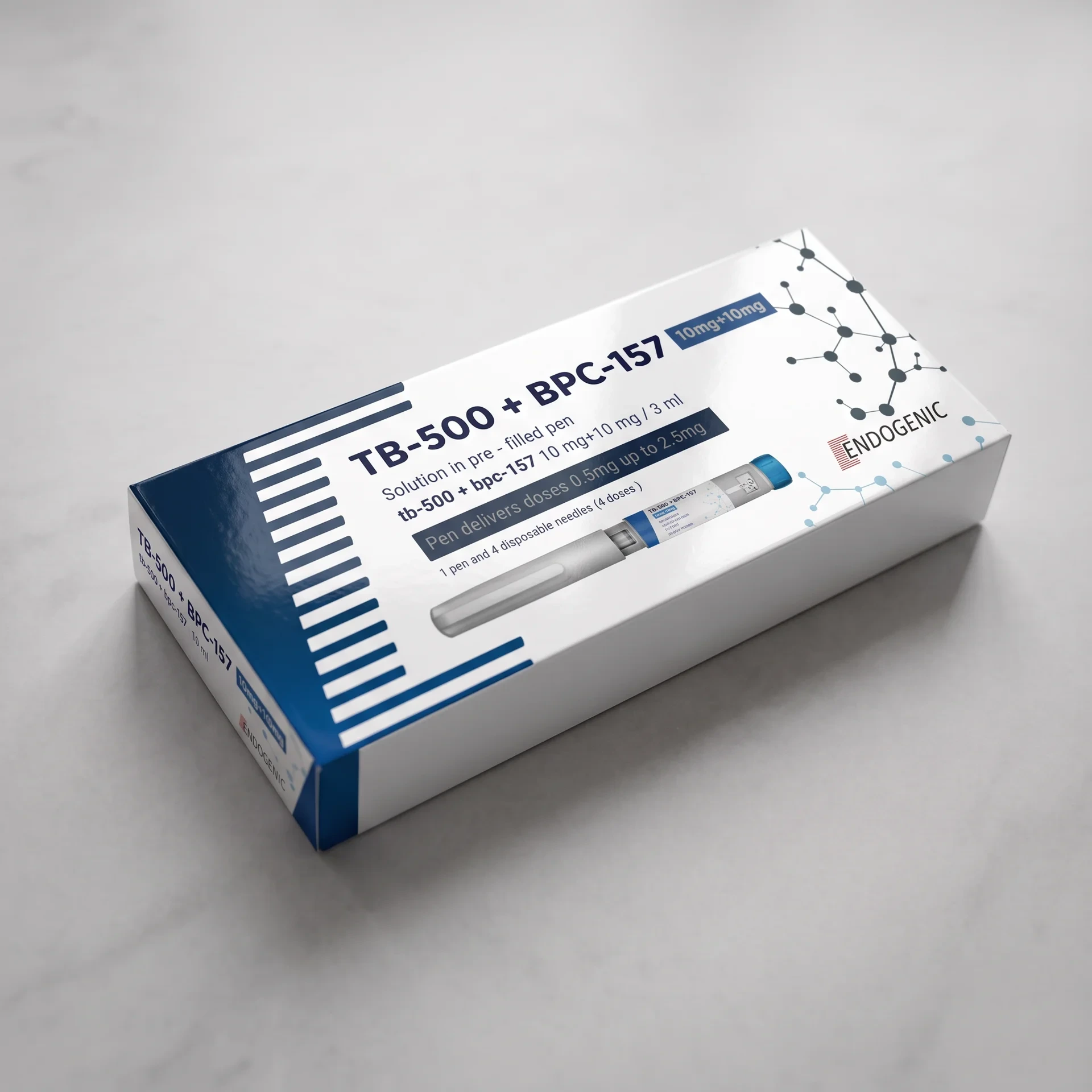
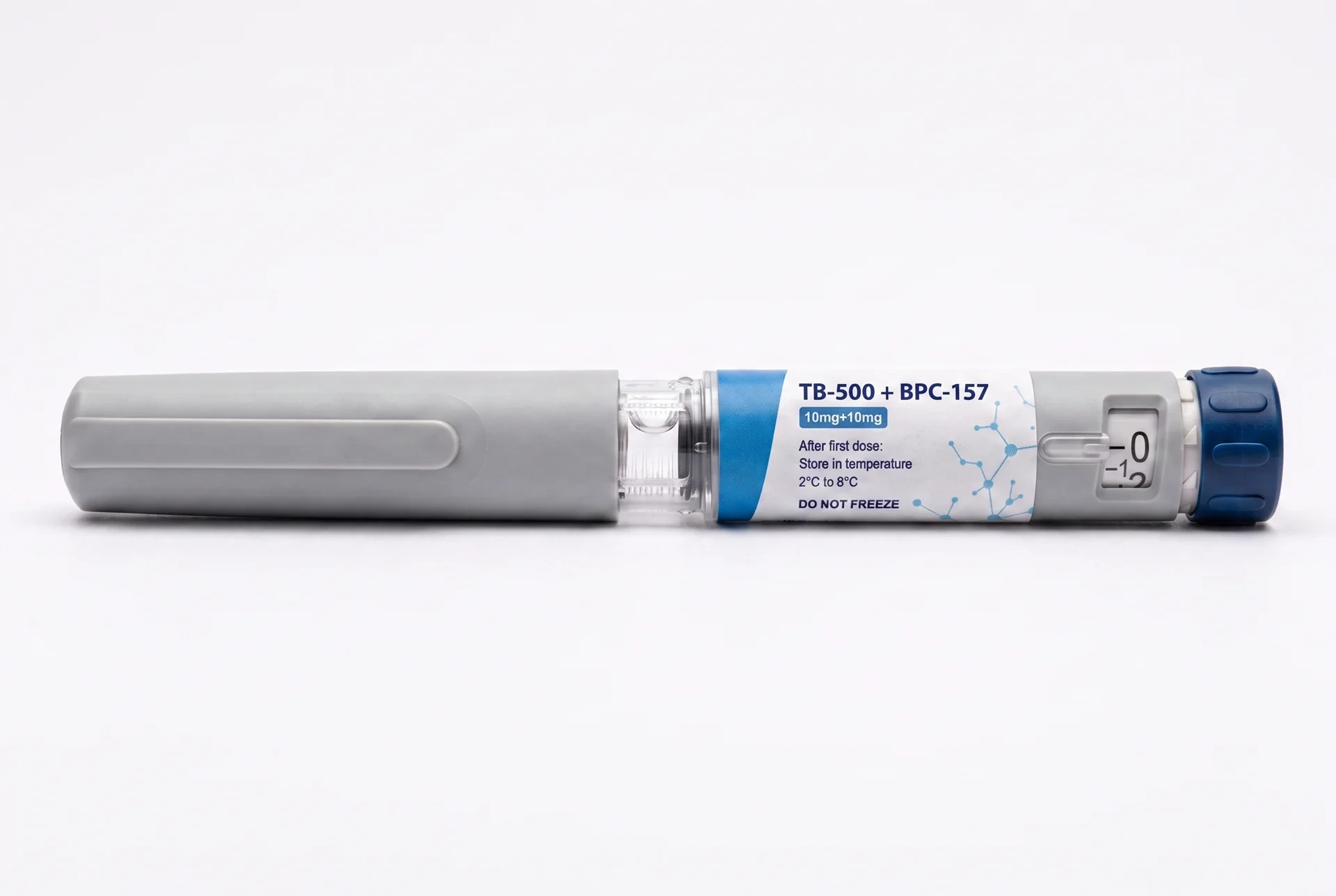
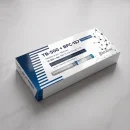
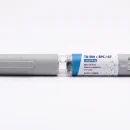
BPC-157 + TB-500 10mg + 10mg PEN
Endogenic TB-500+BPC-157 is a set of two high-purity synthetic peptides, placed in a carrier solution inside a PEN-type applicator. This product allows for precise dosing of microliter amounts of the substance, which is key in conducting experiments on cell lines or in physicochemical studies. The combination of the BPC-157 peptide and TB-500 (a fragment of thymosin beta-4) in a single research medium allows for the analysis of their potential molecular interactions and their impact on tissue cultures under controlled conditions.
94,99 €
With code BLACK: 75,99 €
Lowest price in the 30 days before the discount:
94,99 €
Fast shipping
Free delivery from 350 €
Returns policy
TB-500+BPC-157 10mg+10mg - Endogenic peptides in a pen
- TB-500 and BPC-157 combined in one applicator.
- Nominal content: 10 mg TB-500 and 10 mg BPC-157.
- PEN format; reagent exclusively for laboratory research.
TB-500 and BPC-157 are two peptides that have gained significant attention in the scientific community due to their potential activity in the context of research on tissue regeneration, angiogenesis, and modulation of cellular response. It must be clearly emphasized that all information presented in this document refers exclusively to research applications and does not constitute any therapeutic recommendations.
What is TB-500+BPC-157?
Endogenic TB-500+BPC-157 10mg+10mg PEN is a preparation in a convenient pen form containing:
- TB-500 (synthetic fragment of Thymosin Beta-4) – a peptide consisting of 43 amino acids with a molecular mass of approximately 4.9 kDa
- BPC-157 (Body Protection Compound 157) – a pentadecapeptide consisting of 15 amino acids with a molecular mass of approximately 1.4 kDa
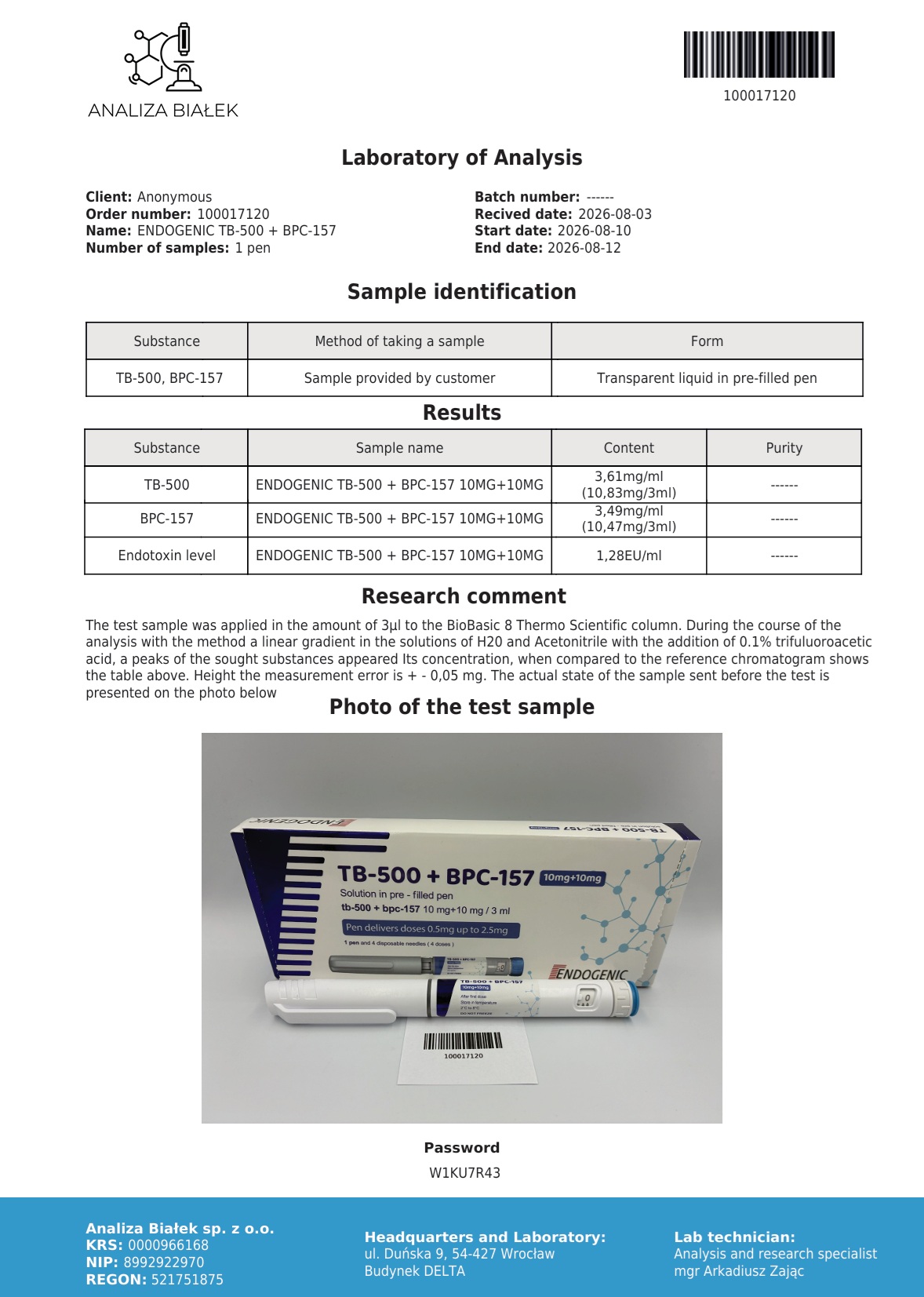
Each pen contains 10 mg of TB-500 and 10 mg of BPC-157 in a stable aqueous formulation prepared using pharmaceutical technologies ensuring high purity and stability of the peptide molecules.
Structure and chemical properties
TB-500 (Thymosin Beta-4)
TB-500 is a synthetic form of a fragment of the Thymosin Beta-4 protein, a naturally occurring peptide in mammalian organisms. Its amino acid sequence comprises 43 amino acids:
Sequence: Ac-Ser-Asp-Lys-Pro-Asp-Met-Ala-Glu-Ile-Glu-Lys-Phe-Asp-Lys-Ser-Lys-Leu-Lys-Lys-Thr-Glu-Thr-Gln-Glu-Lys-Asn-Pro-Leu-Pro-Ser-Lys-Glu-Thr-Ile-Glu-Gln-Glu-Lys-Gln-Ala-Gly-Glu-Ser
Physicochemical properties:
- Molecular mass: ~4963 Da
- Empirical formula: C212H350N56O78S
- Solubility: high in water and buffer solutions with pH 6-8
- Stability: stable at 2-8°C
- pKa: approximately 10.5 (due to the presence of amine groups)
TB-500 exhibits a characteristic ability to bind actin – a structural protein of the cellular cytoskeleton – through the actin-binding domain located in its N-terminal part.
BPC-157 (Body Protection Compound 157)
BPC-157 is a pentadecapeptide consisting of 15 amino acids derived from a fragment of a gastric protective protein.
Sequence: Gly-Glu-Pro-Pro-Pro-Gly-Lys-Pro-Ala-Asp-Asp-Ala-Gly-Leu-Val
Physicochemical properties:
- Molecular mass: ~1419 Da
- Empirical formula: C62H98N16O22
- Solubility: good in water and physiological solutions
- Stability: exhibits high biochemical stability, including resistance to proteolytic enzymes
- pKa: approximately 9.8
BPC-157 is characterized by a unique spatial structure that enables its interaction with numerous cellular receptors and growth factors.
Mechanisms of action
Below are the molecular mechanisms of TB-500 and BPC-157 observed in in vitro and in vivo studies on animal models. This information is strictly scientific and does not constitute any therapeutic indications.
TB-500 – Molecular Mechanism
Actin Binding and Cytoskeleton Modulation
TB-500 binds monomeric G-actin (globular actin) and prevents its polymerization into F-actin (filamentous) form. This process has a significant impact on cellular cytoskeleton dynamics, which in in vitro studies has shown influence on:
- Cell migration
- Cellular plasticity
- Cell adhesion processes
Activation of Signaling Cascades
Studies have shown that TB-500 can activate Integrin-Linked Kinase (ILK), leading to the activation of signaling pathways:
- PI3K/Akt pathway (related to cell survival)
- ERK/MAPK pathway (related to cellular proliferation)
Stimulation of Angiogenesis
In in vitro models, it has been observed that TB-500 can stimulate endothelial cell differentiation and the formation of vascular structures through:
- Increasing expression of VEGF (vascular endothelial growth factor)
- Regulation of hypoxia-inducible factor HIF-1α
Modulation of Inflammatory Response
TB-500 exhibits an influence on the modulation of pro-inflammatory cytokine release (TNF-α, IL-6) and the stimulation of anti-inflammatory cytokines (IL-10) in in vitro studies.
BPC-157 – Molecular Mechanism
Regulating Angiogenesis
BPC-157 in in vitro studies has shown influence on the angiogenesis process through:
- Modulation of VEGF expression
- Activation of the VEGFR-2 receptor
- Stimulation of vascular endothelial cell migration
This process was observed in cell cultures of the HUVEC (Human Umbilical Vein Endothelial Cells) line.
Nitric Oxide (NO) Stabilization
BPC-157 affects the synthesis and stability of nitric oxide by regulating nitric oxide synthase (NOS) activity. Studies have shown both activation and stabilization of NOS depending on the research model.
Modulation of Growth Factors
In studies on animal models, it has been observed that BPC-157 can modulate the expression of:
- EGF (epidermal growth factor)
- FGF (fibroblast growth factor)
- PDGF (platelet-derived growth factor)
Cytoprotective Action
In cell cultures, it has been demonstrated that BPC-157 can protect cells from oxidative damage and influence the integrity of the mucosal barrier by regulating tight junction proteins.
Modulation of JAK/STAT and MAPK Pathways
BPC-157 in in vitro studies has shown the ability to influence the JAK/STAT and MAPK signaling pathways, which are crucial for cellular proliferation and differentiation processes.
Used in research
Endogenic TB-500+BPC-157 10mg+10mg PEN can be utilized in a variety of in vitro and in vivo research projects on animal models. Below are examples of research areas:
Angiogenesis Research
Both peptides exhibit proangiogenic activity in in vitro studies, making them valuable tools for:
- Studies on the formation of new blood vessels
- Analyses of the influence of growth factors on endothelial cells
- Studies on neovascularization processes
Tissue Regeneration Research
In animal models, TB-500 and BPC-157 are used for research on:
- Repair processes of soft tissues (muscles, tendons, ligaments)
- Nervous tissue regeneration
- Wound healing and tissue reconstruction
Inflammation Modulation Studies
These peptides can be applied in research on:
- Mechanisms of the inflammatory response
- The influence of cytokines on cellular processes
- Anti-inflammatory signaling pathways
Cytoskeleton and Cell Migration Research
TB-500, due to its actin-binding capability, is used in studies on:
- Cytoskeleton dynamics
- Cell migration
- Cell adhesion and invasion processes
Mucosal Barrier Research
BPC-157 finds application in research on:
- The function of the gastrointestinal mucosal barrier
- Integration of cellular tight junctions
- Cytoprotective mechanisms
Pharmacological Research
These peptides can be used as reference substances in pharmacological studies concerning:
- Kinetics and pharmacokinetics of peptides
- Peptide interactions with cellular receptors
- Biochemical stability of peptides
Conclusion
Endogenic TB-500+BPC-157 10mg+10mg PEN is a specialized preparation intended exclusively for research applications under controlled laboratory conditions. The product is not a medicinal product, dietary supplement, or cosmetic, and must not be used in humans.
Key Product Features:
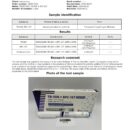
- High peptide purity – ≥98% confirmed by HPLC method
- Precise formulation – 10 mg TB-500 + 10 mg BPC-157 in one pen
- Biochemical stability – appropriate storage conditions ensure long-term stability
- Convenience of use – the pen ensures precise dosing in laboratory conditions
- Research purpose – exclusively for in vitro and in vivo applications on animal models
- Scientific applications – research on angiogenesis, regeneration, cytoskeleton, inflammation modulation
Important Disclaimers:
- The product is not intended for use in humans
- It does not constitute a medicinal product within the meaning of Pharmaceutical Law
- All information is strictly scientific and educational in nature
- Research should be conducted in accordance with the principles of Good Laboratory Practice (GLP)
Scientific References
- Seiwerth, S., Rucman, R., Turkovic, B., Sever, M., Klicek, R., Radic, B., … & Sikiric, P. (2018). BPC 157 and standard angiogenic growth factors. Gastrointestinal tract healing, lessons learned from tendon, ligament, muscle and bone healing. Current Pharmaceutical Design, 24(18), 1972-1989.
- Goldstein, A. L., Hannappel, E., & Kleinman, H. K. (2005). Thymosin β4: actin-sequestering protein moonlights to repair injured tissues. Trends in Molecular Medicine, 11(9), 421-429.
- Gwyer, D., Wragg, N. M., & Wilson, S. L. (2019). Gastric pentadecapeptide body protection compound BPC 157 and its role in accelerating musculoskeletal soft tissue healing. Cell and Tissue Research, 377(2), 153-159.
5.0
4 reviews
-
Olaf
Pomógł
Produkt pomógł mi w cięższym czasie :)
Polecam -
Aga
Super
Wszystko super. Polecam
-
Tomek
 Polski
Bardzo polecam
Bardzo dobra obsługa sklepu i wysyłka na czas.
Polecam Pro-Body -
Thomas
Polski
Product review
To taki produkt, który zawsze musisz mieć w zapasie w domu, szczególnie kiedy jesteś sportowcem. Do tego w przystępnej cenie.