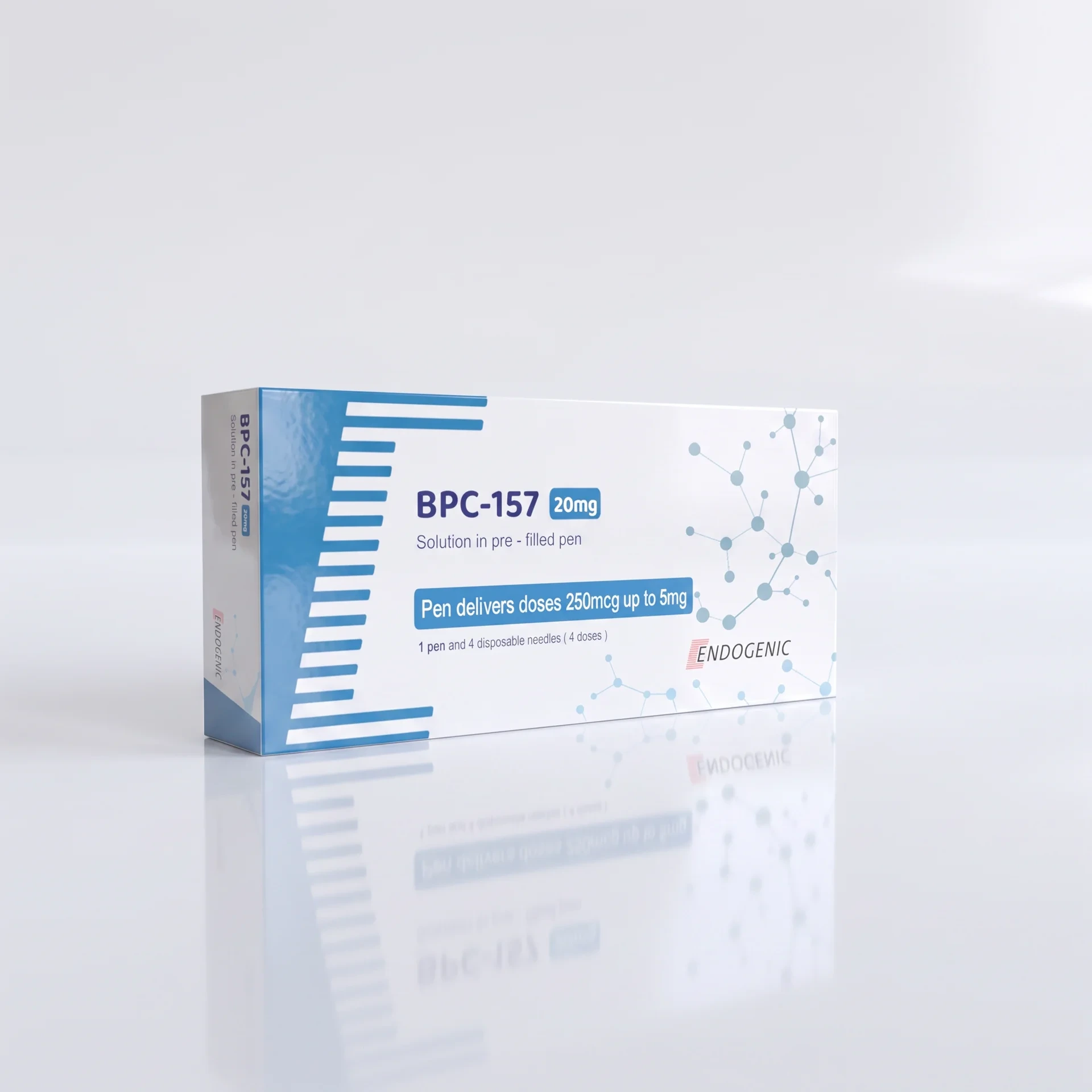
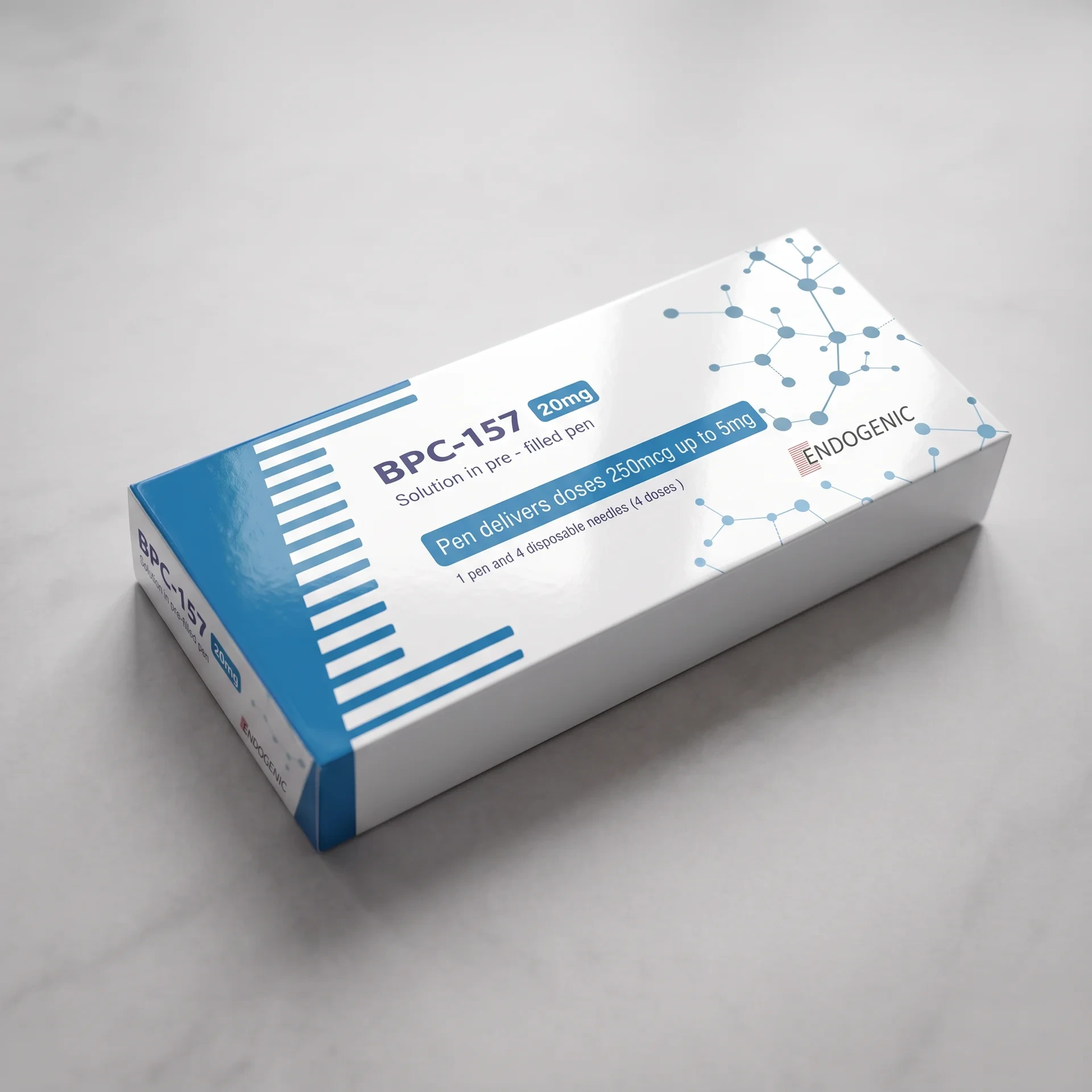
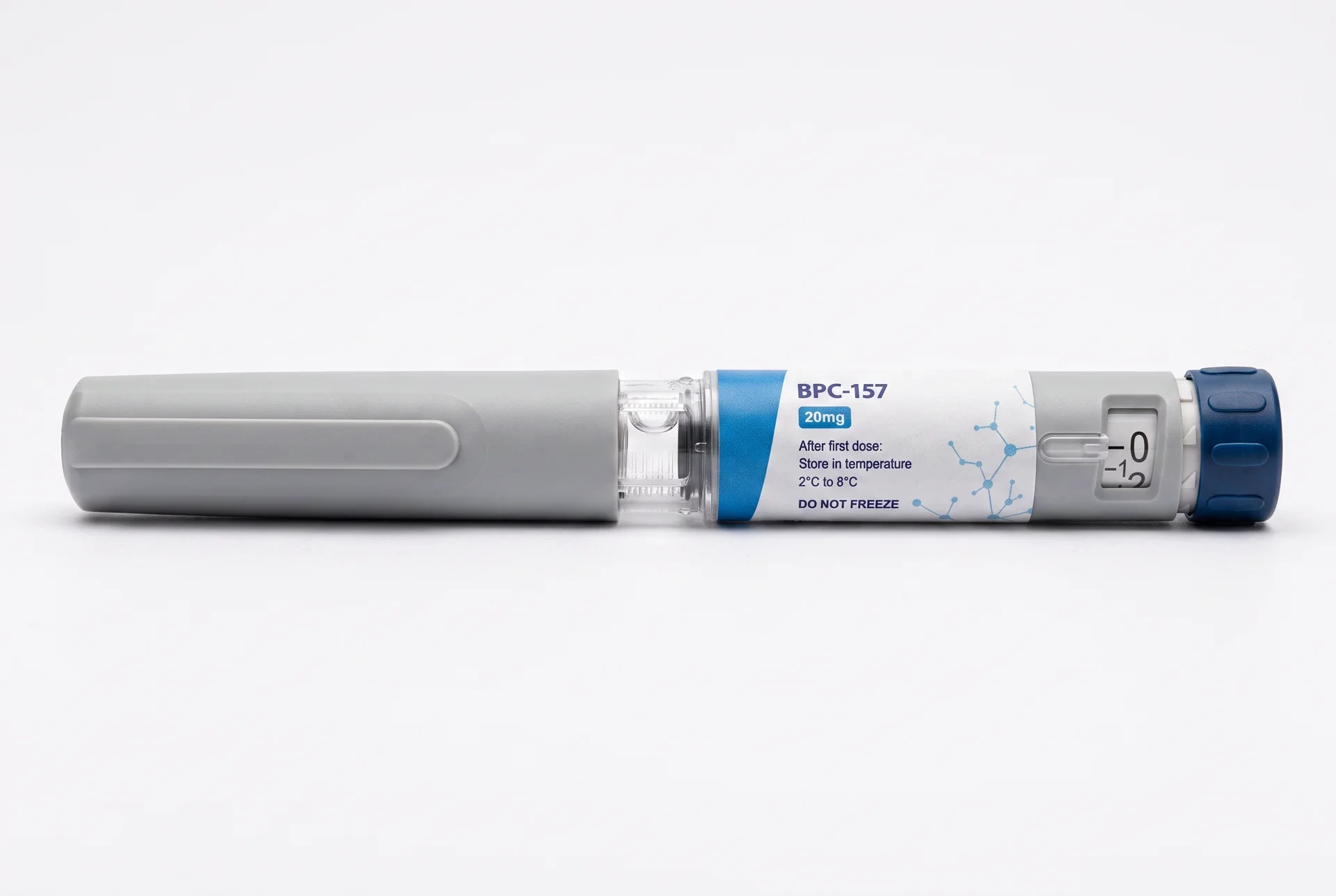
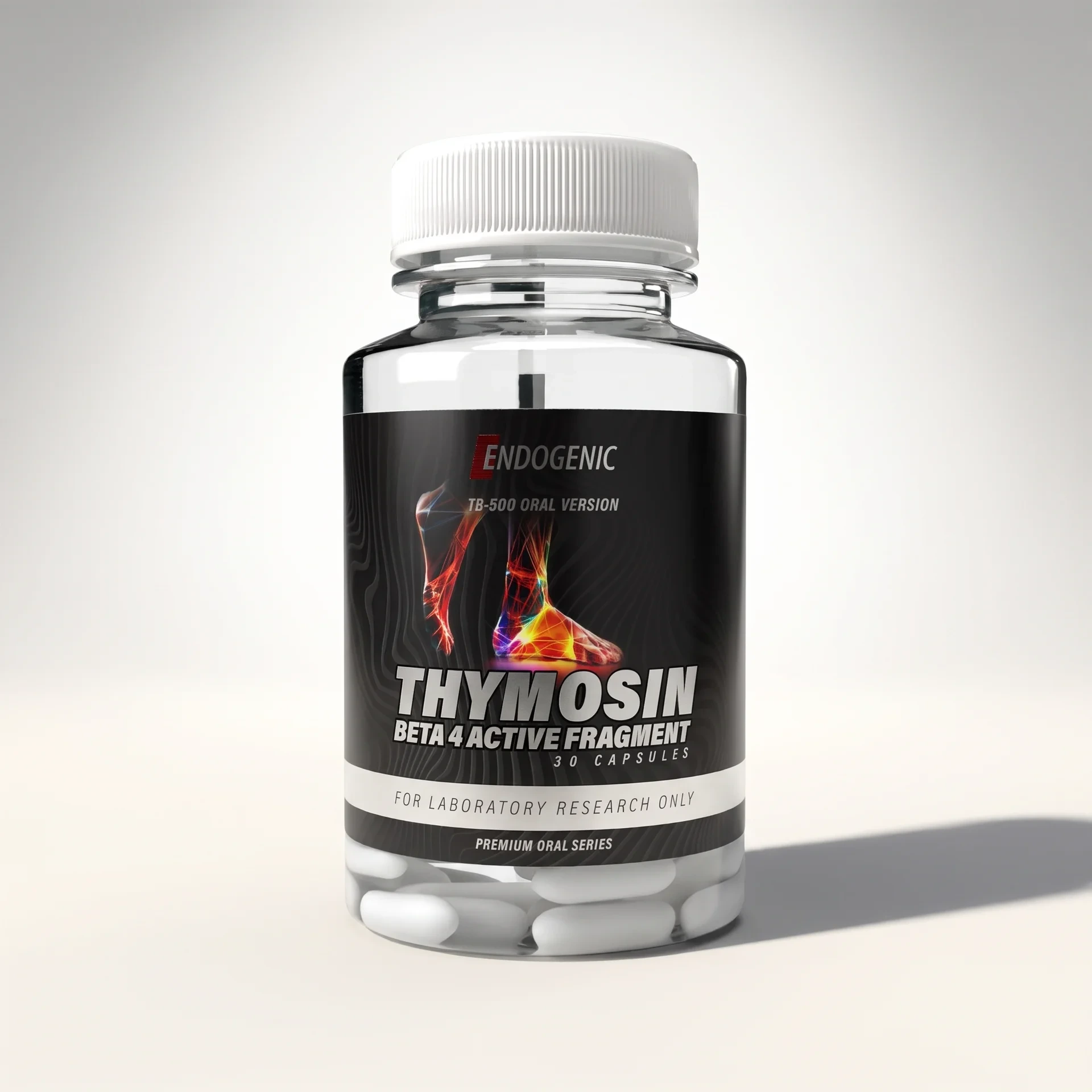
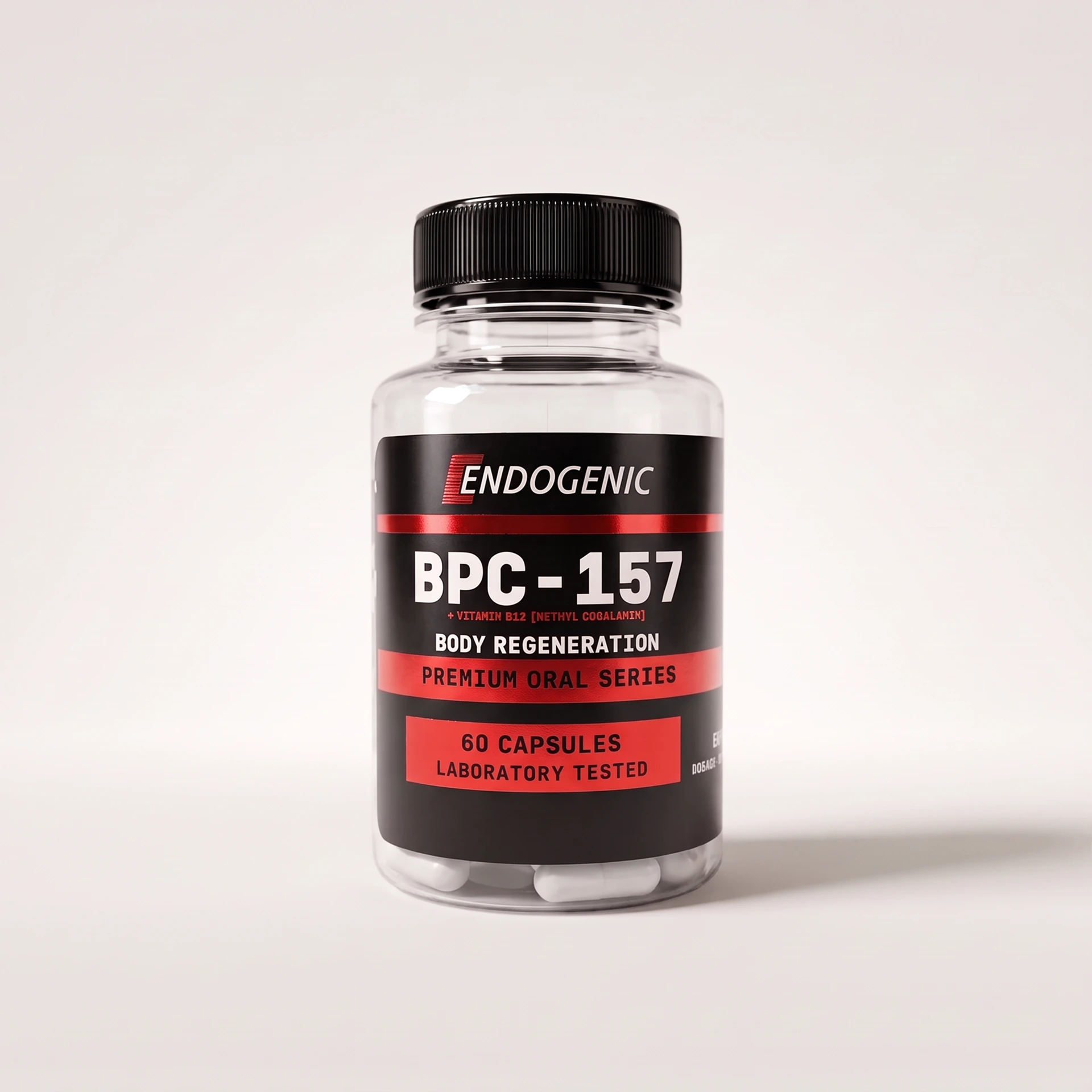
The profile of BPC-157 in the preclinical literature divides into several complementary molecular axes. Below they are set out separately — with the name of the pathway and the practical translation observed in research models. The PEN form does not change any of these mechanisms; they concern the BPC-157 molecule regardless of the form in which it is supplied.
Angiogenesis via VEGFR2 and the NO pathway. The best-documented axis of BPC-157. VEGFR2 (vascular endothelial growth factor receptor) is the main element of the formation of new blood vessels; it acts together with endothelial nitric oxide synthase (eNOS) and an increase in the availability of nitric oxide (NO), which dilates vessels and improves microcirculation. In the literature, BPC-157 was associated with intensified neovascularisation in the area of injury (Sikiric et al. 2018). Better vascularisation of the regenerating tissue translated in models into more efficient repair.
Regulation of FAK-paxillin signalling. In cellular models, BPC-157 was associated with activation of the FAK-paxillin pathway (focal adhesion kinase and an adhesion protein mediating cell attachment and movement). This is the pathway responsible for cell adhesion to the matrix and their migration — the molecular background for linking the peptide with tissue repair.
Protection of the endothelium and the gastric and intestinal mucosa. Historically the first area of research on the molecule, consistent with its gastric origin. In models of gastric ulcers and intestinal inflammation, BPC-157 was associated with protection of the integrity of the mucosa and the vascular endothelium. This is the cytoprotective component of the peptide profile.
Modulation of the brain-gut axis and the NO pathway. Sikiric et al. (2016) described BPC-157 in the context of the brain-gut axis (gut-brain axis) with the NO pathway — regulation of flow in existing vessels, complementary to angiogenesis. This is an extension of the profile beyond local repair, towards the systemic regulation observed in models.
Tendon maturation and fibroblast proliferation. In models of tendon injury, BPC-157 was associated with the proliferation and migration of tendon fibroblasts. Chang et al. (2011) described the effect of the peptide on the growth, survival and migration of tendon cells in culture — the molecular background for linking BPC-157 with repair of the tendon-ligament apparatus.
Cytoprotection as a common denominator. Hsieh et al. (2017) described the pro-angiogenic and reparative profile of BPC-157 in models of vascular injury, tying the angiogenesis thread together with cytoprotection. This is the axis that links the remaining mechanisms: protection of cells against damage while simultaneously supporting vessel formation and the migration of repair cells.
IMPORTANT DISTINCTION — PEN vs lyophilisate vial vs ARG BPC-157
Under the heading “BPC-157”, various forms function in the trade that must be distinguished.
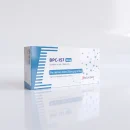
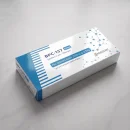
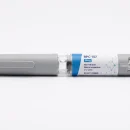
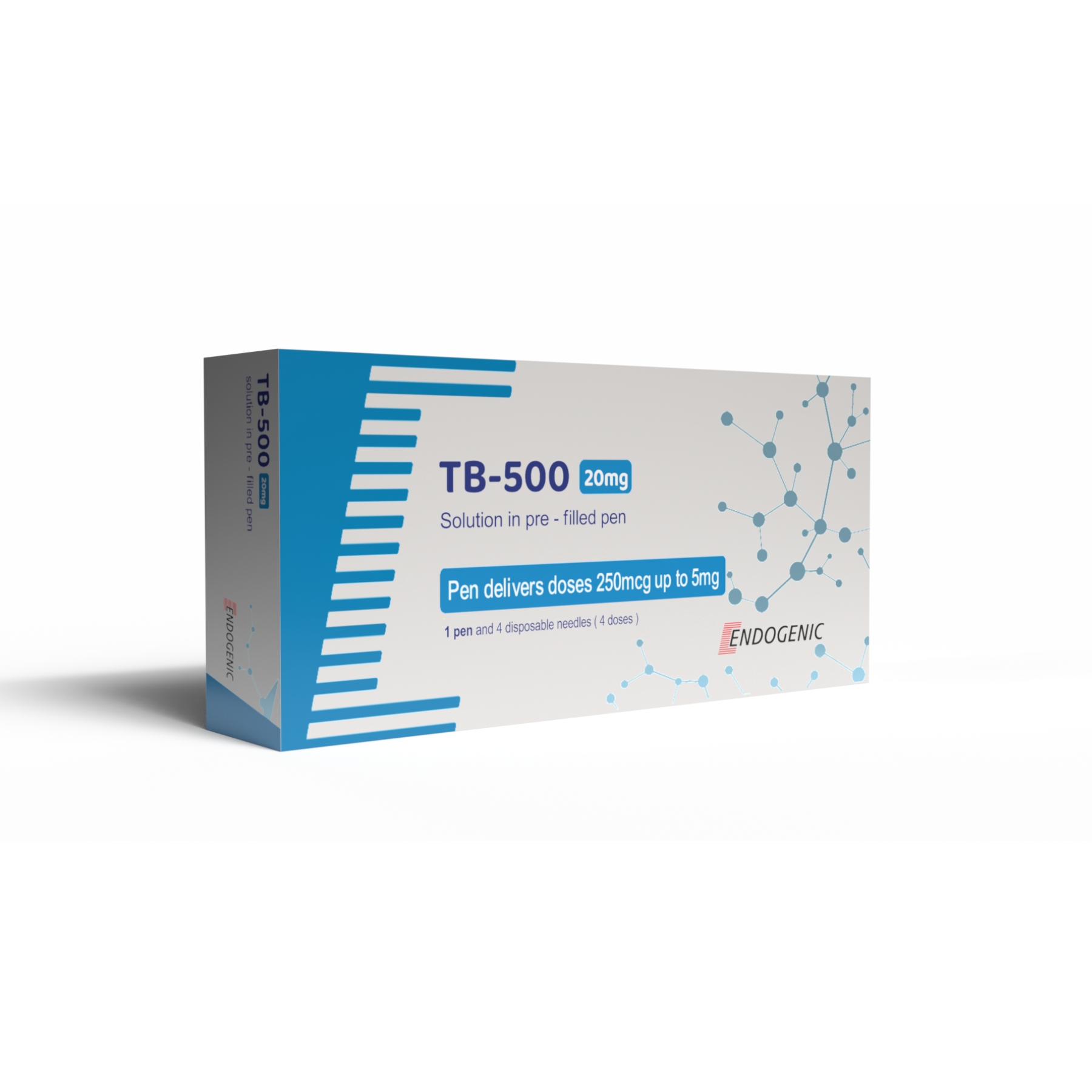
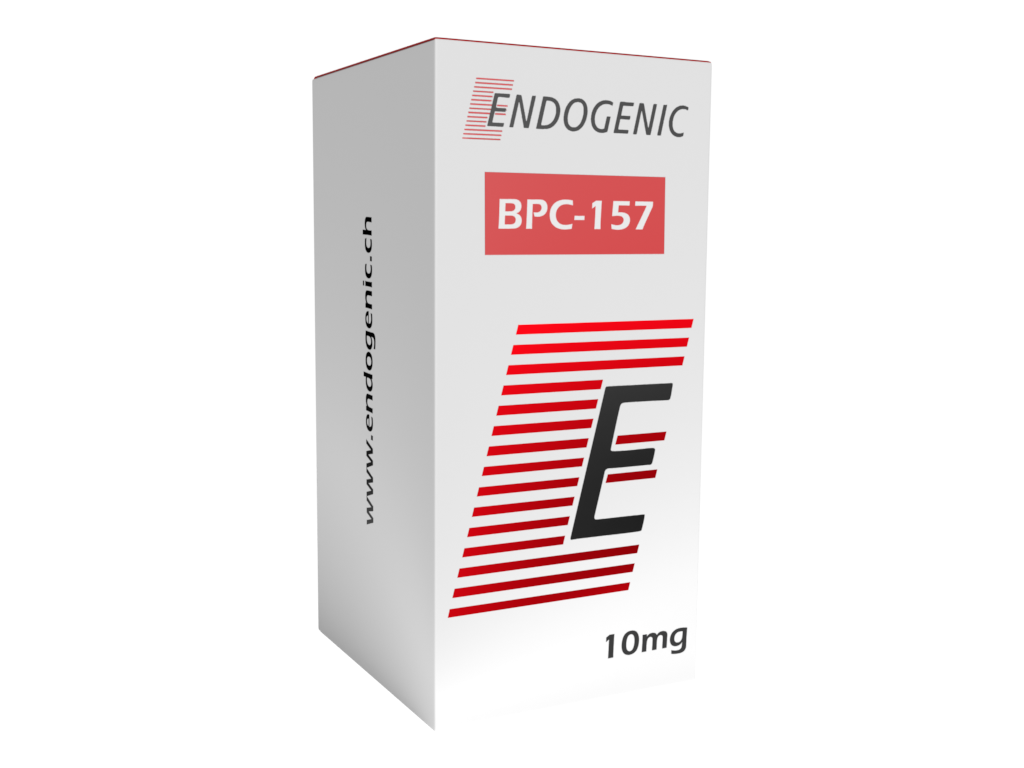
PEN form (ready solution) vs lyophilisate vial (reconstitution). This product is a pre-dissolved solution in a PEN applicator — a form of administration, not a different molecule. It is the same BPC-157 molecule as in the classic vial BPC-157 10mg, the difference concerns only the form: PEN delivers a ready solution without the reconstitution step, the vial — a dry powder for self-dissolution. The choice of form is a decision about ergonomics and the repeatability of work, not about a different compound.
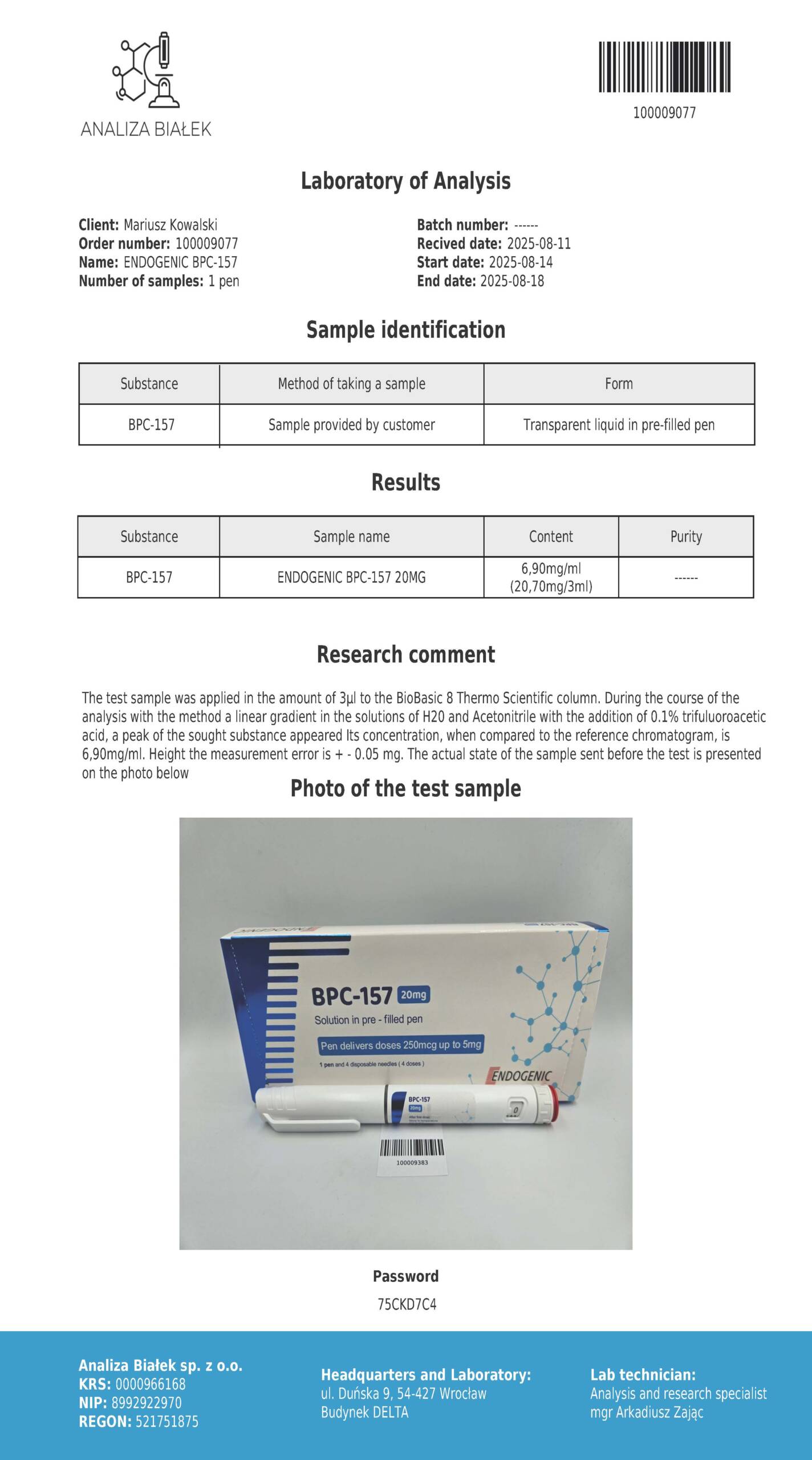
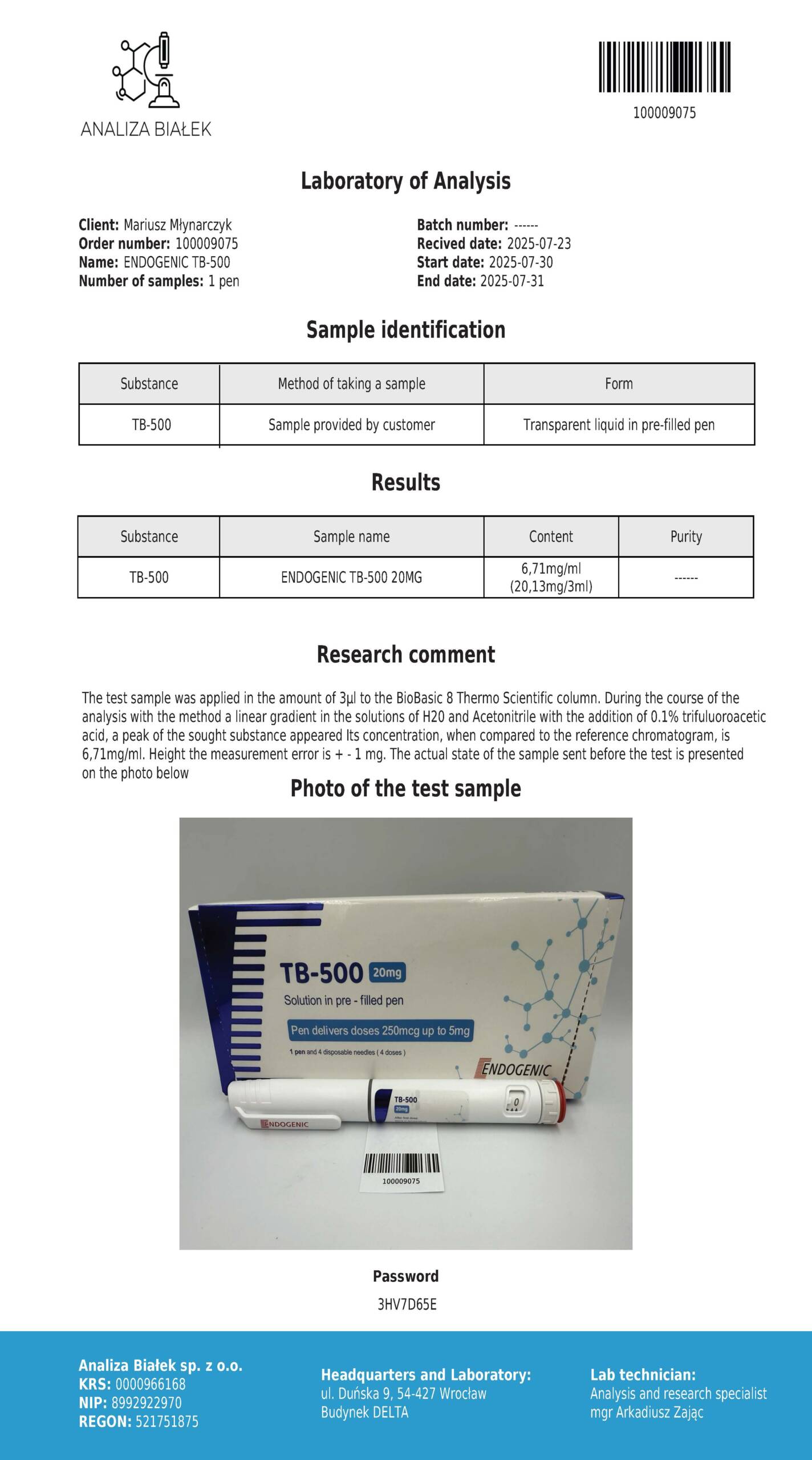
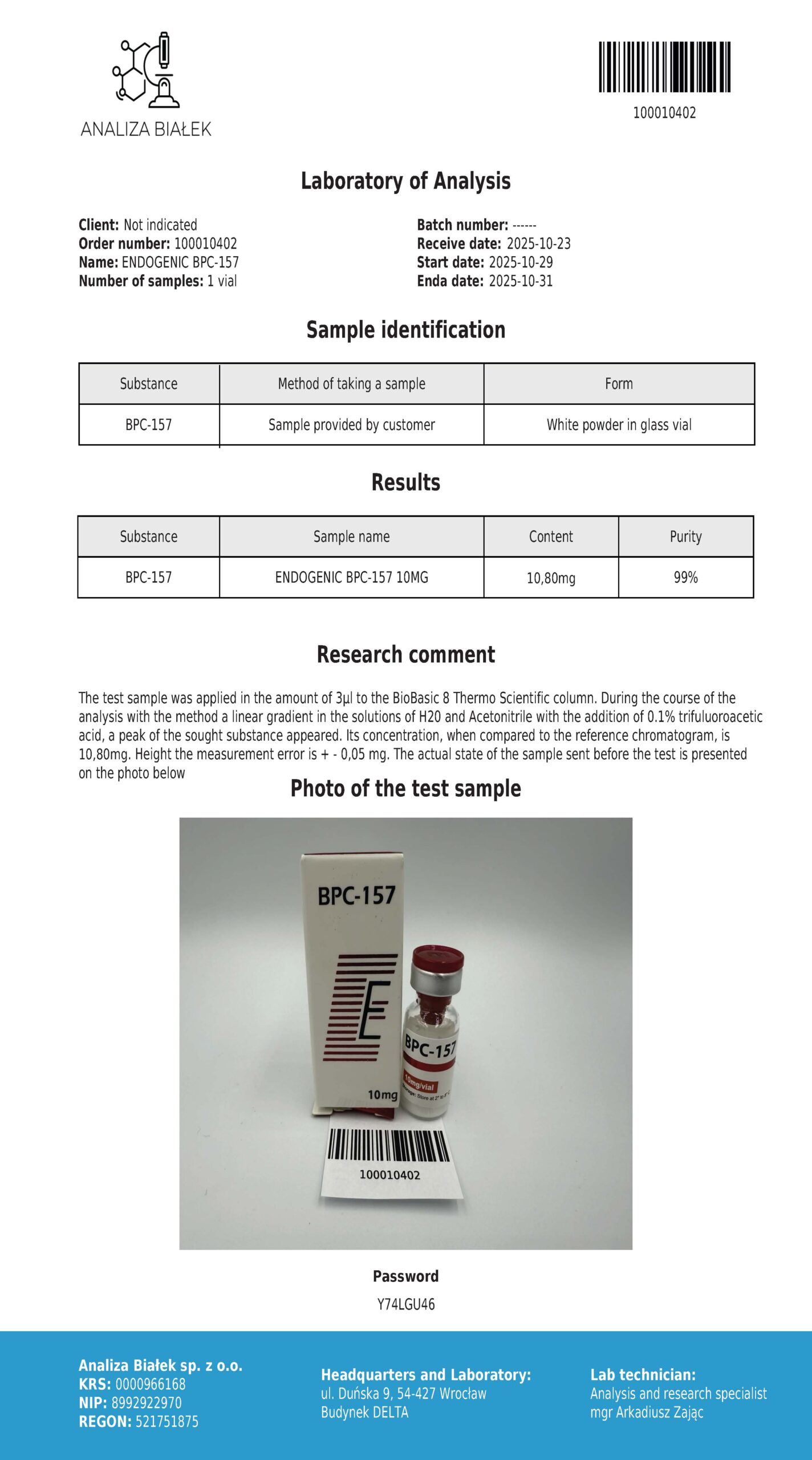
BPC-157 vs ARG BPC-157 (arginine salt). A separate distinction is the salt of the peptide. In the trade, BPC-157 appears as the free peptide and as ARG-BPC-157 5mg — the same pentadecapeptide bound to an arginine residue, with a different mass and a different solubility profile. These are different salt forms of the same sequence — they are determined by the sequence and molecular mass in the mass spectrometry recorded in the batch COA, not by the trade name. The PEN form may contain the salt indicated in the COA — the batch document is binding here.
WADA status. Regardless of the form (PEN, vial, arginine salt), BPC-157 has been on the WADA Prohibited List since 2022 in category S0 (non-approved substances). The form of administration does not change the anti-doping status.
“Supports regeneration” or “supports tendon healing” in the context of this description means: “in in vivo studies on animal models and in cell cultures, an effect of BPC-157 on the VEGFR2/eNOS/NO and FAK-paxillin pathways was observed”. It does not mean a guarantee of an effect in humans, nor a suggestion that BPC-157 PEN may serve as an agent for injuries, tendons, wounds or post-exercise regeneration.